
Kanazawa, Toyama, Takayama & Matsumoto - Travel Japan’s Three Star Road
Japan is a wonderland, and the 200-kilometre-long Three-Star Road takes in five of its gems: Kanazawa, Takayama, Shirakawa-go, Gokayama & Matsumoto. Here is our guide to spending 7art-filled days exploring its studios, workshops, hotels and natural marvels.
At Lodestars Anthology, our editors independently select everything we feature. Some of the links you’ll find on our site are affiliate links, and this means we may earn a small commission if you choose to book or purchase through them, at no extra cost to you. We’re always transparent about affiliate links, and our content is never influenced by these partnerships.
Words & Photographs by Giulia Verdinelli
As I turned my freshly-carved, perfectly imperfect wooden coaster in my hands (ignoring the small cuts the carving process had cost me), I felt oddly inebriated – such is the magic of Yoshisada Ishihara’s studio in Inami, Toyama, which smelt like an enchanted forest of camphor and cedar. The aroma made me think of the glossy persimmon lacquer I’d encountered in Takayama, and the sweet mountain breeze that had lulled me earlier in my trip as I gazed across historic farmhouses untroubled by time.
I’d come to Japan to travel along the Three-Star Road, which threads through Matsumoto, Takayama, Shirakawa-go, Gokayama, Inami and Kanazawa, taking in stunning landscapes, castle towns, chocolate box mountain villages, old wooden streets, manicured gardens, samurai history and World Heritage thatched houses. Naturally, it wasn’t just the heady scents that left me elated.
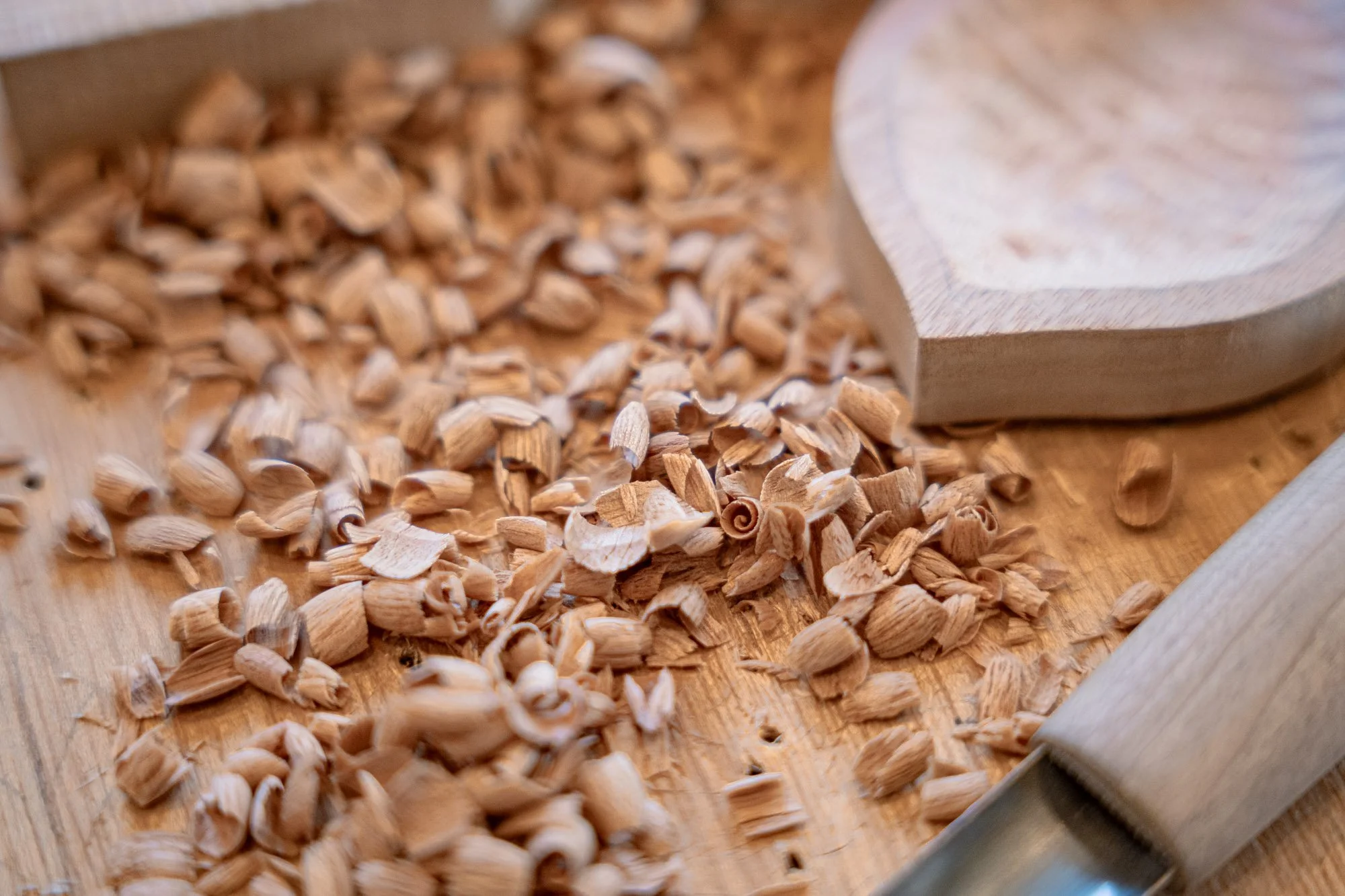
Curls of camphor tree
Mingei in Matsumoto
At Matsumoto Hotel Kagetsu, my morning coffee came with classical versions of anime songs, while the interior looked uncannily like my local British pub. The arm of my 19th-century Windsor chair was worn smooth by the hundreds of elbows it had supported before mine. It should not have worked. Somehow, it did.
When I asked how I had suddenly been transported to Sussex, the manager smiled. “Back in the 1950s, British potter Bernard Leach introduced Windsor chair-making to Matsumoto craftsmen,” she explained. “They began making them with local wood and the spirit of mingei.”
The hotel dates back to 1887 and is closely associated with Matsumoto's folk craft culture - mingei - which I later discovered at the Mingeikan Folk Art Museum is a movement that values beauty of ordinary handmade things, especially anonymous, functional objects made for daily life.
But what moved me was not only that useful objects could be beautiful. It was the belief that use made them more striking.
The objects on display weren’t precious in the fragile, ‘don’t-breathe-near-me’ way museum pieces often are. They looked useful and used. A bowl chipped against a table. A tray weathered by years of being carried, wiped, knocked, repaired, returned to service.
I moved through the rooms slowly, letting this ethos sink in while also wondering whether I was allowed to sit on anything.
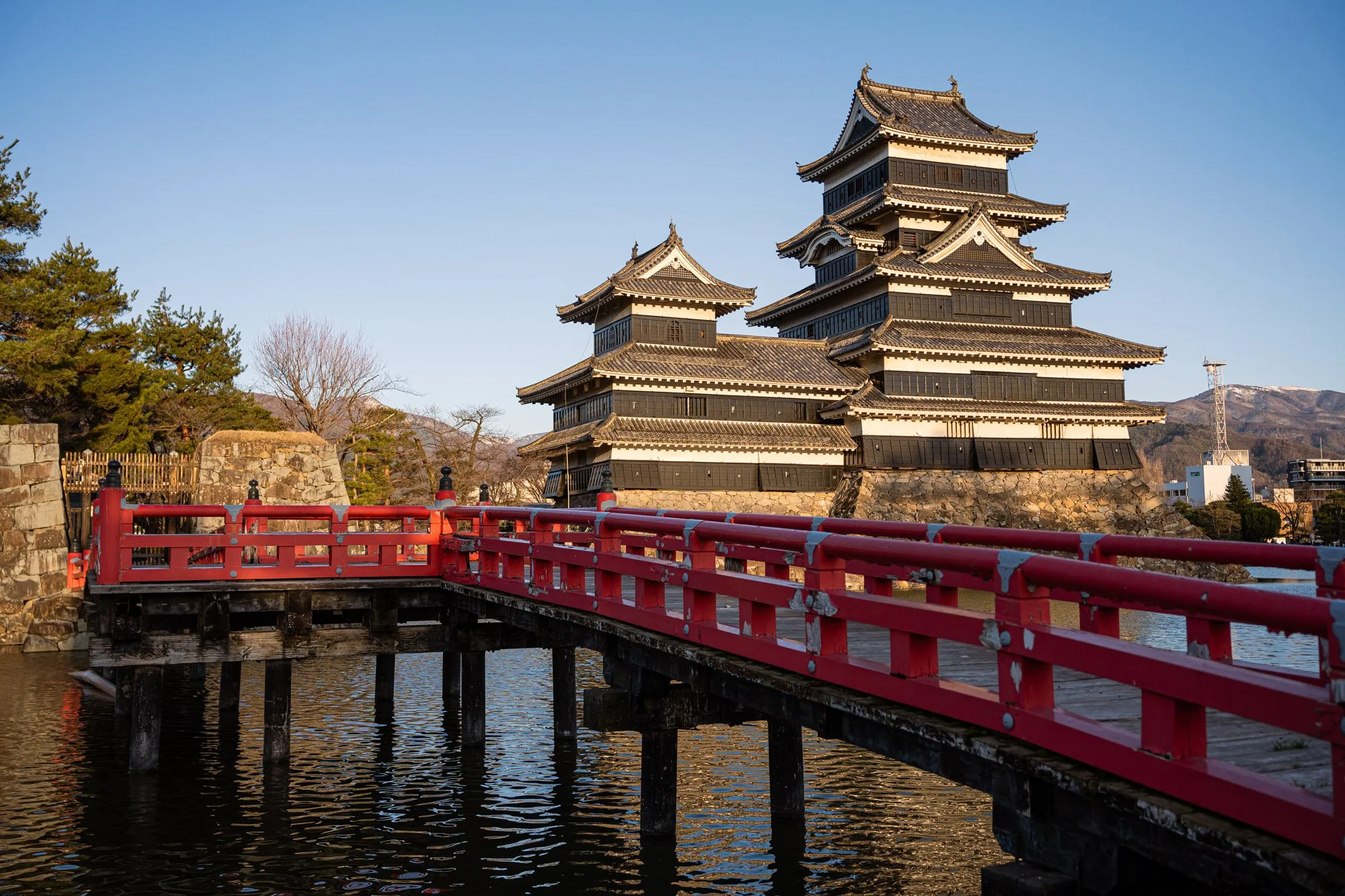
Matsumoto Castle
Takayama & Inami
I thought about mingei again as I stared at my yellow-stained fingers in Takayama. The old merchant streets, lined with stores and sake breweries were buzzing with tourists, while inside I was holding my breath over a small piece of wood, trying to spread amber lacquer evenly enough to make it catch the light like chestnut honey.
Kumazaki, the lacquer artist who was teaching me, looked across the table with the patient expression of a man who has watched many foreigners’ hands tremble.
The Hida Shunkei technique he taught in his Takayama workshop has been produced in the area for roughly 400 years; its signature is clear urushi lacquer layered over wood to reveal the natural grain rather than hide it under a decorative mantle.
Romantic in theory. Terrifying in practice because nothing conceals a wobbly hand. Not the brush. Not the lacquer. Tragically, not my face as I panic-smeared my hands in golden varnish.
Kumazaki offered soap and water, but I refused. The stains were ridiculous but I was proud of them. “A souvenir,” Kumazaki chuckled.
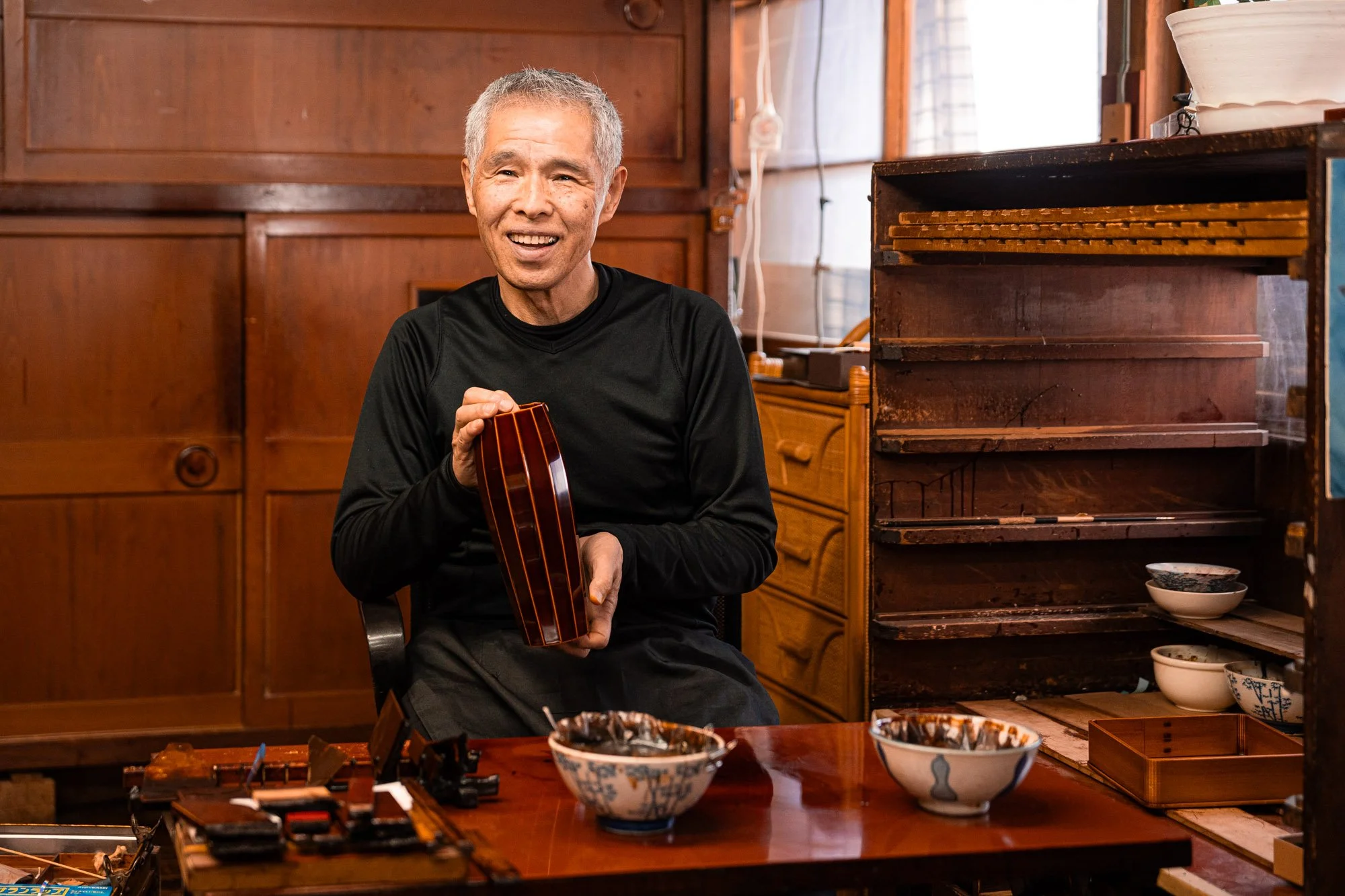
Kumazaki with his Hida Shunkei vase
Inami itself seemed chiselled from wood: dark eaves, honeyed facades, carved dragons watching from the lintels. The streets are dotted, delightfully, with wooden cats, because even centuries of sacred craftsmanship could not resist becoming adorable.
Inami’s carving tradition grew around Zuisen-ji Temple. As the story was told to me, the temple burned, craftspeople came from Kyoto to rebuild it, then it burned again, they returned. After the last major fire in the 18th century, the master carvers decided that travelling back and forth every time disaster struck was a poor long-term strategy. So they taught local carpenters the necessary skills. From that, a town of woodcarvers took root.
Zuisen-ji remains central to that story, with one of the largest wooden temple halls in the Hokuriku region and an interior dense with elaborate carved work. Here, the material is not just a surface glowing quietly under lacquer. It had volume, history and sound. It also, as I would soon discover, had teeth.
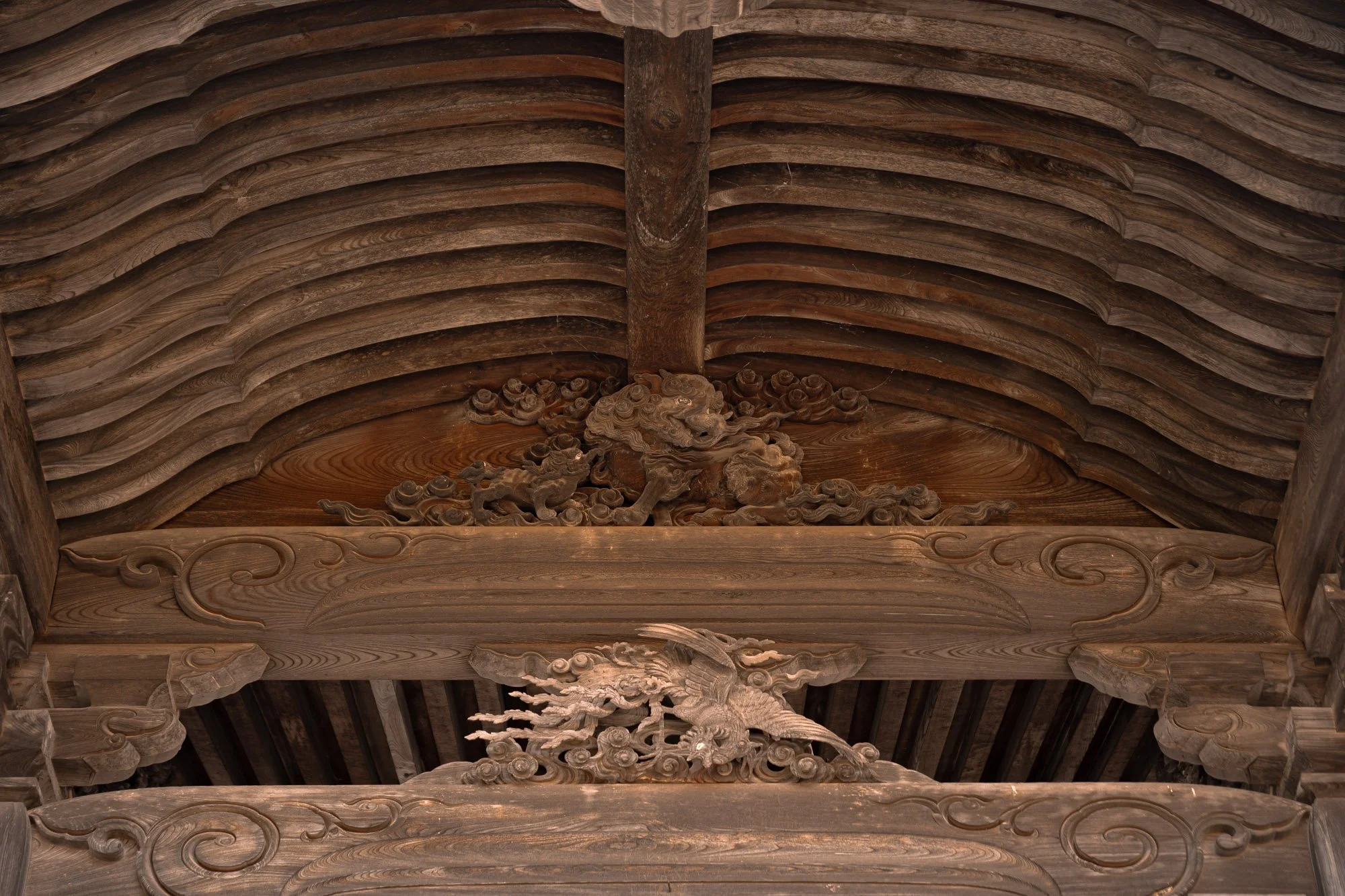
Detail of Zuisen-ji Temple in Inami
I visited Ishihara’s studio through Bed and Craft, an Inami project built around immersive travel. Guests sleep in renovated former workshops decorated by local artists, then take part in craft experiences with the same artists. By morning, convinced that craft skills could be absorbed through the mattress, I was prepared to become a woodcarver.
“I also have battle scars,” Yoshisada joked, lifting his sleeves to reveal forearms crosshatched with pale nicks. What I loved immediately about him was that he was not there to chat or pose for pictures. He sat me down, handed me the chisel from a collection arranged with surgical order and demonstrated one clean cut. Camphor curled under his blade as if it were butter. My chisel produced something closer to a biscuit crumbling.
Yoshisada had been carving for around three decades, creating intricate Buddhist sculptures. “I am not Buddhist,” he told me, brushing away a curl. “The spirit of the statue does not come from me. It comes from the person who prays.”
It was a disarming thing to hear from someone whose life was spent giving bodies to deities. I thought of the chair in Matsumoto. The maker begins the object, but other hands and years of use give it meaning.
“The wood speaks to you,” he said. “The grain has direction and knots have moods. Listen to whether it splinters or not, if it’s soft or rough and adjust based on what it tells you.”
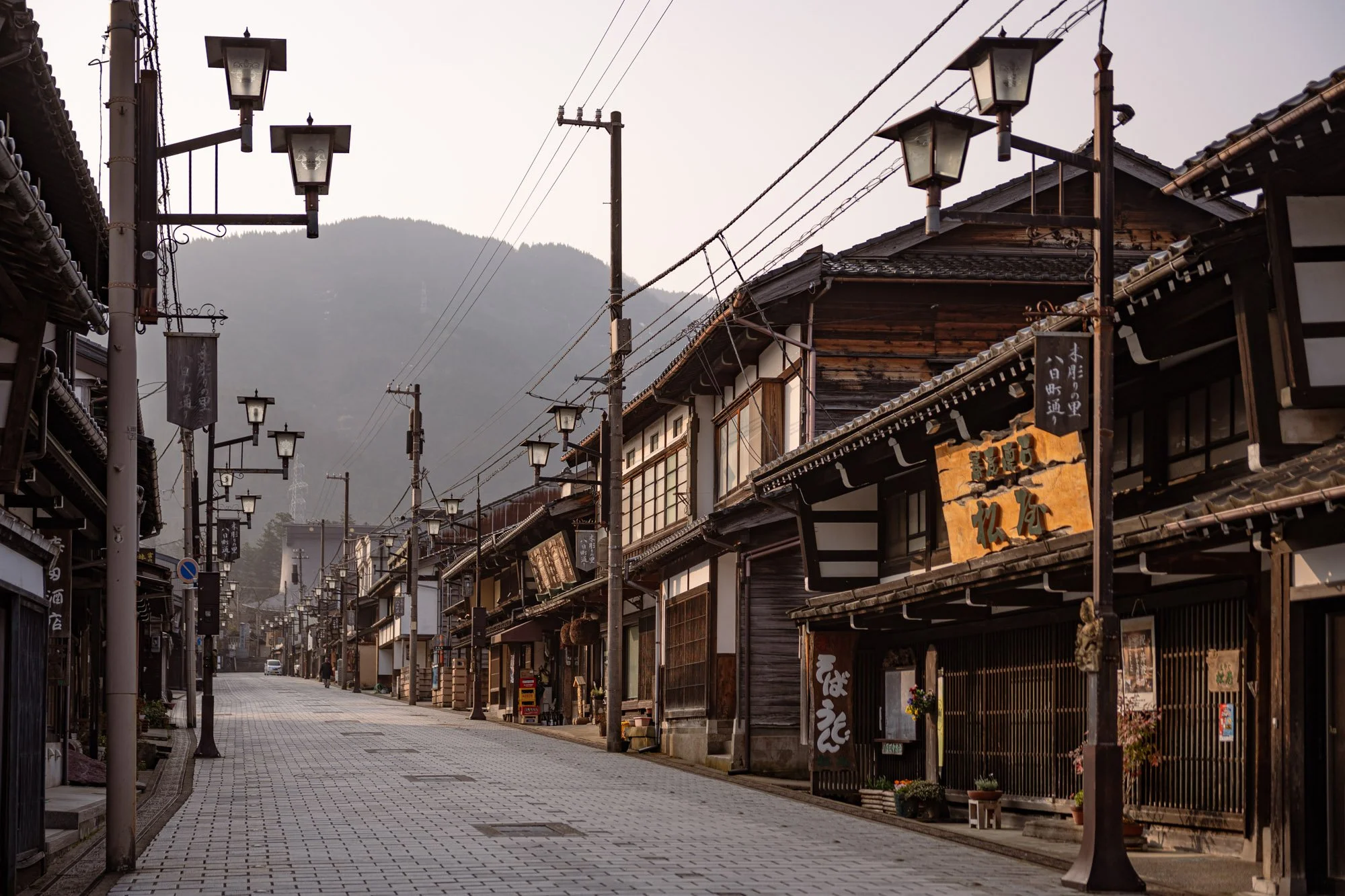
Yokamachi Street in Inami, the street of woodcarving
Shirakawa-go & Gokayama
A few hours later, the wood also started speaking through houses.
“These beams have many stories to tell,” mused Mr Iwase, the 19th-generation custodian of Iwase Residence in Gokayama, his family’s 300-year-old, five-floor-high gassho-zukuri house.
Together with nearby Shirakawa-go, Gokayama is part of a UNESCO World Heritage Site known for these steep thatched homes, built to withstand heavy mountain snow and named for the way their roofs resemble hands pressed in prayer.
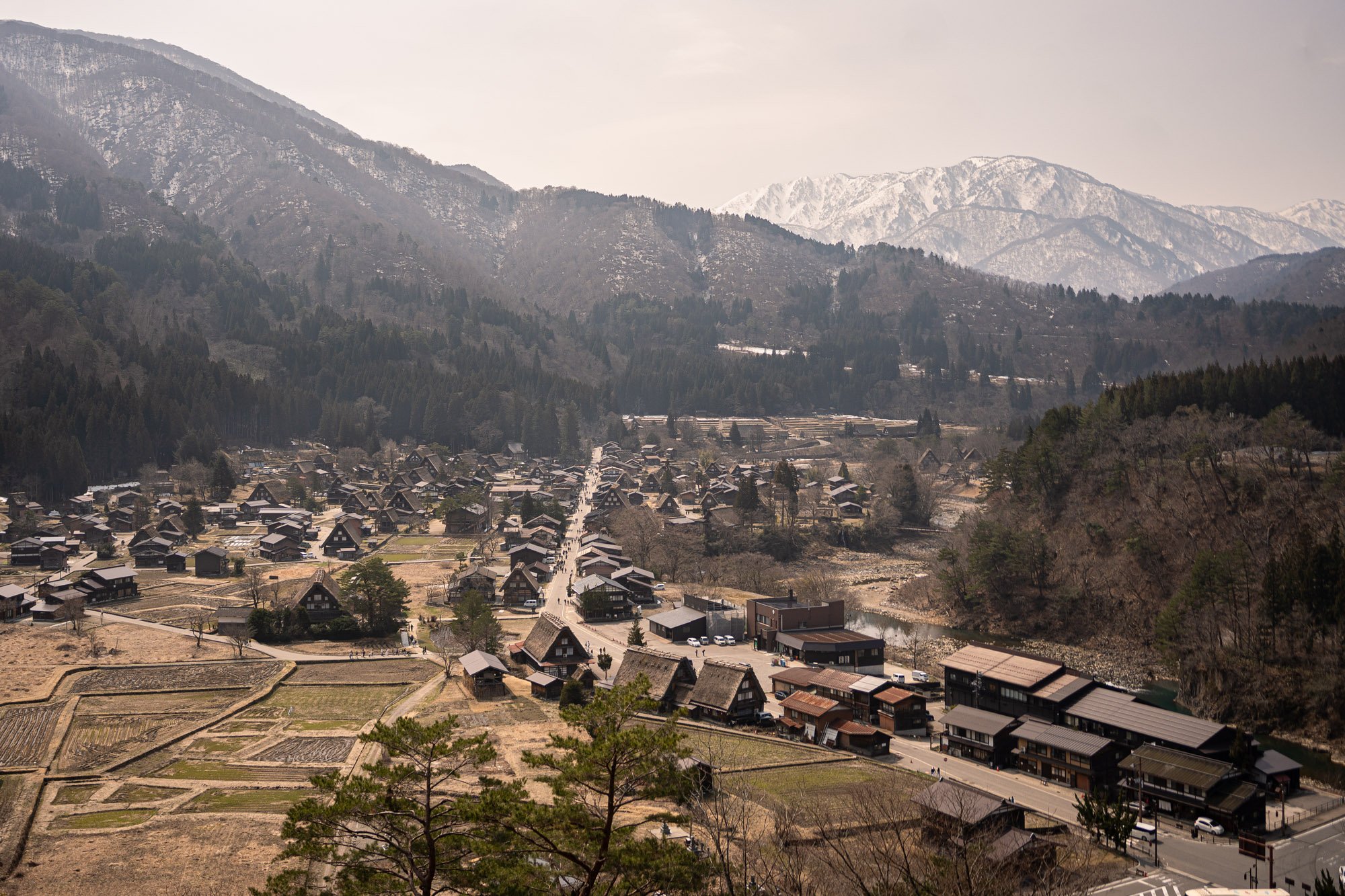
View of Shirakawa-go
Between Yoshisada’s grain and Mr Iwase’s beams, I began to suspect I simply wasn’t fluent in wood.
But then Mr Iwase dropped a word that made my inner craft nerd sit bolt upright like a startled meerkat: “sericulture” (silk faming). This was a language I could speak.
Steep ladders led into shadow to the upper floors where smoke had darkened the beams to a deep, polished black. When samurai lords ruled over the Kaga Domain (as this region was once known), families raised silkworms beneath these roofs, a vital source of income in mountain villages where heavy snow and rough terrain made ordinary farming difficult.
The silk then moved down from the smoky attics into the wider Kaga silk world, where mountain labour acquired a far more elegant afterlife.
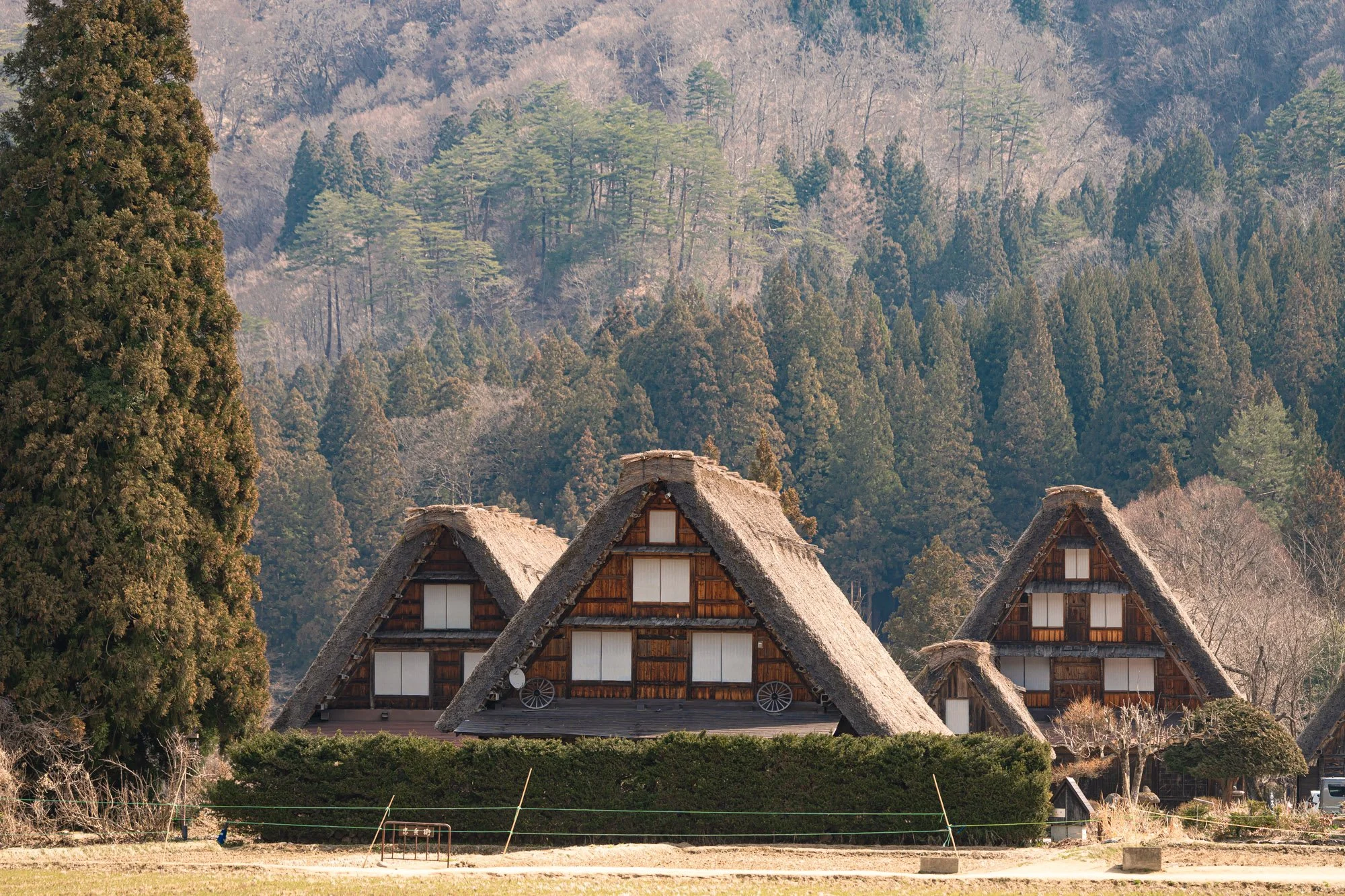
Shirakawa-go tatched houses
Kanazawa, City of Craft
In Hitoshi Maida’s studio in Kanazawa, blazes of colours and intricate designs of rainbow birds and flowers in full bloom surrounded me like a psychedelic frenzy.
Kimonos hung from the walls like precious wearable canvases, each looking expensive enough to make me stand three feet farther away.
“I like to combine the traditional natural motifs with geometrical patterns,” Hitoshi explained. “But I don’t just paint corny beauty,” he added as he pointed at insect bite marks on the leaves. “Beauty exists in nature's imperfections and is created by life.”
Kaga Yuzen, the traditional Kanazawa silk-dyeing technique Hitoshi practises, was once worn by elite samurai families and is now reserved for formal occasions, worn by geiko (the Kanazawa word for geisha), brides and women with far better posture than mine.
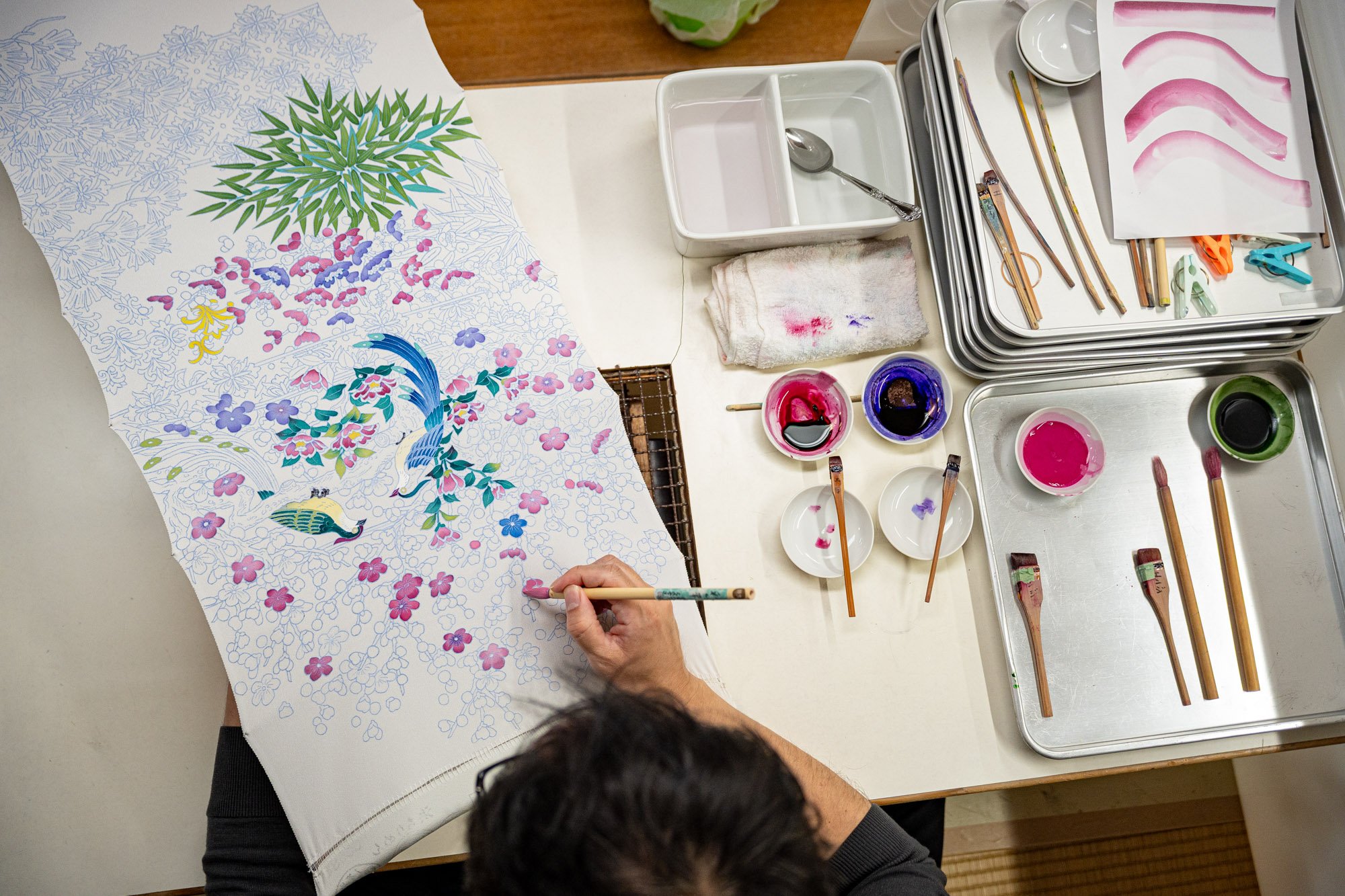
Hitoshi Maida painting silk, using the Kaga Yuzen style
Kimonos had always lived in my mind as things to admire from a respectful distance, garments so elegant I feared they’d crumple if I looked at them too closely. So when Hitoshi asked if I wanted to wear one, excitement arrived tangled with panic. My complete lack of ceremonial grace, and the neon green socks I had bought at 7-Eleven in an emergency, were not exactly a match for delicate pastel florals.
Then the fabric settled onto my shoulders with unexpected weight. Layers were folded, tightened, smoothed. The obi pulled me upright with the authority of a Victorian aunt.
I could no longer slouch, fidget or pretend my body had no relationship with beauty.
After days of trying to steady a lacquer brush, guide a chisel and understand smoke-darkened beams, I was now being corrected by silk.
That, in the end, was the trick of the Three Star Road. You can travel it as a neat procession of famous stops: Matsumoto Castle, Takayama’s old streets, Gokayama and Shirakawa-go’s thatched roofs, Kanazawa’s gardens. These sites are famous for excellent reasons, and you should absolutely point a camera at them and gasp politely. But the slower, more transformative experiences happen when someone asks you to join in, and puts a brush, chisel or kimono in your hands.
My cuts would heal. The lacquer would fade. The neon socks, regrettably, would survive. But I left with the sense that beauty along this road is not something best admired from a careful distance. It is something to sit on, stain, wear, listen to, embarrass yourself inside and, occasionally, bleed on.
Which, honestly, is much more fun than just taking the picture.
For more Japanese adventures, check out our Japan magazine and Kanazawa Guide.
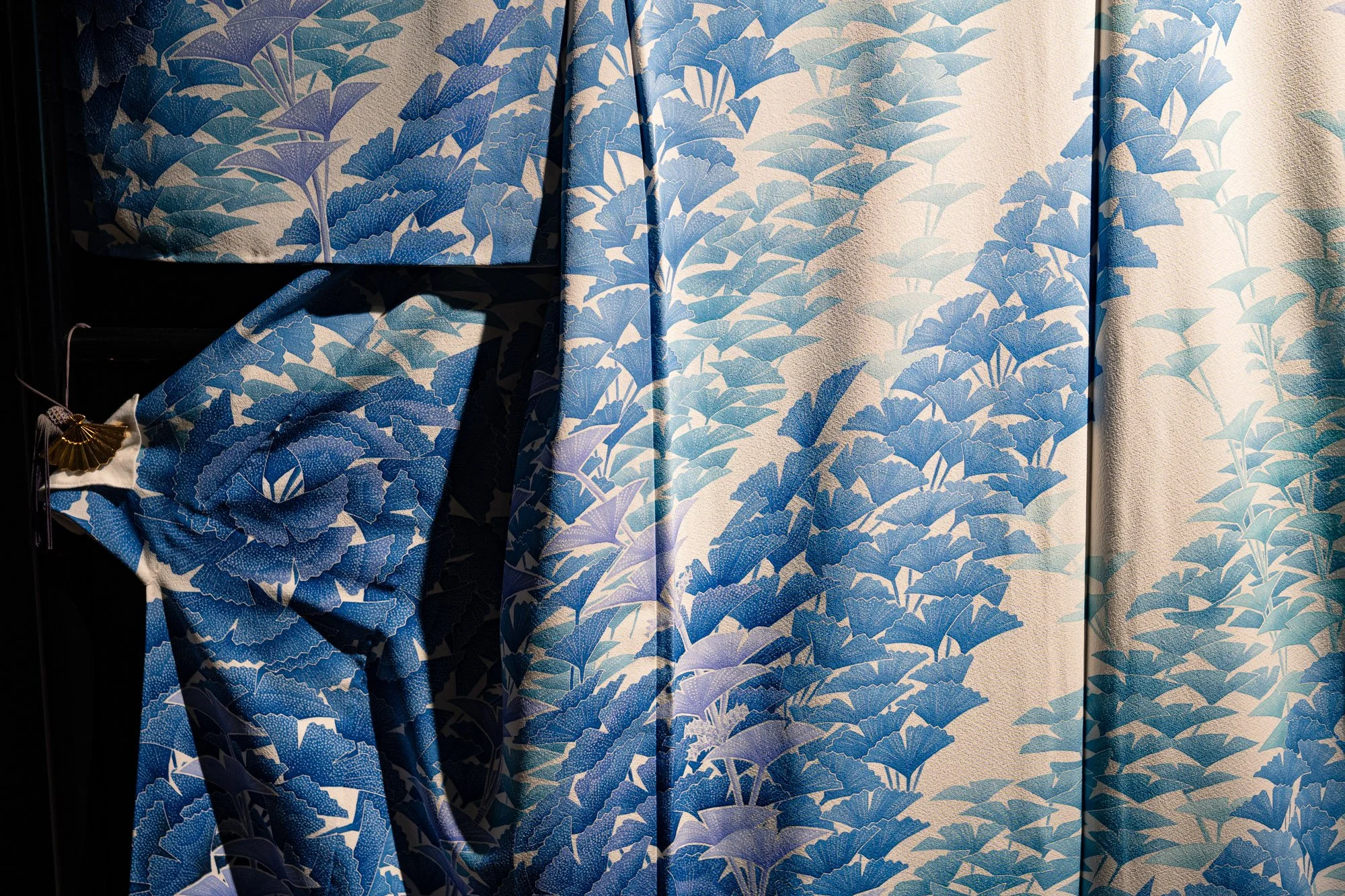
One of the Maida family's priced kimonos
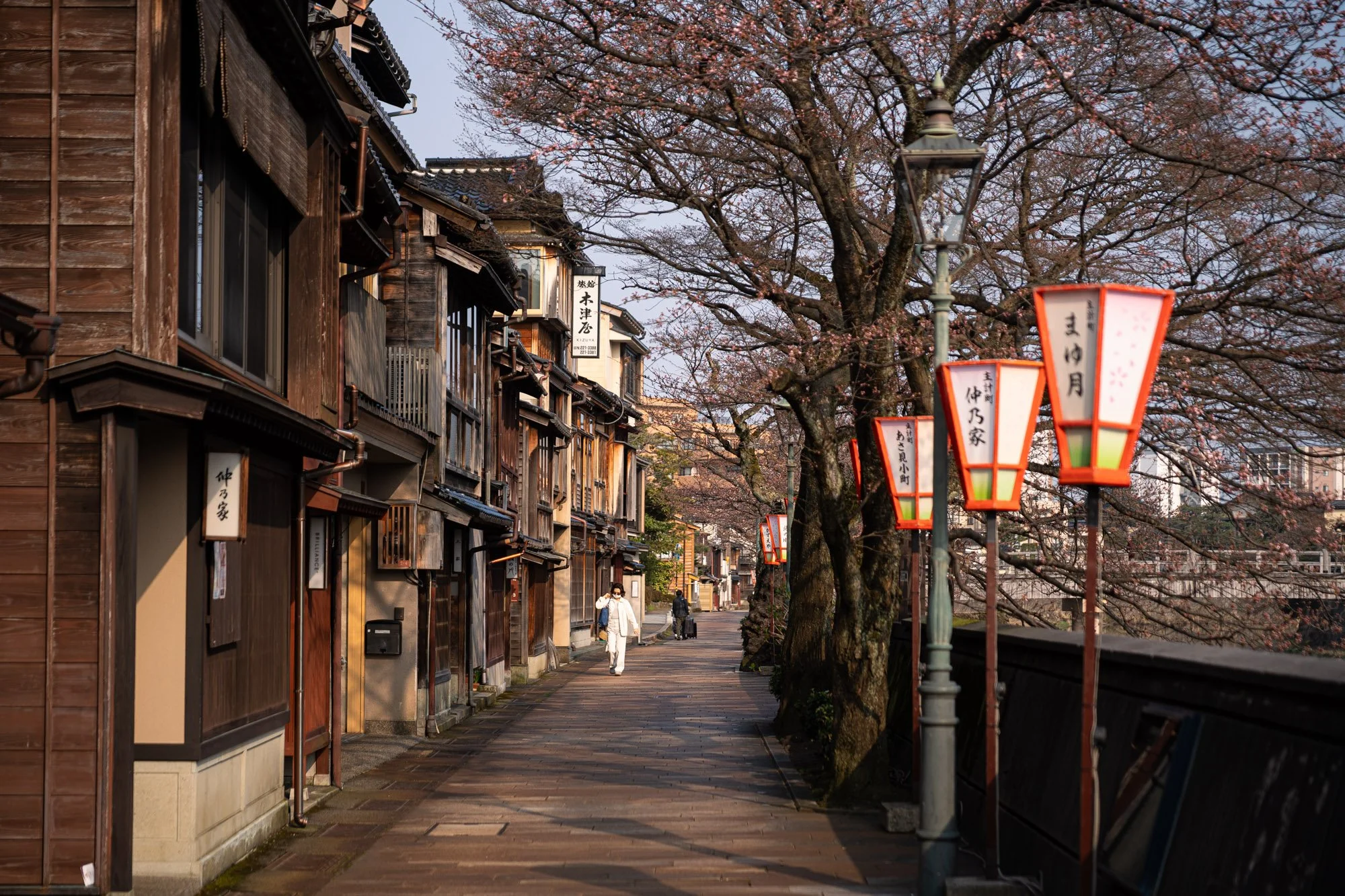
Kazuemachi Chaya District along the Asano River, Kanazawa

Mr Iwase performing Kokiriko odori, Japan's oldest folk song and dance from Gokayama
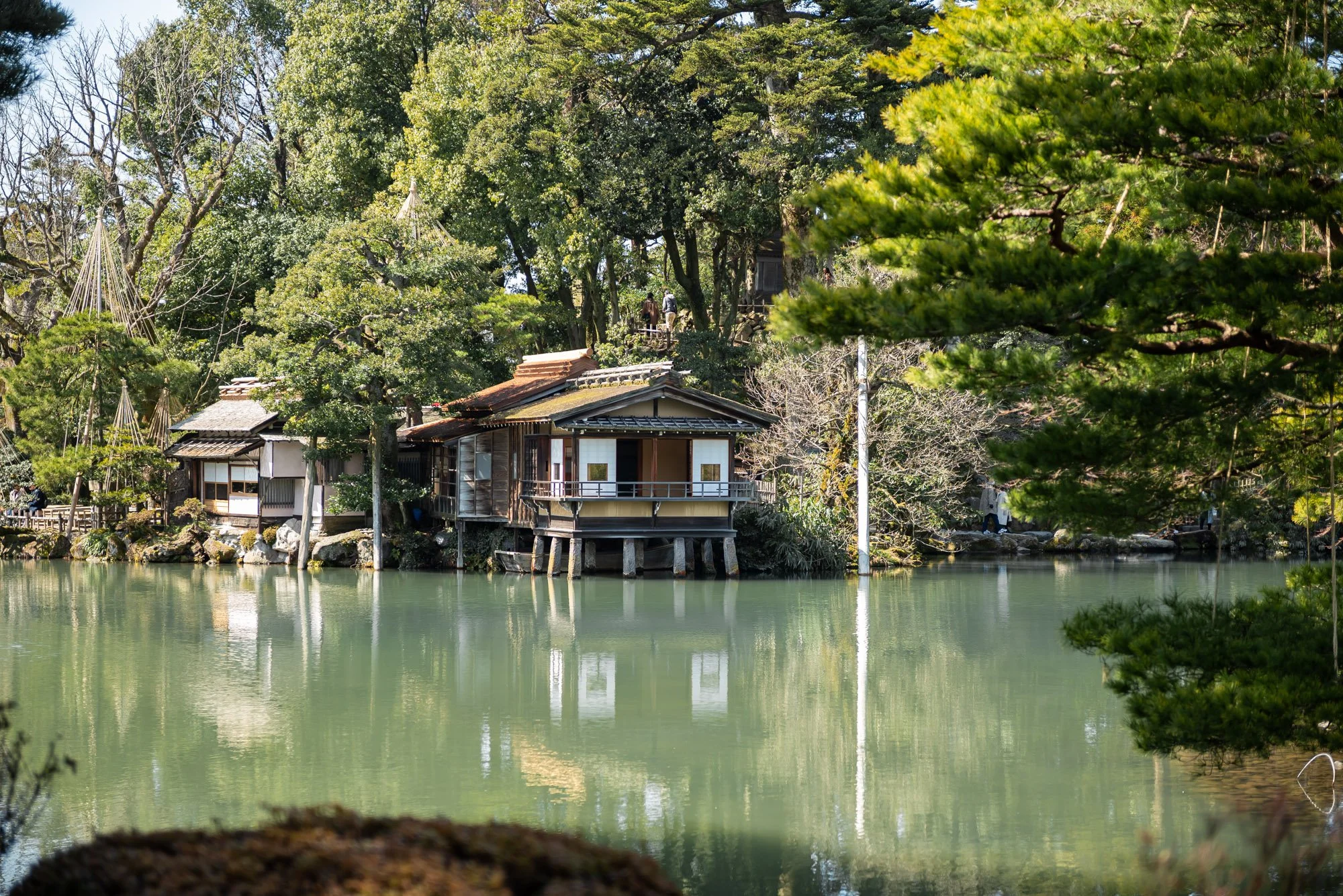
Kenrokuen teahouse
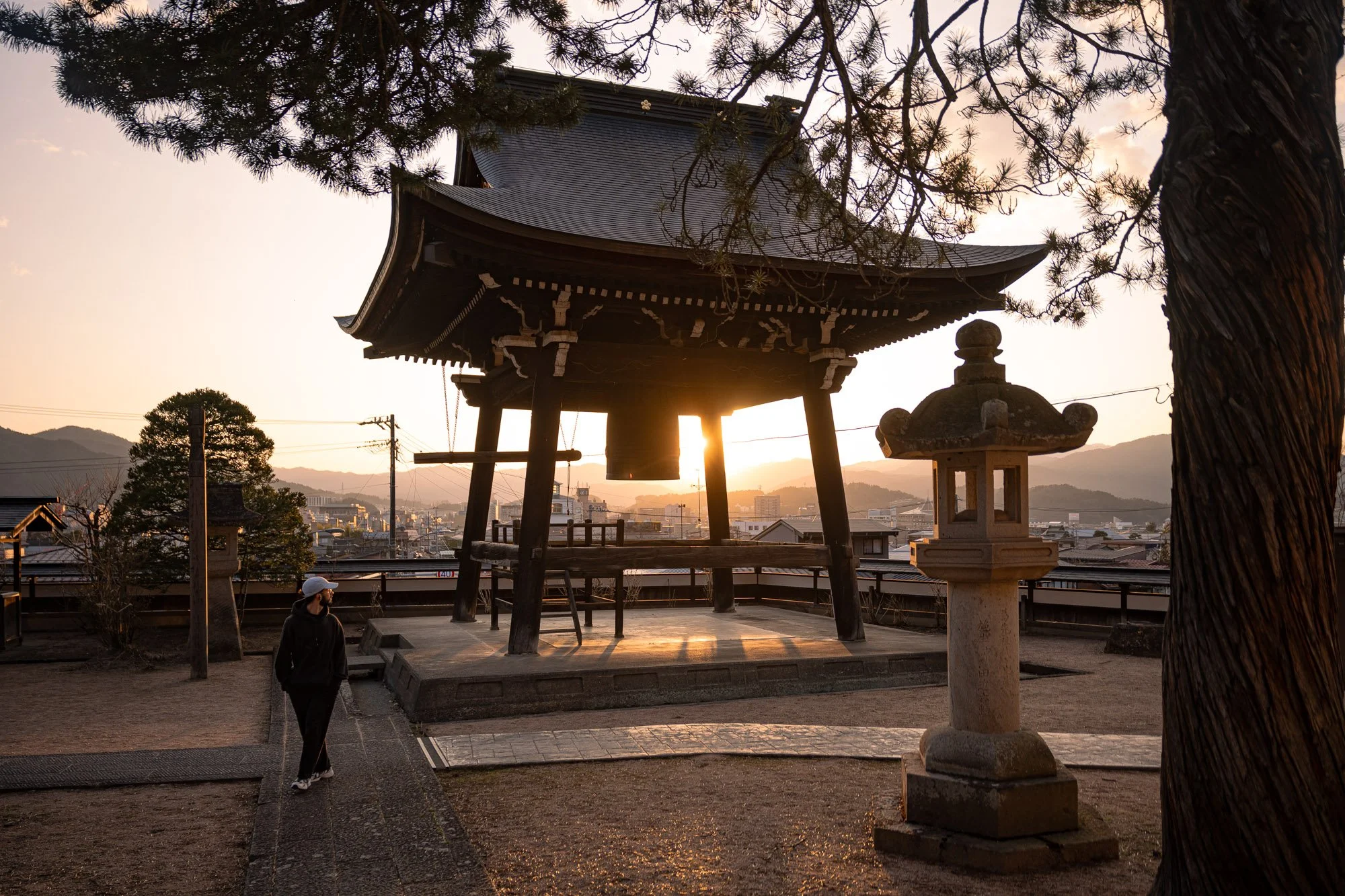
View from Takayama’s Koryuzan Sogen-ji Temple