La Dolce Vita
An extract from the Islands magazine - words & photographs by Giulia Verdinelli
That’s why I can’t have nice things,’ I think to myself as a massive dollop of ricotta plops onto my dress. With my finger, I scoop it from the flowery fabric and pop it in my mouth. The zesty, creamy cannoli is a quintessential breakfast in Sicily, and I’m not about to let any of it go to waste.
My culinary road trip has begun in Mazara del Vallo, a historic fishing town in Sicily’s southwest. Camera in hand, I’m hugged by the golden light of sunrise as I enter the small commercial harbour where I am greeted with inquisitive gazes and unmistakable Sicilian chivalry from a crew of fishermen, intently preparing their boat for a long journey. “What is a lovely signorina doing in this stinky place?” they ask.
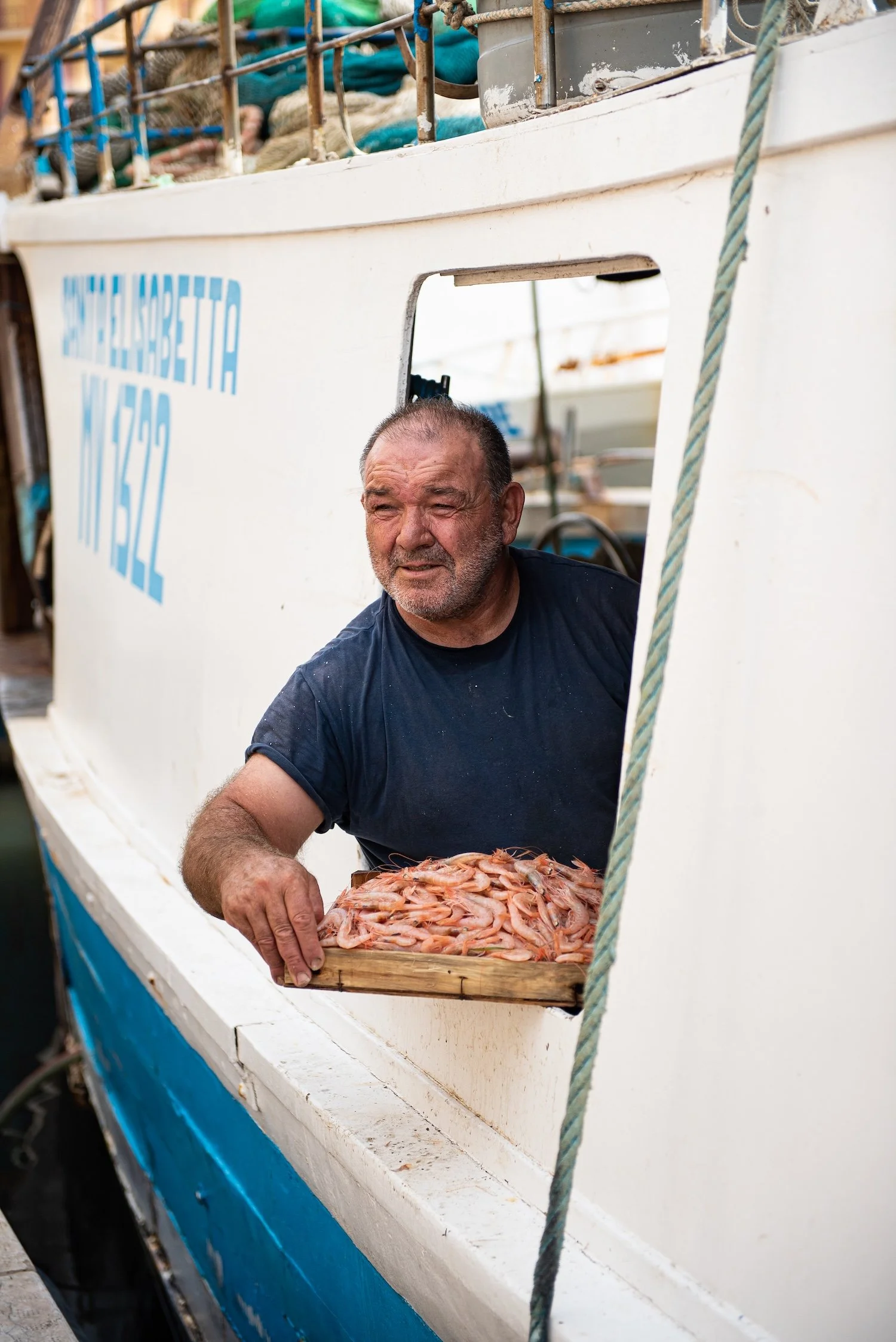
Their enthusiasm is palpable when I ask to hear about their adventures at sea. They speak of it with reverence, knowing both its generosity and its cruelty, and their stories add depth to my fascination with Sicily’s coastal culture and the lives of those who depend on these waters.
“My wife made these fresh for the journey, but they’re not gonna last that long. Mangia mangia [eat, eat],” says Salvatore, the fishing boat’s mechanic, as he offers me his mini cannoli in the cramped galley. His hands are stained by oil and rust, and his face is weathered by salt and sun, but his eyes sparkle with a warmth that makes me feel like an old friend, rather than a curious traveller.
Salvatore and his crew are setting off on a four-month journey, hunting for prized gambero rosso, a prawn favoured by high-profile chefs worldwide. As I bite into my first raw gambero, I finally understand what all the fuss is about. These crustaceans are a revelation – sweet, juicy, delicate and brimming with the essence of the ocean.
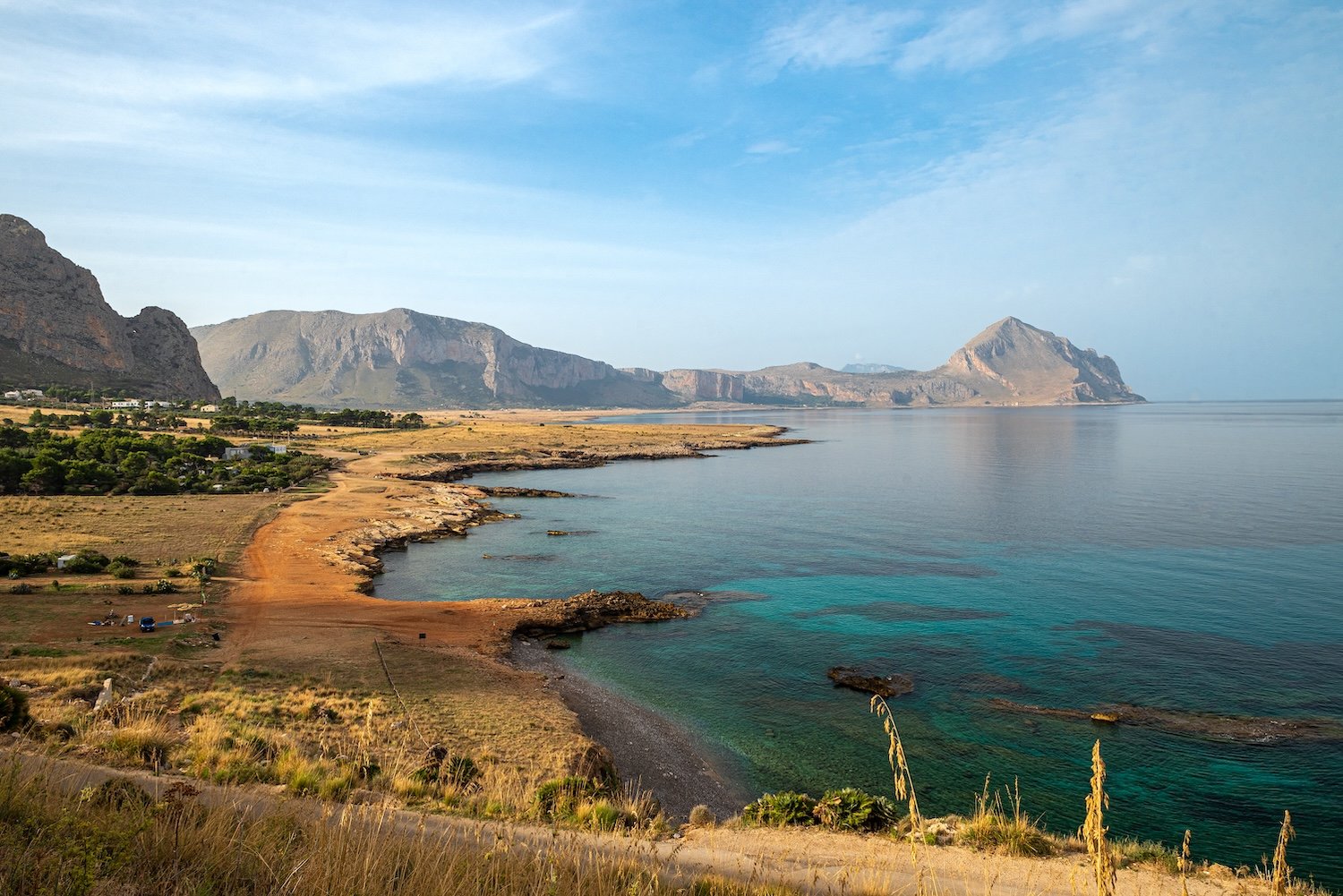
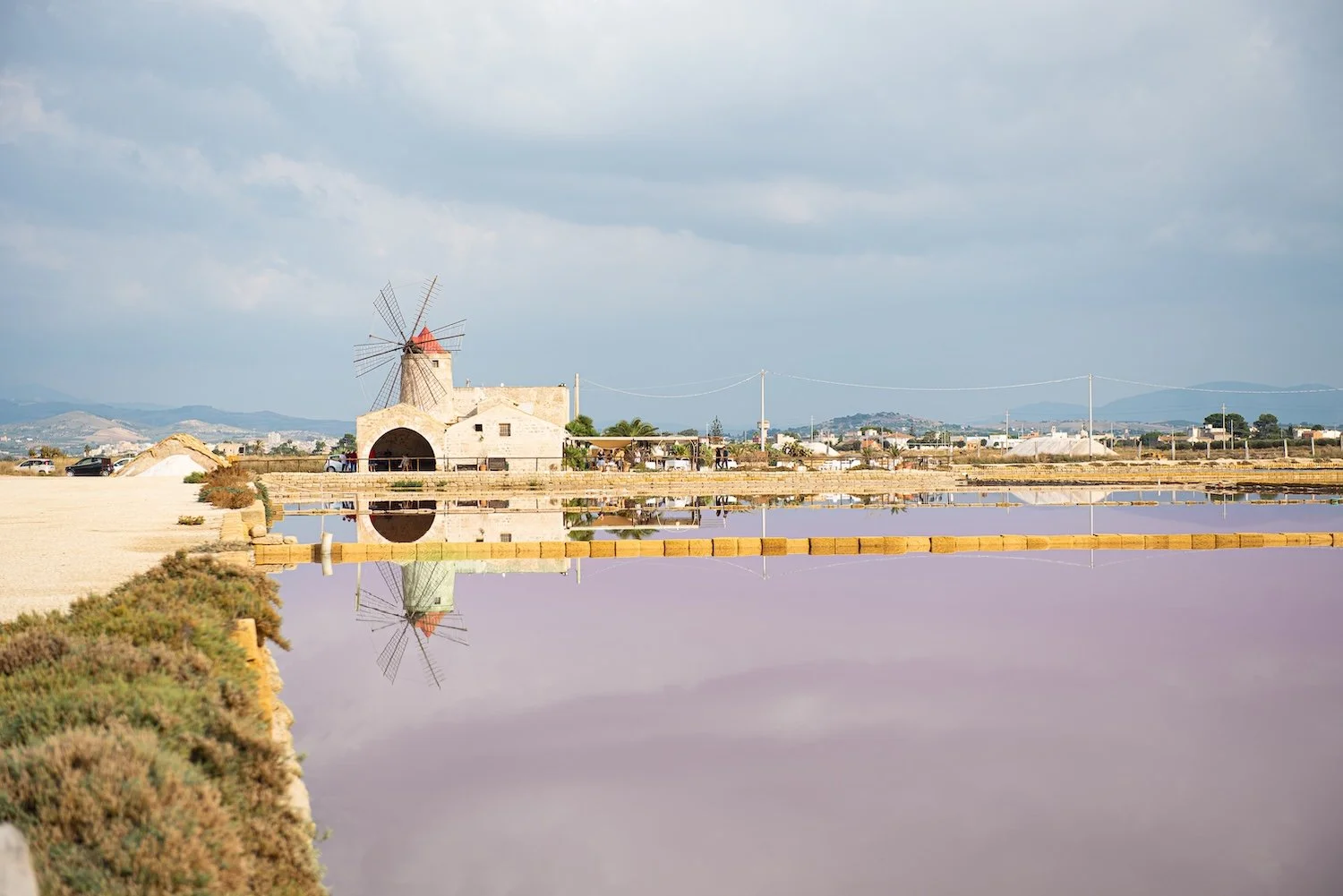
Continuing up the west coast to Trapani, the sky begins to glow pink, and I notice a salty, iodine fragrance. I learnt more about this region (celebrated for its salt production since Phoenician times) at Museo del Sale, where history echoes through the walls of this charming old salt mill and in the words of my guide, Irene.
The museum’s interior is cool and dimly lit, a welcome respite from the blazing sun outside, and I’m riveted as Irene uses old photographs and tools to tell us about the salt workers’ lives. “Harvesting salt has always been a labour of love and hard work, toiling under the scorching sun, raking and piling the heavy crystals by hand,” she explains. “Salt was essential to preserve food, provide vital minerals to the diet and, most importantly for our epicurean ancestors, add flavour! Roman soldiers were often paid in salt - sal in Latin - hence the word ‘salary’. Salt adds a tasty twist to history.”

I sprinkle a generous amount on a piece of sourdough ciabatta drenched in spicy olive oil, the flakes glistening like falling snow under the midday sun. A delicate yet potent briny kiss from the ocean, each mineral-rich flake dissolves on my tongue with crisp intensity.
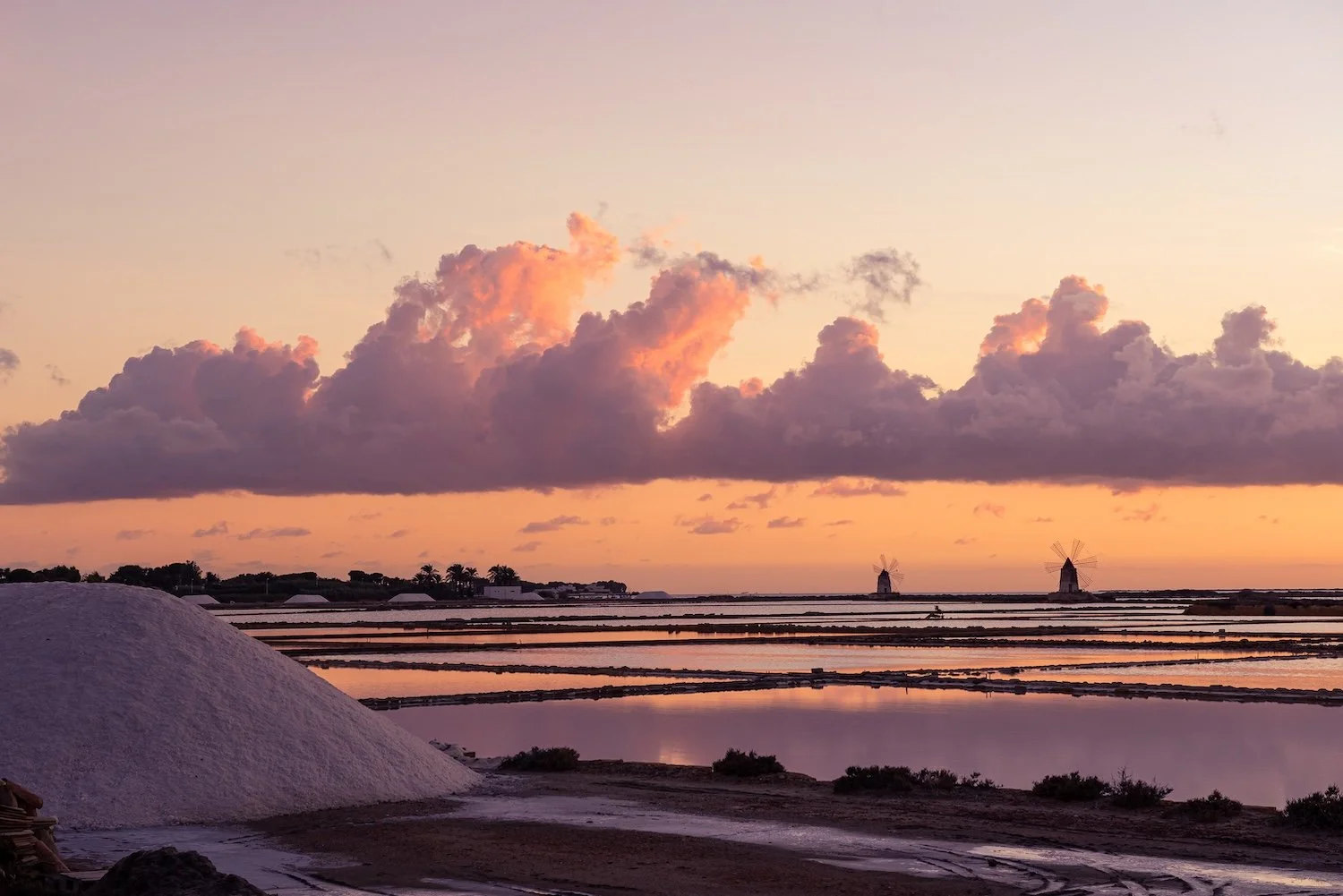
At sunset, the shallow pools of the saline (salt pans) become a dreamlike mirror, and the silhouettes of ancient windmills float in swirls of pink, purple and orange, leaving an indelible mark on my memory as I head north to the Sicilian capital.
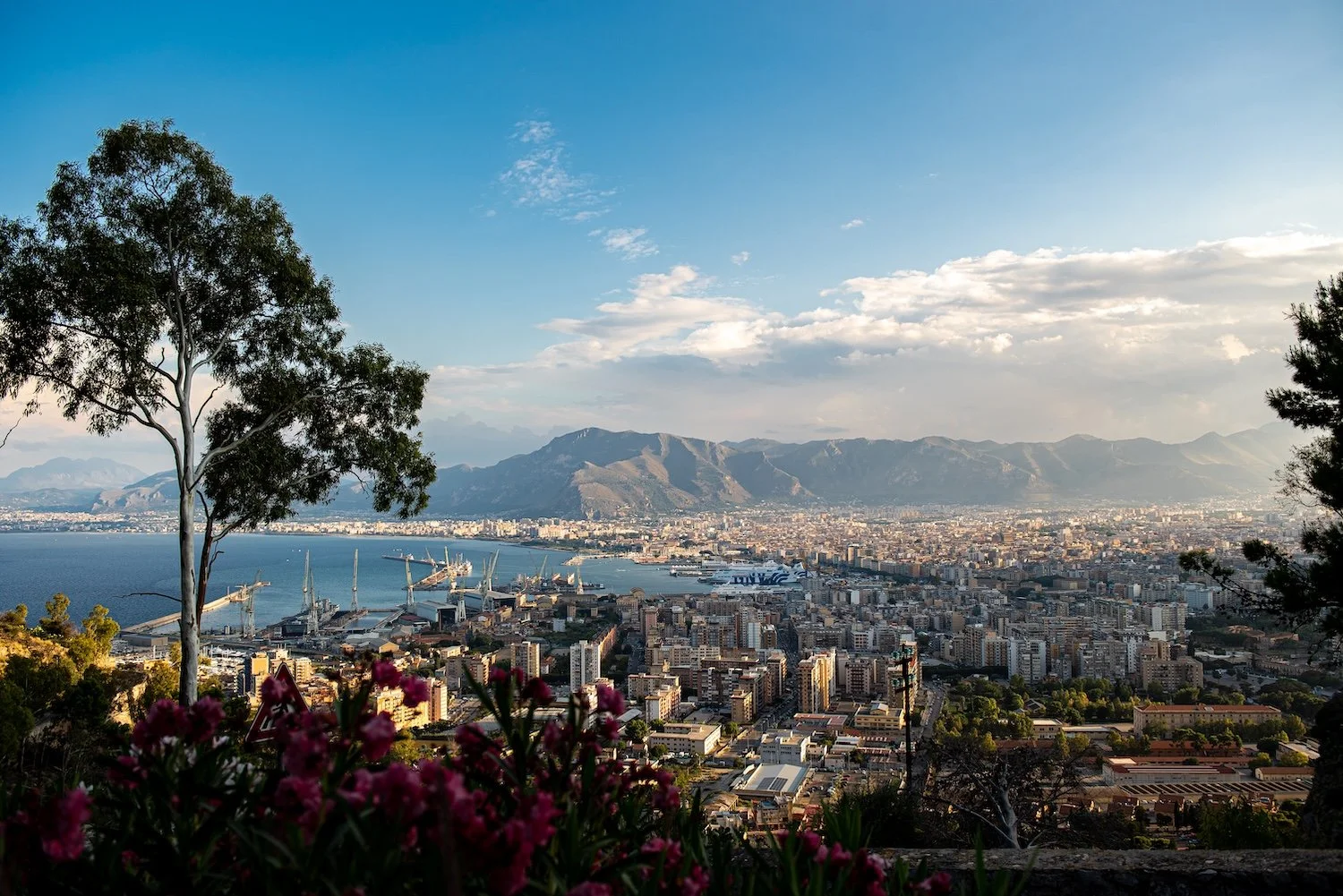
In Palermo, street food reigns supreme, and the city’s chaotic charm envelops me as I sip espresso beside the Cathedral, exchanging gossip with old men in fedoras. It’s the perfect way to refuel ahead of my foodie treasure hunt through the souk-like Ballarò Market, where I hop from sweet to savoury – cornetti (Italy’s answer to the croissant) to cannoli, meat arancininto to tomato sfincione (Sicilian pizza), each corner offering up a new delicious snack.
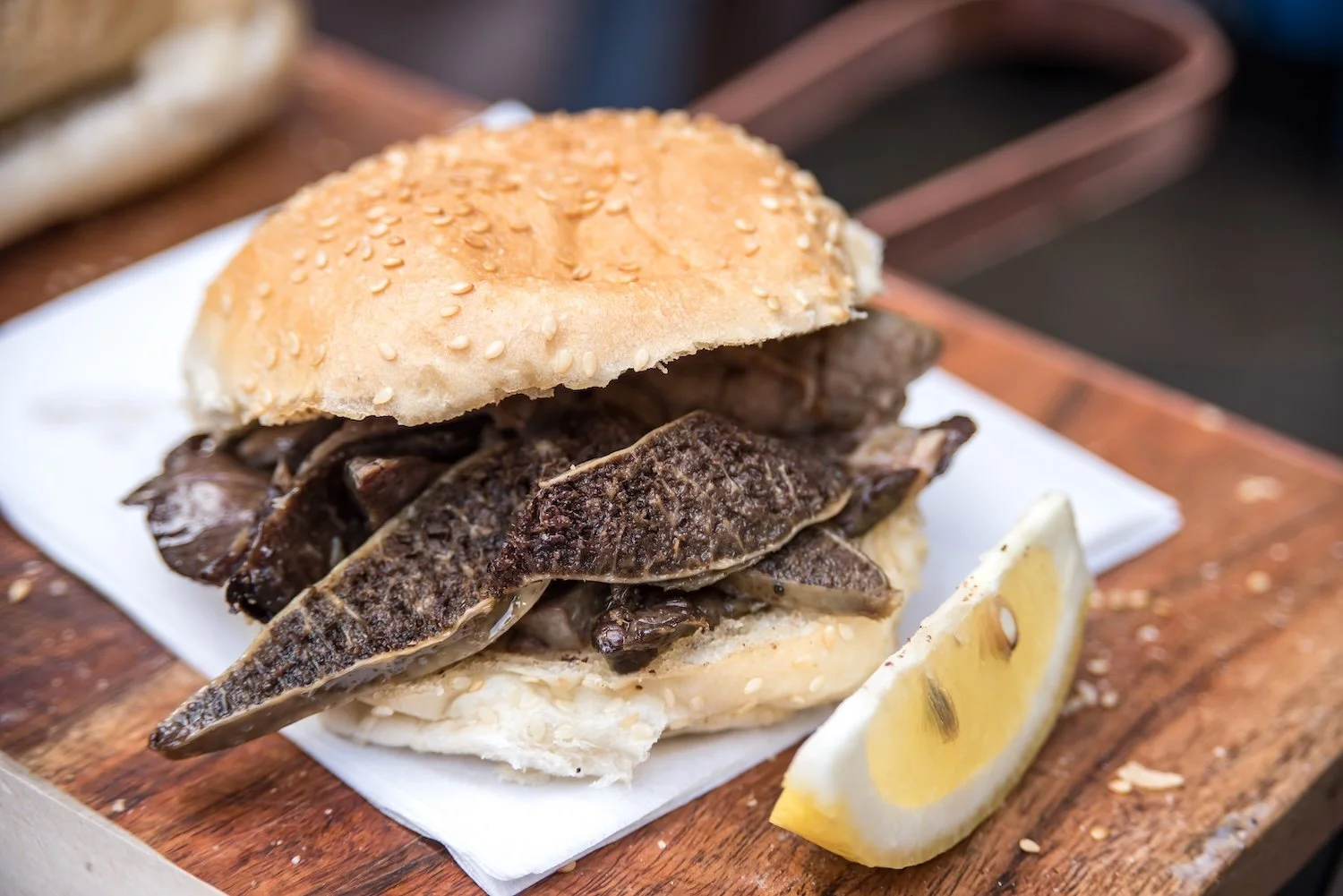
Despite the vendors’ loud, enticing rhymes, which call me to their stalls like a sirens’ song luring a sailor, I have one mission for lunch; biting into a succulent spleen sandwich. The pillowy bread rolls absorb the rich, earthy meat juices and hug the tender filling, becoming a luscious sponge of flavour, balanced by the slight acidity of a squeeze of lemon.
I counter the decadent morning with a sluggish afternoon stroll. The gentle breeze makes laundry hanging from balconies dance, and carries with it the fragrance of golden, crunchy chickpea panelle (fritters), which I plan to devour for tomorrow’s lunch.
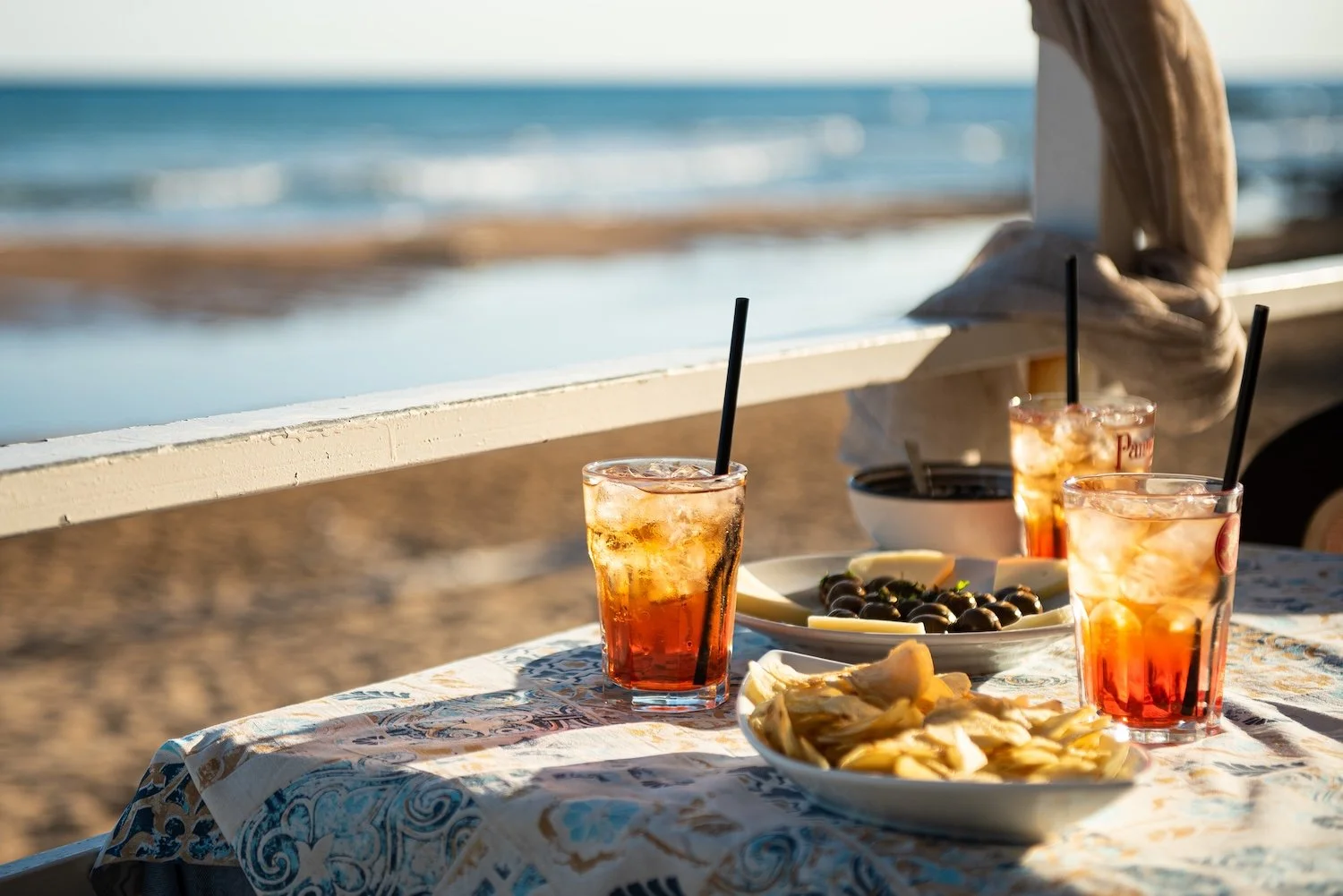
As dusk descends, the streets of the Vucciria market (‘chaos’ in the local dialect) come alive for aperitivo, and I’m surrounded by laughter and the clinking of Aperol Spritz glasses. After imbibing my own at a bustling trattoria, I meander through the narrow alleys and indulge in a creamy gelato, its coolness a perfect counterpoint to the balmy night. Pistachio is generally my go-to scoop, and at my next stop - the town of Bronte at the foot of Mount Etna - I rediscover the true depth of this flavour as if tasting it for the very first time.
My time in Bronte begins with a hard but disappointing sunrise hike into the clouds (the weather gods pay no heed to our travel plans), and I return to town in desperate need of caffeine and a sugary cuddle. It’s early, but cafe tables are already piled with coffee-stained cups and sprinkled with emerald and gold cannoli crumbs.
“What can I get a beautiful signorina this fine morning?” I’m asked as I slump into my seat. I order a cappuccino and mutter about my failed attempt to photograph the beauty of Etna. The barista takes this to heart: “Enjoy the pistachio sfogliatella, my treat,” he winks, generously dusting my cappuccino with cacao. Sicilians have mastered the art of comforting.
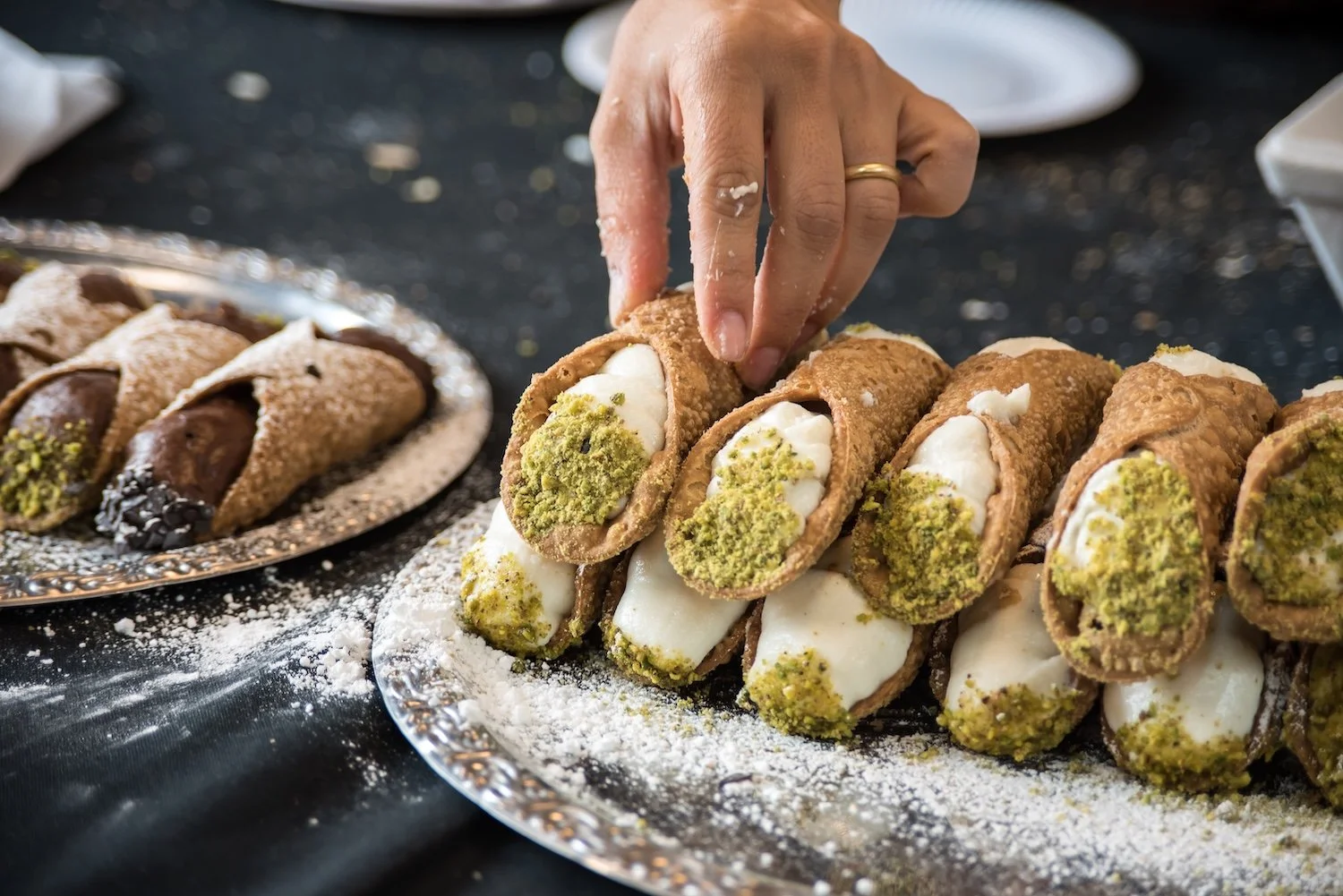
Restored by a deep afternoon nap, I venture into the historical centre of Bronte where, once a year, the town celebrates all things pistachio with a buzzing festival. Dodging tourists cumbersomely eating mountains of green gelato as it melts in their hands, I wander from stall to stall, sampling everything. I start with a classic pistachio arancino, a crispy rice ball with a gooey, nutty centre. This is followed by pistachio-infused honey swirled on sharp hard cheese; bright-green sweet liqueurs; chunky emerald pesto; and crunchy toasted pistachio nougat… just when you think you’ve had enough pistachio here, think again.
I strike up a conversation with a local farmer who tells me about the painstaking process of harvesting these treasured nuts. “Each tree only produces once every two years, and they grow on rugged volcanic stone so we have to collect the nuts by hand, one by one,” he says. “We have to use a sacchina, like donkeys,” his colleague jokes from behind the booth. A sacchina, I later find out, is a bag that hangs from their necks, dangling on their chest to hold the pistachios as they harvest. “It’s a heavy load, but we get to munch on them fresh from the tree, a treat I look forward to every time.”
A cold glass of surprisingly delicious pistachio beer quenches my thirst as I soak in the festive atmosphere, music from local performers ringing out around me. Reflecting on my culinary journey, a common thread emerges: dedication. From the water to the mountains, whether it’s fishermen battling the open seas, salt workers braving the scorching sun, or farmers toiling on rugged volcanic terrain, Sicilians take pride in their relentless commitment to food. A culinary road trip across this island is hardly about mere nourishment. It’s about discovering Sicily’s epicurean soul and spirit (as rich and layered as its food) through every bite, smile, glass clinked and story shared.
This story first appeared in our Islands Magazine, which you can order here, or as part of a ‘back issue bundle’ here.