
Discover 48 Hours in Nasu, Tochigi: Japan's Highland Haven
Looking for an easy escape from Tokyo? Spend 2 days in Nasu, Japan, where volcanic peaks, ancient hot springs and forested valleys offer a refreshing antidote to the capital's frenetic pace. From art-filled ryokans and bamboo groves to mountain hikes and farm-to-table cuisine, this under-the-radar corner of Tochigi Prefecture reveals a slower, more soulful side of Japan.
At Lodestars Anthology, our editors independently select everything we feature. Some of the links you’ll find on our site are affiliate links, and this means we may earn a small commission if you choose to book or purchase through them, at no extra cost to you. We’re always transparent about affiliate links, and our content is never influenced by these partnerships.
Words by Sam Hewitt & Photographs by Chiara Dalla Rosa
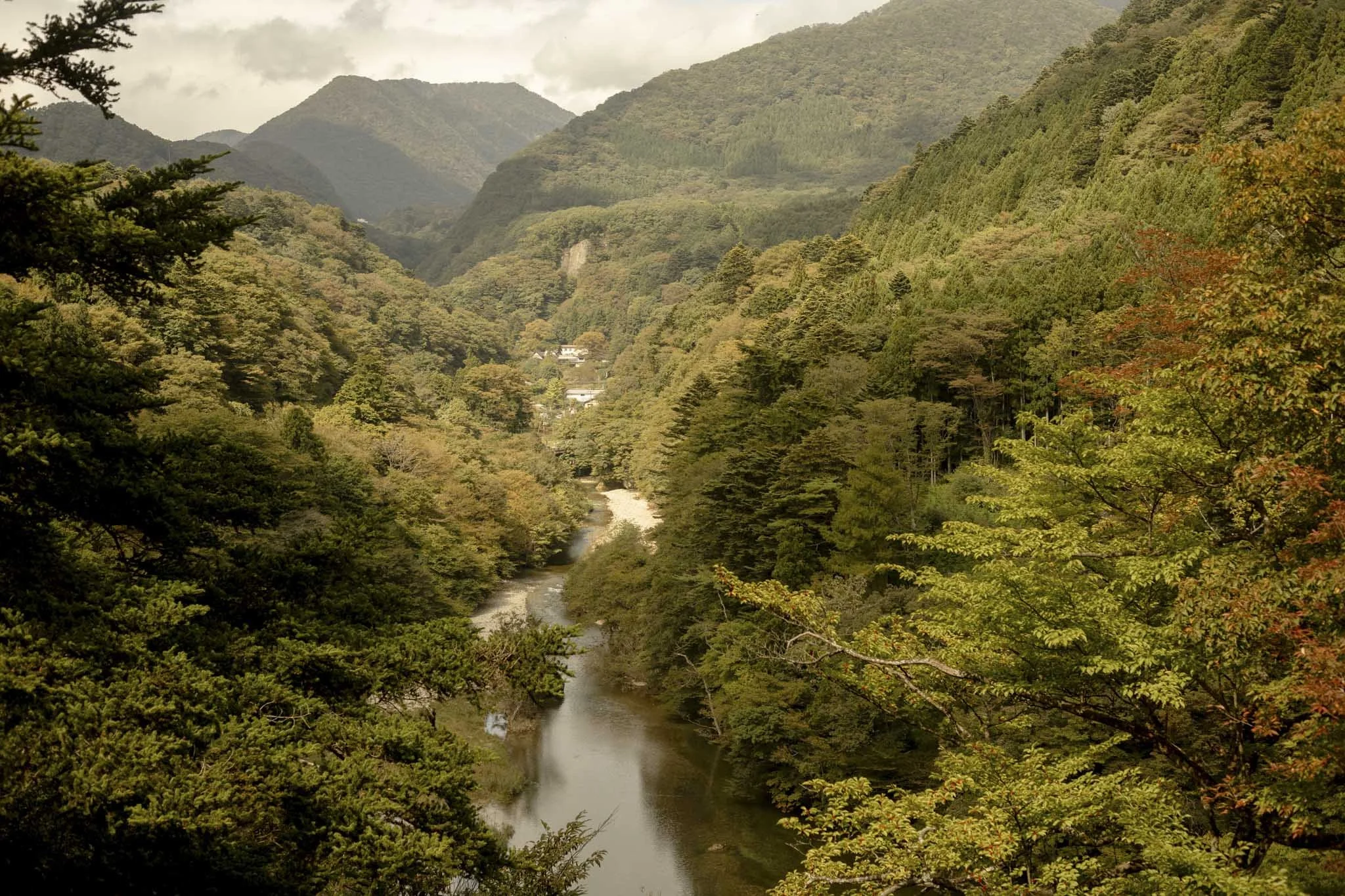
Just 70-minutes north of Tokyo by bullet train lies a world that feels impossibly distant from the capital’s neon glare: Nasu, a highland region in Tochigi Prefecture shaped by volcanic peaks, lush forests and bubbling hot springs. It’s a place where the Japanese concept of shizen (harmony with nature) isn’t a philosophy for postcards but a lived experience. Here, the rhythms of life are guided by steam rising from volcanic fumaroles and the scent of cedar forests.
I arrived mid-morning, stepping off the train into crisp air that hinted at autumn’s approach. The mountains loomed in the distance, their peaks shrouded in mist, promising adventures both tranquil and exhilarating. Nasu is still under the radar for most international travellers, yet it has long been a retreat for Tokyoites seeking solace, nature and rejuvenation.
A Ryokan Like No Other
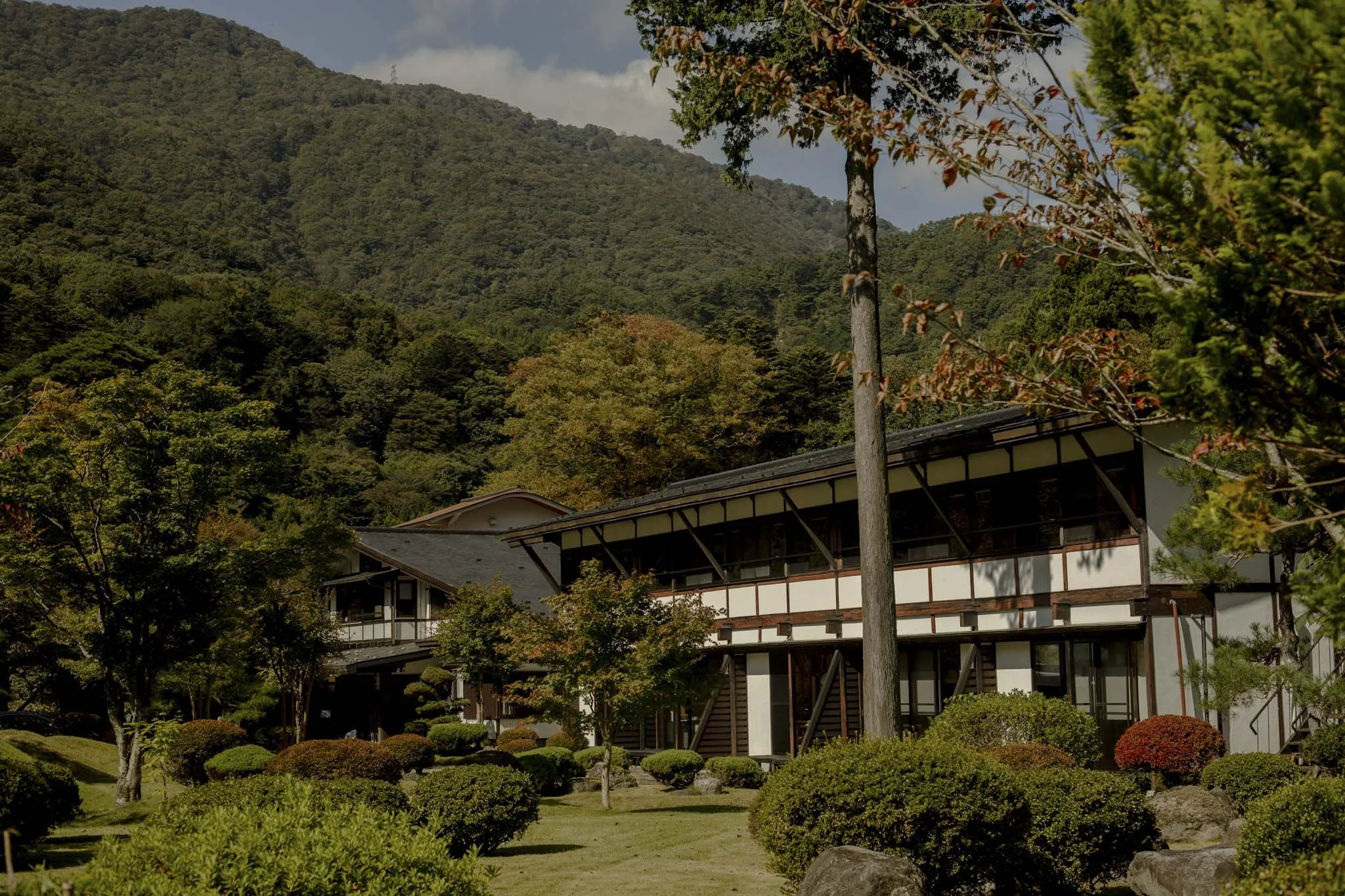
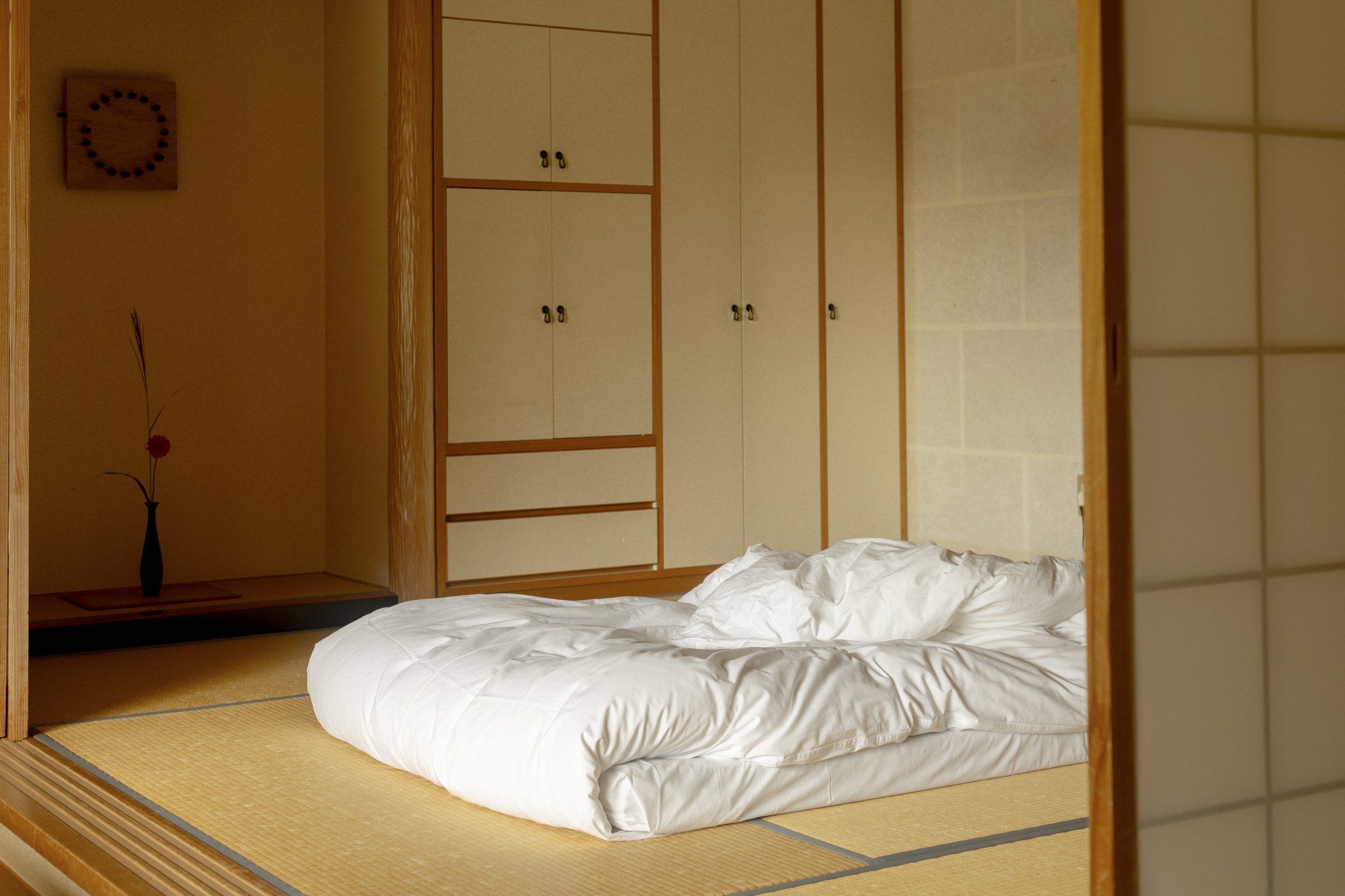
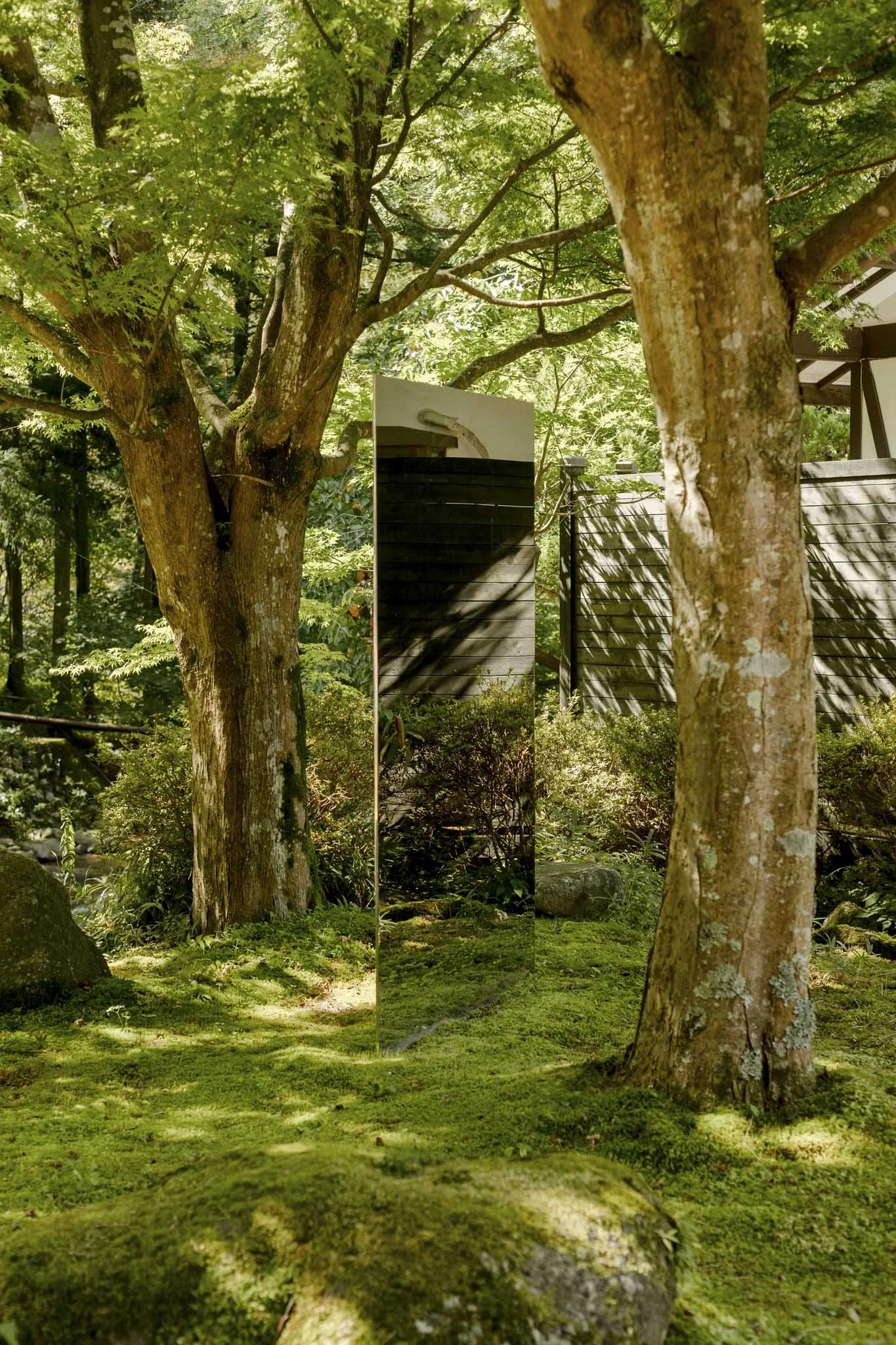
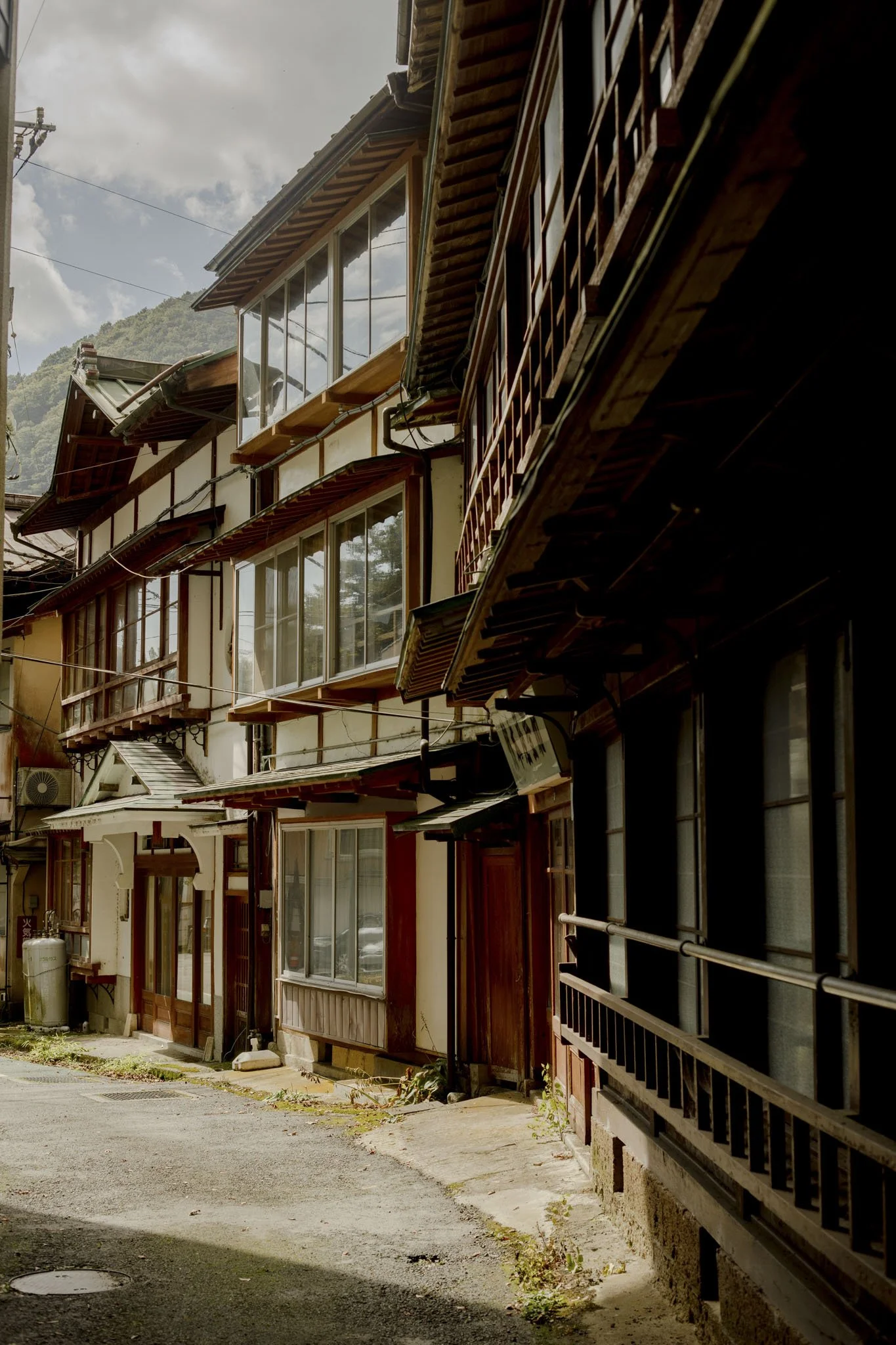
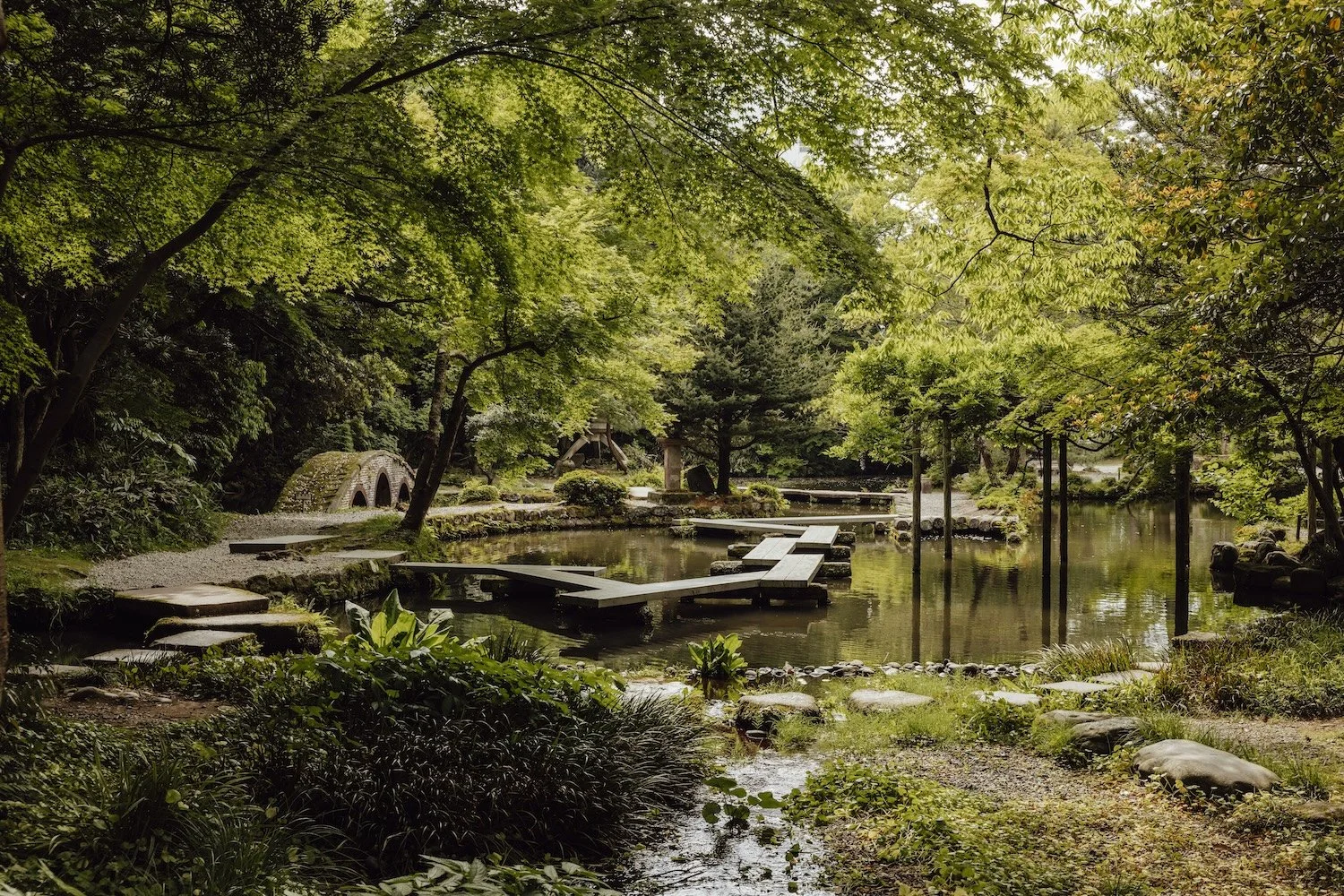
My journey began at Itamuro Onsen Daikokuya, a historic ryokan nestled in Nasu’s forested foothills. Operating since 1551, Daikokuya is a sanctuary for body, mind and spirit. The ryokan’s gardens are an art installation, shaped in collaboration with Kishio Suga, a pioneer of Japan’s Mono-ha movement, which emerged in the late 1960s. Scattered throughout are subtle sculptures, seemingly born of the land rather than placed upon it.
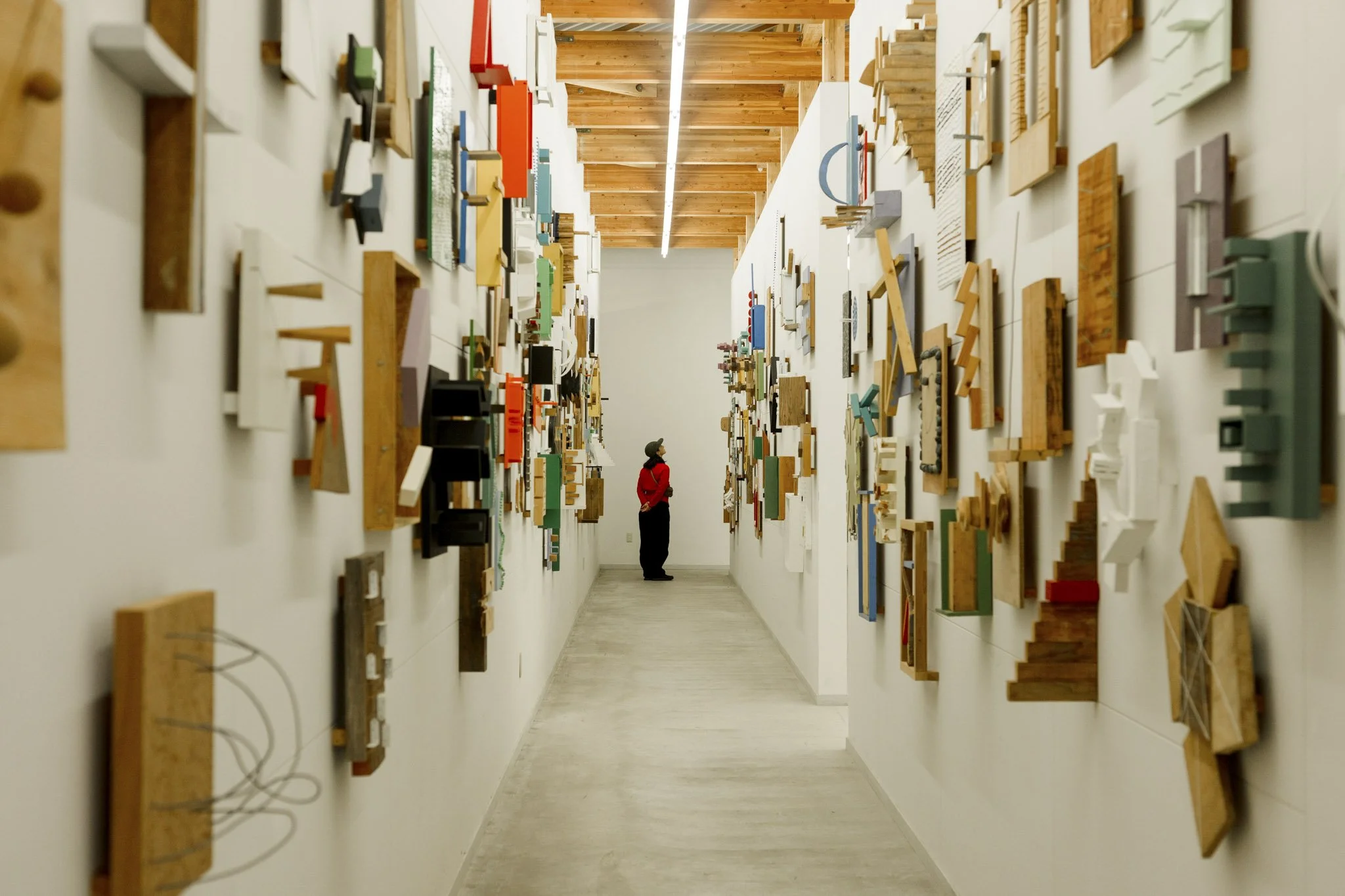
I learnt more about the avant-garde world of Mono-ha by wandering Daikokuya’s grounds and in the private Kishio Suga Warehouse Museum. Meaning the 'School of Things’, Mono-ha encouraged artists to explore the relationships between natural and industrial materials. Kishio Suga, a central figure, creates three-dimensional works that fuse stone, wood and earth with manmade objects such as metal or rope. Some pieces are vivid and textured, while others are quiet, minimalist arrangements that reward slow looking. The experience was meditative - a gentle interplay between modern creativity and nature’s timelessness.
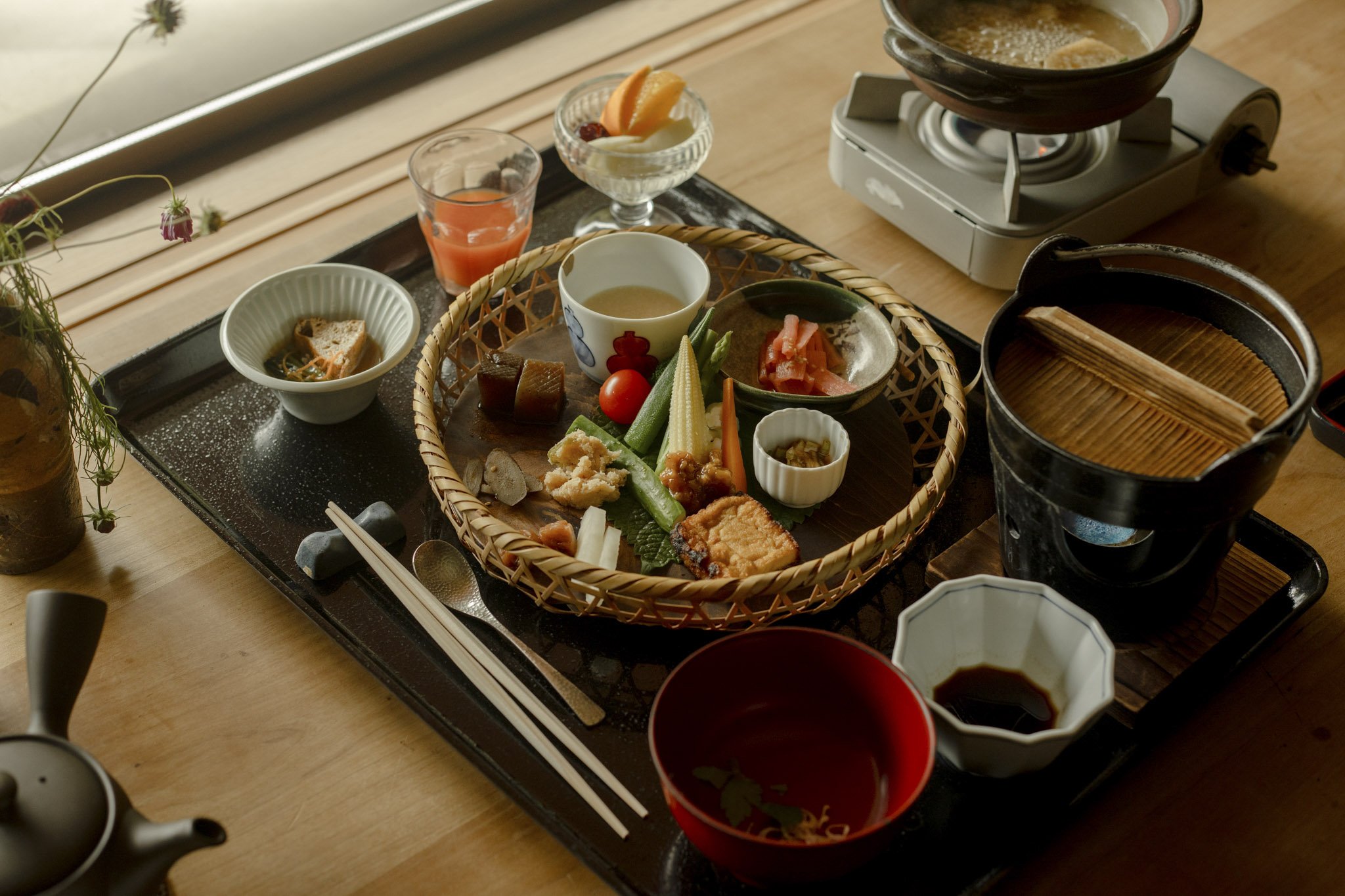
Evenings at Daikokuya are devoted to nourishment in every sense. Following a soak in the outdoor onsen, I enjoyed a kaiseki dinner, served privately in my room on handcrafted ceramics and bamboo ware by local artisans. The star, though, was the regional produce: Nasu Wagyu, river-caught ayu fish and vegetables harvested by local farmers. Nasu’s ethos of harmony with nature shone through again in the two local sakes from Senkin and Tentaka breweries, both made from organic rice grown nearby. They were so delicious that I sought them out the next day at a local deli, unable to resist bringing bottles home to London.
After a wholesome traditional Japanese breakfast of ganmodoki (fried tofu patties studded with hijiki seaweed, shiitake and soybeans, crisp on the outside and soft within) alongside grilled fish, rice, miso soup and vegetables, I lingered in the ryokan cafe, where exhibitions of woodwork and ceramics by Tochigi artisans rotate monthly. Who knew being immersed in the history, craft, and natural beauty of Nasu could be so good for the busy soul?
Cycling Through Bamboo and Rice Fields
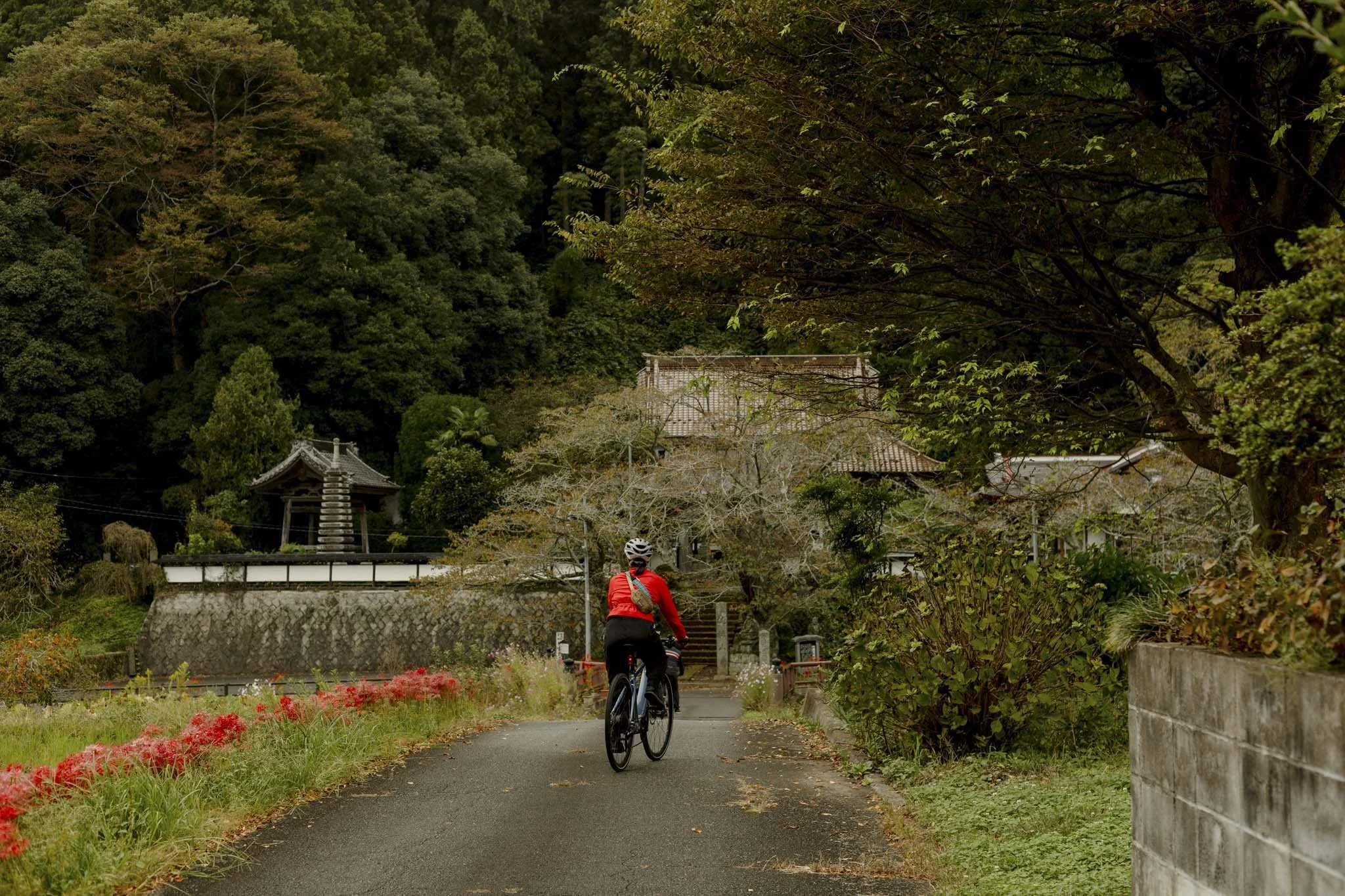
The following day, I joined Tetsuya Yamamoto from Bicycle Tours Japan for an e-bike ride through Nasu’s rolling landscapes. The company offers tours for all fitness levels, from half or full-day Nasu rides to multi-day adventures across Japan, with e-bikes for those who prefer a gentler pace and regular bikes for more experienced cyclists. The path wound past rice fields glowing golden in the sun, quiet forests and temples tucked away in the foothills. A stop at a farmers’ market allowed me to sample buckwheat ice-cream made from the very grains turning beneath the wooden wheels at a traditional soba water mill I had cycled past just minutes earlier - simple, local and truly memorable.
One of the highlights was our stop in a bamboo forest. Unlike the crowded groves of Kyoto, here I was alone, save for my three fellow cyclists, birds and the gentle sway of stalks overhead.
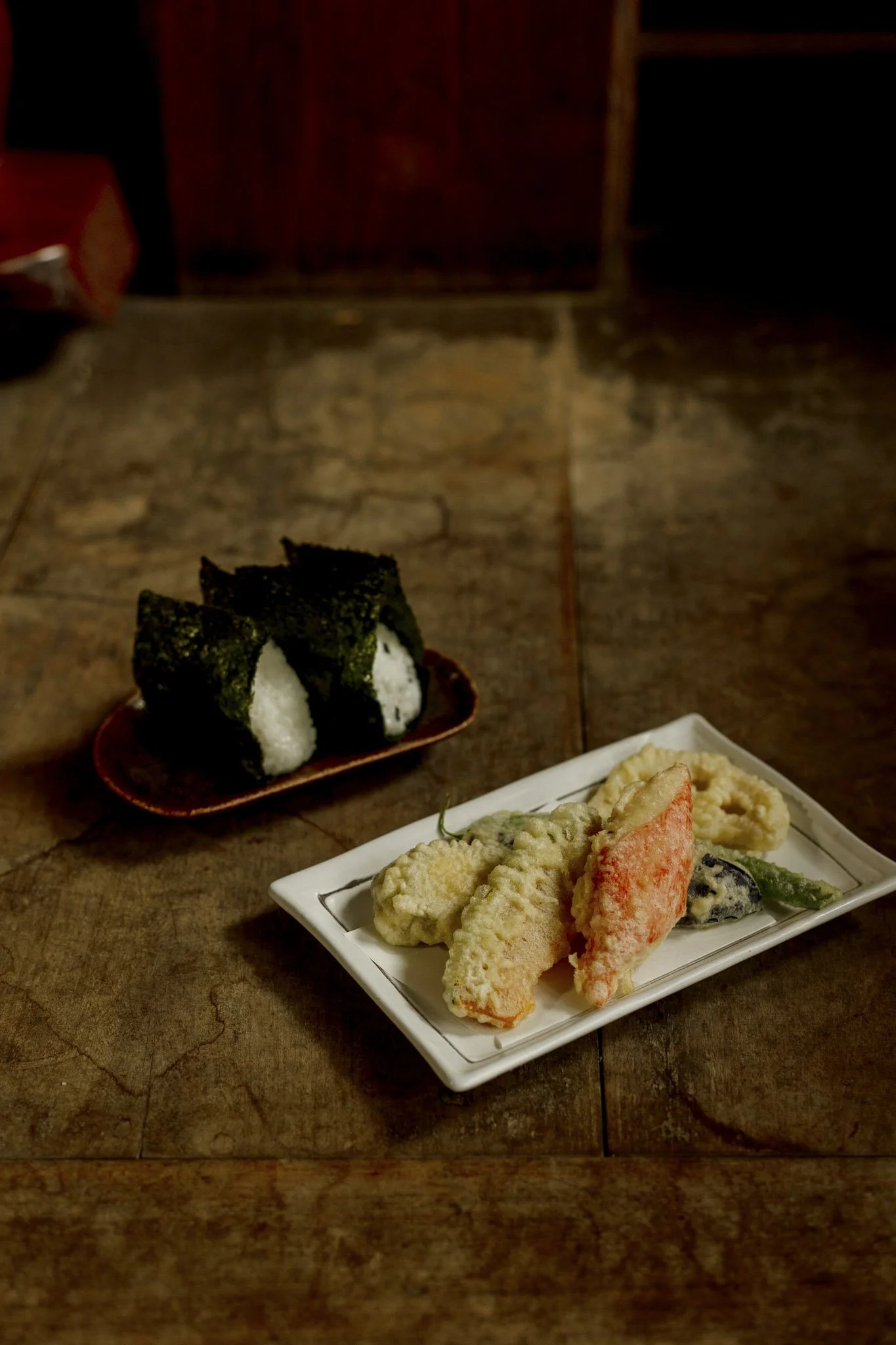
Lunch at a local farmer’s home followed, a feast of vegetables plucked from the garden just steps away: crisp corn and lotus root tempura, shiso-wrapped prawn, tender eggplant, okra and a baked potato. Rice simmered with soybeans and kombu was shaped into simple onigiri and wrapped in nori, and dessert of grapes and figs with ice-cream pushed my fruit-and-veg intake well past the recommended five a day.
Temples and Bamboo Craft
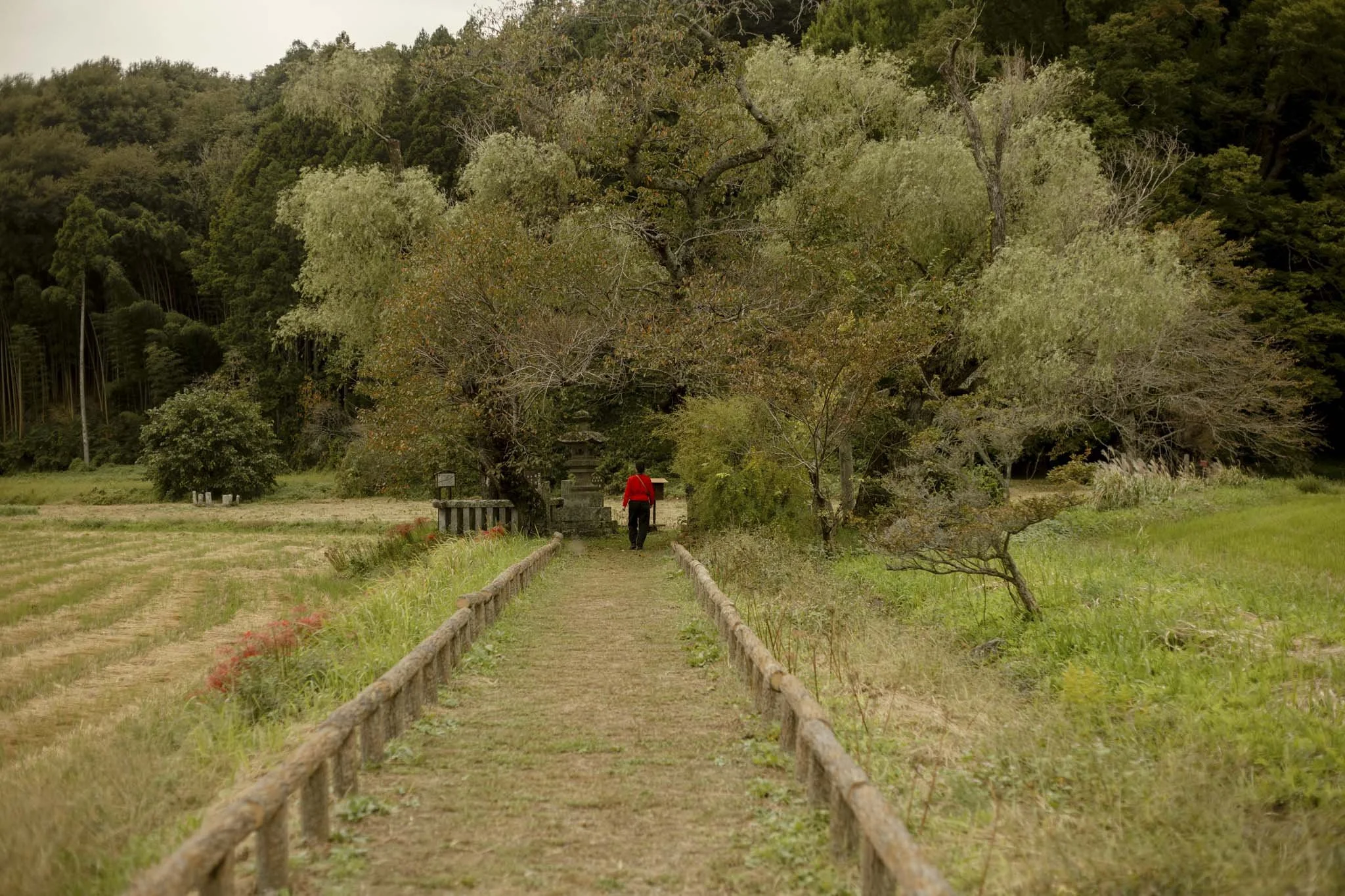
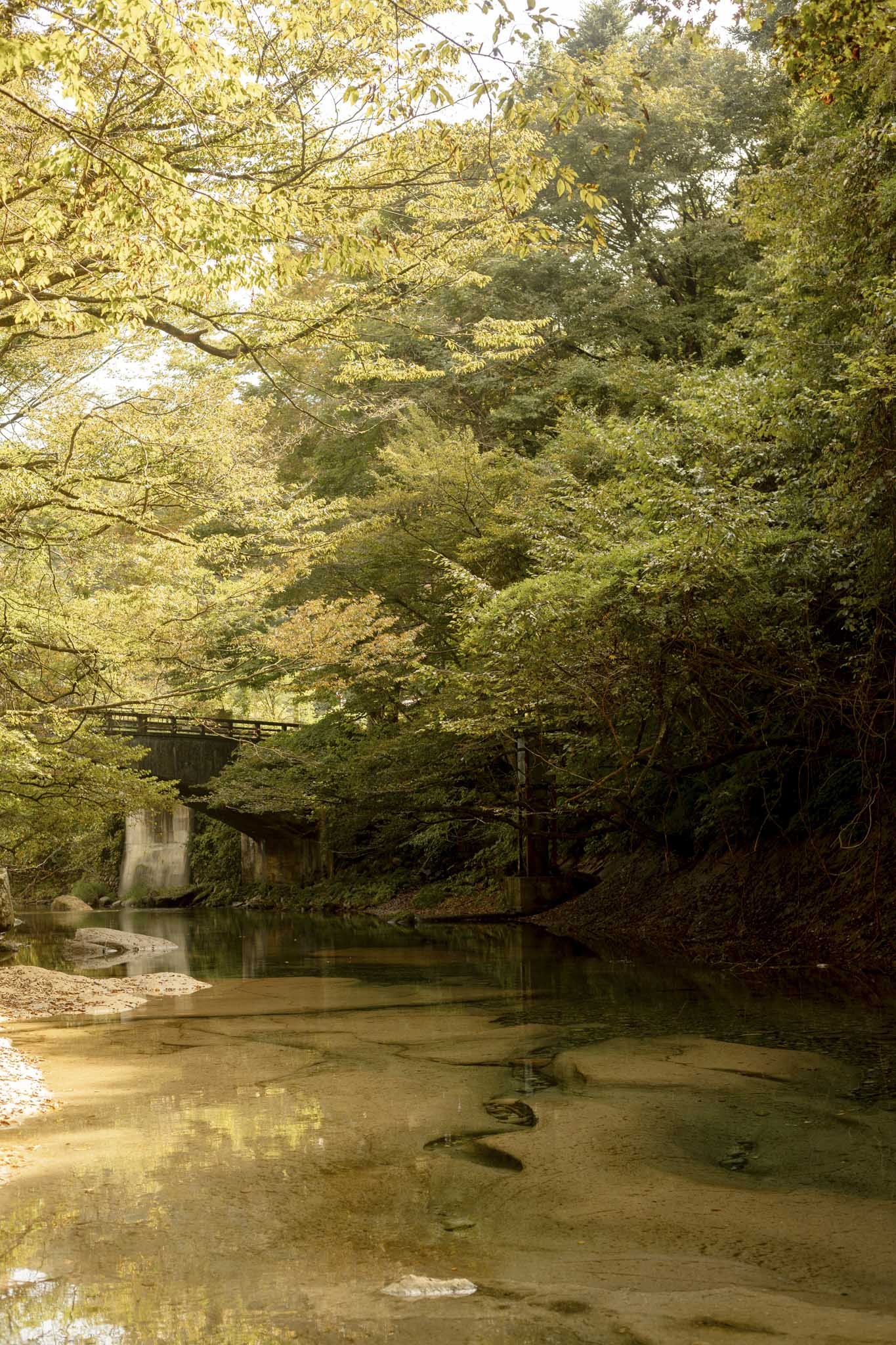
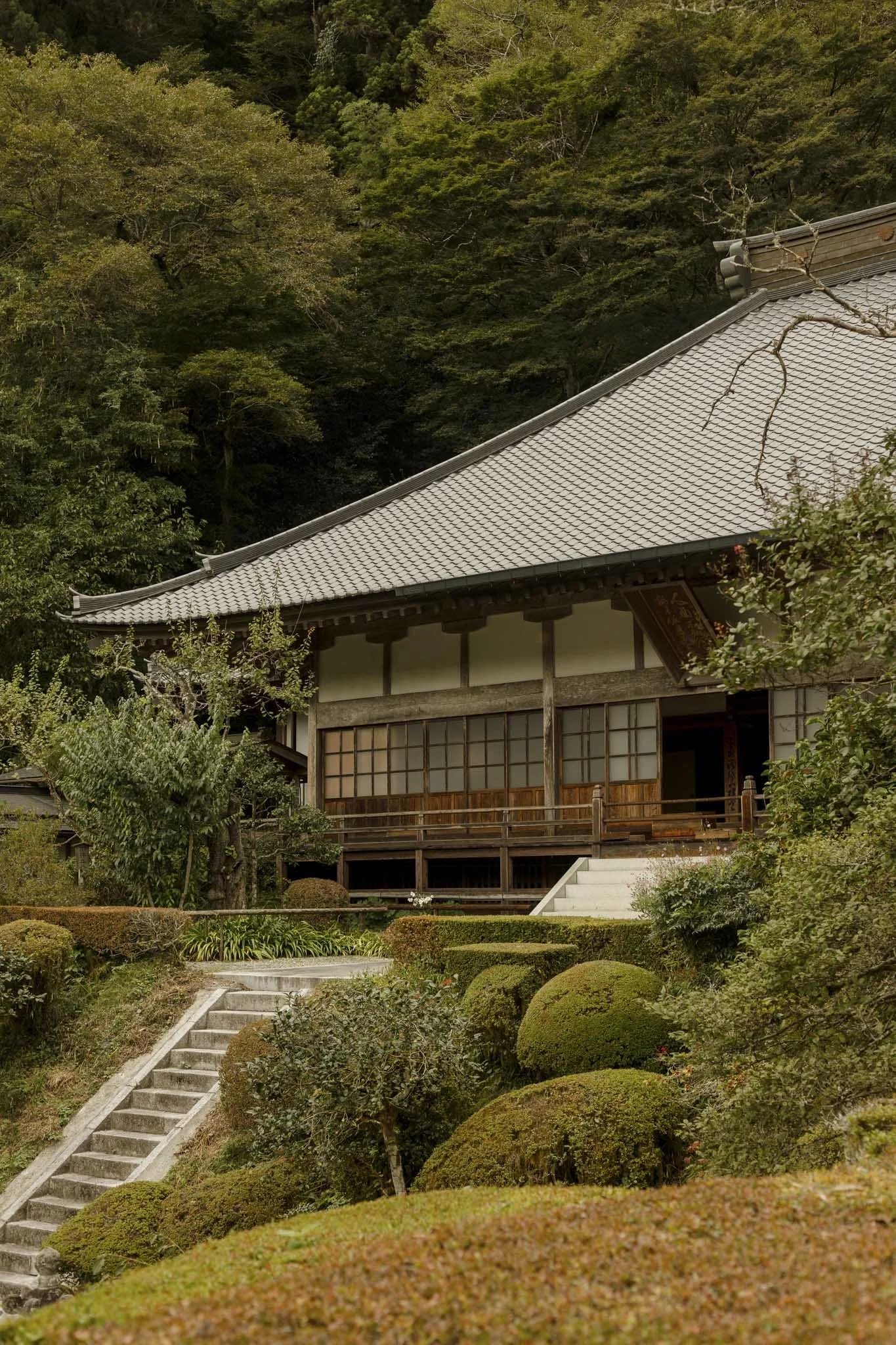
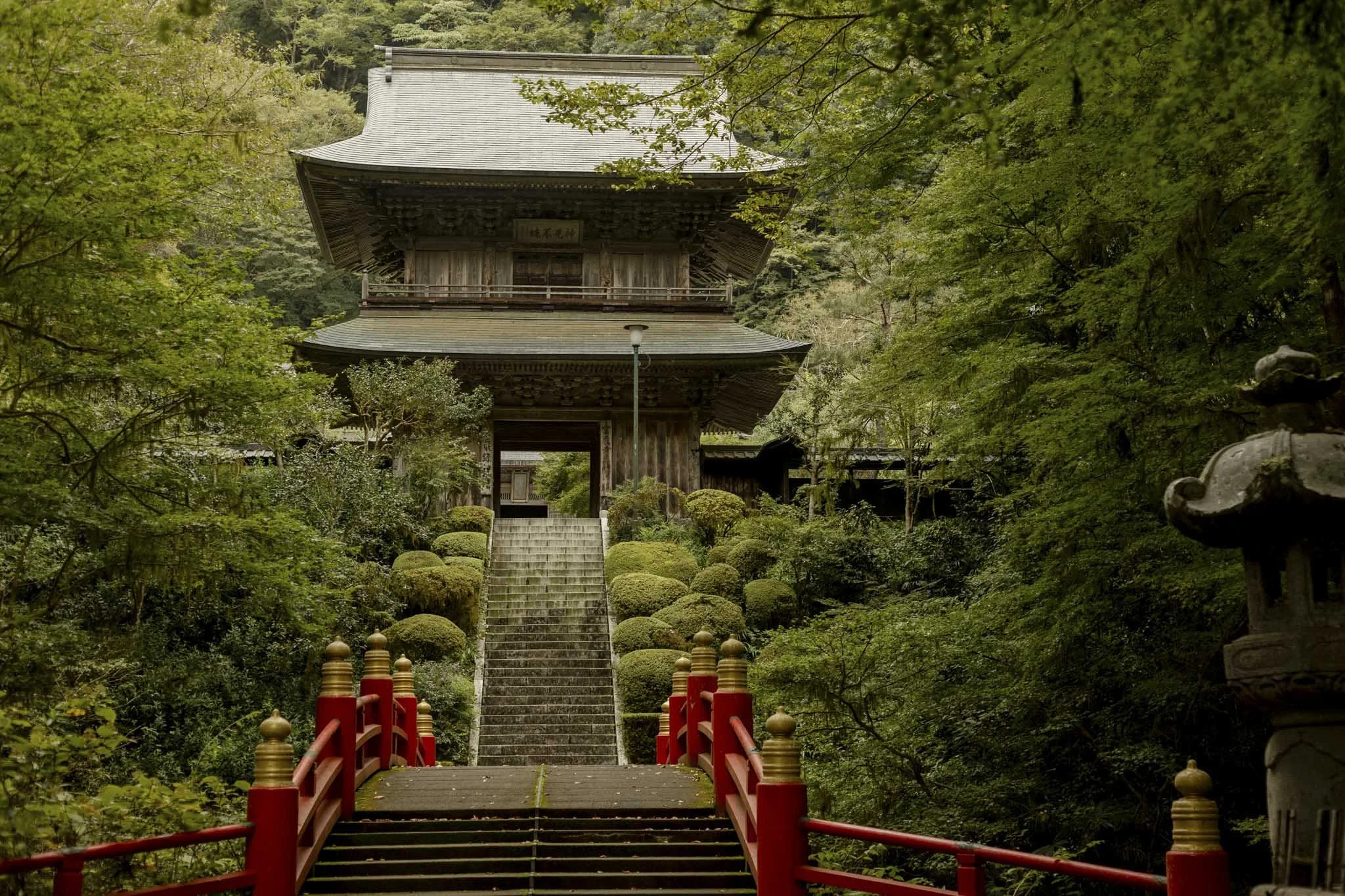
After lunch, I visited Ungan-ji, a Rinzai Zen temple founded in the Heian era. Nestled beside a pristine stream and ancient cedars, some over a thousand years old, the temple exuded a serenity that immediately quieted the mind. Crossing the vermilion-painted bridge and climbing the stone steps to the wooden hall, I felt the centuries melt away. It was easy to see how Matsuo Basho, Japan’s legendary haiku master, had found inspiration here.
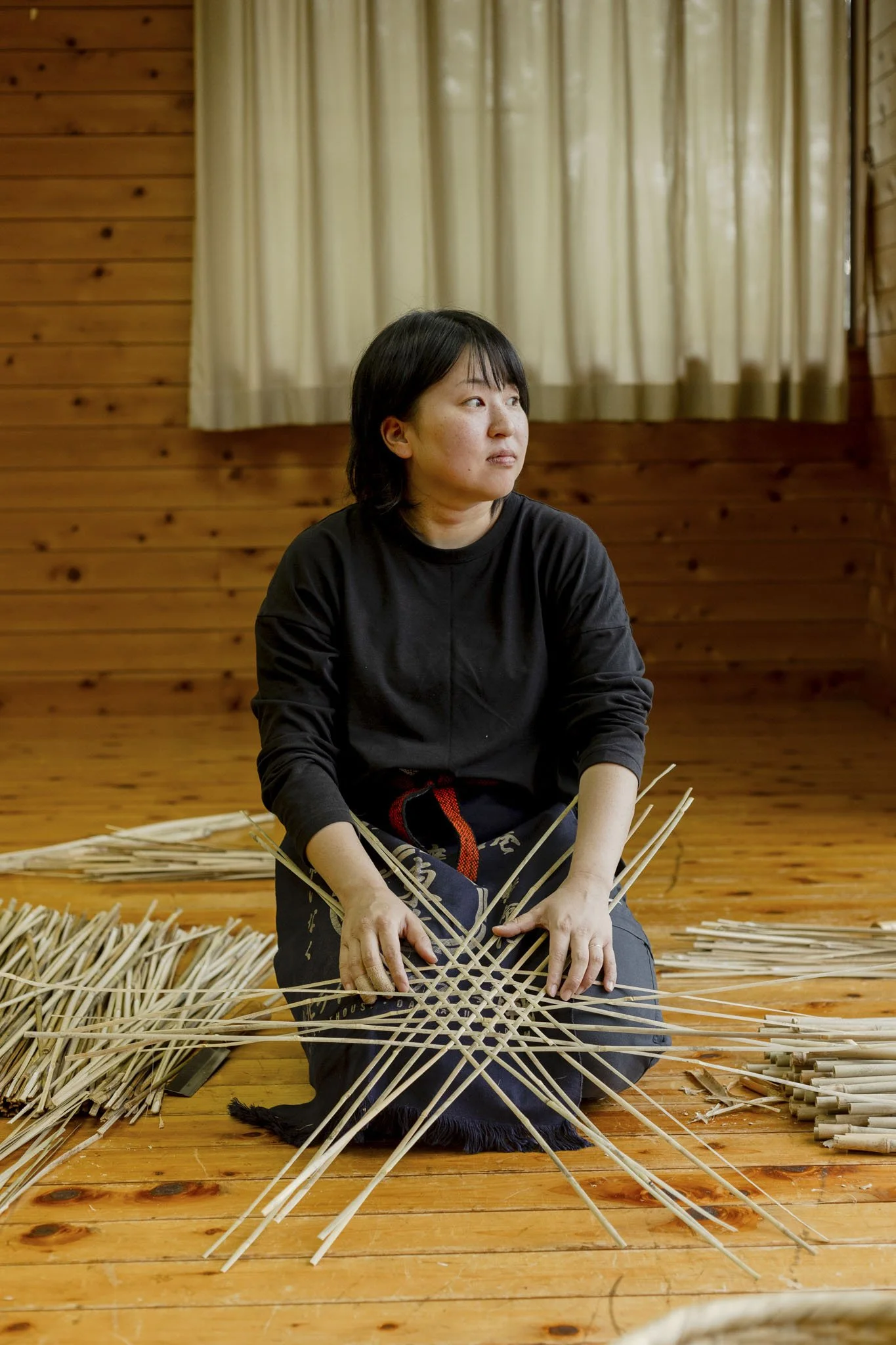
Later in the day, I had the privilege of visiting Maiko Nakamura, a young woman who, together with local elders, is working to preserve Shino bamboo weaving - a craft traditionally passed down orally and now practiced by only a handful of artisans. Watching her hands transform raw bamboo into lightweight, durable baskets and containers was a lesson in patience and reverence for natural materials.
Volcano Hikes, Onsen, and Nasu Shrine
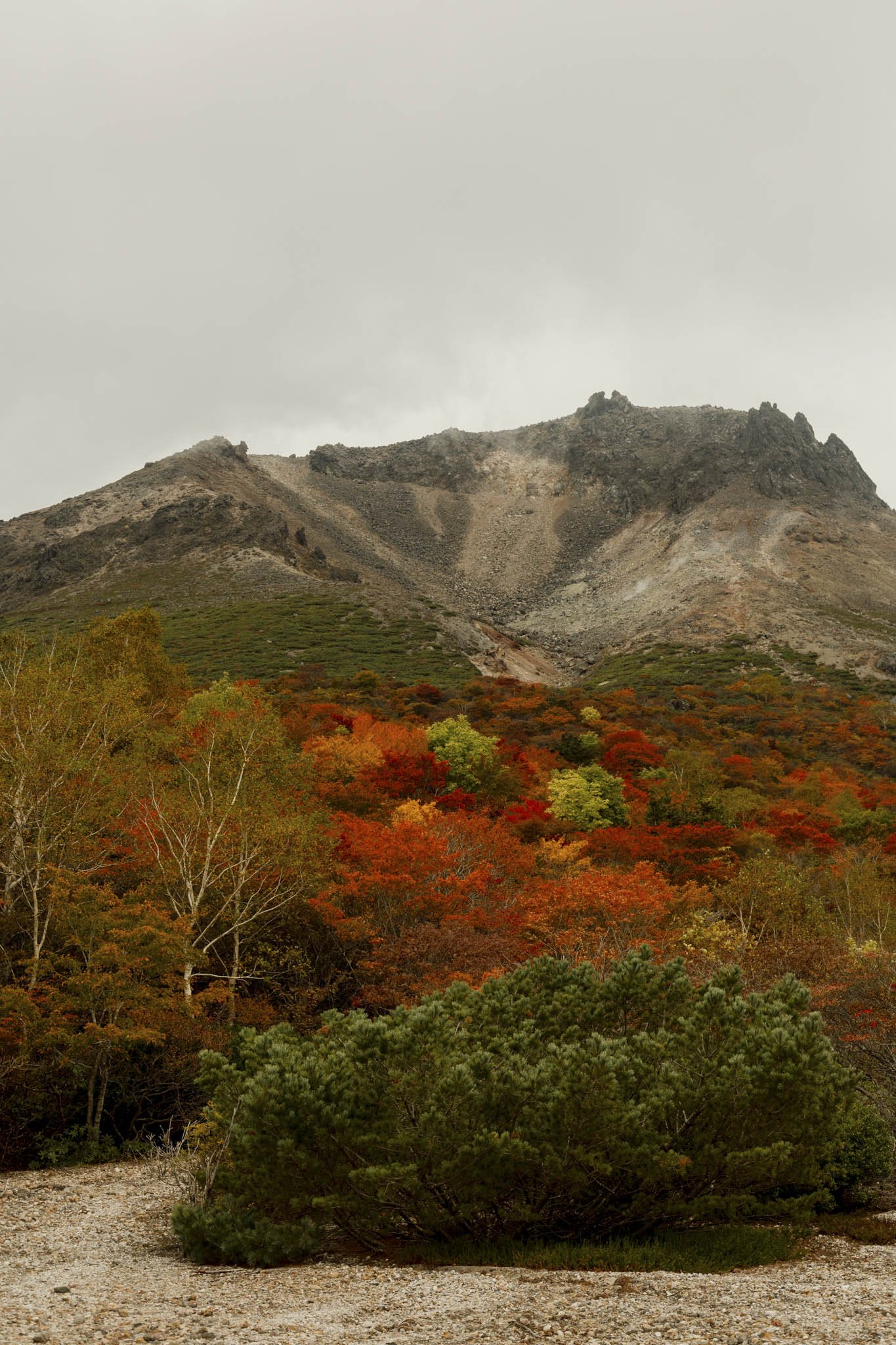
I moved accommodation to Ryokan Sankai, making for a convenient start to a hike up Mt. Chausu, the highest of the Nasu Five Peaks, accompanied by Keiji Kaneda from Bicycle Tours Japan (the company guides hikes along the trails covering these peaks, as well as through the vibrant Numappara Marshlands, the forested paths of Heisei-no-Mori, and to atmospheric ryokans tucked deep in the mountains, accessible only on foot). The Mt. Chasusu trails offered dramatic views of volcanic geology - craggy rocks, fumaroles whispering steam and distant ridgelines stretching into Tohoku. If you’re short on time, the Nasu Ropeway can take you to the 9th station, leaving just a 50-minute climb to the summit. At the top, a small Shinto shrine stands quietly against the vast expanse, a reminder of the reverence these mountains have inspired for generations.
Descending, I soaked at Shika-no-yu, Tochigi’s oldest hot spring, at the foot of the mountains. The milky, sulfur-rich waters have been enjoyed for nearly 1,400 years, cooled naturally from a 57°C volcanic spring. The bathhouse sits beside a gentle stream and a shallow volcanic valley, home to 1,000 hand-carved jizo statues, and the legendary Sessho-seki stone, tied to Japan’s folktale of a mythical, nine-tailed fox - a story so famous it features in noh and kabuki plays. Soaking here felt like stepping into history, a reminder of the long relationship between humans and nature in Nasu.
Reluctantly, Time to Leave
Everywhere I looked in Nasu, the principle of shizen was evident: architecture integrated with the landscape, cuisine reflecting the season and soil, and crafts derived from natural clay, wood, bamboo and indigo. Even beverages are shaped by the land: small artisanal beer and sake breweries and family-run wineries produce drinks that reflect Nasu’s terroir, completing a truly farm-to-table culture from field to glass.
Leaving Nasu, I reflected on the extraordinary range of experiences packed into such a compact corner of Tochigi Prefecture. From volcanic peaks to serene temples, shrines and bamboo forests, from centuries-old ryokans to craft studios, Nasu is a place to reconnect with nature, history and one’s own rhythms. It is restorative, unpretentious and - for those seeking a respite from the crowds of Tokyo and Kyoto - unforgettable.
For more Japan inspiration, be sure to check out our Japan magazine.




Finding Zen in Kyoto with help from a boutique Japanese hideaway, Maana Homes.