
If you’re planning a Japanese getaway, we’re rounded up 20 of the best boutique ryokans, luxury hotels, machiya and guesthouses around – singular accommodations we keep returning to, and where culture, cuisine and design take centerstage. All are found across the island of Honshu (the largest of Japan’s five main islands), and while some boltholes are located in heaving cities like Tokyo and Kyoto (both absolutely magical), others will take you far from the regular tourist trail – a guesthouse beside the fish market in Toyama’s Himi, a historic ryokan with an exceptional onsen in the mountains of Shizuoka, villas inspired by the pearls and Ama divers of Iseshima.
Read on to be inspired – or check out Slow Travel Japan and our Japan magazine for more inspiration.
At Lodestars Anthology, our editors independently select everything we feature. Some of the links you’ll find on our site are affiliate links, and this means we may earn a small commission if you choose to book or purchase through them, at no extra cost to you. We’re always transparent about affiliate links, and our content is never influenced by these partnerships.
Tokyo
Named after the Sanskrit word for soul, this lavish hotel (overlooking Azabudai Hills and the teamLab Borderless digital art museum) is a haven of calm among the neon buzz. Its design is inspired by the elements. Fires burn, bonsais bloom (and can be made during one of JANU’s curated cultural experiences) and ceilings are adorned with intricate latticework – while the spacious, quiet rooms feature a mix of Japanese and European details such as statement earthen walls, sliding doors and a palette that calls to mind dawn clouds. And then there’s the 4,000-square-meter wellness centre, a space crowned with a jewel-hued lap pool that’s open to guests and day visitors. There’s an extensive spa menu (I left my massage a different, more relaxed version of the person who walked in) and a chic sento-style hydrotherapy bath that’s almost impossible to leave.
Created by the Hoshino group (who are also behind luxe gems like HOSHINOYA Fuji), OMO is a collection of hotels ideal for those after a more affordable, character-packed escape. Cosy rooms are ingeniously-designed, yet you’re encouraged to head out and explore rather than retreat, with the surrounding neighbourhood offered up as your resort.
All OMOs feature wall-sized maps marked with local shops, restaurants and attractions, and at OMO3 Akasaka (the numbers in a name lets guests know what services to expect) you can use it to plot your adventure from the rooftop while basking in an aerial view of Sensoji, the city’s oldest temple. Famously packed during the day, to be able to see this Tokyo icon with just a few early-morning visitors (students on bikes, monks with their coffees) or illuminated at night, is magical – a chance to feel like you’re part of the everyday.
Across town, at OMO5 Tokyo Otsuka, it’s all about the food. An afternoon tour will introduce you to some of Otsuka’s showstoppers (like pancakes hot off the grill from Sennari Monaka) or you can sample the area’s restaurants. Guided by hotel staff, I devoured flawless tempura from Tsuzumi (run by a husband and wife team for more than 50 years), raised a glass at Torichu Isakaya and fell madly in love with onigiri from Bongo.
Found in a former 1920s bank building just across the road from the Tokyo Stock Exchange, Hotel K5 is a boutique, design-focused bolthole that makes you feel chic by association. The interiors are airy and contemporary, while still nodding to traditional craftsmanship (the indigo curtains encircling some of the beds are particularly gorgeous). Many of the furnishing, meanwhile, are strikingly Scandi. Expect record players in every room (and an impressive record library), an on-site izakaya, bar and cafe, and some exceptional people watching.
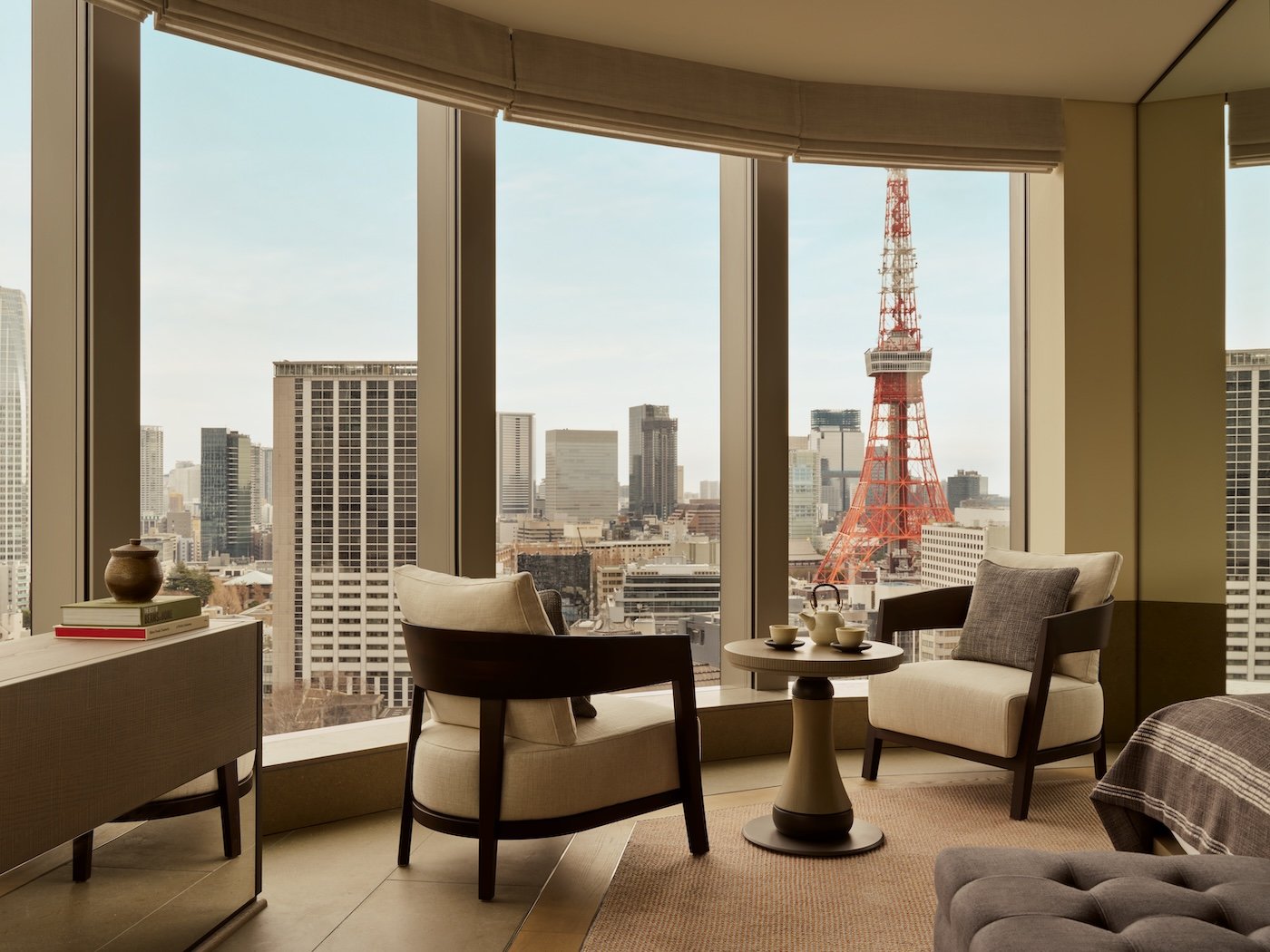
JANU - Tokyo
Shizuoka
Encircled by mountains at the confluence of two rivers, this opulent ryokan first opened in 1874 and is a Registered Tangible Cultural Property for its craftsmanship. Designed in the refined, nature-inspired sukiya-zukuri style (which incorporates elements from traditional teahouses), it’s a calming, history-packed space. As you walk along corridors adorned with painted screens, ikebana (flower arrangements) and elaborate rosewood and black persimmon woodwork, it’s easy to imagine the whispered conversations of guests from a century ago.
The ryokan’s 16 rooms and private villa feature garden-framing sliding windows, and each has a private onsen (some even boast open-air baths overlooking a tranquil Japanese garden), while the gorgeous public onsens provide further opportunities to unwind (bathe outdoors and you’ll be soothed by the dappled light and flow of the river Ochiairo stands beside). An assortment of Japanese sweets and drinks are available in the lounge throughout the day, but the culinary highlight is the nine-course kaiseki (a traditional Japanese dinner). Featuring regional ingredients and plated with care, dishes celebrate the seasons, and my spring menu included zesty wild greens, rich abalone balanced by wakame seaweed, and umami charcoal-grilled Amagi Shamo chicken, the birds raised in the nearby Izu Peninsula on a mix of soy milk and wasabi leaves.
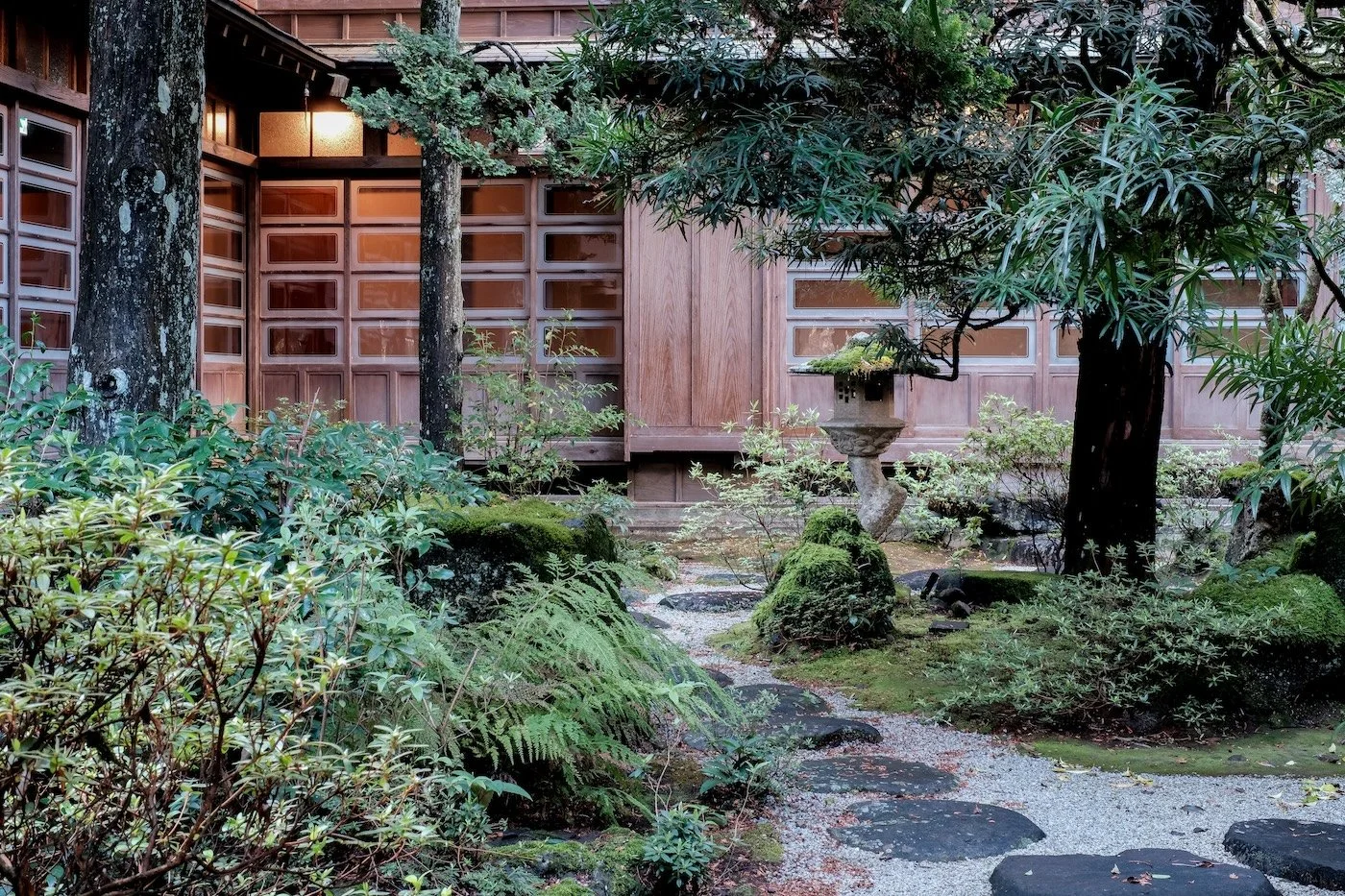
Ochiairo - Shizuoka, photograph by Liz Schaffer
Iseshima
Experience Ise Miyamachi Hotel
Part gallery, part boutique bolthole, this hotel has been designed with art lovers in mind. Guest rooms and communal areas have been decorated by 15 different artists, while the dining space (which is open to non-residents) hosts an ever-changing array of exhibitions and pop-up creative events. If you fall in love with something – a sculpture, print or striking red bonsai – chances are you can buy it, with the entire purchase fee passed on to the artists. Keen to connect guests with the city as much as art, the hotel has also produced a series of short videos highlighting local culinary treasures like Ichigetsuya, a hundred-year-old izakaya, and Marci, a lifestyle store with a flair for dessert.
Part of The Ryokan Collection, this waterside retreat is made up of three architecturally striking, light-filled private villas, all with views across Ago Bay and prints from local copperplate artists Kenji Yoshida, who's works focus on the region's Ama divers (female free-divers who have been gathering seafood across Iseshima for millennia).
The retreat began life as a family-run Akoya pearl farm (anther famed Iseshima creations), and honours this history through artfully preserved artefacts, like black and white photographs from the farm’s heyday. The biggest attractions here (stunning sunsets and private sauna aside) are the meals; the multi-course dinners and breakfasts are the work of ever-smiling chef Mamoru Matsumoto, who has specialised in Japanese cuisine for more than 30 years. He grew up nearby so knows every farmer and fisherman, and his menu is built around the ingredients he receives each day, with dishes – experimental works of art served on custom-made crockery – often dreamt up on the spot.
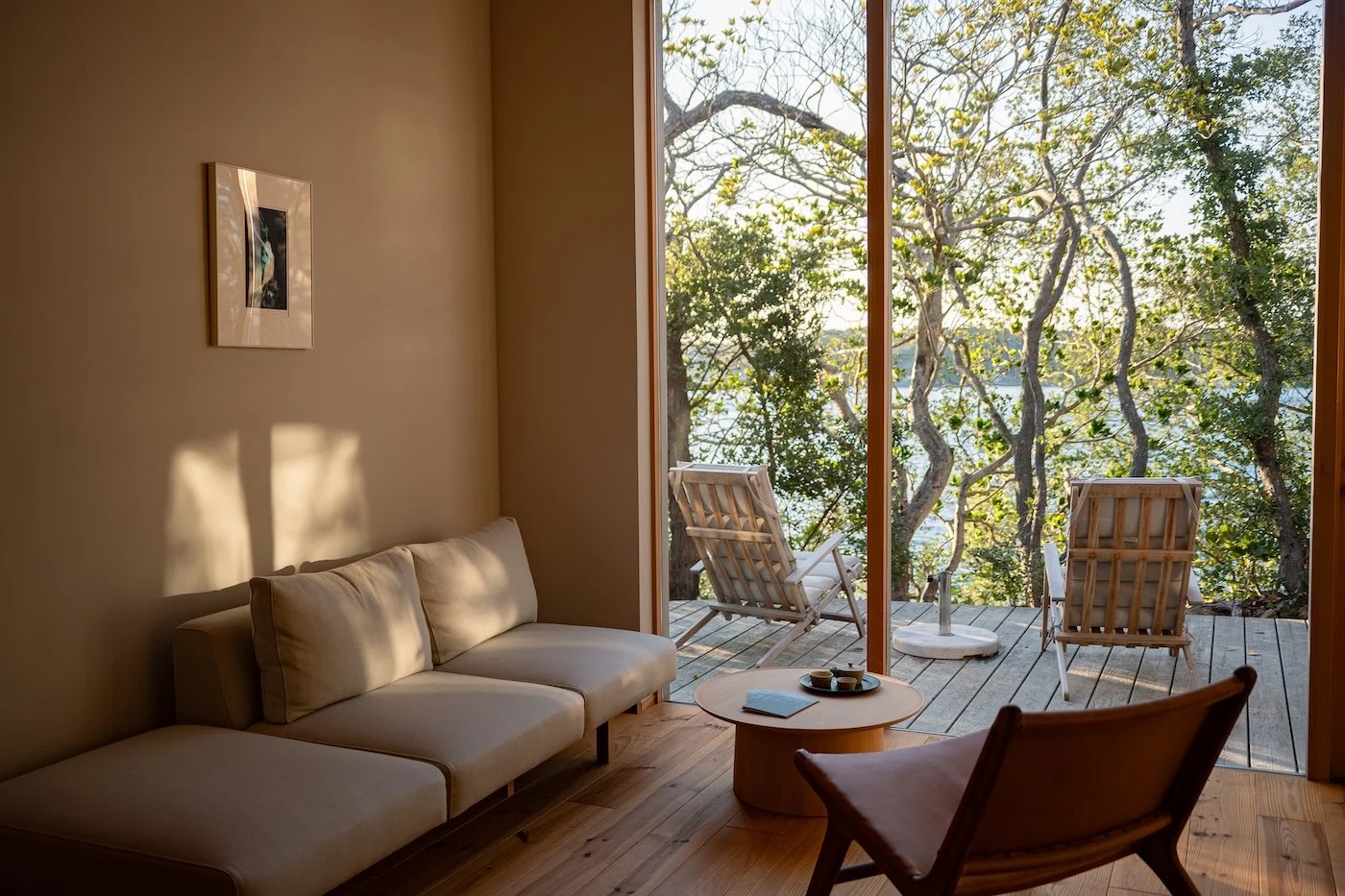
COVA KAKUDA - Iseshima, photograph by Giulia Verdinelli
Kurashiki
Founded in 1957 and located in a renovated home and storehouse belonging to a sugar merchant during the Edo period, this luxurious canal-side hideaway is made for slow travellers. This is a sanctuary shaped by omotenashi, a deep-rooted national ethos that roughly translates as ‘to wholeheartedly look after guests’. While historic details have been preserved – artfully curated antiques, mingei treasures, tatami floors and cypress bathtubs – every contemporary comfort has been considered. There is an Aji stone bath you can book for a private soak, and cosy spots to savour the ryokan’s specially roasted coffee and delightful nightly dinners – the multi-course kaiseki was rightly described to me as a symphony, the story building with every course.
What truly sets Ryokan Kurashiki apart, though, is its dedication to regional arts and crafts, with the concierge team able to arrange visits to local studios and workshops if you notify them in advance. With their help, you can hand embroider terami balls, visit artisans in Bizen (one of the Six Ancient Kilns of Japan) or explore the nearby Art Islands by private sailboat.
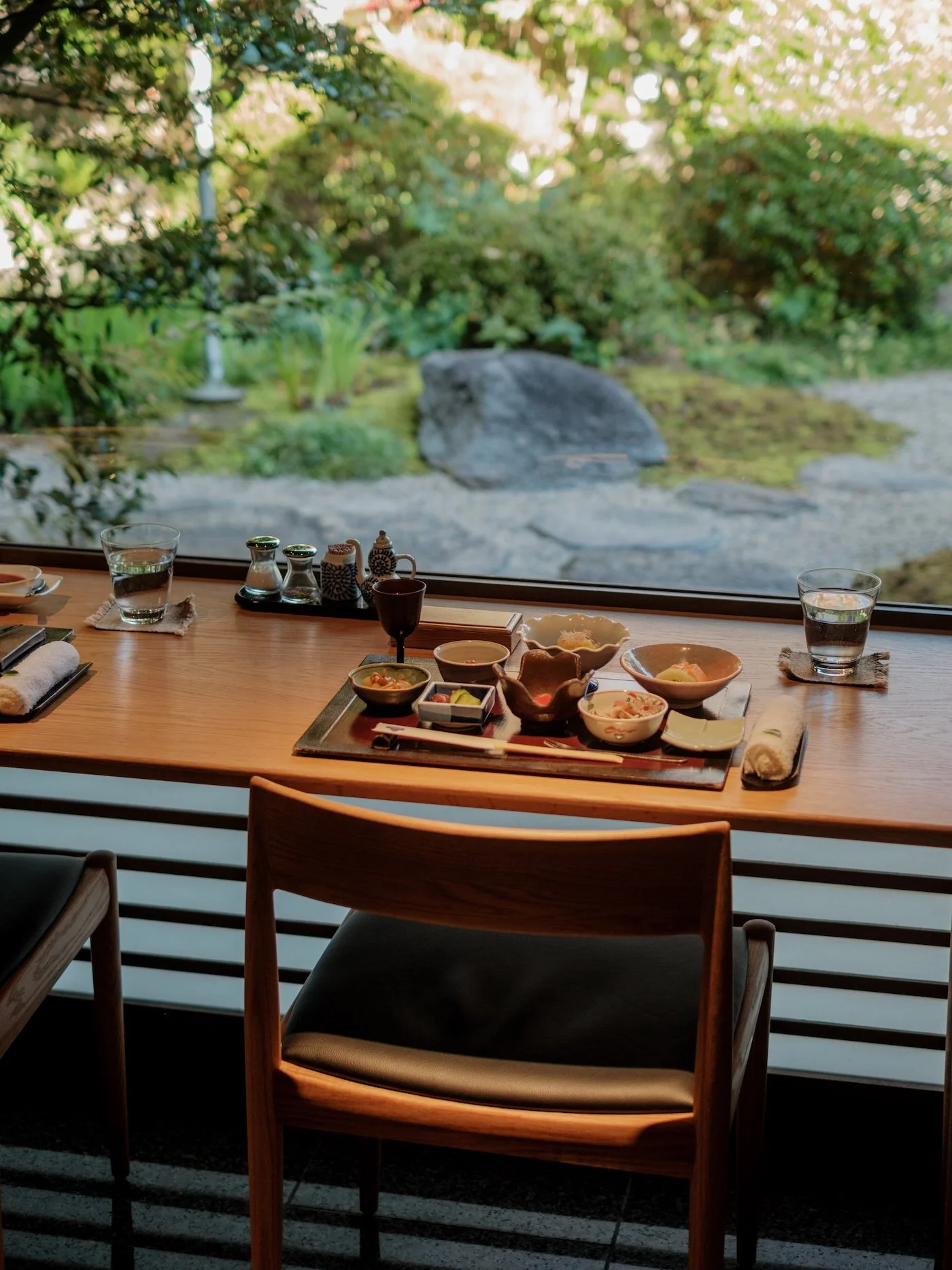
Ryokan Kurashiki - Kurashiki, photograph by Daisy Wingate-Saul
Kyoto
Dreamt up by two childhood friends, Maana Homes is a collection of restored and revamped machiya (traditional wooden townhouses): gorgeously designed old-meets-new suites and apartments where guests are inspired by Japanese craftsmanship and wisdom, and can appreciate the beauty found in even the simplest object. You can read more about them here.
Seamlessly blending Western and Japanese aesthetics, this design-forward hotel sits within a greenery-draped shopping and lifestyle complex designed by famed architect Kengo Kuma, whose works explore the relationship between human and natural environments. A vibrant, creative oasis, it shares the same ethos as other Ace properties around the globe – that hotels should be social hubs as much as swish places to sleep.
The community spirit is alive in the timber-lined lobby, which feels a little like a co-working space, and a little like an art gallery, with striking contemporary works from the hotel’s Artists in Residence always on display. The bohemian vibe continues in the rooms, which mix Kyoto crafts and bespoke prints with quirky additions like turntables to play their well-curated selection of vinyls. There’s an array of buzzing restaurants, bars and cafes nearby – Nishiki Market is a short stroll away, the 400-metre long covered arcade packed with more than 100 food stalls – but the hotel is also making waves on the foodie front. Kosa is shaped by the seasons, Mr. Maurice's Italian dishes up moreish wood-fired pizzas, and the rooftop bar is the perfect place to unwind, especially if you’ve spent the day zipping around on one of the hotel’s bicycles.
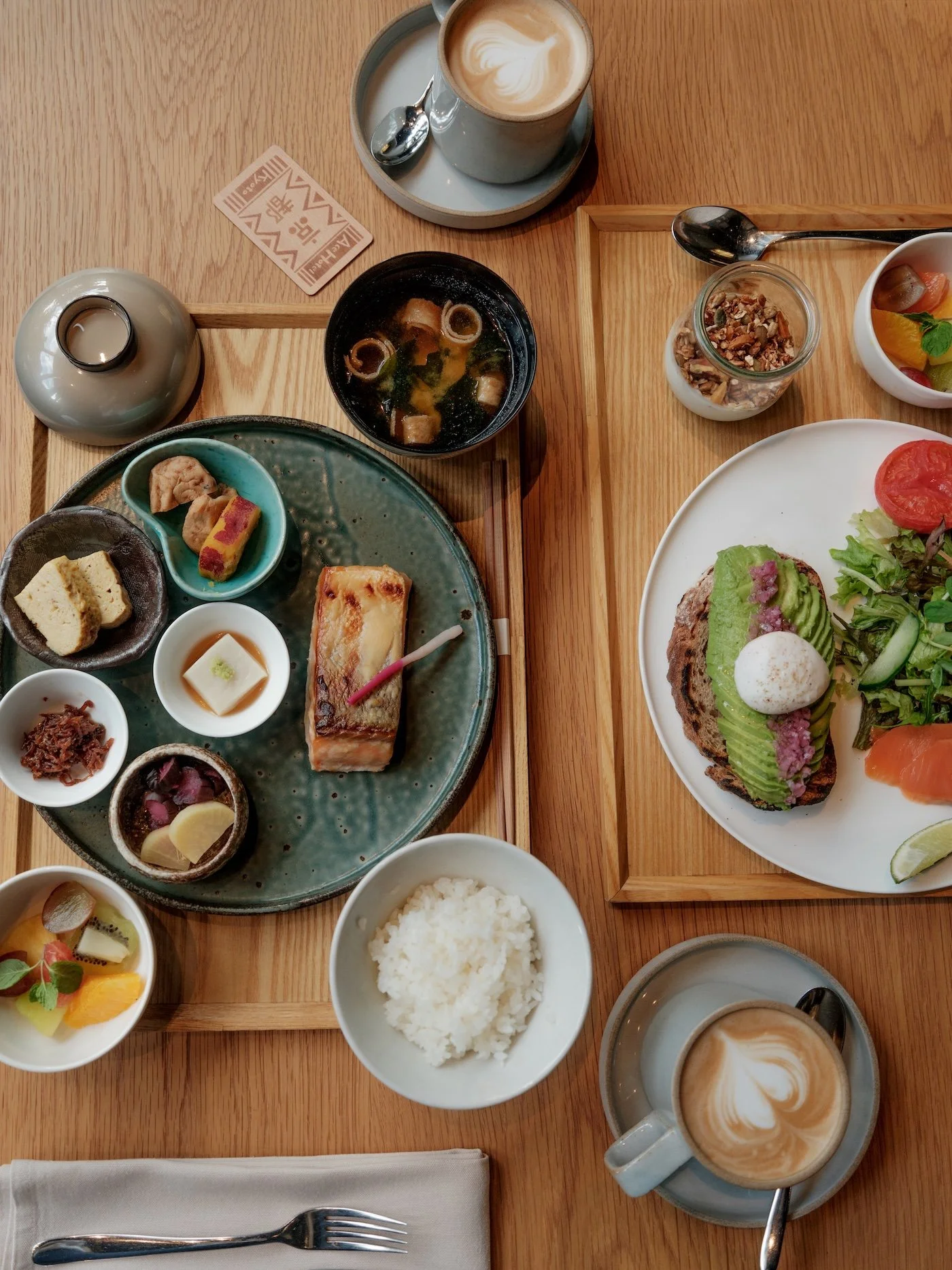
Ace Hotel - Kyoto, photograph by Daisy Wingate-Saul
Shimane
Every Japanese getaway should include a stay at a KAI – charming boutique ryokans that celebrate art, heritage and restorative waters. KAI Tamatsukuri is a gem in the collection, set beside the river in Tamatsukuri Onsen, which has a healing history dating back to the 8th century. While it occupied an original ryokan building (constructed in 1938) the contemporary, tatami-lined rooms have been completely revamped and are adorned with artworks honouring Shimane’s heritage. Private onsens are particularly nourishing when you pour in a bottle of sake for added skin softness, and there is also a cedar-scented public onsen to unwind in. Traditional tea ceremonies and nightly kaiseki feasts (served on singular crockery that tells a story) are a treat, yet my favourite spot is the sake bar, which serves sake from across the prefecture (sake is said to have originated in Shimane), sipped from cups made by regional ceramists – a great place to retreat to before the nightly Kagura (Shinto dance) performance.
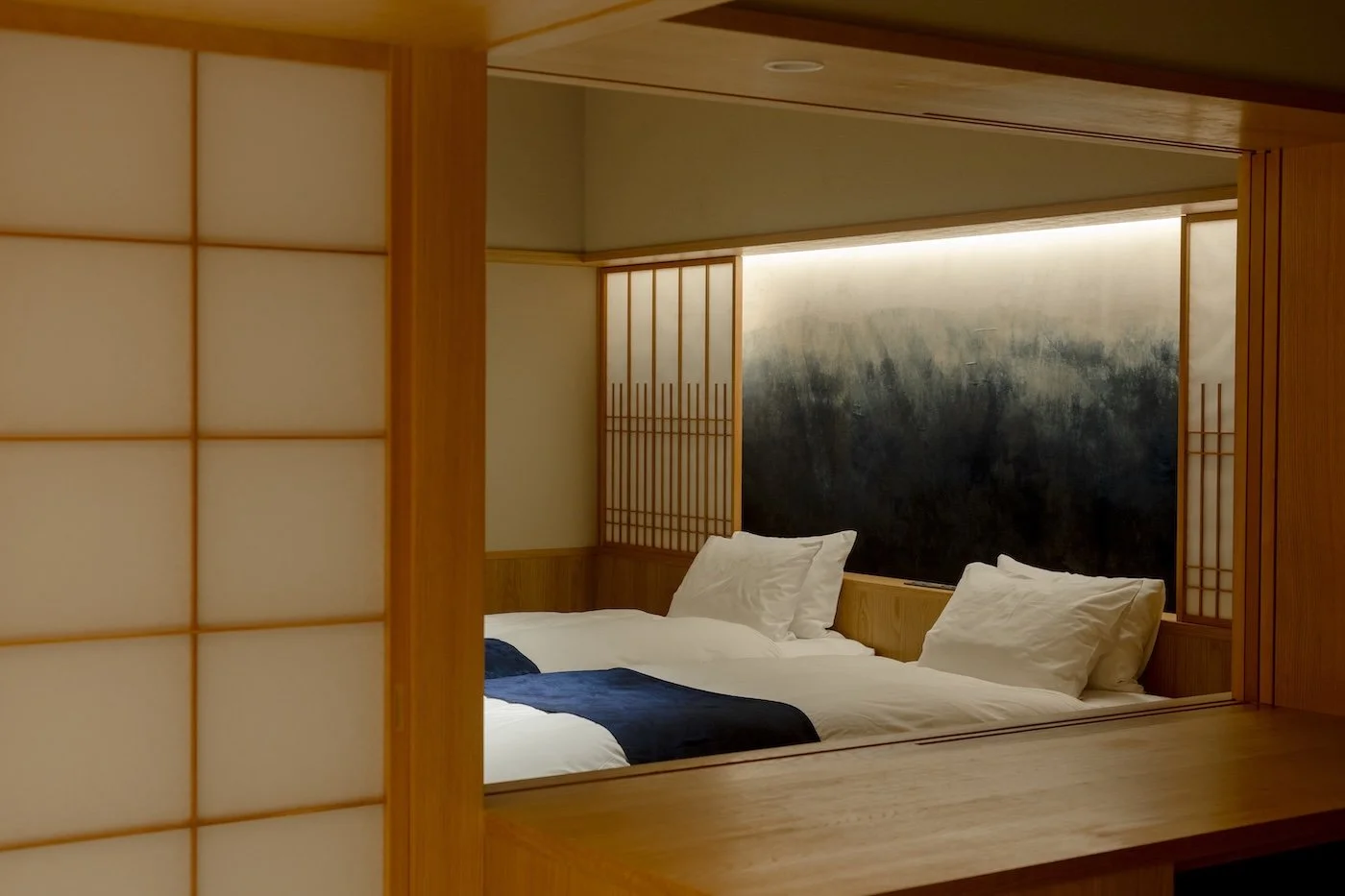
KAI Tamatsukuri - Shimane, photograph by Chiara Dalla Rosa
This art-centric ryokan resort is made for nature worshippers. The views are unrivalled, with rooms overlooking Izumo Hinomisaki Lighthouse in one direction and a secluded rocky cove in the other. Bedroom decor mirrors the hues of the Sea of Japan and the sunset (which has been considered sacred here for millennia), while the outdoor onsen is perfect for body-warming stargazing. Here, it’s about the details: headboards that capture the horizon line through materials like Sekishu washi and woven paper cloth, mingei-style ceramics, and a wall-high artwork in the reception area made from local iron (the same material once used to craft katana swords) that calls to mind the setting sun. KAI Izumo is also dedicated to celebrating Shimane culture, with regular Kagura performances, costumes that double as artworks, and a signature breakfast featuring dishes that are also offered to deities at Izumo Taisha (one of Japan’s Grand Shrines) – ideal if you have a pilgrimage planned later that day.
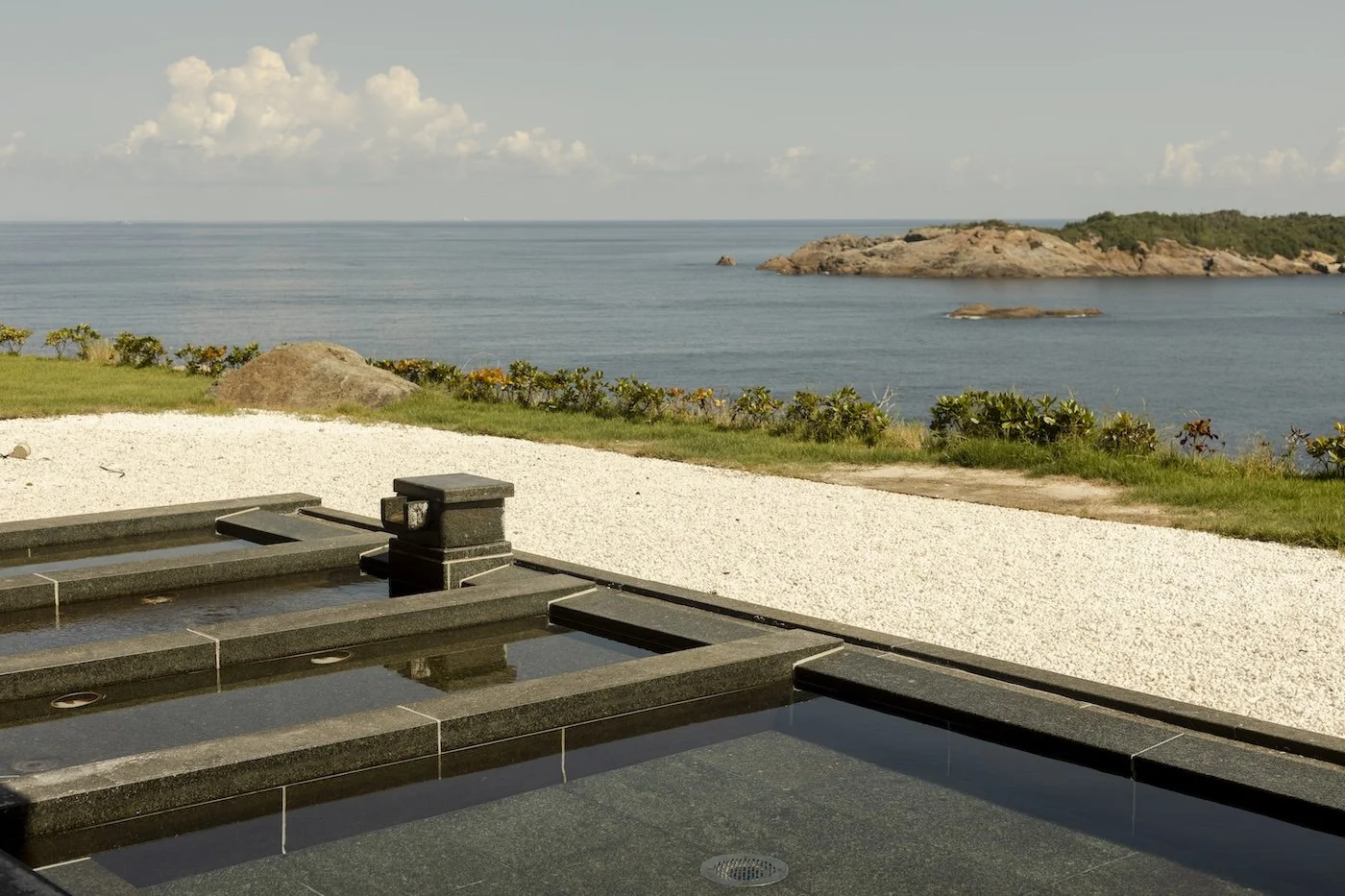
KAI Izumo - Shimane, photograph by Chiara Dalla Rosa
Kinosaki Onsen
This charming, incense-scented ryokan near the foot of ropeway-draped Mount Dashi in Kinosaki Onsen has been helmed by the same family for seven generations. Build around a central Japanese garden and boasting two communal guest onsens, the spacious tatami-lined rooms are transformed every evening. First, they become your private dining room, a stage for a kaiseki feast filled with seasonal treats like super-sweet snow crab and marbled, melt-in-the-mouth Tajima beef, each course arriving atop ornate ceramics. Later, as you travel from onsen to onsen in the heart of town with fellow yukata-wearing travellers, futons are laid out by the kimono-clad staff. Few sleeps are as deep as the ones you enjoy after a long, hot bath.
Kanazawa
Surrounded by Higashi Chaya’s 100-year-old teahouses, boutique stores and geiko houses, the time-warp atmosphere of this refurbished home-turned-four-bedroom-inn is immediately calming. Things feel even more magical in the evening when you have this enchanting, labyrinth-like teahouse district almost entirely to yourself, while in the early morning – with the birds atwitter in the honeyed light – it’s impossible to tell if the near-empty streets belong to the present day or another century entirely.
The biggest draw, though, is Maki No Oto’s Higashiyama Wakon, a restaurant with just ten counter seats and a handful of tables that dishes up a seasonal, kappo-style feast (a multi-course dinner where everything is prepared right in front of you). A decidedly theatrical affair, ingredients are sliced, flamed, grilled, boiled and assembled with panache (my snow crab – a November delicacy – was so fresh that it attempted one last escape), the lighting is almost stage-like and the chefs’ calm, confident movements seem expertly choreographed. I’d relive the entire experience again in a heartbeat, doomed crab and all.
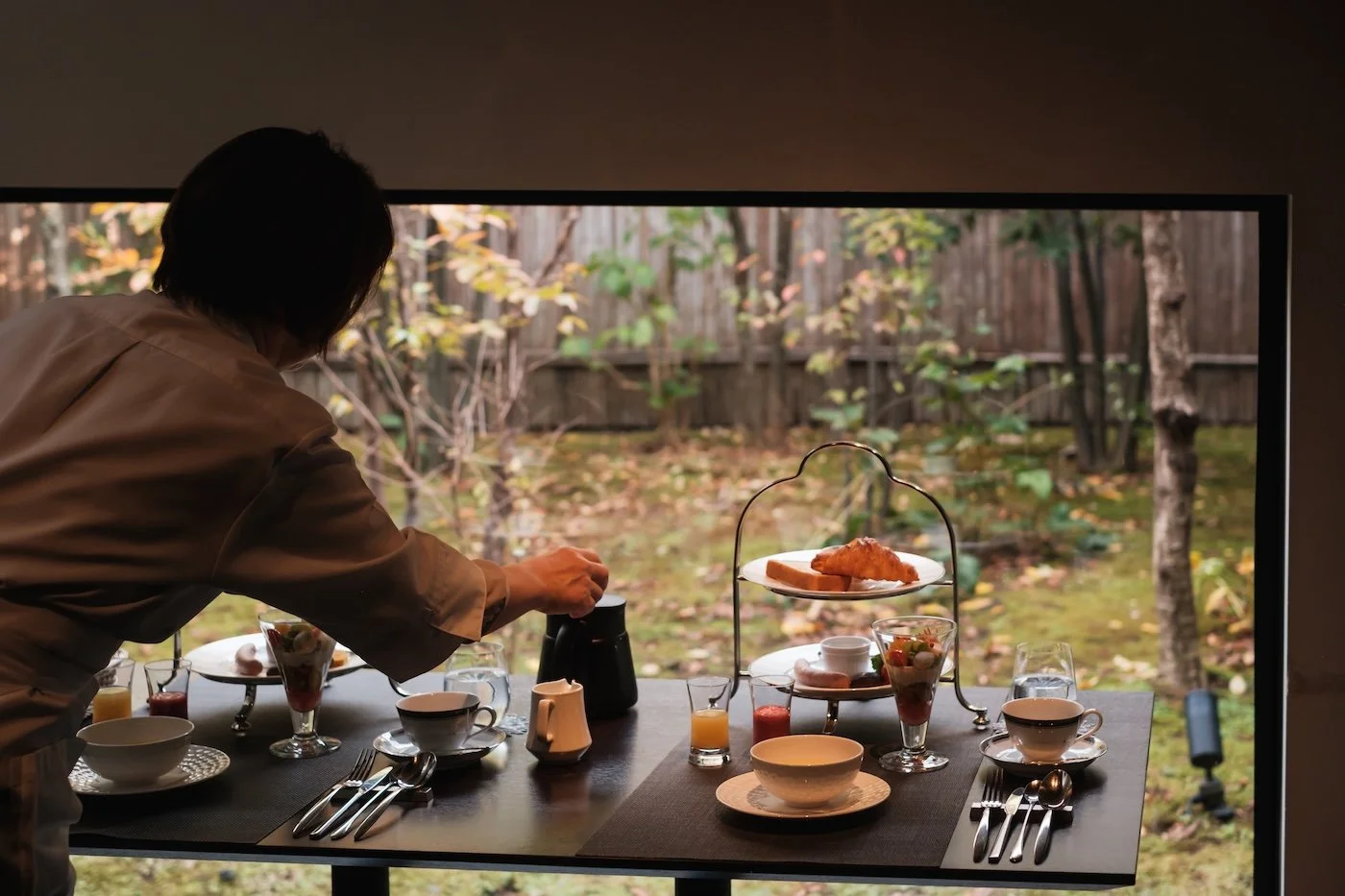
Maki No Oto - Kanazawa, photograph by Daisy Wingate-Saul
Sleek and modern, this minimalist ryokan-meets-hotel merges Japanese and Western design details, with natural hues, an artful smattering of regional crafts (created in partnership with local makers) and a public bathhouse built from cypress and stone. There’s also a restaurant specialising in Kaga cuisine, and with the bustling Omicho Market just across the road, you won’t go hungry.
If you’re looking for more amazing things to do in Kanazawa, be sure to check out our printed guide here, which is full of restaurants, ryokans, art experiences, historic spaces and weekend away ideas.
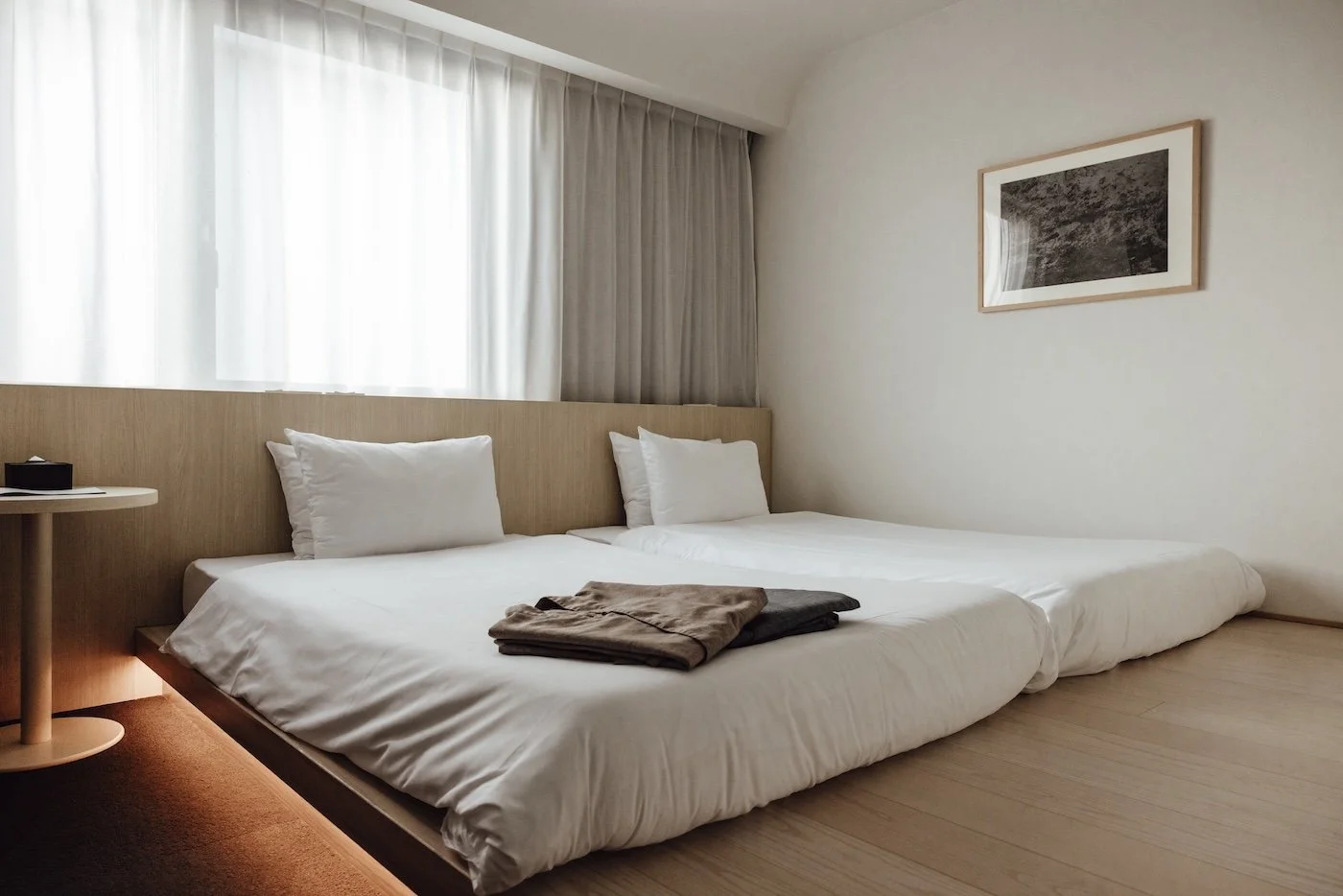
SOKI KANAZAWA - Kanazawa, photograph by Bronwyn Townsend
Toyama
This design-centric ryokan-meets-hotel celebrates craft and connection. The building itself (a revamped 200-year-old farmhouse that faces east, in the Buddhist tradition, to greet the rising sun) is grounded in tradition. Each of the three guest rooms are inspired by materials synonymous with Toyama: washi, silk and soil. In the latter, a custom artwork by Yuko Hayashi, made from local soil accentuated with splashes of silver leaf, fills an entire wall, capturing the atmosphere of the land. The decor is completed by a mix of Scandinavian furniture, antiques and mingei.
Rakudo-An is part of a dispersed settlement where every house stands in isolation, separated by rice fields fed by snowmelt from the mountains of the Hida region. It’s a unique setting, a landscape where livelihoods and the natural world remain entwined, and as I’m introduced to the nuances and rhythms of everyday life on a guided morning walk, I can’t help but slow my mind to match the pace.
A beloved local cafe by day and a homely bolthole by night, HOUSEHOLD is run by Shinya and Natsumi Sasakura. The building began life as a kimono shop, and the couple have preserved as many original details as possible. Kimono storage shelves brim with antiques, while the drawers of an old medicine cabinet contain foraged treasures, like pebbles gathered along the beach and drawn on to promote HOUSEHOLD’s regular exhibitions. The property is the ideal base if you’re in Himi to catch the early morning auction at the fish market, which you can read about here.
Made up of seven garden-framed villas that have been restored and renovated in partnership with different artists, this is a sanctuary for artistic souls. The villa I claimed, KIN-NAKA, was created in collaboration with local woodcarver Daichi Maekawa, who has married historic details with dreamier elements. A wooden chandelier is the centrepiece, a mix of carved clouds and blue paintwork representing the mountains and waves that frame Toyama (an acknowledgement that while the Alps make this a cloudy Prefecture, there’s always light to be found). A deer, the messenger of the gods, is sculpted into the staircase, while one of the two bedrooms has a kibana (a decorative element seen on the beams of Buddhist temples) over the bed. Few hotels will calm the mind and feed the soul in such a striking, history-packed way.
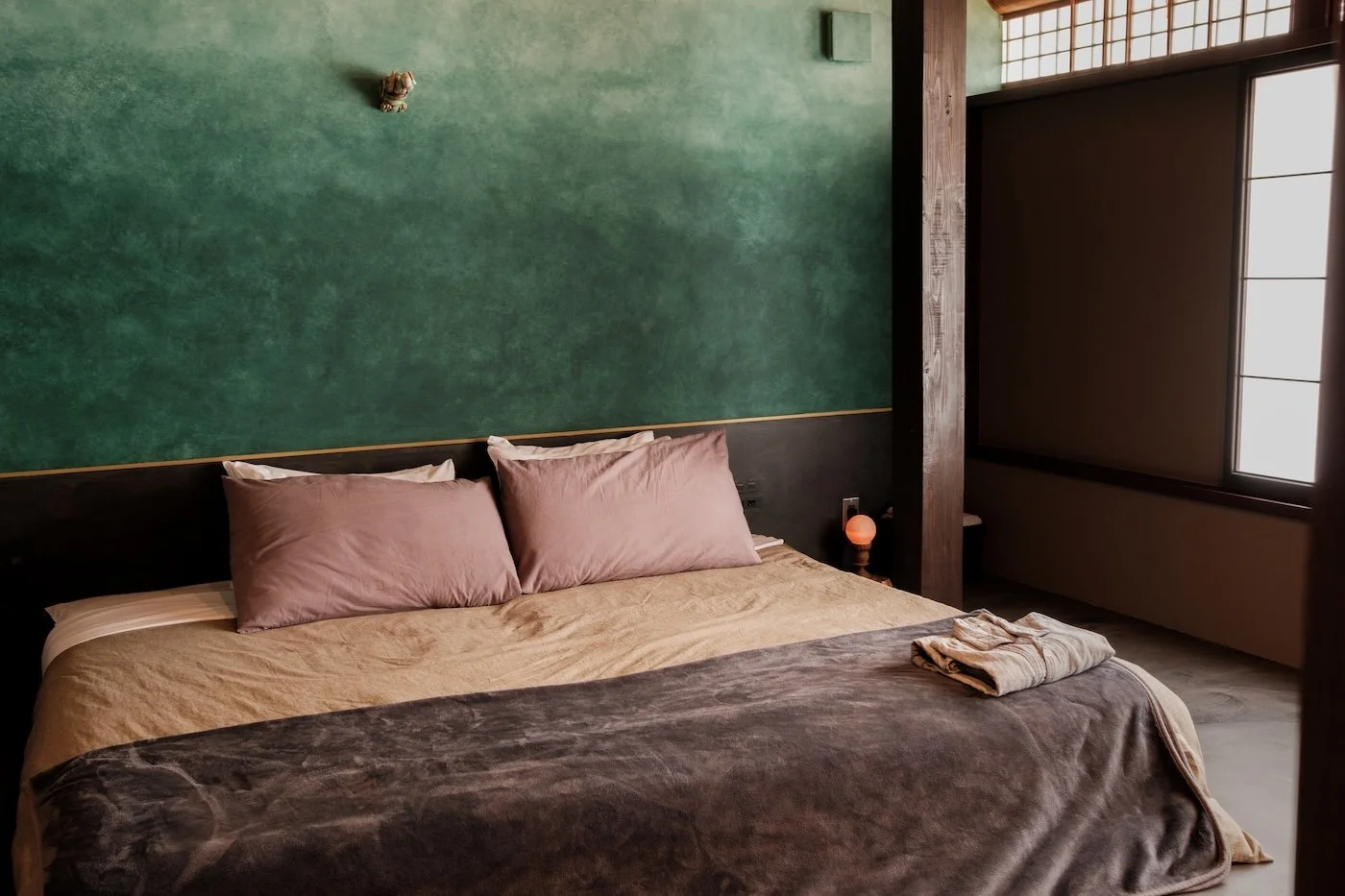
Bed & Craft - Toyama, photograph by Daisy Wingate-Saul
Nasu & Nikko
Operating since 1551, this historic ryokan (which has been in the same family for 17 generations) is famed for its fascinating art collection, with its owners believing that art plays a role in healing the body and mind. One of the star attractions is the traditional garden studded with avant-garde sculptures from Kishio Suga, a pioneer of Japan’s Mono-ha (‘School of Things’) movement. Crafted from man-made and natural materials, the pieces seem to grow from volcanic rock and mossy mounds, and encourage viewers to explore how the human and natural words intermingle. You can learn more about Mono-ha – and the beauty felt when you combine something elemental with objects that are destined to perish and fade – in the on-site Kishio Suga Warehouse Museum. Or simply bask in the art found throughout the property: prints and paintings line the walls, rotating exhibitions are held in the salon, and even dinner and breakfast arrive on kintsugi-mended ceramics.
You can read our full guide to Nasu here.
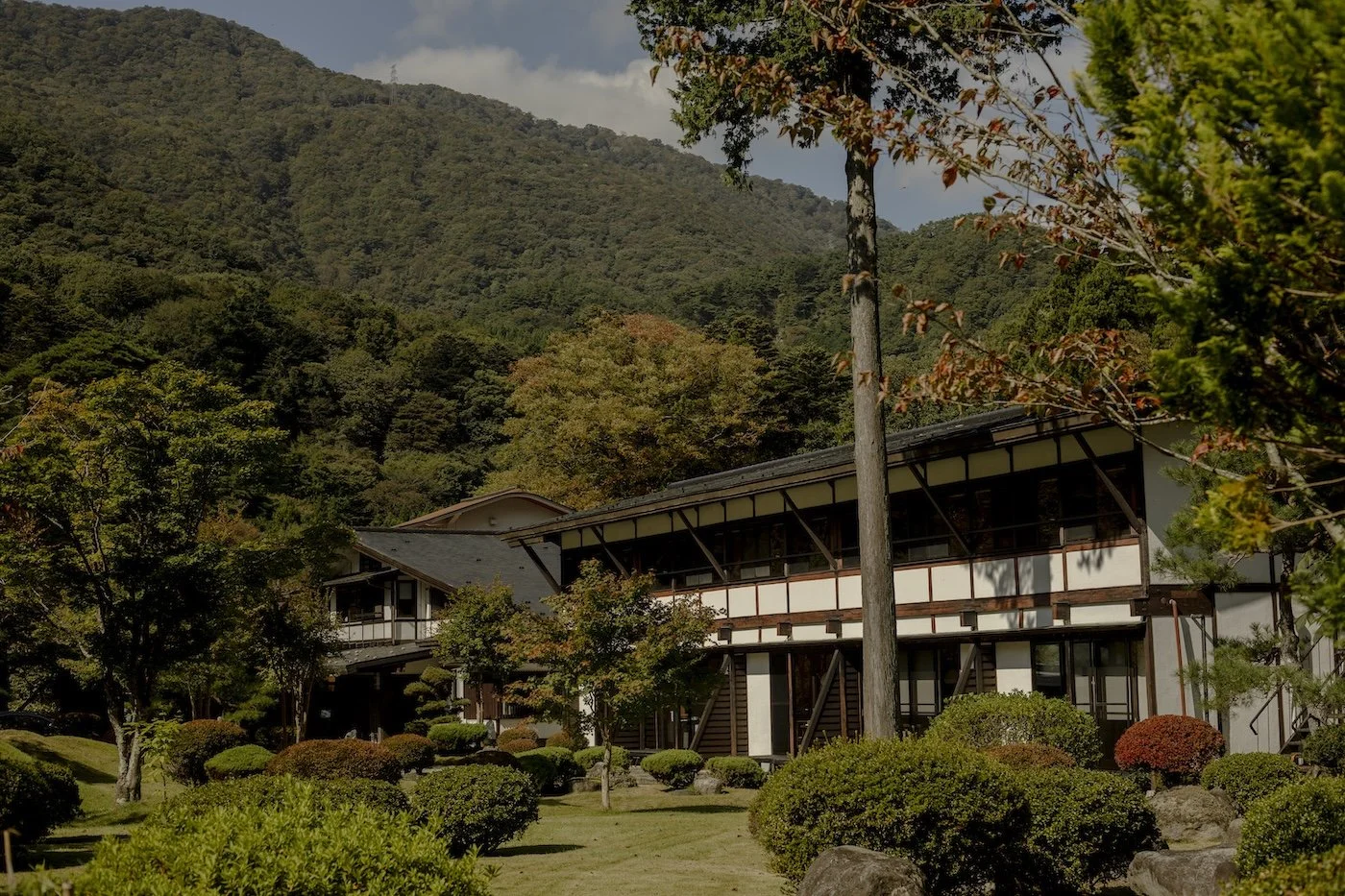
Itamuro Onsen Daikokuya - Nasu, photograph by Chiara Dalla Rosa
This luxurious hideaway, a short stroll from Nikko’s World Heritage Sites, is designed to blend with the landscape, its contemporary, pavilion-style buildings built around a central moss garden and overlooked by the region’s peaks. In one space you’ll find the steaming onsen, another houses the earth, stone and forest-hued suites (each with an onsen), while a third contains the dining room and lounge (the site of nightly sundowners). Multi-course dinners and breakfasts are served in private booths adorned with intricate wooden latticework, but for something more dramatic, opt for a teppanyaki dinner where the chefs put on a show just for you, radiating a rockstar aura: the swagger, the control, the knives nonchalantly stored in an apron pocket.
Backdropped by the Oku-Nikko mountain range and cleverly built to merge with the surrounding forest, The Ritz-Carlton, Nikko’s long, low structures in neutral tones make it feel like a modern alpine retreat. Stepping inside, though, the colour palette changes to honey-hued wood, with plush chairs and fireplaces creating the ideal space for lounging with a custom cocktail, accompanied by glittering views of of Lake Chuzenji, Japan’s highest altitude body of water. The rooms take full advantage of the view too, which you can bask in from your bed, stone bath or enclosed porch. The hotel's onsen is equally divine with its sleek wood and stone design and opaque mineral waters drawn from the Nikko Yumoto Onsen spring. Featuring both indoor and outdoor garden-facing baths, a soak is a lovely way to while away an hour or two, until the next delicious meal or scenic stroll around the lake.
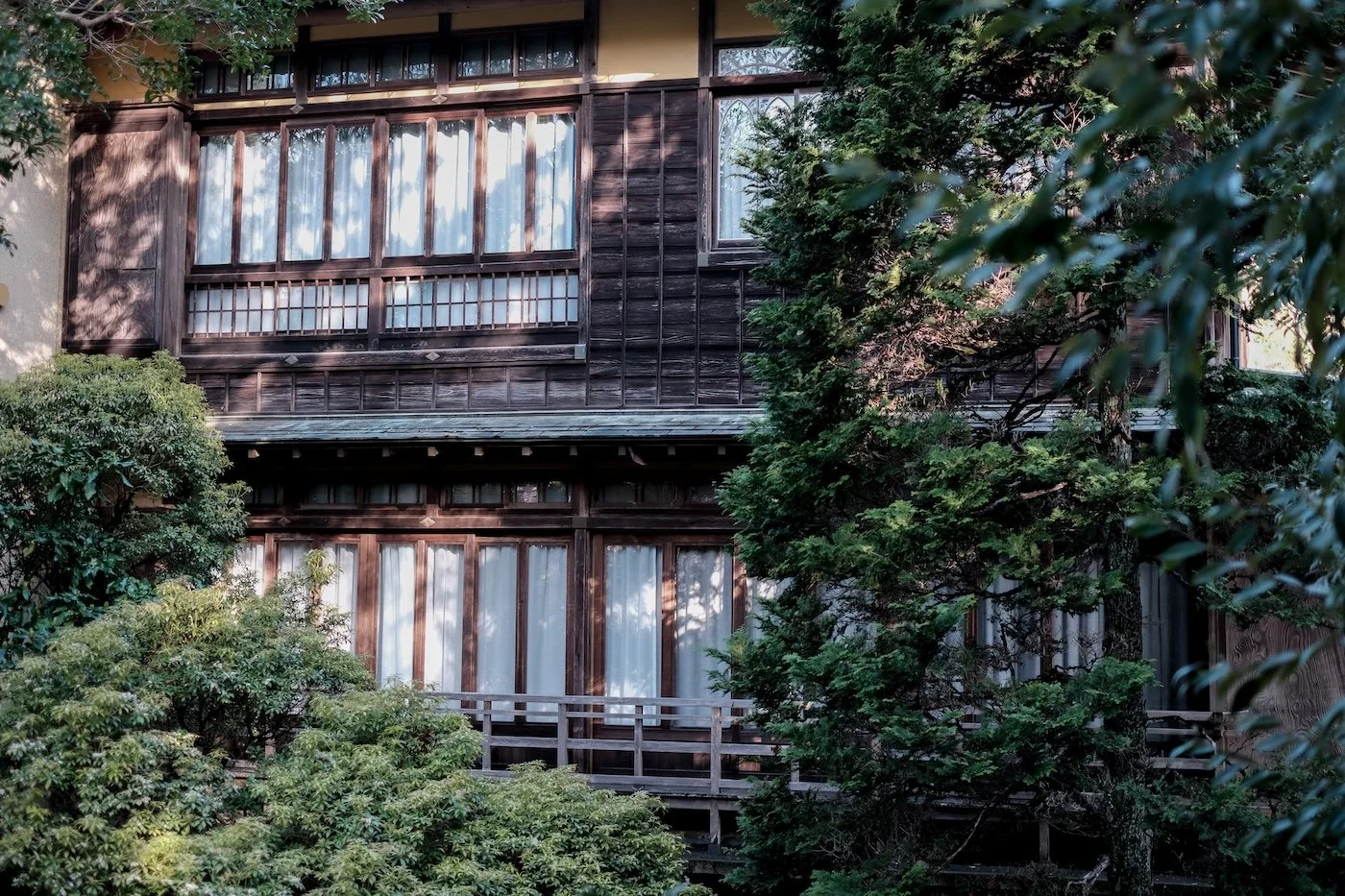
Ochiairo - Shizuoka, photograph by Liz Schaffer
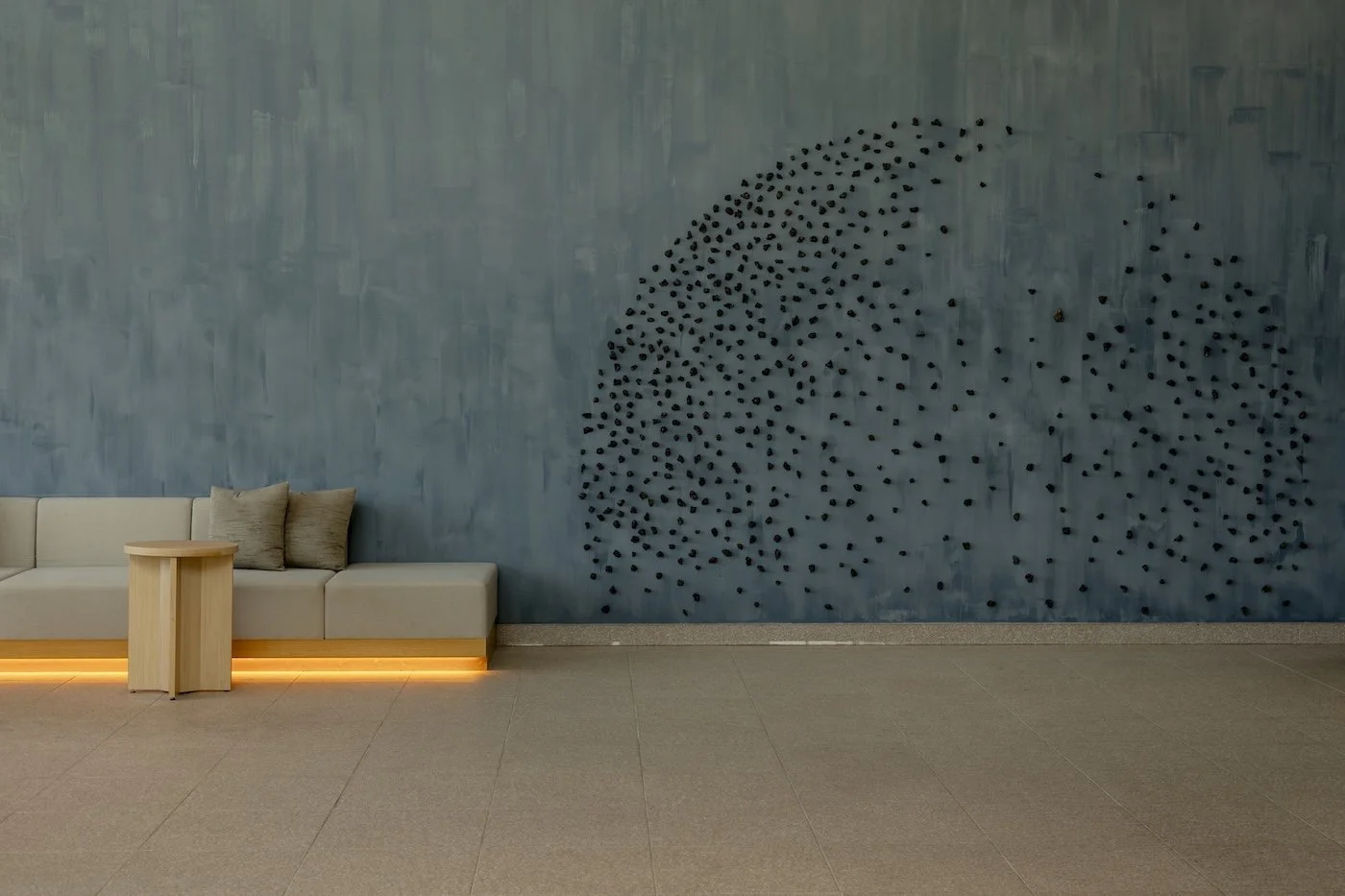
KAI Izumo - Shimane, photograph by Chiara Dalla Rosa
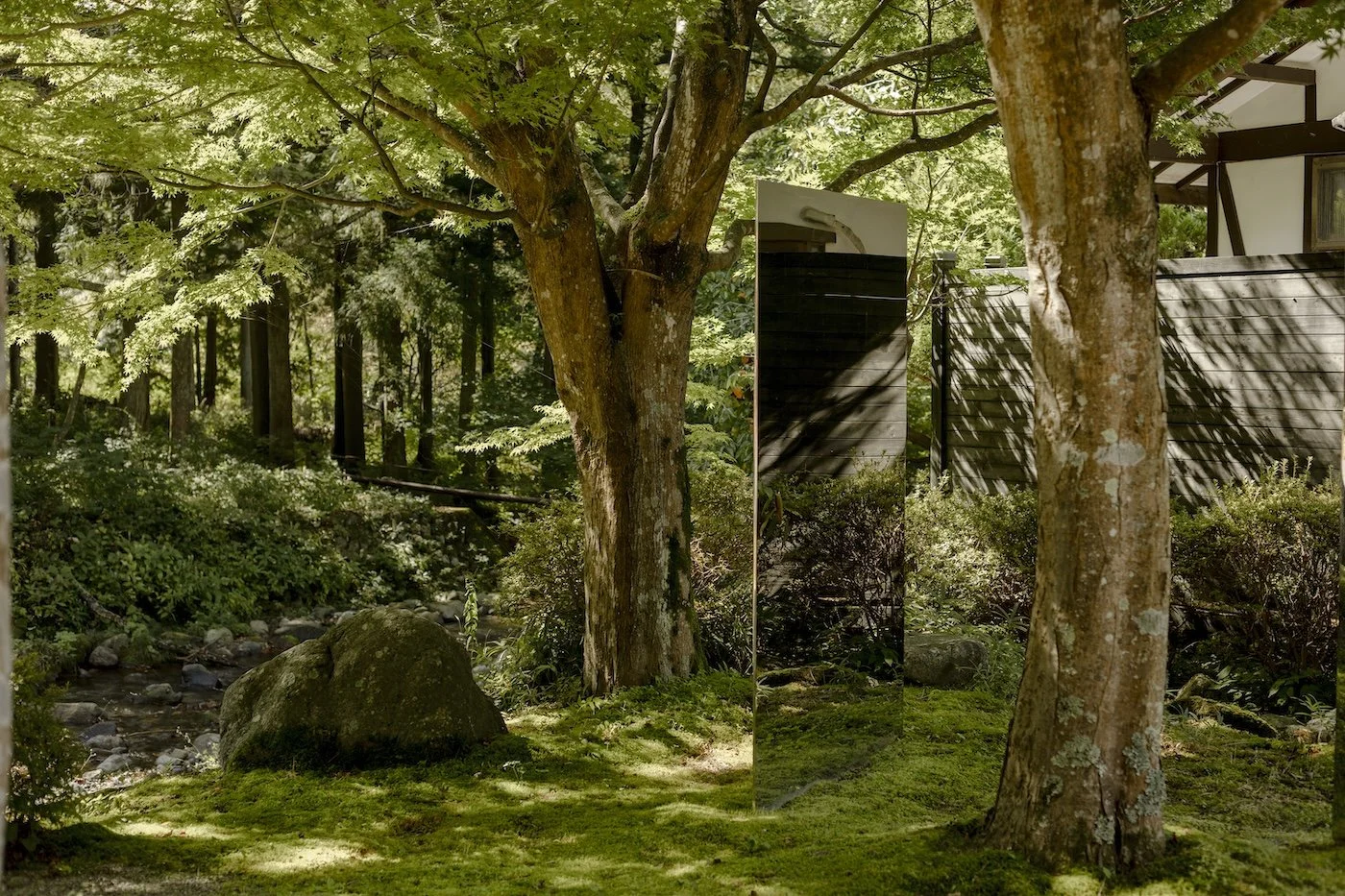
Itamuro Onsen Daikokuya - Nasu, photograph by Chiara Dalla Rosa