Liz Schaffer Liz Schaffer

The Summer of 2020

The English at play.

Photo Essay by Chanel Irvine

In the summer of 2019, the UK was desperately trying to reconcile the uncertainties and realities of Brexit. In the summer of 2020, the UK was just emerging from its first national Covid-19 lockdown. Whilst the warmer, unseasonably pleasant weather during the early lockdown months granted people the ability to enjoy long walks, rediscover the simple joys of a picnic or time spent in one’s garden, it wasn’t until travel restrictions eased that Brits recognised the true value of a “staycation” - and all matter of adventures they could have without stepping foot on an airplane. Millions flocked to the beaches, Cornwall received the most travel coverage in its history and freedom of movement seemed to restore people’s confidence in the phrase “this too shall pass.” With a heightened collective awareness of our planet’s need for an improved commitment to sustainability, and the accompanying need to support one’s local, it was inevitable that Brits would be loading their cars for road trips; eager to explore their own backyard in a way they hadn’t before.  

 For this project, I documented my own travels throughout England - from Kent to Devon, Cornwall to Shropshire - constantly drawn to the quintessential and the nostalgic; traditions, joys and sights seemingly unaffected by the global pandemic we are forced to coexist with. Our return to “normal” still seems beyond reach, so it remains only natural that we continue to focus on the opportunities we do have at our disposal – and those we can share them with. 

You can see more of Chanel’s marvellous work here.

Another English Summer
Read More
Eat, Do Liz Schaffer Eat, Do Liz Schaffer

Wine Country

A road trip (and wine tasting) through South Australia’s McLaren Vale.

Photo essay by Chiara Dalla Rosa.

I’ve always been interested in food and wine - and am particularly fascinated by the processes involved in making exceptional products. This curiosity was sparked while working in a restaurant in Italy, my home country, and a café in the UK, where I lived for few years; both experiences revealing just how important it is to choose the right ingredients, and to take time and care.

When I first visited Australia - having sampled their incredible wines and fresh foods - exploring the world famous vineries of South Australia was a top priority. I was keen to learn more about the region’s wine making processes and focus on sustainability … and to sample as many tipples as I could.

McLaren Vale

With more than 200 cellar doors on its doorstep, Adelaide is Australia’s wine capital and one of the nine Great Wine Capitals of the World. There are so many award-winning areas to explore should you fancy a wine-filled day trip, all outstanding in their own right (and desperate for tourism following the recent devastating bushfires). The focus of my own visit was McLaren Vale, which is a 40 minute drive from the city, the journey itself utterly divine.

McLaren Vale

My first stop brought me to Samuel’s Gorge. Housed in a 1853-built farm shed formerly used for oil making, their charming cellar door boasts stunning views of the Onkaparinga Gorge. Best surveyed from their terrace with a glass in hand.

Being in McLaren Vale, I couldn’t miss the opportunity to visit the d’Arenberg Cube, an eclectic fever-dream of a building in the middle of the d’Arenberg winery. Coming from the mind of winemaker Chester Osborn, this five-storey multi-function building blends its owner’s two loves: wine and art. Currently showcasing sculptures by Salvador Dalì and Osborn’s private collection of paintings & sculptures, the building’s rubik-cube styled shape makes it an artistic wonder in its own right - the view of the valley below from the top two balconies is a particular highlight. Walking through the building felt like a journey through the designer’s mind, and the 2018 chardonnay was a perfect accompaniment.  

McLaren Vale
McLaren Vale
McLaren Vale

My last stop was at Alpha Box & Dice winery. This farmhouse-styled shed boasts wines that transcend style, region and varietal boundaries, and are created using small parcel grapes, minimal intervention and vegan friendly methods. I felt a completely at ease here; everyone sipping wine under the sun, surrounded by picnic tables stacked with cheese boards. The perfect ending to my first day of McLaren Vale wine tasting.

McLaren Vale
McLaren Vale

Chiara Dalla Rosa is an Italian lifestyle photographer specialising in portraits and travel photography. She's passionate about telling stories of real people and unforgettable places. Chiara is a curious traveler, keen to experience every aspect of the country she visits. To see more of her work, click here.

McLaren Vale
McLaren Vale
McLaren Vale
McLaren Vale
McLaren Vale
McLaren Vale
McLaren Vale
McLaren Vale
McLaren Vale
McLaren Vale
McLaren Vale
McLaren Vale
Read More
Do, Eat Liz Schaffer Do, Eat Liz Schaffer

Mountain Journeys

Adventure and feasts in the Kazbegi Caucasus.

Words & Recipes by Kieran Creevy, Photography by Lisa Paarvio

The Lada Niva’s engine whines in protest as the rev counter approaches the redline. Tyres squirm for grip in the loose snow. Vasil, our driver, calmly smooths out the drift and slingshots his car into the next hairpin bend. Behind our heads, our axes, shovels, snowshoes and crampons create a cacophony of steel and aluminium, contrasting the rubber and leather squeaks and tinny rattles from the Niva.

Georgian Caucasus
Georgian Caucasus

High in the Kazbegi Caucasus, Lisa and I have packs loaded with food, equipment and camera gear for a multi-day snowshoe and wild camping adventure. A few days earlier, we met Vasil by chance. One of those unexpected meetings that expands your knowledge and alters your world view. We get a detailed primer to decades of hard won local information - which market to find the best pickles, fresh vegetables, strained yoghurt and local specialties such as dried sour plums and walnuts, integral elements for many Georgian dishes.

One such market gave us pause. From the outside, the ramshackle, faded facade speaks of a store long past its heyday. However, its dimly lit interior reveals a trove of wonders; fruit leather with a mouth puckering sourness, tangy cheeses, wild herb medleys, delicate beetroots and pungent onions with a green/white hue.

The market visit also pulls into sharp focus the division of labour in this area. On our hike into town there were no women on the road, only men. All the taxis and tourist agencies are operated by men. Yet inside the market, in cafes and in restaurants, the staff are almost universally women. It’s as though we’re in the 1950s.

After a dinner of local specialties in one of the small restaurants, Vasil drives us back to our base for the week, pointing out, on the way, some of the area’s numerous trekking, ski touring and mountaineering trails. After only 30 minutes, we have a least a months worth of options. We need to head out for a recce.

The next morning we shoulder our packs early and head down a snow covered road, scoping potential trails. Within ten minutes we have had four offers of lifts from local drivers, curious as to what we’re doing out this early with laden packs. On the fifth offer, our resistance crumbles and we gratefully accept a ride down the road to the appropriately named Sno village.

Thanking our driver, I offer him a ten lari note. His response is a swift ‘I’m not a taxi’. Fearing I’ve made a faux pas, I look to see if he’s annoyed, but his beaming smile is its own answer. This generosity of spirit is present in nearly every Georgian we meet throughout our trip.

Georgian Caucasu
Georgian Caucasu
Georgian Caucasus

We find a village almost in hibernation mode. The high peaks and narrow valley floor creates a sun shadow that covers most of the houses. Doors and windows are closed and shuttered, though snatches of laughter hint at life within. Rounding one corner, we have a face off with a cow - Lisa swiftly checking to make sure we’re not playing chicken with the village bull.

Georgian Caucasus
Georgian Caucasus

Eventually we find the correct track to the trailhead. Once on the mountain, we can begin to make sense of the landscape. An multi-day itinerary starts to take shape in our minds. Check lists can be made and crossed off. We will have to find a water source at some point, otherwise we will be melting snow for hours. Heading home for the night, we’re already excited for the adventure ahead.

That evening, the ritual of sorting gear begins. Just enough clothing to keep us warm and dry, with spares for those ‘in case’ moments. Lisa agonises over which lenses to pack and if we will see the Milky Way (necessitating a tripod). We won’t be eating freeze dried meals on this trip, only Georgian inspired dinners and breakfasts. Food canisters, silicone pouches and drybags get packed with food for three days. 

As though he has read our minds, Vasil calls to ask if we have plans for the next day?

‘Sure!’ ‘Can you pick us up at 6 a.m.?’ 

‘How about 7 a.m.?’ he counters.

Grateful for the extra hour of sleep, we agree.

Georgian Caucasu
Georgian Caucasu

Morning comes all to early. We briefly question our respective career paths, but the magnetic pull of new mountains is all the incentive we need to get out the door.

One wild ride up a twisting mountain road in that rattling Lada Niva to our drop off point, and we’re alone! Just us and an amphitheatre of peaks, radiant under starlight.

We head deeper into the hills on worn goat trails, our snowshoes and ice axes still packed. Thought we’re almost at 3,000 metres and it’s -20°C, the snow is sparse and patchy, with drifting on spurs and piling in mounds on some northern slopes. We encounter the first signs of long-ago habitation in this wild corner of Georgia - a ruin of a shrine, its stones worn smooth.

Late in the day, we chance upon a perfect spot for our first camp. The spur widens enough for a comfortable pitch. Cocooned in layers of silk and down we fall asleep to the deep silence of remote winter peaks.

Georgian Caucasus
Georgian Caucasus

Plumes of breath swirl and dance above me in the light of my head torch. To my left, I can hear Lisa curl deeper into her sleeping bag. It’s my turn to make breakfast. First order of business; thick, hot coffee.

Easing my way slowly through the narrow door, the fly sheet slithers and crackles in the cold. The sting of freezing air causes an involuntary cough. Burying my face into the hood of my jacket I jog on the spot to create heat.

With coffee made and grateful mumbles of thanks from inside the tent, I can get to work prepping our breakfast.

Our winter adventure in this mountain vastness speeds by all too fast. Days pass in a kaleidoscope of sensory wonders; the smell of snow on the wind, moonlight glinting off shards of ice as though the ground is carpeted in diamonds, a dense forest hiding a stone fortress, hot spiced soup, and the joy of travelling in the wilderness with a close and trusted friend.

Finally, we near our home, the hillside showing small signs of traffic - a slight widening in the trail. However, we don’t want to break the spell of the wilds and return straight to civilisation.

Georgian Caucasus
Georgian Caucasus

Our last mountain lunch is suddenly interrupted by a wild street dog. Whether it caught scent of our meal or it’s in search of company we don’t know. It approaches camp, relaxed and at ease. Lying down, it seems content, but with the expectant air of one hoping for some food in the future. He is like all of the other street dogs we have encountered on our journey so far; not one has approached us with menace. Though they obviously live semi-wild, their manner seems to suggest that locals treat them with respect and human kindness.

After lunch, as though loath to let us escape its enchantment, the Kazbegi Caucasus throws us a last curve ball. The track we were on disappears without warning, yet we can see it begin once more, far ahead. Between us is a wide river. 

Backtracking will take us a few hours, so we decide to scout the bank, hoping for stepping stones or a narrow stretch over which we can jump. No joy.

Just as we’ve made the decision to turn back, Lisa spots a possible ford. Assessing the speed and depth of the flow, we’re in luck. It’s safe. Splashing our way across we emerge and almost immediately the hems of our trousers freeze into board-like stiffness. The last kilometre flows swiftly under our sodden boots.

Bone tired and wet we may be, but the enchantment has struck us hard. We’re in the thrall of this magnificent landscape and it’s people. Thank you Georgia.

Stoves, pots and snowshoes from Mountain Safety Research and Knife from Morakniv

Georgian Caucasu
Georgian Caucasu
Georgian Caucasu
Georgian Caucasu

Georgian Caucasus menu 

lobio with mchadi (red bean, pepper, onion and herb stew with cornbread)

Ingredients: Serves 2

lobio

2 cups dried red kidney beans, soaked in water overnight.

1 white onion, finely sliced

1 green pepper, roughly diced

1 cup flat leaf parsley, roughly chopped

1 vegetable stock cube, crumbled

1 tsp white pepper

1/2 tsp dried fennel powder

1/2 tsp black cumin powder 

1/2 tsp coriander powder

Water

Salt - to taste

1 tbsp butter or ghee.

Mchadi:

Cornflour, finely ground

2 eggs

2 tsp sea salt 

1 tsp chili flakes

1 cup hard white cheese, cut into fine cubes.

2 tbsp rapeseed or olive oil.

Water

Extra cornflour for dusting 

Equipment:

Camping stove, pump and fuel bottle

ceramic pot and skillet

Wooden spoon and spatula

Silicone dry bag - to knead and store the dough.

Storage:

Mix the beans, parsley and stock cube together and store in a lightweight leakproof container.

Store the onion, pepper and spices in a separate container.

Method:

First make the cornbread.

Mix together the cornflour, spices, salt, eggs and oil.

Then add in the cheese and a little water at a time.

Knead until you have a smooth dough.

Store in a silicone drybag or reusable container.

Light the stove and when burning correctly reduce the heat to a simmer.

Add the butter/ghee and when gently sizzling add the onion, pepper and spices.

Cook for 2-3 minutes.

Add the bean mix, stir well and enough water to cover completely.

Increase the heat to full, cover with the pot lid and bring to a boil.

Reduce heat slightly, cook for 20 minutes or until the beans are soft, adding more water if necessary.

Taste and season with salt if needed.

Remove from the heat and keep warm.

Place the skillet on the stove, reduce the heat to medium/high.

Break off a golf ball size lump of dough, roll in between your hands until smooth and flatten.

Dust with a little cornflour and place in the skillet.

There is space in the skillet for 2-4 breads, depending on size.

Dry fry for a few minutes on both sides until cooked through and the cheese starts to ooze out.

Serve the bean stew in an insulated container with some bread.

chicken satsivi soup - winter camp version

Ingredients: Serves 2

Cooked meat from thighs and one breast of chicken 

(Slow cook in the oven and when cold pull the meat apart with forks or your hands)

1 cup walnuts, smashed to fine chunks/powder

1 cup coriander leaf

1 cup parsley leaf

4 cloves garlic 

1/2 onion

1 glass white wine

1 cup sour cream

2-3 cups water (depending on how thick you like your soup).

1 chicken stock cube, crumbled.

1 tsp ground black pepper

1 tsp hot paprika

1 tsp dried tarragon.

50 g butter (wrapped)

Sea salt

Equipment:

Camping stove and pot

Bamboo chopping board 

Knife 

Airtight container

Insulated bottle.

Insulated coffee mug with airtight lid

Wooden spoons 

Insulated bowl/mug - to serve

Method: Cooking in camp

Put the pulled chicken into an airtight container, and chill in the fridge overnight.

Use this to transport to camp.

Mix the wine and sour cream together and transport in a leakproof coffee mug

Fill your bottle with water.

Place the spices, stock cube and walnuts in a small reusable container.

Place the herbs, onion and garlic and butter in another reusable container.

Hike to your chosen lunch spot, or overnight camp.

In camp, finely chop the herbs, garlic and onion.

Heat the pot, add butter and foam gently.

Add the onion, garlic, herbs and spice/walnut mix; cook for 2 minutes.

Add the wine, sour cream and water, bring to a simmer.

Add the shredded chicken and cook for 15 minutes minimum.

(If you have the time and fuel, cook for longer as the flavours will intensify)

Taste and season if needed.

Serve in the insulated bowls/mugs.

Dig in!

Georgian Caucasu
Georgian Caucasu
Read More
Liz Schaffer Liz Schaffer

From Kent, With Love

From berries to wine - capturing the producers of Kent.

Photo Essay by James Loveday

Food Styling by Sam Dixon / Special Thanks to Dionne Loftus

Over the summer, photographer James Loveday ventured to Kent in the English countryside to capture some of the region’s food and producers - and the results are suitably delicious. Below is a selection of his work, featuring Cranbrook Union Mill, Roughway Farm (where they grow Kentish cobnuts, a traditional type of hazelnut), fruit farms, the vineyard of Westwell Wines and Nightingale Cider Farm (which boasts bucolic views over the weald).

There’s a Canterbury tart with homemade Kentish strawberry ice cream and Nightingale apple juice, roadside raspberries, oast houses aplenty (traditionally used for drying hops), Woodchurch sparkling rose with quail's eggs in a cobnut and spices dukkha, and a Kentish cheeseboard complete with Canterbury cheeses, pickled quince, Kentish redcurrant jelly, cobnuts and Biddenden honey.

When perusing these photographs, we wouldn’t blame you for feeling a little peckish …

From Kent, With Love
Read More
Liz Schaffer Liz Schaffer

Returning To Italy

Journey to Puglia - a guide to safe, sun-filled travel in the Age of Corona.

Words by Will Doyle

Photographs by Renae Smith & Will Doyle

It is 6 p.m. on a perfect blue sky summer’s evening in one of Puglia’s many enchanting coastal cities, Monopoli.  The air is still a warm 26 degrees as I wind my way through the paese vecchio (old town) of this ancient place, toward the Adriatic Sea and the aperitivo bar where my cousin and her friends wait.  

I am 45 minutes late.  I have been using Italy’s trains.  

The rustic city is alive and breathing, as locals and Italian tourists pour into the streets, like fresh air into antique lungs, to commence the first of many evening walks. A group of men play cards in a cardboard box on a bench. Children kick a football in the narrow allies. A military jet roars overhead on its seemingly pointless daily flight along Italy’s south coast. And as the sun slowly softens into the sparkling blue sea, there is some reprieve in the cool, salty breeze that swirls around me, carrying the scent of clean laundry and cooked basil.

For a moment it is almost as if nothing is different.  The smells are nostalgic, the sights and sounds are typical, the trains are late - this could be any summer in Italy.  Except, I remind myself, it is not.

Returning To Italy

By the beginning of July 2020, over 34,000 people in Italy were estimated to have lost their lives to COVID-19.  The south of Italy, particularly Puglia, emerged relatively unscathed, though not without a still tragic number of lives lost.  

Italy eased itself out of lockdown over May and June without much controversy, and with the darkness of the first half of the year behind them, the nation’s people rejoiced as they experienced freedom again, albeit in a ‘new Italy’ of social-distancing, le mascherine (face masks) and excessive hygiene courtesy of an abundance of hand sanitiser dispensers. 

Returning To Italy

Seizing the opportunity, I booked a last-minute flight to Bari. My rationale - I am fortunate enough to be healthy and to be able to afford it, I have holiday leave available at this precise time, and I was willing to respect all safety regulations and rules put in place in Italy and Puglia (including printing a confusing range of forms for my flight and keeping track of every place I visit). Plus, maybe with a bit of extra cash from a now-rare foreign tourist, some local Italian businesses in this ‘new Italy’ could stay afloat – all of this seemed compelling enough for me.

Returning To Italy

So what does this new Italy entail for the humble traveller?  

Astonishingly it is not all too different from the old one. I was able to visit 7 cities in 5 days, spanning 200km, without a hire care (using Italy’s public transport ), relatively unrestricted. I ate an incredible array of Italian favourites. I swam at several pristine beaches. I saw the insides of baroque churches, sat on the walls of Roman era amphitheatres and got lost in the classic house-lined ravines and narrow streets that we surrender ourselves to whenever we visit this magnificent country. 

All I had to do was comply with the three simple rules in place at the time – “wear a mask, keep social distancing, wash your hands.”

Returning To Italy

Italians have valiantly enforced social distancing, so much so that being outside before 6 p.m. made many of the cities dotted along Italy’s heel feel like ghost towns – although this is perhaps better attributed to an absence of foreign tourists, and the fact that locals don’t typically venture too far into the open while the sun is high.  

Ostuni, the White City (Citta Bianca) visible on its mount from many miles away and girded by millions of olive trees, was eerily quiet, with many of its classic piazzas, picturesque bright nooks and labyrinthine alleyways entirely uninhabited. 

I had Alberobello’s distinct trulli huts all to myself, and wandering the hilly district on which many of these curious settlements were established, I saw what would have been a fraction of the people hunting for their perfect Insta shot as compared to the usual masses on their seasonal holiday. This truly was experiencing an Italian summer like never before. 

I suppose it is RIP free walking tours…for now.

Returning To Italy

Otranto and Gallipoli, being wonderful seaside towns, were perhaps slightly busier given the dazzling weather, but again most of the people I observed were Italian tourists or locals. Polignano a Mare’s main beach by Grotta Piana was often busy, but finding a socially distant spot for your towel and a swim was not too difficult, and the crowds could be avoided with an early morning dip.

Returning To Italy

I observed a chef, Francesco, who wore a face mask and chef’s jacket with his name hand-stitched into the sides as he prepared my Orecchiette alla Pugliese in Alberobello’s Il Ristorante La Cantina – safety with style in an Italian kitchen. 

Accommodation wise, I stayed at B&B Relais Del Senatore in Polignano a Mare where I enjoyed breathtaking views of the Adriatic at sunrise and sunset from the comfort of my bed (a truly perfect place to stay), and Dimora Storica Muratore luxury rooms in Lecce, a vibrant and modern interior set in an old mansion with the best breakfast I’ve ever had at an Italian B&B. Both B&Bs were exceptionally considerate of the circumstances and placed a huge emphasis on hygiene and cleanliness, with distancing respected and hand sanitiser available. In Lecce I was even treated to a mandatory temperature check and was able to purchase face masks – I was very impressed with the priority for safety.

Returning To Italy

Despite the new measures in place, I could see that some of Italy’s oldest traditions had experienced radical changes to adjust to the new way of life.  

Take for example the patrons in Gallipoli’s Basilica Cattedrale di Sant'Agata, where there were no more than 30 people in a beautiful old church with 200 capacity. The priest now hand delivers communion to the mouths of the faithful around the church, with their face masks coming down briefly to consume the host.  This is the reality of attending mass in Italy, and despite their vulnerability, many of Italy’s older inhabitants maintain a steadfast devotion to their religion, even if it means risking their health.

On another occasion, I saw two senior Italian men creaking toward each other at a snail’s pace in an archetypal Lecce street.  As they met, they touched elbows to greet each other.  It was an adorable moment to witness and a sign that even the oldest members of the population have adapted to this new country – all the while, the warmth of the old world remains.

Returning To Italy

But even the mask I have firmly wrapped around my nose and mouth cannot deny the heavenly flavour of this place.  You can still find the best pizza (it was Il Pizzicotto in Lecce) and the best gelati (it was a pistachio variant I had in Martinucci in Polignano a Mare). The risks are there for travellers but if you can observe the requirements and maintain common sense, then the delights of southern Italy are still yours to explore.

Returning To Italy

Back to Monopoli, where we began - I arrive at the bar, CarloQuinto, and apologise profusely to my cousin, but she is just happy to seem me, and I her. The bar is situated right on one of Monopoli’s eastern sea walls and promenades, we have endless views of the Adriatic Sea under a pristine canopy. Neither of us can believe we are both there.  A glass of something is thrust in front me, and an array of zucchini, capocollo (a typical Southern Italian ham from Martina Franca), calamari, artichoke and olives are shoved right under my nose.  I am, once again, utterly enchanted.  

“I am glad that people are once again coming to Italy” she tells me.  And I am glad too.

Returning To Italy
Returning To Italy
Returning To Italy
Read More
Liz Schaffer Liz Schaffer

Hotel Guide - 700,000 Heures

Beauty in Brevity - escape to Japan with Thierry Teyssier.

Words & Photos by Rachel Davies

The concept of ephemerality is nothing new in the Land of the Rising Sun. A favourite pastime of the country’s inhabitants is to watch in awe the changing seasons, the life cycle of the natural world, the brief and brilliant transformations that come and go like clockwork and make everything seem infinitely more exquisite. Indeed, there’s even a concept based upon just that; wabi-sabi, the celebration of impermanence and imperfection, so it makes sense that French hospitality visionary Thierry Teyssier has brought his wandering hotel 700,000 Heures, named for the amount of time the average person in the developed world spends on Earth, to these shores. 

Ine, home to the Japan edition of Thierry’s nomadic retreat, is magical. A tiny fishing village hidden on the Kyotango Peninsula, two hours drive from Kyoto, it’s a place where mountains meet the sea and rust-bitten boats bob on the swell, casting nets for myriad creatures, from squid to tuna to flounder and bream. 

“Luxury is not about the biggest private pool or presidential suite anymore. It’s about unique moments with people you love.” Thierry says, as he describes ‘sept-cent-mille heures’, the name rolling off the tongue so sweetly en francais. The concept of a wandering hotel is a fascinating one and the organisation behind it is enough to make the head whir. “We work on a list of destinations three years in advance. Yes it is a lot of work but giving tourism back to locals, seeing our guests enjoying such special moments and my own rich personal experience makes it so I am one of the happiest men on Earth!” 

700,000 Heures

Now the turn of Japan and the serenity of Ine and her funaya, a traditional wooden homes teetering atop the water, the first floor open to the wind and waves, fishing boats nestled inside; the idea that this spot will be no more in six months makes time spent here all the more cherished.

The soothing sound of the tide lapping the shore welcomed us to 700,000 Heures, a summer breeze blowing the scent of the sea through the open space. A window seat and sofa at one end overlook the bay with a rather impressive home-bar in the form of a large leather trunk propped open to the side. Thierry and Kiki, our charming hosts, ushered us to their funaya platform perched on the waters edge. More trunks... this time in the form of a dining table and comfy-looking benches, set against a scene almost too perfect to comprehend - tranquil turquoise waters underneath higgledy stilted dwellings.

700,000 Heures

Here we sat and whiled away an afternoon, cares disappearing as we devoured freshly caught fish, washed down with a glass of wine. It was easy to feel time drift away on the waves, and to appreciate a world where people and water coexist – living, working, fishing – basking in the untouched elegance of a locale that time seemingly forgot.

It’s these moments that Thierry is interested in - curating experiences tailored to each 700,000 Heures setting. Thierry is convinced that the future of travel is this; creating a circular economy with locals, producers and suppliers, and working with them to learn and understand their lands and culture, offering people a deeper way to connect. Each destination also has a special goal when it comes to working with communities. Here in Japan it’s to advance the position of women in the working world; putting in place an almost entirely female team from the village, Thierry is championing them to become independent and equal in an environment in which that is often difficult.

700,000 Heures

I take with me my Ine memories; jumping from a fishing boat into the azure waters of the Japan Sea flanked by verdant green hills, hopping on a bicycle and embarking upon a treasure hunt around the village, finding clues to reveal a prize of paramount importance - the location of a hidden izakaya where a bow-tied bartender whipped up some simple yet sophisticated after dinner drinks, sipping Champagne in a secret picnic spot and foraging in the mountains for moss to create mini Japanese garden scenes. A true celebration of serendipitous living, we couldn’t have been more thrilled to have entrusted Thierry with 36 of our 700,000 hours. I only wished it could have been more.

Note: Due to COVID-19 on international travel, Ine will be reopening from April 2021 to October 2021. To learn more, visit their website.

700,000 Heures
700,000 Heures
700,000 Heures
700,000 Heures
700,000 Heures
700,000 Heures
700,000 Heures
700,000 Heures
700,000 Heures
700,000 Heures
700,000 Heures
700,000 Heures
Read More
Liz Schaffer Liz Schaffer

Chasing Sunset

An off grid hideaway in Portugal’s Comporta.

Words & Photographs by Angela Terrell

As it’s often said, life is full of the unexpected - a bit like the times we’re living in right now. Really, who would have thought a few months ago that travelling up the road to get a coffee would be an adventure - and as for roaming the world, well that’s something we can presently only dream about.

Comporta Portugal

But even when travelling was a thing, there were times when the unexpected unexpectedly happened, as it did when I took a twilight stroll while visiting Comporta, a narrow stretch of Portuguese wilderness licked by the Atlantic Ocean on one side and Alentejo’s Sado River estuary on the other. A world away - yet only an hour south of Lisbon - the region is raw and untouched, and I’d filled my days absorbing the salty air in sleepy whitewashed villages, listening to the wind blow unabated over sand dunes and pine forests, and wandering alongside sun-kissed rice paddies and tranquil waterways where flamingos and storks cavorted.

There’s no doubt this area is a photographer’s dream, and maybe, as a photographer, I should have done some better research, but instead I set out that evening, camera handy, in my preferred fashion - simply to wander, notice and shoot - having learnt that the best laid plans of capturing the perfect scene are often undone by weather, timing or a barrage of selfie-takers.

Comporta Portugal

I decided I’d head towards the water, and a stick-like structure standing in the distance, and was so absorbed in the encompassing serenity that it wasn’t until I actually reached the estuary’s edge that I saw I’d inadvertently stumbled on a scene of surprising ramshackle beauty.

Comporta Portugal
Comporta Portugal

Before me was an orderless series of planks and stilts meandering across the muddy flats in such a haphazard way they appeared to be more of a duckboard than a wharf, with many of the roughly hewn boards toppling towards the water as if desperate to become driftwood. I watched a fisherman navigate its dilapidated course towards a boat sitting idly in the mud, and emboldened by his confidence (and curious to explore ), stepped out, holding on to rickety poles and fishing hut doorways as I precariously leant over the rapidly rising water and took photos.  

Comporta Portugal

Time passed as quickly as the tide flowed, and I found it hard to draw myself away, constantly hoping that my camera was capturing the perfectly reflected world suspended between sea and sky where ever-evolving yellows, oranges, crimsons and golds jostled for attention. In fact, the visual feast was so absorbing, I didn’t notice a fellow photographer until he began shooting right next to me.

“How long have you been trying to see this?” he asked, his face alive with excitement, going on to tell me that he’d come all the way from Norway and patiently waited four nights to see a sunset like this one, musing that good fortune must be on his side as his return flight was the following morning.

I didn’t have the heart to tell him that I’d made no plan and had unwittingly happened upon the wondrous scene, so instead enthused about the light and gushingly agreed that we were both so lucky to witness the spectacle. Which was wise I think, considering I now know that Carrasqueira fishing village is one of Europe’s most unique and keenly photographed sites.

Amazing what a little research reveals.

Comporta Portugal
Comporta Portugal
Comporta Portugal
Comporta Portugal
Comporta Portugal
Comporta Portugal
Comporta Portugal
Comporta Portugal
Comporta Portugal
Read More
Liz Schaffer Liz Schaffer

An Island in the Sun

Wine, wilderness, cocktails and sunsets - welcome to Madeira, a Portuguese paradise.

Words by Liz Schaffer & Photographs by Hannah Gabrielle More

Viewed from a great height, it could be a prehistoric world. Far below, a row of jagged rocks rise from the depths like giant stepping stones across the wild Atlantic, curiously shaped, their surfaces worn smooth by the wind and waves. And then the island comes into view. A mountainous, emerald oasis. I spy towering peaks, a smattering of vineyards and the pastels and ochres of Funchal, the island’s capital. I’m enraptured, impatient, only vaguely aware of the wind picking up and the plane descending, for Madeira awaits.

Found 600 kilometres off the Moroccan coast, this is a place where everything grows. There are forests, tropical palms and pastures dotted with unhurried cows. Flowers, one of Madeira’s main exports, bloom in abundance, iridescent blues and yellows punctuated by flashes of red and the brightest lily whites.

An Island in the Sun

Lower down, towards the sea, banana plantations dominate - and in Madeira it is these you want to eat, as well as passionfruit, native to Brazil and introduced by early explorers along with sugarcane, walnuts and grape vines. 20 percent of Madeira’s vegetation remains untouched, protected by UNESCO, and it’s only really the island’s south that has been dedicated to farming, with terracing employed to combat the staggeringly steep terrain. As fresh water was primarily found in the wilder north, innovative settlers constructed a network of aqueducts, called levadas, to access what they needed. Originally built in around 1440, 2,600 kilometres of channels exist today and many have become hiking trails, some winding down from Pico Ruivo (Madeira’s highest point) others clinging to ridges and opening to waterfalls that make civilisation feel worlds away. Whichever you wander, the scenery will likely shift with every turn, shaped by changeable weather and the island’s 24 micro-climates.

While wilderness may tempt, it’s wine that Madeira is famed for - their fortified offerings filling the hulls of ships in the 16th century when explorers, venturing to Africa, India and the unknown, docked in the island’s port seeking refuge and supplies. Columbus passed through, while Cook picked up 3,000 gallons of wine for his Endeavour crew. Napoleon stopped by en route to exile but refused the Madeira provided by the British Council, fearing he would be poisoned. Winston Churchill sampled wine made when Marie Antoinette ruled and the American Declaration of Independence was toasted with glasses of Madeira.

An Island in the Sun

Seafaring escapades are partly responsible for the drink’s flavour, with merchants and winemakers noticing that their wines (mixed with spirits to stop it spoiling at sea) tasted better after passing through the tropics, having been gradually heated and cooled over a period of months. This process is replicated today, with the best wines still warmed by the sun, while the Gulf Stream and Atlantic winds create a unique terroir.

Should you wish to discover more, Blandy’s Wine Lodge, once a Franciscan monastery, offers a range of tastings and tours, some of which take in the family’s private collection - their oldest bottle dating from 1755. For something light and dry, sip a Sercial; Verdelho is ideal for aperitifs; Bual is dark and dramatic; while Malmsey, the most iconic of Madeiras, is a rich, amber joy.

To understand the island itself though, it’s best to take to the road. The 101 - known as the ‘old road’ - drapes its way along the coast, snaking in and out of valleys, climbing slowly, its bends heart-stopping. Understandably, scores prefer the tunnels and bridges of Madeira’s newer constructions, yet the 101 is a dream for many, with exceptional drivers lured year after year to the August rally, held high in the mountains - an event that demands a good car, a good engine and good brakes.

An Island in the Sun

If it’s a slightly slower pace you desire, recline in a wicker sled while two men, dressed in white cotton and straw hats, guide you down a two kilometre long street polished smooth by years of daredevilry, using nothing but their rubber-soled shoes to steer and stop. Taking no longer than ten minutes, Monte Toboggan Rides first emerged in 1850 as a way for locals to get downhill fast. Today, it begins near Monte Palace Gardens, which brims with art, museums and fauna from across the globe; Norfolk Island pine, ‘bottlebrush’ and eucalyptus growing beside a thousand year old olive tree. Rare tiles painted with family crests appear amidst the landscaping, horticultural and artistic splendour at its most eclectic. And while the collection and design are astounding, it’s the view that captivates. Found high on a hill, Monte Palace Gardens overlooks the ochre rooftops of Funchal, which cascade towards the dazzling Atlantic.

Named after the fennel that grew here, Funchal is a collage of terracotta, Portuguese pavements, basalt-adorned houses, flame of the forest and jacarandas - and is a city that likes to eat. If you wish to dine like a local, join Discovering Madeira, which offers a smorgasbord of intimate food and wine tours. Begin with coffee at Golden Gate Cafe, a feast of tiles, gilt and history, before sampling the homemade chocolate of Uau Cacau, where seasonal truffles flavoured with fruits like Surinam cherry appear alongside more traditional creations. Nearby is Fábrica Santo António, a family-run biscuit factory founded in 1893. The original wooden interiors remain, as do the signature butter cookies, made dangerously moreish by the addition of quince marmalade. And while their ginger and molasses cookies dissolve into sweet, gooey brilliance, Santo António’s most iconic treat is Bolo de Mel da Madeira (Madeira honey cake), a dense and utterly wonderful combination of spices, dried fruit and sugarcane syrup, the recipe for which has changed little over the past six centuries.

An Island in the Sun

For something more substantial, seek out Funchal’s cobbled side streets, where bustling, unassuming restaurants all offer different dishes of the day. Guided by Discovering Madeira, I made for Venda da Donna Maria, its allure obvious thanks to the heavenly garlic aroma of Bola de Caco, traditional potato bread that arrives in brown paper bags (as grocers would have served it years ago). Here I feasted on Carne Vinhas D’Alho - pork cooked in wine and garlic, reimagined as vindaloo in Goa - and cod that had been salted and dried for over a month. This was on Rua de Santa Maria where the surrounding doors had been transformed by international artists into a mélange of peacocks, birds of paradise, portraits and dreamscapes, all of which glowed beneath the midday sun.

An Island in the Sun

Smaller towns, farming communities and fishing villages punctuate the island, like the port-turned-festival- hub of Ponta do Sol, which sits below the lavish Estalagem da Ponta do Sol, part of the Design Hotels collection. Filled with stone floors, white walls, an infinity pool and an ever-expanding assortment of Portuguese art and photography, the hotel is proud of its history. Beginning life as a farmhouse, the lobby was a sugarcane store and the spa a whale watching lookout.

Then there’s Camara de Lobos, which has barely changed since Churchill holidayed here in the 1950’s. He came to Madeira, and to this fishing village in particular, to paint watercolours, capturing fishermen as they set out in search of tuna and black-skinned scabbard fish. These not-exactly- attractive-but-oh-so-light-and-flaky creatures from the deep (found as far down as 1,700 metres) are still caught today and are at their most exceptional when served with banana or passionfruit sauce.

Restaurants and bars still fill the meandering laneways leading away from Camara de Lobos’ picture-book harbour; residents lining these lanes with murals crafted from recyclables - artistic odes to Churchill, Chaplin and fruits de mer. It is in these bars that you can sample Poncha, a fisherman’s cocktail made from lemon juice, honey and a generous splash of rum (distilled from Madeira sugarcane) - a drink designed to provide warmth upon even the most inhospitable of seas. Recipes vary, but for something authentic pause at A Venda do Andre where vintage bottles line the counter and the floor is littered with peanut shells and lupin skins, the accompaniments to a fine Poncha. Yet take heed. While the first tipple is good, and the second better, a third will have you speaking Portuguese.

An Island in the Sun

My Madeira adventure concluded at Fajã dos Padres, a restaurant that sits beneath weathered cliffs and can only reached by boat or cable car. I’d been delivered here by Rota dos Cetácoes, a company that takes to the Atlantic in zodiacs in search of the 28 migratory species of whale and dolphin that pass by the island. Seated beneath swaying palms, waiters pointed out fare fresh from the boats or rocks, my meal of limpets and roasted octopus paired with the thickest, sweetest banana milkshake. Fajã dos Padres is the definition of a waterside oasis; a collection of white umbrellas framed by bananas trees, mangoes, vines and agaves overlooking a stone jetty and rocky cove - the only sounds that of the waves and scuttling lizards.

Sated and sun-drunk, I departed via cable car. It is a heart-in-your-mouth experience (if you share my fear of anything elevated), yet the scene from the clifftop was a thing of unearthly beauty. The improbable hues of the crystalline water, the patchwork of allotments and the patterns of the rocks beneath the waves were more art than landscape - a mass of textures, shapes and shades you long to reach out and touch. Below me was paradise, perfection, an entirely unexpected Portugal.

This article originally appeared in our Portugal magazine (with different snapshots), which you can purchase here.

An Island in the Sun
Read More
Liz Schaffer Liz Schaffer

Coffee Break

An introduction to Indonesian coffee.

Words & Photography by Chiara Dalla Rosa

When I travel, it’s all about local produce and traditional dishes - so my journey to Bali was always going to centre on Indonesian flavours and aromas. My main focus though, was a coffee called kopi luwak, produced using partially digested coffee cherries, which have been eaten by the Asian palm civet. To the uninitiated, it may sound a little dubious … yet ask anyone in the know and they’ll swear is tastes amazing.

Travel has taught me that the best way to have an authentic experience is to strike up a conversation with locals, so I kept my Balinese planning to a minimum and waited to see where the trip would take me …

Bali Coffee

The waiting was definitely worth it. On my second day on the island, I decide to hire a driver for a short day trip to Tanah Lot temple in Tabanan. My driver’s name is Wayan, a tall man from Kuta, not far from the capital Denpasar. After I wax lyrical about my interest in Indonesia’s coffee culture, he tells me about Sari Uma Agrotourism, a beautiful coffee plantation surrounded by rice fields. We adjust our journey accordingly.  

As soon as we arrive, we’re greeted by a young man with an infectious smile. His name is Ngurah Bob and he leads me around the plantation while describing the varieties of coffee and teas they cultivate. We pass shrines, meet a cat-like Asian civet, and arrive intro the man courtyard where I’m offered a tray of coffees, tea and - most importantly - a cup of dark luwak coffee. I make my way through the offerings, which are largely sweet and rich in flavour. My favourites are the turmeric tea and coconut coffee. And then I turn to the luwak. My first sip is a little cautious, but I’m immediately enamoured. Because the beans are processed through the Asian civet’s intestines and then roasted, the coffee tastes sweeter and smoother, as their digestive enzymes remove some of the bean’s acidity.

Bali Coffee
Bali Coffee

Content, my attention turns to the setting. I’m surrounded by striking green rice fields. It has been raining and peal-like droplets still cling to the plants. It’s humid, and I can feel the air thick on my skin. The grey sky cloaks the landscape. It all seems a little surreal, as if what is in front of me is too stunning to be entirely real.

Bali Coffee

A few days later, a friend joins me in Bali. As soon as I tell her about my experience at Sari Uma Agrotourism, we decide to visit another plantation on our way to Ubud in the north of the island. This one is found in a wilder setting. Palm fronds stretch into the blue sky and the rainforest provides welcome shade. An old lady grinds coffee in a big mortar, while another shows us how they roast coffee beans at a high temperature. The aromas are incredible: coffee mixed with burning wood and pungent spices.

We sit ourselves at a table in the kitchen and try a colourful assortment of teas and coffees, while watching a couple pose for photos on a two-seater swing. In this moment, I’m so grateful to have travelled as I did. I am sat at a table surrounded wilderness, sipping Indonesian coffees with one of my closest friends. We smile at each other and have so much to talk about. I know that this is exactly how I like to enjoy a cuppa.

Bali Coffee
Bali Coffee
Bali Coffee
Bali Coffee
Bali Coffee
Bali Coffee
Bali Coffee
Bali Coffee
Read More
Liz Schaffer Liz Schaffer

For The Love Of Food

Culinary lockdown - meeting the chefs and food producers of Bermondsey.

Words by Liz Schaffer & Photographs by Orlando Gili

When London went into lockdown at the end of March, life changed. We baked, turned to phone calls, saw neighbourhood walks as an adventure and did our best to adapt to the new normal. It has not been easy. Many have struggled, plans have been paused, and it is likely that the world we shall return to will be entirely different from the one we have known. But while our horizons may have temporarily shrunk, this time has also reminded us just how connected we all are. It has reinforced the power of community, encouraged us to look back, and proved that joy can be found in the simplest of things. 

And one of the greatest lockdown joys has been food. Synonymous with family and love, it is a source of decadence and comfort. Not only because (when prepared by professionals) it’s delicious, but because of everything it represents. 

As restaurants, markets and cafes begin to re-open in new and curious ways on Bermondsey and Maltby Street (two London destinations long-adored by gourmands), there is a distinct feeling of life returning; of there being new ways to treat ourselves close to home. It has been fascinating to see how chefs like José Pizarro and Angela Hartnett have adapted to the times, how a weekly farmer’s market is bringing flavours from afar to the heart of London, and how our relationship with food is ever-evolving. No one is entirely sure what the culinary world will look like on the other side of this but, having spent the past few weeks photographing and interviewing the chefs and producers of Bermondsey, it’s clear that food is still - first and foremost - all about people. 

Bermondsey Food

José Pizarro 

“I love people and I love being around people. For me it’s so important … I love not just creativity, but to be able to feed people and to make people as happy as they can be with my food.”

José Pizarro was one of the first chefs to re-open his Spanish restaurants (José and Pizarro) on Bermondsey Street, offering customers meals they could ‘finish at home’, wine and cocktails aplenty, and ready-to-eat tapas. Although he suspected a July opening was possible, his desire to work like this - serving people through his restaurant’s windows, striking up conversations whenever time would allow - was done, in part, for his customers. And because sitting at home just didn't feel right. “I love adrenalin, I love to be busy, I love the stress … It’s why I spent three weeks in the house and I didn't like it, I needed to do something. I need to feed the community. I need to help the staff and I need to help myself to be busy … I need to be creative. Being creative doesn't mean only placing fancy food on the plate. Being creative can be in how you approach, how you develop the food. That is creativity as well.” 

I doubt José is surprised his menu - filled with classics like tortilla and croquetas - has made people as happy as it has. But while ‘finish at home’ may offer a temporary reprieve, it’s unlikely anything will replace a restaurant’s atmosphere. “I always try to see how I can please people. Hospitality is about customers, it’s not about me. You come here because you want to be out and you want to have a good time, have fun, enjoy. And we are here to provide that.” 

“For me food is happiness, food is memories, food is sadness. Food memories are lovely memories. It is something we will always have with us … [We] need to reinvent business - how food is going to be, how you think about food - but love for food will never change. My dad always said, ‘whatever you do, do with love’. Respect the world, respect the planet, your family and the customer. It’s what we need to do.”

Bermondsey Food
Bermondsey Food

Angela Hartnett

Over the past few months, Angela Hartnett’s lasagne has become the stuff of legend on Bermondsey Street, bringing Italian comfort to countless hungry locals. Like José, she’s offered a lockdown takeaway menu, run a small store out of Cafe Murano, and remained aware that dining out is about so much more than what you order. “I think [food is] great, it’s convivial. We all have to eat to survive. We don't have to be foodies, we don't have to love it like I do, but it’s a great leveller in that you sit around a table and you talk because, for me, that’s what restaurants are about. It’s not just what you've got on the plate, it’s how you deliver it, the atmosphere and who you share it with. I think that’s the big thing about food for me, it’s a level of sharing with other people. And it tastes good.” 

Our interview took place as Angela made pasta in Cafe Murano’s open kitchen. Garlic bubbled away behind her, to which chef Neil Borthwick (her husband), added tomatoes (a can-opener having been borrowed from Pizarro) and a host of other aromatic ingredients. Yet for all the movement and noise, there was a pervading sense of calm. Everyone knew exactly what they were doing and what others may need. They were in this together.  

Such organisation must have proved useful when Angela partnered with Lulu Dillon on Cook-19, a volunteer-led project that provided isolating and exhausted NHS workers with meals and supplies. “Lulu talked to friends and they were saying how many hours they were working and she realised, to help them, she could make a few meals so that they would have some food when they got in. She was going to Sainsbury’s herself, buying the stuff, cooking it all at home. Which was amazing.”

Angela heard about the project and reached out, offering to cook meals herself, which were collected by Lulu’s dad and delivered across London. And the project grew, with the team preparing 50-odd care packages and around 1,000 meals per day, with support from a host of Bermondsey producers. You can’t help but hope that this generosity, this awareness of the needs of others, stays with us long after lockdown lifts. 

Bermondsey Food

Moreno Polverini & Fabio De Nicola

Kindred spirits, chef Moreno and sommelier Fabio have wanted to work together since meeting in Istanbul years ago and bonding over their shared passion for food and drink. Baccalà, created with their wives Elif Taner Polverini and Ilanit Ovadya, is their first venture together - an Italian seafood and wine restaurant that opened just a few weeks before lockdown began. 

Such timing was no doubt heartbreaking but, as Moreno explains, stopping was never an option. “We love to be in action. We missed cooking, serving our extended friends and family and therefore enjoying our jobs. The only possibility at the moment is what we are doing - takeaway, delivery and a little shop. I like to be in a kitchen with colleagues and I like to feel the enthusiasm for cooking good food. This is a passion, but I also get satisfaction at the end, when serving a nicely cooked dish with a glass of wine. It feels even better, when you have a restaurant full of people eating, drinking and enjoying.” 

Part of me wonders though, given that so many of us have discovered our own flair for cooking, if we’ll crave restaurants in quite the same way. This doesn't worry Moreno. “Everyone is baking, cooking and rediscovering something very important to do at home. It’s good for them to do some cooking at home, but they will also come to the restaurant to enjoy something different with us. Like me cooking here for them, but also looking forward to cooking at home on my day off, because that’s when I'm going to cook what I really want to eat at that moment.” 

Fabio explains further. “People may change their relationship [with eating out] these days, but I'm pretty sure that when this situation ends - even though they might appreciate a good delivery service or takeaway - they cannot wait to come to a restaurant, because of the soul. Every restaurant has a different soul that compliments the food and wine served. This is a totally different experience than eating at home.” 

Bermondsey Food
Bermondsey Food

Maltby Street


Maltby Street was once Bermondsey's worst kept secret - a weekend street market made up of food stalls, gin distilleries and railways arches. About a year ago, a vintage cart appeared at one end of the market, laden with fresh fruit and vegetables. This was Taylor's of Maltby Street, run by Keith and Lorna Taylor - their eldest daughter Rosie has joined them in lockdown. It was Kieth who helped spearhead Maltby Street’s current revival as a weekend farmer’s market - although many of those occupying the arches, like Chuse Valero of Bar Tozino, had opened a little earlier. In Chuse's atmospheric bar-turned-store, wine bottles line the wall, vermouth is poured from barrels, cheeses dot the counter, cured legs of ham hang from the ceiling and conversation flows. Surrounded by this heady produce, it’s easy to suspect, just for a moment, that you've bypassed quarantine and been transported to Spain.

Bermondsey Food
Bermondsey Food

For Keith though - who works largely with Kent farmers - the market was about “trying to get people back on their feet after all that’s happened … Everyone here is a friend. It’s one big family, the Maltby family. So it’s just trying to get everyone going again.”

And demand is clearly there, Taylor’s of Maltby Street began their home delivery service a few weeks before lockdown, aware of the direction things were heading. The aim was to help their customers, but they weren't expecting the explosion of orders - which jumped from 20 to 150 in just two weeks. “It’s gone a little bit mad - from being outside and not really selling much but with a really nice loyal customer base, to this worldwide pandemic causing us to go absolutely crazy. It’s been hectic but we've managed it slowly but surely.”

Bermondsey Food

It has no doubt been somewhat bonkers for everyone trading on Maltby Street. Little Bird, one of the first distilleries to open here in 2012, have made gin throughout lockdown. Chloe from Sicilian Goods Specialist - her wares include wild oregano and pistachio cream sourced from the Italian island - has made and delivered more cannolis in the past few months than ever before. 

Bermondsey Food

Pausing to chat to Ben at Bangers - a food stall that sells the most amazing sausage sarnies - I’m reminded just how vital it is for these small businesses to re-open, to trade in any way they can. Ben was once a software developer and jokes that he bought his store from a friend a few years ago when she tricked him into it. “[Bangers] would be something that I never thought I would do - or be able to do - so it’s quite fun. I love it to bits. I’ve been nervous but desperate to get back … You've got to make sure that you're doing it right because we want to make sure this carries on continuously. We don't want to have a break. We don’t want to have to shut this all down again for months.”

Bermondsey Food

Lola works at Comptoir Gourmand, a bakery and cafe with stores on both Bermondsey and Maltby Street. It was founded by her father, Sebastien, and is very much a family business. So while operating in lockdown has been decidedly “weird”, she didn't hesitate when asked to get involved and re-open Maltby Street after people flocked to the Bermondsey Street premises, managed by her brother. “To help a family business I’ll do anything. [It’s meant I’ve also] gotten closer to my brother because the two of us bonded by opening these two shops together and communicating everything … Usually business doesn't bond family, it breaks them, but I guess this one was different.”

Wandering down Maltby Street, it’s clear Keith is correct - there’s a sense of family, that everybody knows everybody. Fishmongers stop by Taylors of Maltby Street for lemons, greetings are called from arches, and Keith is keen to introduce me to everyone with a Bermondsey connection. One such introduction is Sarah Wyndham Lewis who, with her husband, beekeeper Dale Gibson, runs Bermondsey Street Bees. Their headquarters is also their home - once a sugar warehouse - and eight of their hives are perched on their rooftop.

Bermondsey Food

Bermondsey Street Bees

Their fabulous, pollen-rich, raw honey aside, Sarah and Dale have always focused on education, customising workshops for food professionals, fellow beekeepers, ecologists and Women’s Institutes, boasting a formidable flavour library (a collection of honeys from across the globe) and spreading the word when it comes to caring for bees and the environment.

Visiting their Bermondsey home and headquarters, I’m told that beekeeping is both a craft and a science - and in this community, to earn your place and be a sustainable beekeeper, you must have an understanding of both. Beekeeping is, as Dale explains, quite like chess. Rules apply and care must be taken, but there are infinite ways a game can play out.

The duo are determined to do things right, to focus on the environment and leave the smallest footprint possible. Such an approach is partly shaped by Sarah’s childhood. Like José Pizarro (one of the many local chefs who uses their honey), she grew up in a farming family and thus has an awareness of continuity, of the fact that what you do one year affects the next. “The reality is that if you're an artisan food producer,  your guidance comes from the past, [from] respecting an extraordinary foodstuff and the creatures that produce it; so you're practising a slower, more holistic way of doing things  … We’re making our living from the environment so therefore it falls to us to guard it and, indeed, to put more in than we take.” 

The pandemic has forced us all to slow down. We are finishing meals at home, chatting to chefs and stallholders, savouring interactions and thinking about what we eat, where it comes from, and why it makes us happy. Perhaps, as the world begins to open, we will keep this with us. Food is comfort and love. The scene may have changed, but the essence prevails. 

Bermondsey Food
Bermondsey Food


Read More
Liz Schaffer Liz Schaffer

Passage to Leipzig

A German city break - dream now, travel later.

Words by Kristen Cosby

An hour and half south of Berlin by train, I disembarked in Leipzig and crossed into the old city through an uncovered alley called Ritterspassage. Within the ring-road that demarks where the walls of Leipzig’s old city once stood, lies a warren of hidden passages and covered courtyards. 30 all told, within the one square kilometre city centrum. In centuries prior, the passages allowed horse-and-cart drivers to manoeuvre through Leipzig’s bustling markets and Hofs, or covered trading arcades, where goods could be displayed, traded, and sold while protected from the elements. These trading halls were integral to the city’s development as a trading and cultural powerhouse, thus they have remained integral to the old city’s layout and architecture over the last 500 years. If you traverse them all, you will have thoroughly acquainted yourself with Leipzig’s inner city.

My guide, Johannes Goeckeritz, introduced me to the three most historic passages of Leipzig. Leading me first through the most famous one: Mädlerpassage. This early-20 century, 140 m long, five-story shopping arcade, made bright by its arched glass ceilings, stands on the site where Heinrich Stromer of Auerbach, a rector at Leipzig University, completed the city’s first trade hall, Auerbach Hoff, in 1538. Inside, three bronze figures depicting a scene from Goethe’s Faust mark the entrance to Auerbach’s Keller, the famous wine-cellar and tavern so frequented by Goethe that he set the first scene of  “Faust” within its walls.  The passage intersects with two others: Königshauspassage and Messehofpassage, creating a small maze of glittering shopfronts between streets. 

Passage to Leipzig

In all the courtyards and passages, Johannes instructed me, it is important to look up.  We cross Markt, the market square at the heart of the old city, to Barthel’s Hoff, a trade courtyard built between 1747-1750, the sole remaining one of its era. He pointed to the cranes atop the highest windows once used for raising and lowering of goods into the warehouses above.  Johannes told me that many of the interior of the passages and arcades have been decorated to celebrate the goods once traded there. Like the copper ceiling of the entrance to Speck’s Hoff, the oldest preserved passage in Leipzig, just across the main drag, Grimmaische Strasse, from Mädlerpassage. The copper was fashioned to resemble finely tooled leather in celebration of the arcade’s use as an exhibition space for leather goods and jewellery. Many of  the passages and arcades fell into disrepair in the GDR era. In 1989, after the reunification of East and West Germany, when this passage underwent renovation, the walls of the Speck’s Hoff interior atriums were embellished with a series of paintings, murals and ceramic tiles depicting different trades and professions. 

Since the reunification and as part of Leipzig’s relatively recent revitalisation, the passages and arcades have been returned to their former glory. Most for their original purpose: the display of luxury items. With the edition of new modern passages, the maze of the inner city has expanded in recent years serving as shopping venues, shortcuts between Leipzig’s rich historic sites such as the Bach Museum (across the street from where Bach once lived, composed, and conducted the St. Thomas boys choir) and St. Nicolas church (where Germany’s Peaceful Revolution and the movement that resulted in the Fall of the Berlin Wall began). Perhaps the best time to tour them is the first Friday of September, when the city celebrates the historic importance of its unique passage system with a festival. 

Passage to Leipzig
Passage to Leipzig

I wound my way through the remaining passages and courtyards in a kind of treasure hunt: finding statues, fountains, giant mushrooms, a green horse statue. After duck and potato dumplings and Riesling at Restaurant Weinstock in Markt Square, I used Theaterpassage, my own small shortcut to journey to my chic, snug room at Motel One Leipzig-Post housed in the former post-office building just outside the old city. Using the passage to shelter from the wind and rain as Leipzigers have for centuries. 

Passage to Leipzig
Passage to Leipzig
Passage to Leipzig
Passage to Leipzig
Passage to Leipzig
Passage to Leipzig
Passage to Leipzig
Passage to Leipzig
Read More
Liz Schaffer Liz Schaffer

Spice Island

A travel guide to Zanzibar - where to eat, sleep and get back to nature.

Words & Photographs by James Loveday

Zanzibar, a diverse and dazzling archipelago just off Tanzania’s coast, abounds in stunning beaches, equatorial forests and hidden sapphire caves, and boasts a fascinating (and beautiful) capital city full of wonderful sights, smells and flavours. It had long been at the top of my travel wish list and, moments after touching down, my girlfriend and I realised our excitement was justified - we both fell completely and utterly in love.

Our first stop was Bwejuu, just over a hour’s drive from Zanzibar’s tiny airport. The journey in our rented 4x4 took us through Jozani Chwaka Bay National Park as we headed east, following what seemed to be the only road in that direction. We passed tropical rainforest, fruit plantations and roadside stalls aplenty, and were powerless to resist the lure of fresh coconuts and red bananas - which are nigh on impossible to find back home. 

Spice Island

Fishing provides a livelihood for many people in Bwejuu (and across Zanzibar), as does the farming of seagrass (alongside tourism, too). Seagrass is gathered predominantly by women and is sought after for beauty and cosmetic products. As a result, beaches here are hives of activity, locals working alongside the tourists wading in the warm water and reclining beneath palm trees.

Spice Island
Spice Island

Our few days in Bwejuu were incredibly relaxing and it was easy to slip into island time; morning strolls as the big tides rolled in and out, leisurely breakfasts of Swahili delicacies in huge Maasai huts, listening to the waves during a beachside dinner and gathering (then returning) shells as the sun set. We did, however, manage to explore a few places nearby in our all-too-short time in the southeast. 

Our first trip was to drive back to the Jozani Forest. It is home to a globally important population of Zanzibar red colobus monkeys. Whilst the government park is set up for tourists, and close encounters with these little primates are pretty much guaranteed, they are definitely still wild animals. We were led by a local guide who was clearly invested in and dedicated to the government-sponsored project to conserve the monkeys and their habitat against the many threats they face. 

After a humid few hours in the forest, it was wonderful to plunge into the crystal clear waters in Huza Cave. We were the only two visitors and, having paid a modest entrance fee, spent an hour paddling about and using borrowed masks to dive deep into the limestone cave, which seemed to continue far into the earth.

Spice Island
Spice Island

After drying off we drove to the small village of Paje and, after waiting for the cows to clear the car park, went out in search of refreshment. A café selling smoothies and ice-cream had caught our eye, but we were distracted en route by a collection of tailor shops. The vibrant fabrics on display could be converted into whatever look you fancied … pre-smoothie sartorial investments were inevitable.  

Spice Island

Boat trips are available from the many beaches of Paje and Jambiani, and we took a sunset cruise on a tiny sailing dhow, and arranged a snorkelling expedition directly with our captain for the following morning. There are many snorkelling and diving hubs across Zanzibar and all have their pros and cons. Tumbatu and Mnemba Island in the north are very popular - but if you’re seeking something more secluded then Chumbe Island, a protected reserve close to Stone Town, is ideal (but more on that later). 

Spice Market
Spice Island

One most memorable base - found down a tiny dirt road - was Kilindi, a hotel where every room is its own sanctuary; each comprised of two or three small buildings for the bedroom, bathroom and living area as well as at least one plunge pool … but usually two. 

We sat in the garden after arrival, sipping wine overlooking the infinity pool and the beach just beyond. A few days here would restore even the weariest traveller. While the natural beauty should be appeal enough, the food was also outstanding. There were delectable curries at dinner, turmeric ice-cream (brought to us unannounced as we lay by the pool) and a floating Champagne breakfast.

Spice Island

Tourists do operate in a bit of a bubble in Zanzibar, insulated from the poverty in many parts. But the divide is starkest in the north, compared to the more open south-eastern areas and in the capital, Zanzibar City, known also as Stone Town

Kilindi is around an hour and a half from Stone Town, the road taking in forest, small towns, rolling hills and fruit stalls. Our first stop here was Jafferji House & Spa, which is located on a pedestrianised street in the historic centre. A lavishly renovated merchant’s house - made with nods to Indian, Middle Eastern and Zanzibari design - it reflect the Stone Town aesthetic, which melds a variety of influences into a style unique to Zanzibar. 

The Omanis, who ruled until the 19th century, left their Islamic arches and courtyards, as well as their love of coffee. The Indian merchants left intricate, and enormous, carved doors - and heavily influenced the cuisine. We had excellent biryanis, spiced pilau rice and cardamom-infused yoghurt desserts. The Portuguese spent some time in charge too and you can see fabulous tiling across many buildings.

Spice Island

The hectic central spice market - and a spice farm visit - encapsulated the blending of cultures and cuisines. Cloves, cinnamon, nutmeg, peppercorns, vanilla, saffron, pineapples, bananas, sugarcane, plantains, cocoa, coffee, jack fruit, mango, coconuts and passion fruits have all come to Zanzibar and thrived, which is why the islands here became known as ‘The Spice Islands’.

Calmed by a day of heady aromas, we watched the sunset from Upendo, a boutique hotel boasting one of the city’s several rooftop restaurants. They recommended a very welcome cocktail, the Dawa, which is a blend of the local spirit Konyagi mixed with honey and lime, and drinking it as the sun sank below the horizon was a joy - as was watching the silhouettes of the busy boats anchored in the port gradually disappear into the darkening sky.

Spice Island
Spice Island

A day trip to the marine nature reserve of Chumbe Island returned us to nature. Set up to protect the island and surrounding reef, a small team of biologists live and work here year-round, and tourist visits are strictly (and rightly) limited. There is an eco-lodge on the island for day-trippers and those staying the night. A substantial Maasai-style hut acts as the schoolroom for visiting classes of local children, the lunchroom for tourists and the communal area where the guides go over their plans - for our visit that day, but also how each visitor helps them to achieve their long term goals. 

Spice Island
Spice island

Returning from our day with coconut crabs, turtles and coral, we decided to indulge at one of the leading restaurants in Stone Town, The Secret Garden. Operated by Emerson Spice Hotel, it is found in roofless ruins and I could easily imagine being an 1920s adventurer, surrounded as I was by carved wooden doors and stairways, intricately painted walls, stone fountains, dazzling stained glass and huge potted palms. 

We ate avocado and mango salad, roasted plantain with squash and peppers, biryani curry, and rice spiced with cinnamon, cardamom and cloves. Dessert was berry granita and a fried banana cut into delicate slices, all exquisite. 

Spice Island

Our final breakfast on the rooftop of Jafferji House & Spa was tinged with sadness - watching ships sail out of the harbour as we sipped our coffee, leaving seemed impossible.

However, we had one final treat - a tea ceremony in Emerson Spice Hotel’s traditional tea house. Our waiter led us up to a private roof terrace and politely instructed us to remove our shoes before entering - it was all cushions, draped fabrics, low tables and woven fans. We washed our hands in rosewater before being introduced to the fabulous flavours arranged on the table before us. There was lemongrass, ginger, star anise, cloves, cinnamon and cardamom, all admired before our tea was served, accompanied by an assortment of sweet and savoury treats. This experience reflected our journey perfectly, a tranquil celebrations of flavour and tradition, of past and present. Zanzibar is an oasis I long to return to.  

Spice Island
Spice Island
Spice Island
Spice Island
Spice Island
Spice Island
Spice Island
Read More
Liz Schaffer Liz Schaffer

Slow Living with Settle

The art of slow travel with Settle - a boutique, off-grid Norfolk hideaway.

Words & Photographs by Emma Latham Phillips.

The morning sun is just beginning to slip in through the curtains. Soon the kettle will let off a hiss like a steam train, and I’ll have to leave the warmth of the blankets to make tea. At Settle, it’s very hard to move from the bed. Co-owner, Joanna Morfoot has designed the interior in a way that makes you want to stay, curled up reading, for days on end. Settle is based on parkland that once formed part of the neighbouring Norfolk estate and dotted at a distance, between the three lakes and light-dappled trees, are two railway carriages and a cabin. 

Settle - Lodestars Anthology

We’re staying in Carriage No. 1, a railway carriage that’s been painstakingly restored and repurposed in an on-site workshop to create a three-roomed stay. The first thing that hits you when you step inside is the smell of wood, heady and intoxicating, all tangled up with the smoke from the stove. Planks crisscross the space in a way that’s cosy rather than claustrophobic, and the wood appears ink-marbled, a mixture of dark brown and orange. What is not original is repurposed from the owners’ reclamation yard and the space feels ancient. It creaks like old bones – as if the framework is still holding on to its secrets. When you fling open the back doors, there is nothing to see but the whispering hornbeams and a swan, silently swimming across leaf-speckled water. No WiFi, no signal and no strange appliances – you could be in the Old West, snuggled safely inside before the gold rush begins. 

Settle - Lodestars Anthology

For many, travel means transporting from one site to the next. You get more ticks for the fewer hours spent in your hotel room. At Settle, you cannot help but slow down. All that’s required of you is to just be. As the kettle whistles, I shuffle in slippers to the kitchen – a stylish extension that’s been added to the carriage. Out of the window, I can see a Muntjac, a deer that resembles an oversized rabbit and a basket, left for us on the woodpile. I bring it inside and uncover the white linen to find fresh eggs, bread and bottled milk. I make a breakfast of butter-yellow scramble on toast, laid out on wooden plates with a steaming mug of coffee. Art in Settle is functional – vintage ceramics create vases for flowers or vessels for drinking and the antique furniture plays its purpose. Our day doesn’t start until past noon.

We make our way from the parkland to the coast. Our sail with The Coastal Exploration Company starts at 3 p.m. from Wells-next-the-Sea. We meet our skipper, Colin Howell close to The Granary, a once-maltster towering above the harbour, with a top floor section that teeters away from the main building like an extended limb. The Coastal Exploration Company operates three traditional North Norfolk fishing boats, using wind to power visitors through the ever-changing salt marsh. We were spending the evening in My Girls, a crab boat with painted blue sides and red sails. “The simple lug rig means there’s no boom to knock fishermen into the challenging seas”, the company founder, Henry Chamberlain explains. The sea here can be unforgiving, with the wind whipping up violent swells onto the shifting sandbanks – the salt marsh acts as a buffer between land and sea.

Settle - Lodestars Anthology

While we wait for the tide to fill the salt marsh’s creeks, we motor around the headline to see Wells’s multi-coloured beach huts. Candy-striped and various heights, the huts balance tipsily on stilts in front of lines of Corsica pine. A seal surfaces from the wind-kicked waves and looks at us puppy-eyed and docile. We turn back with the low-flying pink-footed geese and make our way inland. As we enter the creeks, we hoist the sails so the breeze can gently guide us. It isn’t easy. The boat gets stuck in the shallow sands and twists this way and that before finally breaking free. There is no tiller, so you change direction by tugging on the sail. As we slowly skim through the web of waterways, the sun sinks beneath the grasses and oystercatcher cries. The water mirrors the blue sky, and there is a ribbon of gold – a flat wilderness stretching out as far as the eye can see, bruising yellow, orange and pink. 

As the round-faced moon gets ever brighter, we cast the anchor over the side. Colin warms up soup over a portable stove, and we break apart crusty sourdough and carve out thick chunks of cheese. As well as offering coastal adventures and wellness experiences, another strand of the business is to deliver cargo, by wind, along the coast. “With consumers becoming increasingly environmentally astute”, Henry tells me. “It is not enough that goods are made sustainably, we must also think about how they’re transported.” The food they serve to us is local and lovingly made. But there’s now a winter’s chill in the air that bites at our hands and tugs at the blankets, so we motor back to the harbour with the moonlight casting a silver ribbon in our wake. Once back at our home for the weekend, we down beer on the decking beside a crackling fire pit. Wood smoke billows out of the carriage chimney and into the star-studded sky. Then we head inside, add more logs to the stove and settle down.

Settle will be opening once more in July - to learn more or book a cabin, click here.

Settle - Lodestars Anthology
Read More
Liz Schaffer Liz Schaffer

Japanese Film

Photographing Japan with Kodak UltraMax 400 - artistic, vintage wanderlust.

Photo essay by Brooks Plummer

The experience of exploring Japan begins with, and is enhanced by, values inherent to its culture. Respect - for oneself, for others, for work, and for public spaces (both natural and urban) - is taught from a young age, and is a central tenet of Japanese society. For a traveler, this translates to extremely efficient public transportation, helpful, hospitable locals, inspired businesses, and a general sense of security. It allows you to let your guard down and open yourself to connection and inspiration.

For me, I found it everywhere I looked. Unburdened by the usual travel anxieties, I noticed things I wouldn’t normally have seen; colours, shapes, lines, shadows and moments all began to take on new meaning. I felt present, attuned to myself and where I was, in a way I had never really experienced before. As I quickly learned, if you travel with respect and an open mind, Japan will reveal itself to you in new and exciting ways.

Lodestars Japan
Lodestars Japan
Lodestars Japan

Equipped with my dad’s old Nikon FG and a zip-lock bagful of the cheap stuff - Kodak UltraMax 400 - I enjoyed being able to capture my experiences in Japan without being consumed by process. With a digital camera it can be easy to shoot frame after frame after frame of the same scene, chasing some elusive ‘perfect shot’. To do so in Japan is to miss the point entirely – which is to slow down, open up, exist in the present, take it all in, breathe.

The perceived limitations of shooting film actually allowed me to listen to both my instincts and my environment, bringing into focus moments I may have otherwise missed: shiny silver fish drying on a line by a seaside oyster shack in Fukuyoshi, brightly coloured sashimi samples wrapped in plastic at a kitchen supply store in the Kappabashi district, the morning light pouring in through traditional shoji screens at a Niigata guest house, a cat basking in the sun on a windowsill in Matsumoto, a noodle shop display case illuminating a late-night stroll through the streets of Tokyo. It is these moments I remember most fondly when thinking back on that trip now - the Japan I discovered when I allowed myself to stop worrying about logistics, and to start focusing, pun intended, on the moment.

Lodestars Japan
Lodestars Japan
Lodestars Japan
Lodestars Japan
Lodestars Japan
Lodestars Japan
Lodestars Japan
Lodestars Japan
Lodestars Japan
Lodestars Japan
Lodestars Japan
Lodestars Japan
Lodestars Japan
Lodestars Japan
Lodestars Japan
Lodestars Japan
Lodestars Japan
Lodestars Japan
Read More
Liz Schaffer Liz Schaffer

La Gomera

Wild cooking with Talisker whisky in San Sebastián de La Gomera.

Words by Kieran Creevy & photographs by Lisa Paarvio.

Inky black water slowly changes colour to dark cobalt then lighter blue as we finish loading the fishing boat with our supplies. Motoring gently out of the harbour in San Sebastián de La Gomera, we pass again the 35 rowing boats, silently waiting for their crews.

Out of the harbour, salt spray and thick sweet coffee bring us fully awake and out of that pre-dawn zombie state the existence somewhere between deep sleep and wide awake. Leaning our backs against the hull and bracing against the swell, we soak up the heat. Bird calls break our reverie. We search the cliff faces to our right, hoping for a glimpse of tiny forms diving in search of fish.

La Gomera

Rounding our first headland we come across an oasis, nestled in a small cove and bursting with flashes of chartreuse green, sunburst yellow and damask rose. A stark contrast to the grey, black and sandy hues of the surrounding landscape. All too soon this unexpected gem is hidden once more behind another fold in the cliffs.

Luck is with us, for the next headland falls away to reveal another spectacle. On this deserted rocky beach is a wilderness bar, seemingly constructed in a Robinson Crusoe fashion; looking like its bones of wood and stone have been bleached pale from years of tropical sun. This feeling of a long and organic construction are a beautiful artifice. Within days, this bar and wild food experience will be removed from the landscape, leaving nothing behind but memories.

La Gomera
La Gomera
La Gomera

For now, we have the interesting challenge of landing on the shore. A floating pontoon rises and falls, pulsing with the waves. Timing our moves, we step lightly onto the pontoon. A few steps later we’re greeted with a signature cocktail, created from wild edibles and Talisker whisky. Notes of salt, citrus and spice give the drink an unexpected depth. The salt taste marries perfectly with fresh oyster served unadorned. Simple, rustic and elegant.

A shift in the wind direction carries sounds of revelry. A second bar, seating area and a fire table are thronged with a medley of people. Athletes and adventures, writers and sailors. All on this remote beach to enjoy tales of challenge and exploration.

La Gomera

We’re here to celebrate and toast the forthcoming start of an epic and daunting journey.  The Talisker Whisky Atlantic Challenge. More than one hundred brave souls will soon drop below the horizon, heading west in search of a finishing line over 5,000 kilometres away in Antigua. For now, it’s time to sample various iterations of Talisker Whisky used as an integral element for cocktails and  wild cooking.

Replete and relaxed we’re joined together, flooded with light and laughter. Good food, drink and company together in a home or restaurant can bring us together. The same experience enjoyed in the wild adds a much deeper element. Connecting us to shared ancestral memories; that of communities joined as one, sharing adventures, hopes and fears, risk and reward. And most importantly pulling together as a team as we venture towards the horizon and into the unknown.

Supplies - Talisker / corn tortillas / fire table

Slow cooked goat tacos with orange, lime, chilli and Talisker whisky

Ingredients

Serves 2

200g diced goat shoulder, or for a quicker dish use lamb loin.

50ml Talisker 10 whisky

Juice and zest 3 oranges

Juice and zest 2 limes

1 tsp coriander seed

Salt and pepper

1 red chilli, deseeded and sliced

1 tsp dried seaweed

1 spring onion, sliced

Blue corn tortillas

To serve

Black lava salt - regular sea salt will suffice

A few rings of chilli 

Fresh coriander leaf, chopped

Method

  • Season the goat with salt and pepper.

  • Bring a saucepan to a medium heat.

  • Add the lime and orange juice, Talisker whisky, half the zest, coriander seed, seaweed, chilli and spring onion.

  • Bring to a simmer, add the goat and cook slowly for 30 minutes.

  • Taste and season if necessary.

  • Continue cooking until most of the liquid has evaporated and the meat/juice mix has turned sticky.

  • Shred the meat with forks.

  • Toast the corn tortillas over an open flame or in a dry pan if you prefer.

To serve

  • Spoon the goat meat onto two tacos at a time - so the tacos don’t get soggy.

  • Season with a little coriander leaf, chilli, zest, and black lava salt.

  • Eat and repeat.

La Gomera
La Gomera
La Gomera
La Gomera
Read More
Liz Schaffer Liz Schaffer

Distant Shores

Slowing down and seeking nature in Bali - paradise found.

Words & Photographs by Angela Terrell.

I often think the best holidays are the ones you forget, even when you’re still enjoying them. A bit like an amnesiac, days slip by in a fog of absent-mindedness; you can’t quite remember the name of the sites you visited or exactly which way you went to get there, and trying to list everything you did on any particular day becomes an amusing yet challenging dinnertime game.

Bali - Paradise Found

A recent sojourn in Ubud, approximately an hour from Denpasar in the mountainous folds of Bali’s hinterland, was particularly wonderful, and even though its exactness remains a little hazy, an alternate reality endures, one  bursting with a kaleidoscope of colour, sound and fragrance. I’m sure it’s because instead of remembering, I absorbed, allowing my senses to be overwhelmed by both the evocative nature of the beauty and the everyday; the sweet-smelling air, the flower-bedecked shrines, the muddied walls of cloud-reflecting rice paddies, raucous cicadas trilling from bamboo giants, women threshing grasses and their generous smiles as we passed by, centuries-old rock-hewn steps leading to temples devoured by forest, the smell of freshly ground coffee, the spicy aromas, the piquancy of mie goreng noodles.

Lodestars Anthology Bali

Being a photographer I’m used to looking at the world through a viewfinder; finding the perfect combination of colour, shape and shadow and committing that to memory, but in Ubud, I experienced something else entirely. Here creativity is boundless, culture is respected and there’s a generosity of spirit that sees you bond to and consider what you see. Wander anywhere, and you’re sure to be mesmerised.

Of course, like many destinations, mayhem and quietude exist side by side. Ubud town’s streets are a mass of shops, restaurants, bars and spas, and the brilliant yet overwhelming art market takes pluckiness to navigate, but leave its confines and in minutes you’re able to wander in silence, the Sacred Monkey Forest or the Campuhan Ridge Walk ringed by tangled vines and greenery, perfect examples.

Lodestars Anthology Bali

A cycling trip was ideal for discovering what lay further afield, following our leader through tranquil country villages where rice dried on the roadside and families shared meals together, and deftly around rice paddies - a challenging pursuit when pathways were little more than goat tracks. He took us to Pura Tirta Empul where we contemplated both Hindu worshipers and tourists seek purification under fountains flowing with blessed water, and to Gunung Kawi temple nestled by a cascading waterfall, its shrines carved into the rock-face  impressive and humbling.

Come to Ubud to recall or not recall. Here there’s no right answer.

Lodestars Anthology Bali
Read More
Journal, Magazine Liz Schaffer Journal, Magazine Liz Schaffer

The India Magazine

Looking back at the Lodestars Anthology India issue.

We’re at home - like so many right now - and looking back at past projects while pondering what will come next. Before being forced to slow down like this, it felt like we were running from project to project (which was glorious in its own way), falling utterly in love with the country we were exploring, before being overtaken by wanderlust anew.

Thinking about the adventures we’re embarked on, the tales and work amassed, the people we’ve met, has been surprisingly comforting - it’s not often that we take the time to pause and remember, to be excited by what we have done, rather than what we hope to do next. It has been wonderful to take stock of the beauty and passion out there, and to be reminded that when this passes - which is shall - that travel, curiosity, respect and support will be vital.

We wanted to share the editor’s letter from our India magazine (which is still available here) , as well as a few photographs from the issue. Hope the colour and besotted ramblings bring a little joy.

Lodestars-Anthology-India.jpeg

Creating these magazines is joyous, a chance to see the world in extraordinary detail and share the work of contributors driven by awe, curiosity and a need to create. The process is both inspiring and unpredictable, with each issue taking on a life of its own, but I can’t think of any as delightfully eccentric or lively as India.

Or as demanding for that matter - for how do you capture a country this diverse? I considered producing two magazines - North and South - or focusing on a single state, yet ultimately decided not to meddle with the Lodestars’ status quo. We would, as always, offer vignettes, snapshots of India’s attractions, culture and communities, its myriad of ever-shifting personalities. For even if our focus had been narrowed, you simply can’t do India’s immensity justice.

Understandably, selecting this issue’s featured locations proved challenging. Our best hope was to offer a geographical spread, a window into worlds which, whilst they might seem remote, are still kith and kin to Mother India. But I also made some personal choices. For me it was vital that Darjeeling be featured. The gateway to the Himalayas, this is an India far removed from the sun-baked Rajasthan I’d explored - a place where great snows fall and time seems to slow. My grandfather, Alan, spent his childhood in Darjeeling, on Nagri Farm, a working tea plantation to this day, where he remained until Partition, a time of heartbreak and violence seared into his memory yet rarely discussed. You can only imagine the horror and pain this period caused for Indians. Alan had grown up looking at the mountains, too young to be aware of the political and social ramifications of his family’s presence, yet absolutely alive to the magnificence of the world around him.

I wasn’t sure how appropriate it was to share this story, especially when on the ground, but what’s surprising about India is how open everyone is when it comes to discussing history and how willing people are to share their stories and listen to those of others.

This country is generous to travellers. It is bewitching, tumultuous, electrifying, maddening and addictive. You will adore or despair of it, whatever emotion it draws out guaranteed to be extreme. Travelling here you nd that life’s nuances, its highs and lows, are on full display. There will be moments when it all feels too much, when your mind yearns for calm, but then you’ll see something that takes your breath away. India will sweep you up, envelop you, and leave you enraptured. Then you depart and all those experiences seem like a distant dream, so at odds with the ordinariness of your everyday. People ask me what I thought of India and I have to take a moment to remind myself I was even there. And then it all comes flooding back.

Alive as it is, this issue is slightly different. We’ve published something particularly photo-heavy; a magazine that will take you on a journey you feel rather than understand - one I hope allows you to respond to its pages the way you would to scenes on the ground. You’ll find within images of Holi in Varanasi, a lesser-known Goa, reclaimed fortresses, architectural marvels, beaches by the Arabian Sea, cosmopolitan madness, rural artisans, temple-dotted mountains and wilderness.

I feel even now, trying to describe a magazine that describes an impossible country, I’m failing somewhat, because India is beyond words. It is changing, harrowing, rousing, radiant and unparalleled. It is all things at once - constantly, unendingly - and more than I could ever say.

IND_9400.jpg
India24_www.eviritter.com_.jpg
India_YuriAndries_07.jpg
India_YuriAndries_15.jpg
FU8A2929.jpg
7X5A5648.jpg
CDG_8122-copy.jpg
7X5A5027.jpg
7X5A6084.jpg
Read More
Stay Liz Schaffer Stay Liz Schaffer

Maana Homes

Finding Zen in Kyoto - with help from a boutique Japanese hideaway.

Words & Photographs by Holly Farrier

While I was in Japan in March, as part of a lengthy journey across Asia, COVID-19 began escalating day by day and the worrying news was coming in thick and fast. We arrived on the 10th, and got to spend two incredible weeks in a very quiet Japan before cutting our trip short and following the government’s advice to return home to the U.K. Right now, while we are all staying home, I am holding these memories so dear and hope that these photographs can bring you some zen or escapism. 

Maana Homes

Having perused hundreds of beautiful photographs, Kyoto was the city I was most excited to see … and it did not disappoint. There were seemingly endless places to explore, eat, have coffee, shop and immerse ourselves in astounding nature. It is a photographer’s paradise!

Due to the situation evolving as we were travelling, we appreciated more than ever having a wonderfully calm and secure house to call home for the week. We stayed in two of Maana Homes immaculately renovated machiya houses, which mix traditional Japanese design and craftsmanship with a minimal style. It was calming just being in these spaces and they have everything you need to practice the Japanese concept of Zen; yoga mats, stunning ceramic tea sets for ceremonies and a bath big enough to feel like a private onsen. For those in Japan, they are still operating business as usual for now, and for the rest of us I urge you to visit when this is all over, for an accommodation experience in Kyoto that inspires the mind. 

To learn more, or make a booking, click here.

If you’re after a little more travel inspiration, the Japan magazine is available over on the online shop.

Maana Homes
Maana Homes
Maana Homes
Maana Homes
Maana Homes
Maana Homes
Maana Homes
Maana Homes
Maana Homes
Maana Homes
Maana Homes
Maana Homes
Maana Homes
Maana Homes
Maana Homes
Maana Homes
Maana Homes
Maana Homes
Maana Homes
Maana Homes
Maana Homes
Maana Homes
Maana Homes
Maana Homes
Maana Homes
Maana Homes
Maana Homes
Maana Homes
Maana Homes
Maana Homes
Maana Homes
Maana Homes
Maana Homes
Read More
See Liz Schaffer See Liz Schaffer

Greetings from Spain

Frigiliana, Nerja, Antequera, El Torcal & Sevilla - a dreamy selection of Spanish photographs from Mercedes Catalan’s homeland.
We’re going to take you on a visual journey by diving into the archives of Mercedes Catalan, a Switzerland-based, Spanish photographer who contributed wonderful work to our Swiss magazine. Below you’ll find a dreamy selection of photos from her homeland, taken in Frigiliana (one of the prettiest villages in Spain), Nerja (found right by the sea), Antequera (famed for its churches and monasteries), El Torcal (known for its strange rock formations) and glorious, iconic Sevilla.

Travel feels like a strange concept right now, but we hope these images fill you with joy, remind you that this shall pass, and that there is an awful lot of beauty out there … just waiting, for when we are ready.

Greetings from Spain
greetings from spain
greetings from Spain
Read More
Do Liz Schaffer Do Liz Schaffer

TextileSeekers

The art of Vietnam . . . sustainability, community, craft traditions and artisanal expertise.

In February, I ventured to Vietnam, travelling from Hanoi to Sa Pa with TextileSeekers, a boutique travel company founded by Thao Phuong that is dedicated to promoting sustainability, community, craft traditions and artisanal expertise. Thao curates these tours for women (in partnership with local tribeswomen and charity organisations), introducing her travellers to the region’s cultural wonders. It is a unique chance to slow down and seek beauty - and a reminder that travel is about connection as much as adventure.
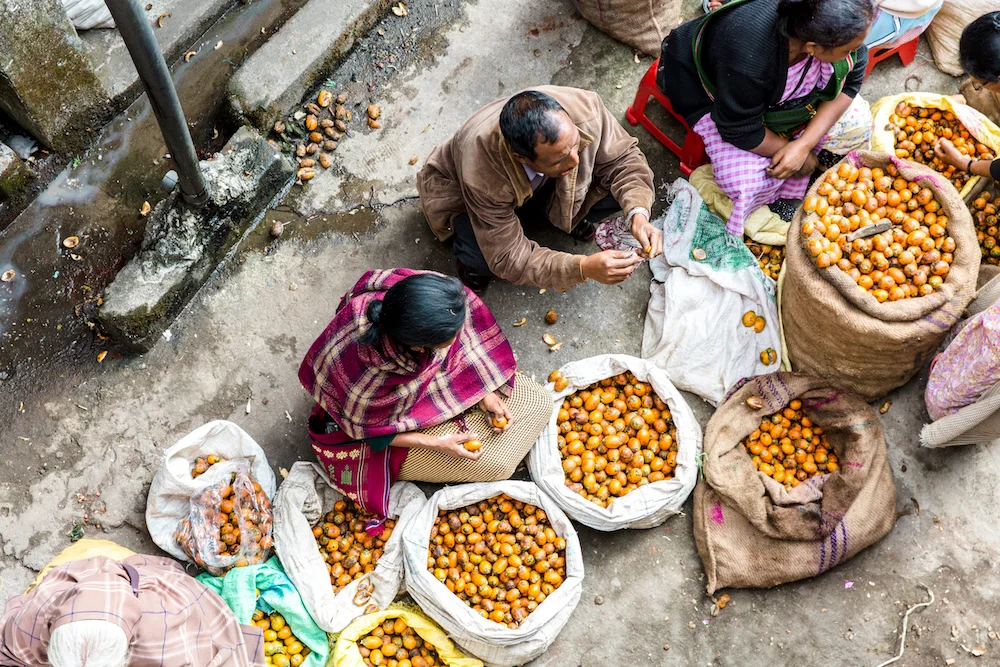
Understandably at the moment, travel is on hold as we come to terms with our new circumstances and focus on keeping safe, staying home and helping those in need. It is not an easy time for anyone. So I wanted to share these images - captured by Angela Terrell, my mother, who often joins me on these jaunts - as a reminder of how vibrant, diverse and wonderful our world is. They are postcards from another place … and another time.

TextileSeekers shall continue to offer intimate, guided tours through Vietnam in the not too distant future (you can keep and eye on Thao’s plans, progress and collaborations by clicking here), but until then, we hope you enjoy these snapshots - reminders of what is out there, waiting to be discovered, when the world is ready. Liz Schaffer & Angela Terrell

Textile Seekers
Textile Seekers
Textile Seekers
Textile Seekers
Textile Seekers
Textile Seekers
Textile Seekers
Textile Seekers
Textile Seekers
Textile Seekers
Textile Seekers
Textile Seekers
Textile Seekers
Textile Seekers
Textile Seekers
Textile Seekers
Textile Seekers
Textile Seekers
Textile Seekers
Textile Seekers
Textile Seekers
Textile Seekers
Textile Seekers
Textile Seekers
Textile Seekers
Textile Seekers
Textile Seekers
Textile Seekers
Textile Seekers
Textile Seekers
Textile Seekers
Textile Seekers
Textile Seekers
Textile Seekers
Read More