

A Road Trip Through Iceland
Wanderlust and winter landscapes.
Photo Essay by Holly Farrier & Video by Ollie White-Smith
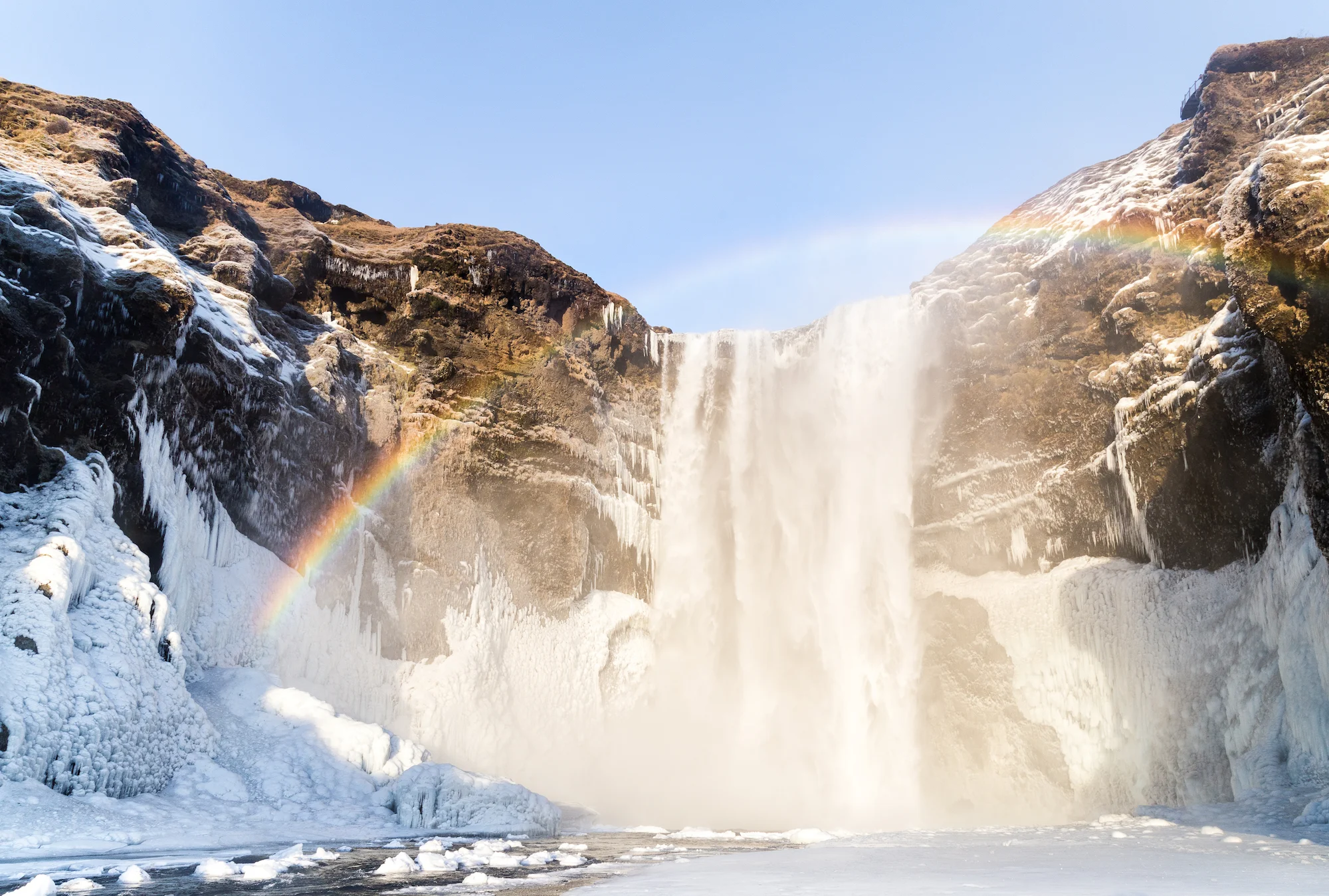
Towards the end of winter, my friends and I spent six days driving around Iceland, beginning in Reykjavik, touring the traveller-adored ‘Golden Circle’ and continuing on into the country’s south, ending our journey at Heima Holiday Cabins, which is found amidst mountains in the middle of nowhere. It was here that we witnessed the celestial wonder of the Northern Lights - twice in a row.
Some days we drove aimlessly, taking in the otherworldly landscapes, spotting cabins buried in snow beside traditional Icelandic churches. Other days, we set out on missions with a planned itinerary, seeing black beaches, frozen craters and plenty of waterfalls. We gazed, ate and swam in geothermal pools in negative temperatures. Driving back to the airport at our journey’s end our hearts were full yet we were sad to leave our trusty car behind, a stoic little vehicle that had allowed us to see so much. Boarding the plane, we were already planning our next road trip adventure.
You can find more of Olli’s work here - and Holly’s images here.




Foxhill Manor
To the manor born.
Words by Sarah Kelleher
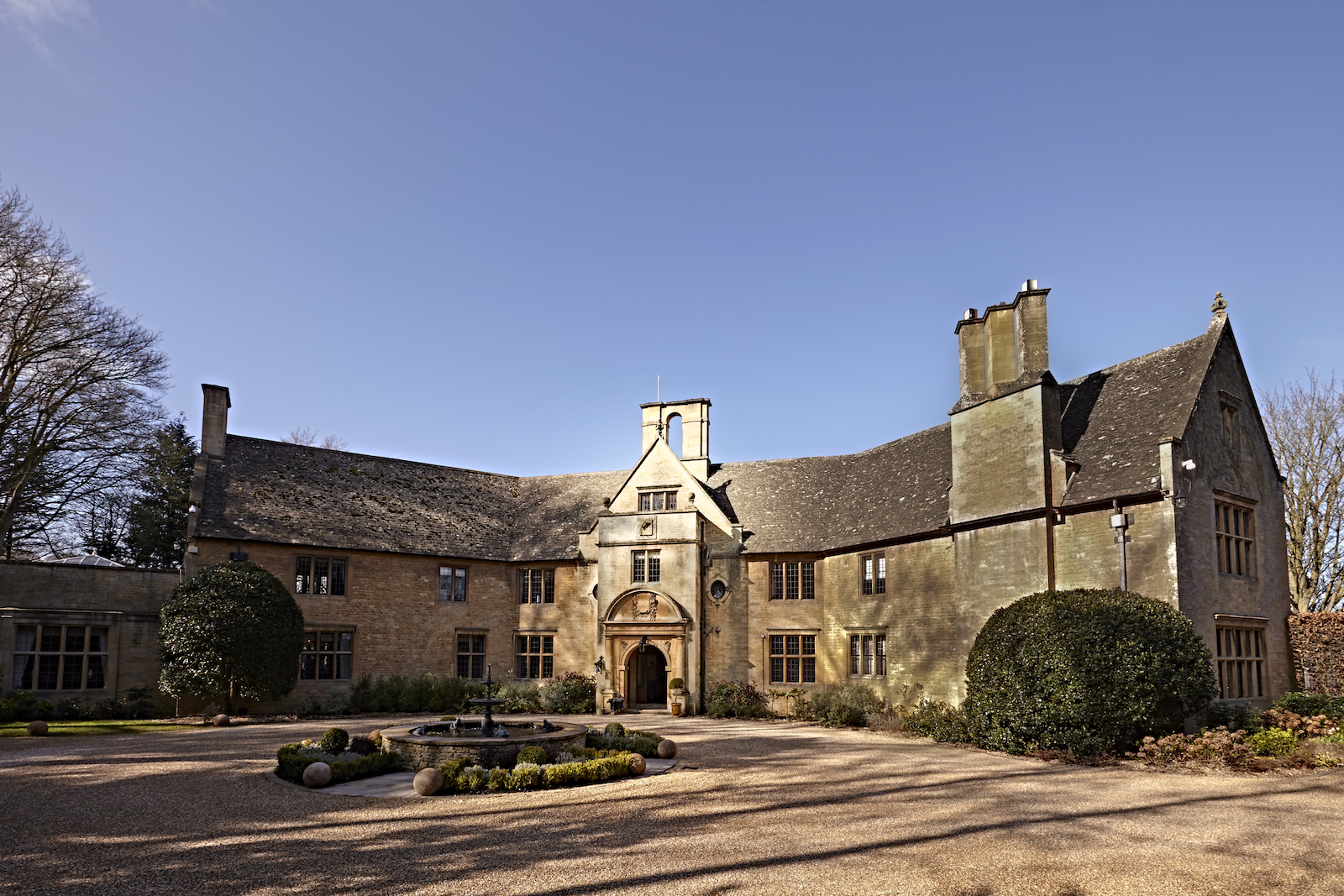
Foxhill Manor sits in the Farncombe Estate, cradled by the undulating Cotswold hills just above the village of Broadway. On the sunniest of spring days, Hannah (a member of the friendly, close-knit team) picked my green-and-pleasant-land seeking travel companion and I up from Moreton-in-Marsh station and drove us along winding roads to our destination, where the wings of this honey-hued Arts and Crafts manor house embrace a shaded courtyard, and the guests arriving at this picturesque hotel.

The concept of Foxhill Manor is simple. Visitors are encouraged to think of the hotel as home for the night, or indeed several nights - and once experienced, you may never want to leave. The atmosphere is relaxed yet luxurious, with Champagne available throughout the day at the drinks station in the hotel’s living room, which features warm, umber-coloured furniture, mullioned windows and a roaring fire.
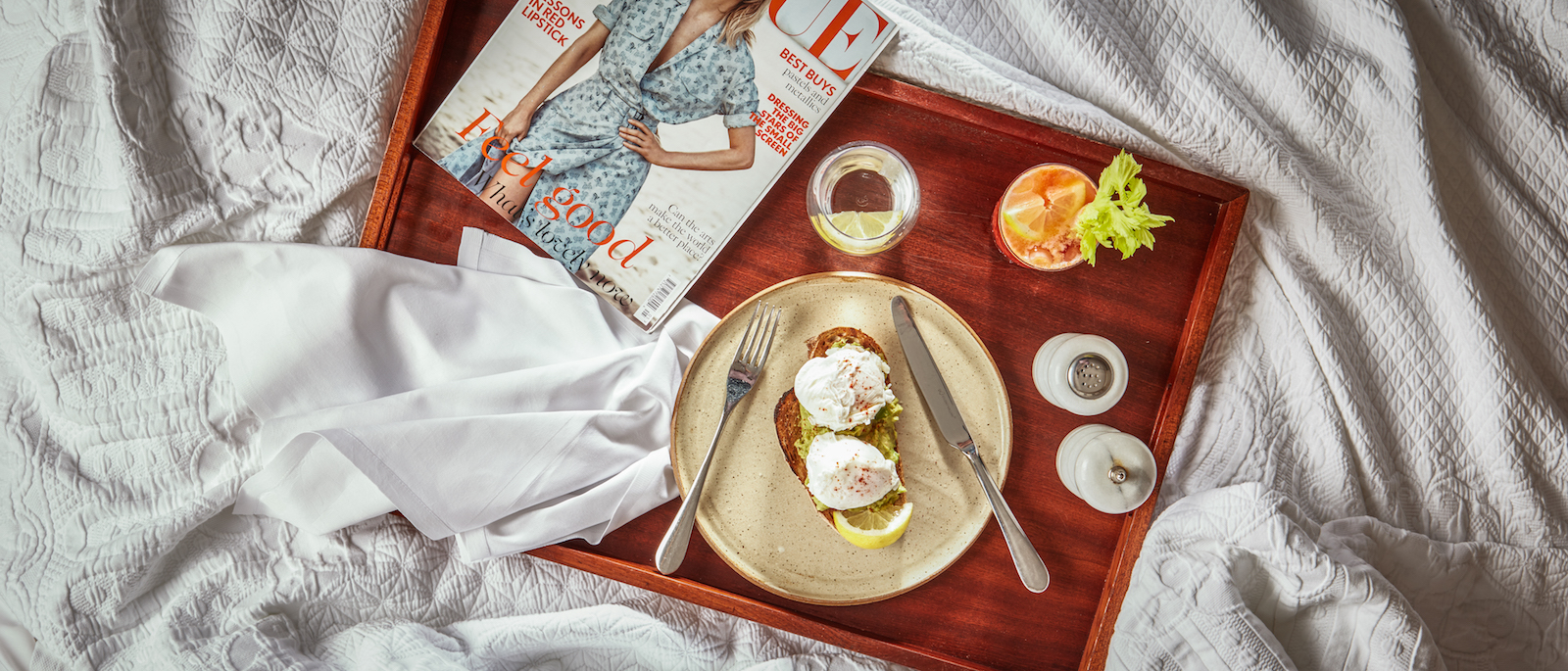
The feeling of stepping back in time whilst retaining all the comforts of the present continues throughout the manor, especially with regards to the hotel’s kitchen. Here, we were introduced to the chefs who craft the hotel’s culinary offerings, and to the hotel’s unique dining style, where guests can request foot at any time of day, and create their own dinner menu from the range of seasonal ingredients on offer. If you fancy a wine-tasting, potter down to the hotel’s wine cellar, which boasts enough wines to make any sommelier weep with envy.

The day was so beautiful that a walk through the surrounding countryside was most definitely in order. Assisted by handy printed guides, we hopped over stiles and meandered across fields to the village of Willersey, pausing to admire St Peter’s Church, a postcard-worthy mish-mash of architectural features dating back to the Norman period. Upon our return we honed in on another delightful feature of Foxhill – a pantry for the guests located on the first floor of the hotel, which can be raided at any time of the night or day, and is kept regularly stocked with all manner of snacks, including creamy salmon pate, delicious terrine and sweet treats.

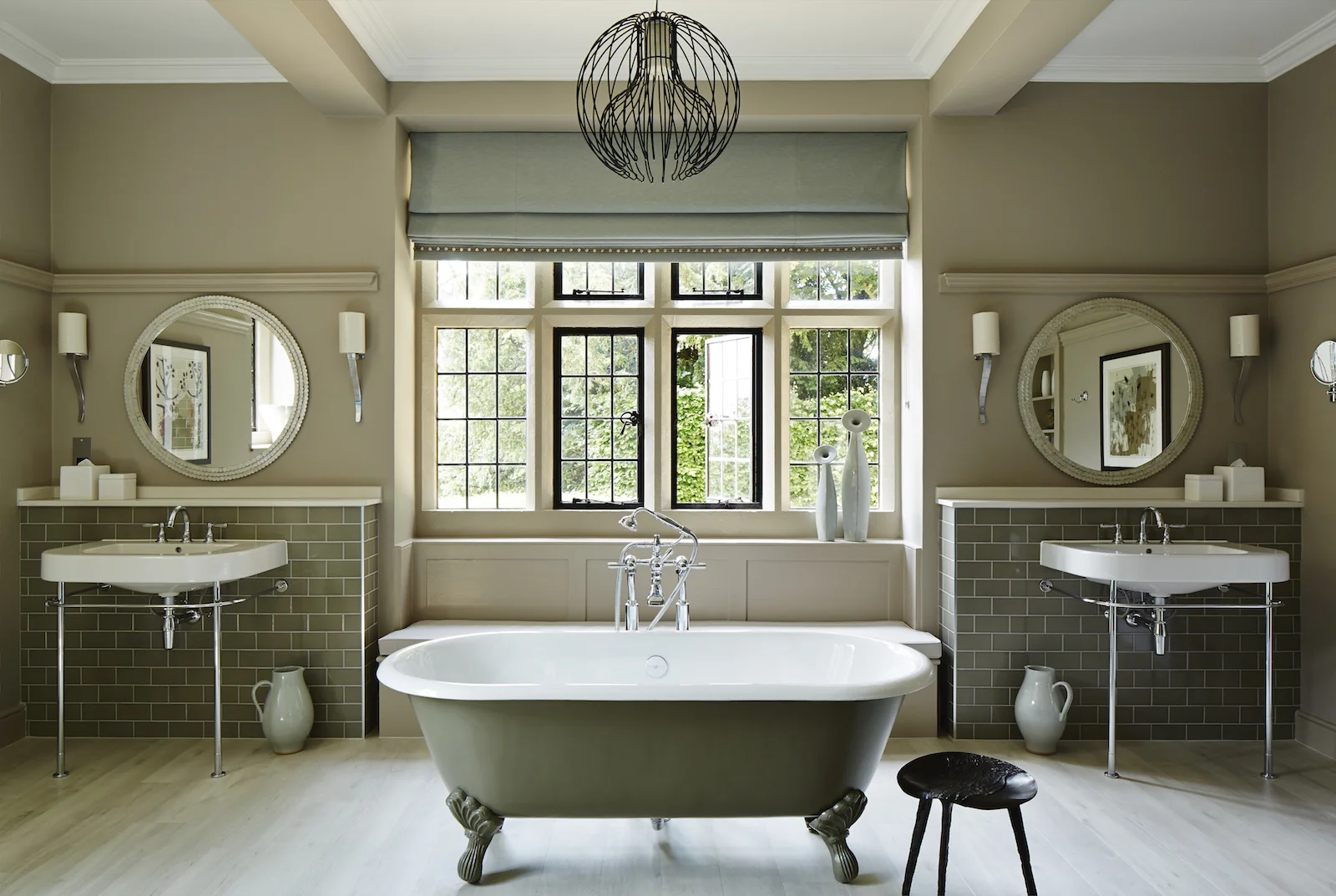
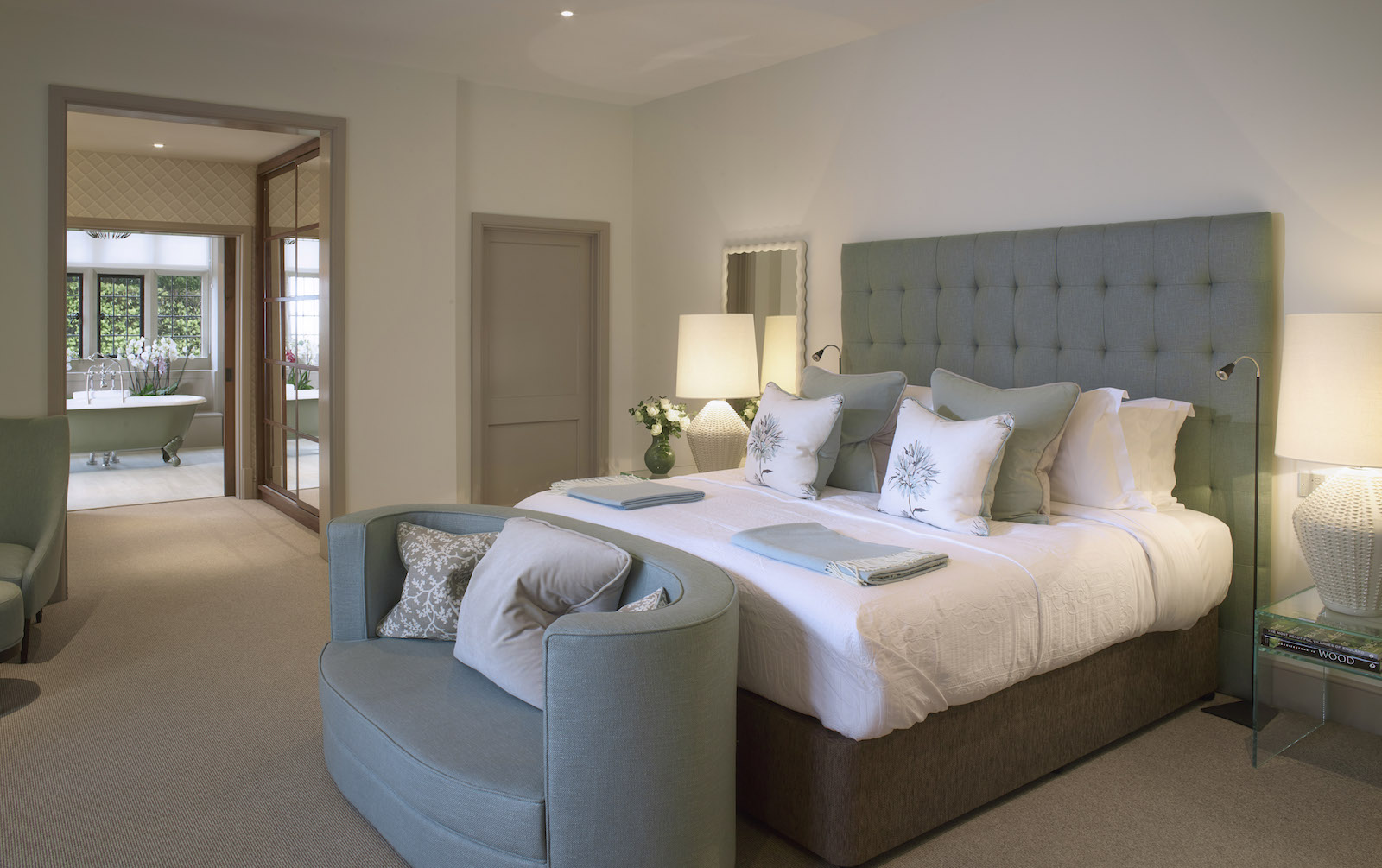
A post-walk snooze gave us the opportunity to enjoy our room, named Juniper – a lovely open space decorated in soothing creams, blues and greys with the kind of comfortable double bed that is almost impossible to leave, a dressing room area, and an enormous bathroom, featuring a freestanding bathtub perfect for lounging around in true ‘lady of the manor’ style.
Restored by our rest, we enjoyed a pre-dinner cocktail in front of the living room fire – I particularly enjoyed the effervescent Plum Thyme Spritz, a sprightly mix of plum, thyme, crème de prune and Champagne. In keeping with the ‘at-home’ atmosphere, guests can choose where they eat their meals, whether in the living room, in an upstairs alcove or in the hotel’s bar-cum-dining room. We plumped for the latter – plump being the operative word, as the choices we’d made earlier that day in the hotel’s kitchen materialised one after the other. I happily devoured my harissa prawn starter, and succulent Moroccan-inspired lamb shank and pearl barley main, whilst my dining companion assured me that her oysters, followed by perfectly pink sea trout, was equally delicious. Limited only by the capacity of our stomachs we opted to share a pillowy pistachio and chocolate soufflé and a cheese board accompanied by an Eradus Sticky Micky dessert wine.
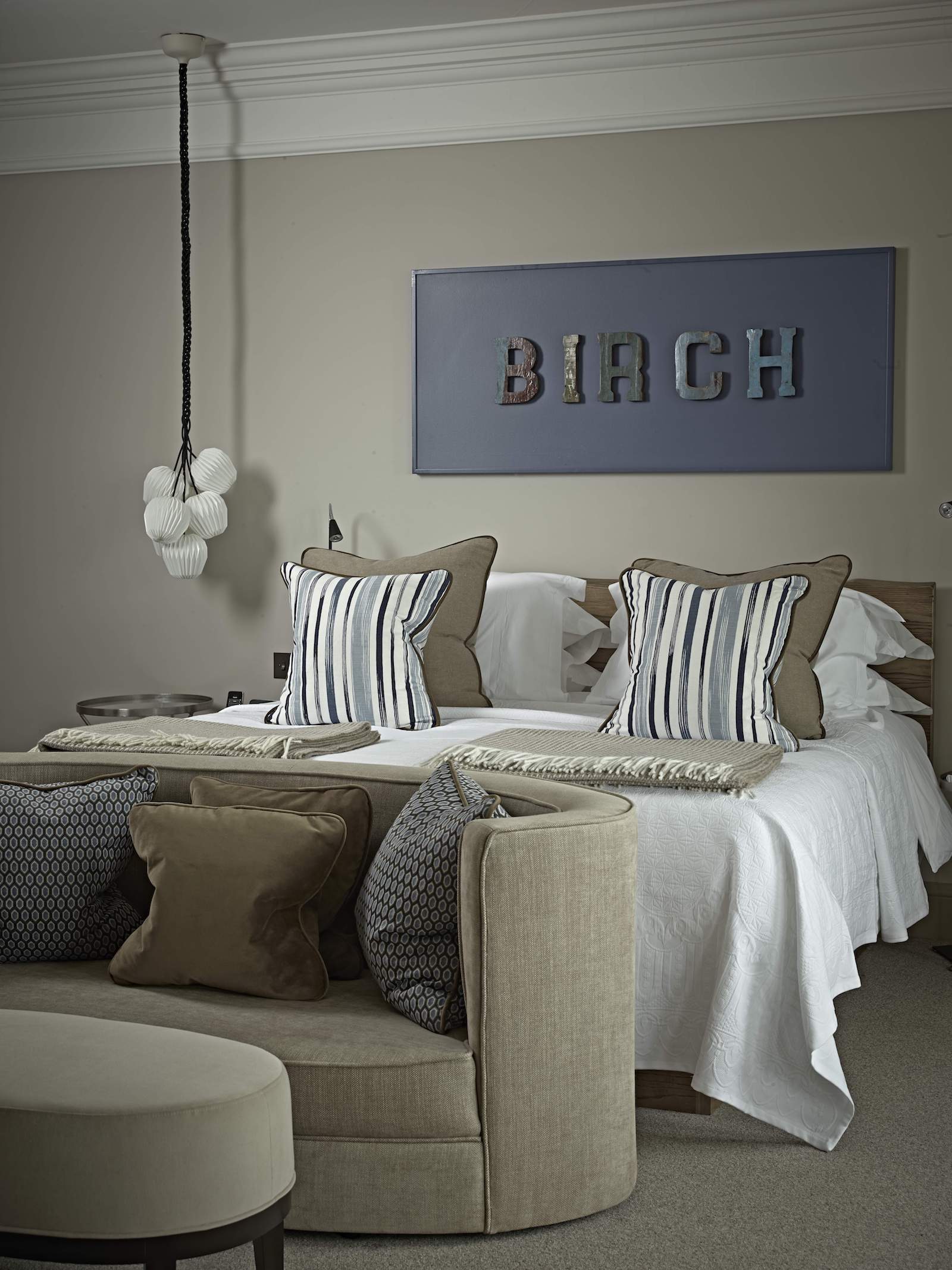
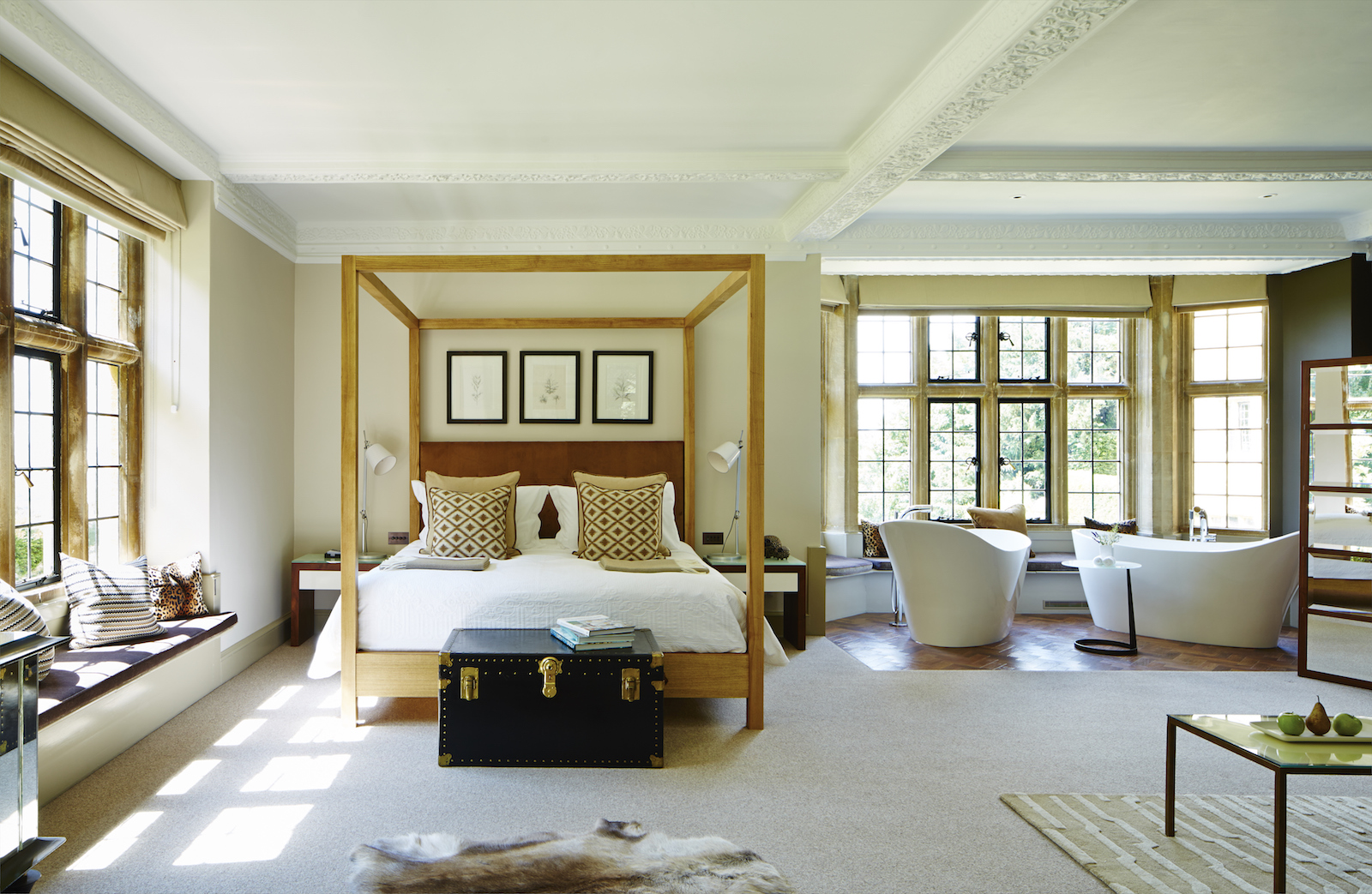
The next day dawned bright and clear, illuminating the stunning Cotswold countryside views beyond the windows of the living room, where we returned to enjoy breakfast, complete with croissants, homemade granola, fruit and yoghurt and a peanut and banana smoothie laid out on a sharing board. A cappuccino and eggs royale drenched in buttery hollandaise, all served on Danish ceramics in a nod to the owners’ Scandinavian heritage, was just the ticket to set us up for the day.
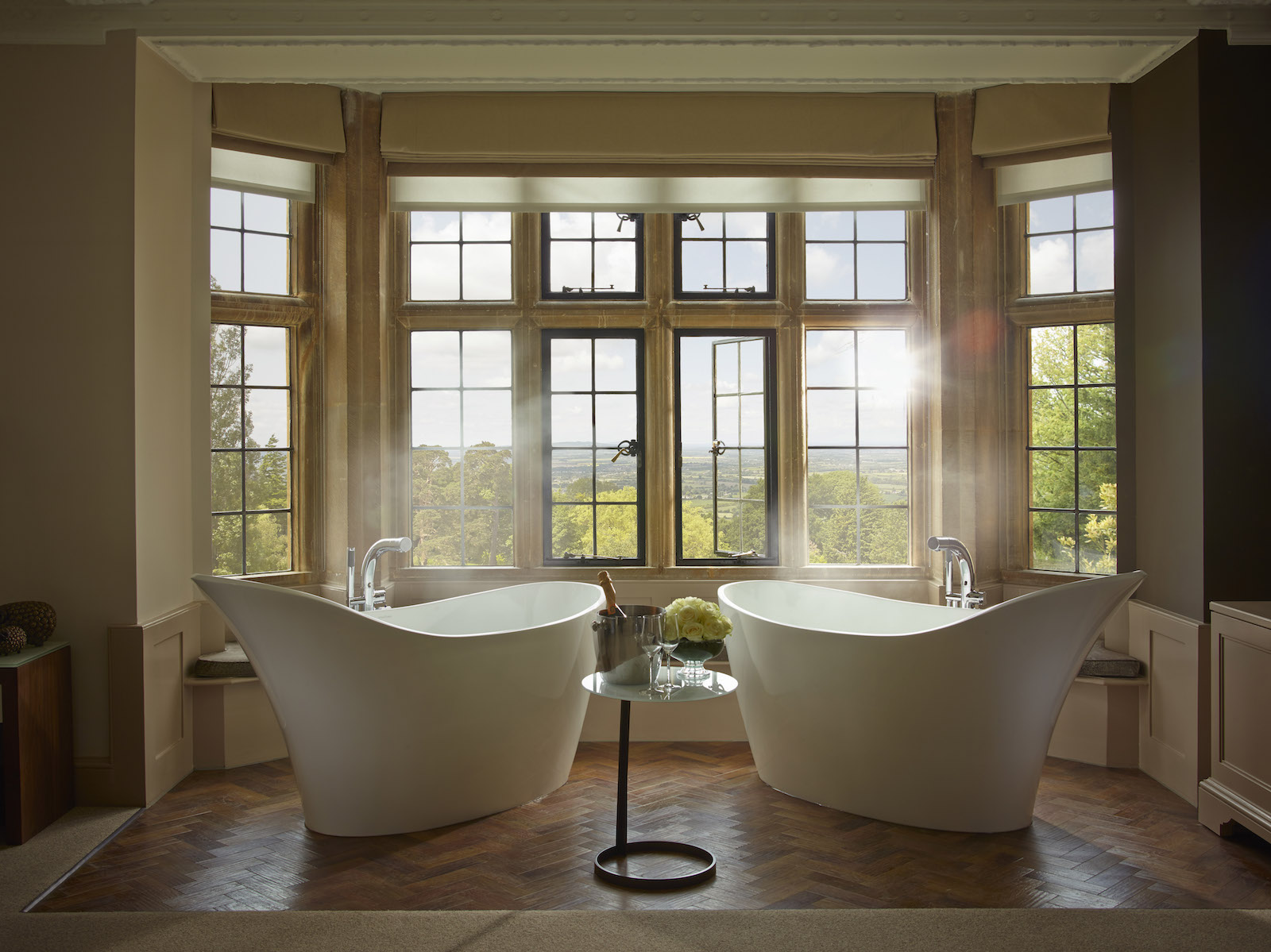
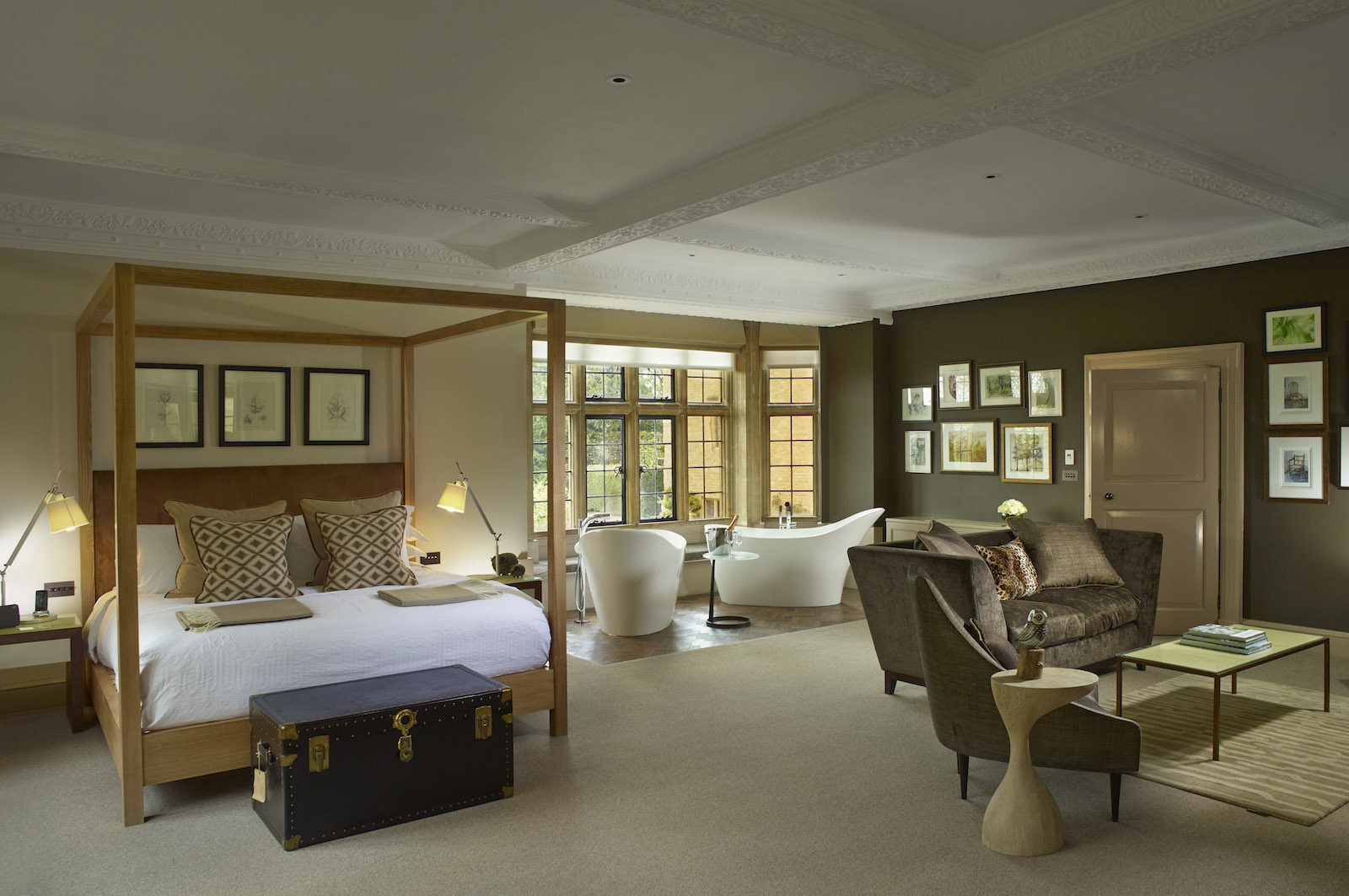
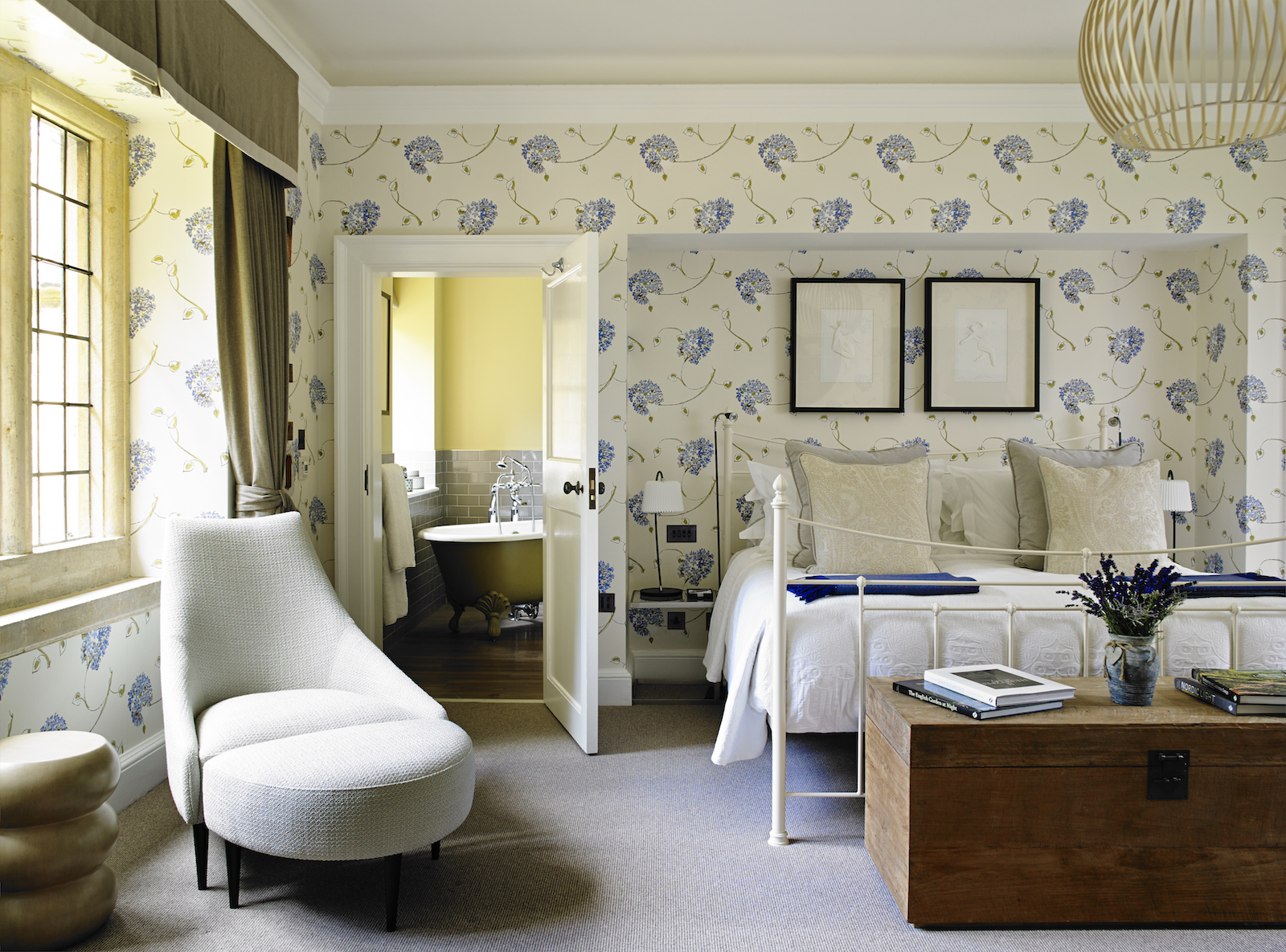
Foxhill (and Foxhill’s kitchen) is hard to bid farewell to, but with one last amble around the nature trails criss-crossing the estate, one final pilfer of the pantry and one more memorable drink, we were back on the train to London, the memory of deep baths, sparkling Champagne and Cotswold hills etched in our brain. That is until next time …
To learn more or book a Foxhill room, click here.

Paramount House Hotel
The Sydney hotel you won't want to leave.
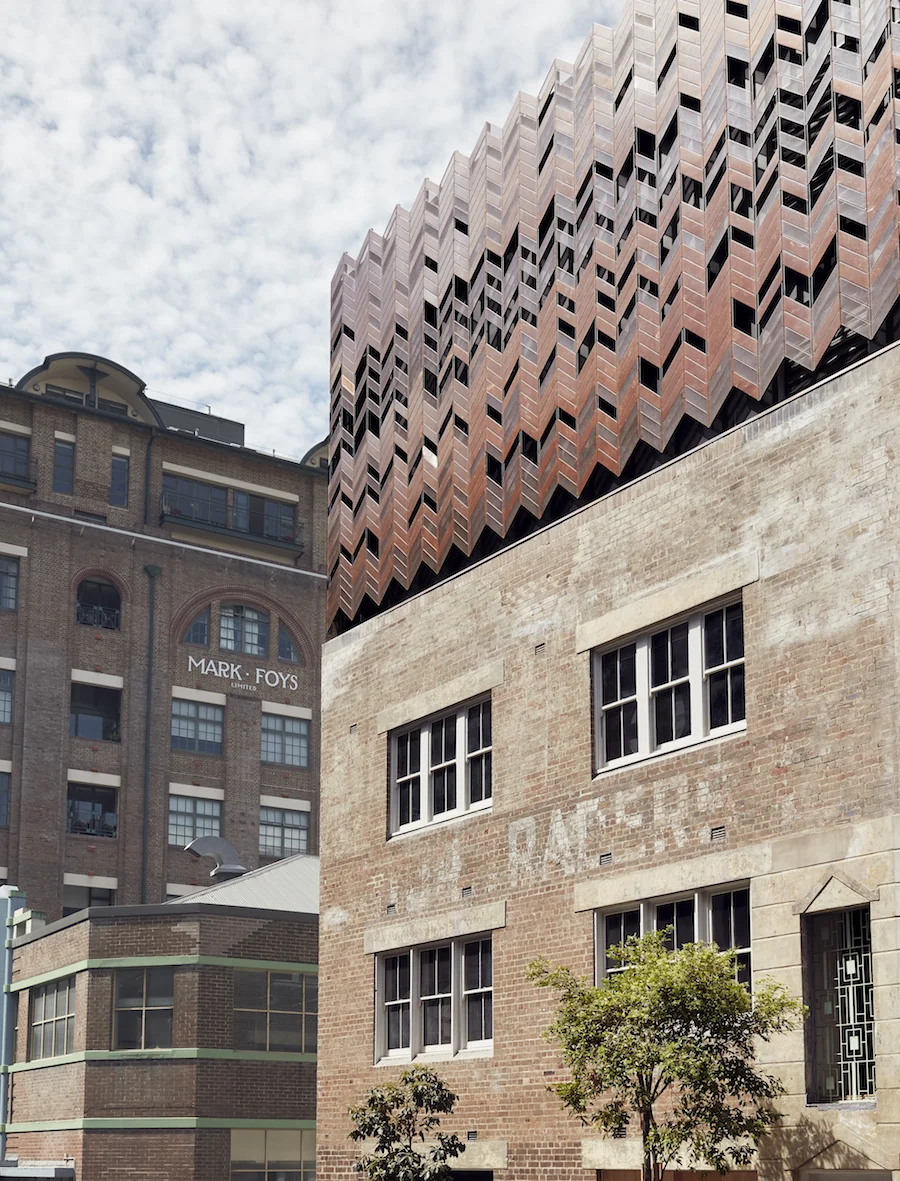
Retuning to Sydney on my annual pilgrimage south there are certain things I need to do. Have a scoop of mint chock chip at Messina, indulge in a burger or two at Harpoon Harry, swim in the sea at Camp Cove, wander the Wendy Whitely Gardens, bask in all things Australia at the Unicorn and, because being a bit of a cliché is fun sometimes, be on Bondi for at least one sunrise. On my most recent journey back to The Great Southern Land however I found a glorious new activity to indulge in - swapping the spare-bedroom-meets-storage-room I normally claim in my childhood home for a Loft room at the newly opened and utterly gorgeous Paramount House Hotel. This brick and copper-adored structure, in ever-trendy Surry Hills and just a short amble from the transport hub that is Central Station, is a destination in it's own right. Across the road sit Longrain and Chin Chin, restaurants any gourmand would swear by, and within the building you'll find Golden Age Cinema and Bar (the ideal date location for lovers of all things a little bit retro), long-adored breakfast haunt Paramount Coffee and co-working hub The Office Space.
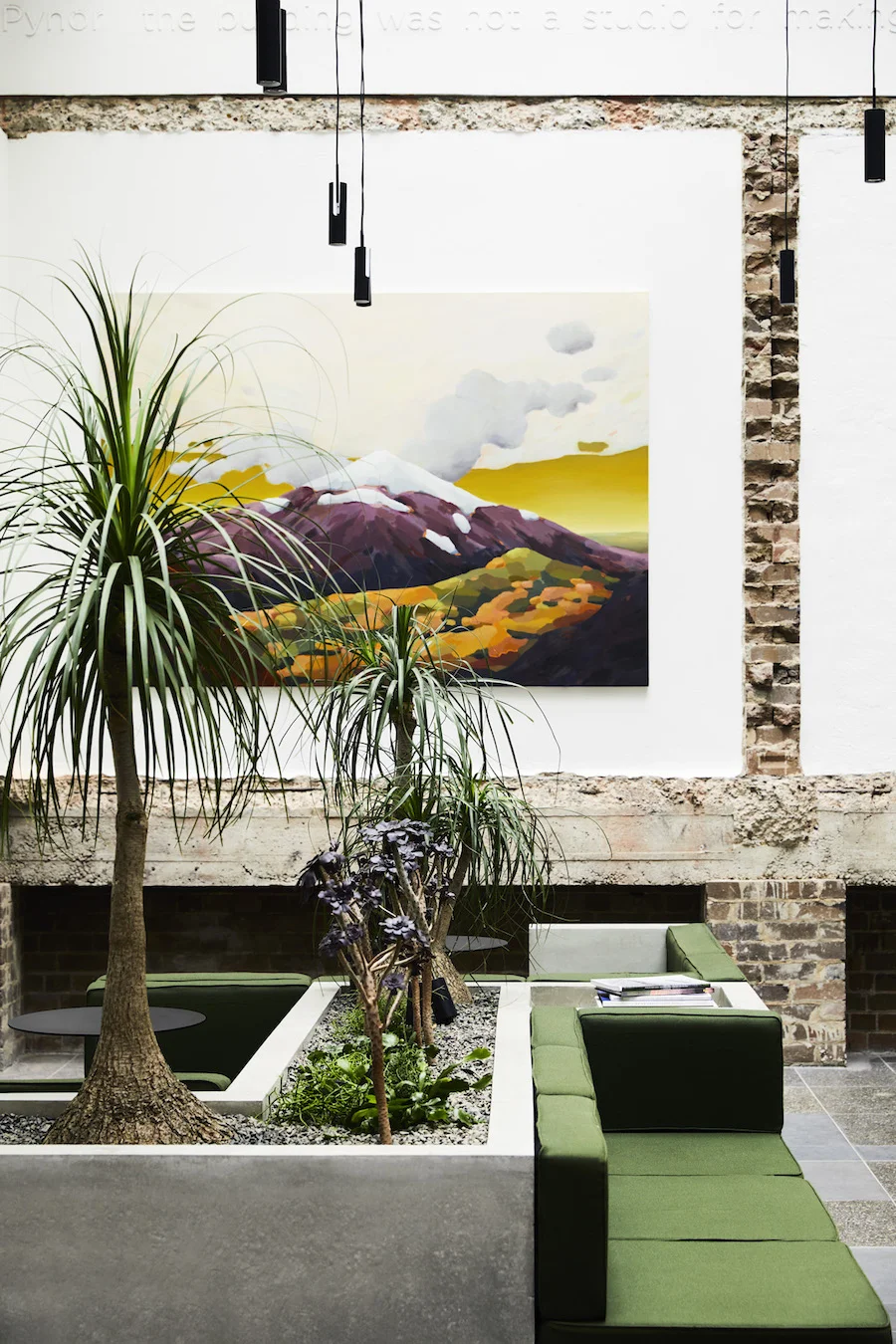
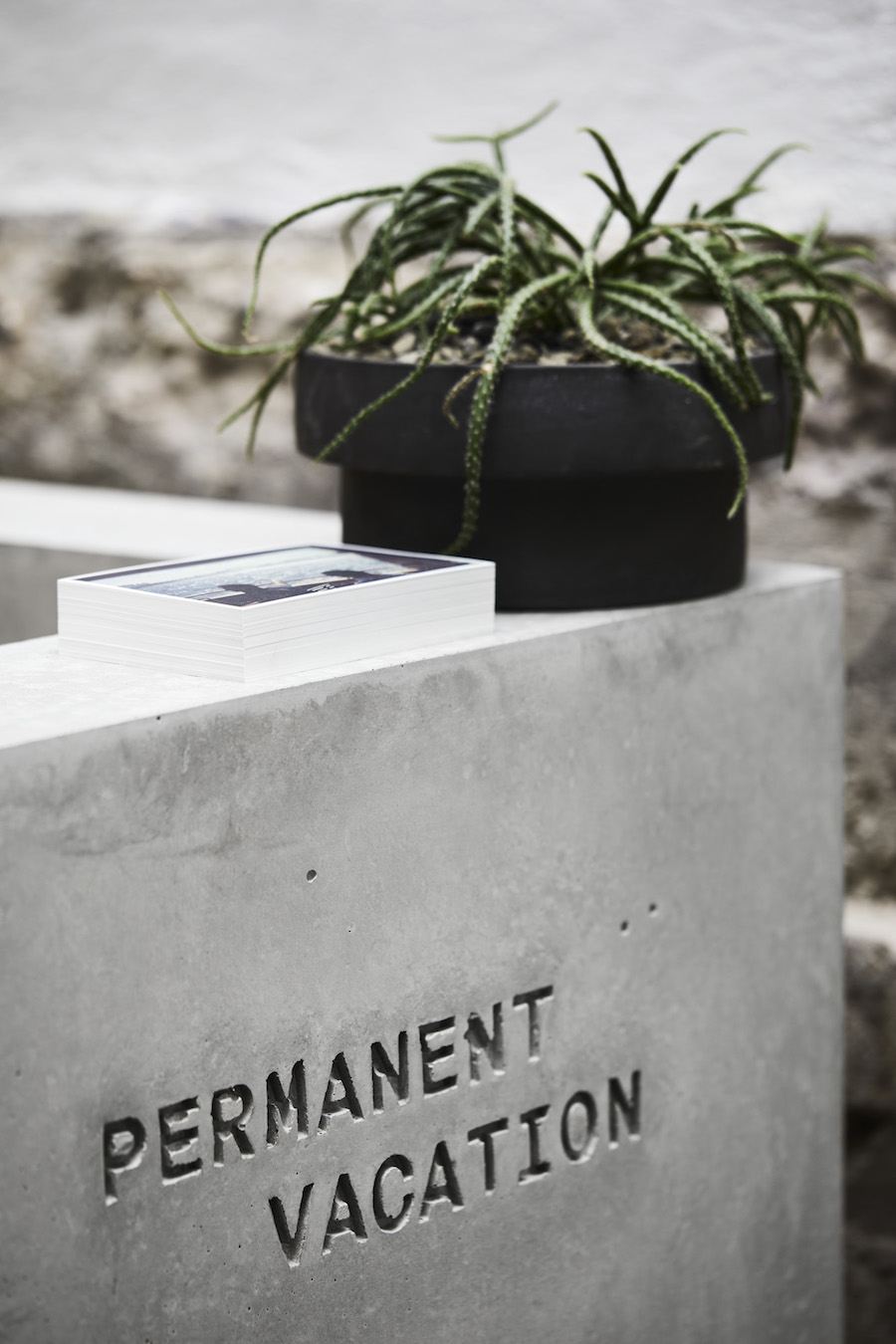
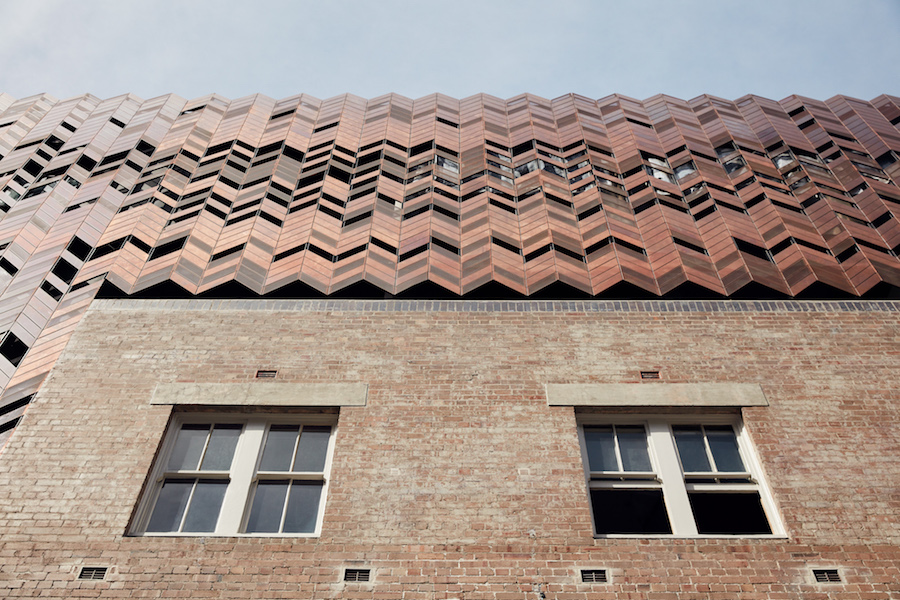
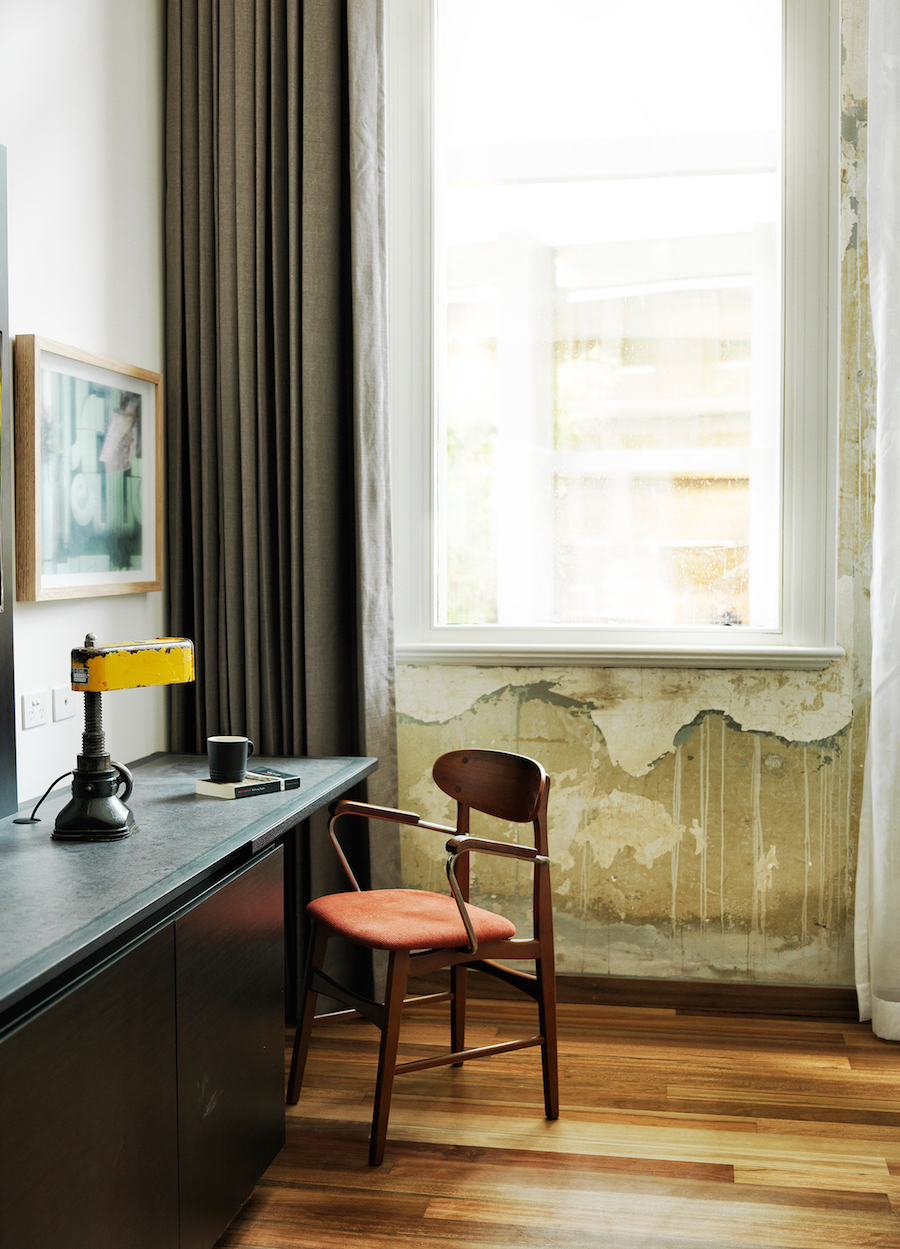
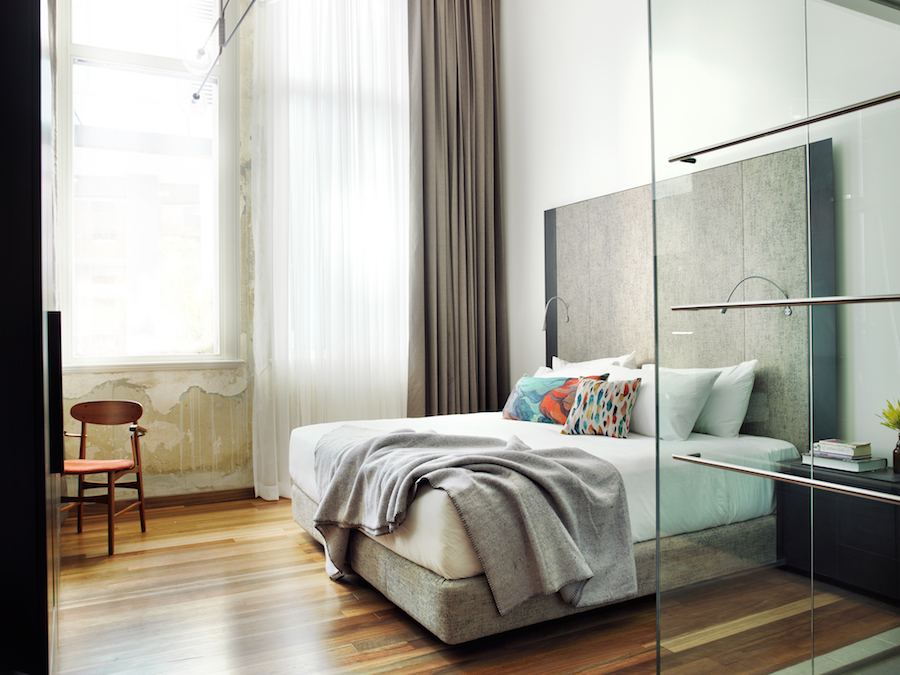
Having once been the offices and warehouses of Paramount Picture Studios, the 29 room hotel, which took four years to fully restore, feels like it comes with creative history. The interiors are warm, almost earthy - there are plants throughout and natural tones and textures abound. You'll find polished concrete, exposed brick, floor to ceiling windows (in the Loft room at least), rich furnishings, a lift with the best wallpaper in town, French linens you long to secret away and a Japanese style bath made for soaking. The artwork has been curated by the nearby China Heights Gallery, while check in within the lofty lobby comes with a welcome drink - I've got nothing but good things to say about the the sour beery from Marrickville brewery Wildflower - and plenty of indie reading material.


Paramount House Hotel is the work of Melbourne-based Breathe Architecture and you can really sense the love and attention that has gone into making it something distinctive - an industrial-chic hideaway you don't want to leave. And you don't have to. Check in, admire the set up, catch a film downstairs, listen to the sounds of Surrey Hills, raid the cheese and wine in the mini bar and bask in the brilliance of one of Sydney's newest additions.
Rooms from $240 paramounthousehotel.com
Photos by Sharyn Cairns & Tom Ross


Cogne
A very different Italy.
Words & Photographs by Daphne Potts.
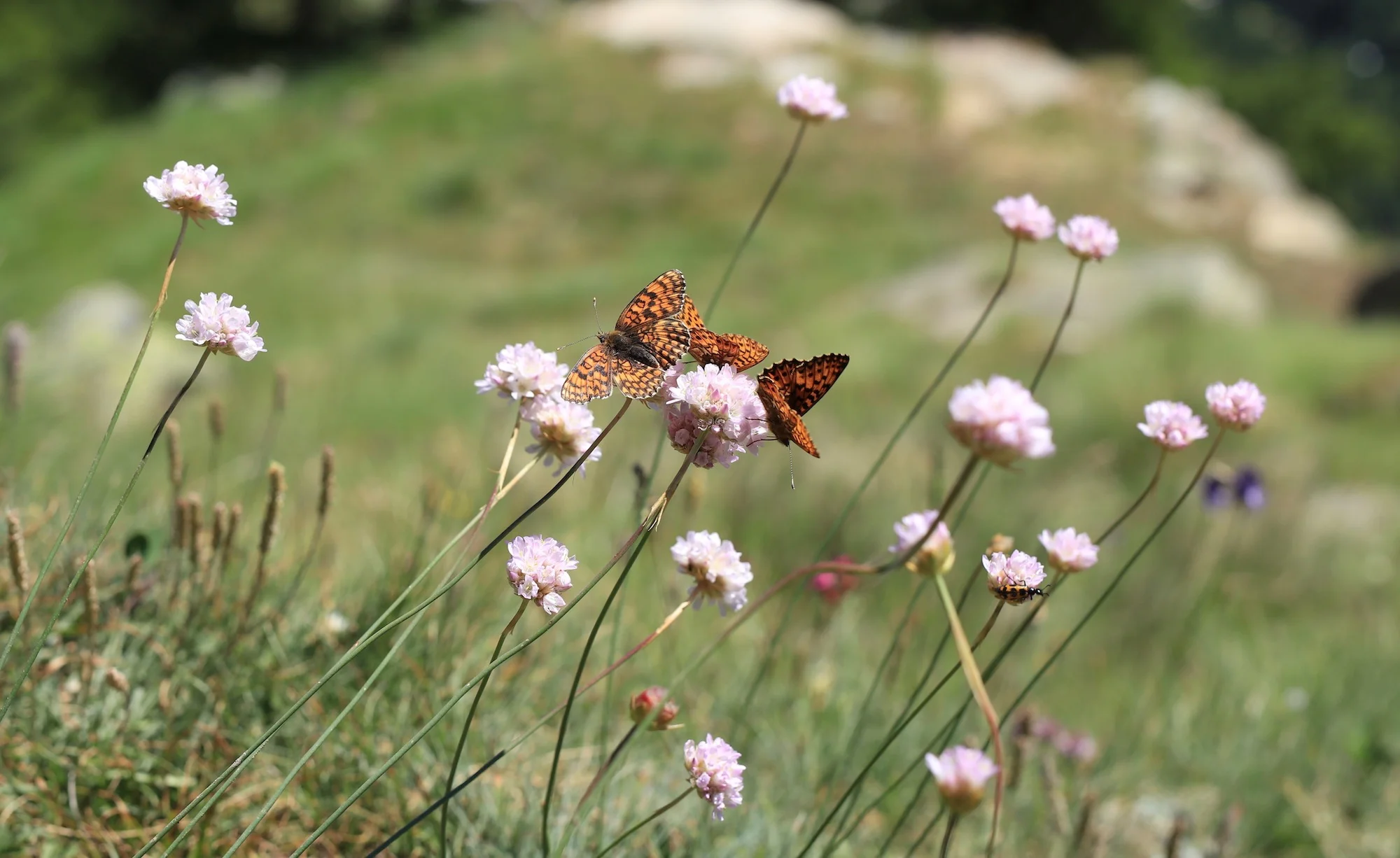
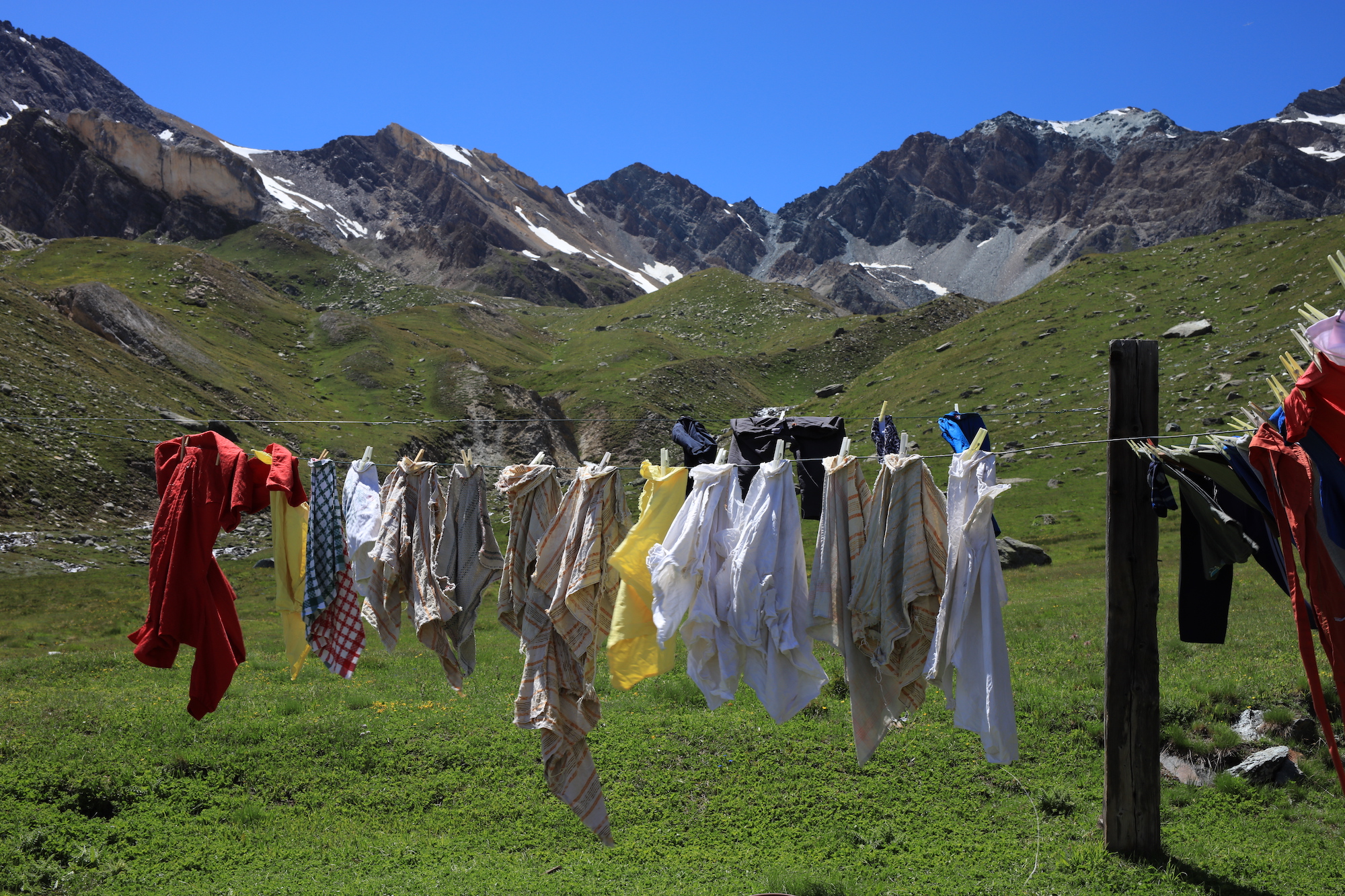
There are some destinations so remarkable that you believe you’ve found wonderland; which is probably why I felt a little like Dorothy reaching the Emerald City when I entered the village of Cogne high in the alpine wilderness of Italy’s Gran Paradiso National Park. Petunia-bedecked chalets, ibex grazing on wildflowers in an expansive meadow, the enthralling, snow-capped peaks of the Gran Paradiso Massif - this was a magical realm ripe for discovery.


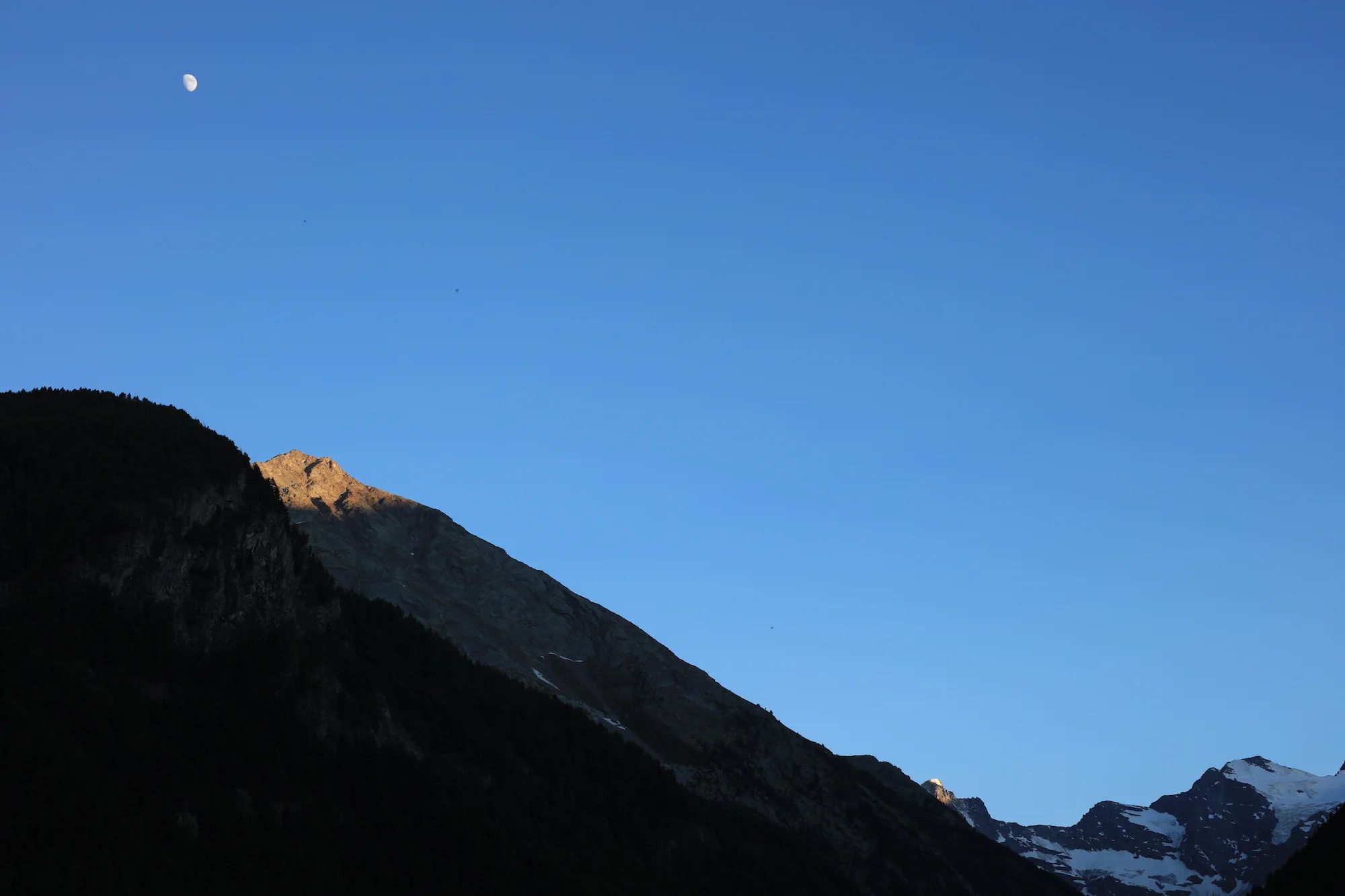
Feeling intrepid, I set off the next morning before the sun’s rays could bite - camera in hand - on a yellow brick road adventure of my own, using one of the myriad of mountain paths originally created for King Victor Emmanuel II’s hunting expeditions. These days, they form a network of summer hiking paths that criss-cross the mountainside, my chosen route taking me to Rifugio Vittorio Sella, high in the Gran Paradiso Massif.

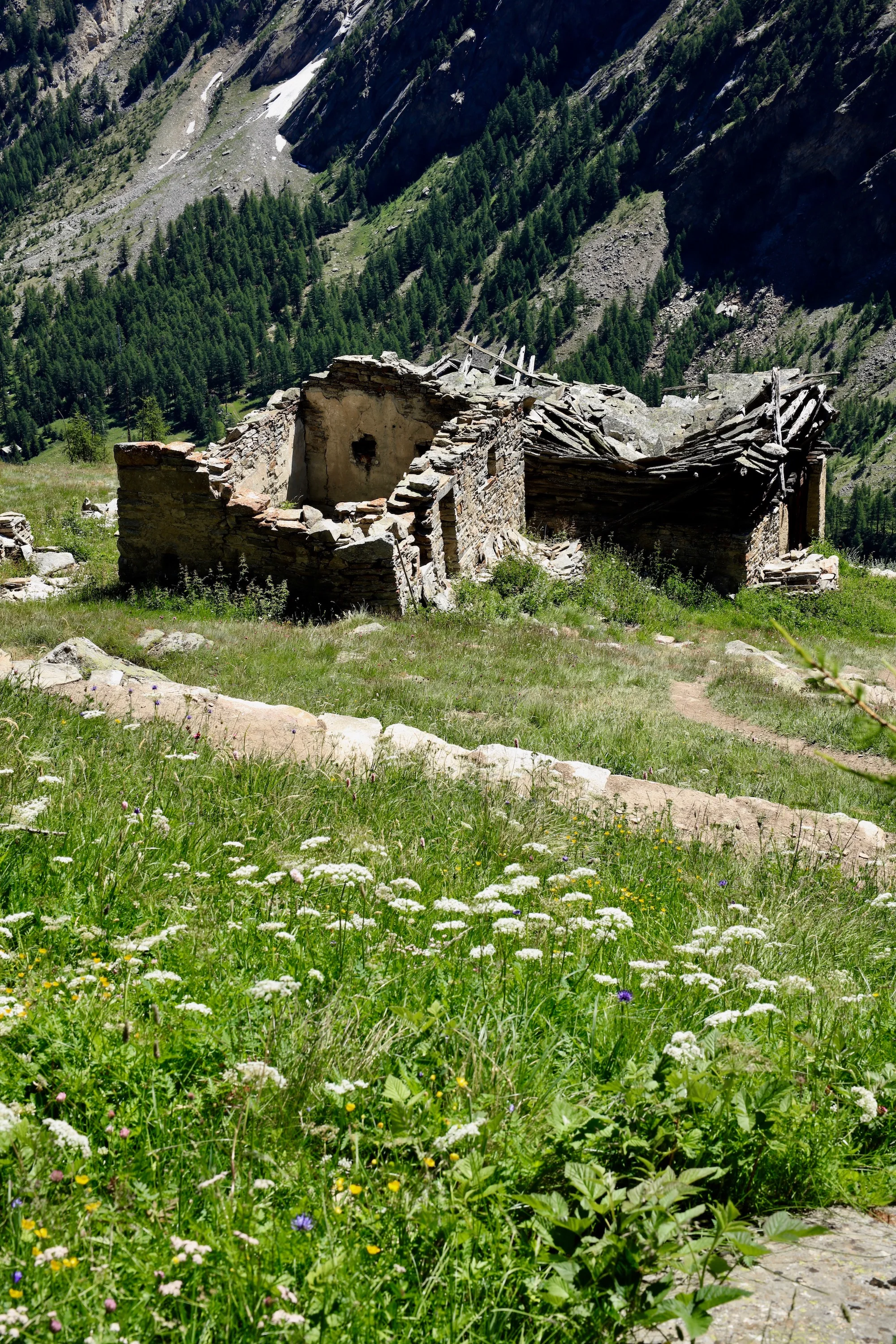
Despite the physical demands which saw me searching for lion-like courage on the relentlessly ascending track, the hike was exceptional. Cows grazed contentedly in mountain pastures, cowbells chiming as they ambled. Golden eagles soared above stands of European larch and French spruce while chamois frolicked in the shadows. Crumbling shepherds cottages were festooned in a coterie of wildflowers. Cascading waterfalls, perfect for ice-climbing in winter, cooled sapped legs. And at the end, reaching the refuge and its mass of welcoming picnic tables, I absorbed the phenomenal vista while sipping hot chocolate, remarkably tasty in the crisp mountain air.



Turning back towards the valley, my new goal, I watched as shadows lengthened, colours softened and the mountains wore their evening veil - I’d imagine even a wizard couldn’t conjure such a scene.
We visited Cogne as part of ourPathways book, exploring the Piemonte and Aosta Valley regions in our Italian chapter. You can learn more about the project, and order a copy of the book, by clicking here.




Lord Howe Island
In search of solace and adventure on Australia’s Lord Howe Island.
My childhood friend holidayed with her family on Lord Howe Island and returned with fantastic stories of misty mountains, beachside bungalows and trundling turtles, but the most audacious and daring story of all involved water take-offs and landings, seaplanes obviously incredibly adventurous to my 10-year-old self.

Since the runway was built, flights from the mainland now land on terra firma, but not much else had changed when I visited 40-odd years later to finally tick Lord Howe off my long-awaited bucket list - and it quickly became obvious that despite years of anticipation and childhood fantasy, my expectations would be surpassed. Even glimpsing the island, grey and shrouded in rain, was enough to make me gasp … well, that or the sudden drop as the pilot tackled the tricky winds that tend to howl around Howe.


With its mix of pioneering spirit, 60s Aussie seaside town and resort-style living, Lord Howe is the perfect place to experience quotidian serenity; a simpler way of life where even the lack of mobile reception is a welcome respite from the madding world. Everyone greets each other with a smile and wave (whether you know them or not), and friendships are quickly made. Even crime is non-existent, in fact you’re usually not given a room key, the biggest danger seemingly falling into mutton-bird holes, tripping over wood-hens or exceeding the 25km speed limit on pushbikes, the island’s main mode of transport.


But it’s the scenery and wildlife of Lord Howe that’s spectacular; an Arcadian nirvana only 10 kilometres long yet containing landscapes both Jurassic and genteel. Mts Lidgebird and Gower loom over bucolic pastures and well-fed cows, their summits usually covered with clouds that flow like vaporous waterfalls over their rainforest-cloaked sides where you can just imagine dragons lurk. It’s when you enter this realm though that the magic really begins and size takes on a whole new meaning. Here African violets grow as tall as trees, banyans splay tendrils like colossal spider’s legs and soaring tee-pee style pandanus roots encircle the moist earth and drop fronds that swallow the walking track. There is magic everywhere. Iridescent blue fish dart between legs as you feed them at Ned’s Beach, and plaintive calls come from nearby sooty tern chicks waiting for parents to return with a seafood bounty.

Fantastically shaped bleached corals sit on Old Gulch’s rocky shoreline while the azure waters of beaches and lagoons are filled with organisms full of colour that allow Lord Howe to claim having the southernmost coral in the world. And even off the coast the wonders continue, Balls Pyramid, the worlds tallest ‘ocean stack’, rises from the depths like a Hogwarts’ turret.

It’s no wonder Lord Howe is UNESCO-listed and ripe for discovery. Whether walking on tracks that demand a little vigour (or those that are more of an amble), snorkelling and scuba diving in tropical waters, playing bowls and golf, or merely taking in the magnificent scenery from an idyllic picnic spot, you’ll feel that this is island life as it should be. Nothing here disappoints.
Words & Photographs by Angela Terrell.


Crabtree & Crabtree
Fabulous places to stay in England’s Northumberland .
Standing upon Bamburgh Dunes in windswept Northumberland, I watch three dogs bound over salt- softened grass to chase waves and gulls. In the distance stands Farne Island Lighthouse, a resolute silhouette before the late autumn sun. To my left are Holy Island’s ruins, and to the right, there’s nothing but boulders and sand. While there is a tea shop nearby, and a van selling cockles and whelks even closer, this isn’t the ‘pleasant pastures’ or ‘clouded hills’ version of England I dreamt of when, all those years ago, back in Australia, I first considered the romance of distant shores. But it’s one of the innumerable English scenes I now adore.
Although they’ve never been easy to pen, these editor’s letters typically come to me - unexpected and rough - in a particular location. For France it was while ensconced in a Champagne châteaux, Japan happened when seeking solace along the Kumano Kodō, and for Scotland, it was when battling sleet upon the Isle of Skye. These settings all seemed, in those moments, to capture the soul of our chosen country. Yet England was different. This may be a tiny island but it’s staggeringly diverse. It is sylvan, unpredictable, sublime, originative and contradictory - a land of eccentricity and ingenuity, a mix of worlds, practices and lifestyles all enriched and enlivened by an enthrallingly complex past. Travel here and discover more than you thought possible - and that defining Englishness is a daunting task indeed.
I mused on this opening while delving into Dorset’s literary history, tramping across the Peak District and plotting journeys to distant islands. It could have been Cornwall’s harbours, tales of Roman conquests, artistic movements born in seaside towns or star-filled skies that provided inspiration. But alone, in isolation, they never felt right, for England has many guises and no one scene, however iconic, quaint or quintessential it may be, entirely encapsulates this peculiar country. The land of hope and glory truly is the sum of its parts.
This extract from my England Editor's Letter was written while spending a glorious long weekend in Crabtree & Crabtree's Stewards House in Berwick-Upon-Tweed. It was my first trip to Northumberland - a destination that stars in the new England magazine, a place of gin, dark skies and wild spaces - and, faced with glorious September weather and a property I had no desire to leave, I could not think of a better introduction to this historic, fascinating part of the world.
The house itself is a feast of rose-coloured stone, homely furniture, sprawling gardens, vintage details and classically English soft furnishing. Downstairs, the spacious kitchen is ideal for those looking to show off their culinary prowess and mark use of the the region's exceptional produce (Chain Bridge Honey, for example, is just down the road). The kitchen leads on to the living room, complete with a tempting fireplace - and nearby is a wood-panelled billiard room, both perfect for cooler nights in. The upstairs bedrooms - all adorned with Farrow and Ball paints in muted hues and curtains that would make Laura Ashley proud - becomes yours the moment you pass through their doors. Should you be a fishing fan, this hideaway couldn't be more ideal, found upon a salmon river that separates England and Scotland. But the wonders of Northumberland, and Scotland to the north, all beg to be explored. Castles overlooking the waves, ancient fortresses designed to stir fear in the hearts of would-be Danish invaders, markets towns that have changed little over the centuries, wind-worn fishing villages, stone harbours and fields that appear to cascade on forever. If you're seeking an English escape somewhere sure to inspire, then perhaps a week at Steward's House would be just the trick


Crabtree & Crabtree have a range of self-catering accommodation offerings across Northumberland and Scotland - all properties coming with history, quirk and personality. The Cowshed, another Northumberland C&C gem, also appears in our England magazine - which you can order here. To make bookings or check out the C&C escapes available, click here.
Photographs taken by Angela Terrell while staying at Steward's House.






Rastoke, Croatia
Croatian calm.
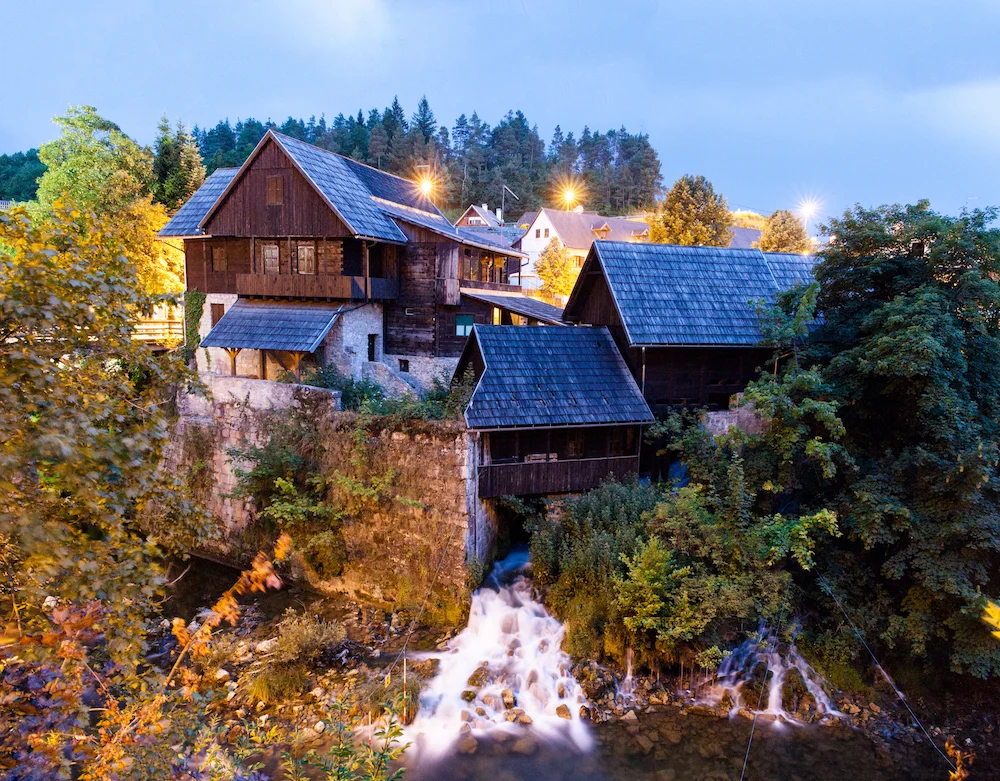
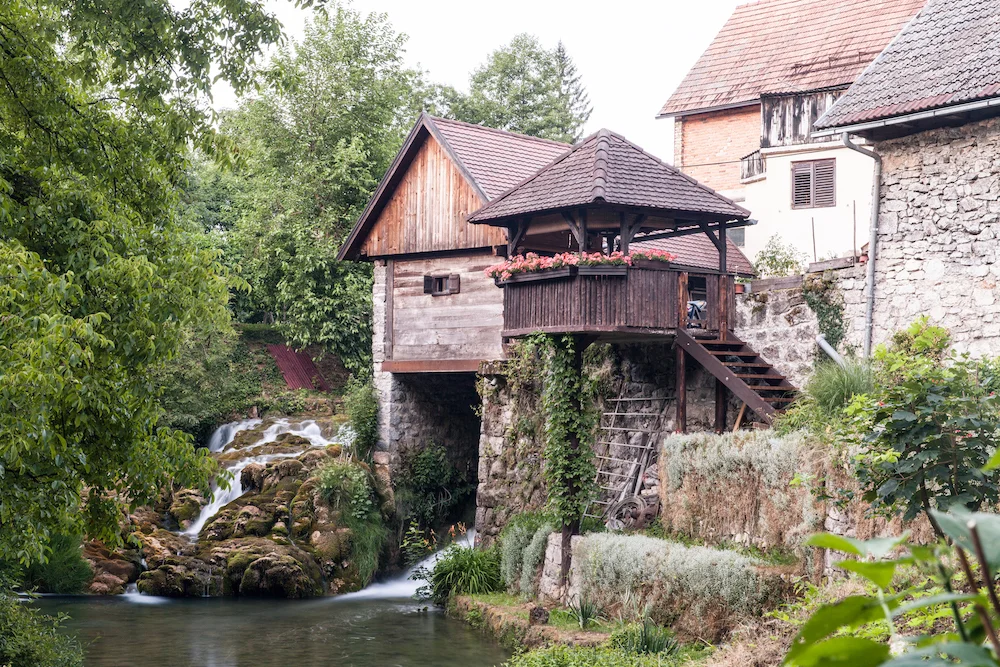
Only half an hour from where the tourists gather at Plitvice Lakes National Park, is the little village of Rastoke. Peaceful, picturesque and nestled amongst the trees, you won’t find yourself tiptoeing around the crowds here.
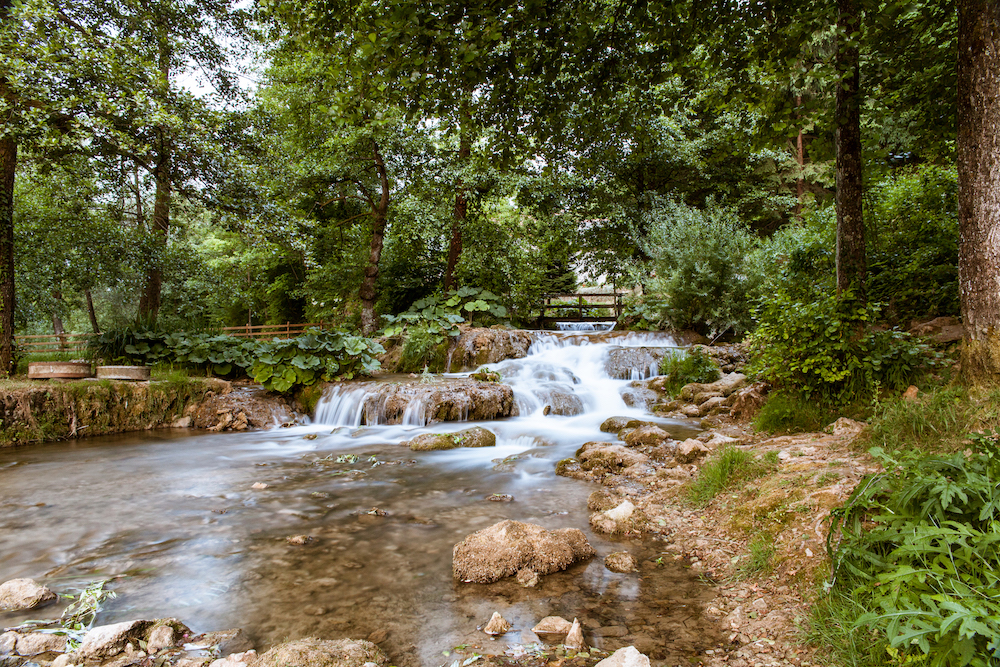
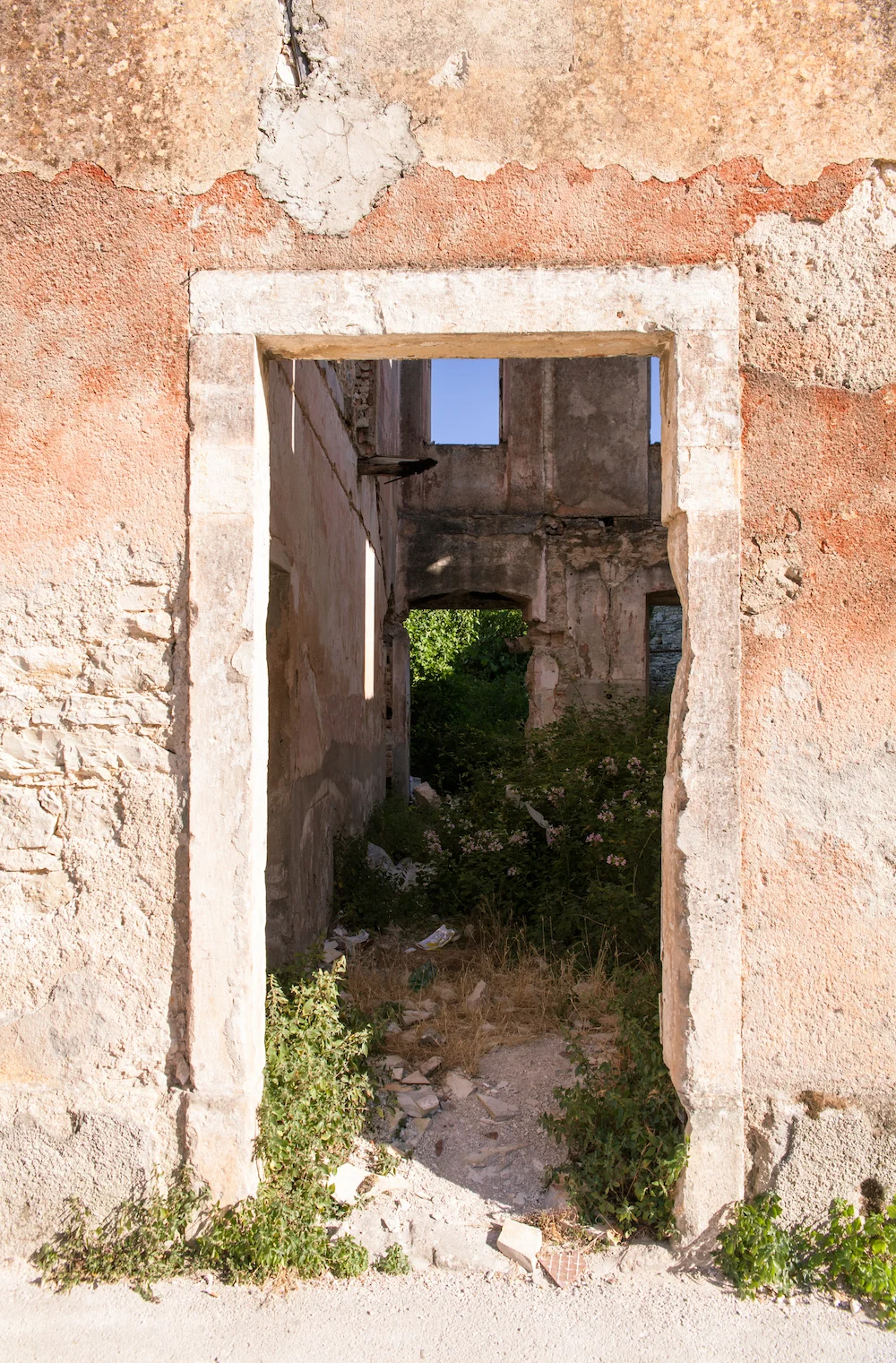
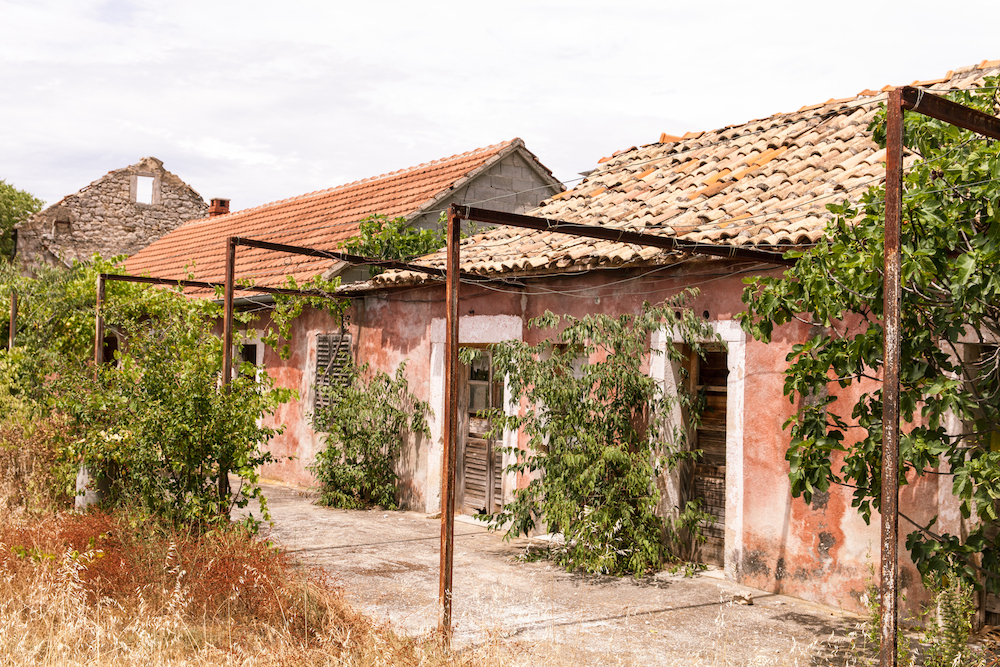
Over thousands of years, cascades and waterfalls have been carved into the limestone landscape by the Sluničica River. As people settled in the area they built their grain-milling town using the water available around them. History is written on the walls here. Indeed, if you’re arriving from the coast or capital, you’ll likely drive through a number of abandoned villages and homes – all scarred by war, heartbreak and stillness.
Known for its authentic wood-shingled homes and cultural traditions, Rastoke is a place you come to relax after the bustle of Zagreb, the thrills of a Croatian coastal adventures, or the crowds that rightly flock to Split and Dubrovnik. You only need half a day here to soak it in and unwind – preferably in the afternoon so you can watch the town go about its day and settle in for a wonderful local dinner. Try the bread they still make with the local grains and river water – it’s been popular for over a hundred years.
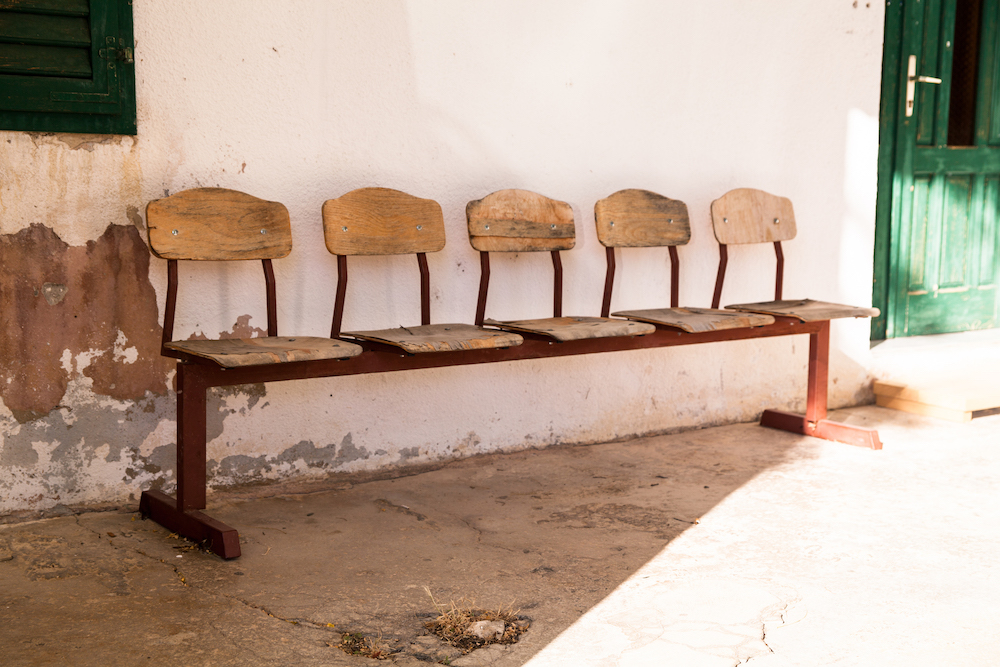
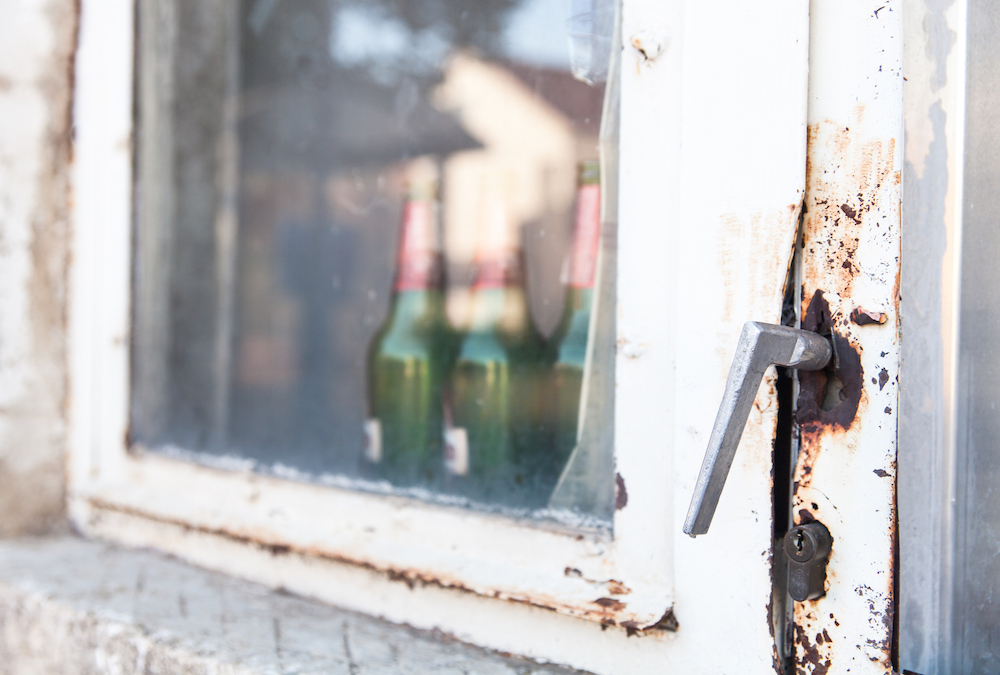
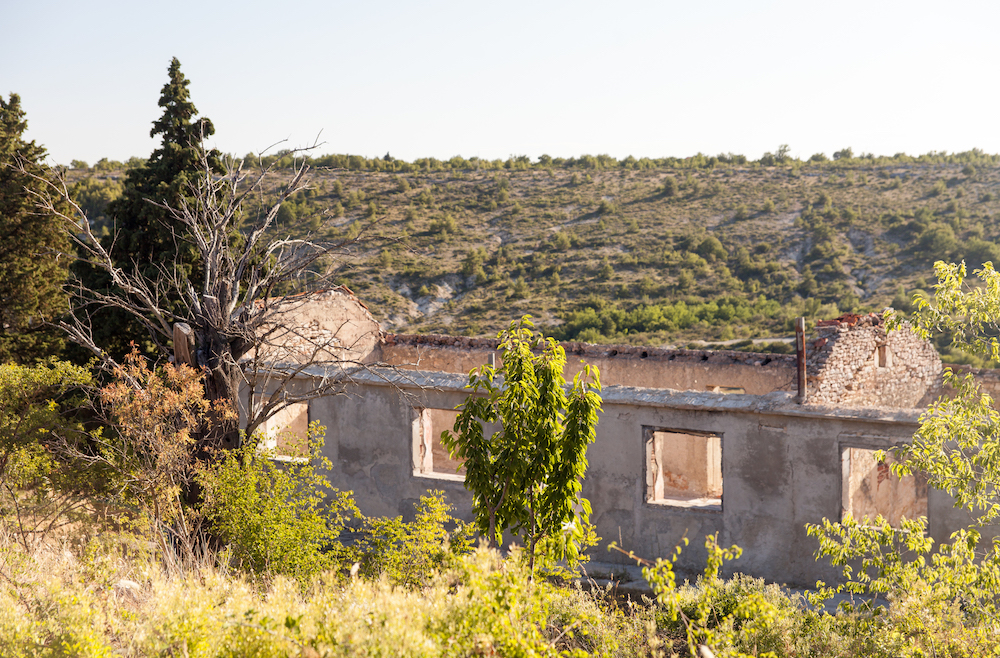
These words and photographs are from Lis Dingjan, the founder of and photographer behind Nowhere & Everywhere, which merges travel and environmentalism. She has visited over 60 countries, actually likes green juices, jumps in every waterfall and thinks we could all spend a little more time on the open road.




Canoe North Adventures
Into The Wild
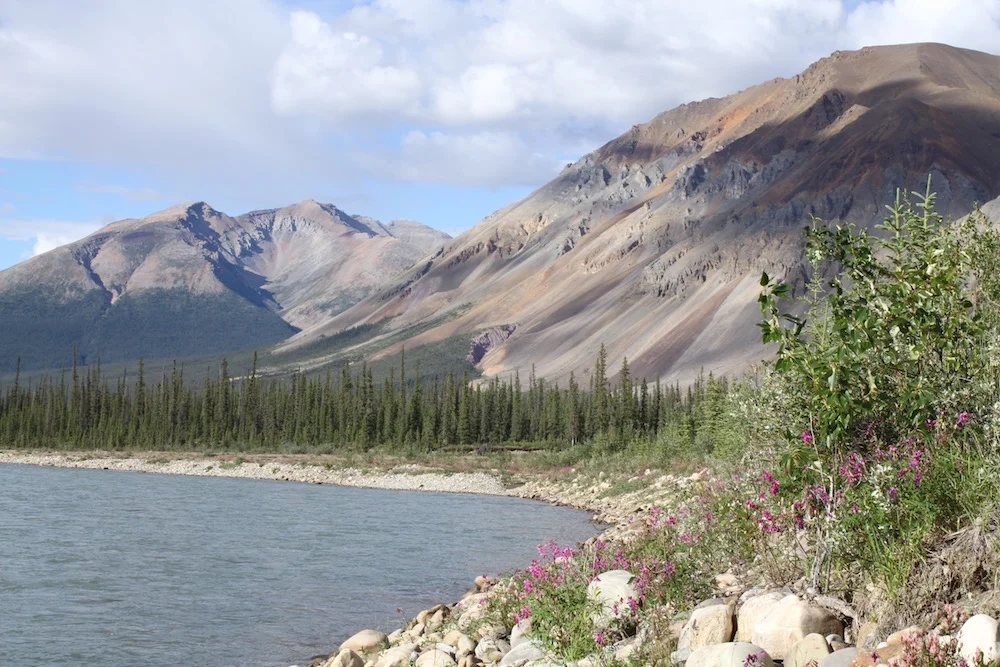
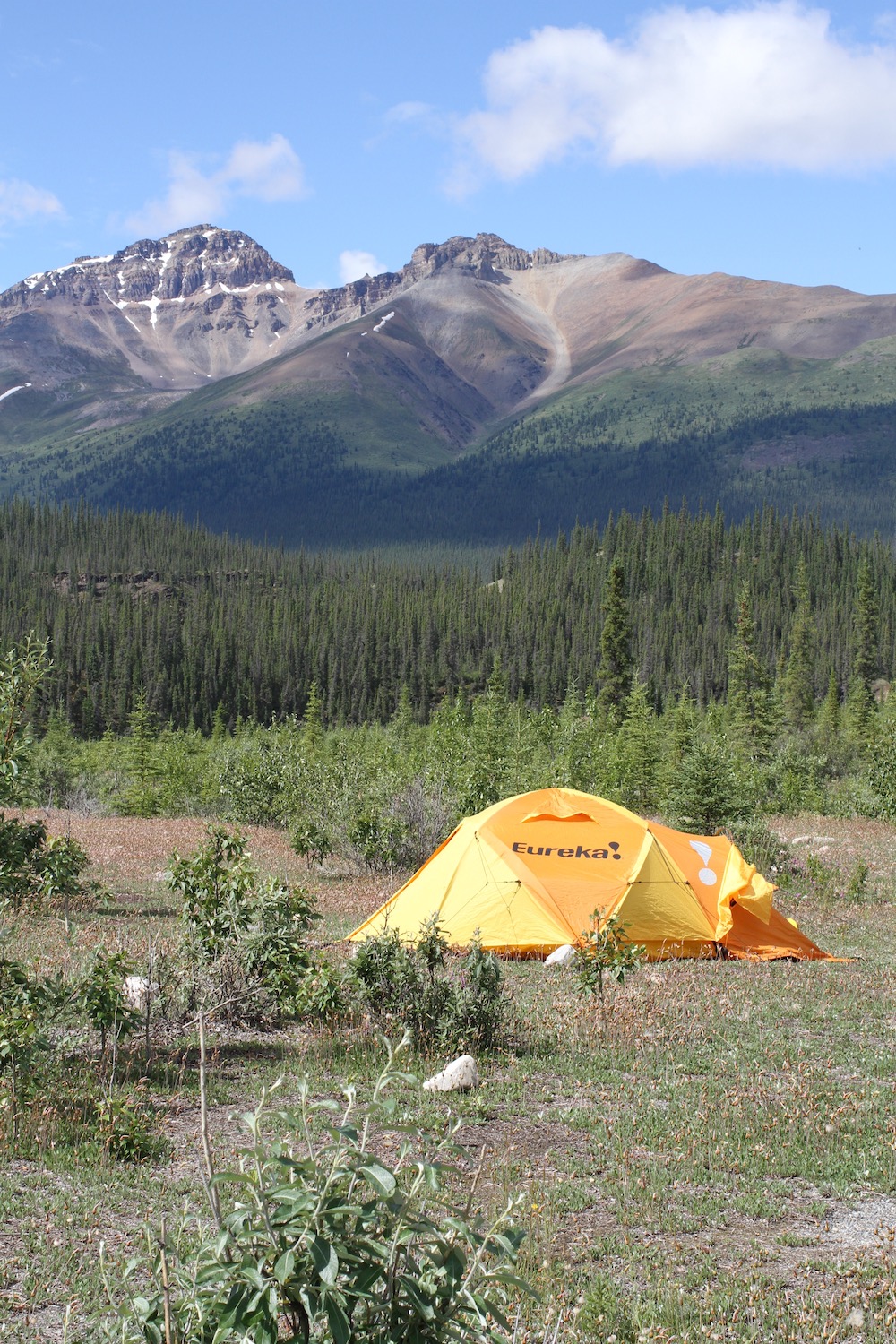
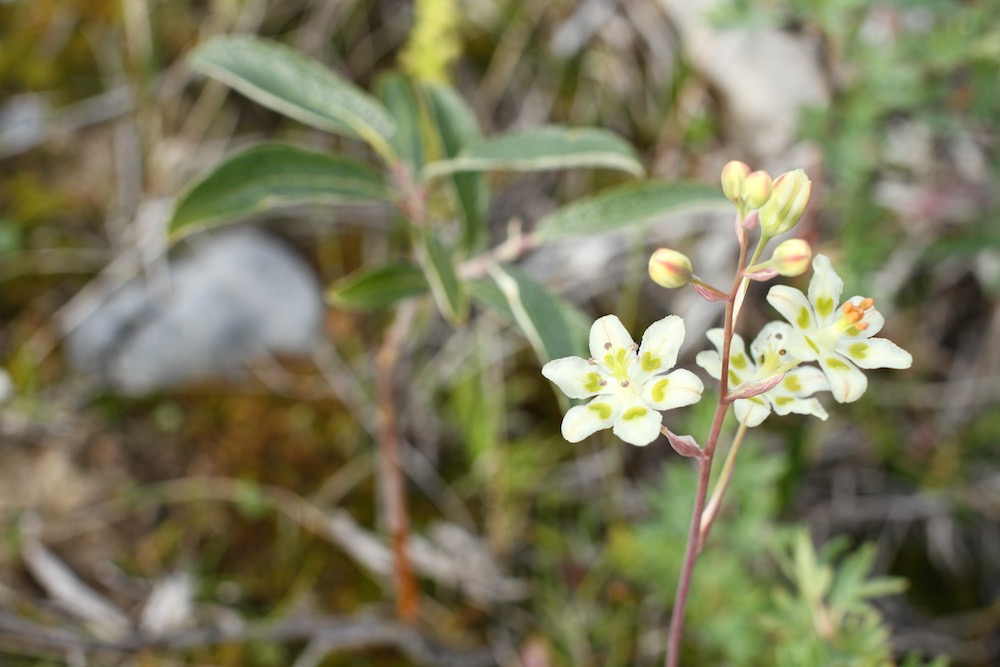
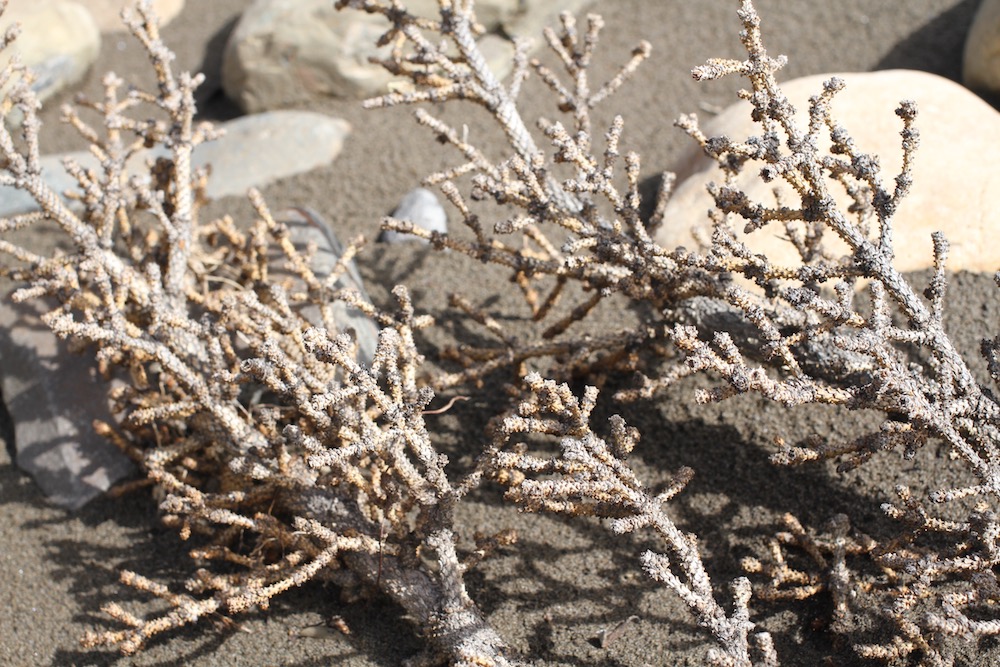
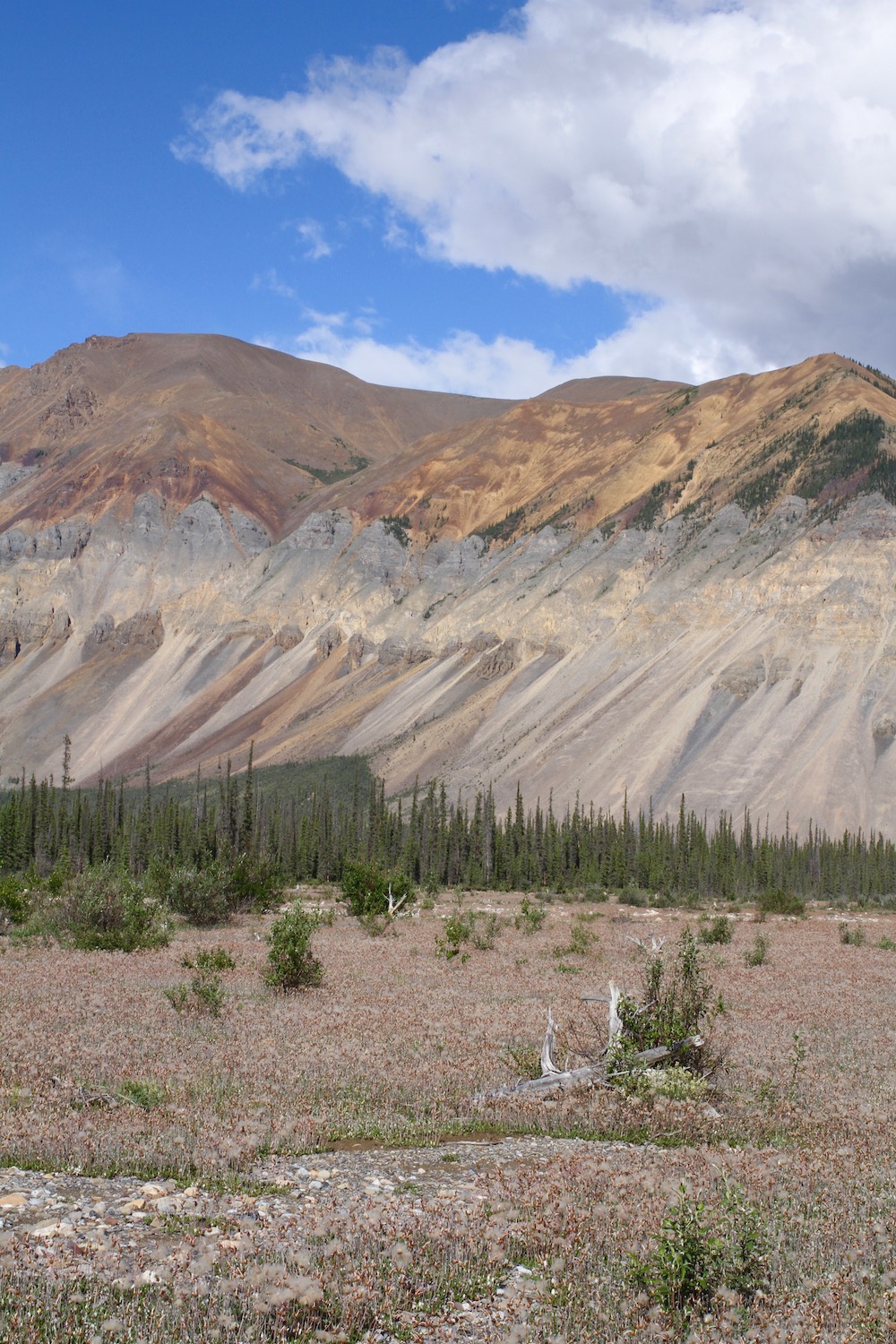
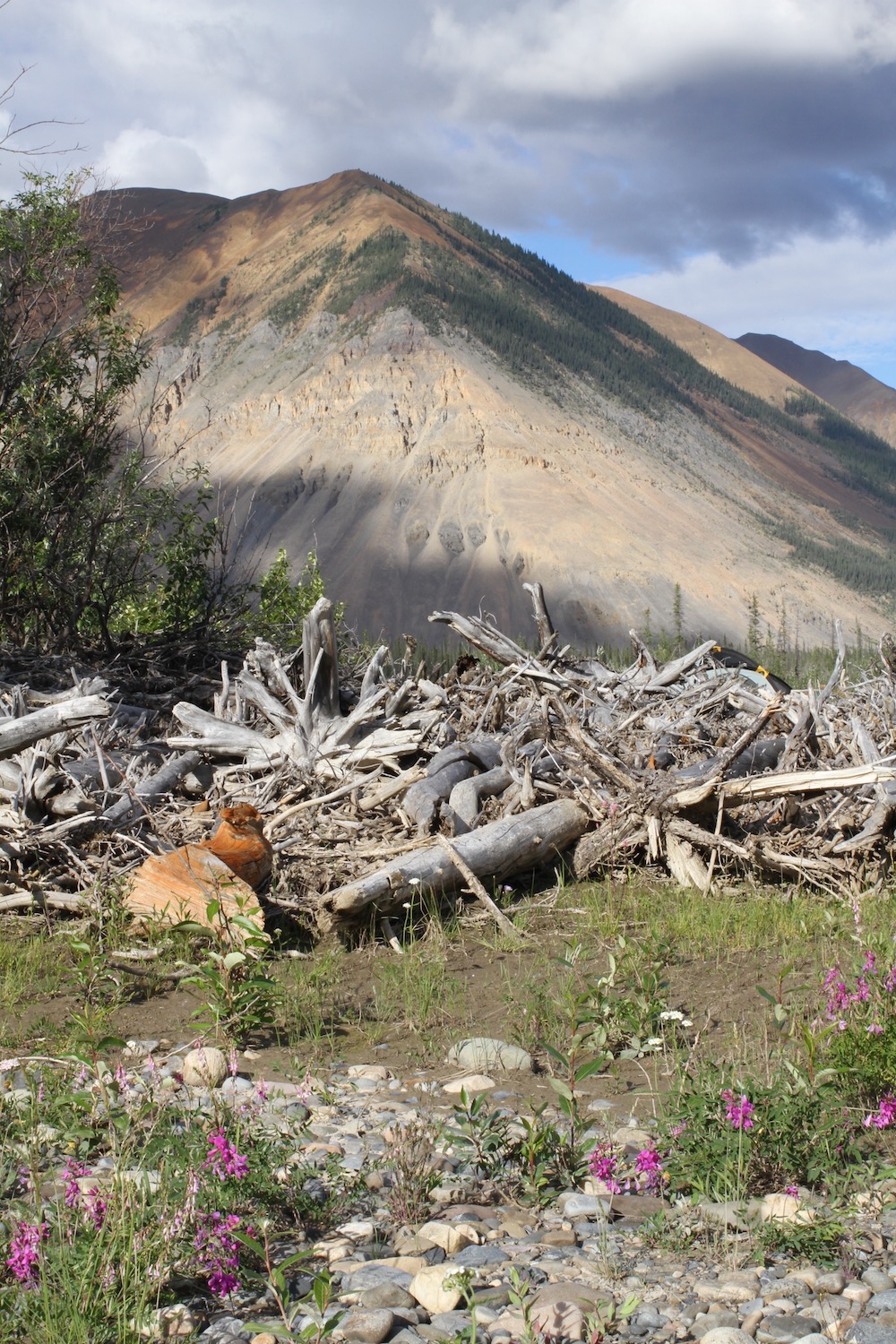
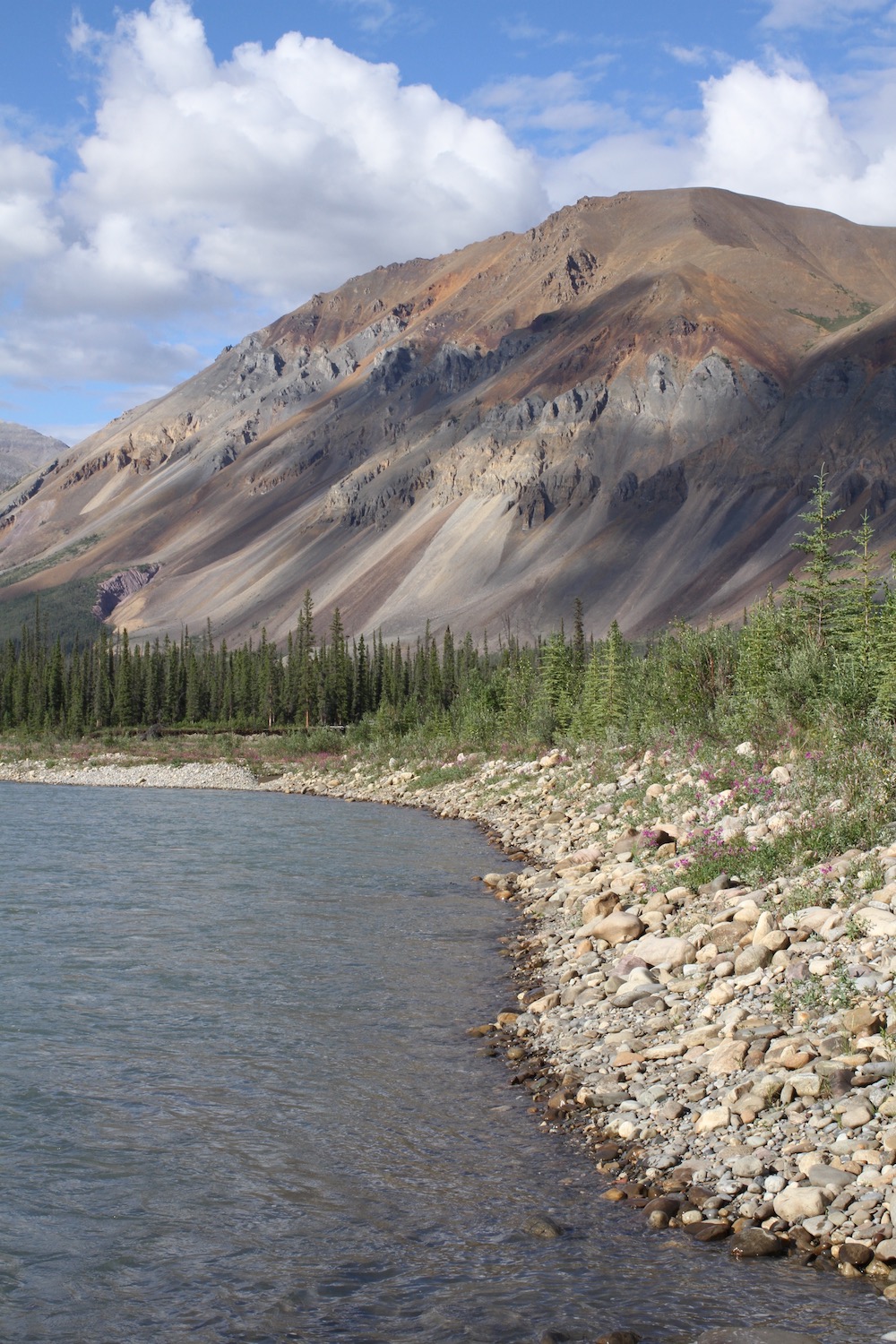
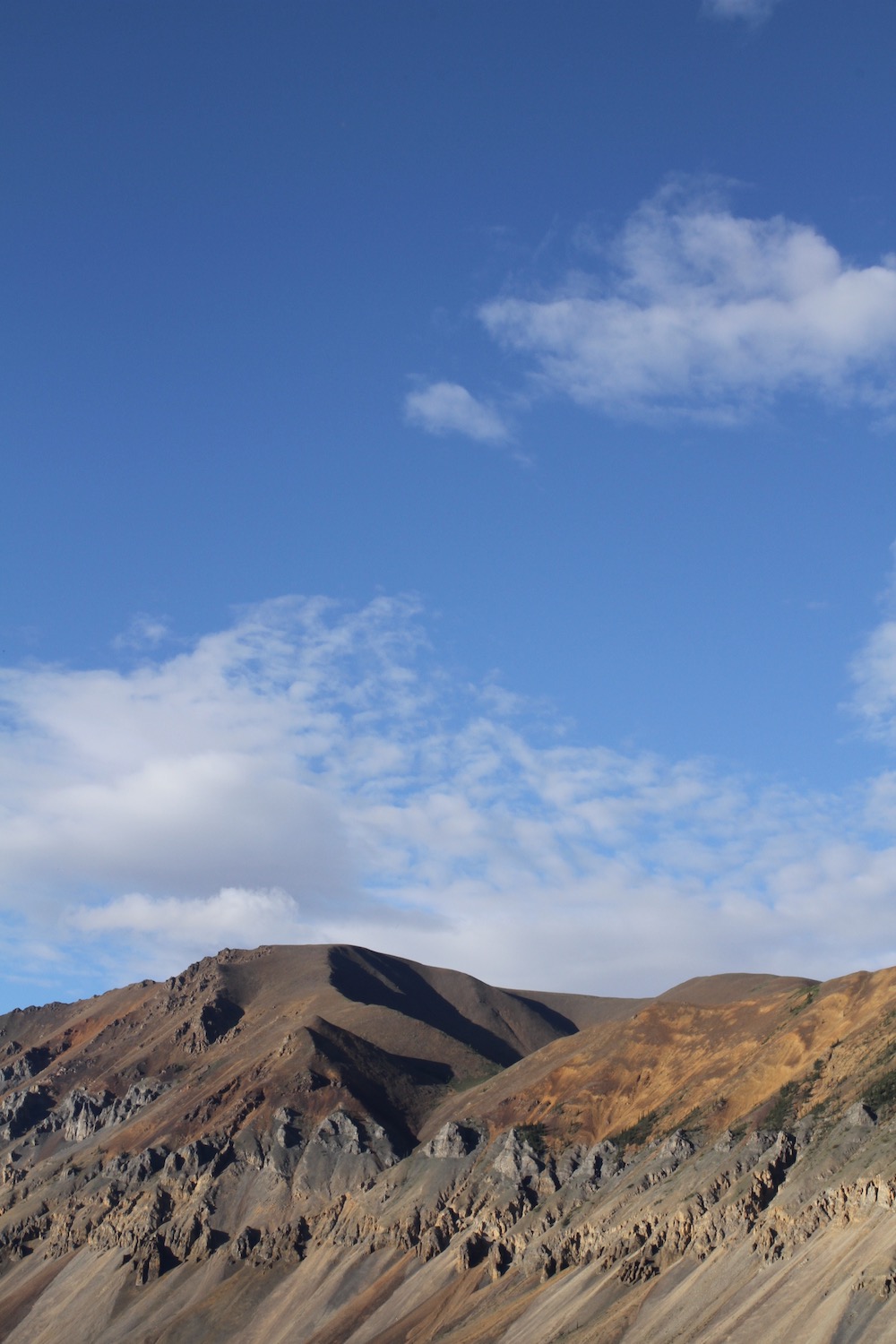
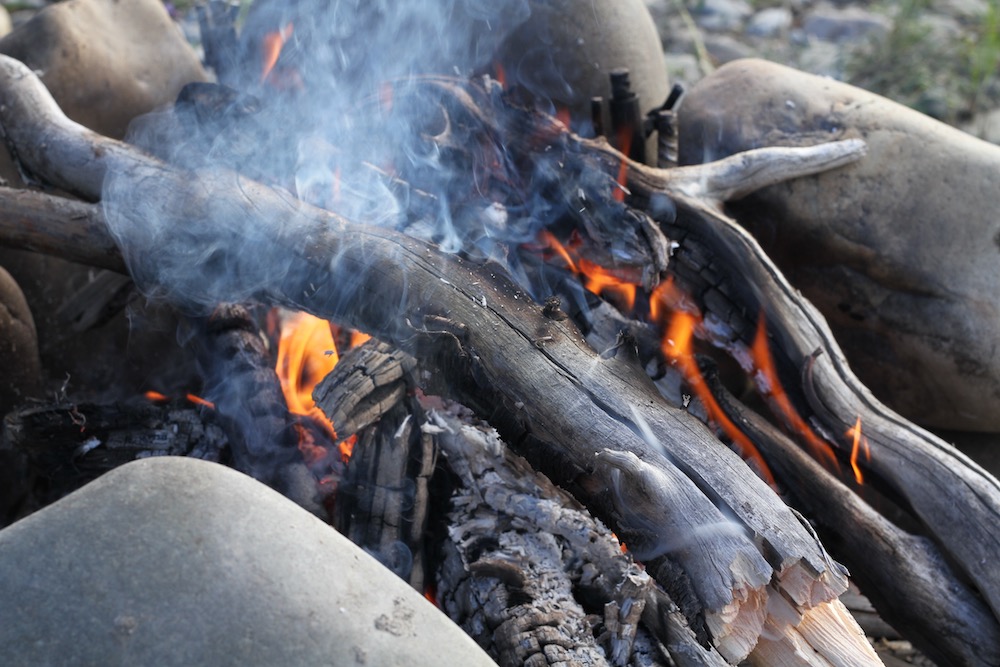
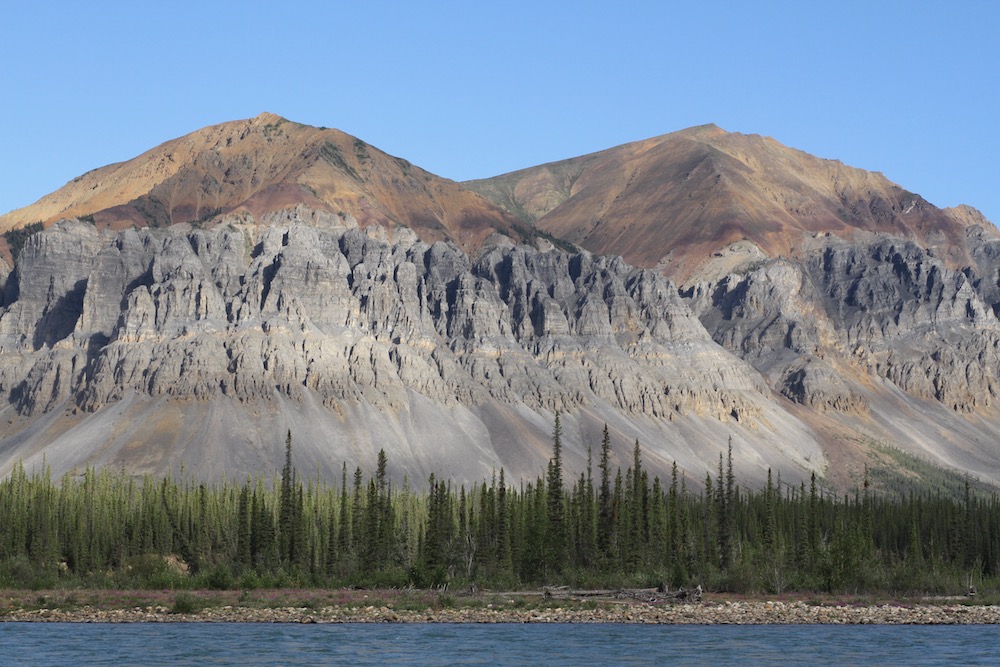
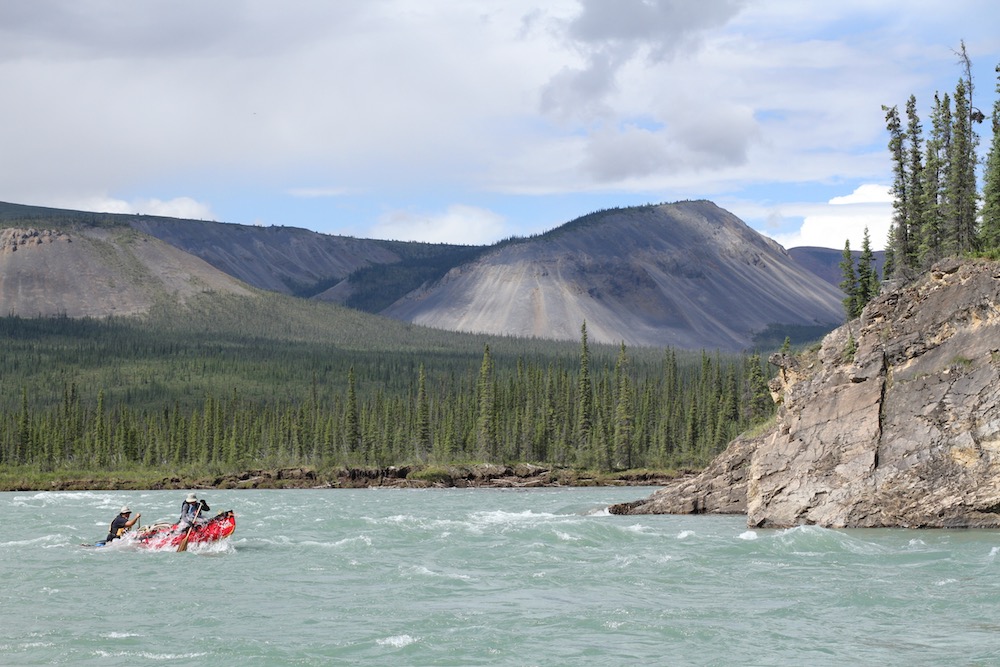
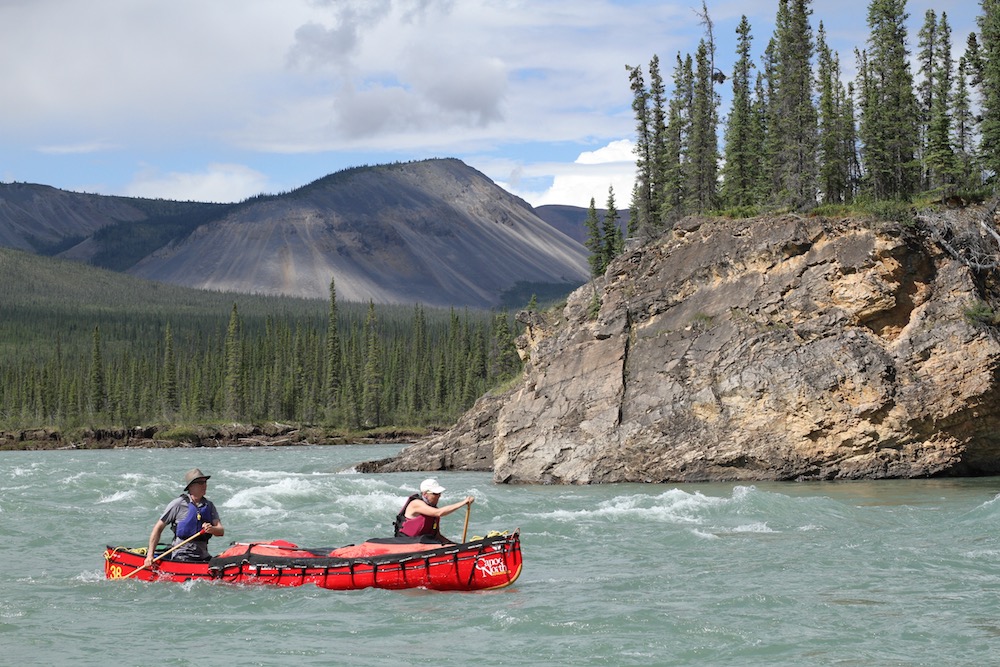
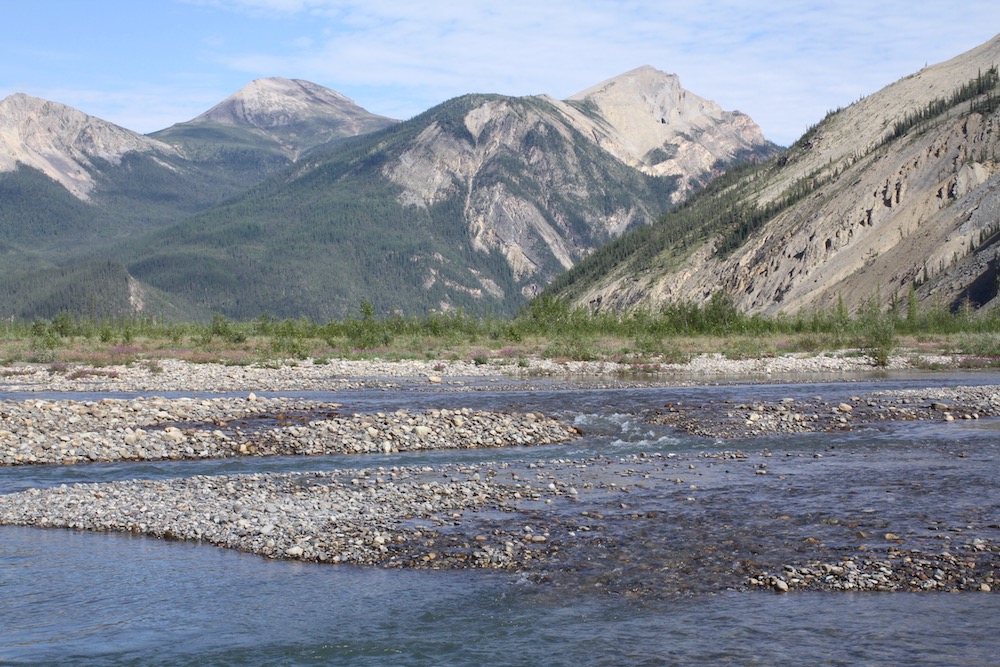
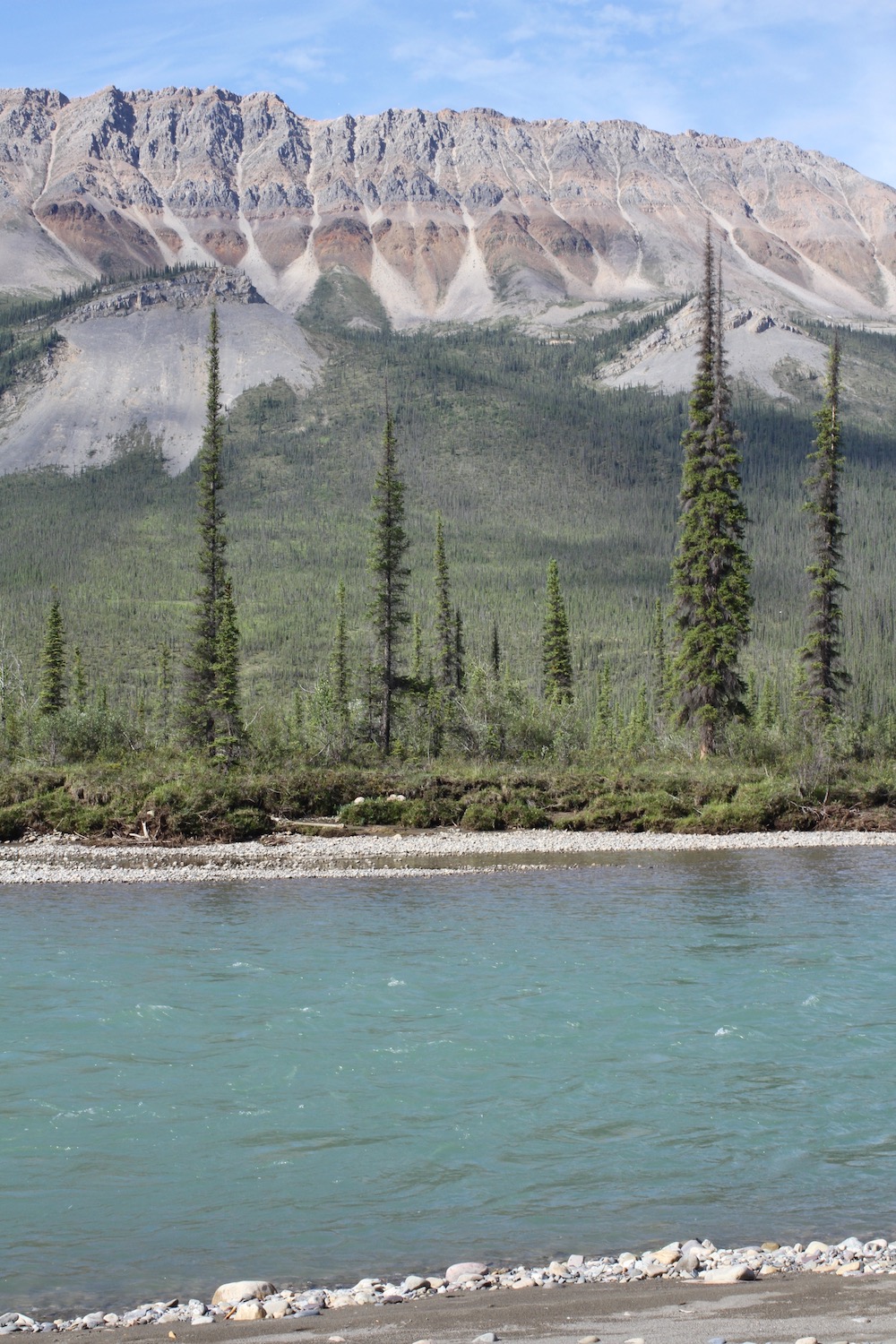
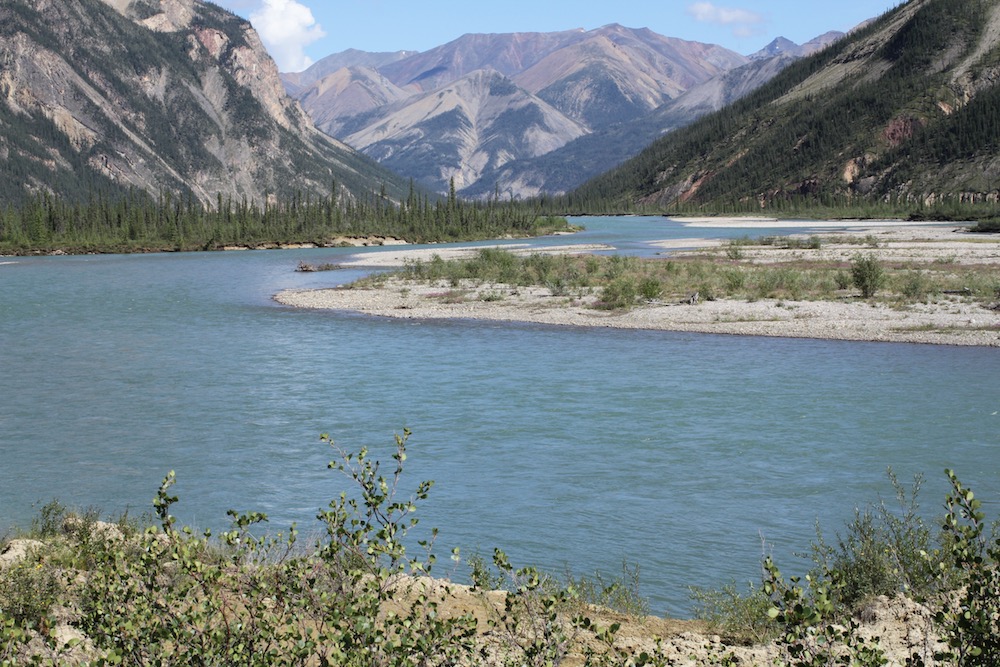
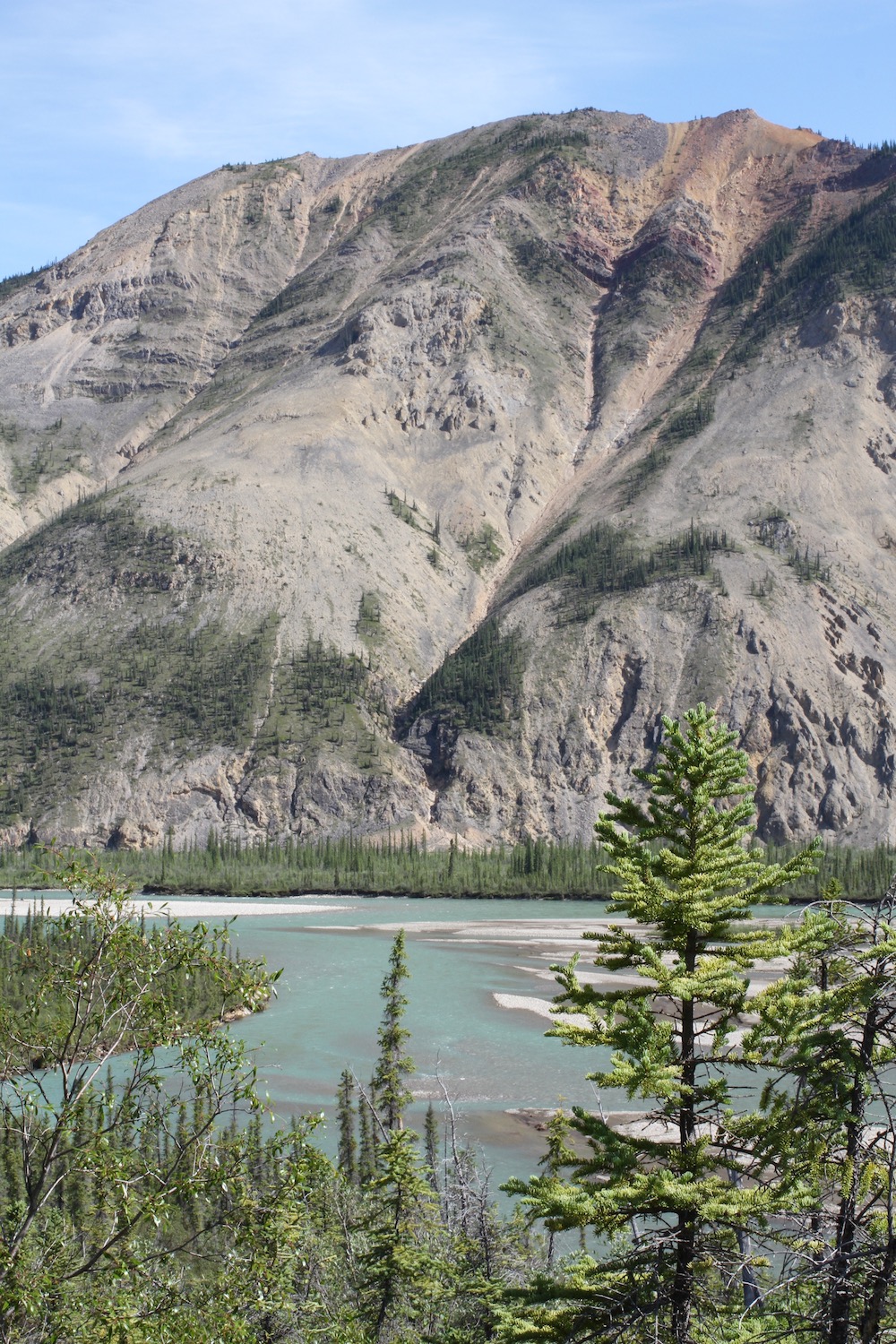
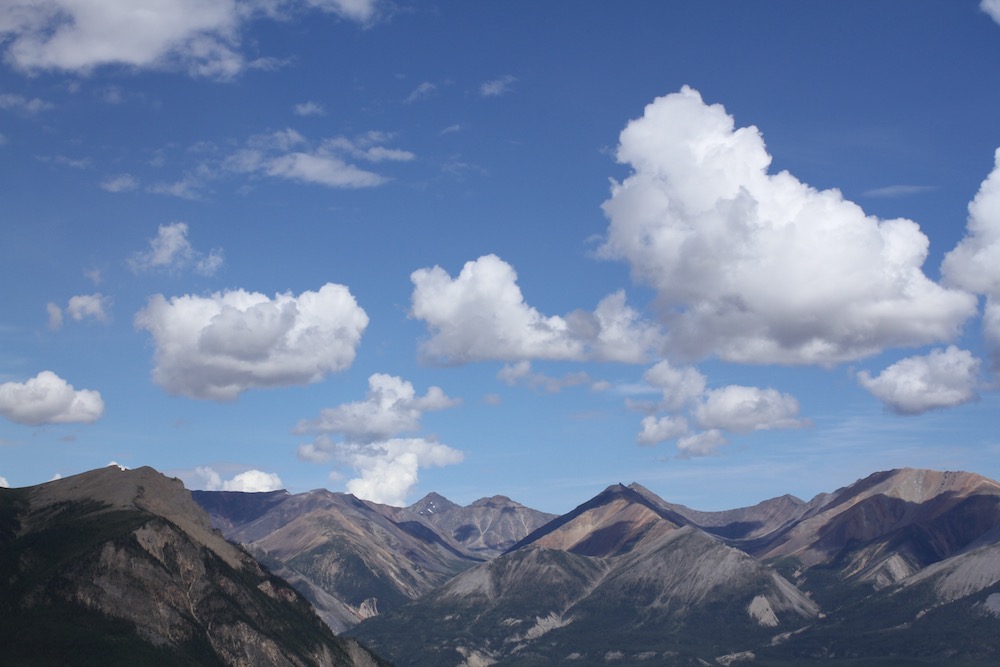
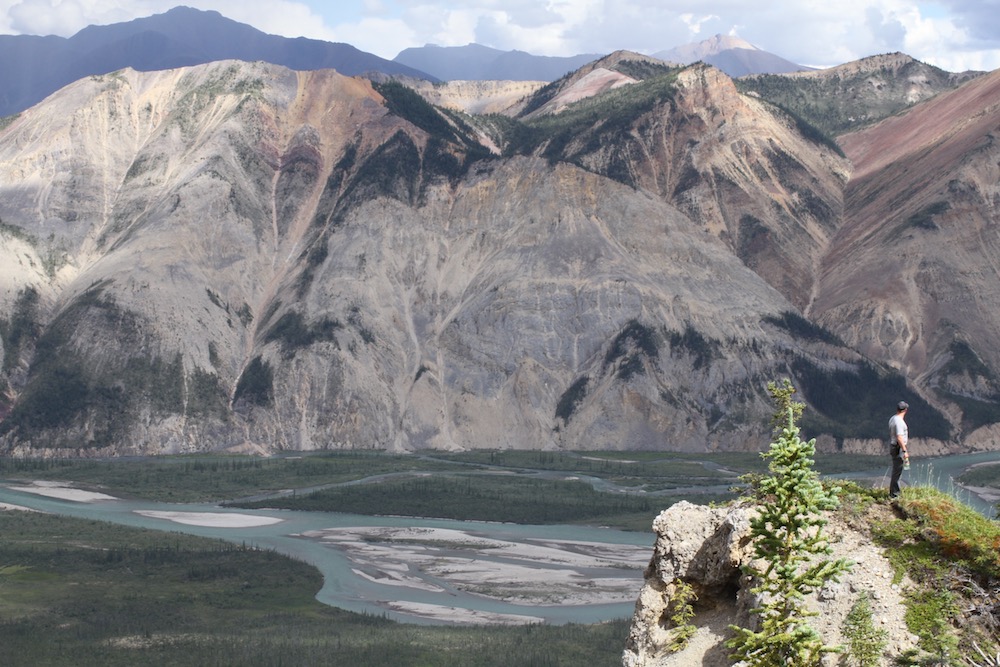
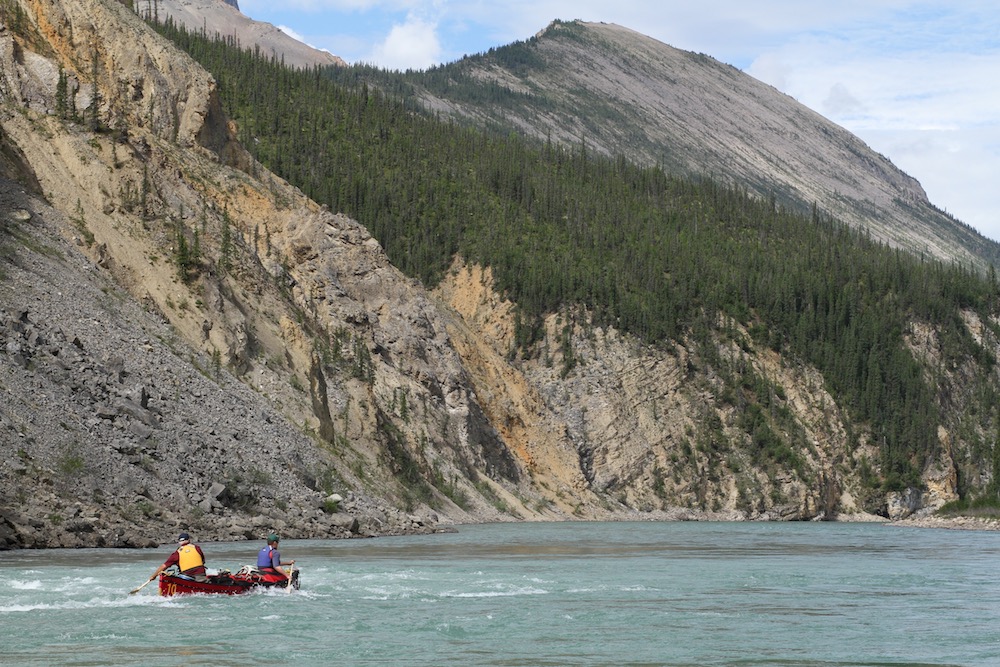
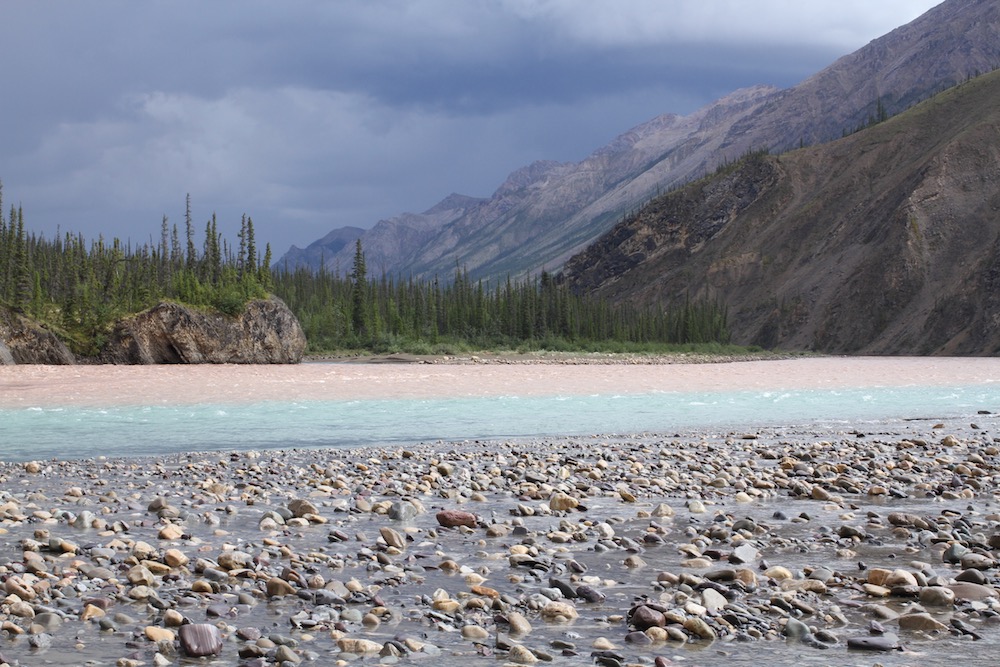
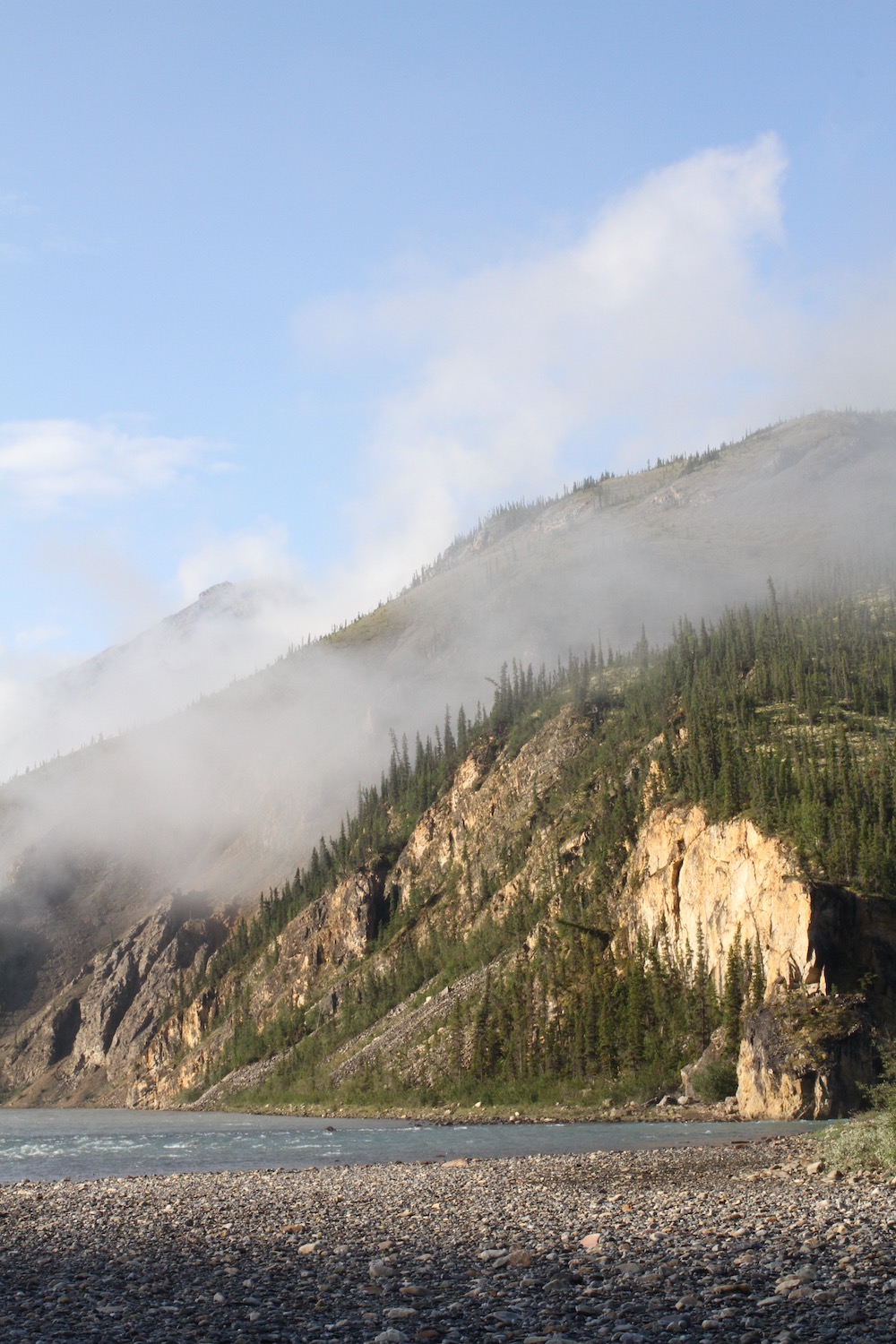
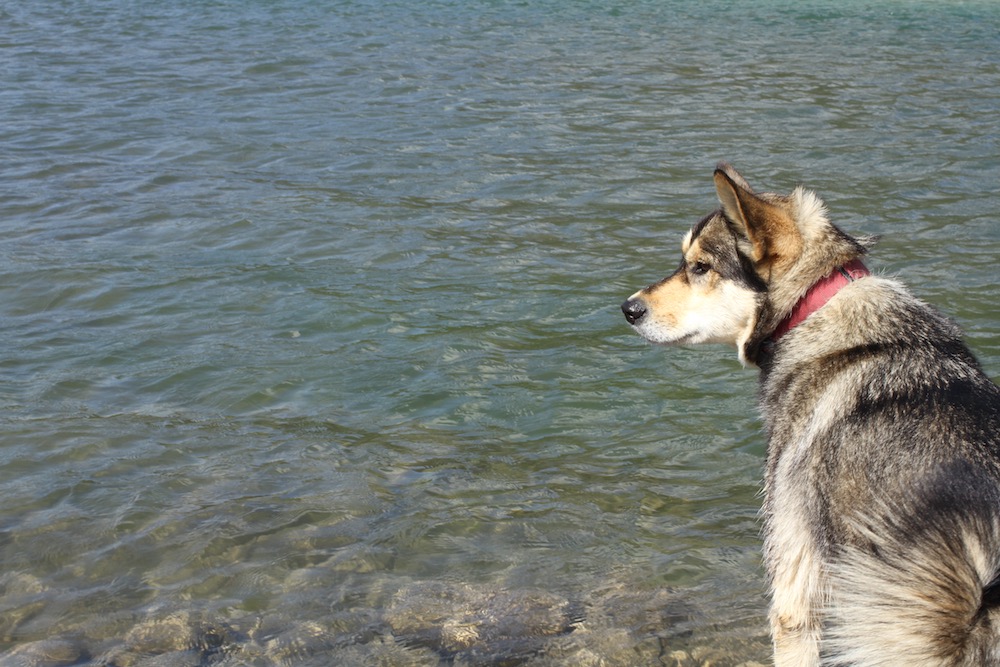
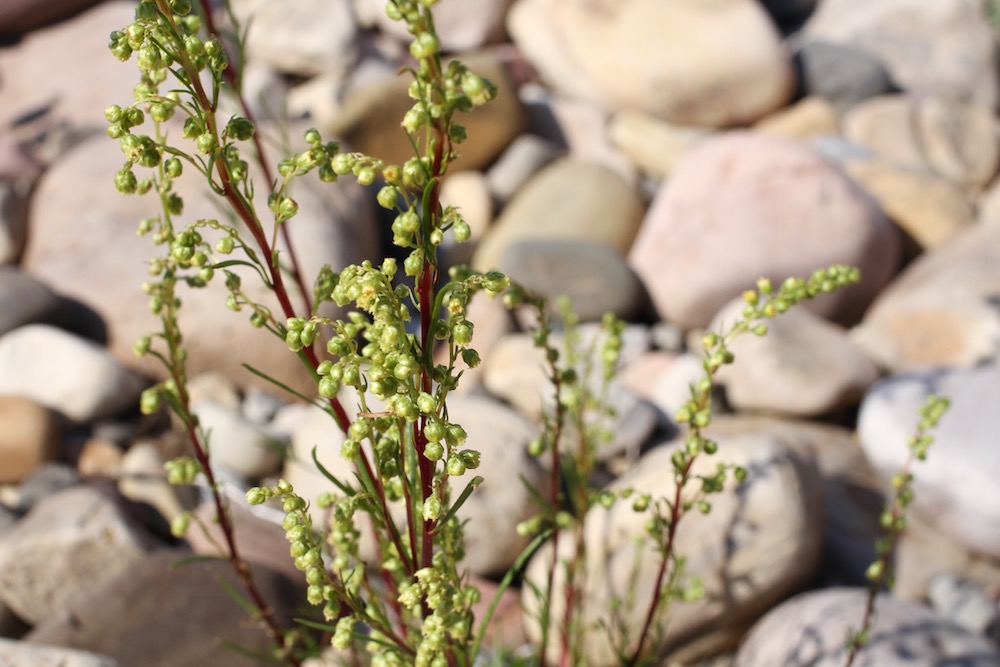
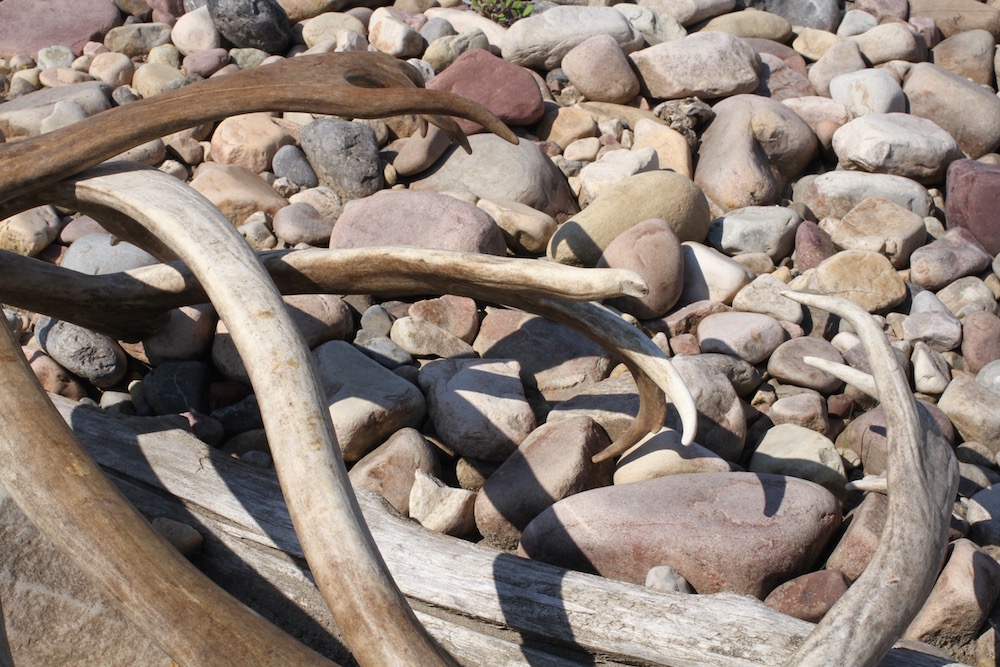
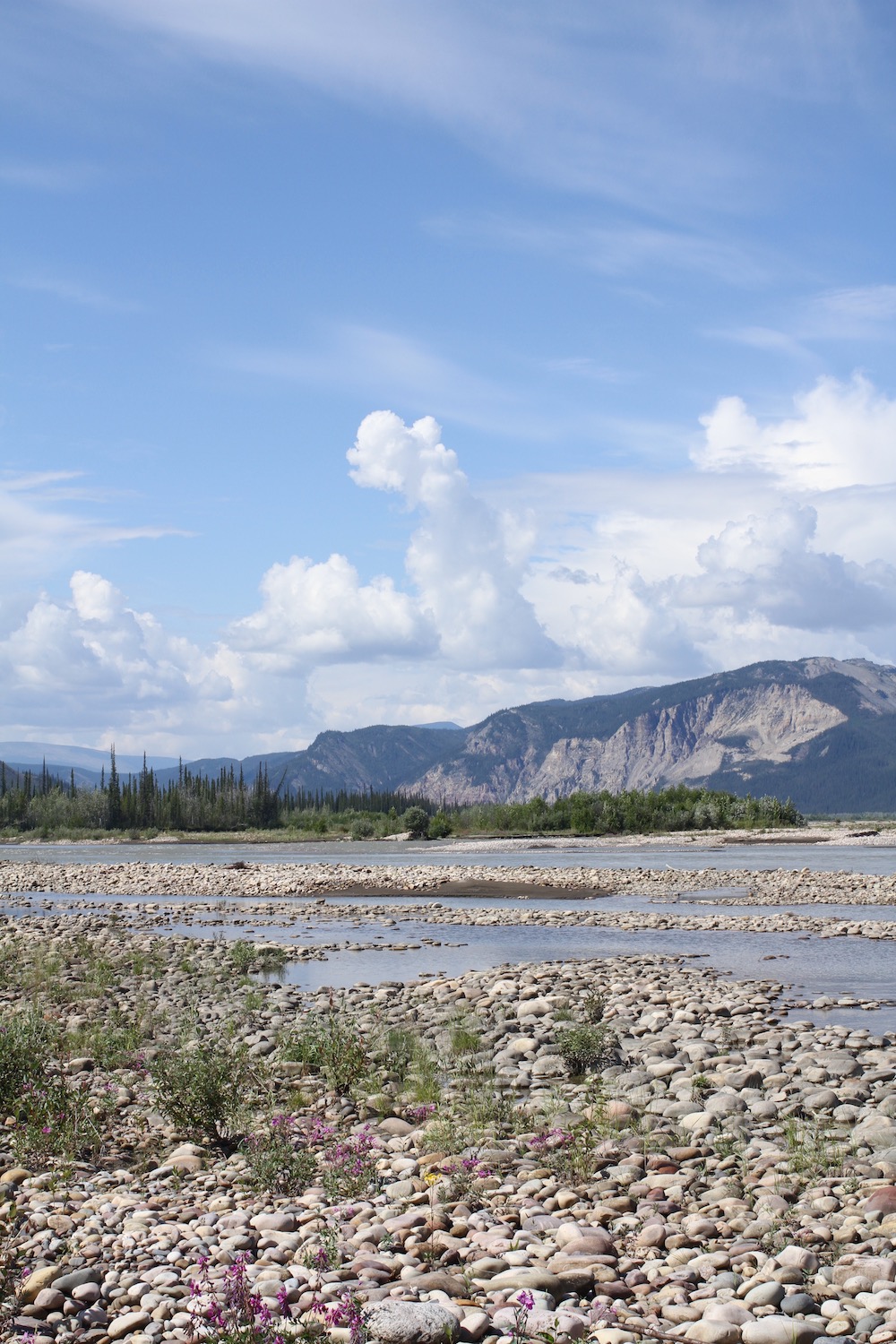
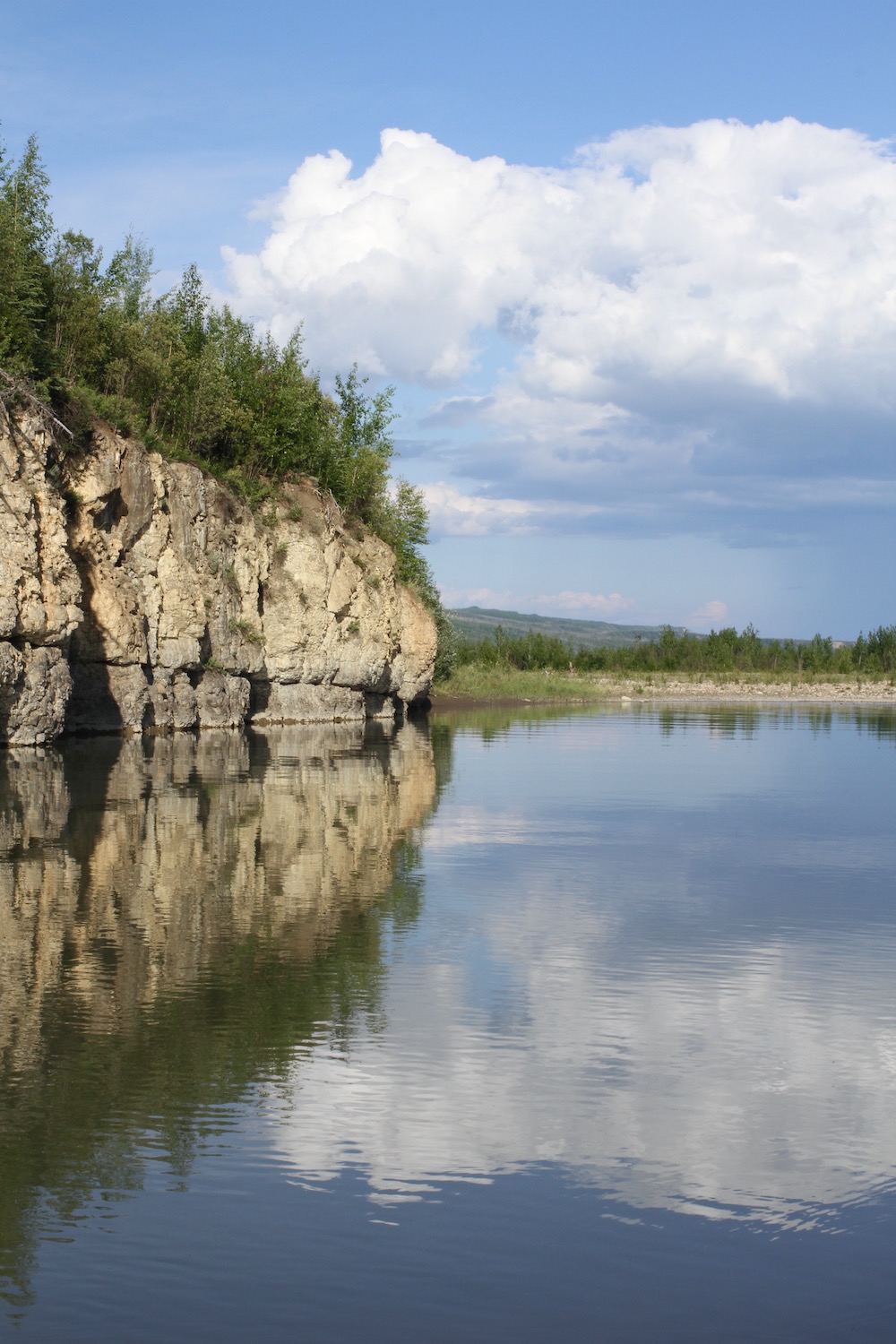
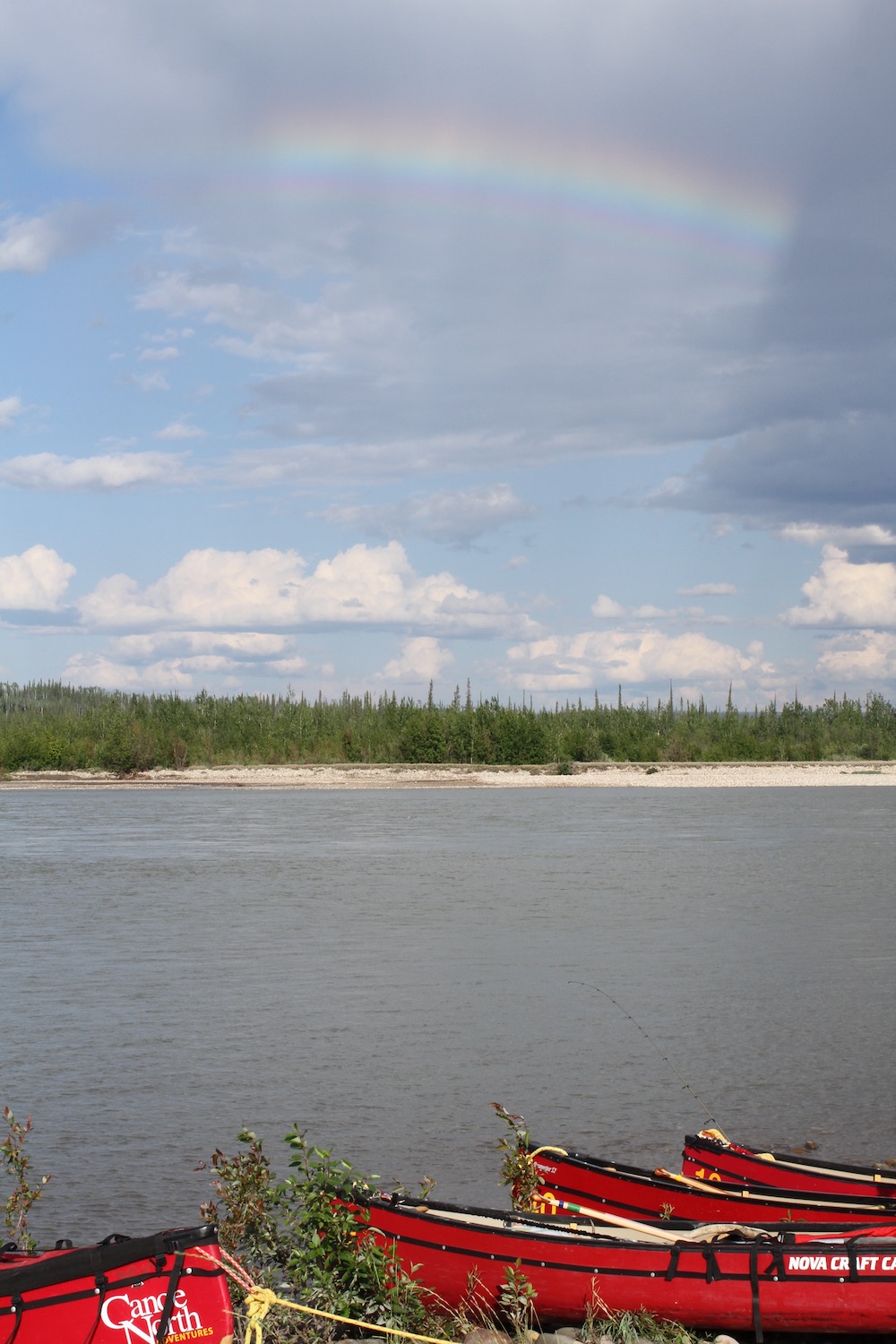
It feels like a lifetime ago that we created our Canada magazine, but certain memories remain gloriously vivid. Travelling along the Keele River in the Northwest Territories with Canoe North Adventures was an utterly life-changing experience. Not only was it one of those rare chances to venture somewhere truly wild - the sort of place you might assume was impossible to find in our modern world - but it allowed me to meet the most astounding people, hear their stories and physically push myself in the most liberating way. It's been two years since I ventured north ... I think I'm due a return journey.
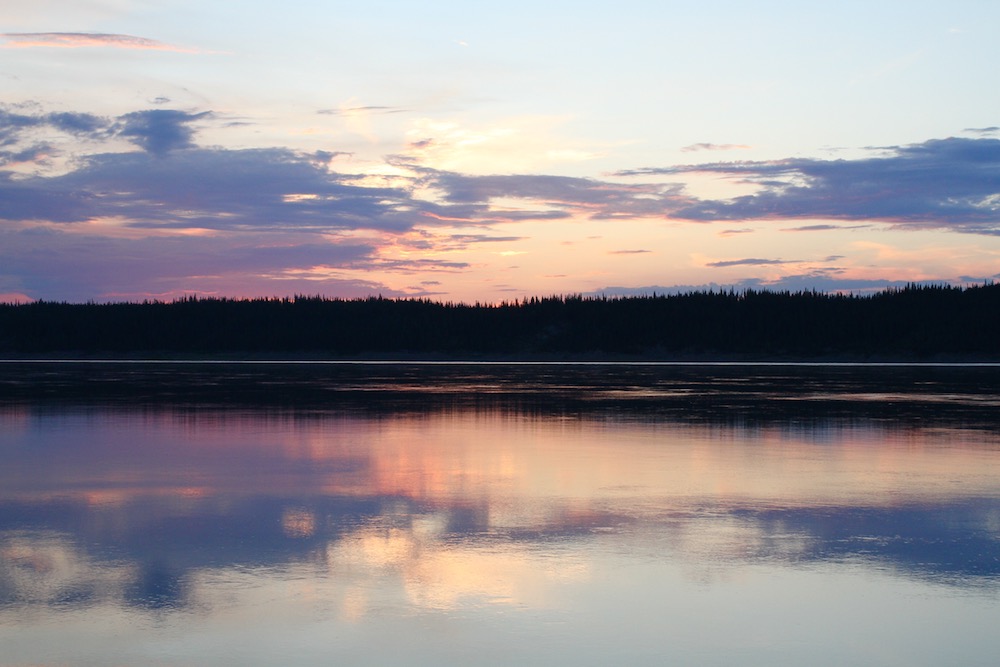
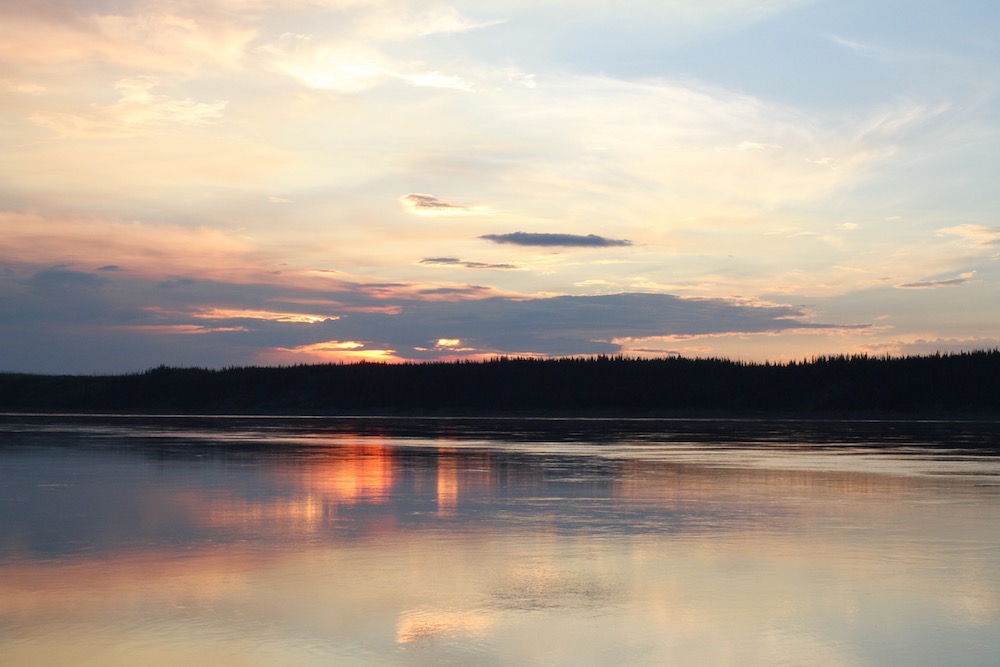
When travelling through some of the globe’s more remote locations you’re likely to have a moment of clarity. Miles from normality, you feel like you’ve found another world, a place where only your immediate reality matters. For me this happened on the Keele River in the Sahtu Region of the Northwest Territories. I’d been paddling in the bow of a canoe for ten days when, late on a sunny summer evening, the water around me became a reflected mass of rose gold clouds, the perfect mirror of the sky above. With no discernible horizon, it was as if I was travelling through a dreamscape where down was up and up was down; the surreal setting a reminder that in this world there is true, untameable beauty. And to uncover it, I’d recommend travelling north.
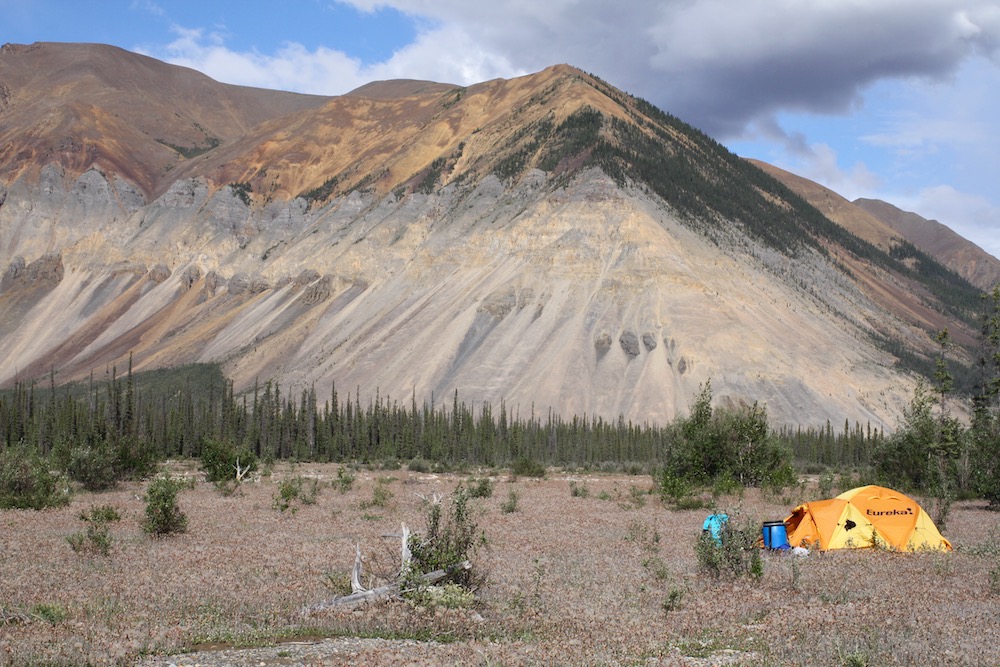
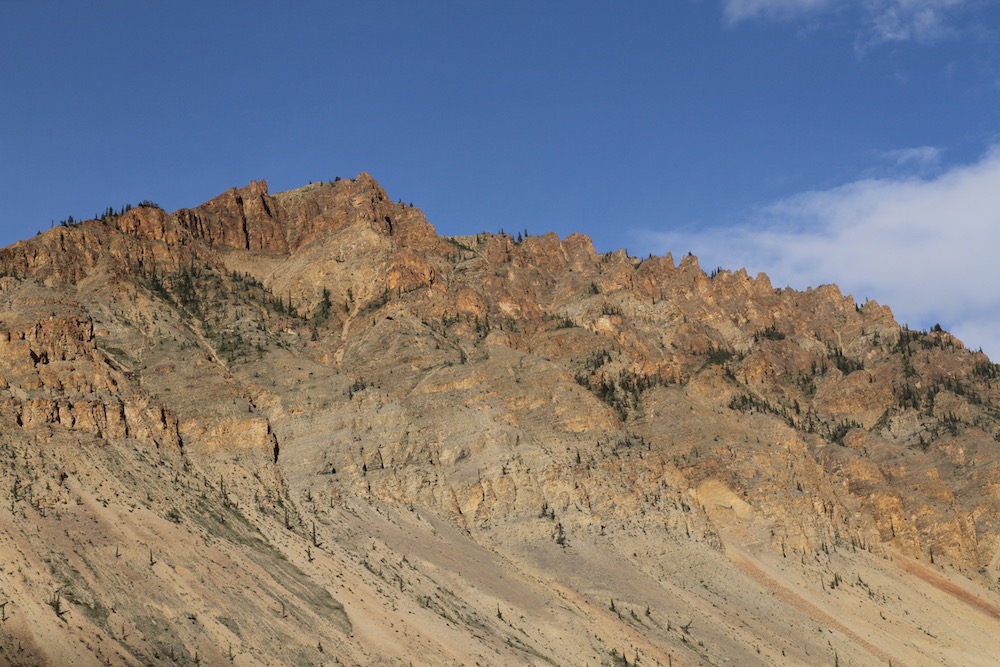
Along the Keele River you’ll encounter the kind of landscape they envisioned when they first thought of the sublime. It’s a setting that makes you feel small, dwarfed by the surroundings. There are mountains chiselled away by wind and rain, the last patches of summer snow clinging to their peaks, and marbled cliff faces seemingly painted into the scene. But rather than feeling overwhelmed, you’re honoured. It is difficult to find something so majestic, so much bigger than yourself. And here it is, not all that far from the Arctic Circle, a region where many landmarks remain nameless and a canoe is the most desirable form of transportation.
Copies of our Canada magazine are still available to buy here.
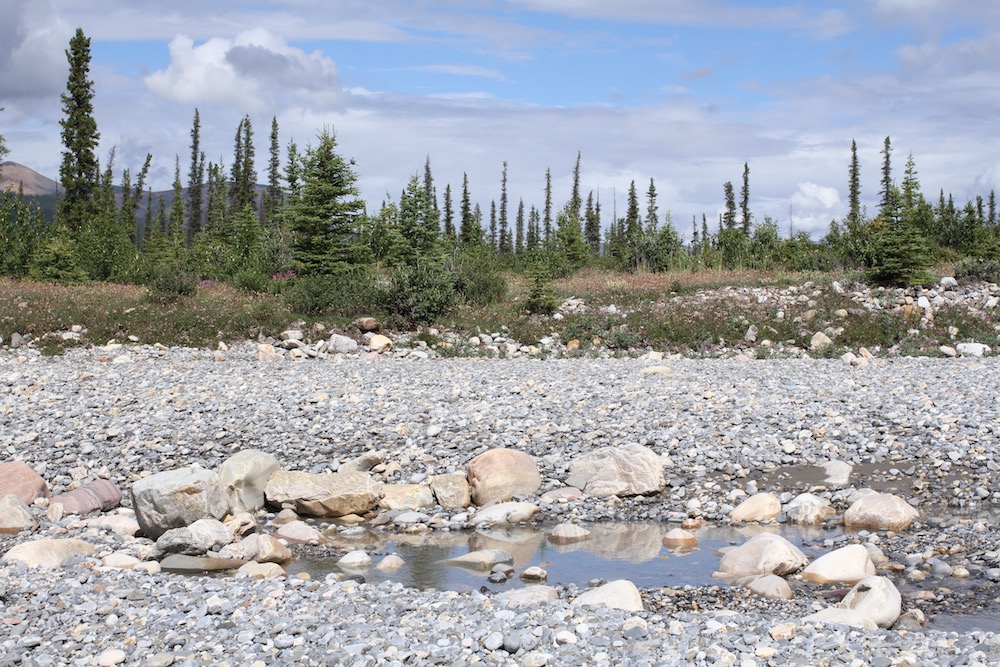
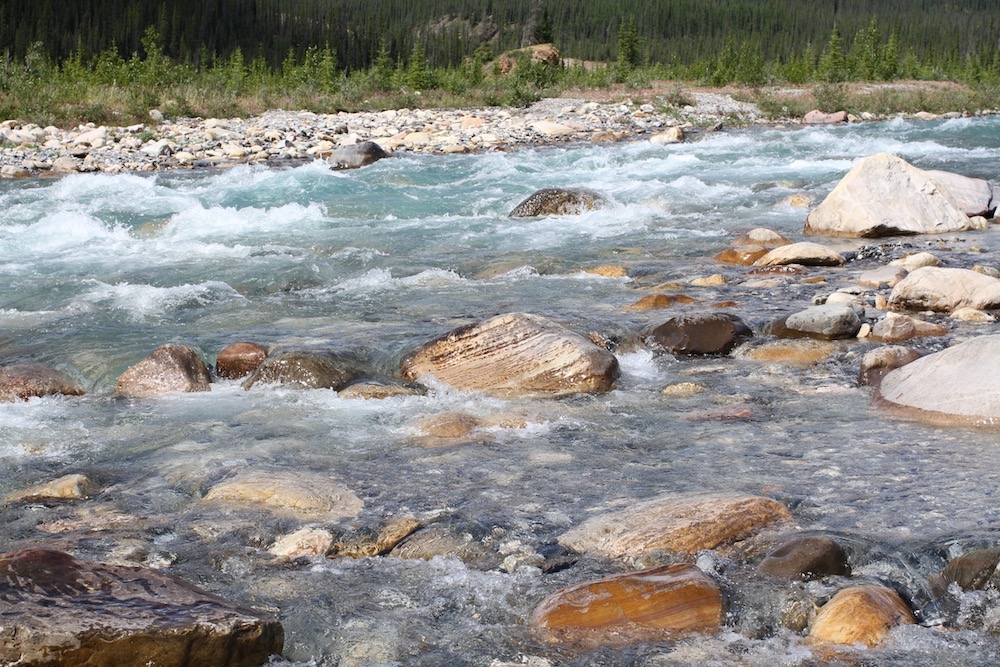
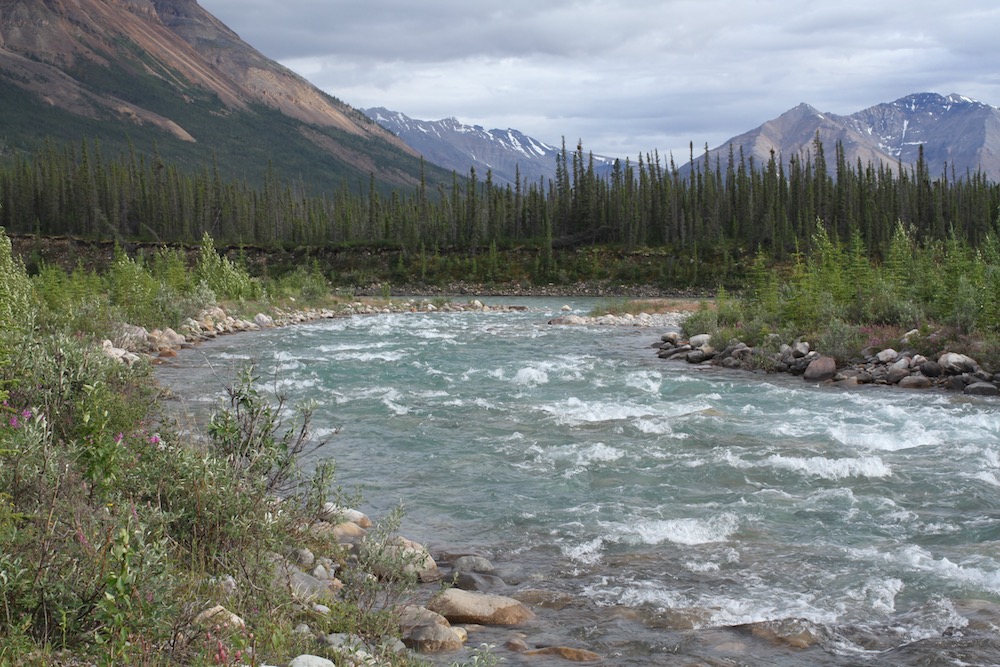
Que Sera Sera
Shedding a little light on what our contributors get up to outside the magazine.

Shedding a little light on what our contributors get up to outside the magazine.
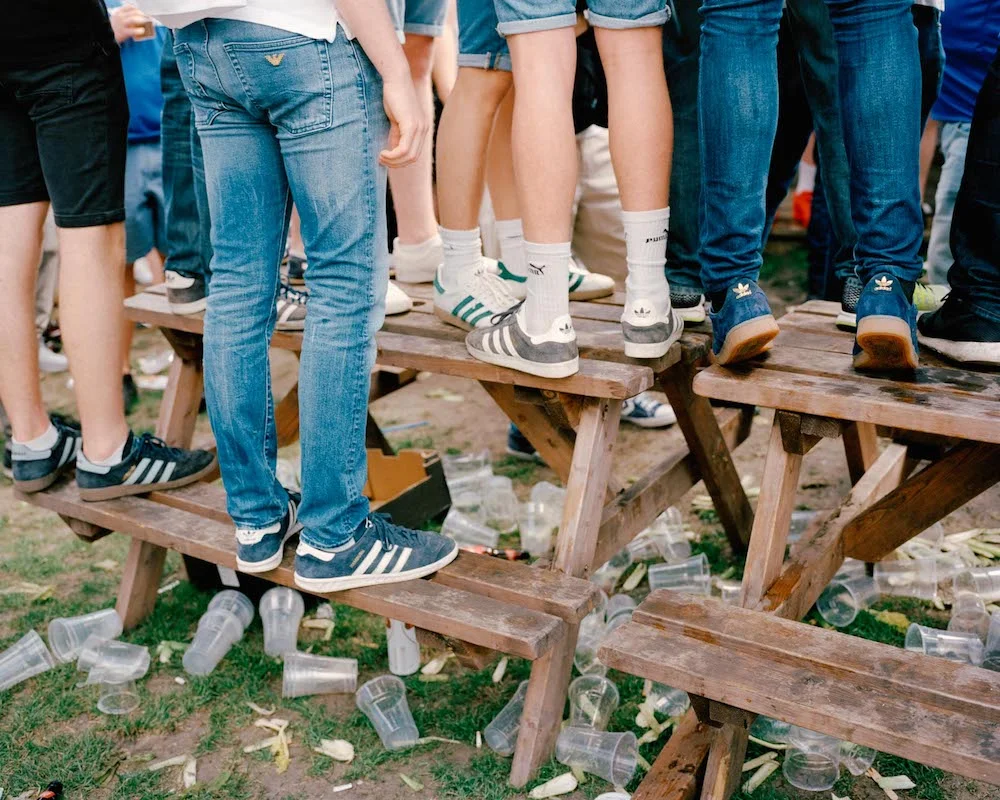
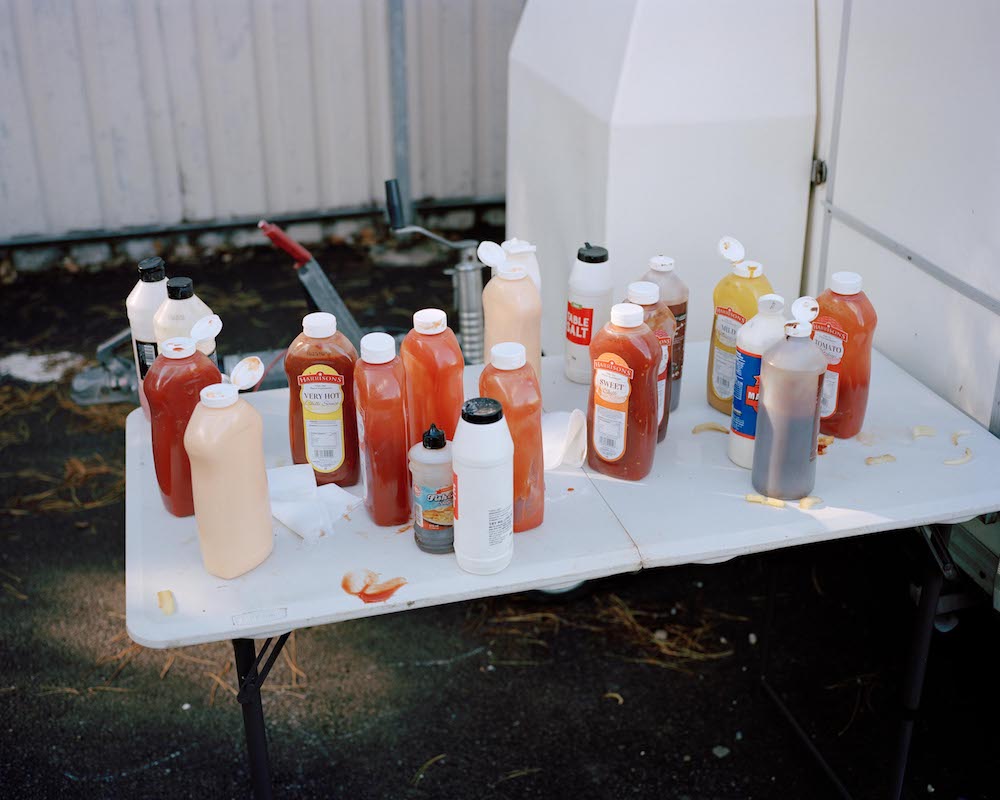
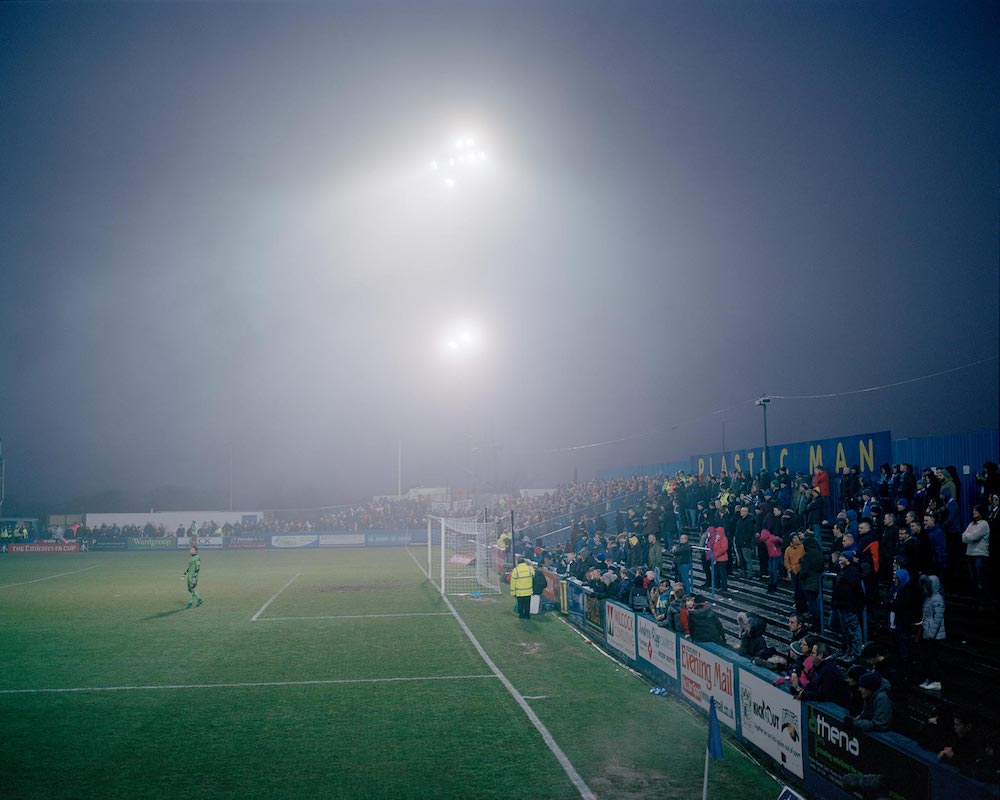
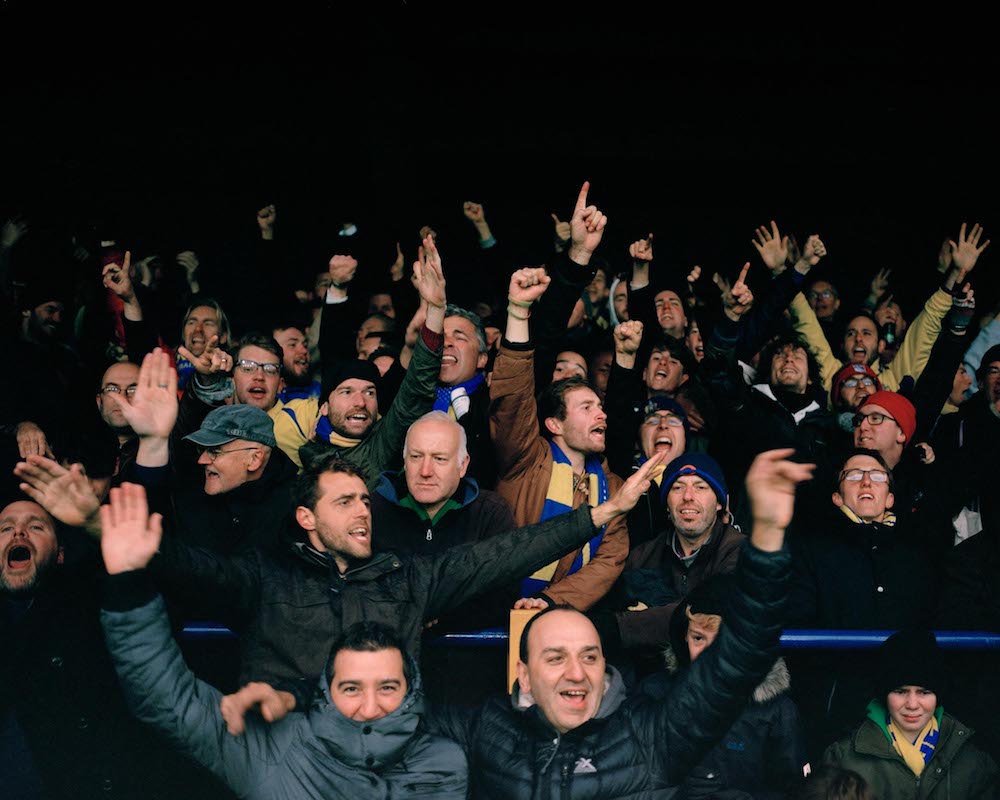
Que Sera Sera documents a year long FA Cup campaign across England with full access to the stadiums throughout the competition, providing a looking glass in which to view the modern game beyond the glitz and glamour. The series is now being turned into a photo-book with a kickstarter campaign in collaboration with renowned documentary publishers Bluecoat Press. It’s currently live with only a days to go to make it a reality - kickstarter.com/projects/queserasera/que-sera-sera/
The FA Cup is one of Britain's greatest sporting institutions. With a history stretching back to 1871, it is the oldest football competition in the world and still possesses huge cachet for players and supporters alike. Photographers Joseph Fox and Orlando Gili saw the FA Cup as an opportunity to reverse the camera and capture fan culture from the top teams down to the grassroots, taking you on a footballing right of passage from the perspective of the fans.
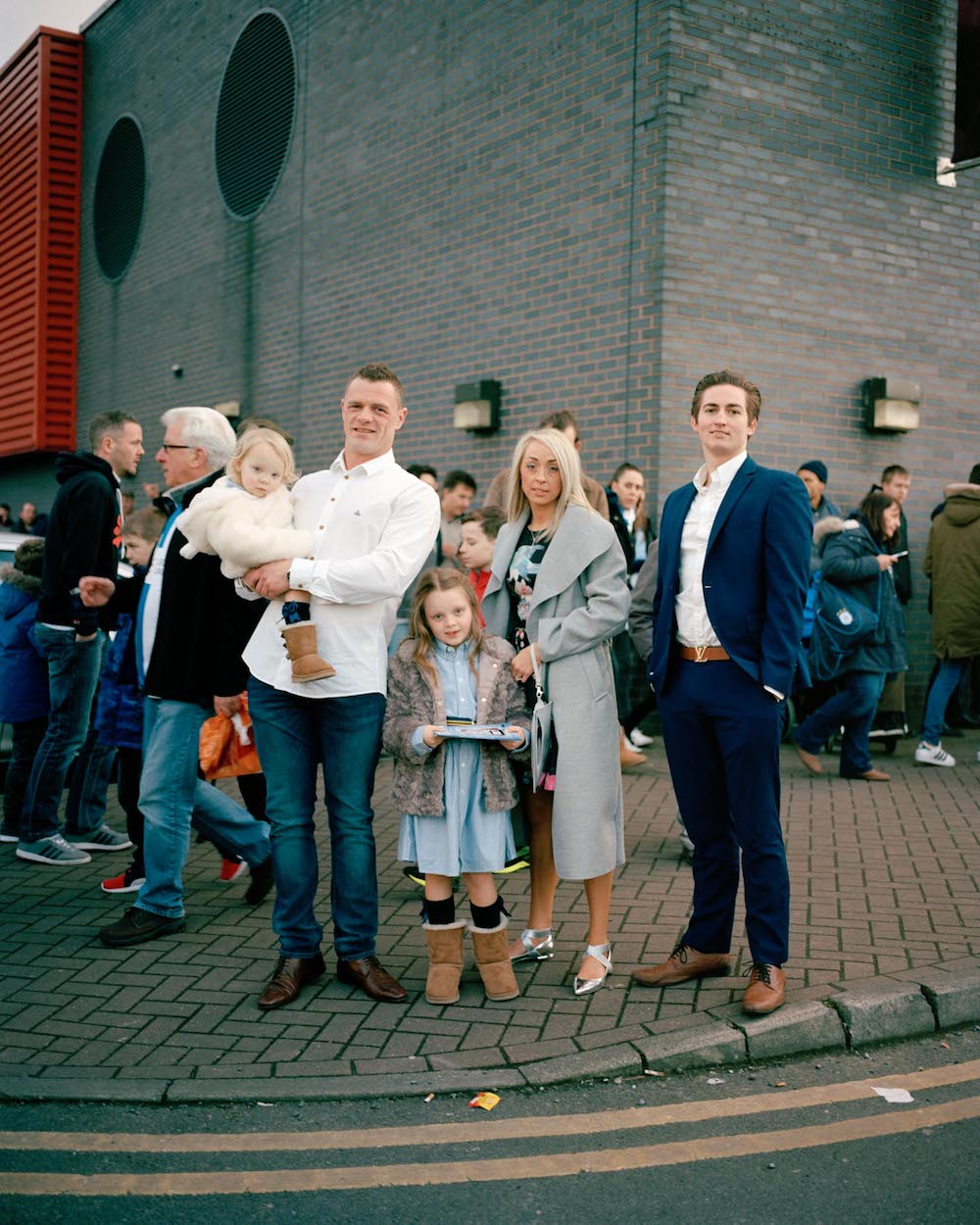
Que Sera Sera tracks the campaign beginning in mid August during the extra preliminary rounds, a few miles down the road from Wembley stadium. Following each winner into the next round, the two photographers travelled a combined total of more than 3,000 miles over 10 months, taking in 13 rounds and 15 games (including two replays), returning full circle back to Wembley for the final. Uniting every fan across the country during each round you can hear a hopeful yet resigned chant reverberating around the terraces ‘Que sera, sera, whatever will be, will be, the future's not ours to see.’
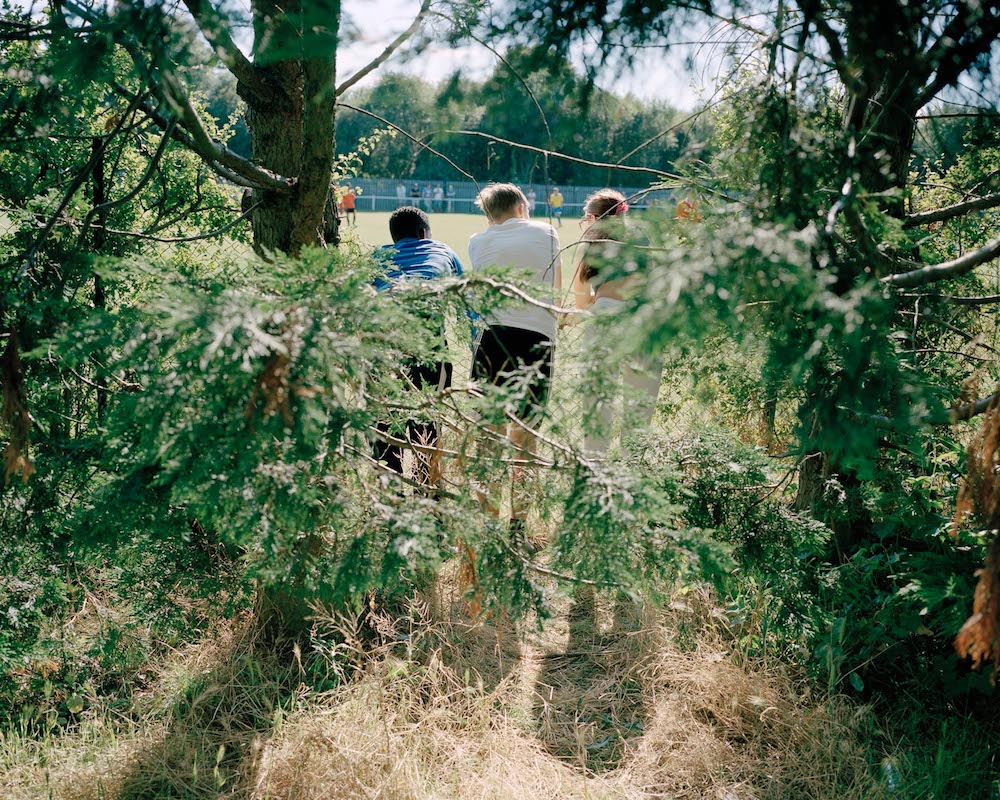
The series of images build up to provide an anthropological look into Britain’s obsession with football, at every level of the game. It questions whether the country’s preeminent domestic cup competition still retains it’s magic, in the light of competition from top flight football leagues and the European cup competitions.

The Old Clare Hotel
Explore this industrial-chic Sydney hideaway.
Sydney has changed since I left for London seven years ago. It's still an utterly glorious harbour-side oasis adored for its coffee and cafes, and it still has beaches I yearn for on cold English mornings. But it has become noticeably cooler in my absence. The galleries that were little more than tiny, unknown establishments in my early 20s have flourished and spread, architects are taking greater risks, food is increasingly daring and festivals of light and creativity seem to be on everybody's minds. This may be the distance speaking, but I love what Sydney has become.
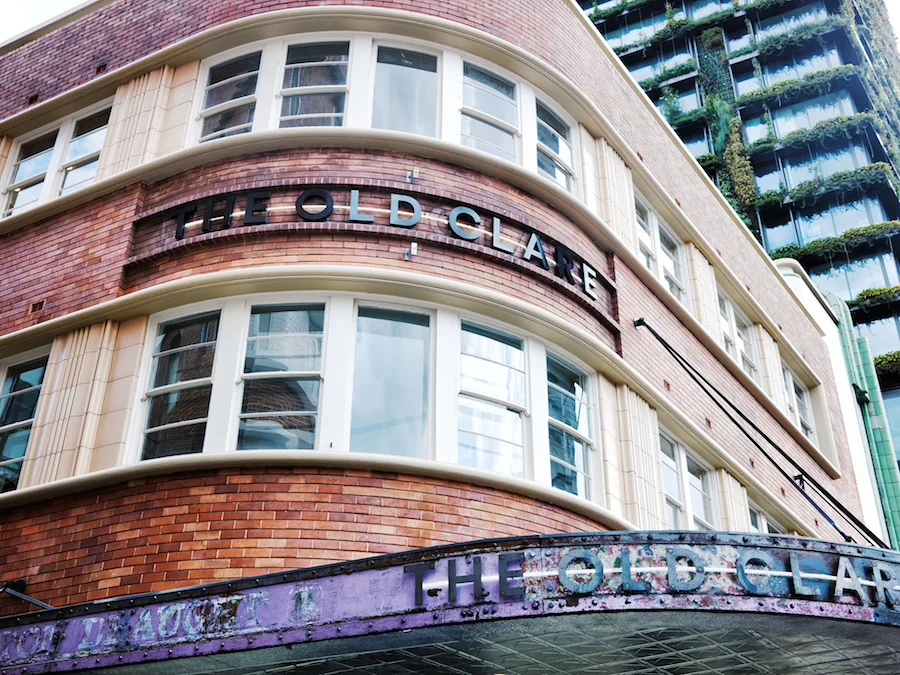
This change is most noticeable when booking into the city's hotels - and Chippendale's The Old Clare Hotel in particular. Constructed from two heritage-listed buildings (the original Clare Hotel pub and the Carlton & United Breweries Administration Building), this 62 room property, part of the Design Hotels collection, is the warm, light-filled definition of industrial chic. A place that honours its history, embraces Australiana and makes leaving its welcoming, elegant interior very difficult indeed
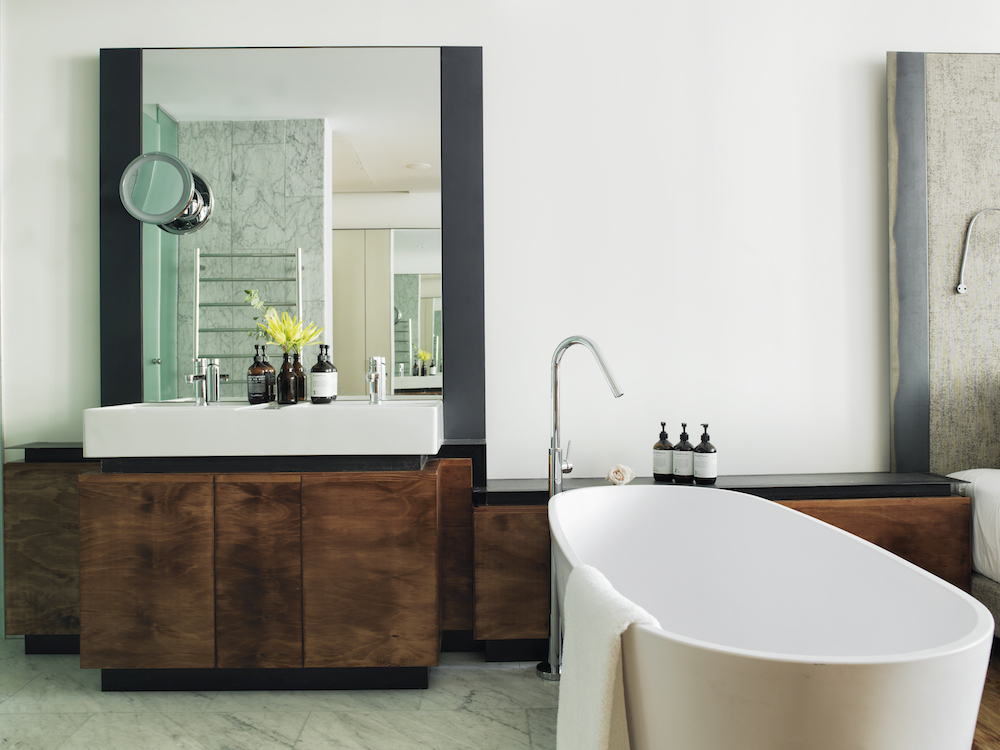
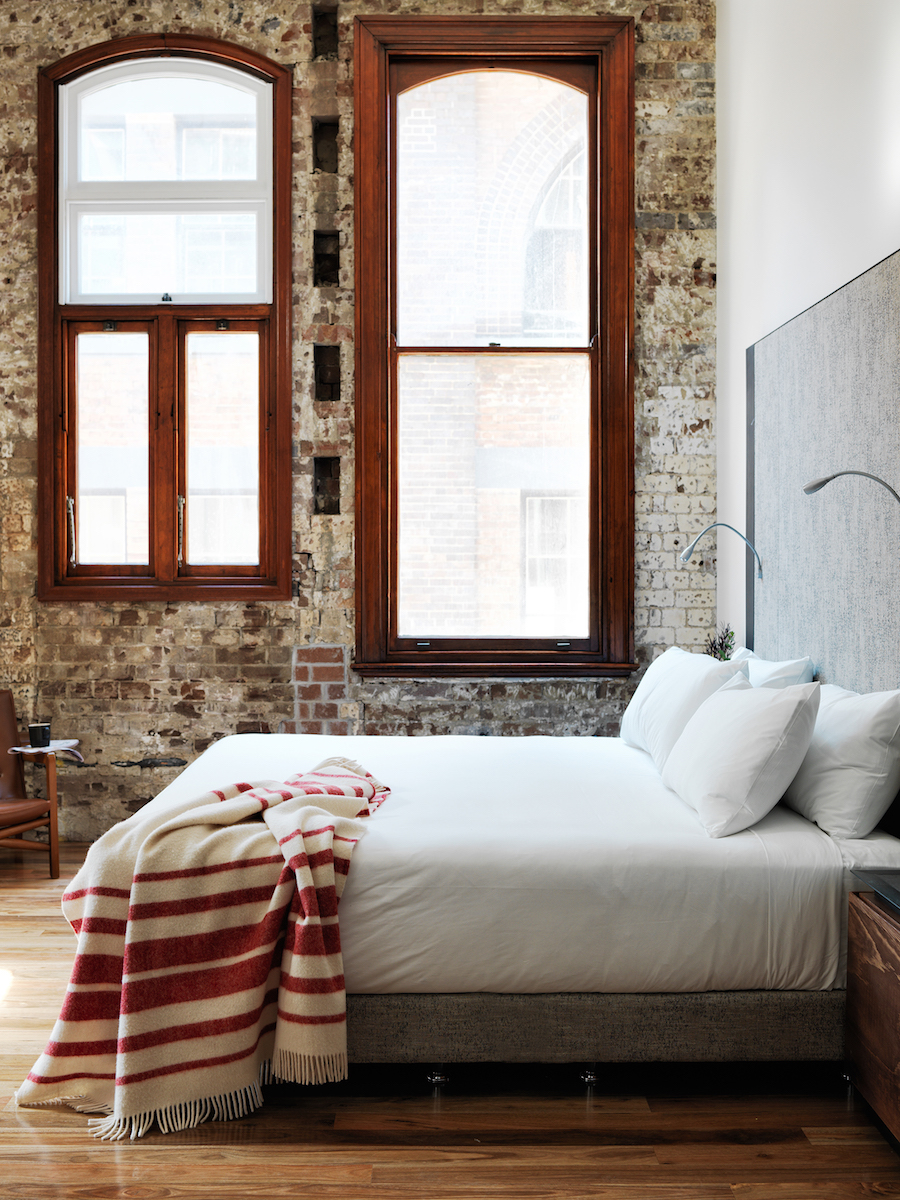
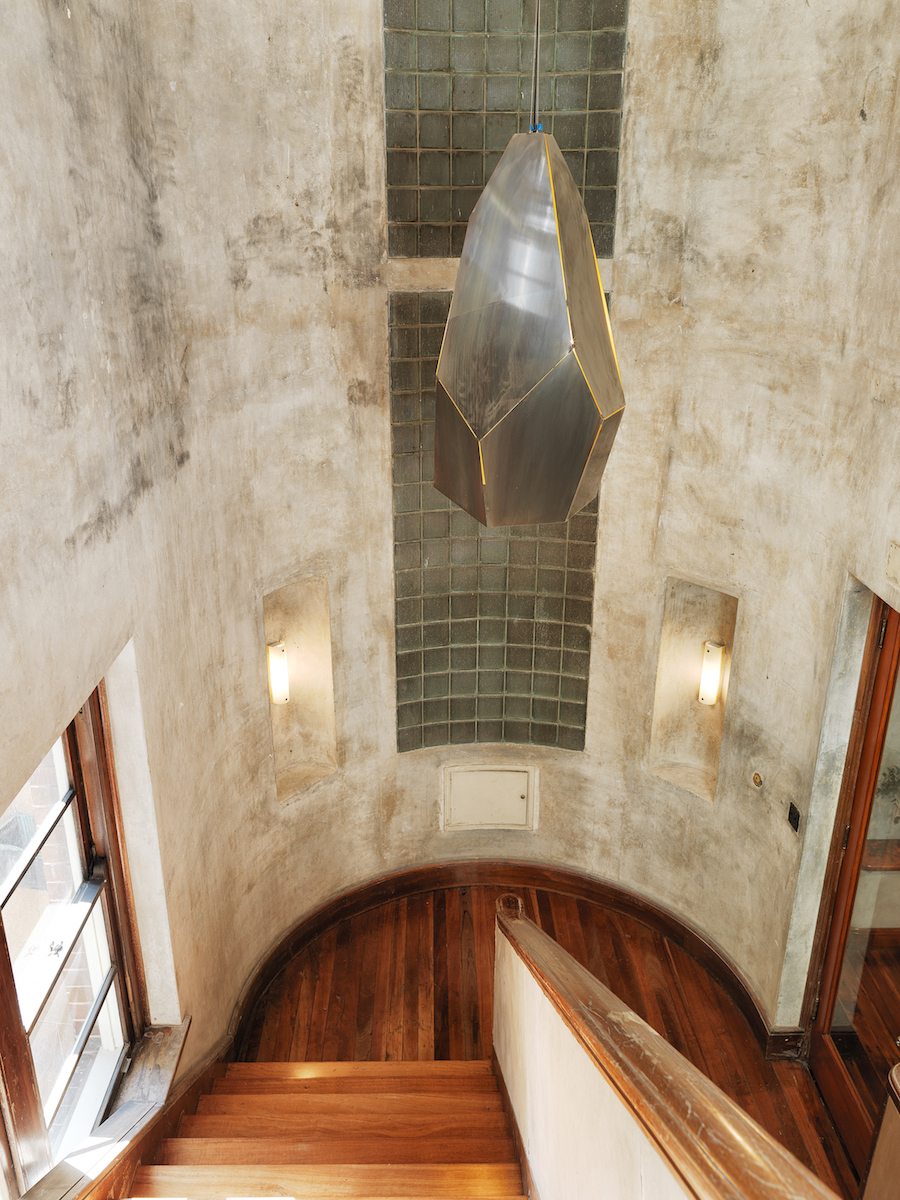
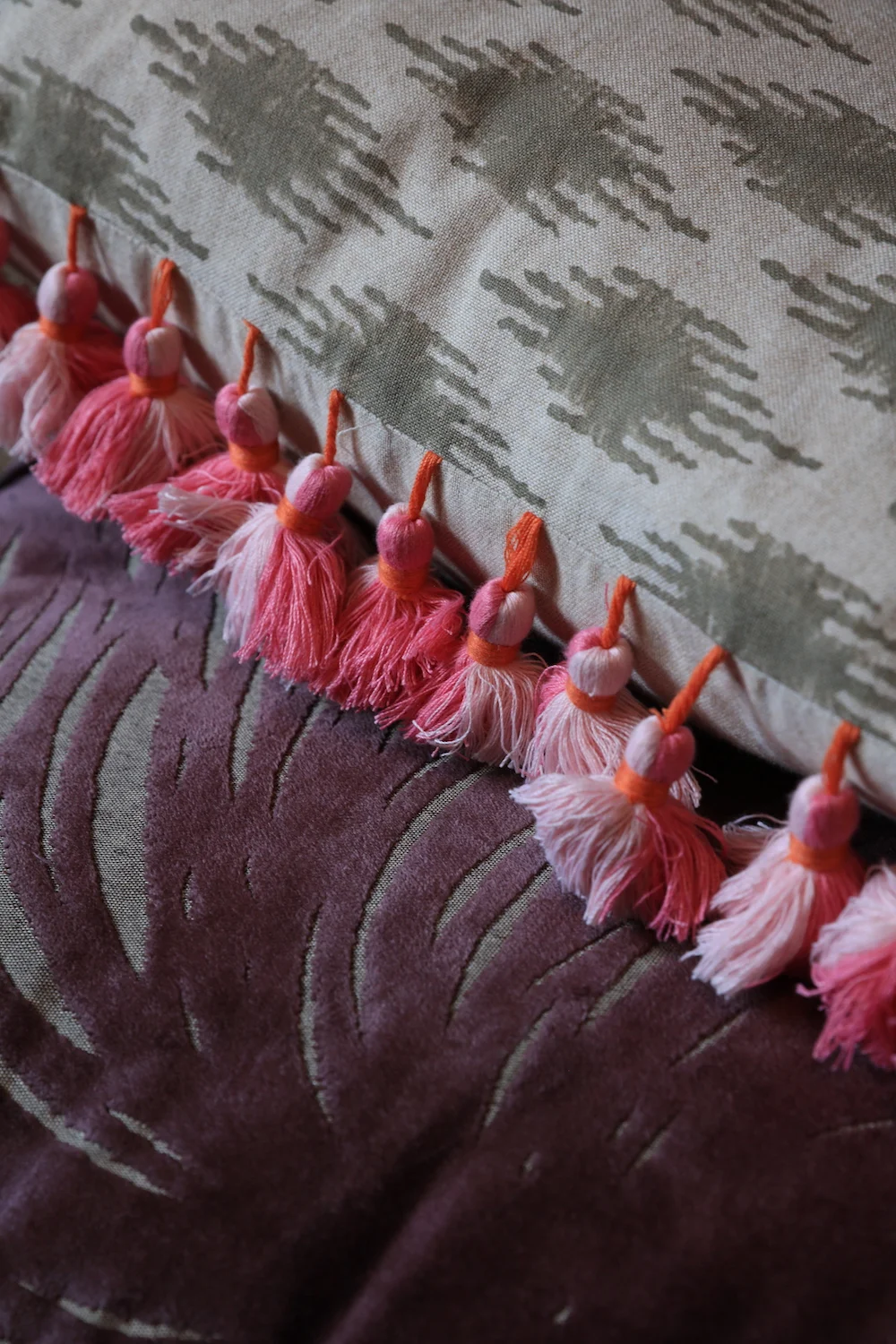
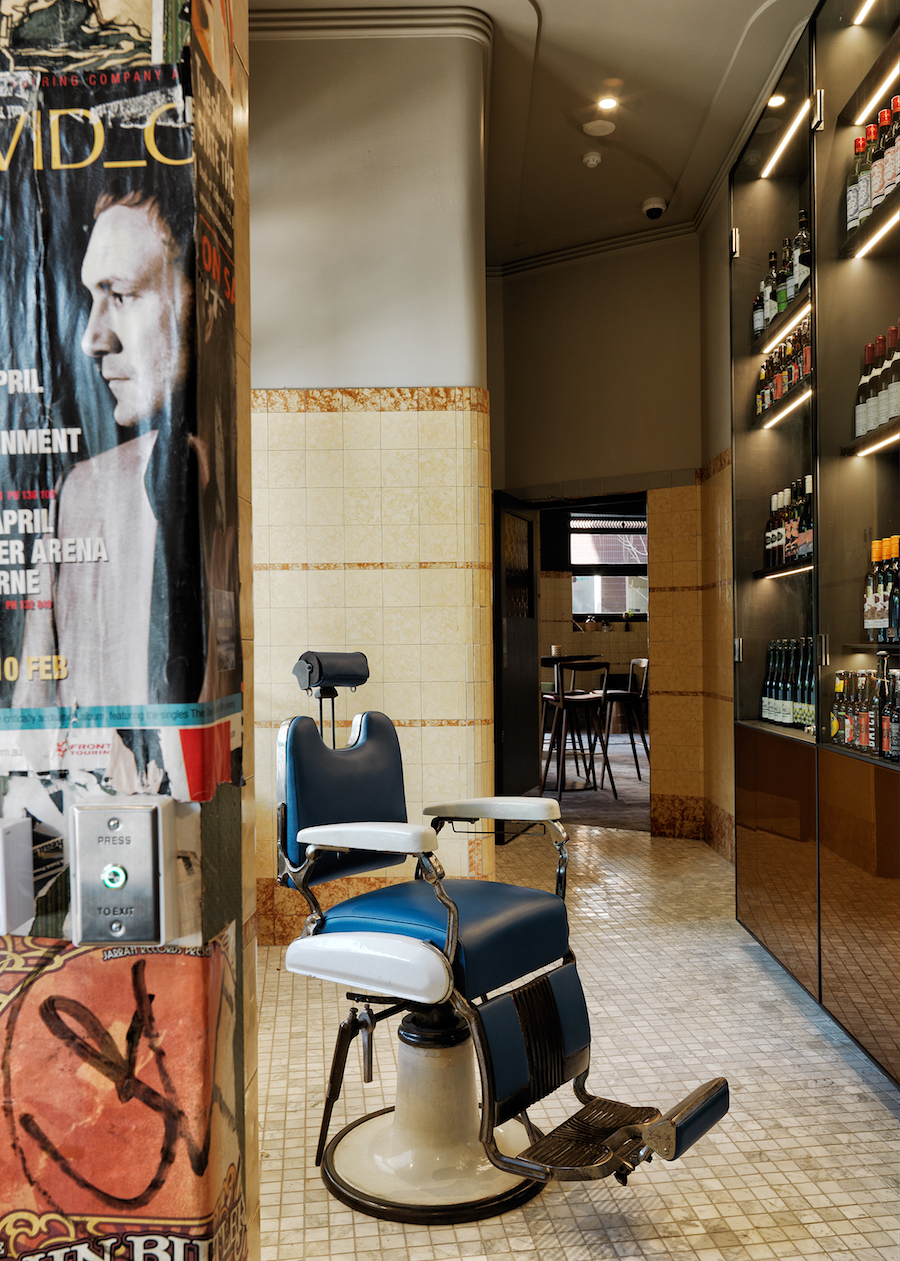
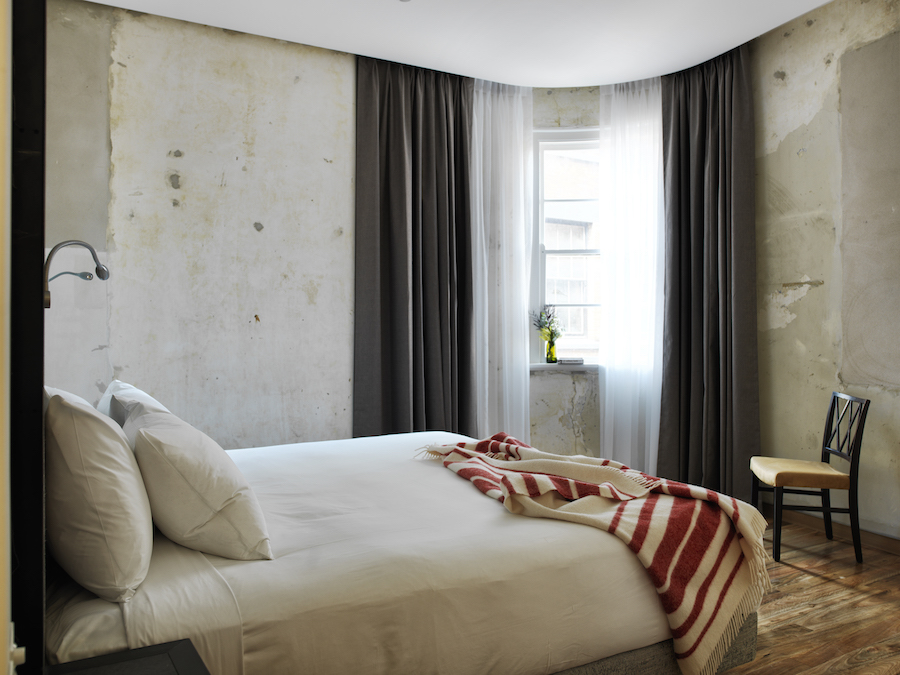
Within the hotel's walls natural tones abound, with each room (all subtly different in design) boasting high ceilings and massive windows. There's polished wood, exposed brick, marble tiling and gleaming concrete, with glass used in communal areas to invite the outside world in and draw attention to the bones of the original buildings - metal external stairwells transformed into pieces of art and brick walls mirroring the streets beyond. There are pendant lights and vintage furnishings (the dentist chair by reception sets to tone immediately), all of which nod the Chippendale's industrial past. Colour is added with the use of soft furnishings, which include cushions inspired by Australia's wildlife and wildflowers and throws you long to secret away.
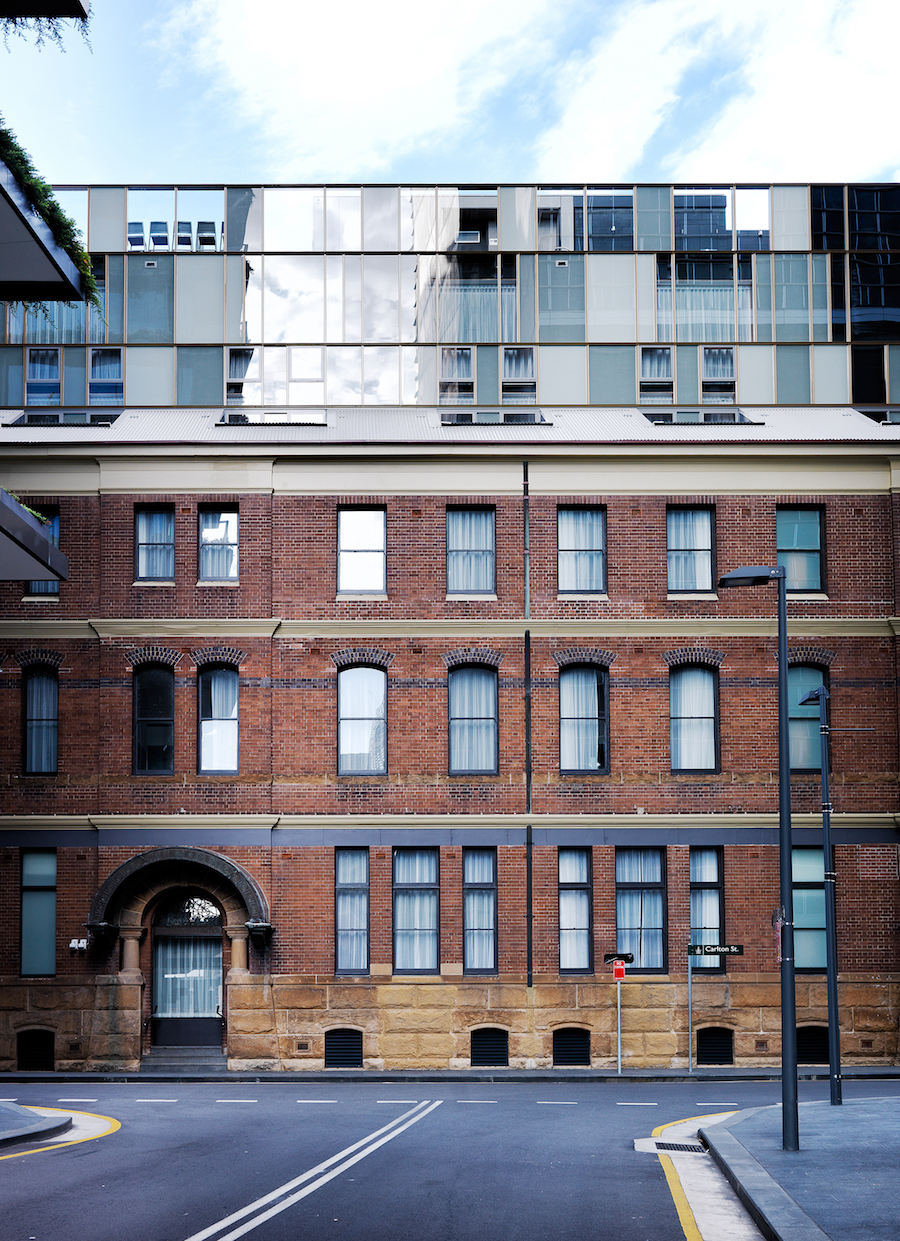
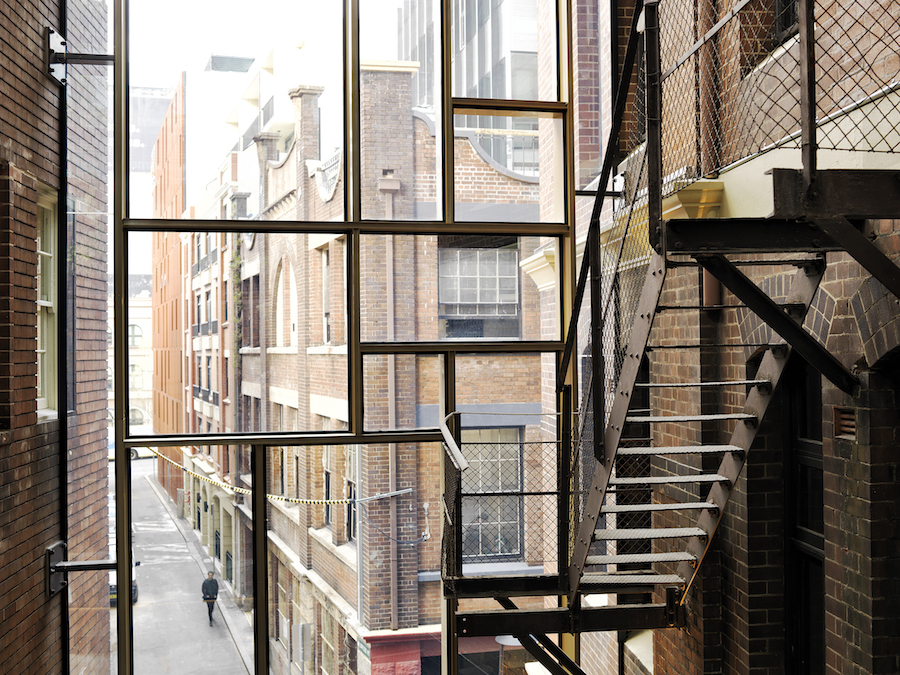
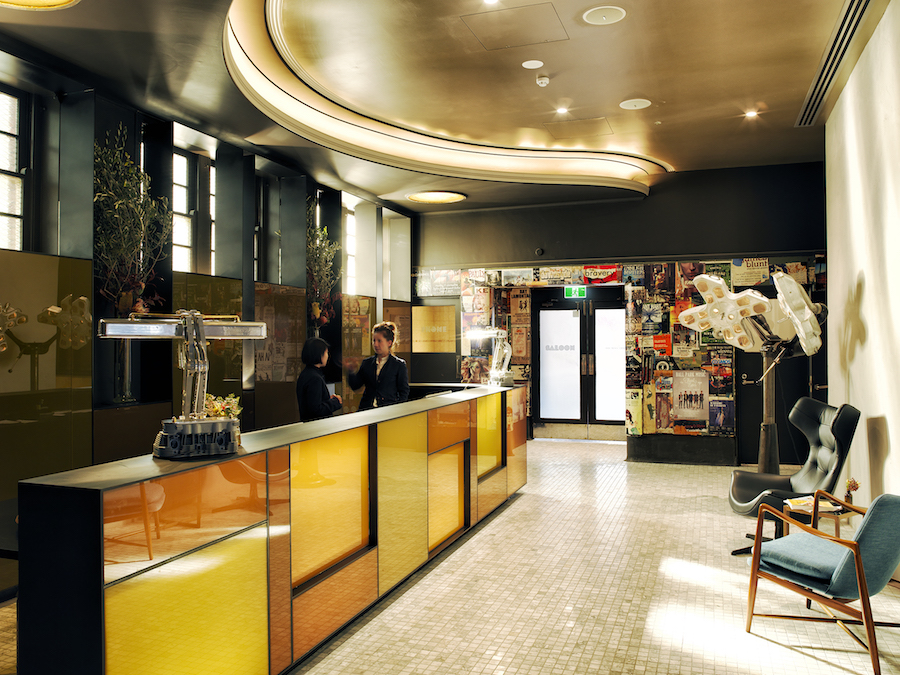
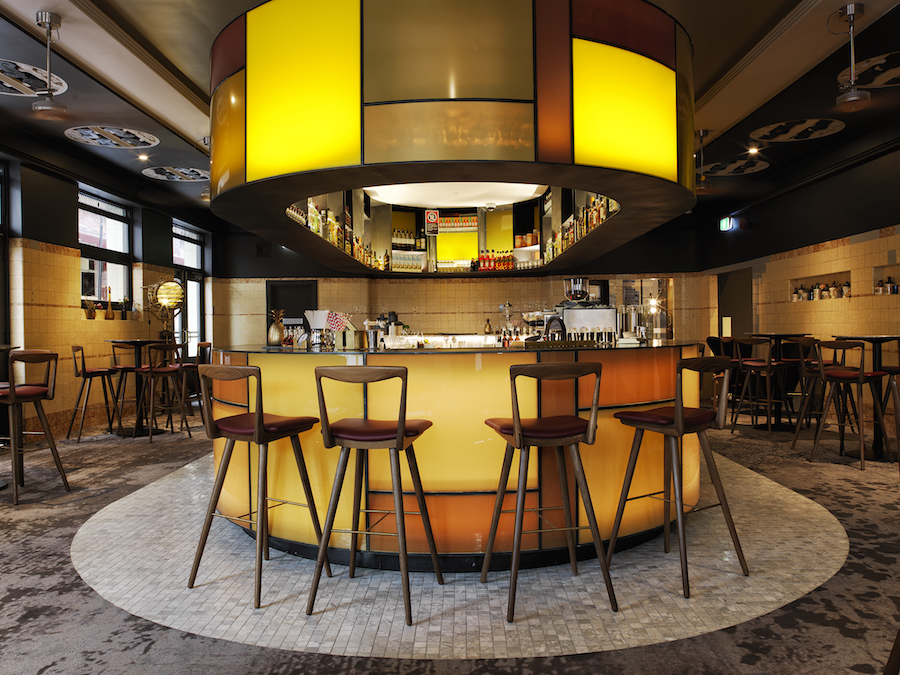
Once a lesser-known haunt coveted by locals and uni students (music posters from its earlier incarnation have survived, which look rather glorious beside the brilliantly retro central bar), the revamped Clare Bar is open to all, with many of the cocktails made from spirits produced by the local distilleries popping up across the city. A rooftop pool beckons on warmer days - the chaos of the city seeming particularly far away - while the attached Kensington Street Social restaurant is the ideal breakfast haunt. Those unwilling to leave the lushness of their rooms are able to sample the fare as part of the in-room dining service. The hotel is also right beside Spice Alley, perfect if you have a hankering for something Japanese, Malaysian, Chinese ... I could go on. This is Sydney street food and accommodation done right. Here's hoping my hometown continues to thrive.
The British Journal of Photography: Creative Brief
An interview with editor Liz Schaffer.
Extract from The British Journal of Photography, December 2017 Journalist, photographer and lover of independent magazines, Liz Schaffer moved from Sydney to London in 2011, a city that “felt like the epicentre of all things creative”, she says. Combining her passions with an innate curiosity for travelling, she launched Lodestars Anthology in September 2014 with the England issue, subsequently dedicating each journal to the exploration of a single country, including Scotland, Italy, Sweden and Canada. Together with her team and ever-growing list of contributors worldwide, she has also recently released her first compendium book, titled Lodestars Anthology: Pathways.
What are the first steps you take when working on a new issue? It’s a fluid process – our country of choice [for the issue] and the contributors we work with play a crucial role in shaping the publication. Sometimes we select a country when a photographer sends through work that we simply have to publish – a ‘love at first sight’ reaction. At other times it’s a friendly suggestion or an awareness that we are yet to cover a particular corner of the globe.
Do you select photographers based on their location? I always strive to create content based on experience. So getting in touch with photographers and writers on the ground, those who know a destination like only a local can, is crucial. That said, over the years we’ve built up an amazing and invaluable network of contributors, so we also come up with pieces by attempting to match a photographer’s style with the perceived feel of a place, and then send them out to capture it. When doing this we want to give them as much time on the ground as possible; when shooting for travel you’re quite often at the mercy of the elements, making time and flexibility essential. A minimum of five days is ideal, but I’ll do all I can to make this longer.
Do you have any guiding principles about collaborating with people? As obvious as it may sound, a good working relationship is crucial. I am in awe of the work we are sent – images that do seemingly impossible things with light, reveal the magic of the wild or capture a community’s verve and vibrancy. I do my best, whenever possible, to let my photographers know their creative worth. It’s also important to be friendly and open. Magazines, especially independent ones, tend to be incredibly personal endeavours. Budgets are tight, the hours are ridiculous and a work/life balance isn’t always there, so being able to get on and laugh with those you work with, getting genuinely excited when their name pops up in your inbox, more than justifies the difficult days.
How has the focus changed for independent magazines? One of the trends I adore is the increased space and respect given to illustration and photography – it feels like a return to the sweep and scope afforded press photographers in the 1960s and 70s. There is less reliance on stock imagery and a growing appreciation for originality and tailored commissions, which goes hand in hand with the reimagining of the magazine as a moreish physical object. People have begun to collect again. It’s understood that the magazines that sell are those that invest in their contributors and offer amazing content – a sense of escape and wonder that only exceptional images and writing can allow.
Are there any photographers you have particularly enjoyed working with? I adore different photographers for different reasons but two people we have worked with on multiple issues, and asked to contribute to our new book, Lodestars Anthology: Pathways, are Tom Bunning and Renae Smith. Both have such unique styles – they clearly see the world quite differently. Tom can make any landscape magical and his ability to manipulate light and shadow is almost otherworldly. He also puts his subjects at ease like no one else and, as a result, what he captures is wonderfully authentic.
Renae has a much lighter look and there is a calmness to her work. Interestingly, I see their styles as direct opposites. But you need that with travel; an ability to capture the diversity of our world, and to do so in an original, honest way.
Extract from The British Journal of Photography, December 2017


Island Life
Hot springs, forests, sea cliffs and crater lakes - the allure of the Azores.
Words and Photographs by Emma Lavelle
Earlier this year, my feet began to itch and I found myself desperate to explore somewhere a little off the beaten track. My previous summer’s adventures in Iceland were still fresh in my memory and I craved empty roads, isolated hot springs and dramatic landscapes. With the budget tight I spent days searching for European destinations that offered everything I needed - and then I saw a friend's Instagram photo and knew instantly where I was heading: the Azores.
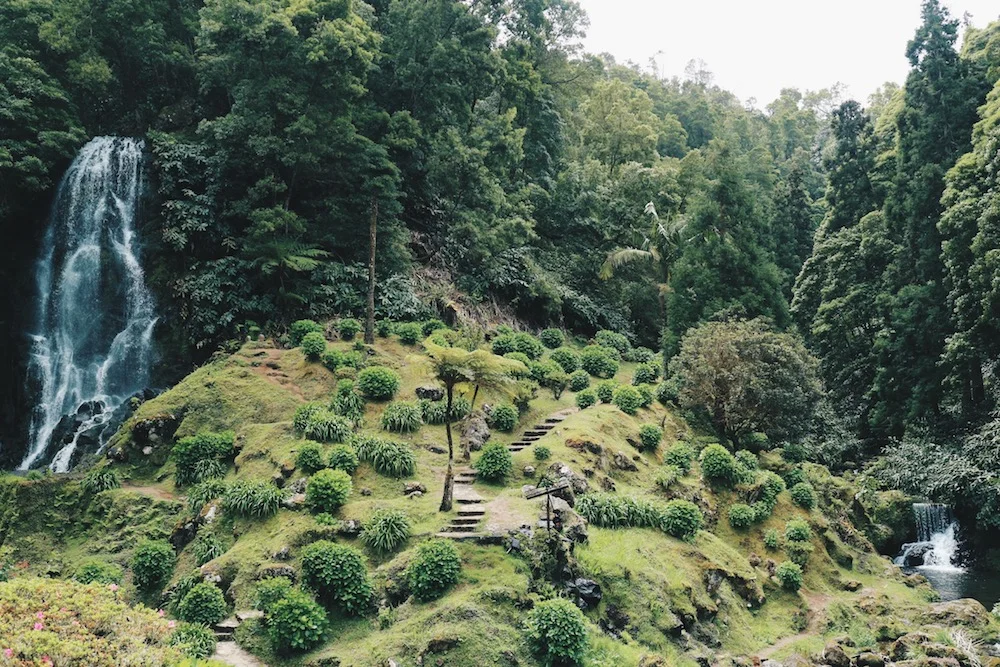
If you haven’t come across this island chain before, I'm not surprised. Situated smack bang in the middle of the Atlantic, over two hours by plane from Portugal, they’re pretty isolated. As hopping between individual islands isn’t exactly cheap (or easy) I concentrated on the largest isle, São Miguel. The perfect juxtaposition of the geothermal landscapes of Iceland and a tropical, Lost World paradise, São Miguel appears like a mirage in the grey Atlantic. Filled with cloud-covered peaks, hot springs, dense greenery and waterfalls, it's like nowhere else in Europe.
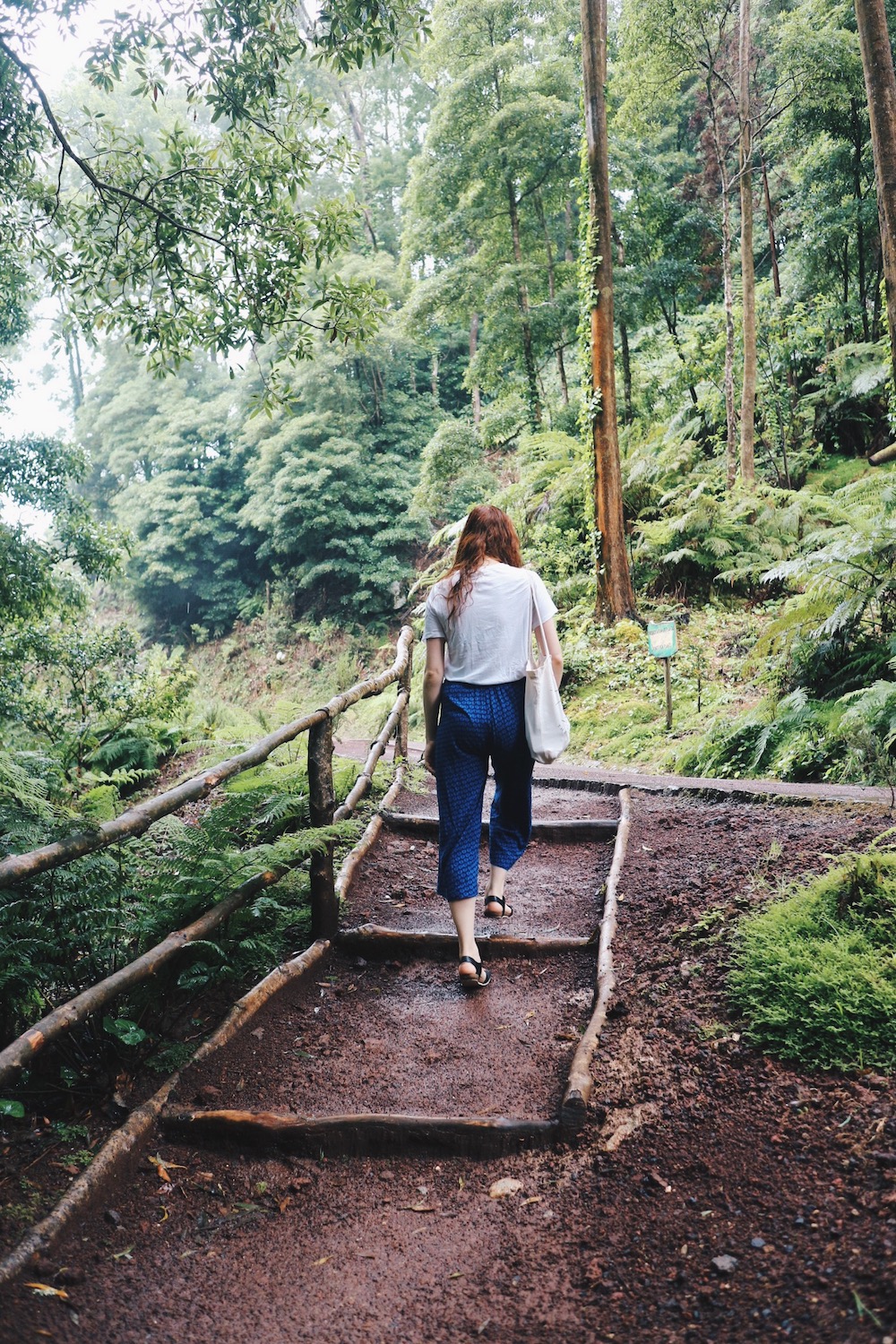
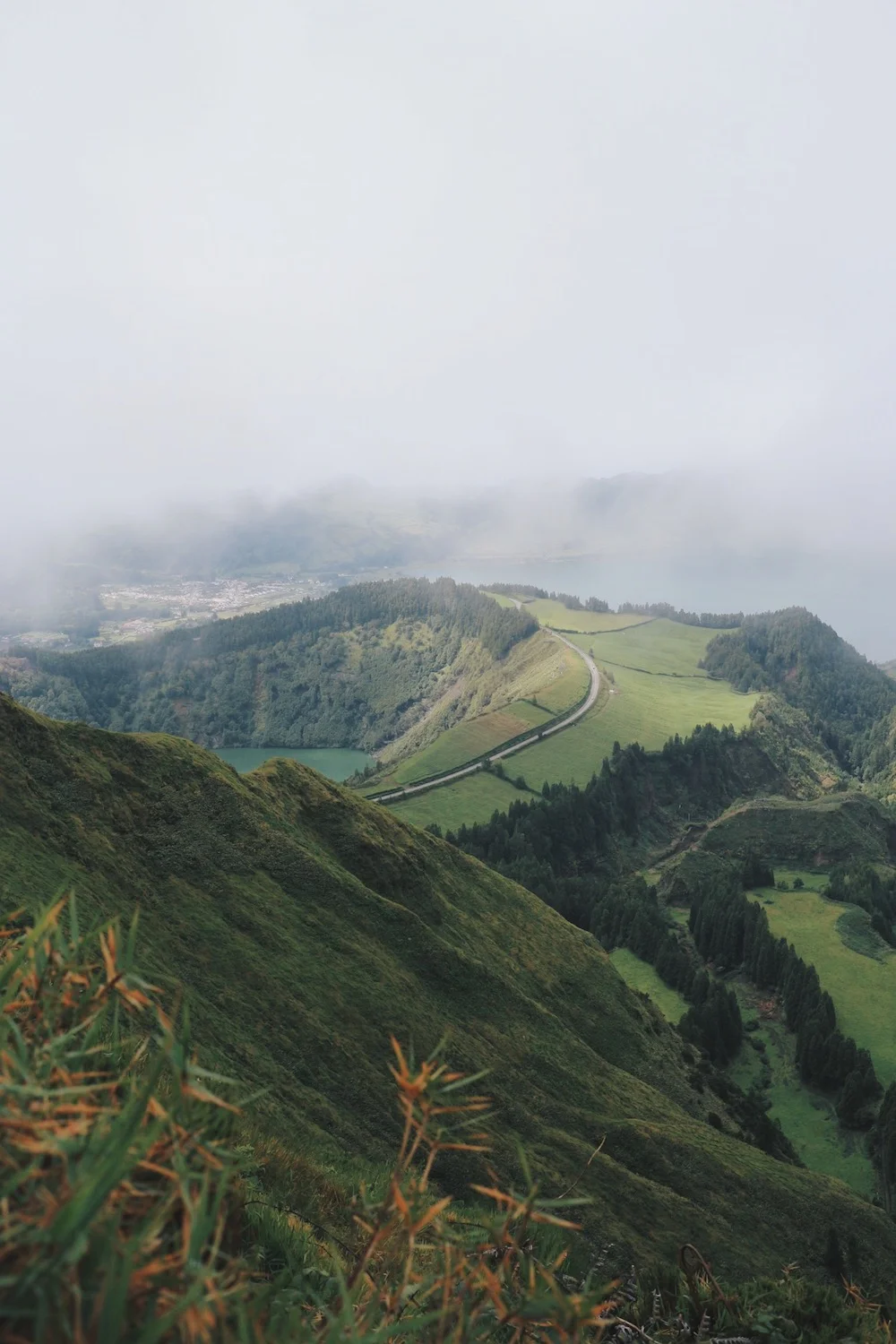
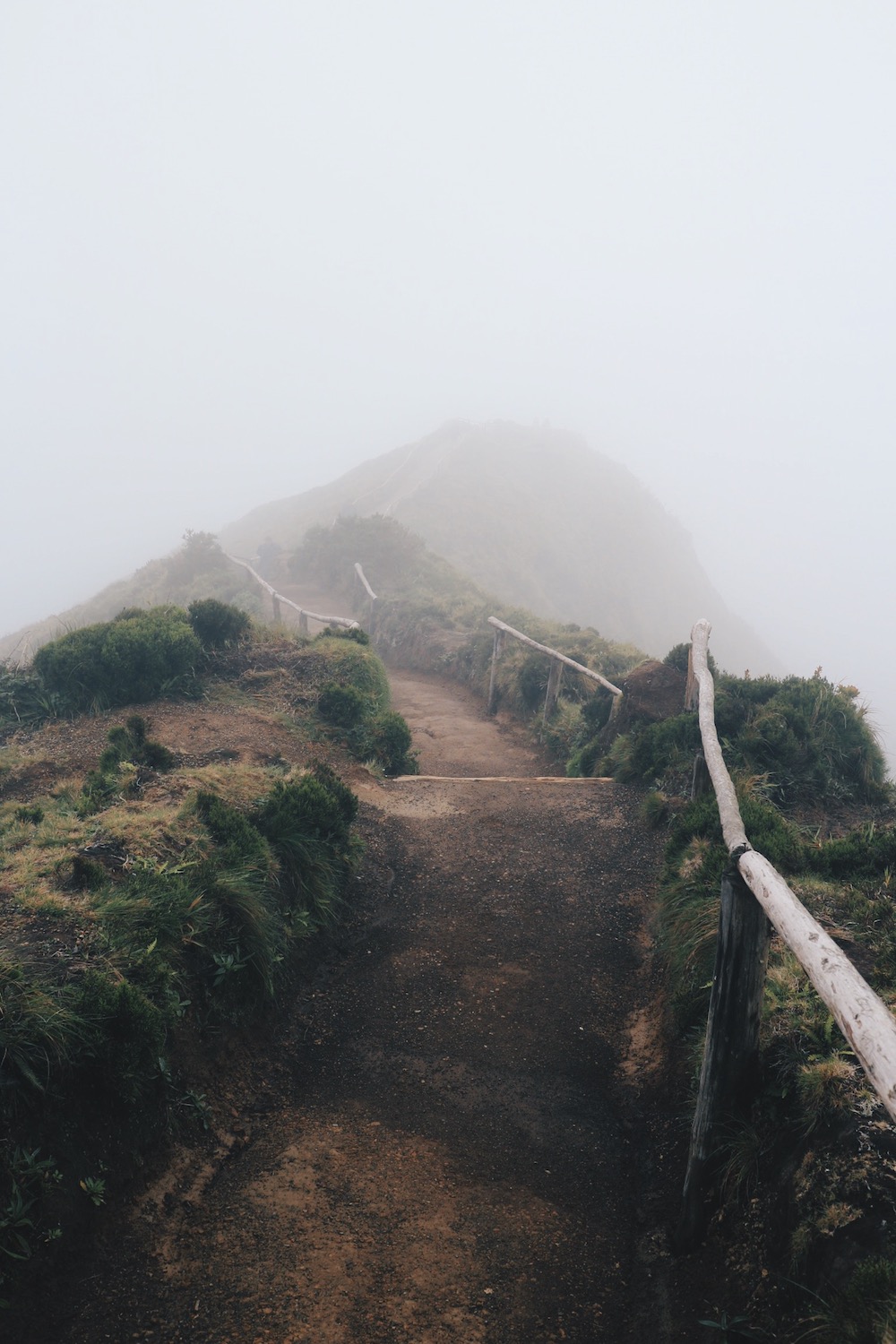
Hiring a car, my boyfriend and I based ourselves in the capital, Ponta Delgada, and split the island into easily digestible chunks to be explored over four days. Our adventures began in the island's west, driving up steep roads in search of the elusive views of the Sete Cidades Lakes. Elusive because of the relentless mist, not for the lack of places to pull over and admire the scene. The twin lakes lie in a gigantic volcanic crater and local legend says that they were formed from the tears of a blue-eyed princess and her green-eyed lover, shed when her father would not allow them to marry. On a clear day, the lakes do indeed appear to be different colours, despite actually being one body of water divided by a road. Also worth admiring is Vista do Rei, where the ruins of a brutalist concrete hotel greets you through the mist. Then there's the utterly sublime Boca do Inferno viewpoint, where the view of the crater, lakes and coastline in the distance is nothing short of spectacular.
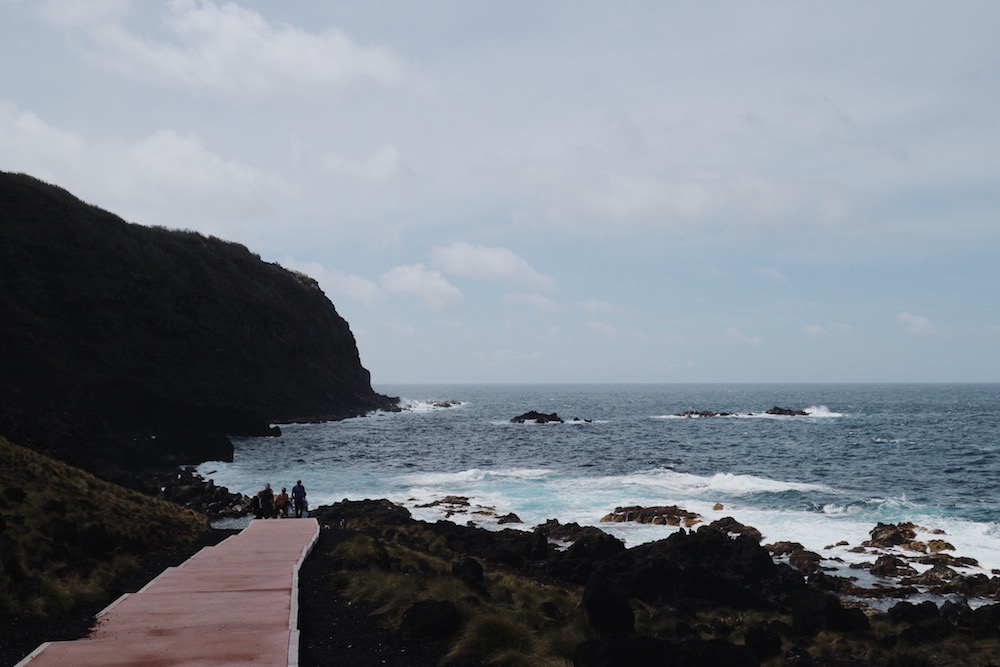
A short journey from the lakes takes you to one of the island's most alluring hot springs, Ponta da Ferraria, which is the only São Miguel hot spring found in the sea. A pink path leads first to a modernist changing hut, then down to a black volcanic beach where a ladder descends into a rock pool. As waves crash into the pool, visitors can hold a rope to steady themselves, enjoying the change in temperature as cold water rushes in to meet the warm.
Looking for the perfect end to a day exploring the west of the island? Visit the small coastal town of Mosteiro to feast on the seafood that São Miguel is famed for. My top tip: always order the octopus.
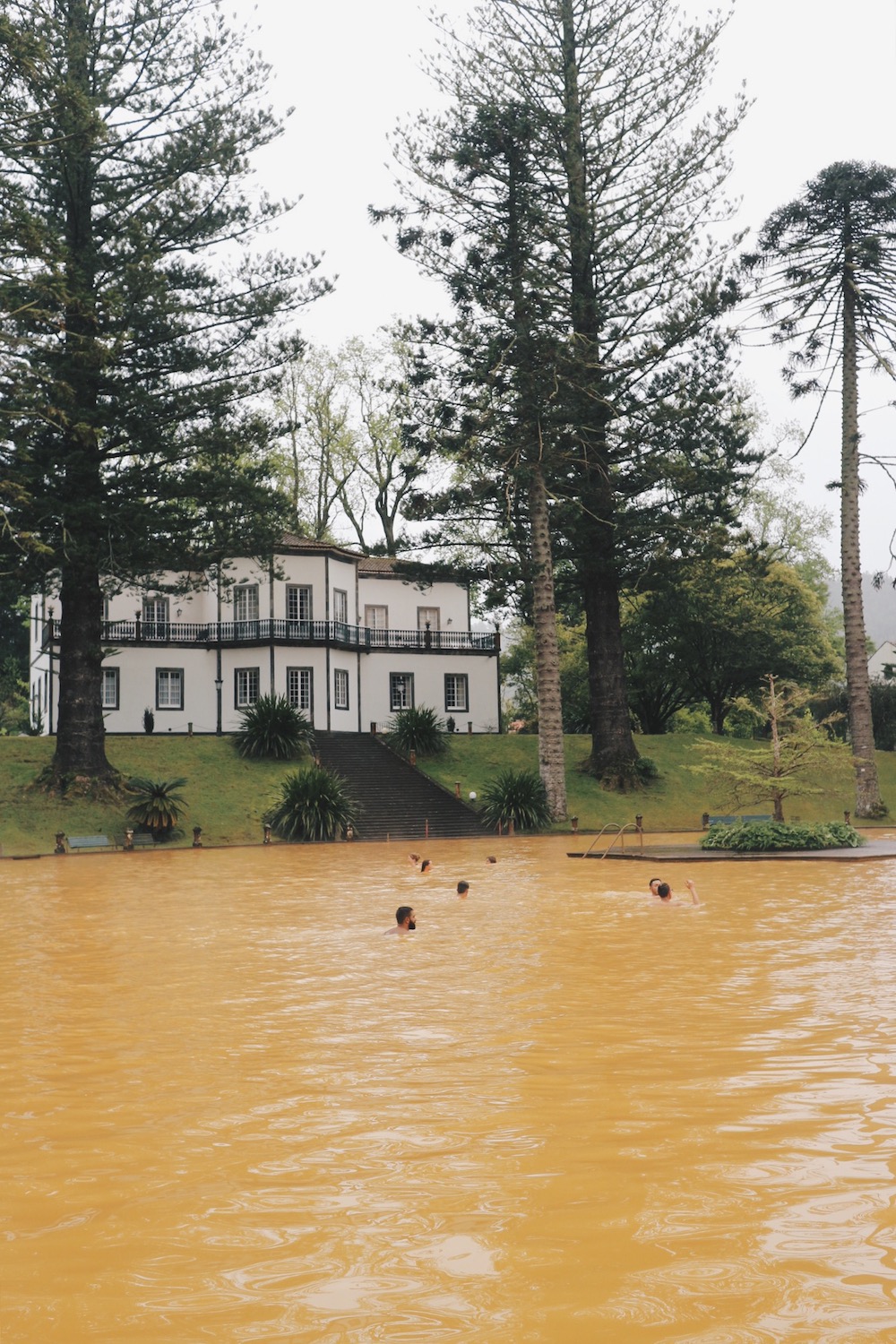
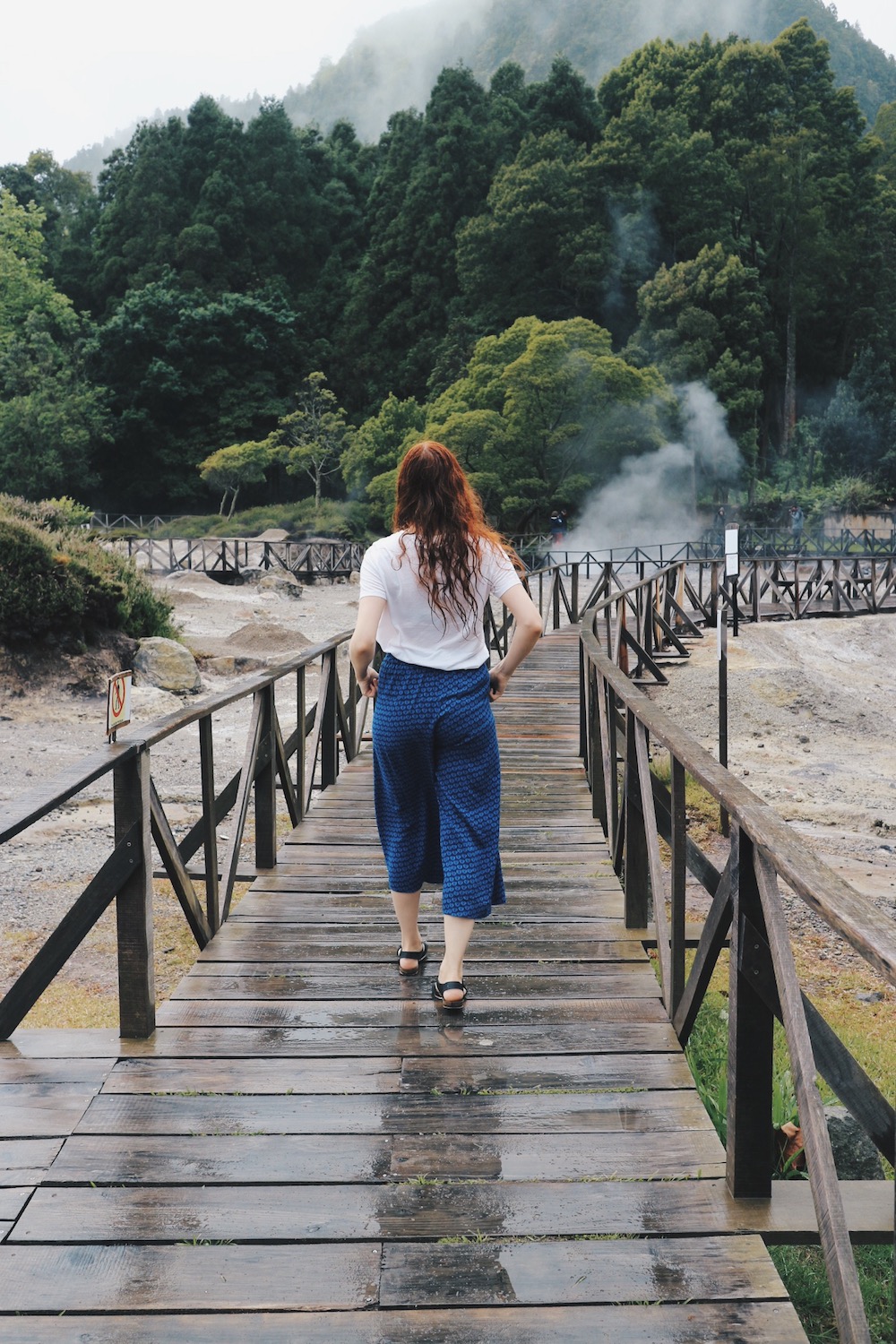
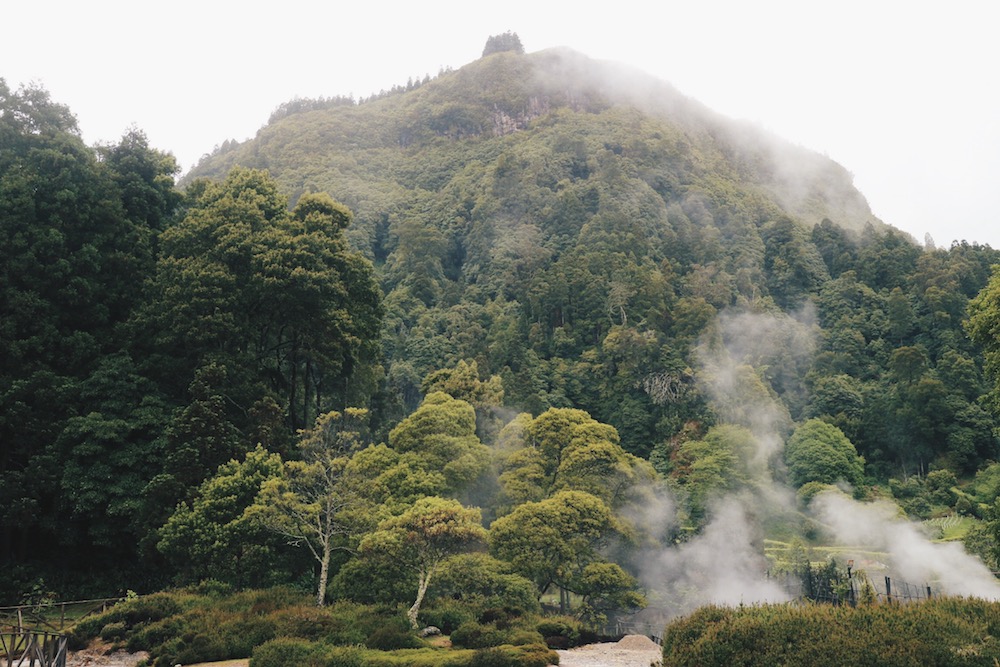
We also make a stop at Furnas, a geothermal town situated inside a volcanic crater. There are two areas boasting hot springs here - Poça da Dona Beija offers a series of small, relaxing natural jacuzzis, but it’s Parque Terra Nostra that shouldn’t be missed. Situated inside these majestic tropical gardens is a huge yellow-hued geothermal lake perfect for swimming. Furnas also offers a collection of smouldering caldeiras and anyone interested in local cuisine should head to the lake to see how traditional stew is made by burying pots underground for several hours. The earth steams here and the smell of sulphur seems to rise up into the thick mist enveloping the mountains above.
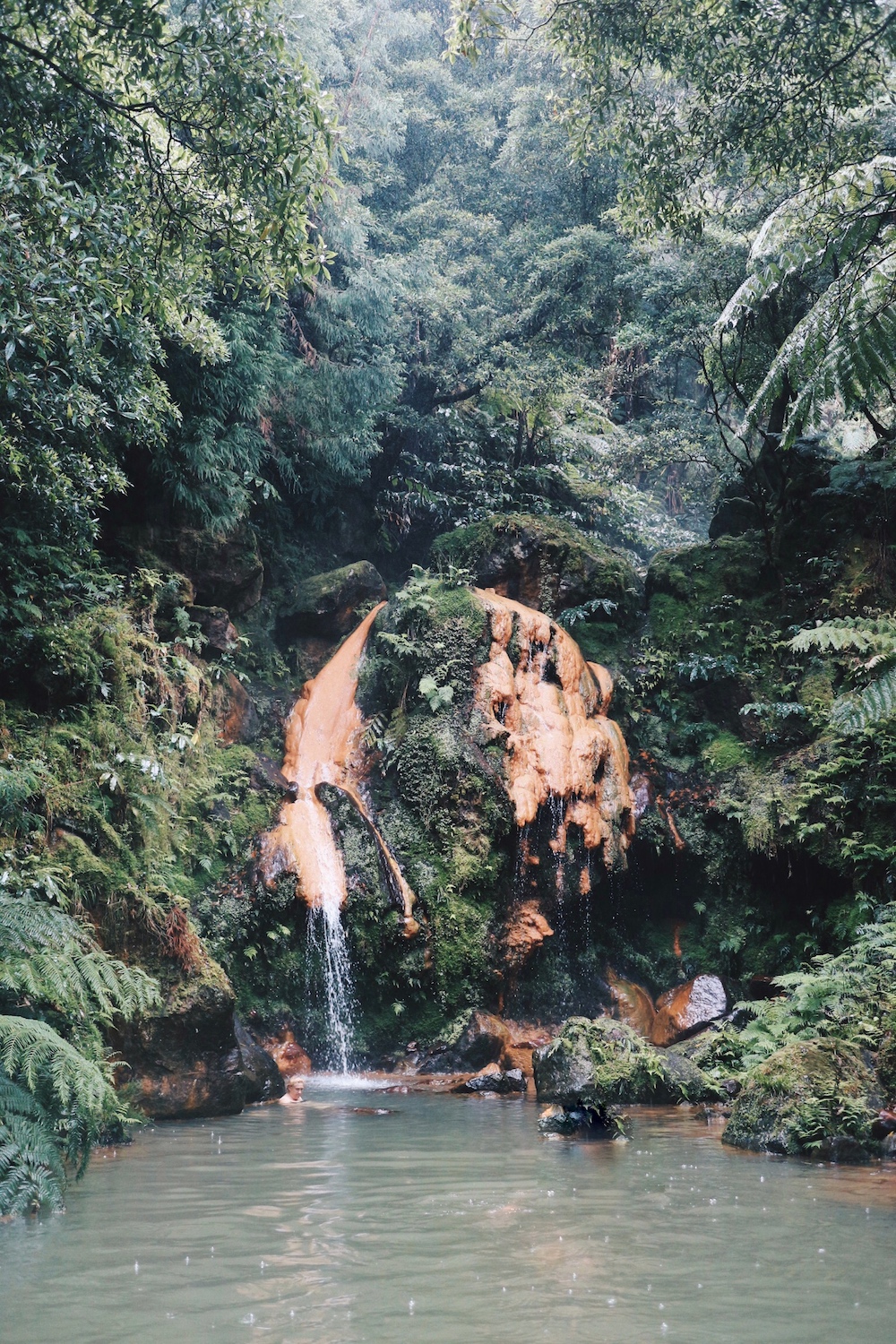
The final hot springs of São Miguel are found at the protected Caldeira Velha, where you must venture along a harrowing road and wander through thick tropical forest to reach the pools. Climb the hill to find a couple of small wooden changing huts before plunging, admiring a small waterfall trickling down from the cliff above.

Across the island lie a network of hiking trails; those that snake along the numerous crater lakes are perhaps the most dramatic but don’t underestimate how strenuous these routes can be. If you prefer to admire the scenery from the comfort of a car, the drive along the coastal road that winds along the east coast is unmissable. Perhaps the most perilous and slowest road to navigate on São Miguel, the views of the ocean and towering cliffs are as dramatic as they get.
How to end a trip to São Miguel? Whale watching was at the top of our agenda but, alas, high winds thwarted our plans. If you visit during calmer weather conditions don’t miss a chance to take to the sea as these Atlantic islands are one of the best places in the world to spot a wide array of cetacean species including sperm whales, blue whales and dolphins. Other highlights for landlubbers include visiting the tea and pineapple and plantations, the latter featuring on almost all of the island's restaurant menus.
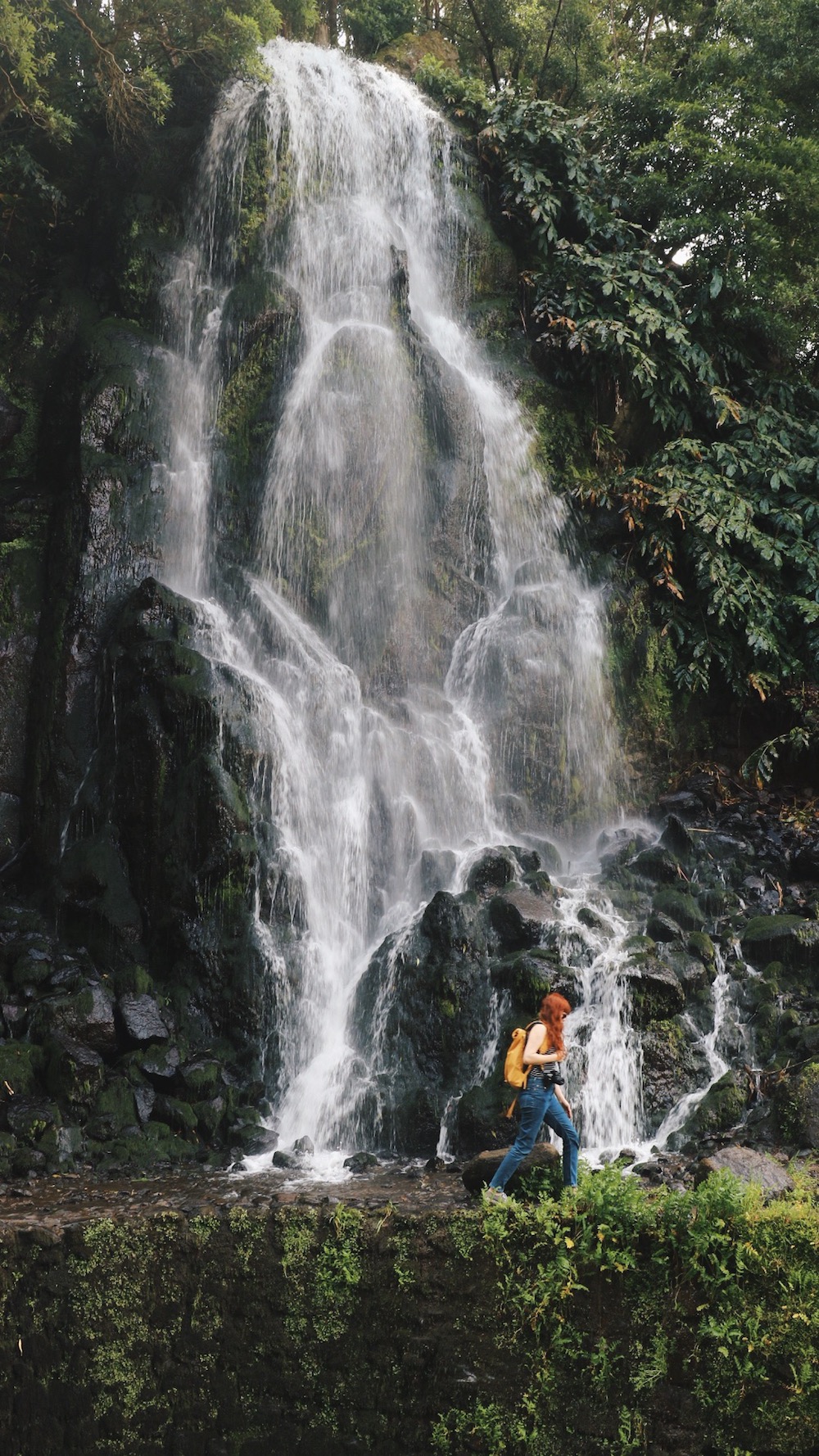
São Miguel is like nowhere else in Europe. Hot springs, luscious forests, towering cliffs, crater lakes, tea plantations and cascading waterfalls all collide to create an otherworldly landscape. My advice? Take a punt on an island not yet on the tourist trail - for there’s something rather magical about having a hot spring in the forest all to yourself.
Be sure to check out more of Emma's work here
Rambling in the Lake District
Rambling in the Lake District with Athena Mellor.
Words and photographs by Athena Mellor
“I wandered lonely as a cloud”, proclaimed Wordsworth on rambling in the Lake District. Yet how often do you see just one single cloud? While a lone cloud may grace the skies on a clear day, more often than not clouds wander lonely yet together, drifting steadily east or west, north or south. Normally I am that sole, brave cloud drifting along - alone yet never lonely. But this time I was joined by another on my ramble. Two stoic clouds running up hillsides in one of my favourite English locations, the Lake District, on a bitterly cold January morning.
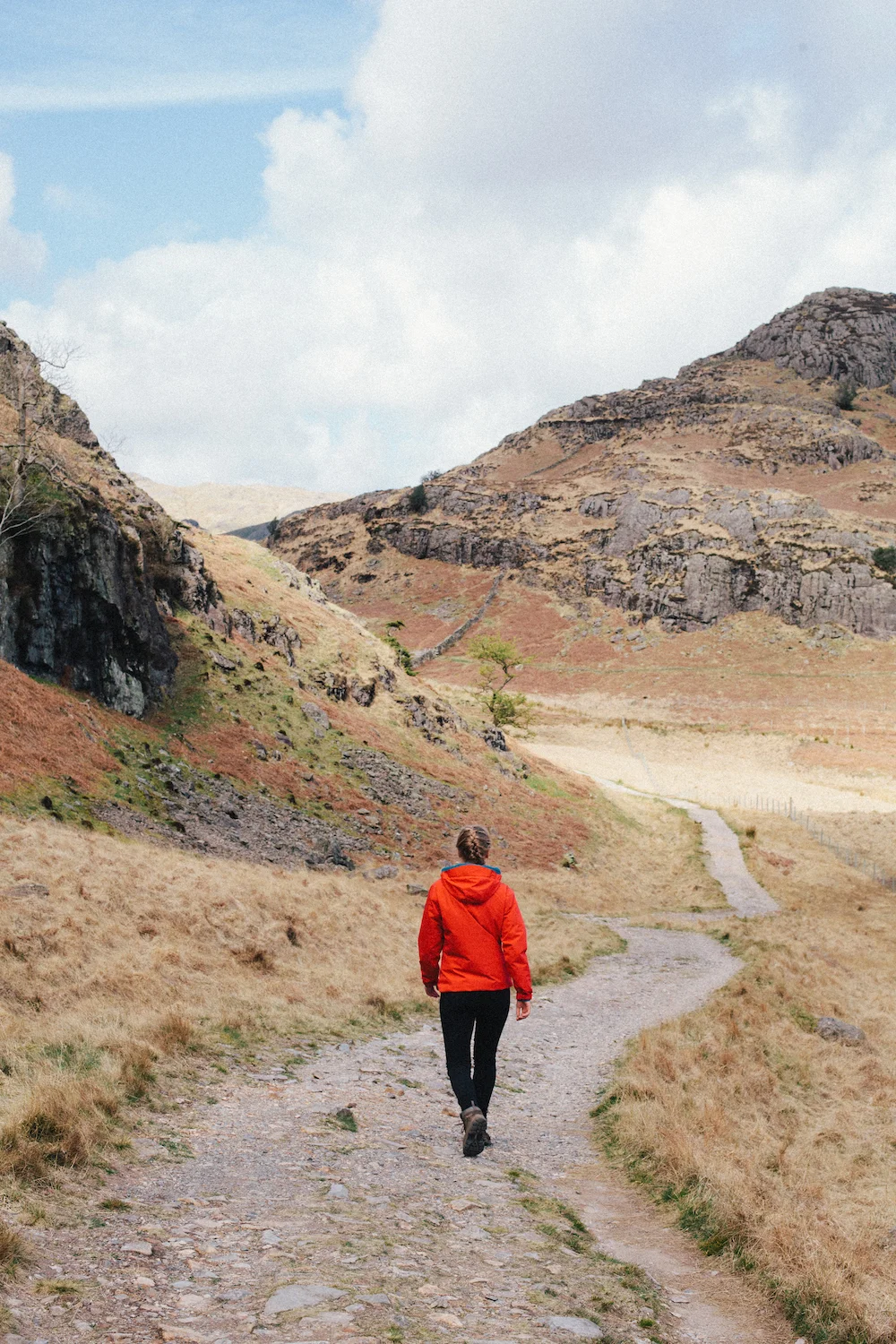
The Lake District is a hill-walkers dream. I am quite certain that it would take more than a lifetime to ramble every trail it has to offer, to explore those that are yet to be discovered, and to admire every view. But I will try anyway. Indeed, there are certain places that, no matter how often I visit, never become boring. The very nature of nature is that no two days spent outside are the same - the changing winds and seasons, the different cloud formations and sunbeams. And then there is seeing somewhere you have seen multiple times through new eyes - the eyes of someone who is experiencing it all for the very first time. This happened when I took my younger sister to the Lake District and we spent two winter days in jumpers and walking boots, hiking to hilltops and running down mountains.


Winding roads of Cumbrian gold; fluffy white clouds dazzling the sky and fluffy white sheep gracing the fields. We were en-route to Blea Tarn; I was in the driver’s seat squealing every time a slightly more confident driver squeezed between us and the drystone wall on the other side - with less that an inch between both. We laced up our boots on arrival, added a couple of layers, swung cameras over our shoulders, and wandered down to the waterfront. Blea Tarn is a small body of water nestled beneath high peaks. If you’re lucky, you may see a clear reflection of the Langdale Pikes in the tarn. But on this particular day, the wind was sending ripples through the water and the reflection was non-existent - but the scene remained beautiful nonetheless. This place always seems peaceful - there is no phone service, few other walkers and nature is allowed to flourish. Protected by the National Trust, Blea Tarn will always be the place I tell people to go when they first visit the Lakes and the place I will constantly return to, until I’m 90 I hope - with tea and biscuits, a picnic blanket and a good book.


The next day, I had something more adventurous planned. From the village of Ambleside, we headed up and up and up through thick yellow grass and alongside crumbling drystone walls, past Low Pike then High Pike where the wind viciously whipped the bare skin on our cheeks and tugged exasperatedly at our hair tucked beneath woollen hats. We were walking and talking incessantly like only sisters can do, until I realised that we might possibly be quite lost... By this point the wind was relentless, and trying to manoeuvre a map to a readable position was impossibly difficult as the sky seemed determined to steal it away. Our hands were like icicles and with difficulty speaking I had to admit to my little sister, who had trusted me wholeheartedly with route-planning, “I have absolutely no idea where we are.” So together we traced the line we were supposed to walk and realised we had taken a completely different but parallel path. We made a plan to descend away from the wind as quickly as possible, and then hurtled down the hillside as the icicles in our hands defrosted and our spirits rose once again; greedily consuming the beauty of the surrounding landscapes before it was time to head south once more.


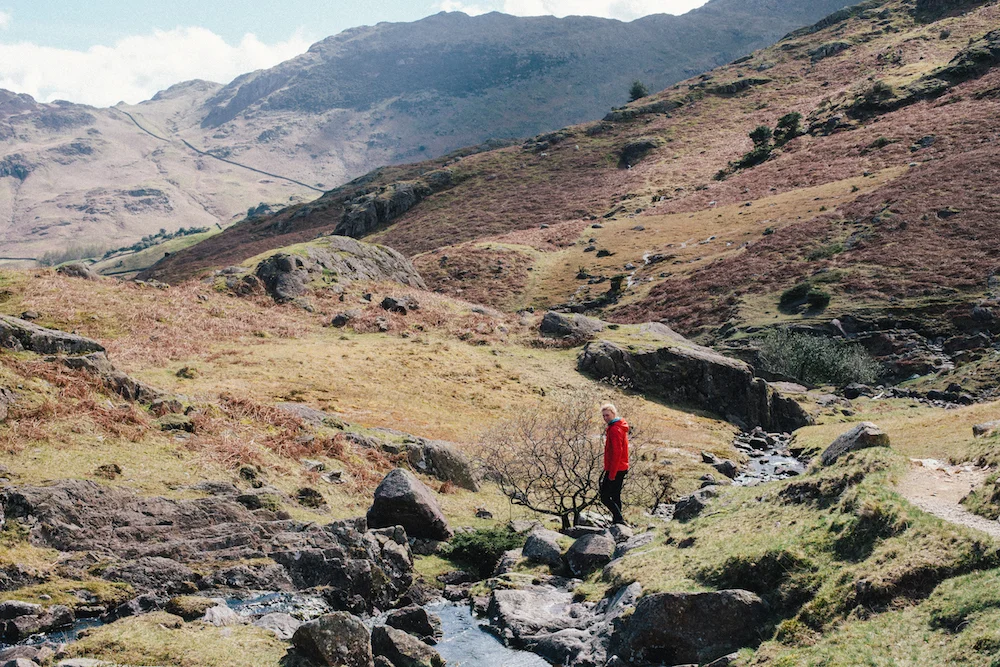
There is something I find so alluring about the Lake District. Perhaps it is in the combination of homely, welcoming landscapes that become unforgiving in a single gust of wind. Or it may be the way the air whispers soft tales of times gone by, or thoughts of the writers and poets who have sat on these banks and taken inspiration from these hills. When I am here, I want to close my eyes and absorb all that beauty and hope and the fragility of nature - but these landscapes cannot be taken away. And so all I can do is come back again and again until I am 90 - to sit on these grassy hilltops with tea and biscuits, a picnic blanket and a good book.
You can see more of Athena's work here @athenamellor and here wildandwords.com.


Spanish Shapes
Letting pictures say 1,000 words.
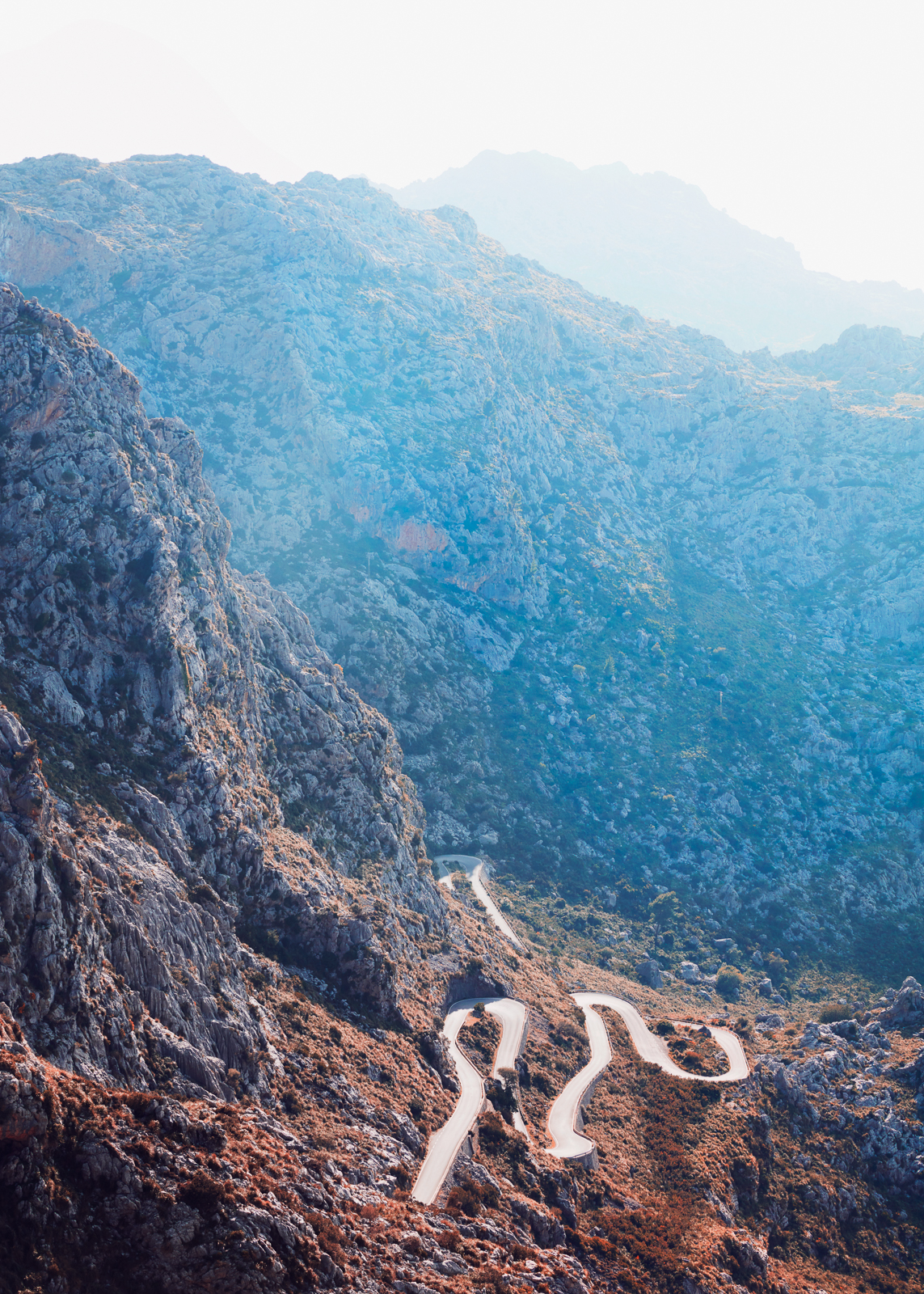
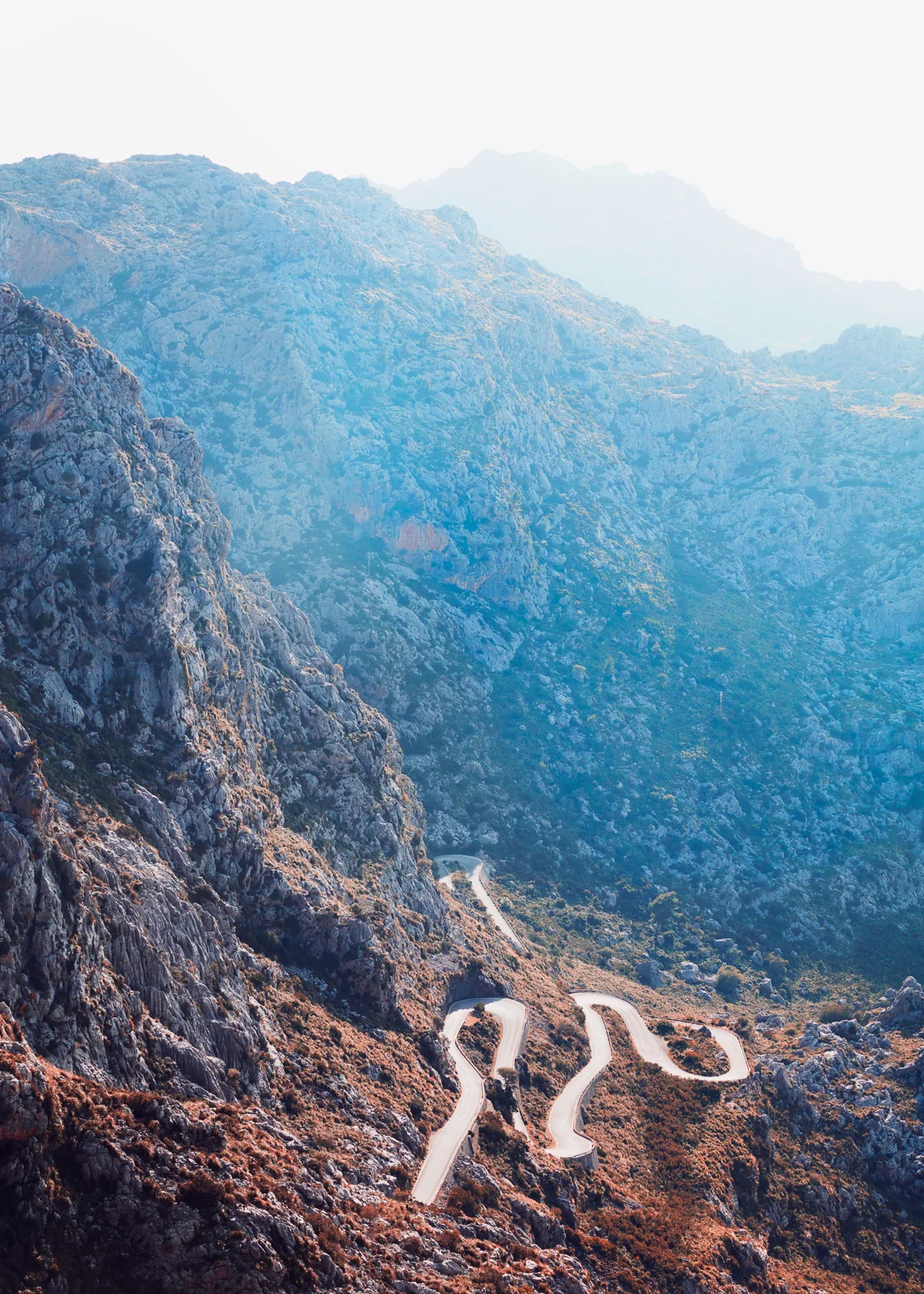
It may be an utter cliche but, well, it's true - photos really do say 1,000 words. We thought that with this post we'd keep things simple and let the photographs of Tom Bunning speak for themselves and, while the combination may seem odd (Andalsuian ponies and the roads of Mallorca), we clearly just have a thing for Spanish shapes. You can see more of Tom's work here - and in the pages of Lodestars Anthology of course!
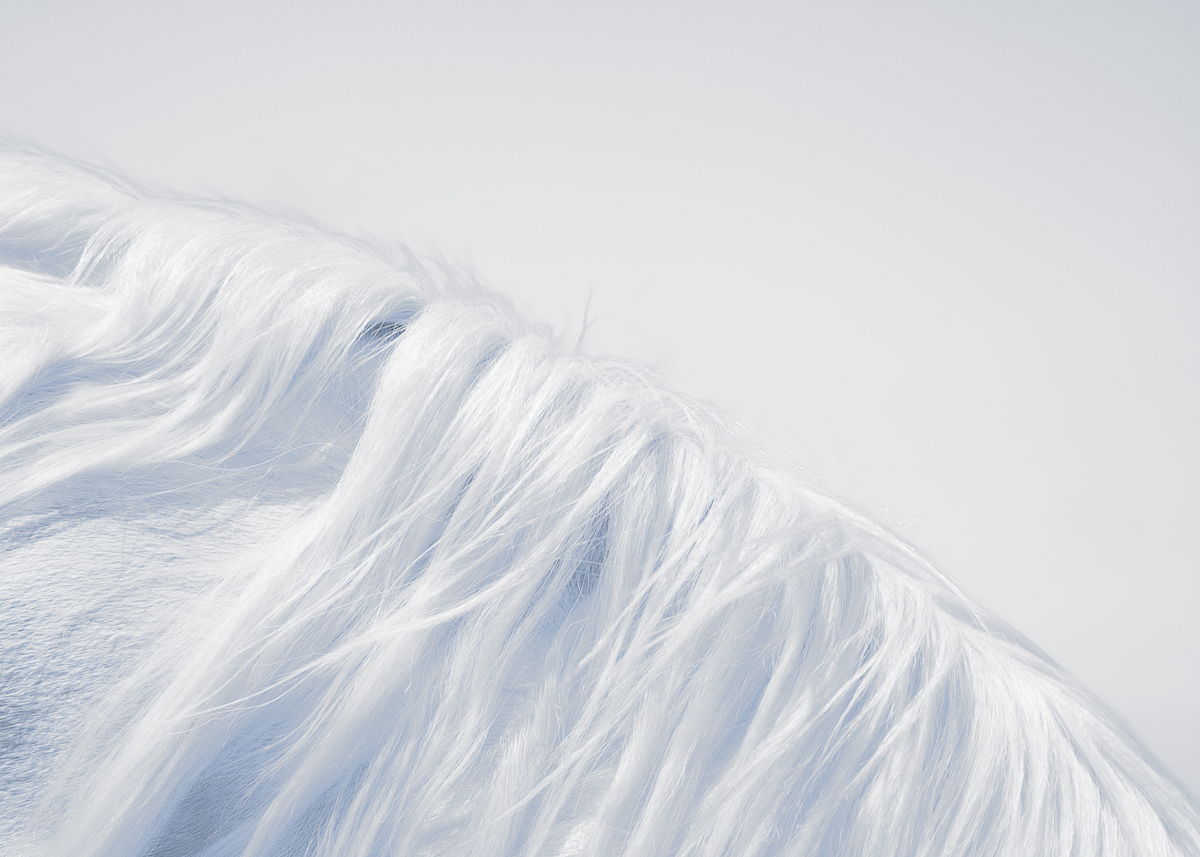
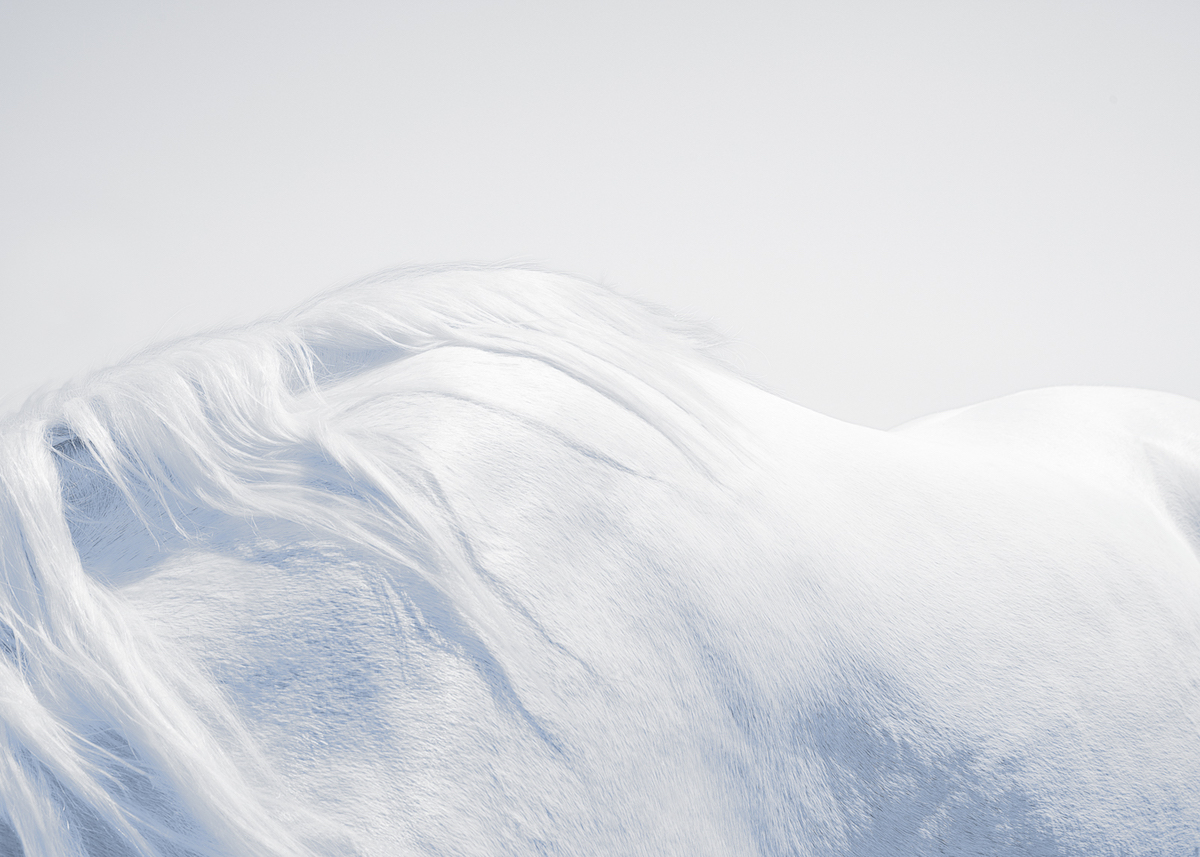
"Keep close to Nature's heart ... and break clear away, once in awhile, and climb a mountain or spend a week in the woods. Wash your spirit clean." John Muir
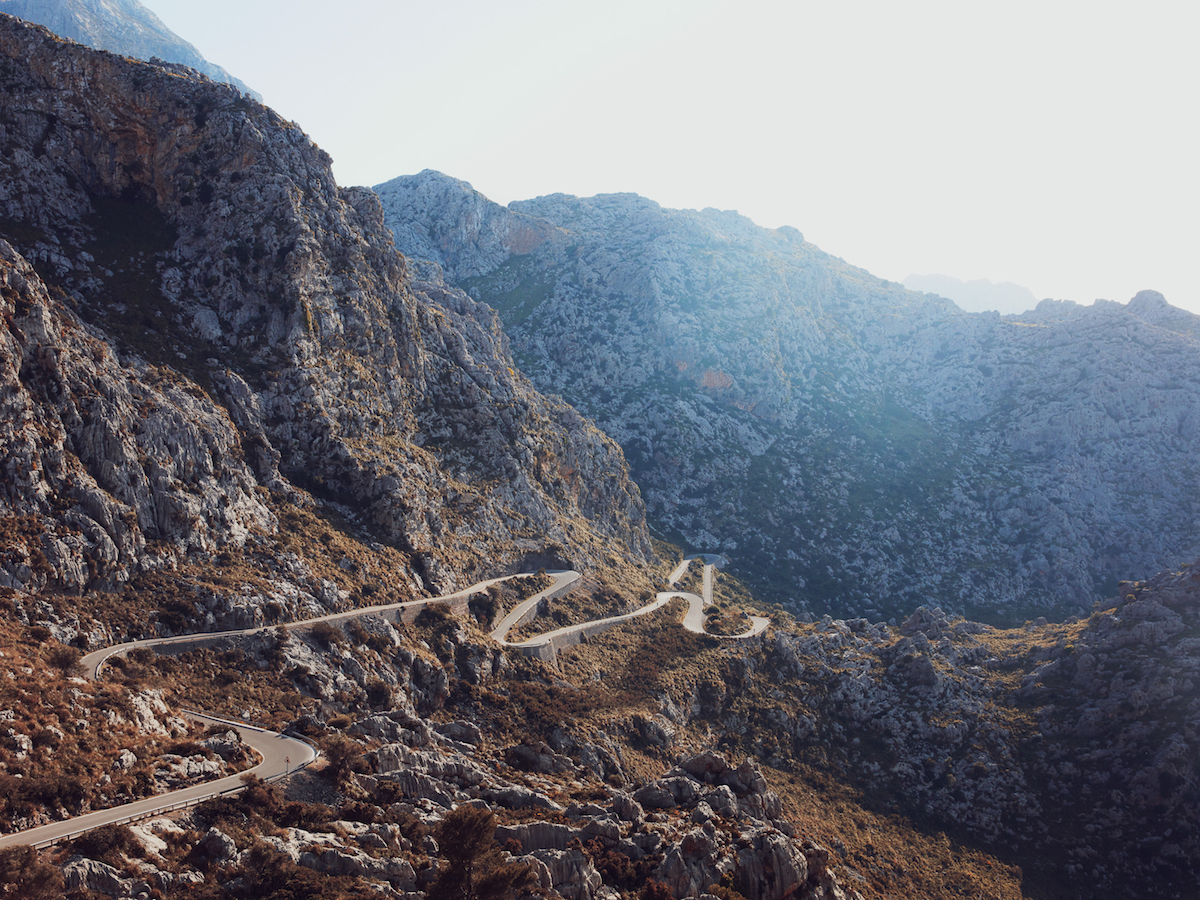


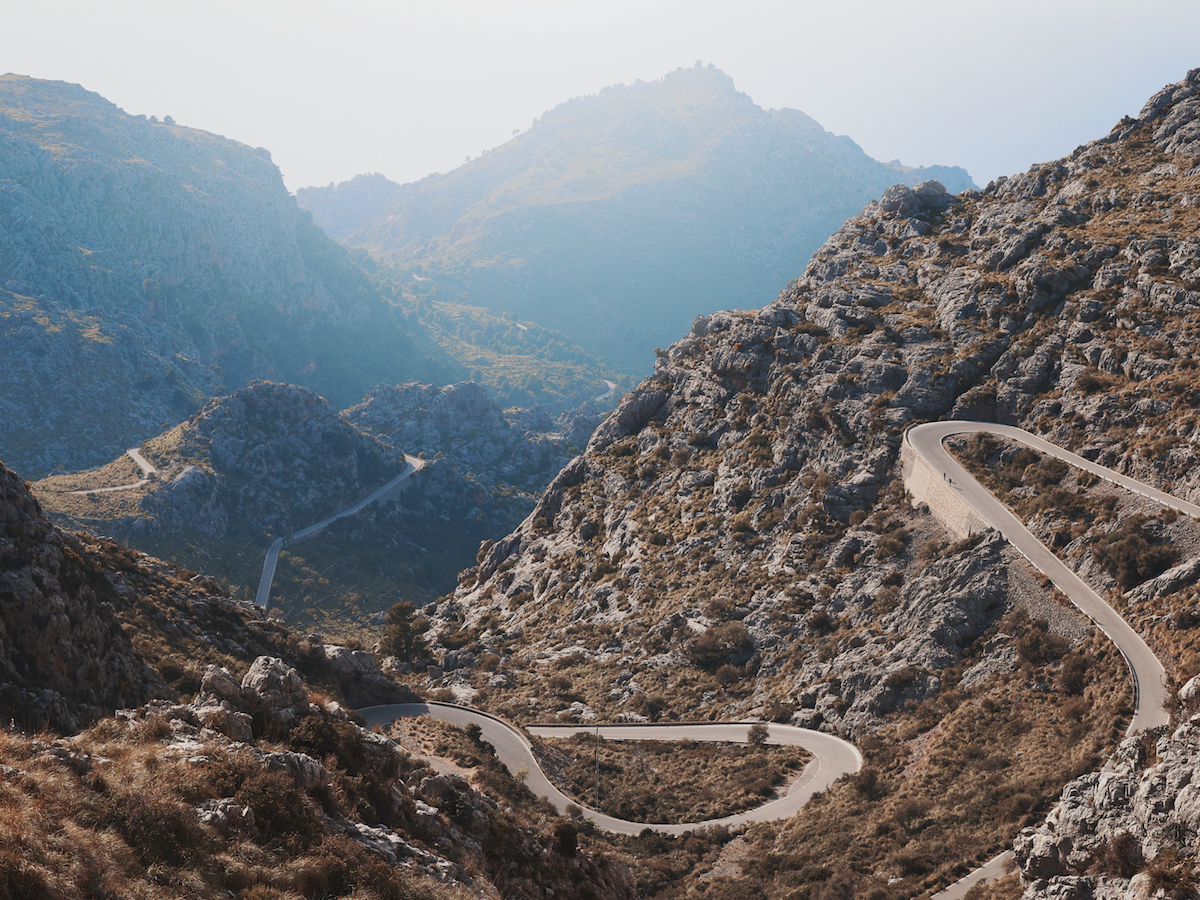
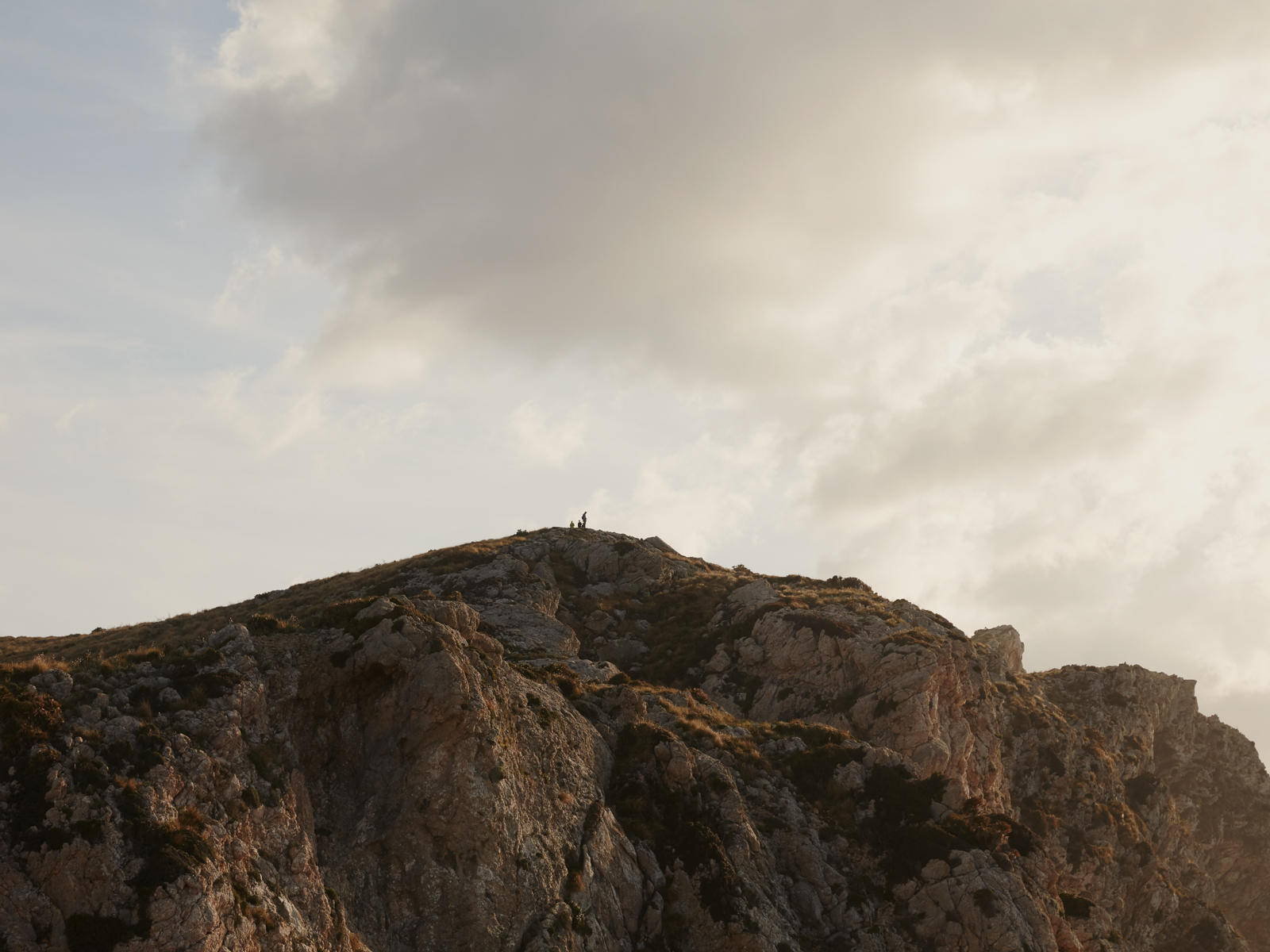
For more of Tom's work visit www.tombunning.com.
Mount Takao
Seeking Japan's mountain spirits.

Photo essay by Lucy Saunders.
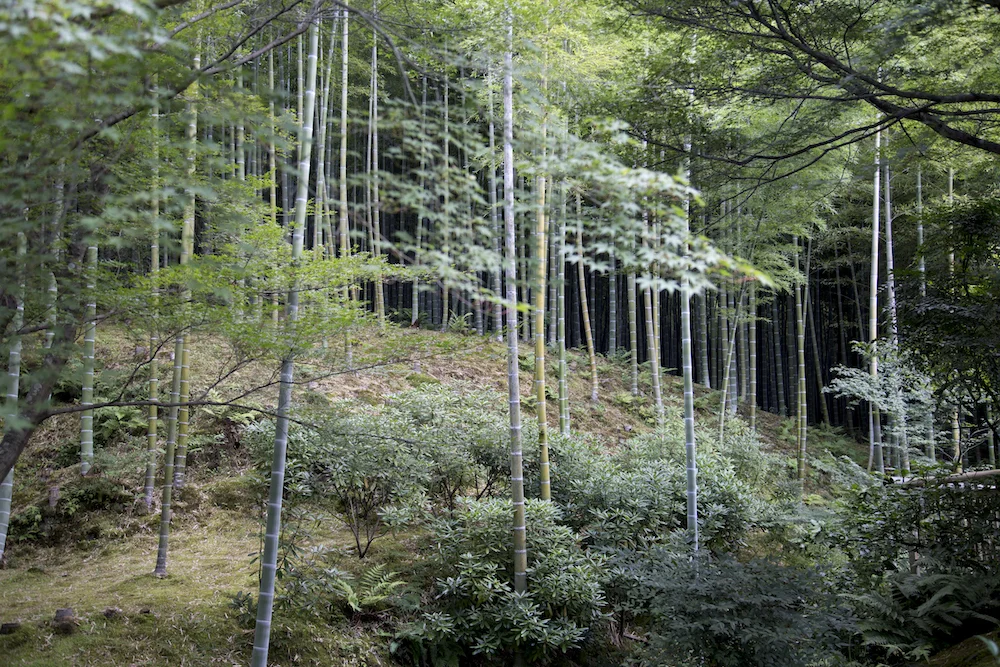
The climb up Mount Takao offered a beautiful escape from the 36 degree heat of Tokyo (when people say summer in Japan can be humid, they're not lying) and the surrounding trees (illuminated as they were by dappled sunlight) provided welcome patches of shade. That said, even at this height the heat was blistering - which no doubt played a part in making the mountainside appear entirely isolated. It felt peaceful, almost timeless. There was a quietness that felt worlds away from the bustling city I had left only hours before.
I saw in the distance, swooping in the trees, a swish of white, like some mountain spirit celebrating the sun. Bug catchers were dancing around the tree trunks with their nets, sliding down the steep mountain slopes or clinging to branches as if it were second nature. I watched them for hours, enthralled by their agility, and they paused to show me their collections - beetles, butterflies, cicadas and moths presented in carefully selected boxes, handled with the upmost care.


There was something particularly beautiful about being in such a treasured, spiritual place and watching locals move through the setting as if it were entirely their own. Everyone I spoke to seemed to know one tree species from another, the name of each insect, where they sleep and exactly how to hold and care for them. They were also careful to ensure that they gave something back to the land each time it was kind enough to bestow a treasure upon them. Shrines and temples were found along my walk up Mount Takao and at each you could stop to pray - following the advice of smiling locals - taking part in an ancient Shinto practice that felt as old as these mountains.


Shintoism is Japan's indigenous religion - one that, rather than following a set ruler or doctrine, focuses on the concepts of purity and respect. There is a deep admiration for nature and its power, with the natural world being the domain of kami, deities that can take almost any form and add a sense of order to our somewhat chaotic world. They may be in a tree, stream or the mist itself.


These spirits watch over the humans of the city below, as they always have. And although it may seem to be a strange concept at first, when you sit and embrace these surroundings you can't help but sense that nature is somehow watching out for you. Being in a natural location this powerful had a very interesting effect. You come to appreciate your place in the world anew. Indeed, even when I descended Mount Takao and returned to the man-made brilliance of Tokyo I couldn't help but notice little pockets of natural beauty and, pausing to acknowledge their power, found that Japan felt more and more like home.
You can see more of Lucy's work on her website: www.lucy-janephotography.com or over on Instagram @lucyjanesaunders.


Handcrafted Maine
Meeting the team and personalities behind Handcrafted Maine.

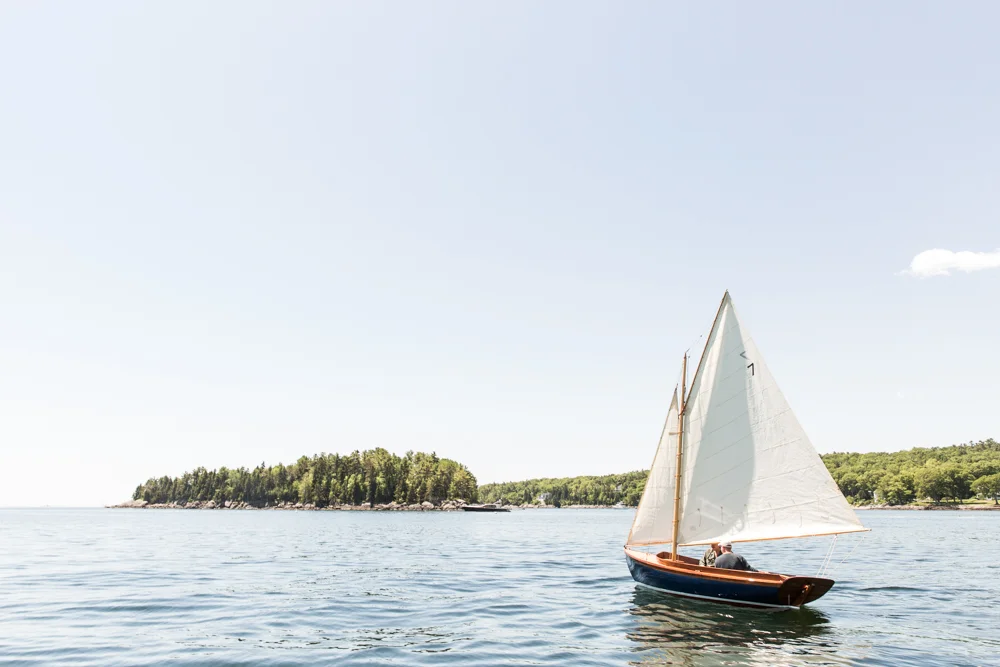
It's no secret that over at Lodestars Anthology HQ we are obsessed with fine print, beautiful words and exceptional photography - if we can find all this in a single publication (one that celebrates creativity, community and the landscape), then our adoration is going to be next level. So, not surprisingly, we were delighted to discover Handcrafted Maine, a new coffee table book that profiles 22 craftspeople, producers and creatives who call Maine home. Focussing on the stunning natural setting as much as their featured personalities, the book is a wonderful inducement to travel, consider the land and possibly even get your own project up and running. Handcrafted Maine is written by Katy Kelleher - who, as a writer and editor, specialises in stories about creators, culture and food sustainability - and photographed by Greta Rybus, who hail from Buxton and Portland respectively. The tones are soothing, workspaces brim with colour and detail, the coastline, farms and woodland entice, and even the coldest of winter scenes will have you yearning to venture to this unique, north-east pocket of the US. The writing is honest and insightful (it's wonderful to come across pieces that look at the challenges associated with creative living, as well as the unparalleled joys), and the entire publication is something you want to savour over copious pots of tea. To understand more about Handcrafted Maine we had a chat to Greta and, as you can imagine, fell even more in love with this stunning project (and those it features).

What inspired you to create this book?
The editor of the book, Jan Cigliano Hartman, had the idea for the book and began working with publishers at Princeton Architectural Press. She called me about the project several years ago and I immediately wanted to be a part of it. I had recently moved to Maine from the west, and I was really struck by Maine’s culture of creativity and resilience. Jan brought writer Katy Kelleher on to the team, and she is an exceptional storyteller. Together, we spent a year or two planning, developing, researching, and refining the concept of the book. We broadened the idea of 'craftsman' from just artists to other producers and creators, including farmers, wilderness guides, chefs, and fishermen. We wanted to include people who use creative mindsets to work with the land or the sea as well. We then spent a little over a year visiting people around the state, Katy writing and researching as I took the photographs. The book was released in July 2017 and it’s been really heartening to see the welcoming and enthusiastic response to the book.

Do you have a particularly memorable shooting experience from this project?
Working on this book was a beautiful adventure and like all good adventures, it left me with some great stories. Maine is an enormous state; we drove hundreds of kilometres and spent entire days in the car to reach the more remote locations. Sometimes we’d pull over during a long late-summer drive to pick wild blueberries on the side of the road. We both got seasick while going out to sea in extreme January waves while documenting lobstermen at work. Wilderness guide Jen Brophy of Red River Camps taught us how to correctly paddle a canoe and I went ice-skating with the beer makers on the pond at Oxbow Brewery after photographing the brewing process.
What do you enjoy most about shooting in Maine?
Maine is a place with four very distinct seasons. The winters are harsh and long, the spring is bright and verdant, the summer is mild and savoured by both tourists and locals and the autumn is brilliant with colour. The extremity of our seasons requires a certain mentality: this challenging place rewards grit and resilience and a responsiveness to land, sea and weather. In my work as a photographer in Maine I often document strong connections between humans and the natural world. People either make their livelihoods around the environment or find inspiration in the landscape. Like a lot of people in Maine, my own work is really informed by the natural world, but it’s also really informed by the people in my local community. I am able to survive as a photographer here because there are so many people in Maine who are doing innovative and interesting work - and I often get assigned to photograph them!


Has working on this book changed how you view Maine and its creatives?
Working on this book deepened my appreciation for Maine and the people that work here. I also got to understand how special the creative economy is in Maine. This state has a deep connection to art that is woven throughout its history: writers like E.B. White and Edna St. Vincent Millay, painters like Winslow Homer and Marsden Harltey, and entrepreneurs like L.L. Bean all based their creative enterprises in Maine. Those traditions have never left Maine and it’s a part of everyday life here. Painters still flock to Monhegan island to paint en plein air. You can buy lobsters directly from the lobstermen on coastal wharves. You can walk into any bookstore and see entire shelves filled with books by Maine writers. Most Maine highways, like Route 1, are dotted with art studios open to the public.
The book gave us an opportunity to have deeper conversations with the people that continue these traditions, while forging new innovative paths within their craft or field. We wanted to create a book with a lot of substance, so we made sure to [capture] both the beauty and struggle of creative work. We talked about the freedom of being self employed and financial burden of operating creative business. We discussed the how racism and sexism can impact artists. We documented the satisfaction an artist feels when making something truly unique, and the joy of creating in a landscape like Maine’s.

You can see more of Greta's images here - and order a copy of Handcrafted Maine by clicking here.
"Creativity isn't just about painting or building or writing ... creativity is forging new pathways. It's coming at a problem from a new direction. It's building bridges where you see chasms. A creative is someone who conceives of a new solution. A maker is someone who turns that solution into a physical reality." Katy Kelleher, p. 22.


The New Zealand Magazine
Introducing the Lodestars Anthology New Zealand magazine. Prepare to pack your bags ...

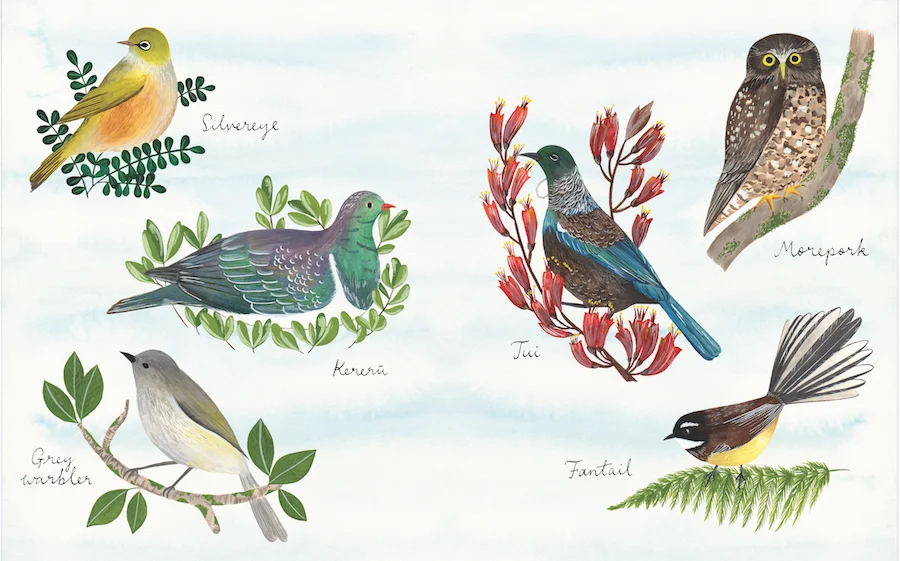
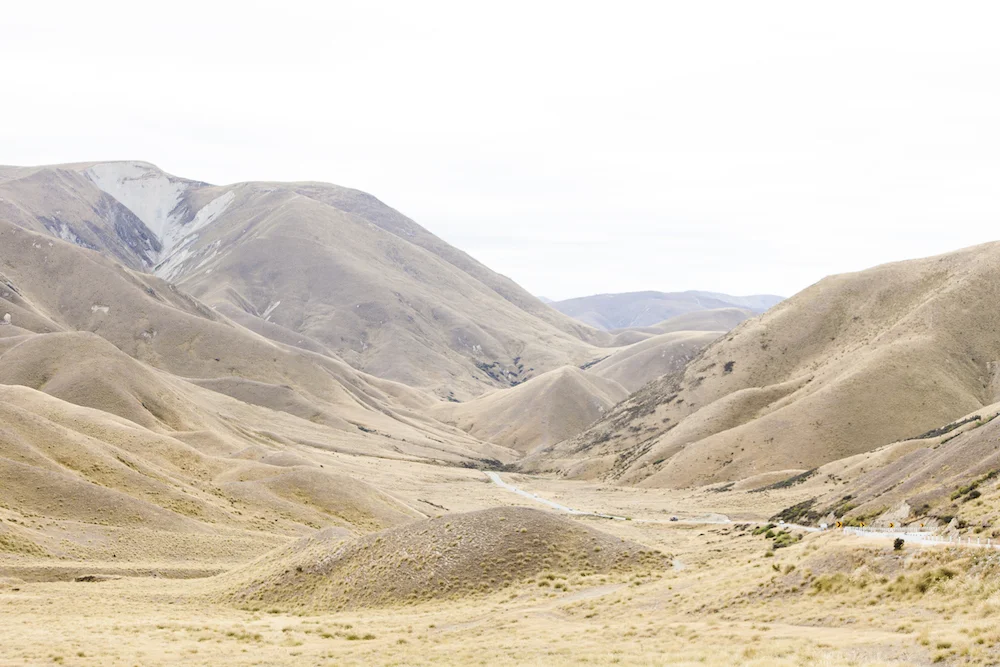
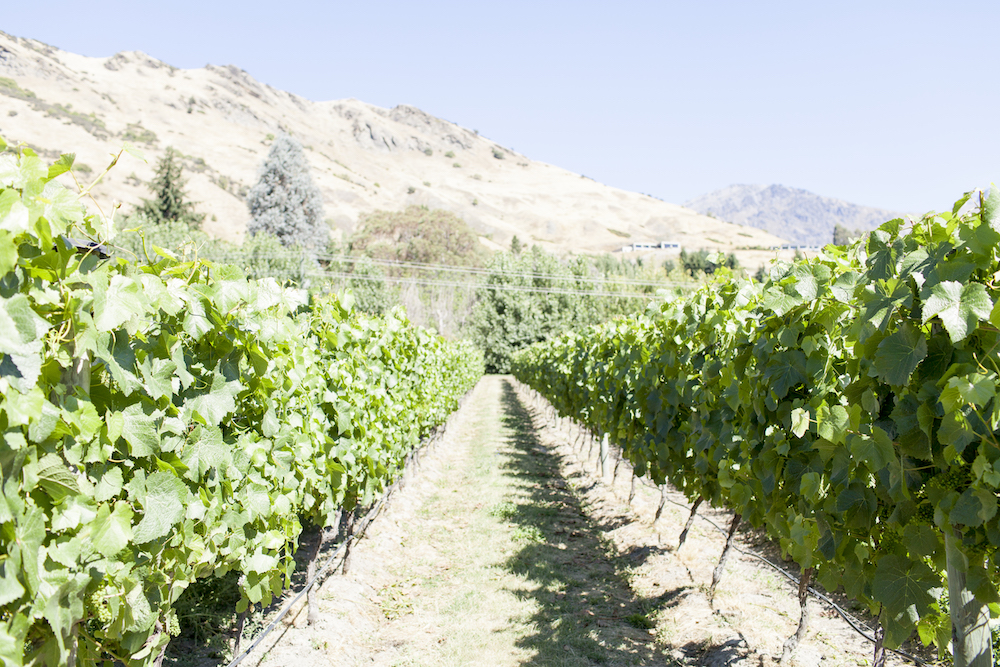
We are pleased to announce that our ocean, wilderness, adventure, design, food, art and wine filled New Zealand magazine will be arriving back from the printers later this week - which means that everyone who pre-ordered with have their little bundle of printed wanderlust sent out to them over the weekend. We can't wait to share our latest project with you - the work of many wonderful writers, photographers and illustrators from across the globe. In the magazine we chat to chef Peter Gordon and actor/wine maker Sam Neill, kayak around Abel Tasman National Park, sip wine in Nelson, cycle from the alps to the sea, discover the food and beaches of Auckland, find the perfect cup of coffee in Wellington, encounter Kiwis on Stewart Island, seek out calm corners shrouded in history, learn to be mindful, sleep in luxury under the stars, tackle the Great Walks, return home and get swept up in Queenstown's calm - and that's just a few of the adventures found upon our pages!

You can order your copy (as well as back issues and subscriptions) by clicking here. For now, here is a sneak peak of some of our New Zealand pages - happy reading (and travelling too)!


"We ventured inland across the Alps, through the beech forests and rugged schist ravines of the Haast Pass - once an ancient Māori greenstone trail - emerging into what appeared to be an entirely different country."
.

"Not only do artisans and small-batch producers buy each other’s work, they often trade goods based on what’s available. Art for firewood. Jam for flour."

"There really is no place like home. I’d just had to go to the other side of the world and back to get here."


"Ideal for anyone yearning to go off-grid, parts of Fiordland have never encountered a human visitor - but perhaps that’s where its beauty lies, in its inaccessibility."

"This is a beach for solitude, for long walks, and for washing the city away; where heartache and hustle are given up to the waves."


Georgina Skinner
Meet the light and landscape loving photographer behind our France and (sold out) New Zealand magazine cover.

Meet Georgina Skinner, the photographer behind our France (and now-sold-out New Zealand) magazine cover. A rather talented lass who splits her time between Aotearoa and the UK and who has a knack for capturing light and life. Prepare for a little dose of Southern Hemisphere wanderlust ...
When did you start taking photographs?
Photography started out for me when I was a kid with my parents film cameras, but as soon as it was introduced to me as a subject I could take for school it very quickly went from a hobby to something I wanted to make a living from.
How would you describe your photographic style?
It took me a few years to find my style and to settle with one look, but it was one day in Paris - I found myself consistently shooting in a specific way. I was drawn to the lighter colours of the city and buildings and from then on I always shot this way and applied my style to all my work. I often get asked if my work is a photograph or a painting, so I suppose that would be my style!
Occasionally I will have a day and find myself shooting dark scenes and situations with a hint of colour, but rarely.
Is there a particular New Zealand area or subject that means something special to you?
The whole journey from Christchurch through Arthurs Pass to the West Coast is special to me. It was the first journey I took when I moved here from England and it was a complete shock to me as to how somewhere could be that beautiful! Now it is our journey home and it will forever remain dear to me.

Do you have a favourite part of New Zealand?
When I think of all the places I have travelled [to] within New Zealand, I always get excited to get back to the West Coast and home. It is so quiet and secluded compared to what I am used to and having our two dogs waiting for us makes this the best place.

Is shooting in New Zealand different to other parts of the world?
The light and the landscape is so totally different to the UK. When I lived in Melbourne the light was so warm and the landscape so vast. Going from that to London where you don’t see so much of the sky and the days are short in the winter, it was a massive adjustment. Now living in New Zealand the sky is enormous, with stunning mountains and sunsets. It is the perfect mix of English and Australian light and I love shooting in it! We truly get four seasons throughout the year and the light is so different for each one. It’s exciting to shoot at all times of the year, but when it rains it pours and that is a day to stay inside and get the computer work done!
Do you have a favourite subject?
The landscape is a new one. I adore shooting the landscape now that I live in a beautiful one, but my true passion which has stayed with me from day one would be interiors and homes. That is where I started out with photography and I will continue forever to shoot and love them.

You've photographed both the North and South Islands - do you find these different in any way?
The South Island is a lot more rural and you can drive a long way without seeing a property. It is rugged and quite untouched whereas the North is a smaller island and there is a lot more going on with bigger cities closer together. I don’t prefer shooting one over the other, however I see the South Island a lot more and so shooting opportunities come up more frequently.
What advice do you have for someone considering a career as a photographer?
Keep at it and believe in yourself. I had many ‘doubt’ days when I started out with my photography. I wasn’t convinced with my style and aesthetic and I didn’t believe that anyone would be interested in it either. It took me a bit of time to gain that confidence and to be able to talk about my work without feeling like I was trying to force it upon someone - once I felt I could do this, the belief and hard work started to pay off and now I can’t believe where my photography has taken me.



Sam Caldwell
Interview with an artist.

The illustrator Sam Caldwell contributed to our Sweden and Canada issues. Sarah Kelleher finds out more about this talented artist. Could you tell us a little bit about your background – where you trained/ how you learned and what inspired you to become an artist and illustrator when you were younger?
I grew up in Bolton, a town just north of Manchester. For as long as I can remember I have always been interested in storytelling and have tried to document the world around me. Drawing and painting have always been the most natural way for me to do this.
I moved up to Edinburgh in 2010 where I studied painting at the Edinburgh College of Art. I initially went to study illustration but switched over to the art department in the first week as it seemed a lot more fun!
I moved to South-East London after graduating and have since been chasing a career in freelance illustration.

You’ve lived in a number of places, from Lancashire, to Edinburgh to South-East London. Have the locations you’ve lived in influenced your work in any way? Are there any landscapes that are particularly important to you?
Yeah absolutely, place is very important to me. I think growing up in a post-industrial town has had a huge influence on the kind of images I make. I love the moorland around Bolton, the old terrace streets and disused mills still loom large for me.
Discovering the Hebrides and the Highlands of Scotland were a big thing too – looking back at the work I made whilst living in Edinburgh, so much of it was inspired by windswept Scottish landscapes and the idea of North.
It has really only been in the past few months that I’ve seen London seep into my work. Since moving down here I have struggled to figure out how to make a living from drawing and have tried on a few different creative hats in the process. It is only recently that I have started to look around me again and make pictures based on my surroundings. I’m really interested in trying to document some of the struggles living in this city throws up.

Looking at your work, it’s clear that you enjoy creating and referencing comic book art. Are there any comic book artists whose work you particularly like or are inspired by? Are you working on your own comic-book projects?
Comics are a fairly recent interest for me. I read the Beano and the Dandy as a kid but it’s only been in the past couple of years that I have started drawing my own and really thinking about it as a medium for story telling. My way in was through Chris Ware’s Jimmy Corrigan as well as the first few Nobrow anthologies. Jon McNaught has been a big influence on how I’ve thought about comics – he has an incredible knack for creating a sense of place through these slow, often uneventful stories.
I just finished ‘Hubert’ by Ben Gijsemans which I would highly recommend to anyone who likes the quieter side of comics.
The main comics project I am working on at the minute is a collaboration with a writer based in Austin, Texas called James McNulty. He sent me a screenplay a few months ago and we are working on adapting it into a graphic novel. It’s tonally similar to something like ‘The Missing’ or True Detective’. The story is set in small town America and focuses on a series of kidnappings. It is pretty dark stuff but it had me totally gripped on my first read through!

You’ve produced work for a number of publications and shows, and although there is great variety in your work, it’s also possible to tell that each piece was created by you – how have you developed your own personal style over the years?
That’s very kind of you to say so! I don’t think it is a particularly conscious thing, hopefully it is something which has happened naturally. That said, I have always found it useful to draw quick versions of other artist’s work. I think it is a really useful way to learn how people you admire use line and shape and space.
I used to draw pretty obsessively, filling sketchbooks with drawings of photographs I would find on blogs and in books as well as invented characters and scenes. I still try to get at least one drawing down every day. Style is definitely defined to some degree by what materials you use too. I find that I draw completely differently with a pencil than I do with a brush and ink for example.

The pieces you’ve worked on for Lodestars Anthology have been related to the cultural life of the different countries covered by the magazine, and you have been very adept in referencing the books and films from the written pieces in your art. Do you have a strong interest in literature, film and music? How does this play out in your work?
I definitely have a real interest in all of those things, anything which tells a good story or seems to have a unique perspective on the world always grabs my attention. Although I definitely don’t read as much as I would like to, I do often find inspiration in fiction and poetry. I’ve been working on turning a series of Simon Armitage poems into comics recently actually. Film is a pretty big influence too; I will usually have to dig back through movies to take screengrabs or photos of particular scenes and shots. I love work which nods to or references its source of inspiration in some way. Inspiration can come from almost anywhere, you just have to learn to be receptive to it and always carry a notebook!

You use pen and ink, ink wash, pencil and digital art to create your work – do you have a favourite medium to work in? Do you like to experiment with new mediums?
I love working with physical materials. I feel as though I am in a constant battle with Photoshop and my tablet, always trying to make my images more print friendly and contemporary. Working digitally is great for tight deadlines and getting a clean finish but I always seem to find myself going back to my trusty set of watercolour paints. I really like the unpredictability of using a watery wash of paint or ink, building images up from loads of thin layers allows me to get colours and textures I just can’t achieve working digitally.
I enjoy trying out new mediums from time to time, drawing with a dip pen and a pot of ink is fairly new to me and something which has really changed my approach to making pictures. You can’t mess around too much with ink, it forces you to roll with any mistakes and work a lot more confidently than you would in pencil for instance.

Your work encompasses both landscape and portraiture – do you enjoy working in both these areas? Do you have a favourite?
I like both equally I think. I am really interested in the idea of place and how people relate to and are to some degree defined by their surroundings. I like to think of my pictures as stills from a film. I want my pictures to evoke some sense of narrative and to have a definite character. I think you can get just as much character from a landscape as you can from a portrait.

Your work is very atmospheric – often with a muted, or deep colour palette that can seem quite ominous, and we particularly saw this in the illustration you did for ‘Let the Right One In’ in the Swedish Literature piece for Lodestars. Do you enjoy creating works of art with a slightly darker feel?
That piece was fun because I got the chance to read up on a film that I am almost certainly not brave enough to actually watch!
Without sounding too gloomy, I am definitely more drawn to things with a darker feel to them. Not so much horror but I have been told that my pictures often have a certain feeling of melancholia to them. I guess I just find that kind of thing more intriguing. It is probably a bit of a hangover from my teenage years spent reading Philip Larkin and listening to The Smiths! The films, books and pictures that really resonate with me usually have a similar tone to my illustrations. Generally speaking, I am interested in depicting characters who seem to have a complex story surrounding them. I think that often darker stories are more engaging than light-hearted ones.

Your portraiture and people work is very expressive – how do you set about conveying a sense of emotion or character through your artwork of people and personalities?
It’s all about the eyes and eyebrows, these are undoubtedly the most expressive parts of the face. If you can get those right, then the rest of the portrait usually follows pretty easily. I always start with a loose layout in very faint pencil. Once I’m settled on the composition I will tighten up this pencil layer and sketch in some of the facial features. The bulk of the working out is done at this stage. I then get the ink pot out and draw the face. I always start with the eyes. I like to do this stage fairly quickly; faster lines almost always look better than laboured ones. Once I have inked out all the line work I go about blocking in the first layer of watercolour. This is undoubtedly a backwards way of doing things but I often find my colour palette is influenced by the feel of the drawing underneath.

Do you have any illustrators whose work you particularly admire and follow? If yes, then why these artists?
I admire tons of people’s work, the list is endlessly growing.
Ben Shahn is my absolute all time favourite painter. His pictures really capture a particular time and place and are an endless source of inspiration for me. As far as current working illustrators go, Dadu Shin, Roman Muradov, Patrick Leger, Sam Bosma, Eleni Kalorkati, Lizzy Stewart, Benji Davis, Thomas Haugomat, Matt Rockefeller, Adrian Tomine and Jordan Crane are all excellent, to name but a few. Closer to home, anyone reading should check out the work of Seamus Killick, Tom Brice, Jamie Johnson, Mark Connolly, Sarah Sheard, Laura Griffin, Efa Dyfan, Kyle Noble, Tiina Lilja, Gwen Kehrig-Darton, Herbert Green, Ben Hall and Supermarche.

SaveSave
SaveSave
SaveSave
SaveSave
SaveSave

Lodestars Anthology Japan

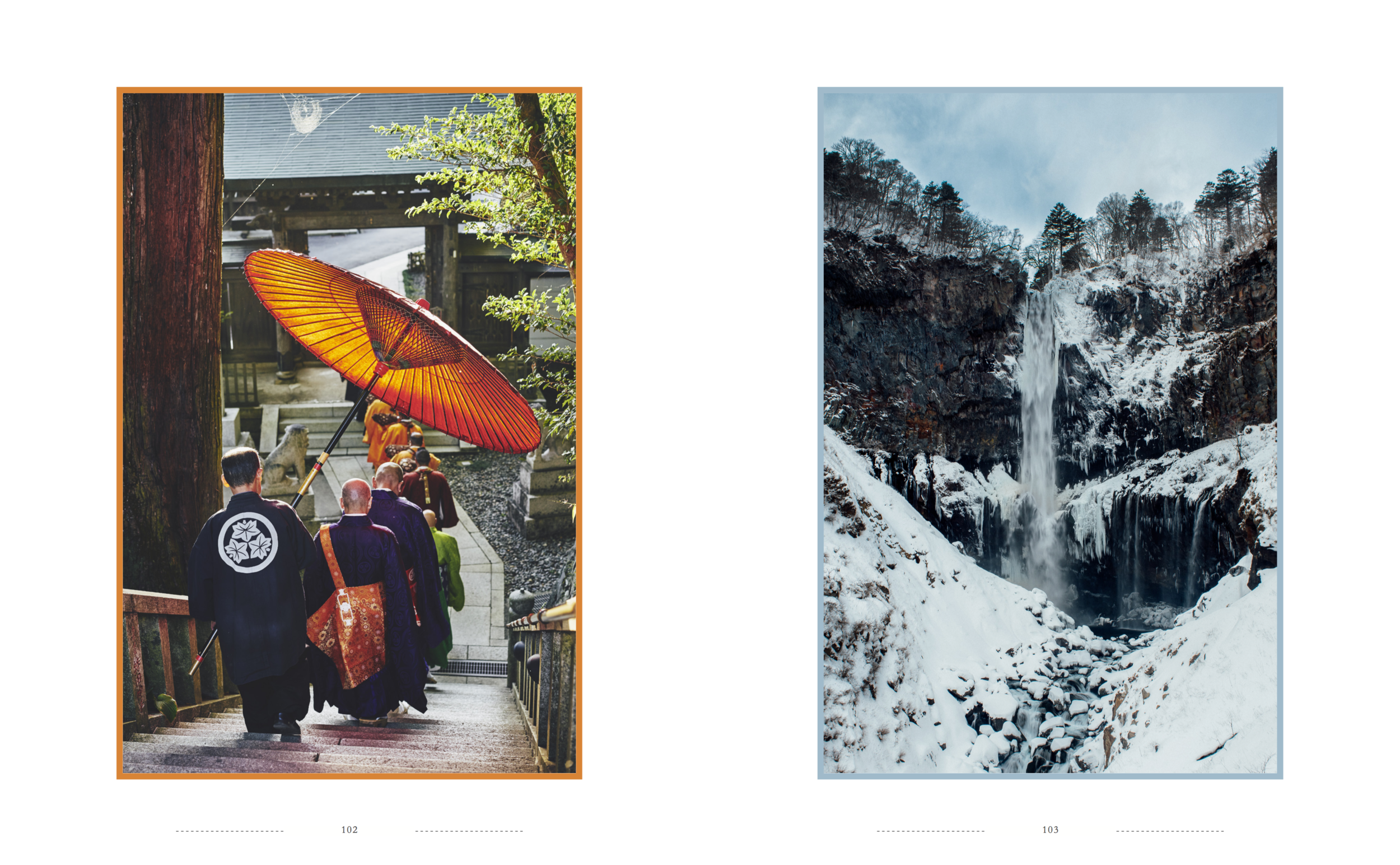
Introducing the latest addition to the Lodestars Anthology travelling family ... Japan! This issue has now sold out.
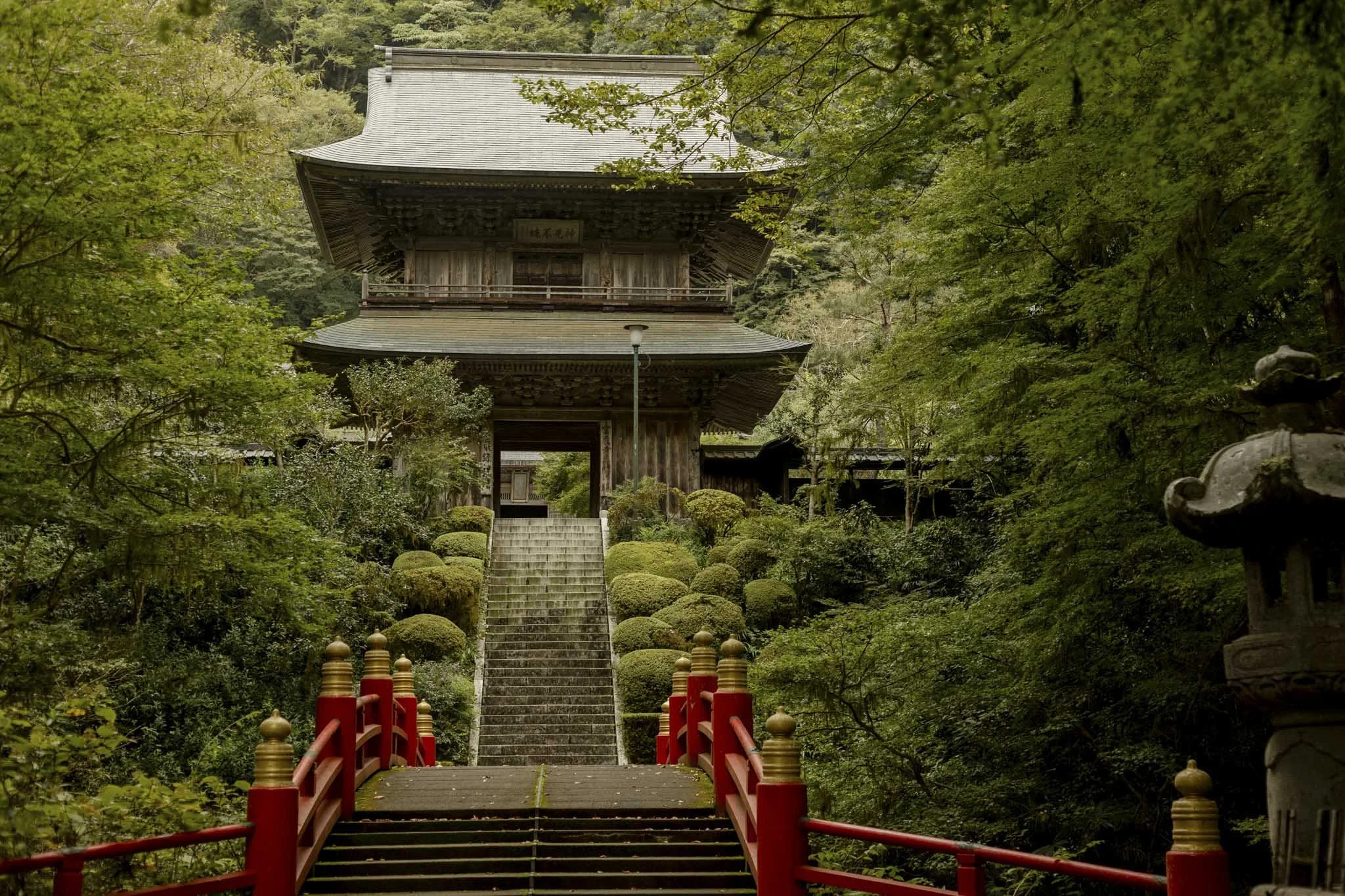
Journey to Japan and discover a land of tea and tropics, wabi-sabi and wonder. A place where symbolism abounds and nothing is without purpose. For here you’ll find an ancient and powerful landscape that has shaped history yet still dictates the rhythms of modern life. There are illuminated capitals and pockets of untouched wilderness, both marked by a deep sense of spirituality. Art flourishes, design inspires and others come first. May the light never dim on the Land of the Rising Sun.



None is travelling
Here along this way but I
This autumn evening
Matsuo Bashō


Celebrating Cecil Beaton at Wales’ Hawarden Estate.