
TextileSeekers
The art of Vietnam . . . sustainability, community, craft traditions and artisanal expertise.
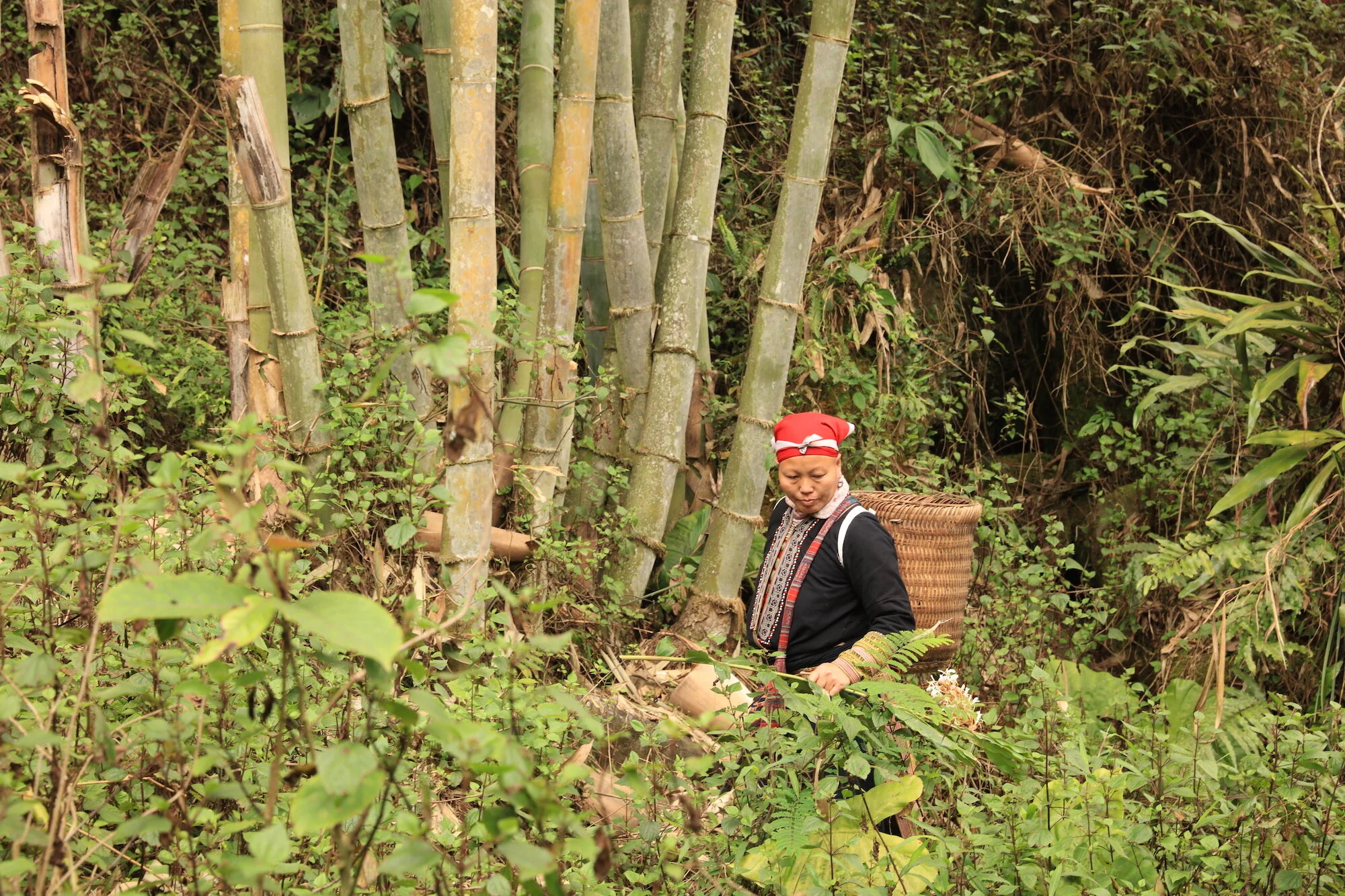
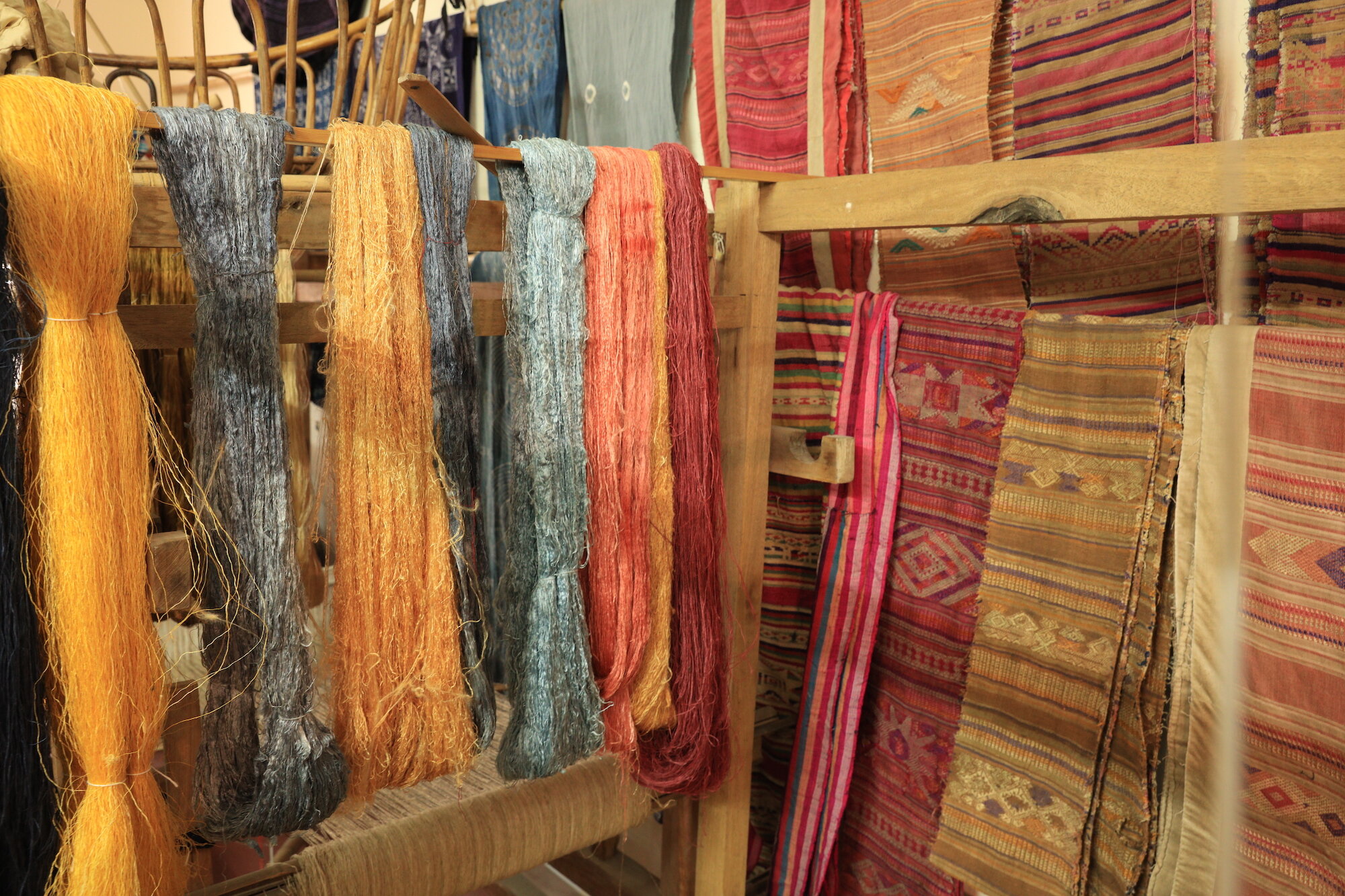
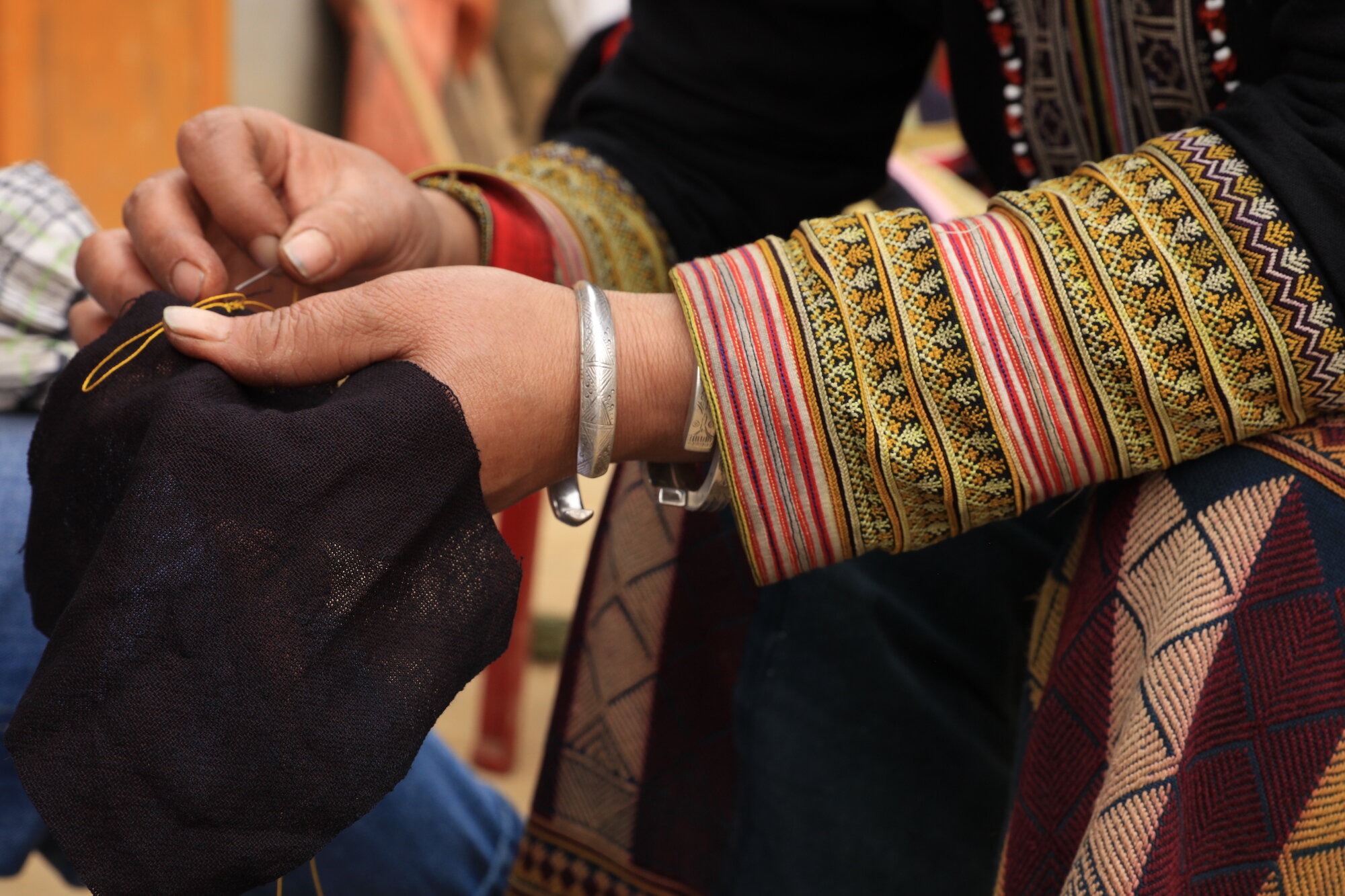
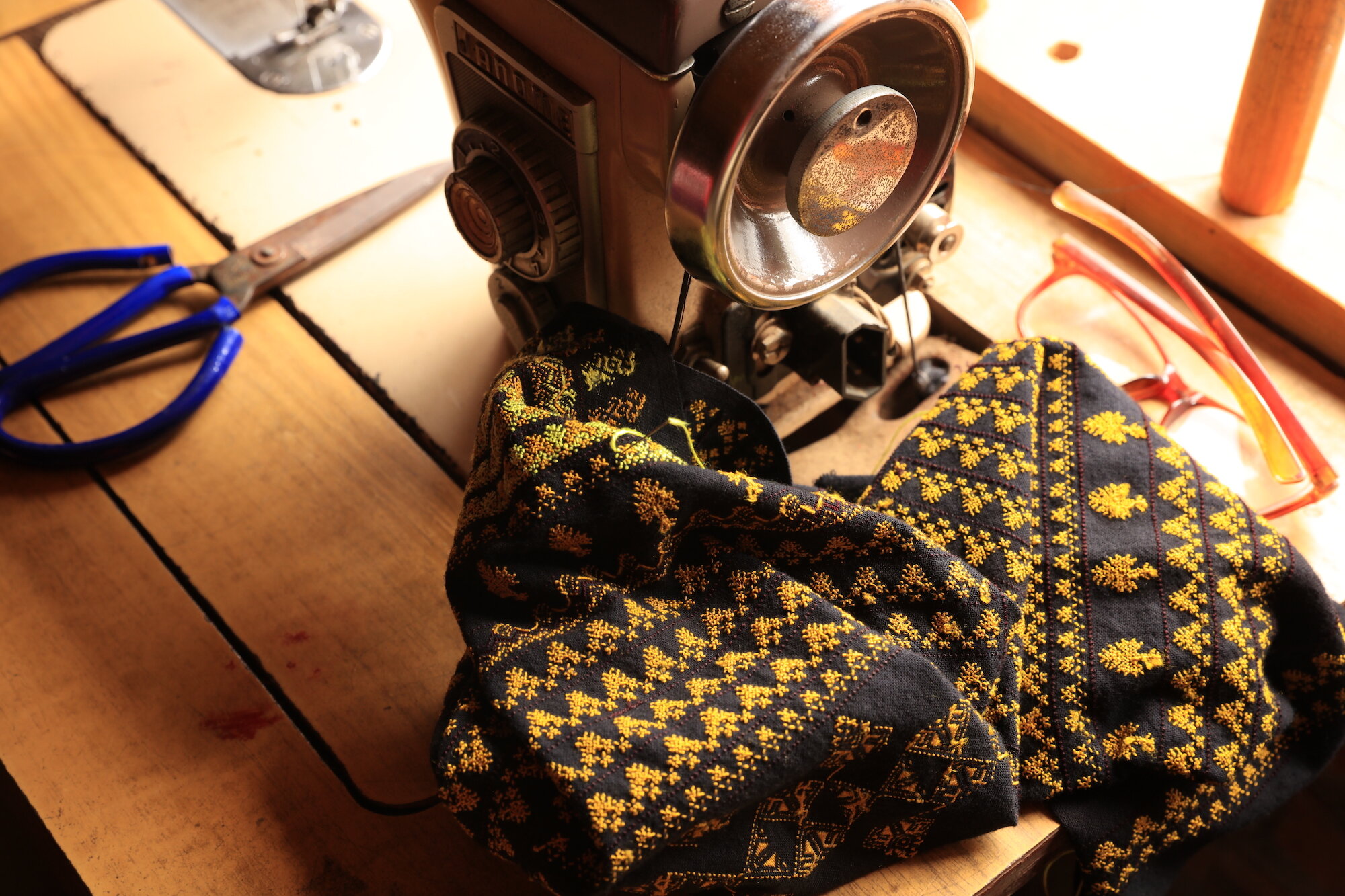
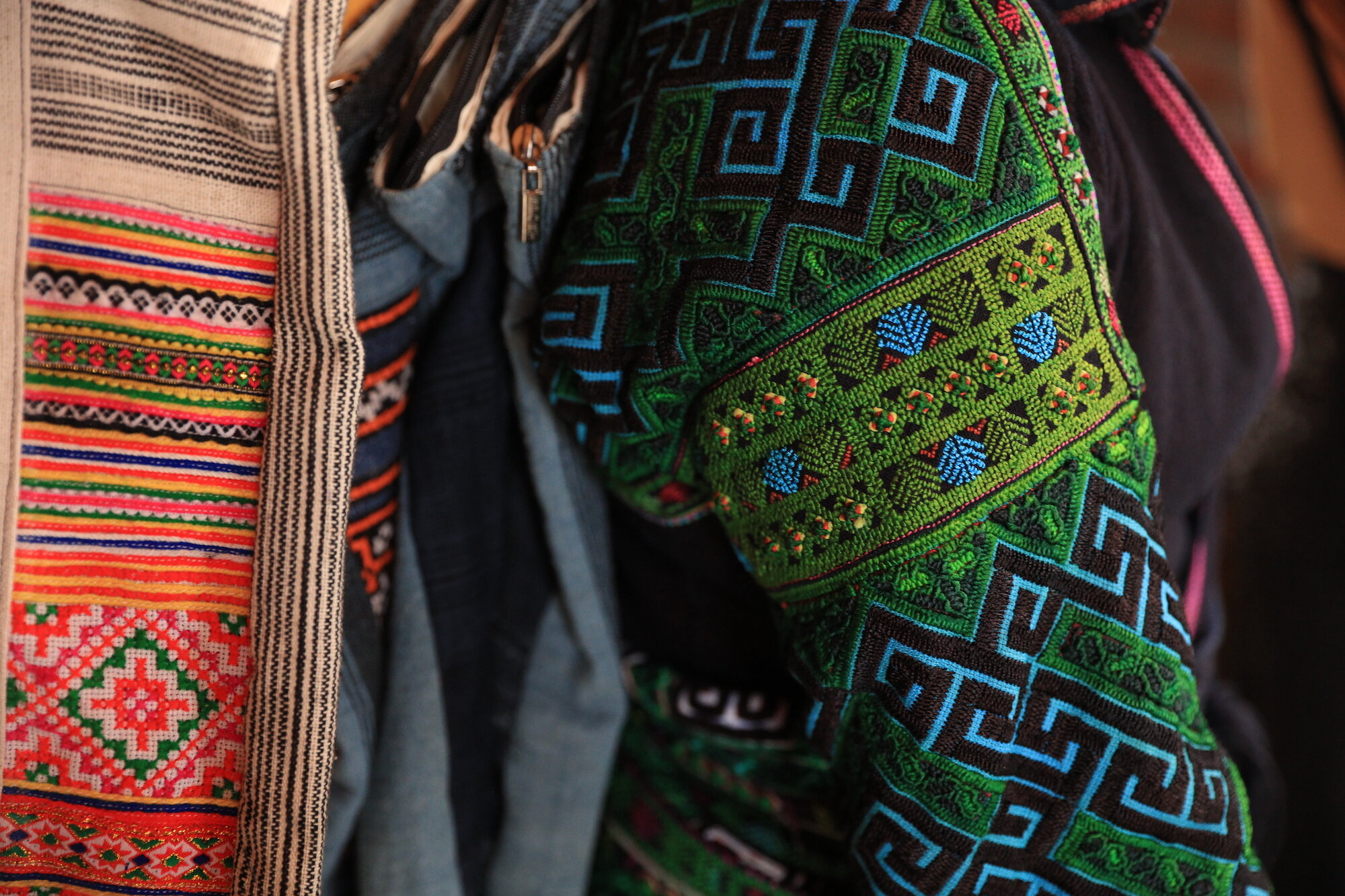
In February, I ventured to Vietnam, travelling from Hanoi to Sa Pa with TextileSeekers, a boutique travel company founded by Thao Phuong that is dedicated to promoting sustainability, community, craft traditions and artisanal expertise. Thao curates these tours for women (in partnership with local tribeswomen and charity organisations), introducing her travellers to the region’s cultural wonders. It is a unique chance to slow down and seek beauty - and a reminder that travel is about connection as much as adventure.
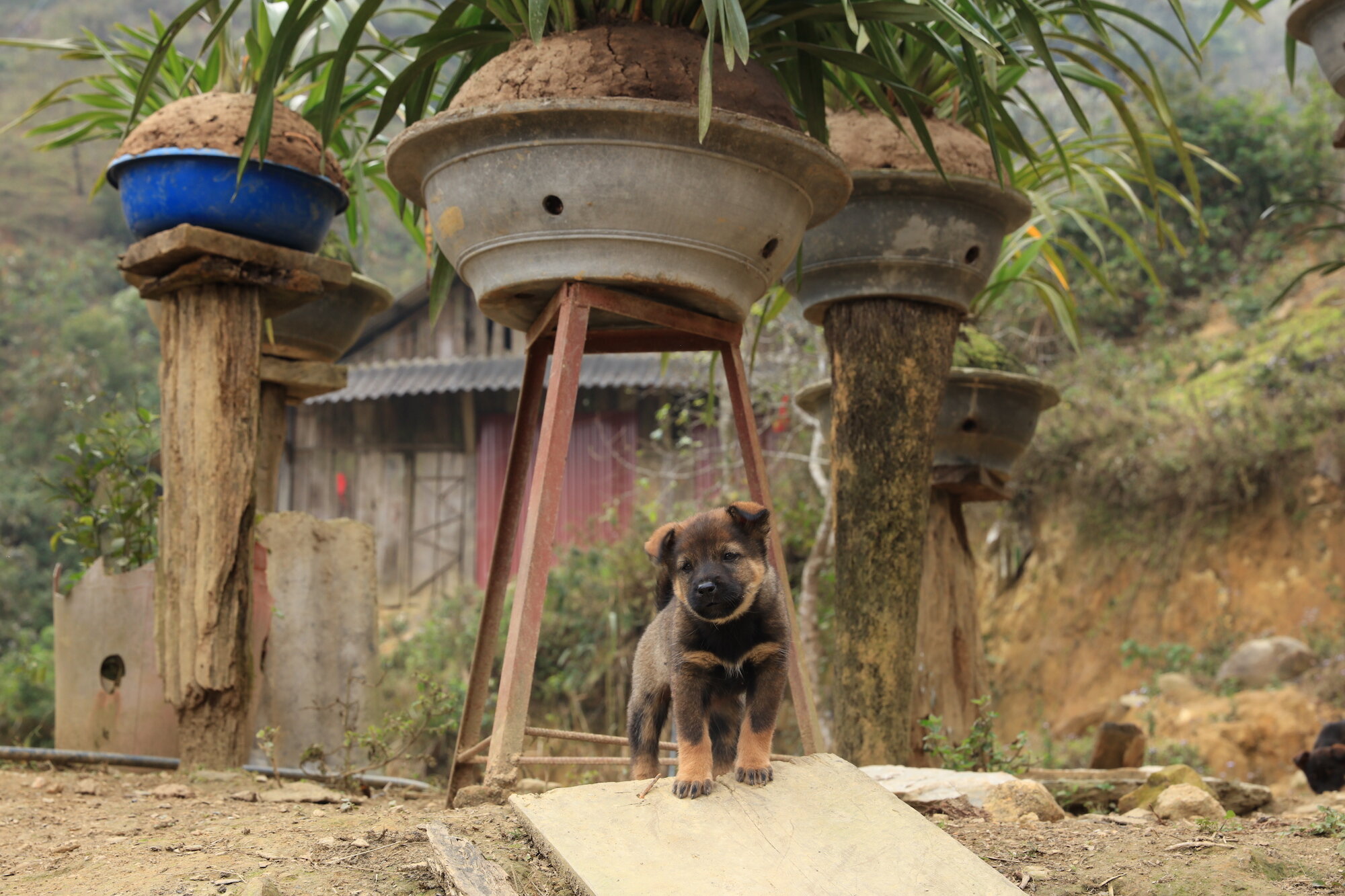
Understandably at the moment, travel is on hold as we come to terms with our new circumstances and focus on keeping safe, staying home and helping those in need. It is not an easy time for anyone. So I wanted to share these images - captured by Angela Terrell, my mother, who often joins me on these jaunts - as a reminder of how vibrant, diverse and wonderful our world is. They are postcards from another place … and another time.
TextileSeekers shall continue to offer intimate, guided tours through Vietnam in the not too distant future (you can keep and eye on Thao’s plans, progress and collaborations by clicking here), but until then, we hope you enjoy these snapshots - reminders of what is out there, waiting to be discovered, when the world is ready. Liz Schaffer & Angela Terrell












Mexico, my love
An ode to Mexico …
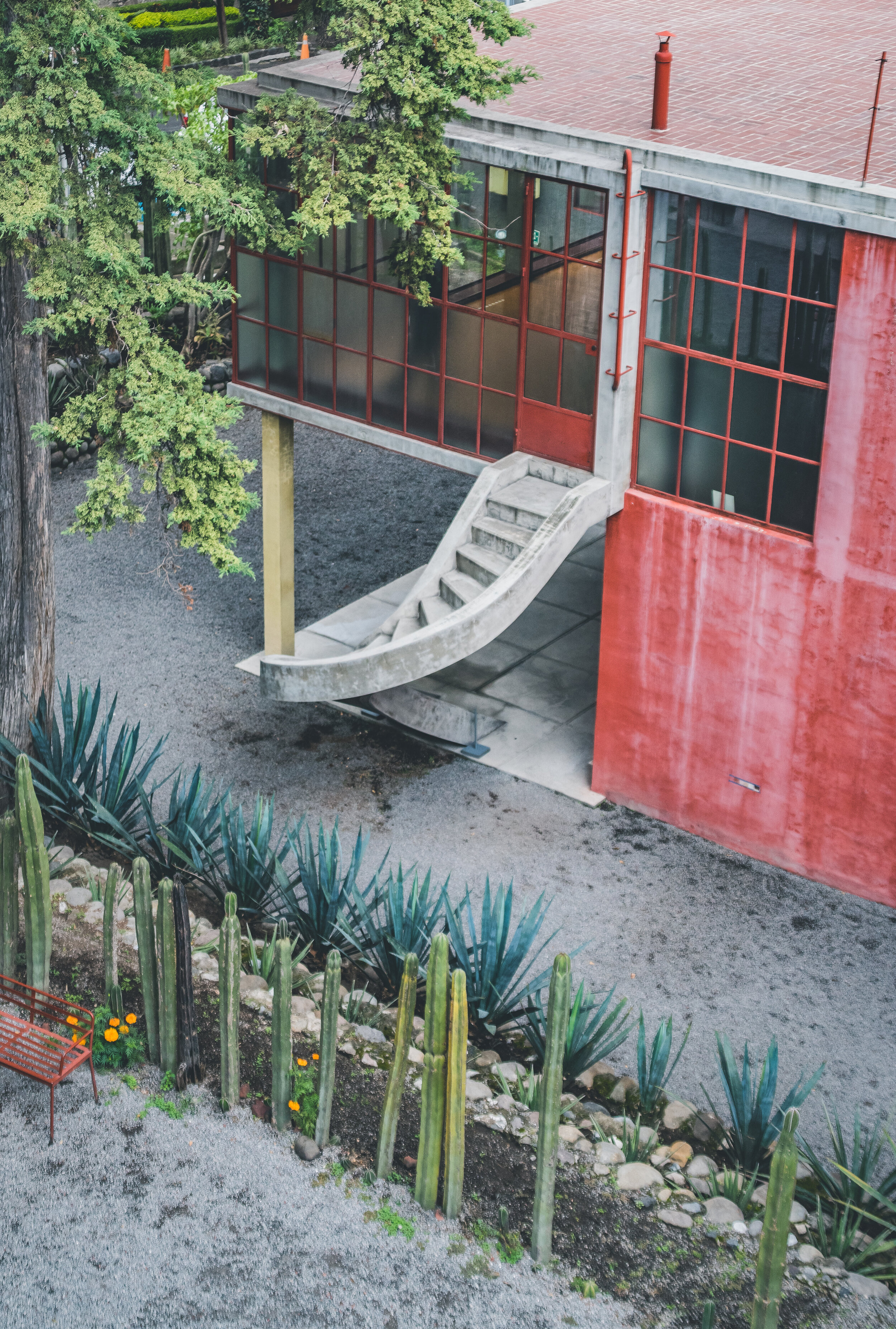
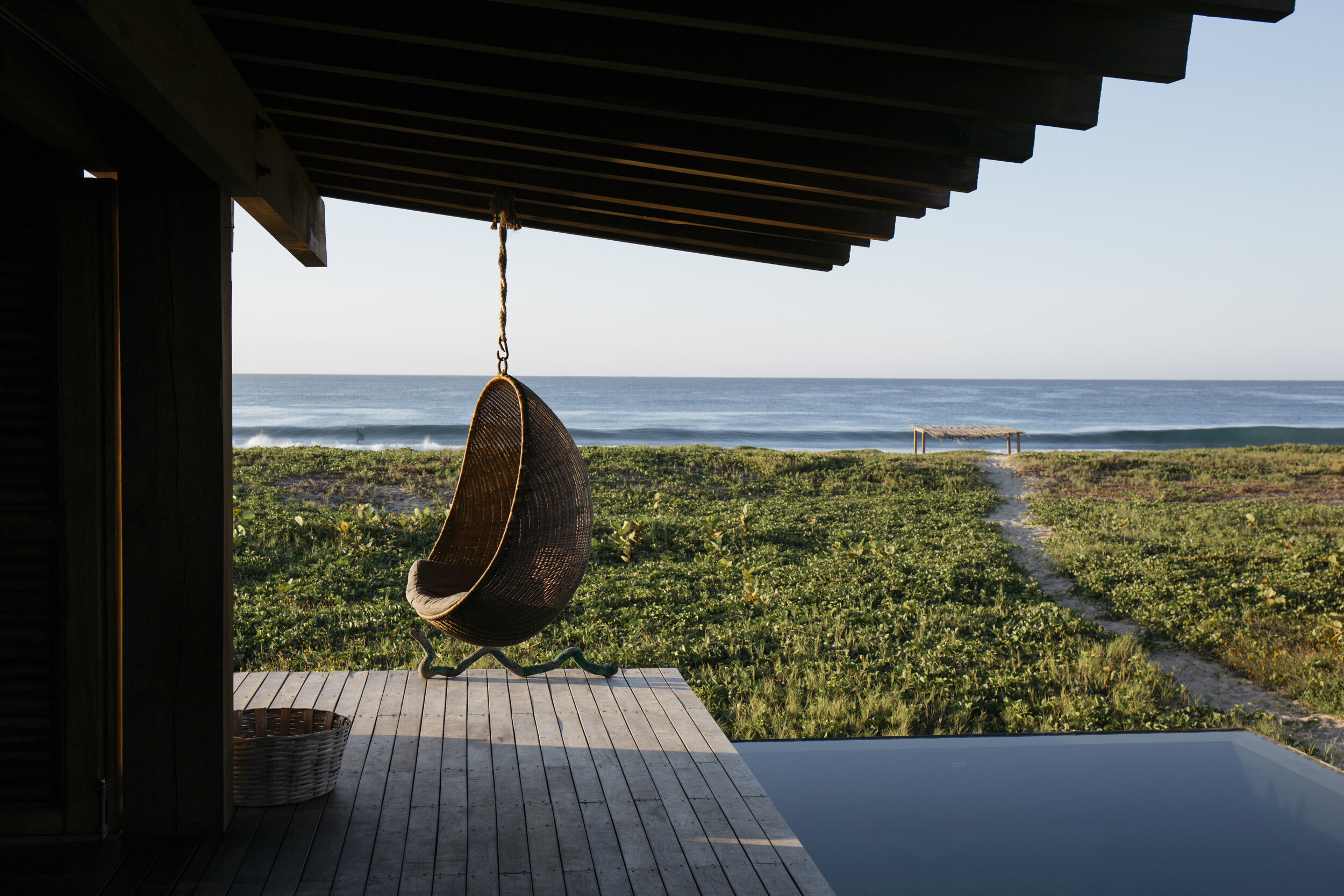
Our Mexico magazine is off to the printers in April and before we bid it farewell, I wanted to share a collection of photos that - while utterly stunning - we simply couldn’t fit in our ever-explanding magazine … oh to have even more pages. I’ve run them here with part of my draft editor’s letter (don’t worry, still have a little time to polish it up before it hits the press), to give you a taste of what’s to come - biased as I may be, this magazine is going to be rather special.

I’ve waxed lyrical about diversity before, yet Mexico is something else entirely - a destination that lends itself to lists, to half finished thoughts, rather than sentences. It is a sensory overload, an explosion of colour and passion, a place with no desire to be captured, tamed, frozen on the page. The cultures, traditions, accents, flavours and designs are so manifold that should you travel from the north to the south, you’d swear you had stumbled upon a different world. Heck, Mexico City and Puebla, separated by a two hour bus ride, could well be countries apart. Mexico is impossible to know in full, and is a nation that is forever evolving, while somehow remaining beholden to its past.
When it comes to Mexico - where grace and joy are intwined with sorrow, heartbreak and the etherial - 164 pages doesn't feel like enough … and an editor’s letters seems entirely useless. So, instead of introducing some of her many guises (as the land of powerful matriarchs and enterprising women, Mexico is indeed female), I shall instead explain why I chose our cover photo, captured during Día de Muertos celebrations in Chiapas by Jimena Peck.


The world is in flux at the moment - things are fast-changing, difficult and far from predictable. However, I wanted to release this Mexico magazine on schedule, not only for the sake of our wonderful contributors (who are talented beyond words and travel in such daring, brilliant ways) and those we have featured (some of whom are inevitably struggling at the moment), but because the world needs beauty. Wanderlust, support, escape, appreciation and joy are vital, and I so hope in some small way this issue provides that. Be kind, despite all that is happening, we are astoundingly connected.
These photos come from Ellen Hancock, Angela Terrell, Jimena Peck, Emma Phillips and Leila Ashtari. Click on their names to visit their websites.
To pre-order the magazine (and right now, every pre-order helps more than you could know), click here.





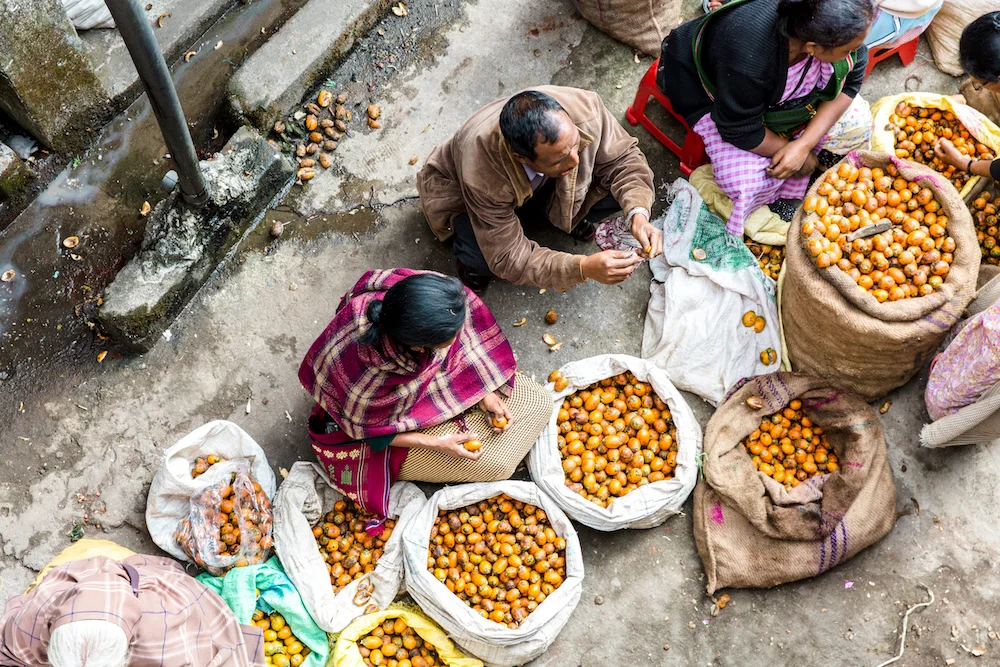
Annapurna Mellor
Our India magazine cover photographer on the joys of travel.
We chat to Lodestars Anthology cover photographer Annapurna Mellor about the joys of photography and travel - to see more of her work be sure to check out our India magazine here.
What drew you to photography?
I never studied photography and initially I fell into it. After I graduated from university, I felt quite lost in my life and decided to travel solo around Asia for a year. I first went to Nepal to hike the mountain I was named after, and then continued through India, South East Asia and Mongolia. I started with a small camera which I didn’t know how to use outside of Auto mode, and throughout that year got more and more into shooting. I learnt techniques from other travellers and the photos I was taking got better and better. I had a blog at the time and family and friends back home started telling me I should do it as a career. My dad is actually a travel photographer too, so I think I have a natural eye from him which is perhaps how my images developed very quickly at the beginning. I loved the idea of being able to have a job where I could travel and tell stories of people and places around the world. Finding the incredible work of photographers like Steve McCurry and Alison Wright just inspired me even more. Of course, over the few years since then I have found out that this is a very hard career to make money from, and it isn’t just all about travelling and taking photos, but my love and passion for image making has always carried me through.


How would you describe your style?
I describe myself as a travel photographer because while I shoot a mixture of portraits, street photography and landscapes, I am always trying to portray a sense of place through my images. I want people to look at my photographs and feel like they are in a place; meeting the people, walking the streets. My work definitely has a documentary angle, as I’ve always been drawn to cultures when I travel and I love capturing people and telling their stories.
Has your style changed over time?
Yes, to a degree. I only started taking photographs around four years ago and I found very quickly that I mostly connected to photographing people and that is also what my audience responded to. Quickly my portraits have become what I am known for, and they are still my favourite thing to shoot. Overtime, my style has definitely become more refined and I think my skills as a storyteller have improved. In the beginning, I was just shooting things which I thought were beautiful, without much regard for how the images fitted together and how they might make a story. Now it’s one of the main things I think about when I’m shooting.
Has there been a particularly memorable shoot?
I’ve had some amazing opportunities to shoot beautiful places and people all over the world, and different shoots stand out for different reasons. My first big magazine assignment (for National Geographic Traveller) was along the English/Scottish Borders. It was a location totally different for me, and after having spent a few years living in Asia building my portfolio, I was nervous if I could capture the UK in a way which still felt like my style. I took my sister with me as my driver/model and we spent four days driving along the border. It rained constantly, we had to sleep in an unheated barn one night (in early February) due to a lack of any budget, and we ended up in a lot of locations I was supposed to shoot thinking ‘is this it?’. It was a really tough shoot but in the end I think I captured some images which really celebrated the beauty of the place, and it made me realise that sometimes challenging shoots end up being the most rewarding.


You've travelled the world taking photographs, do you have a favourite location or subject?
India is my favourite place both to travel and to take photographs. I feel a very strong connection with the country and when I’m there I feel very at home. As a photographer, it’s a paradise. The colours, the faces, the festivals and spirituality. I feel like I could spend a lifetime photographing India and there would still be more to see, more to capture.
Can you tell us about capturing the Lodestars Anthology India cover image?
That photograph was taken at the Pushkar Lake in Pushkar, Rajasthan a few years ago during my second trip to the country. Pushkar is a gorgeous little town between Jaipur and Jodhpur, and I spent almost a month there over the annual Camel Fair, capturing local herders and families on the dunes.
Some days, I would take time off and sit around the lake where it was very peaceful and quiet. Most of the lake is for pilgrims, who bathe in the holy waters, which are said to be tears of Lord Shiva. I was sat on the opposite side one day when all these women in vibrant dress walked past. I loved the contrast of their bright clothes with the white background of Pushkar town and the lake. Little unexpected moments of magic like this often happen in India.


You also run ROAM magazine, can you tell us about this project?
I started ROAM two years ago with my sister Athena. I felt like there was a lack of a platform which focused on storytelling and cultures, and too much travel media was becoming about the traveller not about the place. I wanted to change the conversation about travel, and create a platform to celebrate the work of travellers who seek out deeper cultural connections and off the beaten track places.
We publish photo essays, stories, interviews, guides and features from all over the world. We aim to delve into places a little more off the beaten track, or to highlight cultures you may never have come across. Imagery is a huge focus for us, and we love finding beautiful photography to illustrate the magazine with. We are contributor based, and have published stories from amazing photographers, writers and creatives from around the world. Our aim is eventually to make ROAM into a physical magazine, full of stories and beautiful photography.
What advise do you have for someone looking to begin a photography career?
Firstly, this is a really hard and unpredictable profession and you really need to love it with all your heart to want to pursue it as a career. If you do, then I think it’s really important to develop your own style and unique way of telling stories. This is what will make you stand out from everyone else.
To see more of Annapurna’s work, click here.


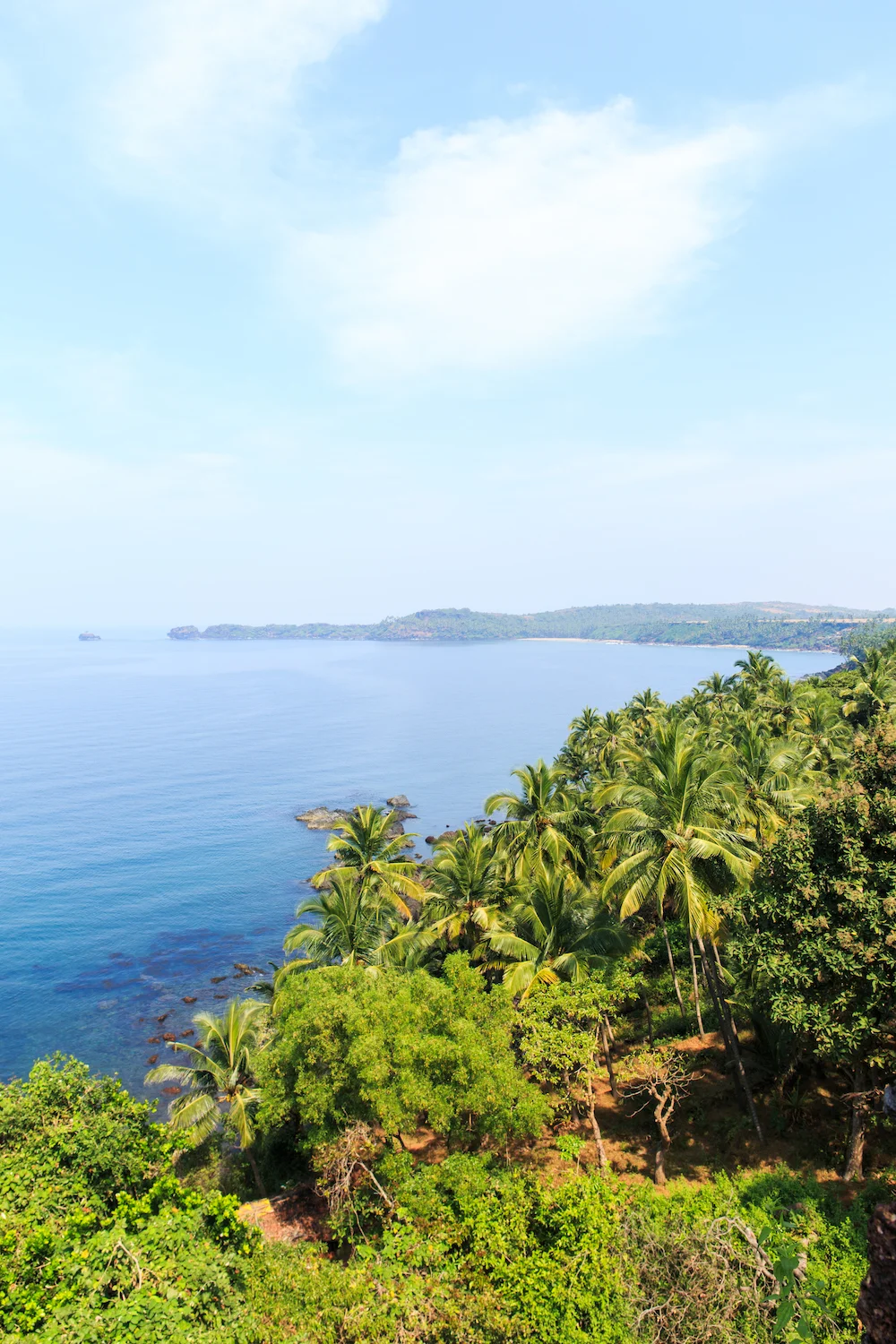


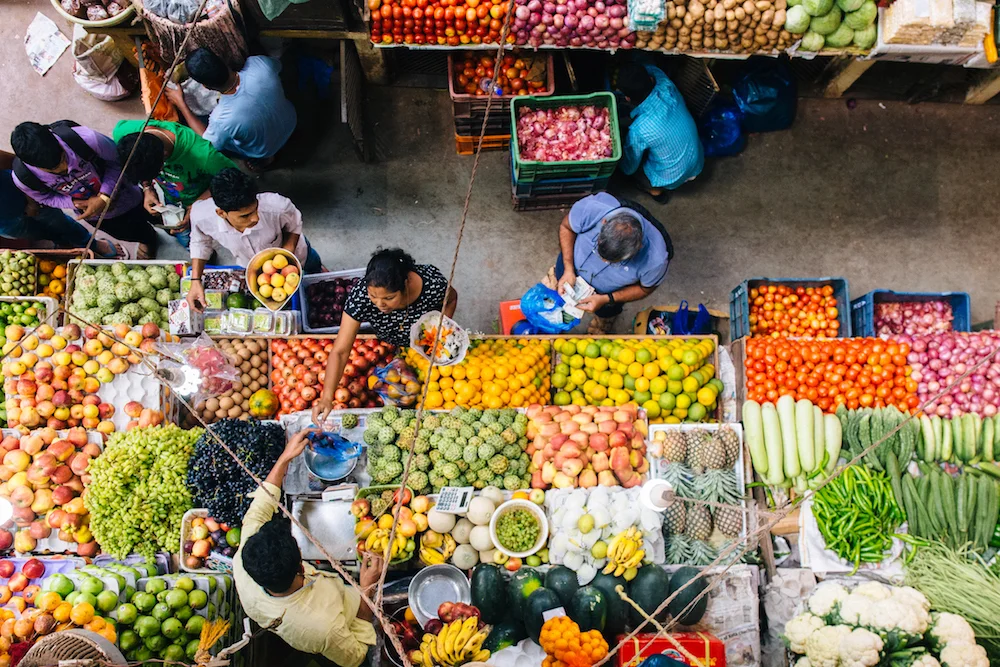
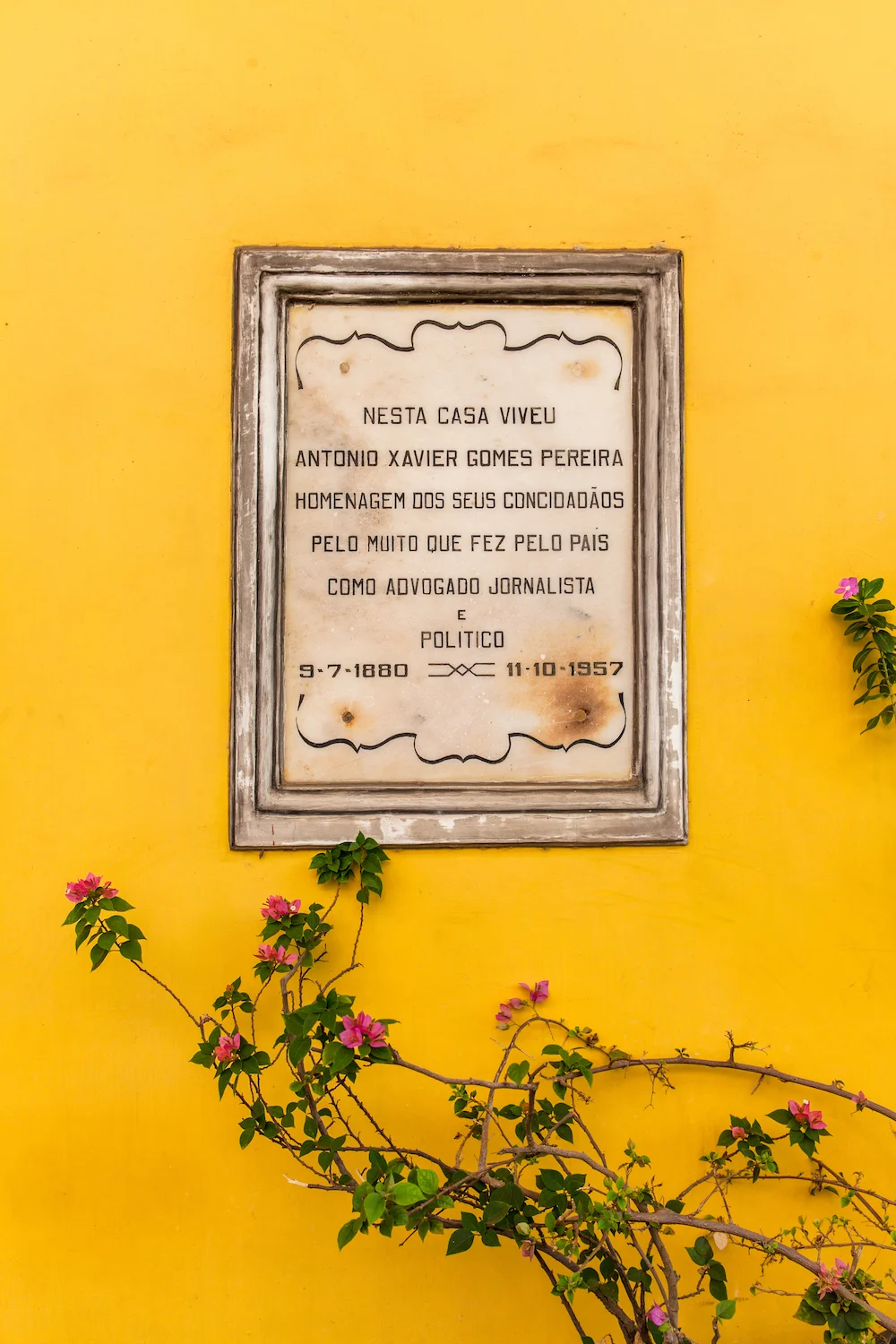


An English Summer
An ode to the England of old - seaside, community and sun.
Photo essay by Chanel Irvine.
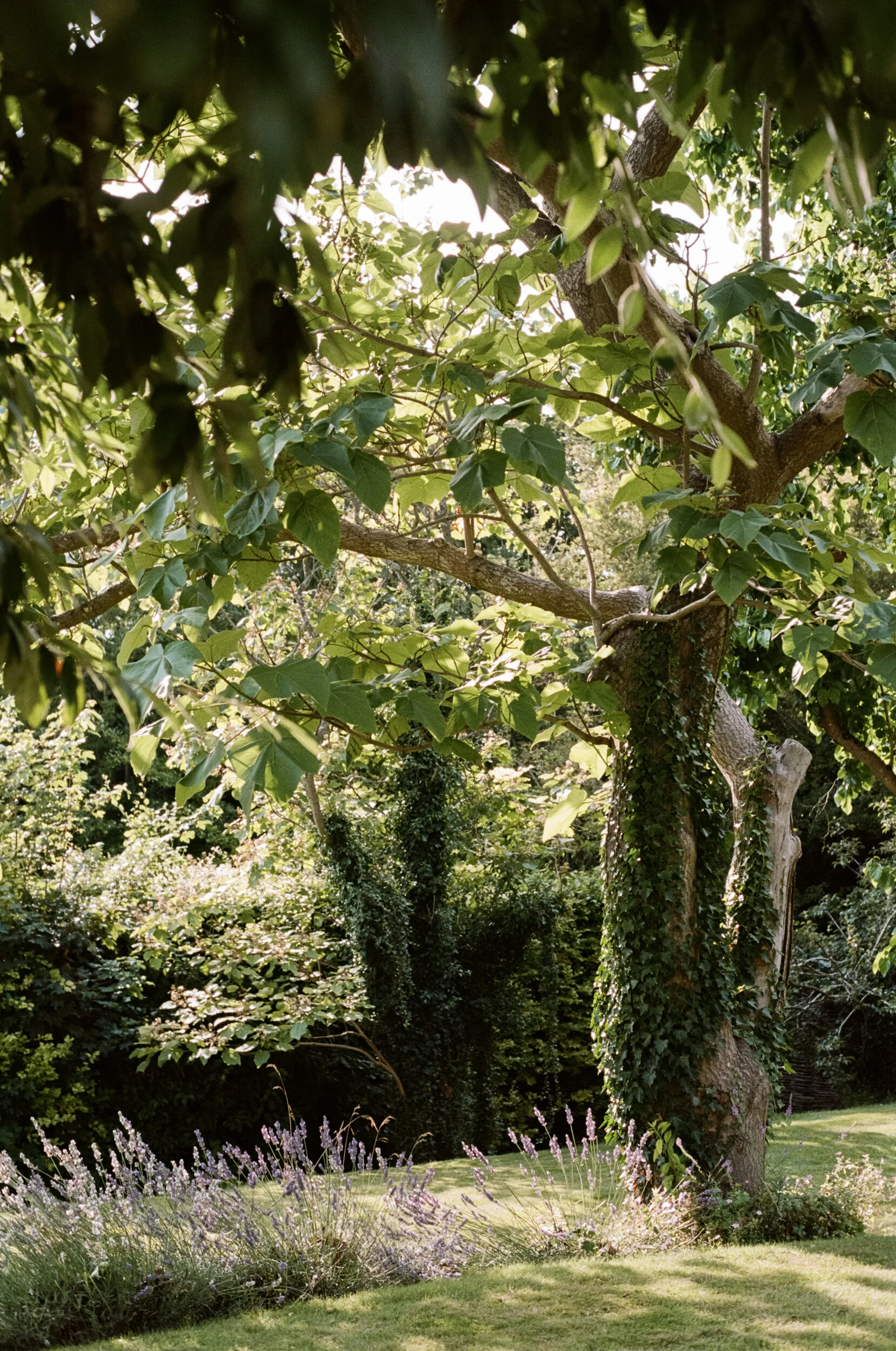
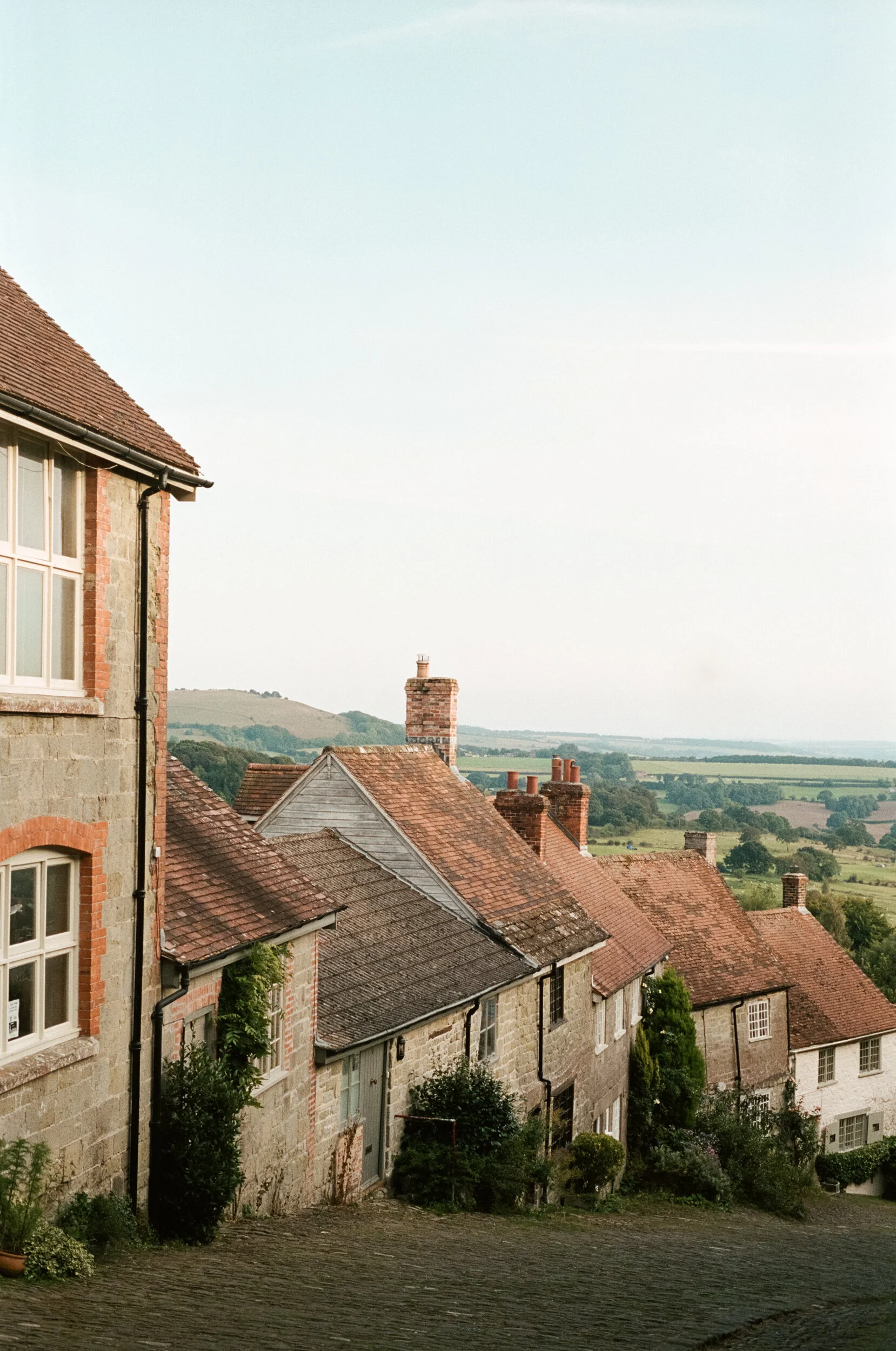
‘An English Summer’ is a documentary photography project produced over the English summer of 2019 - three years after the referendum that saw 51.89% of the population vote to leave the European Union, with 48.11% voting to remain. From the very beginning of the campaign, and still persisting today, there has been an incredible amount of uncertainty and conflict regarding the issue. This was emphasised by the overwhelming number of protestors and participants in the ‘People’s Vote’ marches; in October 2018, March 2019 and again in October 2019, with an estimated one million people taking part in both of the 2019 protests.
With these images, Chanel turned away from the visible political tension and outrage and focused instead on the subtle and simple things that make the English summer months so very nostalgic; unguided by place and unaffected by the political climate of the time. Drawn to the “quintessentially British”, these images offer a sense of consistency that wasn’t reflected by the government’s negotiations, communication and promises over the last three and a half years. Whilst uncertainty surrounding Brexit continues to shake and unsettle the nation, this body of work was created to give viewers an opportunity to pause and consider the timeless British joys that will remain, despite everything we stand to lose in leaving.




Artist bio: As a documentary photographer, Chanel’s practice seeks to portray the power of human initiative, connection and contribution. Inspired by the importance of solution-based journalism, she embraces visual communication that empowers and inspires. Her stories often focus on livelihoods, environments and communities that are susceptible to change based on emerging trends, development demands and the technological progressions that inevitably accompany today’s increasingly modern society. In this way, her photographs aim not only to serve as a historical preservation of their subjects, but to shed light on their most admirable, steadfast and necessary presence in today’s world.
Using a retrospective lens, Chanel’s more personal work similarly reflects this tension between preservation and change. With an eye for moments she deems timeless, her observations consistently focus on scenes that are reminiscent of older, simpler times, which persist seemingly unaffected by the advancements that continuously transform the world we live in. As a result, her photographs accentuate the “ordinary” - reasserting its importance as a photographic subject and highlighting the beauty that can constantly be rediscovered in the everyday.
Chanel is based in London and recently completed an MA at the Spéos Photographic Institute following a Bachelor of Politics, Philosophy and Economics at the Australian National University, where she focused on questions of social and global justice.

The Montagu Arms
A long weekend in the New Forest - a very English getaway.
Words by Sarah Jappy, Illustrations by Piera Cirefice & Photographs by Liz Schaffer
“DONKEYS!” My companion emits an ear-piercing shriek of excitement and bashes her hand violently against our bedroom window. It’s a testament to The Montagu Arms’ durable windows that ours resists this assault, somehow emerging unscathed and unshattered.
I’m by no means playing it cool either. Together we press our faces to the glass and peer down in delighted wonderment at the dozen or so donkeys languidly pottering past the tea shop opposite. The locals we spy at their tables, midway through mouthfuls of buttered crumpet, carrot cake and brie-and-cranberry sandwiches, are not at all perturbed by this equine procession; clearly living in Brockenhurst makes one somewhat blasé when it comes to streetside animal encounters.
As exports from London and Sydney respectively, we in no way approach blasé. Had those donkeys decided to pootle into our handsome hideaway, past the guardianship of the Montagu’s two stately stone dogs and Andrew, the highly likeable hotel manager, we would have welcomed them with open arms. The Montagu Arms has more than enough room to go round; perhaps we could have joined the donkeys for convivial afternoon tea on one of the library’s squashy sofas, or for cocktails and nibbles in the cosy conservatory. We probably wouldn’t have invited them up to our room: a snug ivory-and-honey-hued haven with whitewashed furniture, toucan-and-leaf-print curtains, a tempting bed with a blue-patterned headboard and a glittering white-tiled bathroom with a generous rain shower and a big bath tub.

We definitely wouldn’t have shared dinner that night with them. The thickly carpeted, wood-panelled, ruby-walled Terrace Restaurant is a smart setting for very smart food – and donkeys aren’t permitted, even in dinner jackets.
Our meal kicks off with gin-fizz cocktails and a flurry of canapés – gobstopper-sized venison doughnuts, cheese-and-onion macarons and butternut-squash tartlets – followed by a plaice-and-lamb-and-caramel-fondant feast of gout-inducing proportions, culminating in a magnificent cheese trolley with approximately 40 ponky perks, a plethora of crackers and a lifetime’s worth of quince paste. (Bonus points to sommelier Sergio for his ruinously good wine pairings.)

Food is a running theme at The Montagu Arms, which regularly expands visiting waistlines via bacon-toting breakfasts, pastry-laden afternoon teas, multi-course dinners and leisurely, pub-grub lunches at Monty’s Inn, which remains perma-packed with happy locals and in-the-know out-of-towners throughout our stay. Likewise, we spend most of our time in Brockenhurst putting delicious things in our mouths, including five-star chicken-and-pesto paninis from The Buttery Café and old-fashioned cola sweeties from Cards & Candies. Fearing likely starvation on the train back to London, we cautiously invest in about £40-worth of chocolate bars and truffles from Beaulieu Chocolate Studio, including Turkish delight, ginger, vanilla and rose flavoured numbers.
When we’re not eating, we’re donkey-spotting. This is mainly unsuccessful, as when we loop around various rural ring roads, wander down a mad-dog-inhabited field and get lost in the Brockenhurst black hole that is the World of Top Gear; once or twice we strike donkey or mini-pony gold. Recent rainfall means that the local walking paths are gravity-defyingly boggy, causing my companion to amusingly topple over into a bath of mud at one point. Undeterred, we enjoy multiple tramps in the wintery Brockenhurst countryside, heartened by the image of the crackling fires and cracking G&Ts awaiting us back at boutique basecamp.
After two days of intrepid feasting, falling over and going on wild donkey-chases, it’s time for us to pack our bags for home and reach for those survival train truffles. We do this reluctantly. The Montagu Arms won’t make you slimmer – but it will make you happier, with or without those dinky domesticated horses.
To learn more - or simply book a room - click here.
We first ran a story on The Montagu Arms in our England magazine (along with Piera’s illustrations). You can order a copy here.



The Great Fiat Hunt
Chasing the vintage Fiat 500
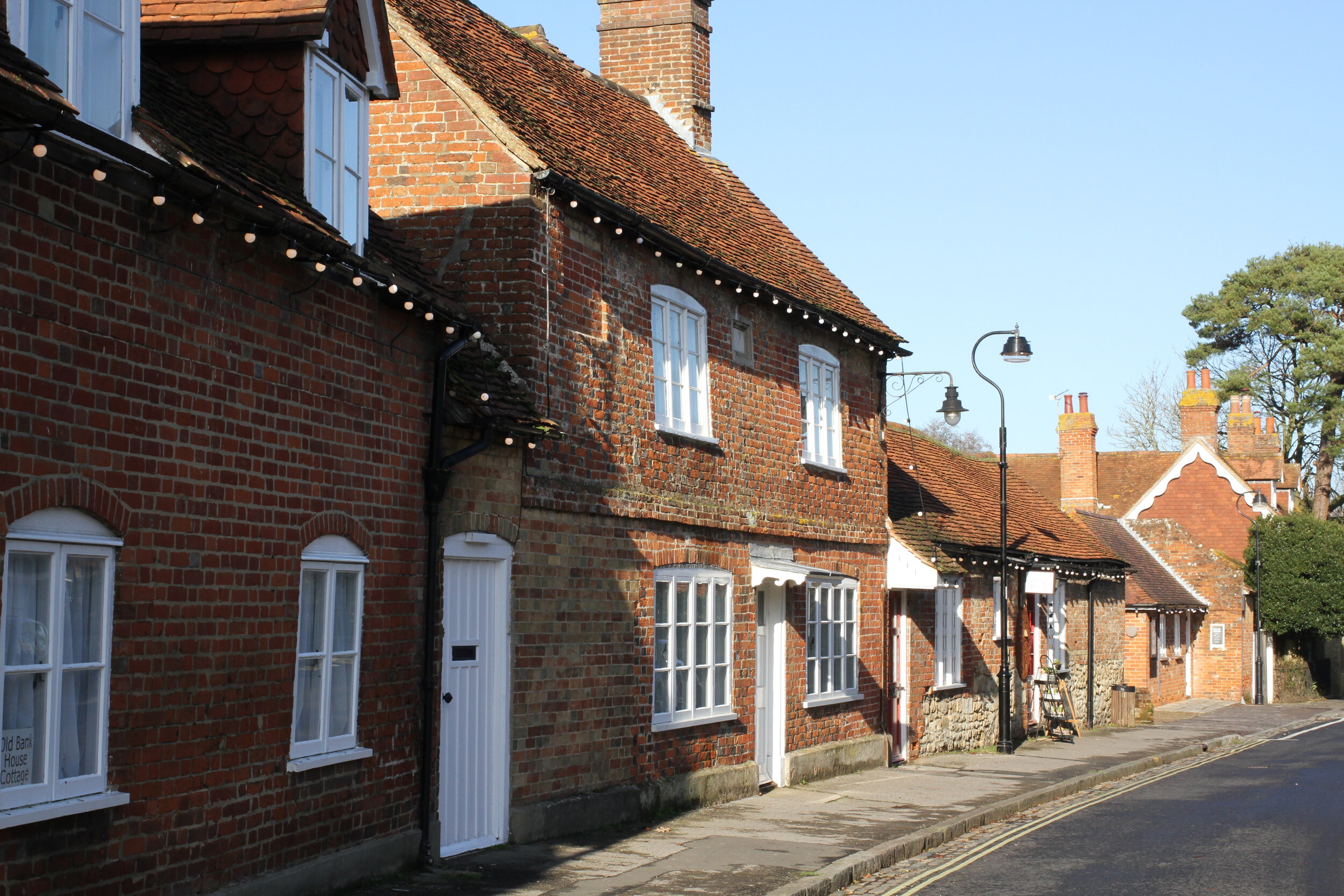
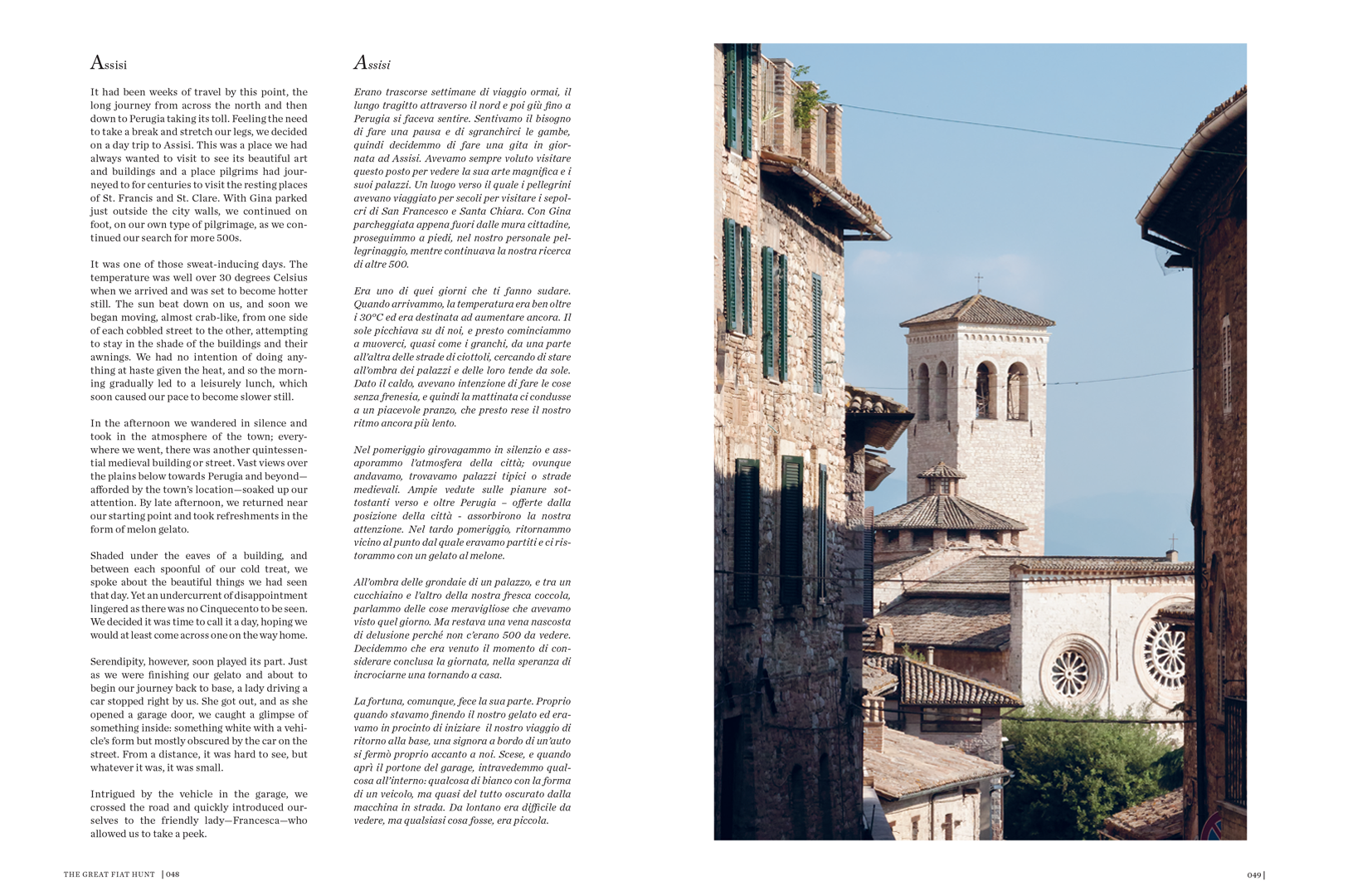
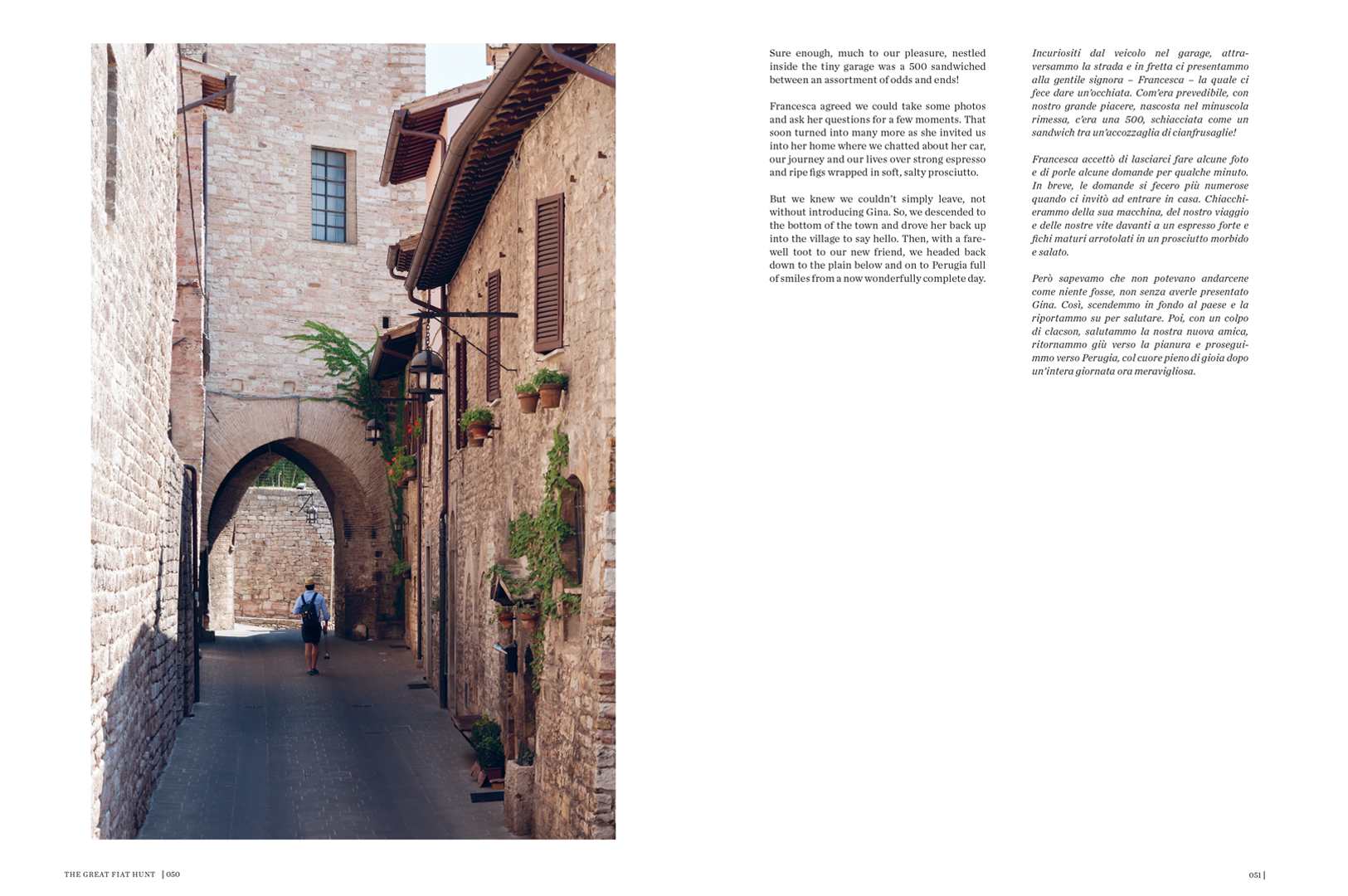
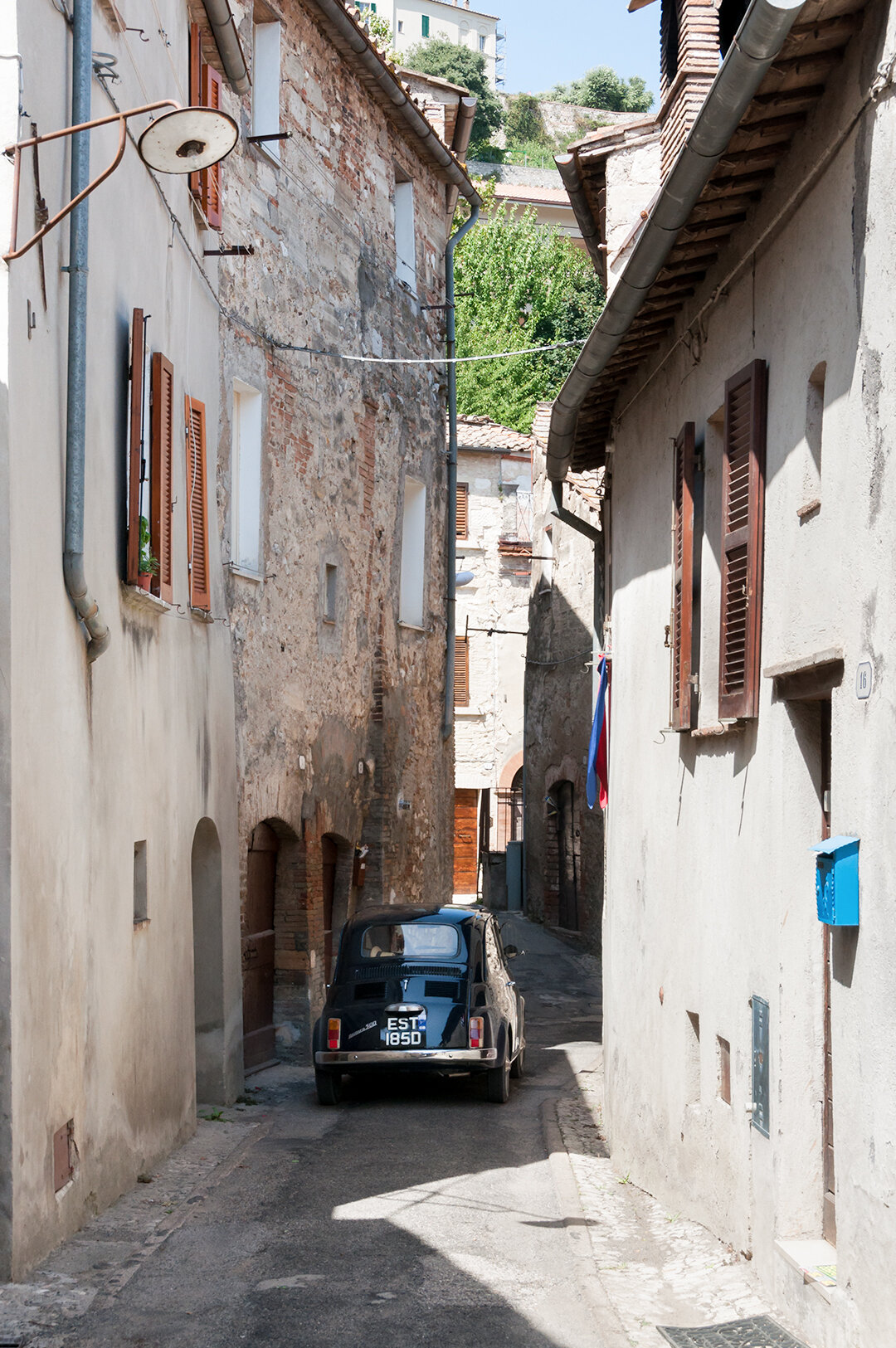
From August to November 2015, Lodestars contributors Renae Smith and Kieren Toscan (and Gina the Fiat) took a slow trip all over Italy in search of one of its most iconic cars - the vintage Fiat 500. They documented their journey with photos and stories of the 500s they found, the people who love and drive them, and many of the other things they came across along the way.
What began as a ‘hey wouldn’t it be cool to...’ idea over a few red wines some years ago grew into one of the biggest projects they’d ever undertaken. The resulting book, The Great Fiat Hunt, is a thing of beauty - one you can order here.
Enjoy the excerpt below …



Food, Life and Love with Antonio Carlucio
The chef’s chef …
Interview by Liz Schaffer & Photographs by Tom Bunning
Very sadly Commendatore Antonio Carluccio OBE passed away in November last year. We hope you'll enjoy reading this interview with him, first published in Lodestars Anthology Issue 4, Italy.
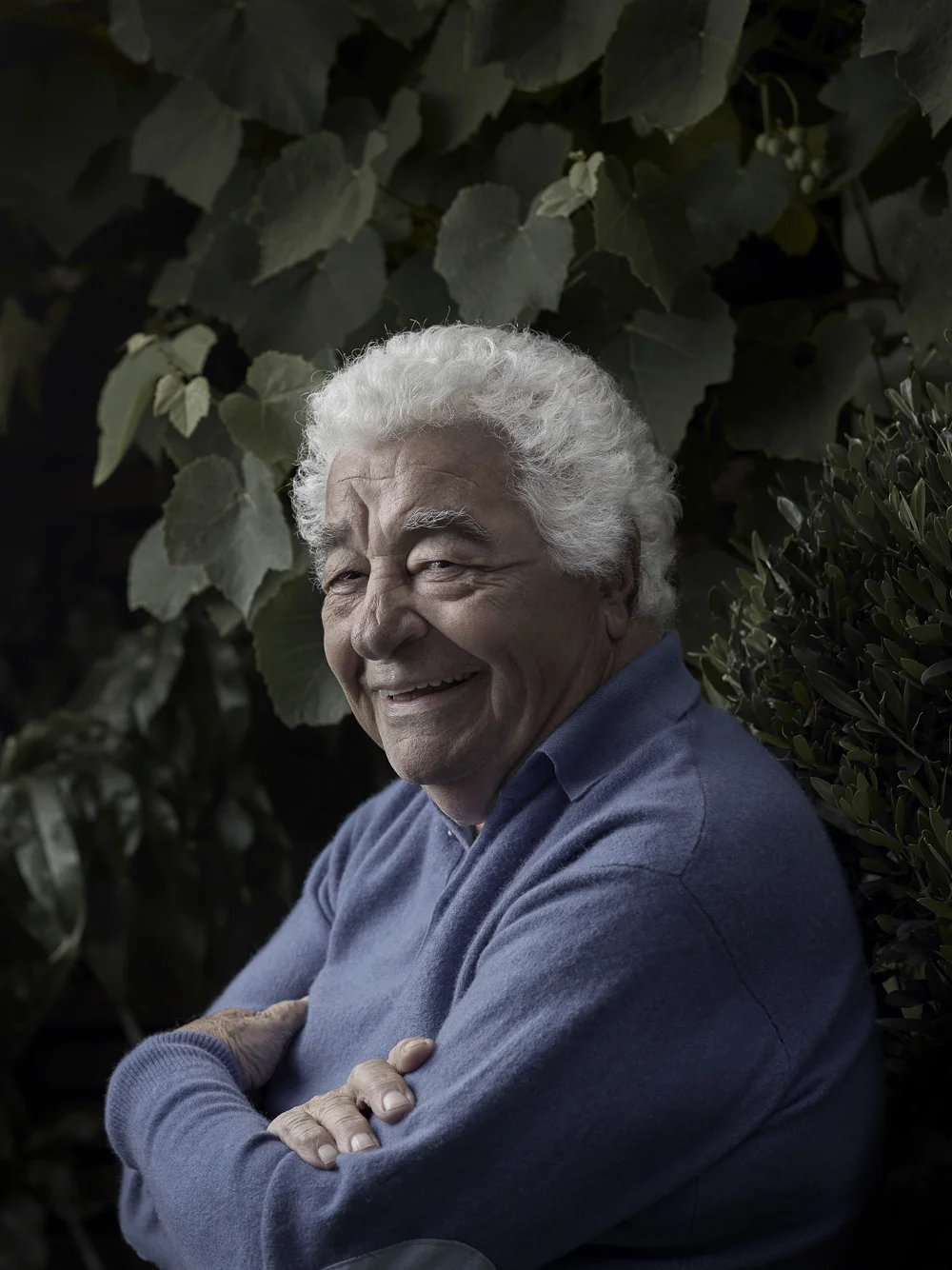
Proudly declaring himself to be a cook rather than a chef (by his own definition a chef is professional while a cook does it for passion), Antonio Carluccio was the quintessential Italian about London. Driven by his zest for food, life and Italy, it was the passing on of wisdom that inspires much of Carluccio’s work. Arriving in England via Austria and Germany, where he worked as a wine merchant for almost a decade, Carluccio launched a fleet of eponymous restaurants, ran some of the capital’s culinary icons, became a BBC fixture and was awarded an OBE, which he retitled his Order Boletus Edulis - the Latin name for mushroom, his signature. Young at heart, Carluccio’s enthusiasm was invigorating; proof that life should be lived in the pursuit of pleasure, ardour and flavour.
Your background and training are quite unconventional. Can you tell us about this and how you came to be a cook?
I was born on the Amalfi Coast and was the fifth son of a stationmaster. [We were] transported up North where I grew up near Asti, then I moved a little further up and worked for Olivetti. At the time Olivetti was something fantastic but I didn’t like it very much and I was thinking I could holiday on the Riviera and [there] I met an Austrian girl and we fell in love. She came to work in Olivetti and when my youngest brother died in 1960 she said, “why didn’t I come to Vienna?”.
I cooked all the time because in Vienna to have the food my mother used to [make] I had to cook. I remembered what she was doing because in Italy when you are the young son you participate in everything.
In Vienna I started to cook what I knew. I didn’t know very much but I cook and cook and I’m sharing it with friends and frequenting bohemian cafes. You meet incredible people and I like art so I met Oskar Kokoschka and Max Ernst and we were sharing pasta. I was having fun and cooking all the time. It was only when I came to England in 1975 [and] I was still cooking, that my ex-wife [suggested], “why you don’t [enter] the best cook competition of The Sunday Times?”. I did and I was in the final but for me it wasn’t professional, I was a wine merchant, but funnily enough the press began to contact me. For them I was ‘the Italian’, flamboyant and believing in mushrooms and pasta, and so I was in the press.
At the same time my ex-brother-in-law Terence Conran, the owner of the Neal Street Restaurant in Covent Garden, asked me to run the restaurant and I said, “look I don’t cook, I don’t do administration, but I will be there doing the restaurant and running it”, which I did. Then came the BBC and I did quite a [few] food and drink programmes. My first Italian series was going to Italy doing twelve half an hours in all the regions. The other series was with Gennaro Contaldo but I did quite a lot in between and I was also writing books. I can’t stay doing nothing.
Do you think people are drawn to the Italian attitude towards food?
Italians live for food. When we were children going to school in the morning you’re already preoccupied by what you would eat in the day. It was the end of war time and the question to other children was “what will you eat for lunch?” and after the meal it was “what did you have for lunch?”, constantly. I remember in the afternoon, when you’re boys you do things, sometimes we were stealing a cabbage from the field and cutting it very, very thinly. Somebody [brought] olive oil, somebody a bit of vinegar and salt and pepper and we were making salad with bread. It was the best salad ever.


Is there an ethos or technique that sets your food apart?
I created a motto for my cooking, ‘mof mof’, minimum of fuss, maximum of flavour, and as such I don’t go to the lengths to elaborate on food because the most important thing is the taste. If you have the taste the look can be indifferent.
In fact we have items in Italy called brutte ma buone, ugly but good; fruit, even biscuits, that show you the possibility of the flavour. I dedicate everything to that which is obtained by regional food. Italy is famed for its 20 diverse regions.
What do you think makes them so distinctive?
Italy was unified in 1861 but I think in spirit each region is a country. You find culture in Italy from everywhere because each one was coming, the French, the Persians, everybody, to Italy. Even Alexander the Great was there. They united Italy in 1861 but there are different languages, different dialects, different customs. But they are united in thinking of the food as one of the best things.
They may be united by a love of food but is there still competition between the regions?
Between little villages! If somebody makes a dish someone in the next village will say, “ahh but I do it with this and this and this”. Immediately there is a conversation. I remember as a child if you were encountering somebody on road and it was lunchtime you would say, “do you want to have lunch?”. It was very simple. They would come home with you. So this is the attitude of the Italian, they really care. I always say that Italy has two or three million Michelin starred chefs, they’re all the housewives.
What do you love most about Italian cooking?
The Italians, what they have in front of others, the Germans, Austrians, English, French, is the attitude. I remember when we used to live in the train station my mother would say, “go downstairs and see if the trains are departing on time” in order to put the pasta in the water so that when papa was coming up the pasta was perfect. When you grow up with this sense of procedure and [significance] then you know food is important. She was really thinking to please other people because cooking for others is an act of love.
[Because of the various regions and diversity] I think that Italy has a more complete menu. There are 600 shapes of pasta and each can be done as a specialty with a special sauce, special ingredients. Italians want good taste and they’re prepared to use all those wonderful shops. In Napoli especially there were shops selling only pasta, and the pasta was loose, not in packets but in drawers, and all the leftovers were put into one ‘special’ and this is for pasta e fagioli - bean soup with pasta - which is wonderful, all bits and pieces. So they really have fun. While other nations have fun in eating the Italian has fun in thinking and imagining it.
What advice do you have for prospective chefs?
You have to desire food, not being greedy but being discerning about what you eat, and pay attention and love your food. If you don’t have those three things you stop cooking because there would be no point, it would just be a job, no fun. Food, it’s not only preparation but fun in eating. It’s good for the brain, for the body, the spirit, for everything.


Postcards From Slovenia
Wish you were here…
Words & Photographs by Angela Terrell.
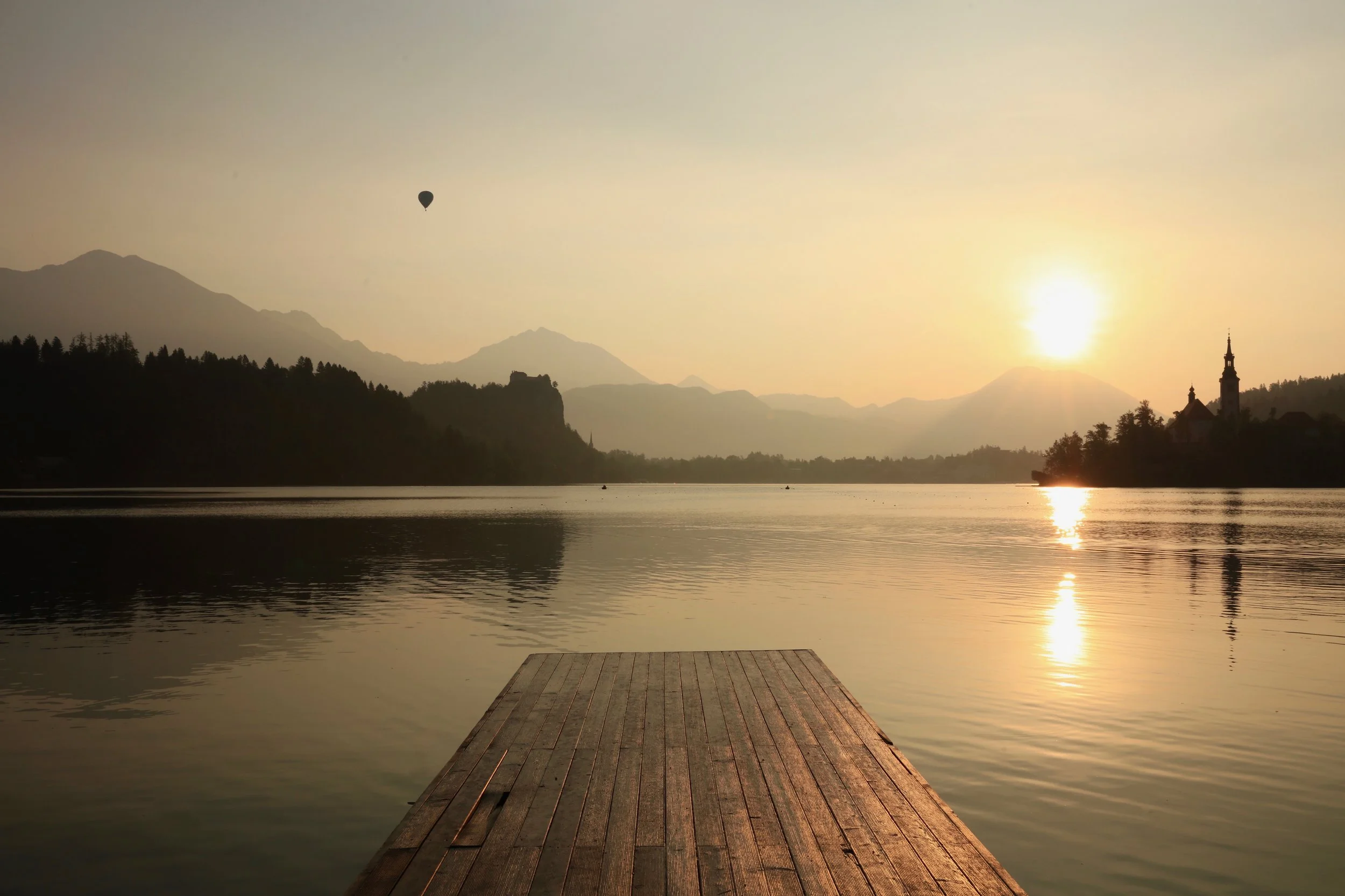
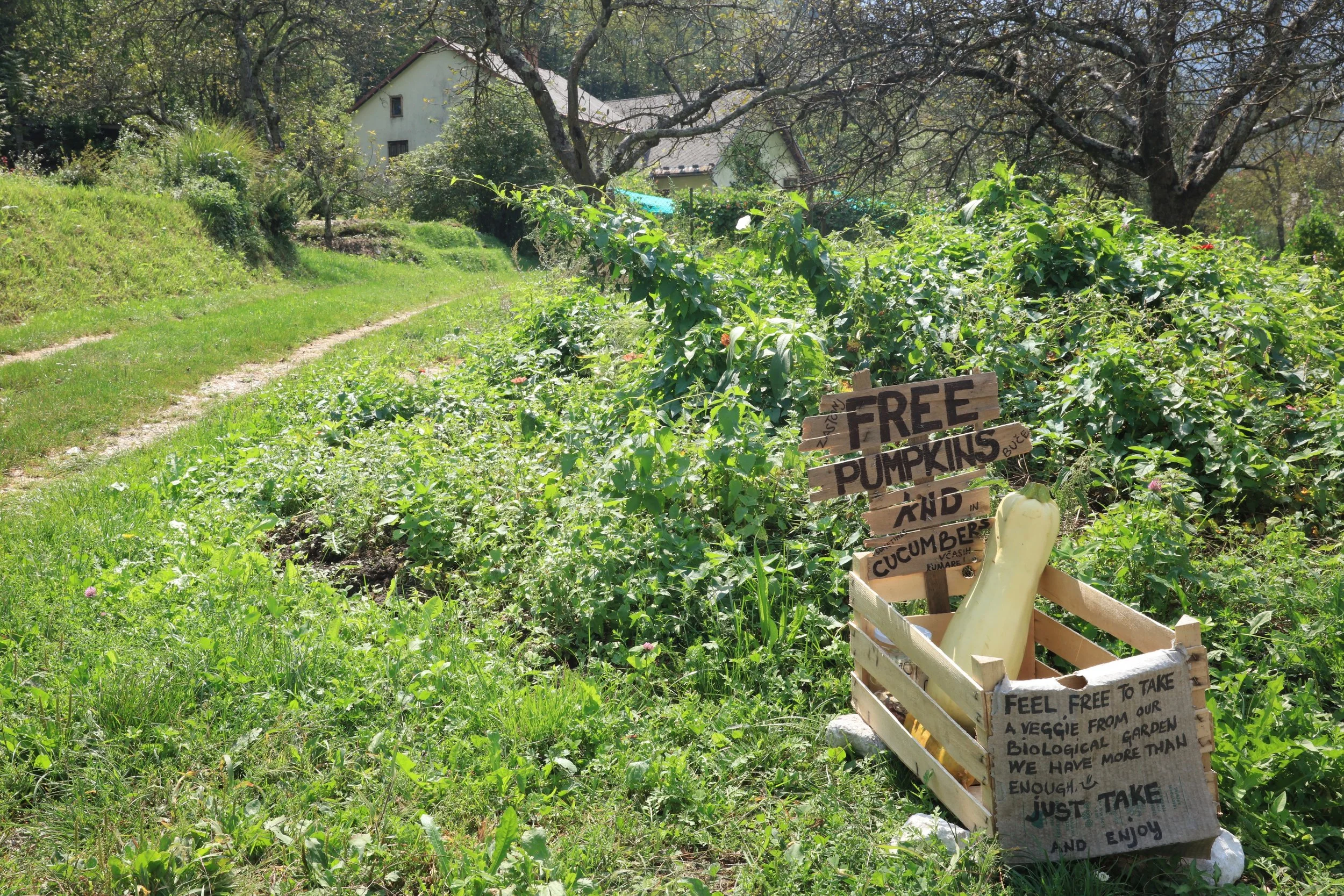
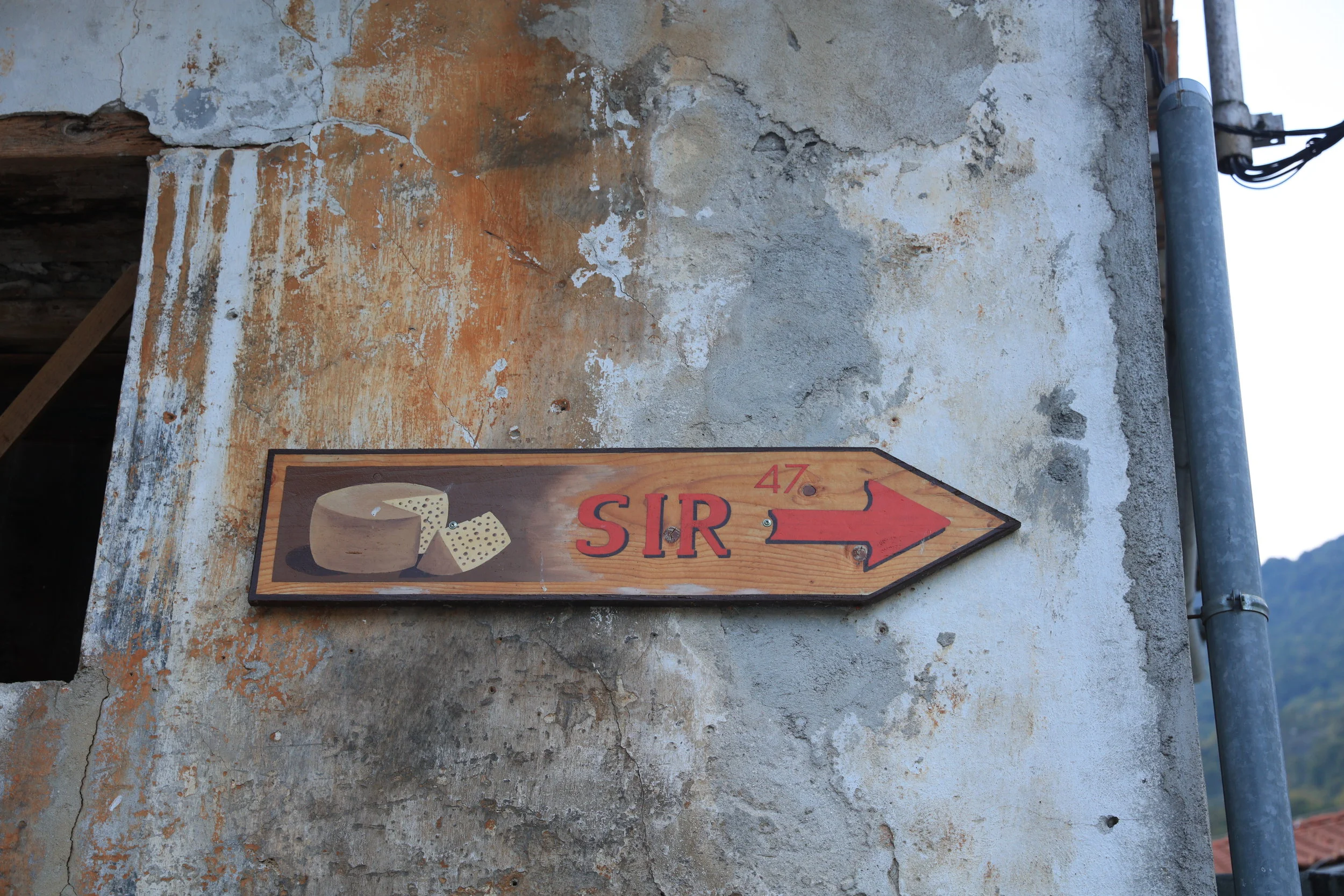
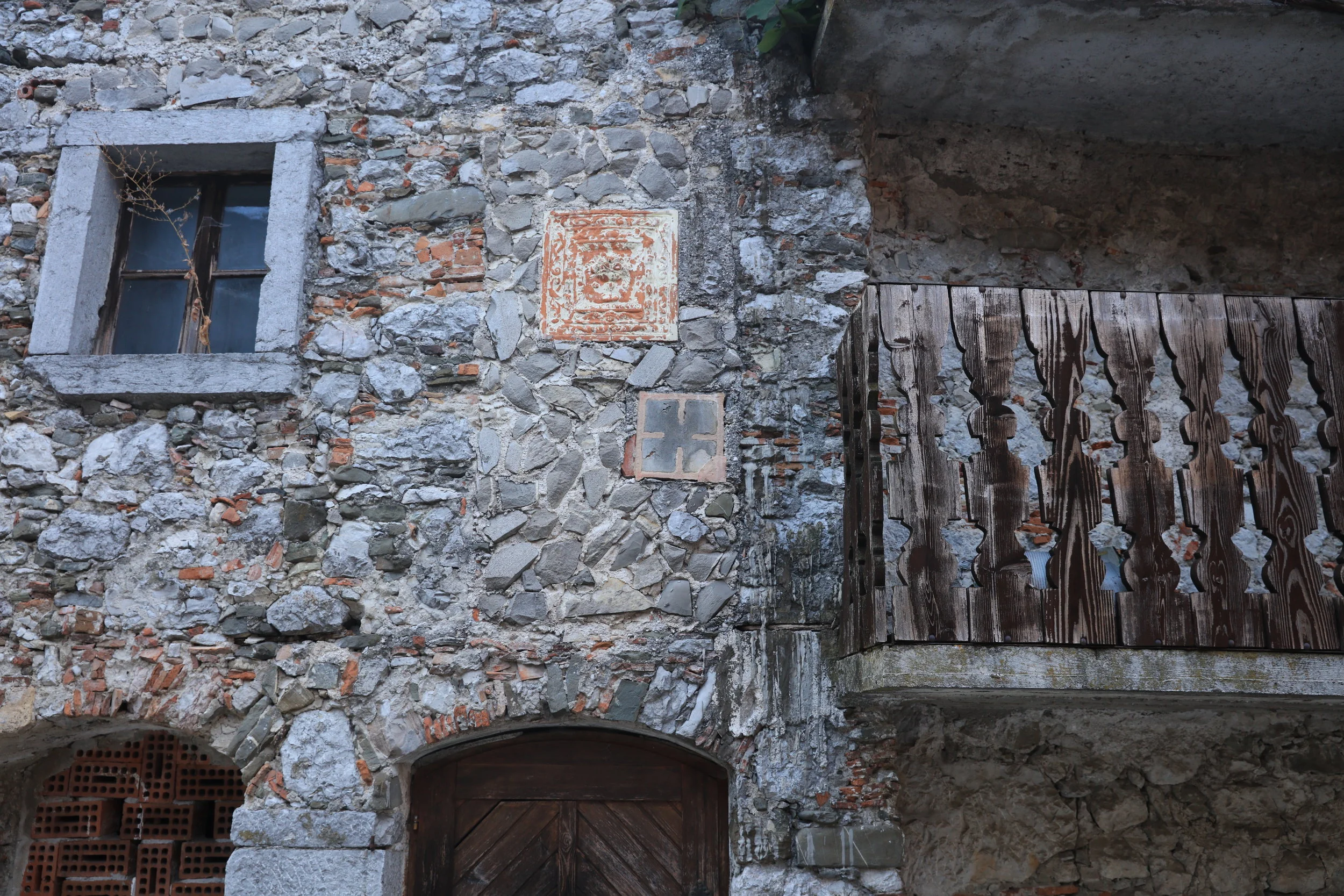
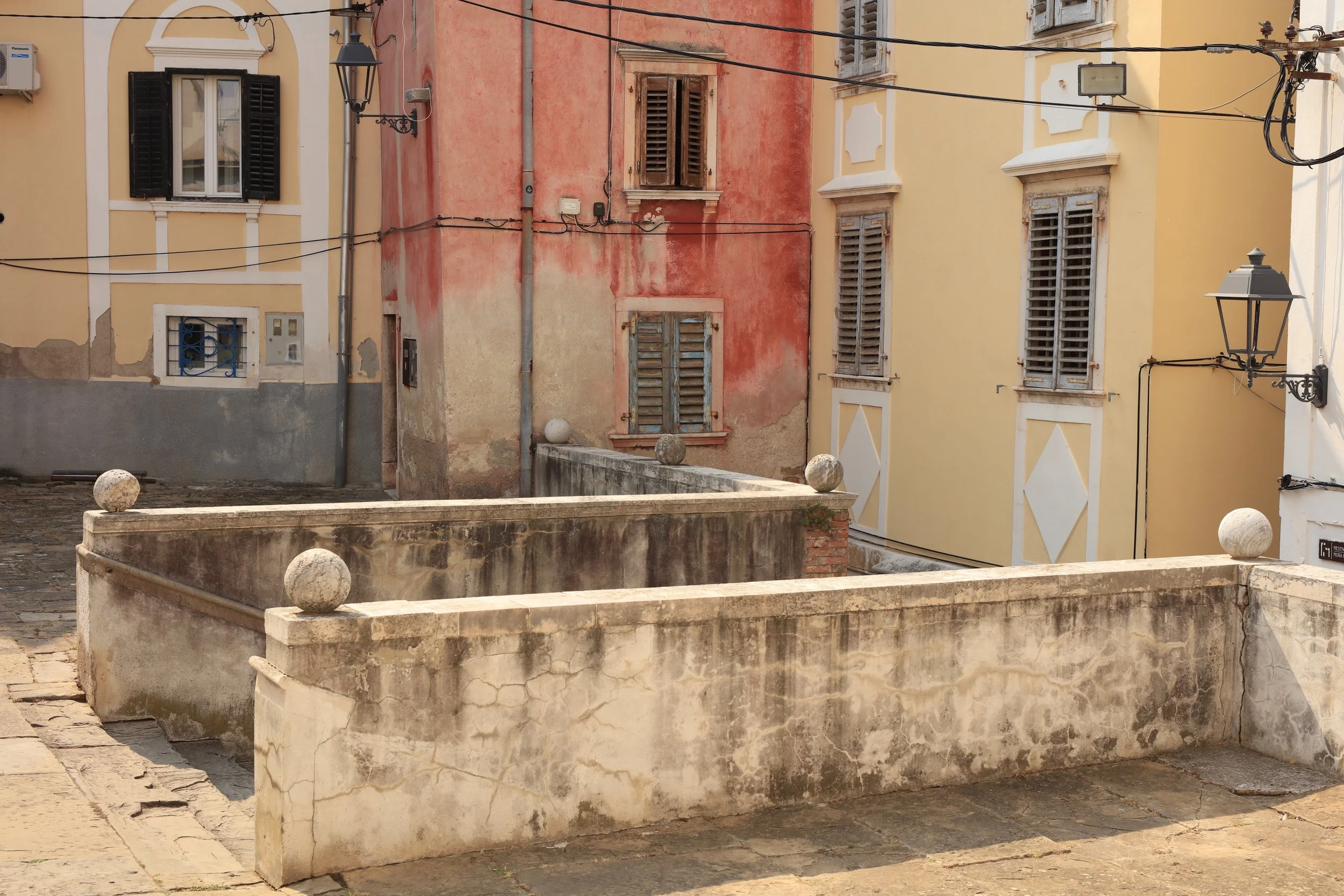
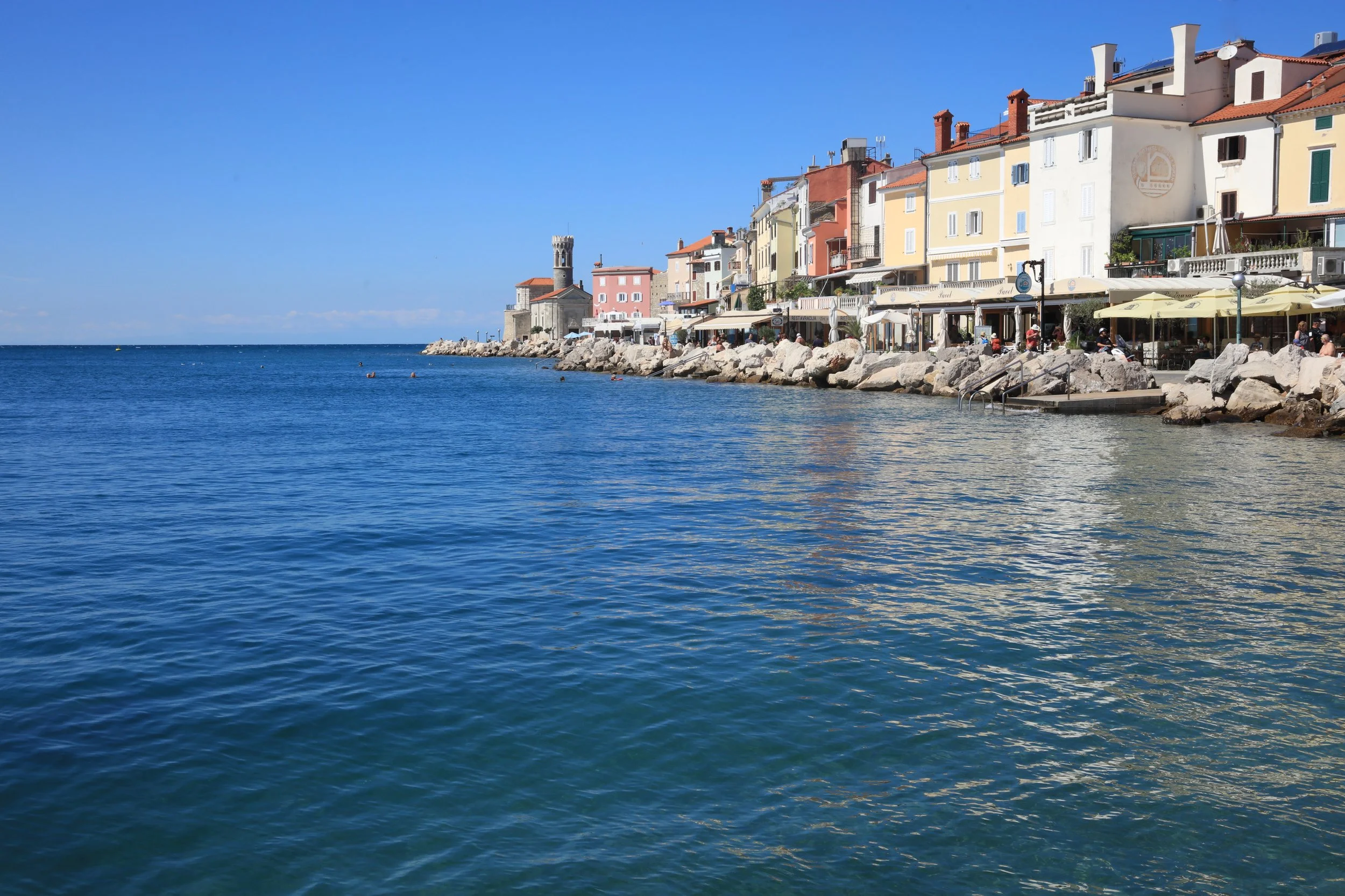
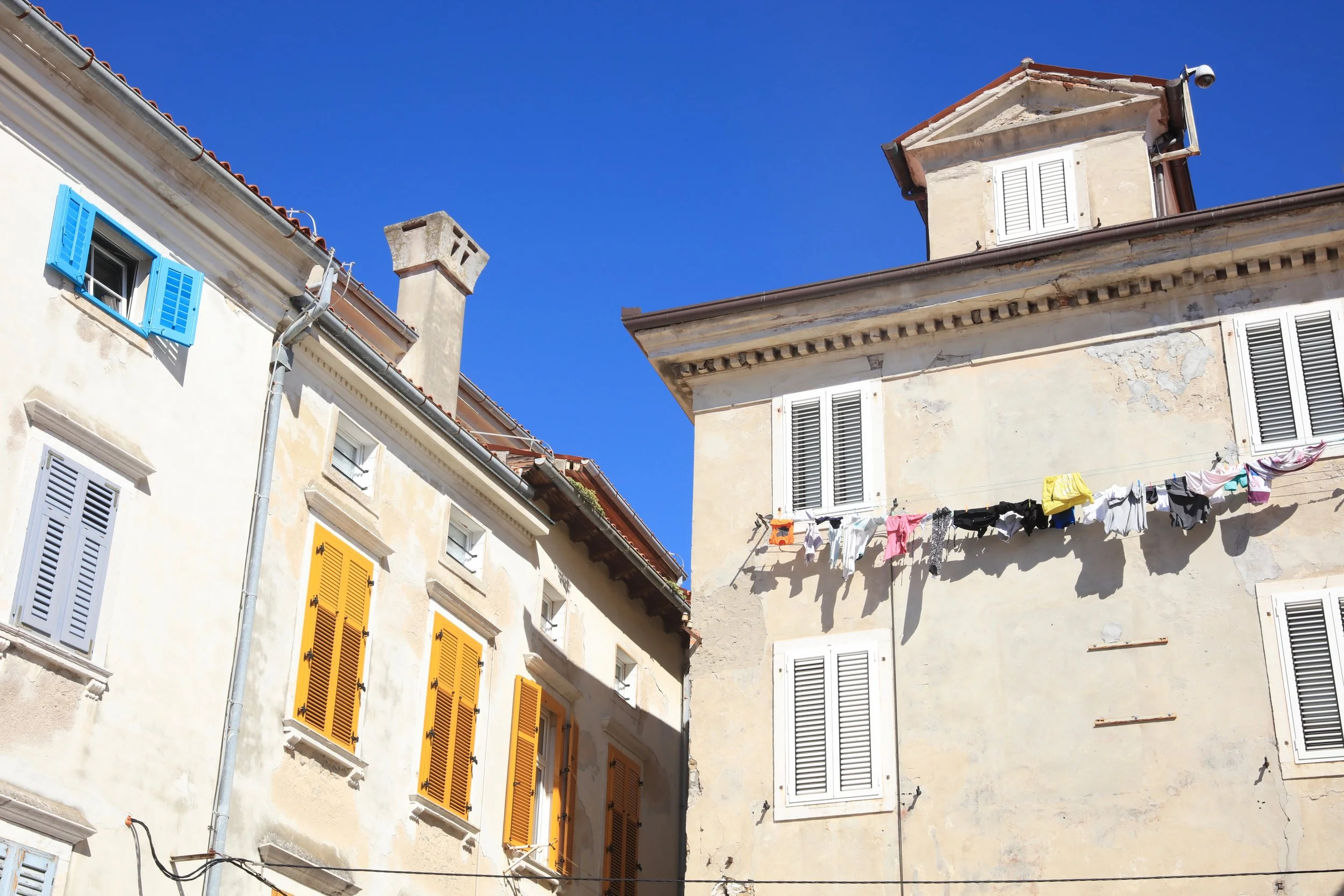
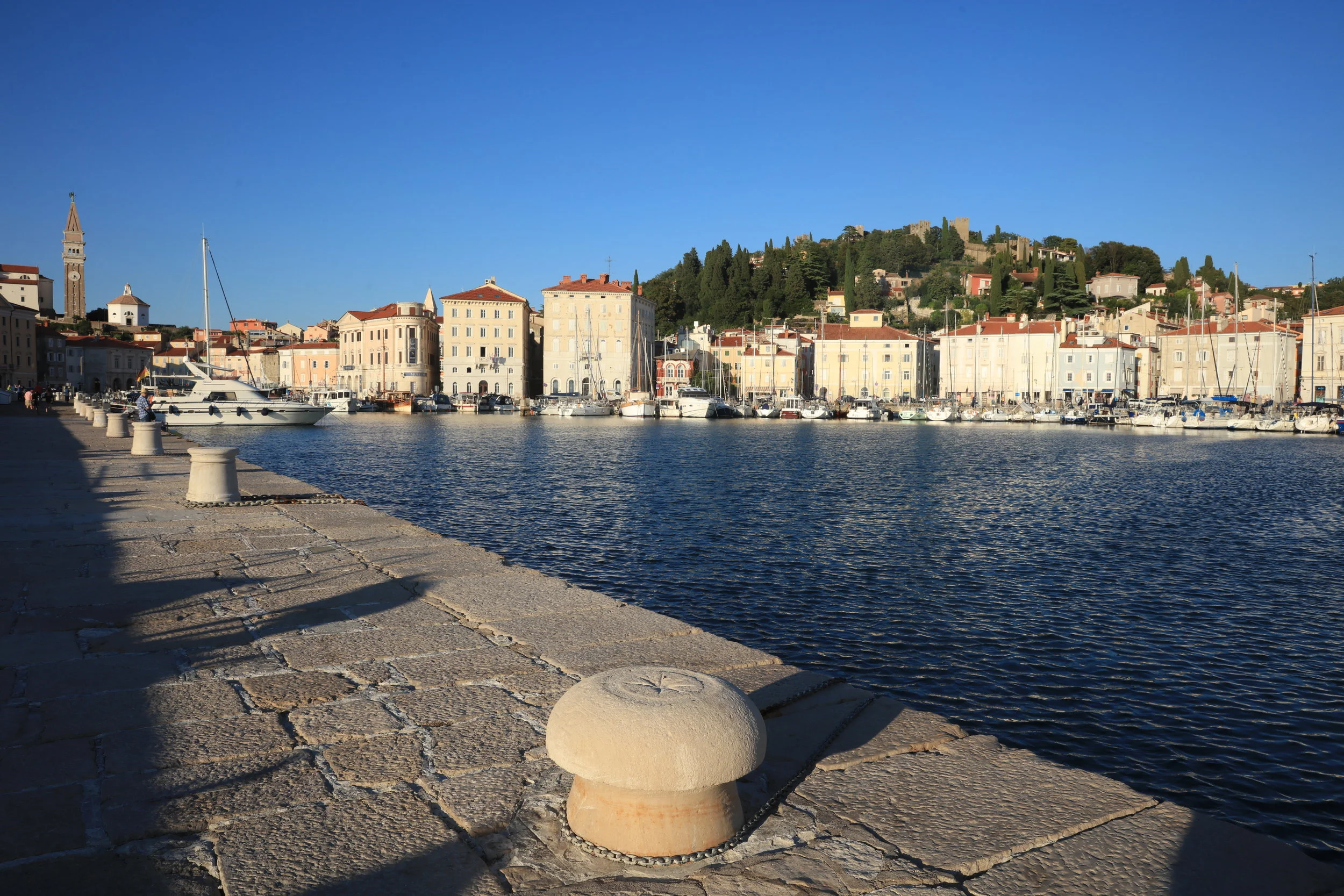
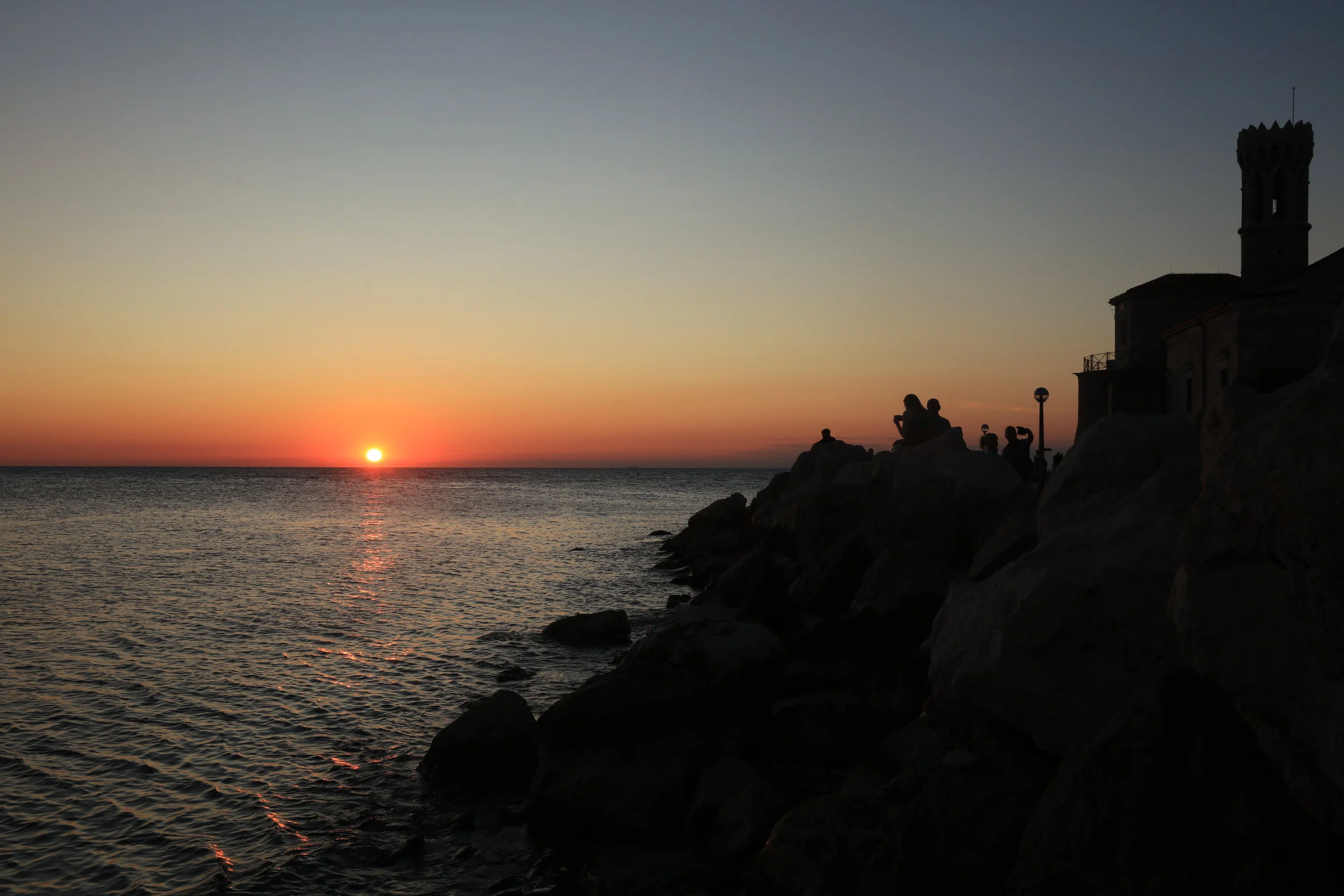
With love in its name, Slovenia certainly infatuates. Nestled between Italy, Hungary, Austria and Croatia, this tiny nation, rich in history and folklore, abounding in natural beauty and remarkably green in ethos (International Bee Day was instigated here) is a mecca for those seeking a bit of everything in one destination. For here are pristine yet dramatic Alpine wonderlands perfect for hiking, biking and river rapid runs, culture-filled cities, Tuscan-style hills dotted with vines, olive groves and ancient villages, a short yet stunning coastline and bounty-filled cuisine from Michelin star genius to ‘kremšnita’, reputedly the best cream cake on the planet.
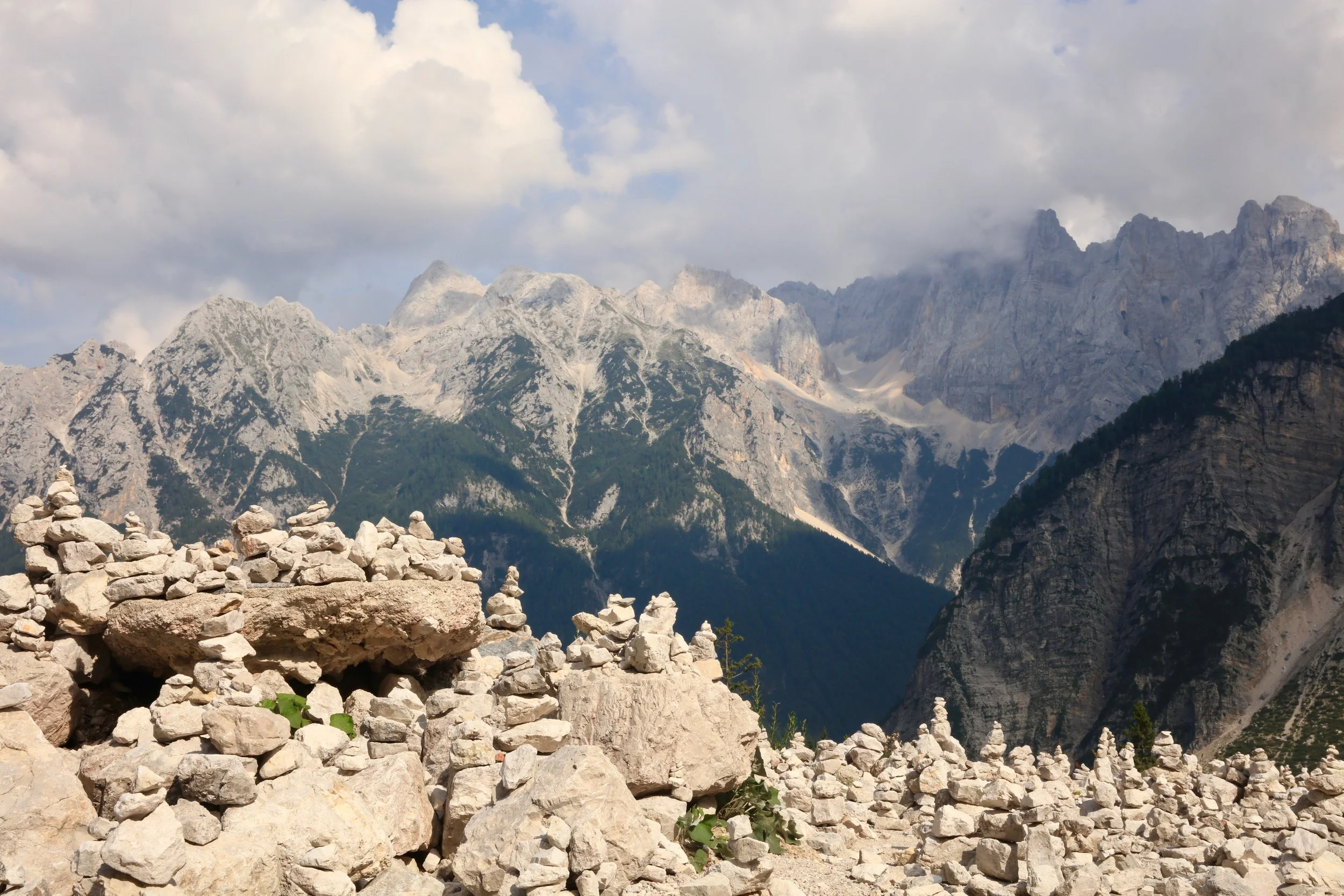
So undertaking a road trip with my patient, non-camera-toting partner (of course in an electric car) was an absolute joy for this camera-wielding, nature-loving tragic. We drove through hamlets brimming with flowerpots, pride and life, past WWI defence-line relics, up and down fifty switchbacks on the spectacular Vršič Pass and past mountain ranges rising abruptly from haystack-filled pastures, stopping along the way at rustic cafes and quintessential photo-spots.
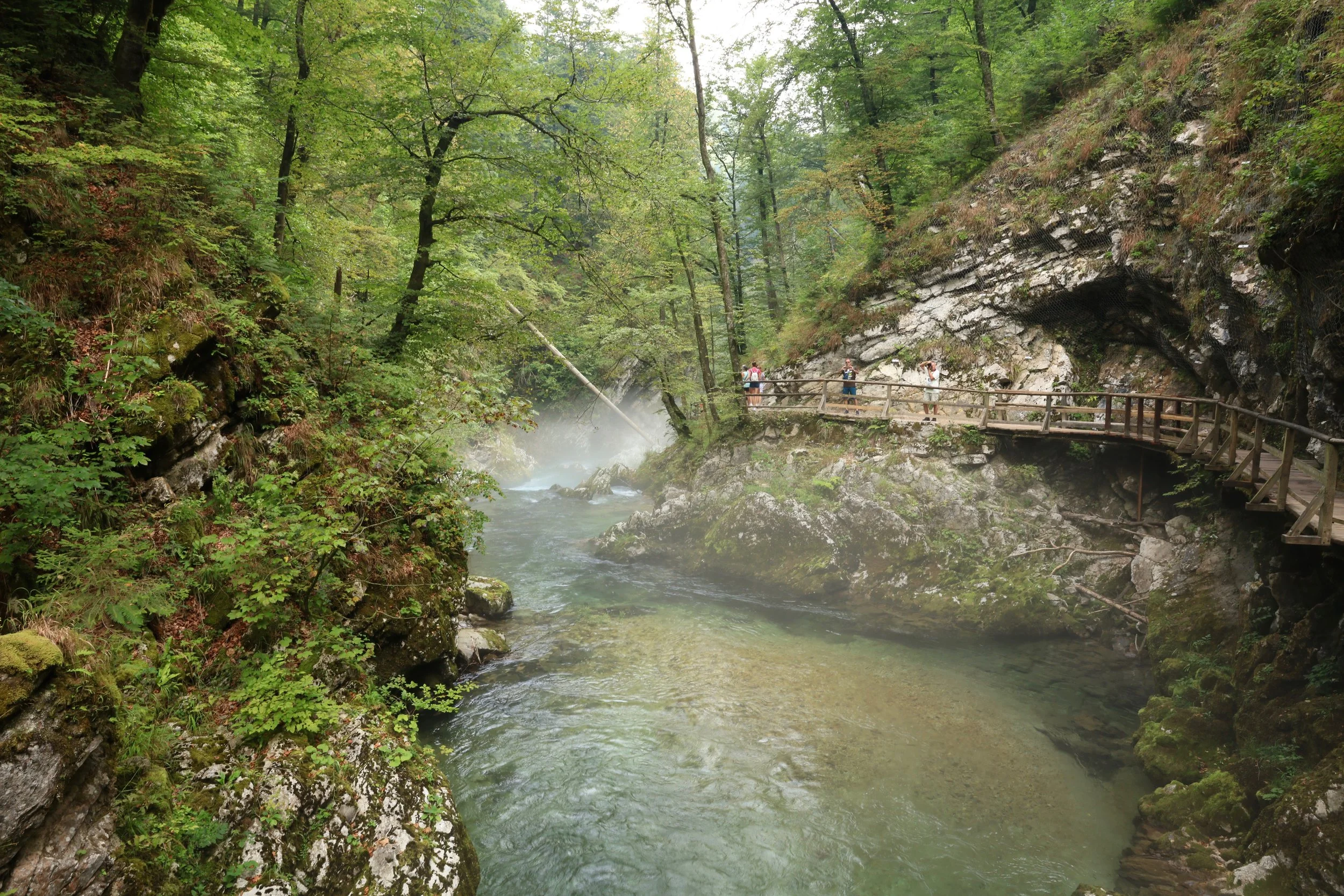
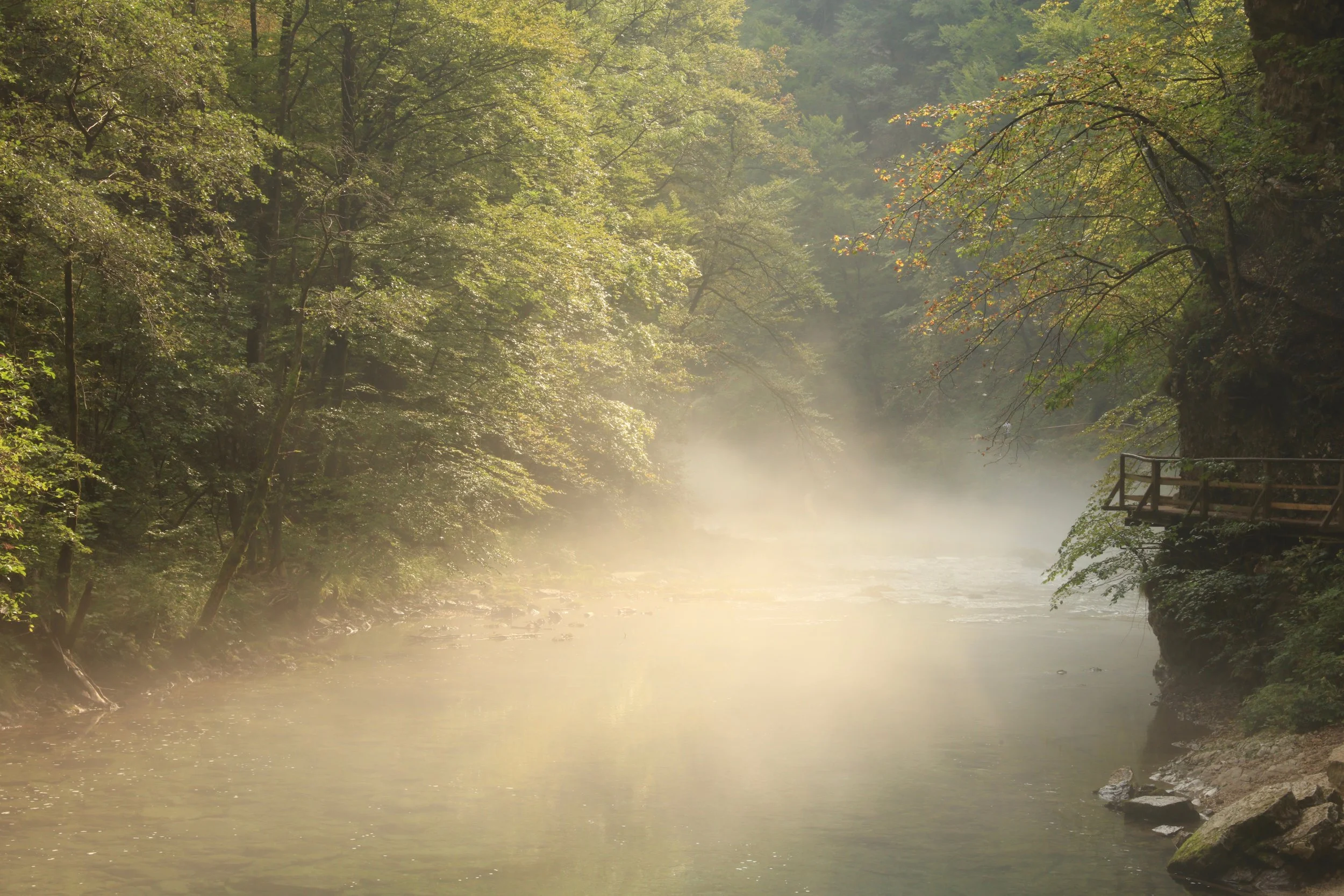
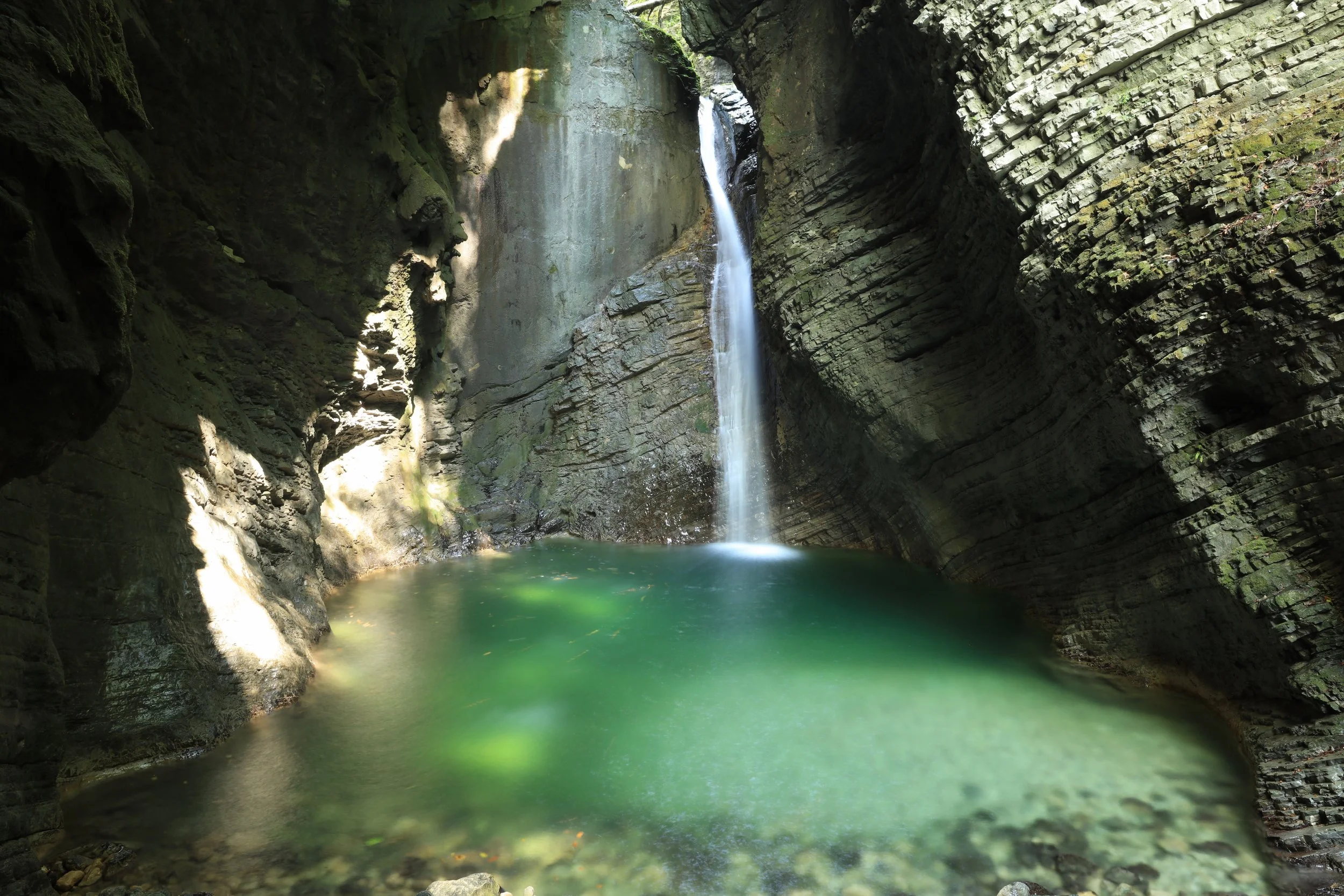
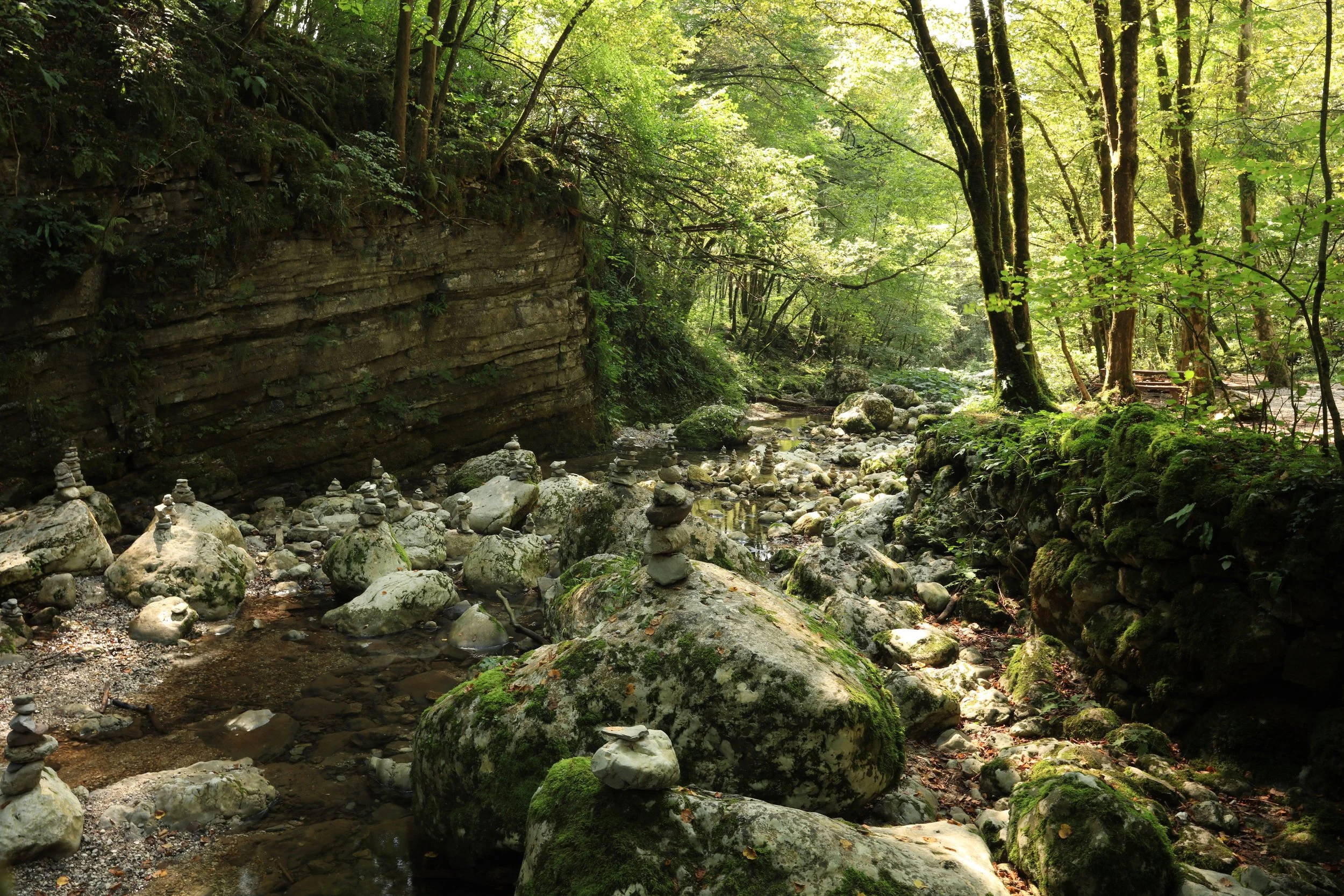
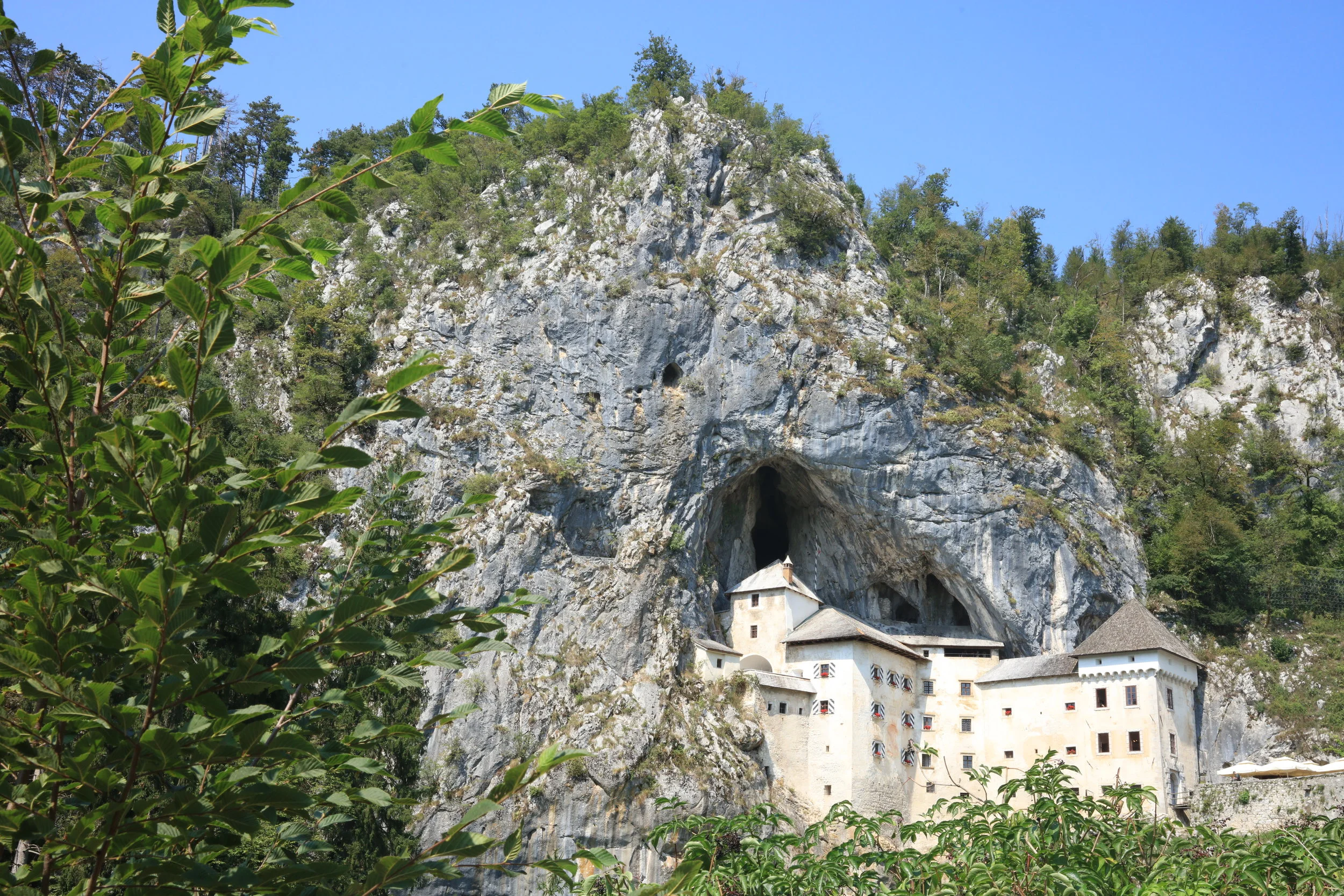
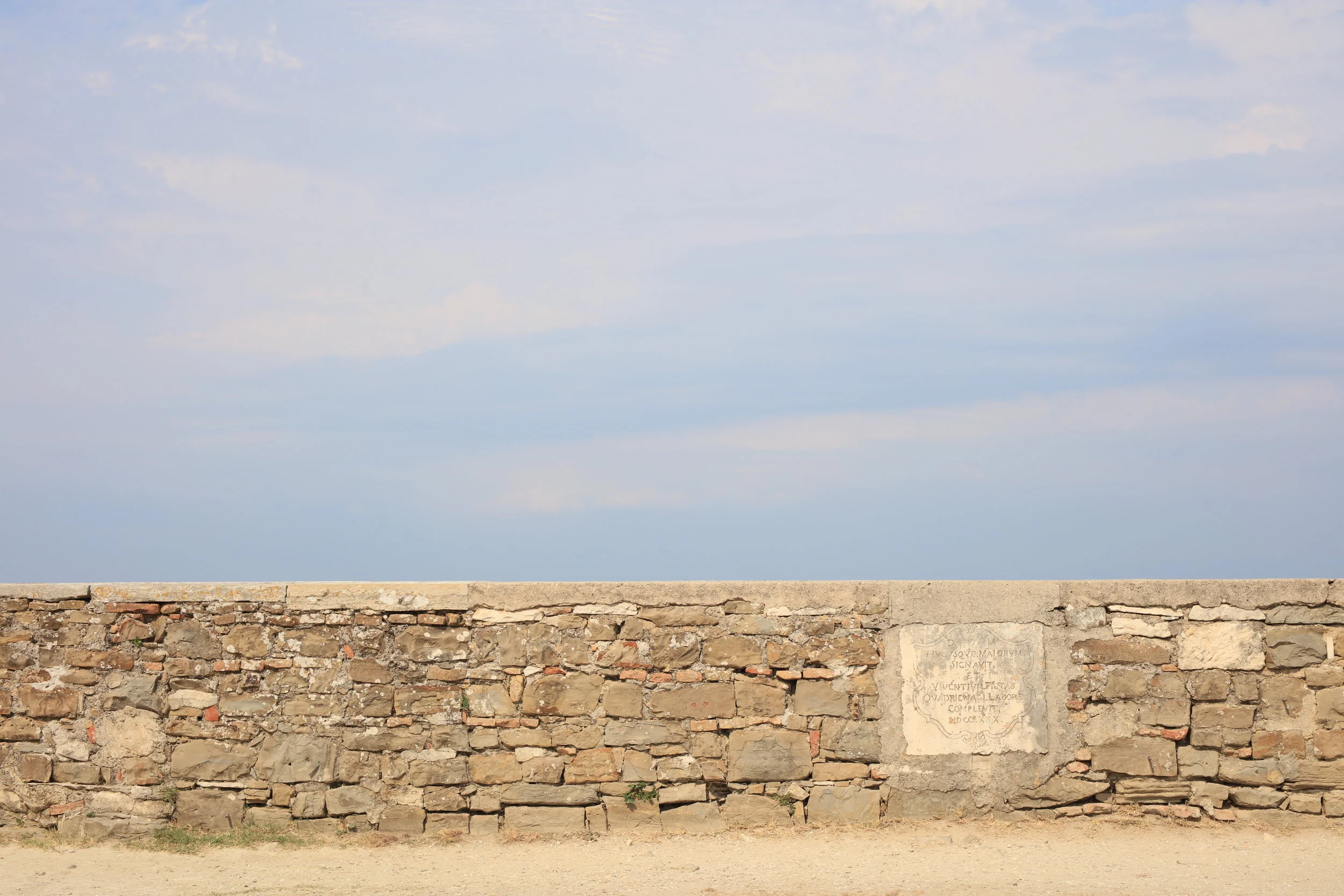
Lake Bled was magical and we walked its circumference watching wooden ‘pletna’ boats, paddleboarders, kayakers and swimmers share the crystal-clear water. We followed Vintgar Gorge’s boardwalks past gentle pools and bubbling cascades, mesmerised by the water’s misty cloak, and hiked to waterfalls like the delicate Slap Kozjak encased in an emerald cavern and the dramatic Slap Peričnik, the spray from the deafening falls a welcome relief after the steep ascent. We zoomed down zip-lines in Bovec, unceremoniously screaming as we soared 200 meters above the Učja River. We rode the intriguing railway in Postojna Caves and searched for olm (aquatic salamanders) in the stalagmite-bordered pools, before heading to nearby Predjama Castle, the largest cave castle in the world. We sat in a forest hide listening to the sylvan cacophony and waiting for brown bears, spellbound when two mothers and their cubs began grazing like contented cows a stone’s throw from our perch. We swam in azure water by Piran’s ancient city walls, and watched children in an alfresco art class draw the Venetian and Baroque architecture of Tartini Square whilst an 80 year old rollerblader executed perfect lunges across its marbled surface.
Whether environmentalist, gourmand, photographer, adventurer or one seeking solace in beauty - you’ll so love Slovenia.







Swiss Seasons
Heading down the mountain.
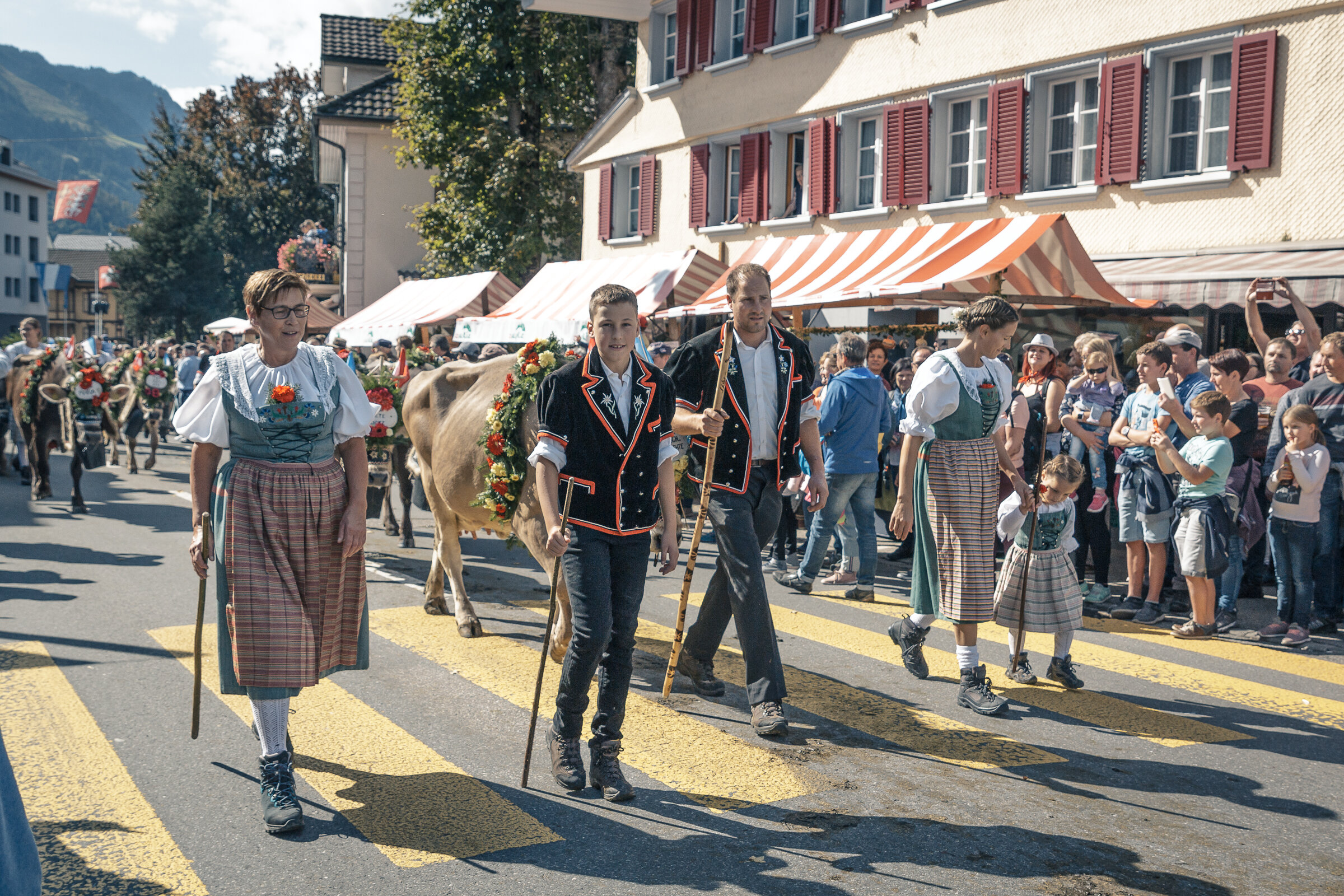
Photographer Mercedes Catalan has long called Switzerland home and - as well as contributing to our Switzerland magazine - has spent much of her time roving around the county capturing its landscapes, people and festivities. One of her more recent projects saw her document the festival of Alpabfahrt in the towns of Entlebuch (where one of the largest celebrations takes places - complete with yodelling) and Elm (a little village in canton Glarus). During the festival farmers drive the flower-festooned cattle from their Alpine summer pastures to their winter stables - and the images are suitably divine.



Japan ... revisited
Back to the printers!
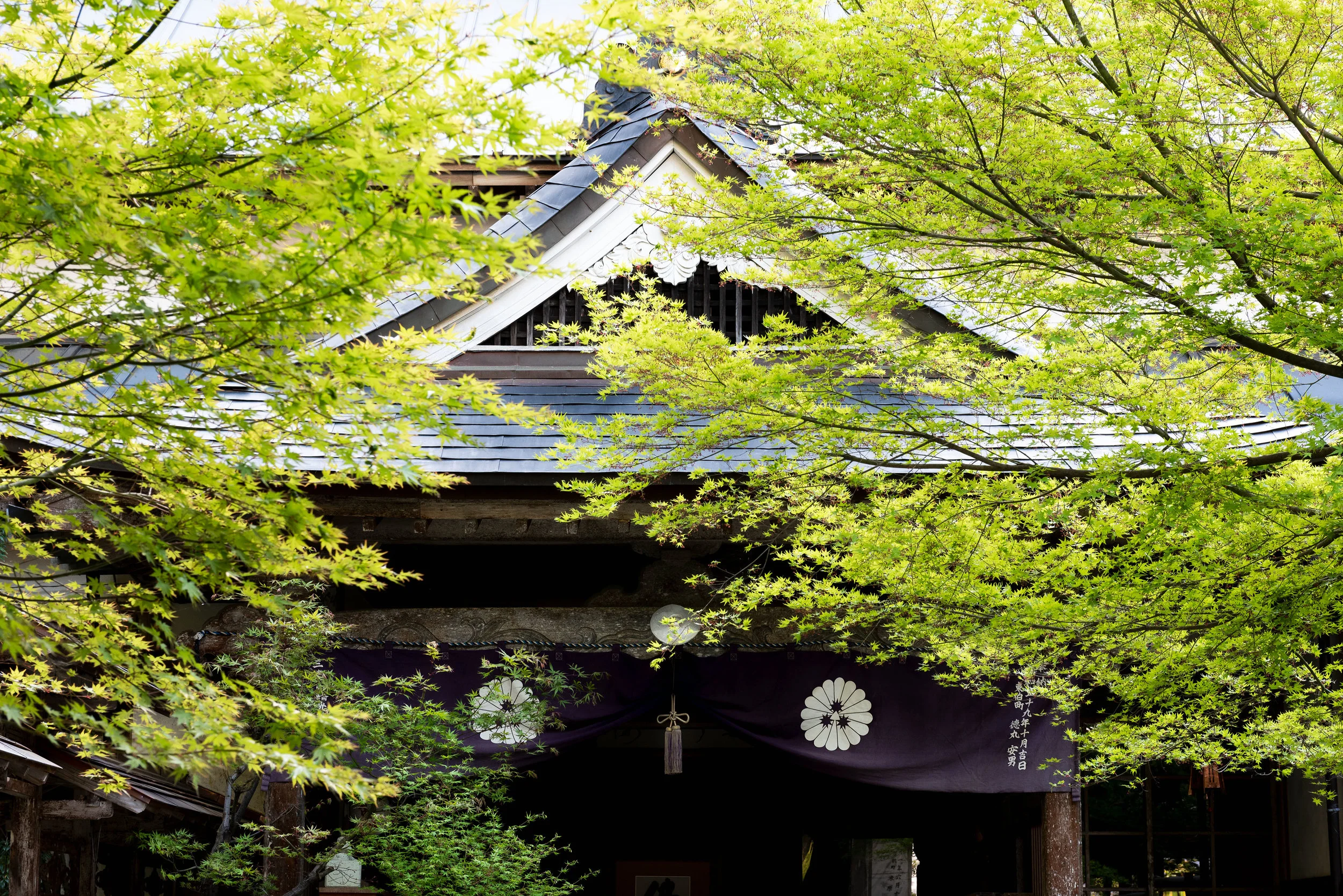
Rather thrilled to announce that we are re-releasing (and updating) our sold out Japan magazine - so if you fancy ordering a copy (it shall be heading out into the world on 22 October) you can do so once more!
The issue is filled with some original classics - jaunts to Ago Bay, feasts in Osaka, ambles along the Kumano Kodō, soaks in Kinosaki Onsen, cherry blossom chasing, Okinawa swimming and Hokkaido adventures (to name just a few tales) - as well as new escapades in Shimane, the Gotō Islands and a host of rather excellent hot springs …
Here is a sneak peak of some of the photographs gathered on our recent wanderings, as well as some older gems. Can’t wait to introduce the mag (and some of these images) to the world!
You can order a copy by clicking here.



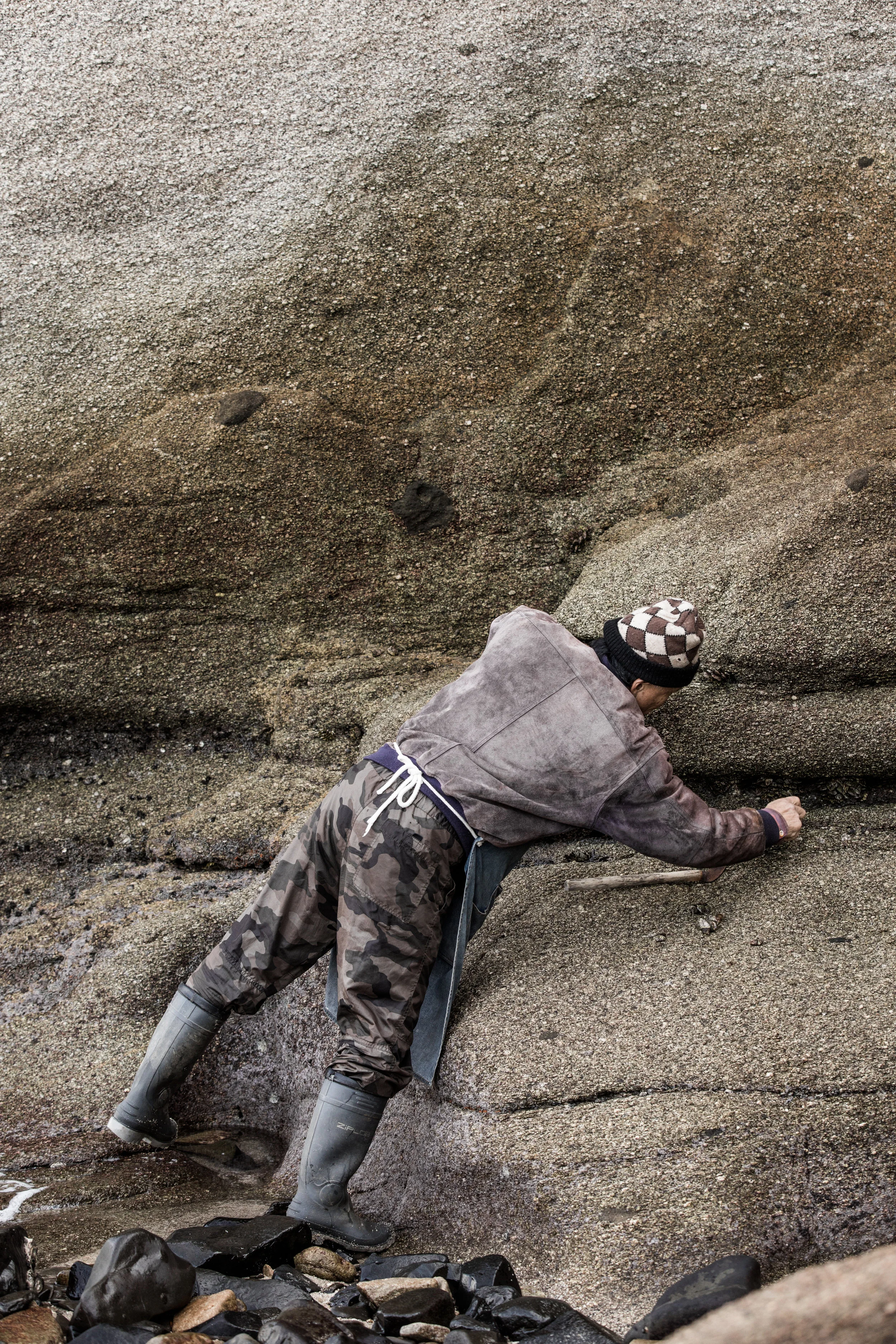


Photographs by Greta Rybus, Renae Smith, Angela Terrell, Orlando Gili and Holly Farrier.

An English Country Garden
A touch of decadence with Gravetye Manor.
Photographs by Orlando Gili & Words by Isabelle Hopewell
I always forget just how easy it is to get out of London. And while the English capital is an utter delight - a city well worth moving across the globe for - getting out every now and then is remarkably good for the soul.
Drive an hour and a bit from the bustle of Bermondsey, as I did one glorious September morning, and you’ll find yourself amongst the fields and forests of Sussex … the deliciously verdant county that is home to the dreamy/stately/divine Gravetye Manor. Flower bedecked, wondrously historic and with a flair for luxury, this country-manor-house-turned-17-bedroom-hotel boats 1,000 acres of lovingly-tended grounds, a Michelin-starred restaurant and opulence aplenty. It is a hideaway for all seasons, a bolthole with character, an ornate, brilliantly decorated secret you long to keep all to yourself.

While it’s difficult to pick a stand out feature, the gardens themselves are things of absolute beauty. The original landscaping was done by Gravetye’s once-owner William Robinson, hailed by many of one of England’s greatest gardeners. He pioneered the English natural garden style, working with rather than attempting to control the land’s natural splendour. Today the grounds are a wonderland. A wildflower meadow tumbles towards the manor’s Hammer Lake (a by-product of historic iron-smelting). Beyond this lies an inviting network of walking trails, many of which, after passing through woodlands and picturesque towns, lead you to local pubs, live the charming 16th century Cat Inn.
There is an orchard whose trees were laden with late-summer apples and pears (while peaches flourished in the nearby Peach House), a croquet lawn and an expansive kitchen garden, which grows fruit, herbs, vegetables and flowers used to supply the kitchen.
And on the subject of kitchens … when it comes to The Dining Room - oh my! Recently renovated, the space is a modern, light-bathed, gallery-esque space - all glass, stone, pastel flourishes and painted florals. It is glass fronted - an ingenious was of inviting the natural world in, a feature that is most captivating come breakfast (or lunch). When the sun descends and dinner is served - after some Sussex bubbles in the wood-panelled lounge, this is English wine country after all - it is the artwork adorning the walls and tableware, created by French artist Claire Basler, that will provide all the conversation fodder required - splendid and soothing in equal measure.
There is no better backdrop for the fare of Head Chef George Blogg - my seasonal feast a delectable medley of rich native lobster served with sunflower seeds, fennel and kumquat (my companion’s cured Isle of Gigha Halibut an equally piquant joy), followed by beautifully balanced local roe venison, made exquisite by leek, black garlic and hen of the wood - the combination so heavenly we both felt the need to order the same main! Out feast concluded with a glorious assortment of British cheeses and coffee beside one of the manor’s many fires - the experience timeless, refined and scrumptious.

Retiring to our converted attic bedroom - a homely, contemporary, flower-inspired space that managed to fuse country-chic with modern-luxury (each room in uniquely shaped and decorated, yet all have soothing palettes and plush fabrics that are inspired by the grounds) - I mused on my meal while soaking in the roll top tub before tumbling into a cloud-soft bed, so at ease I can’t quire remember if I dreamed.
What I do know is that Gravetye Manor is one of the most remarkable places to wake up. Beyond the window (and in our rather spacious room, there were many) the sky was the blue, the fields green and the gardens blissful. A final morning stroll through the last of summer’s blooms - thriving and resplendent - had me breathing deeper, moving slower, and just about ready to return to the modern world. For those seeking to daydream, dine and repose somewhere historic and wondrous, Gravetye really does tick all of the boxes.
To learn more about the property and book a meal or room, click here.


Into the wilderness
A journey into the raw beauty of the Arctic Circle.
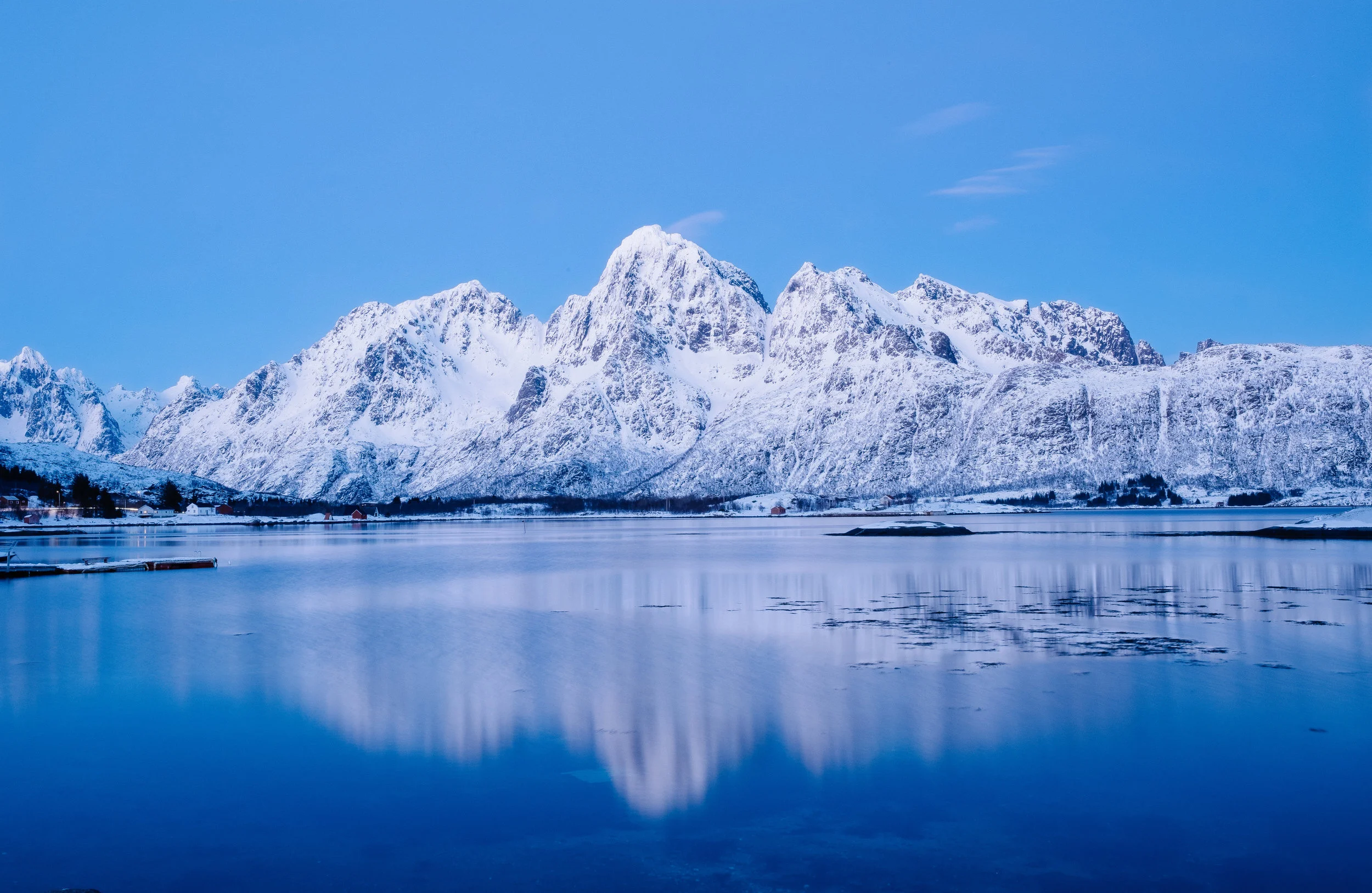
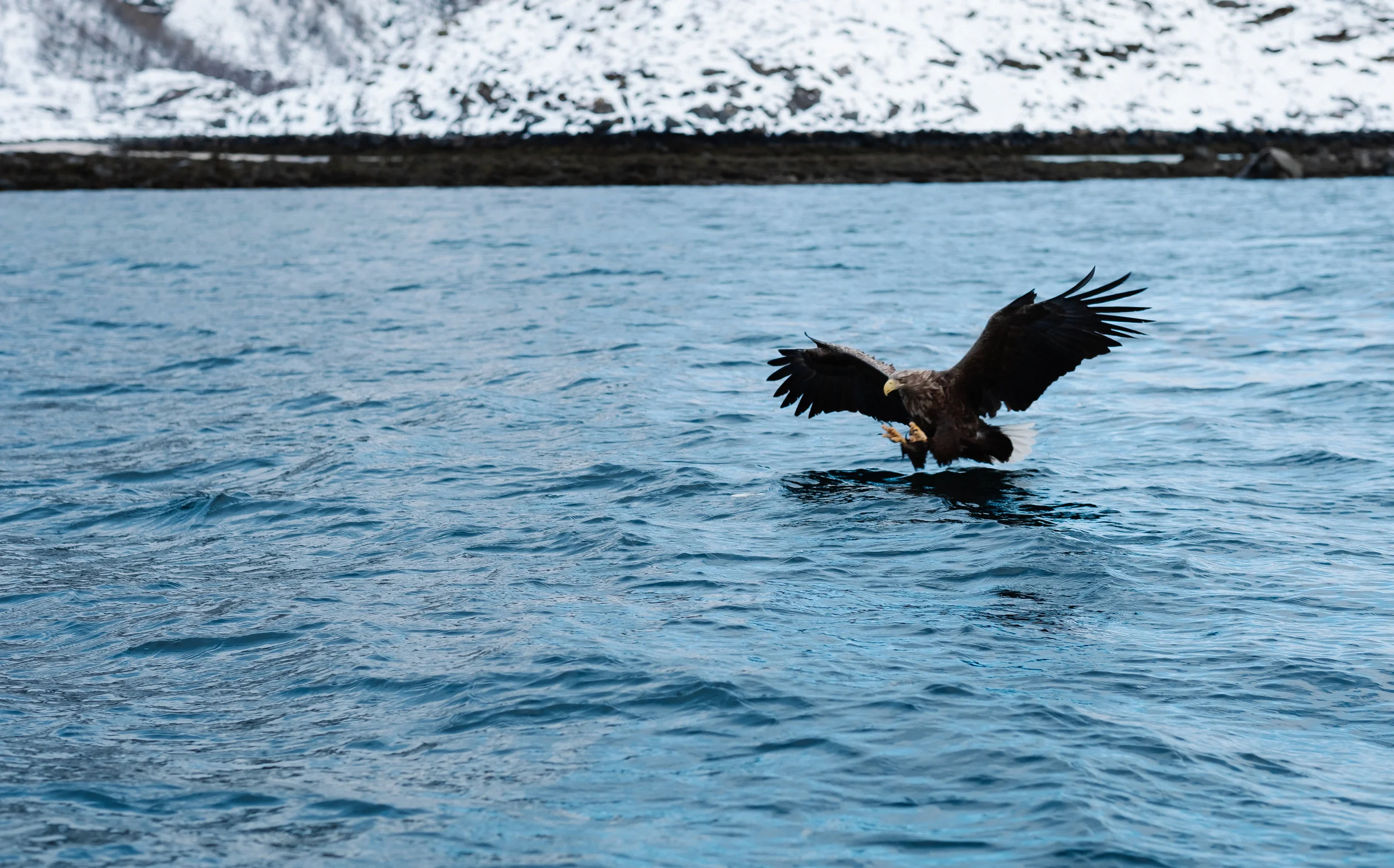
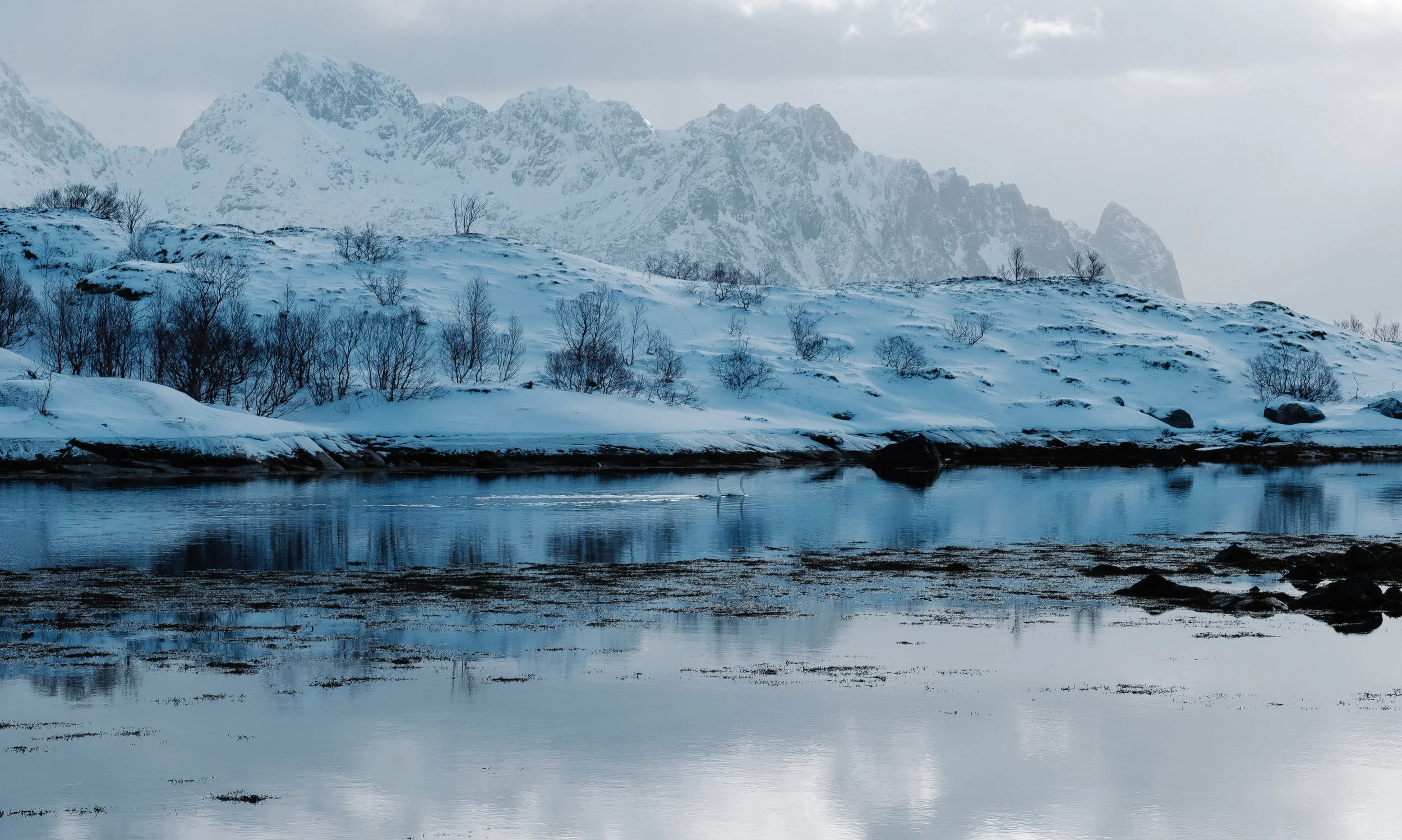
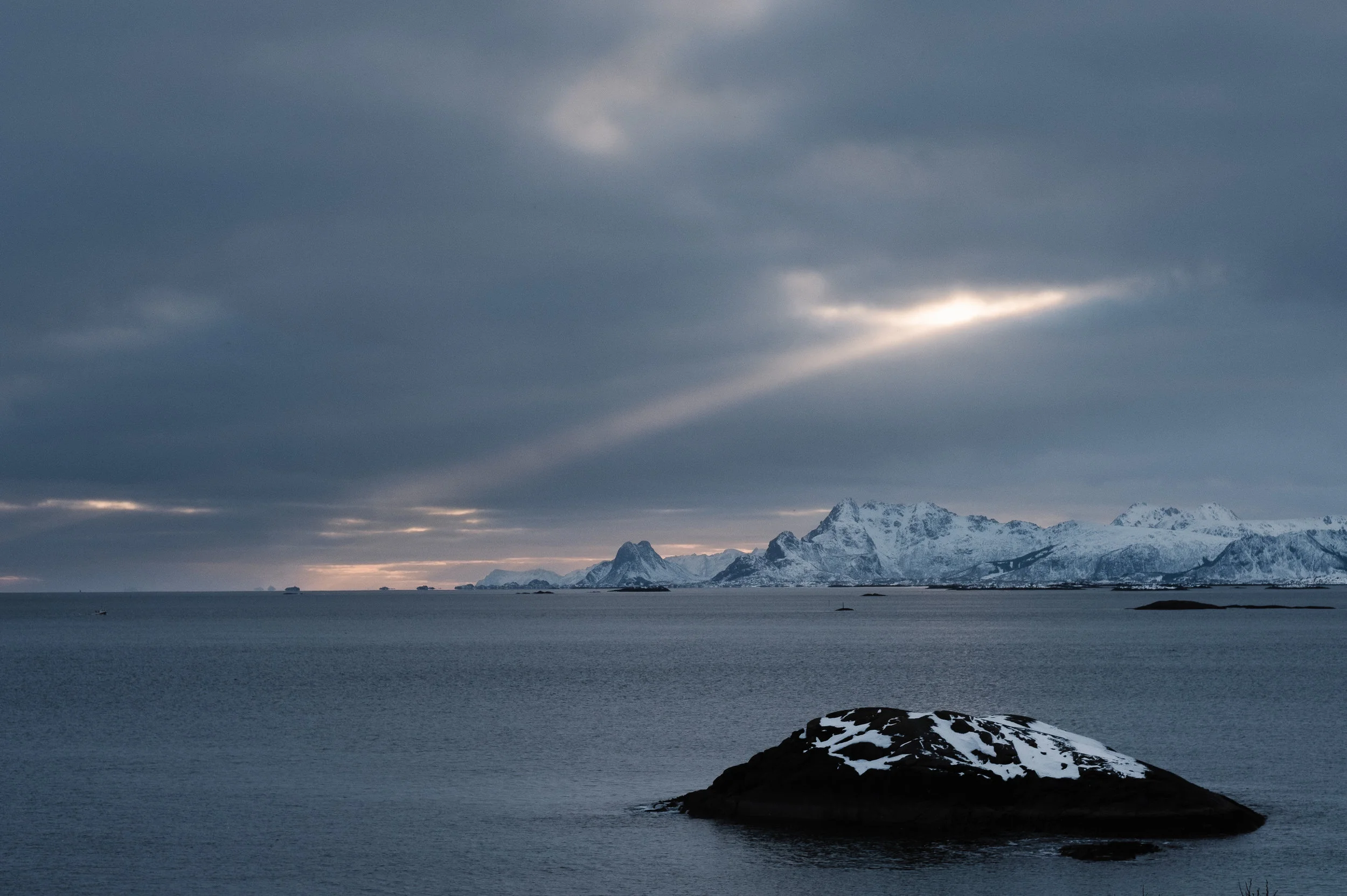
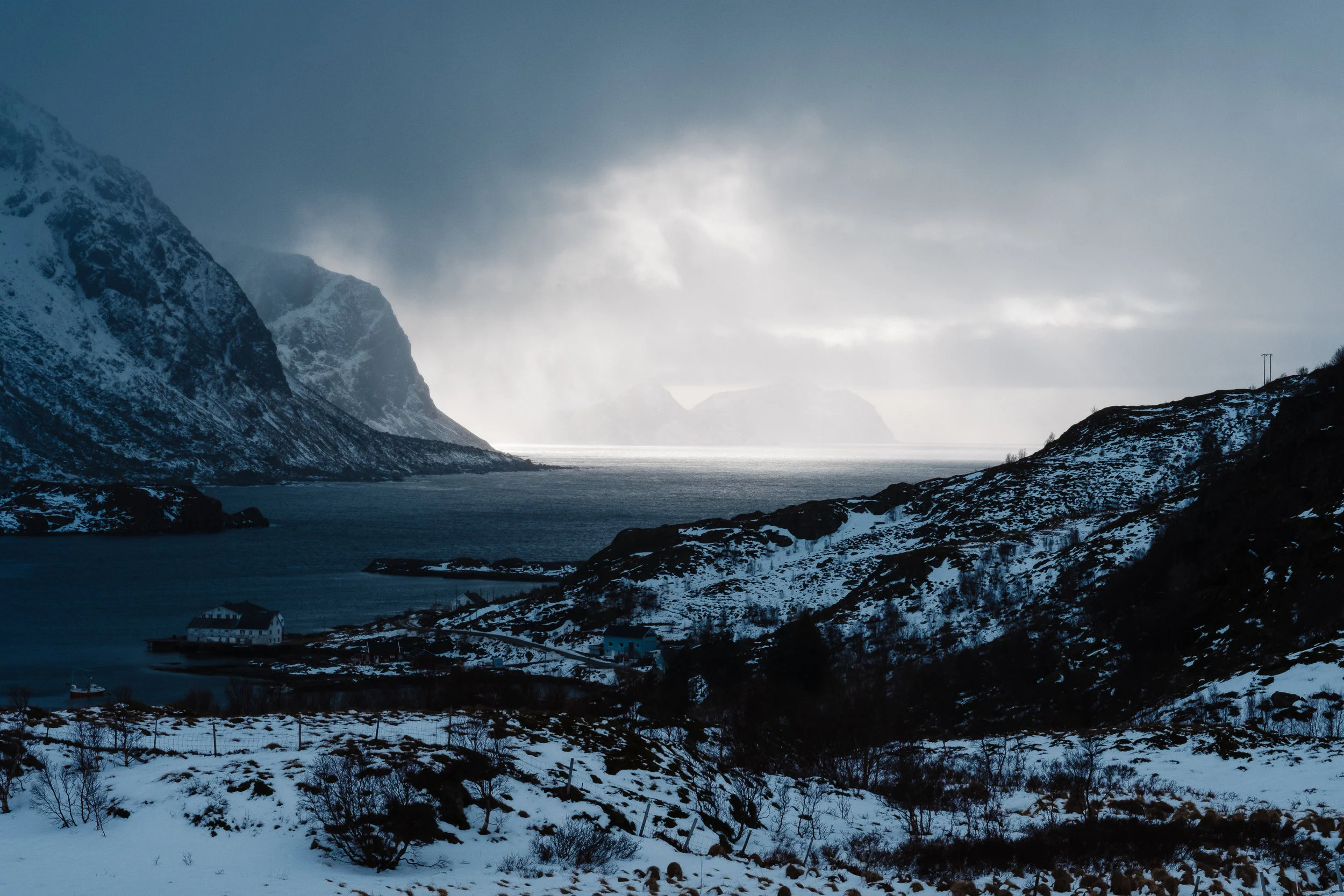
A journey into the raw beauty of the Arctic circle in Lofoten - by Simon Revingon
The plane crests gently left and I look out at a cragged, scarred black and white landscape. Beneath me, huge boulders of dark stone, draped in thick blankets of snow with jagged patterns cut deep by ancient glaciers. My eyes trace the enormous sloping lines which tear their way through the snow covered earth. Towering peaks shelter frozen lakes from the sun and candyfloss white clouds hang in a crisp Arctic sky. This is quite a welcome and unlike any landscape I’ve ever seen before, an electric thrill of anticipation jolts through me.
I am visiting Norway’s Lofoten Islands, located in the Arctic Circle and known as one of the world’s most naturally beautiful, unspoiled places. The country recently voted to block explorative oil drilling in this vast, pristine wilderness and having followed the story with interest, I can’t wait to experience the area’s rugged beauty.
For this trip I am travelling with my wife, master navigator and fellow travel addict. Our plane lands spectacularly, skidding to an unsteady stop on the runway, a cold blast of ice screaming into the early morning air. We head south from Tromsø, first collecting the campervan that will be our home for the next two weeks then setting out for Bardufoss. I struggle to keep my eyes on the road as it curls and dips around corners and fjords, each bend bringing picture perfect postcard views. We find our first camping spot for the night and before darkness falls I push out up into the hills to start exploring the stunning scenery.
Donning snow boots, jacket and beanie, I tackle the peak on the far side of the valley, my feet crunching over a thick carpet of snow. Deer tracks zig-zag through the wintery landscape and the peaceful quiet is only interrupted by the occasional snow pile falling lazily from the spruce trees lining my path. The scenery is breath-taking and for all its reputation for hardship, not to mention the biting cold wind cutting relentlessly through my jacket, I can’t help but be stunned by the sheer wonder of this Arctic wilderness.
An early start the next morning as we set out for the Lofoten Islands, driving through a brilliant white wonderland, the wind whipping relentlessly across the bare land. Screaming, it skims the hard packed snow that covers the roads. As we cross our first bridge, leaving the frozen mainland behind, a surreal view unfolds before us, so unique I’m stunned. Turquoise waters, clean and bright, dazzle below us under the soft sunshine like some Mediterranean paradise mistakenly wrapped in the icy depths of winter. Through the cracked snow, vivid colours scream out, the pristine water so clear you can see the bottom.
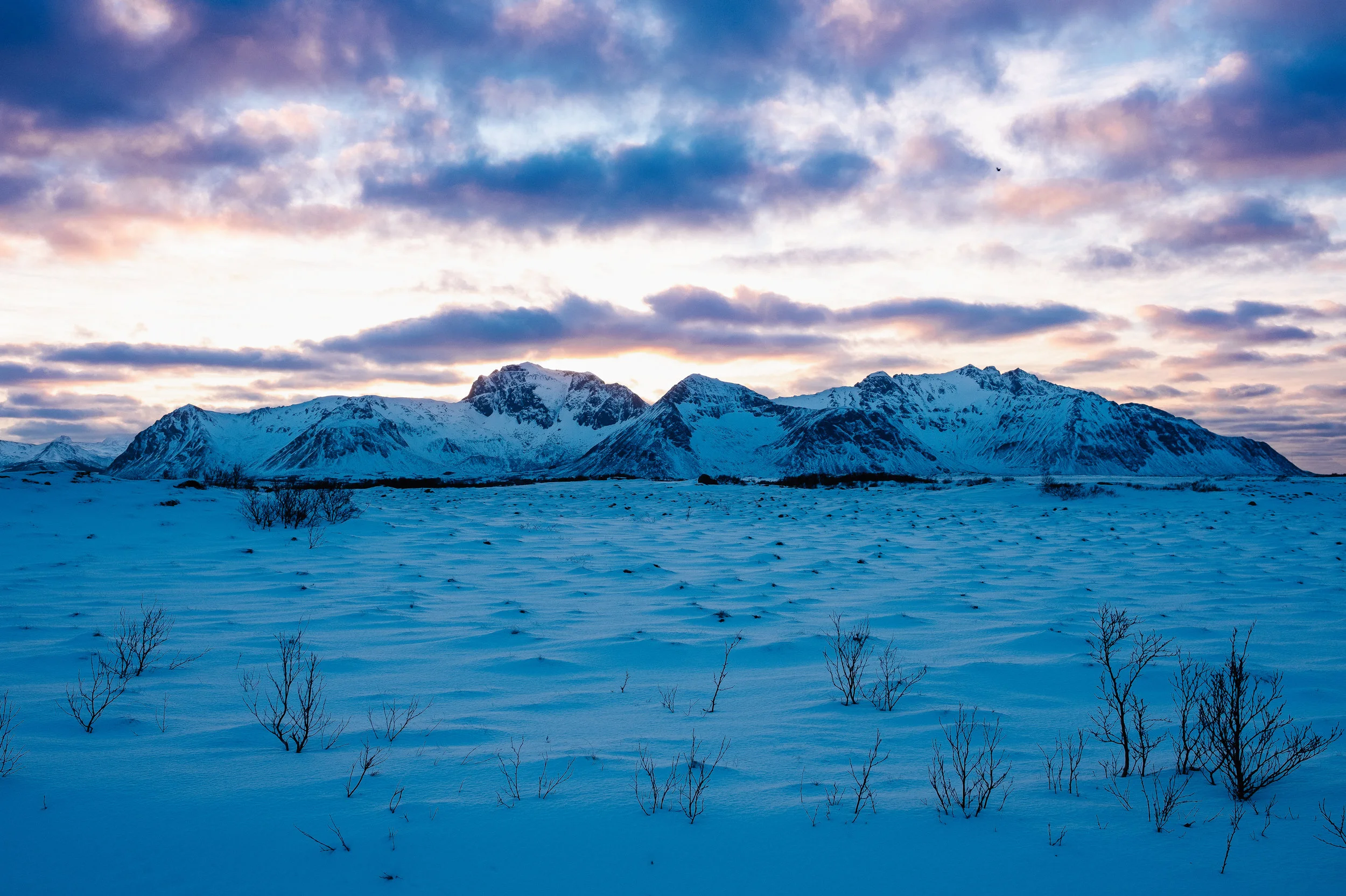
We round another bend and suddenly grand, ragged peaks crowd my view. They reach up into a bright blue sky basking in the gentle afternoon sunlight, the entire landscape bathed in its warm orange glow. I feel like we’ve arrived in Valhalla and begin to understand the inspiration behind the Nordic legends I’ve read.
We make camp in Hammerstad and our host is generous with her time. She tells us about the long winter the country is just now emerging from, blinking into the sunshine after months lived in near constant darkness. We camp right up against the fjord, its banks offering a front row seat to the two ice capped summits standing guard over our van, immovable and protective.
In the morning, brilliant sunshine as two Arctic swans swim elegantly downstream. Revived by cups of scalding hot coffee we continue through this magnificent landscape towards Svolvær, an historic fishing town that clings to the coastline. The town is the jumping off point for visiting the iconic Trollfjord area and we head out onto the open water of the fjords by boat, the glacial wind cutting into hands and slapping our faces. I have never experienced such unrelenting cold and am immediately happy that we are wearing jumpsuits and goggles. Far from land, looking out across the water as steep-sided mountains disappear into the tumultuous dark blue waves below, it is easy to lose yourself to the brilliant wilderness of this landscape. A place removed from time, it is as peaceful as any I have known.
Still enthralled by the beauty of our trip through the fjord we set off to the even more remote town of Hov Gård on the island of Gimsøy. We follow long, straight roads in the pale light of early evening, the sun-washed sky a glowing palette of pink and pastel orange.
We’ve been told by many of the people we’ve met along the way that Hov is one of the best spots to see the northern lights. Looking skywards from the beach I’m not overly optimistic as clouds roll in and the sun sets, swamping the sky in a thick, swirling grey blanket.
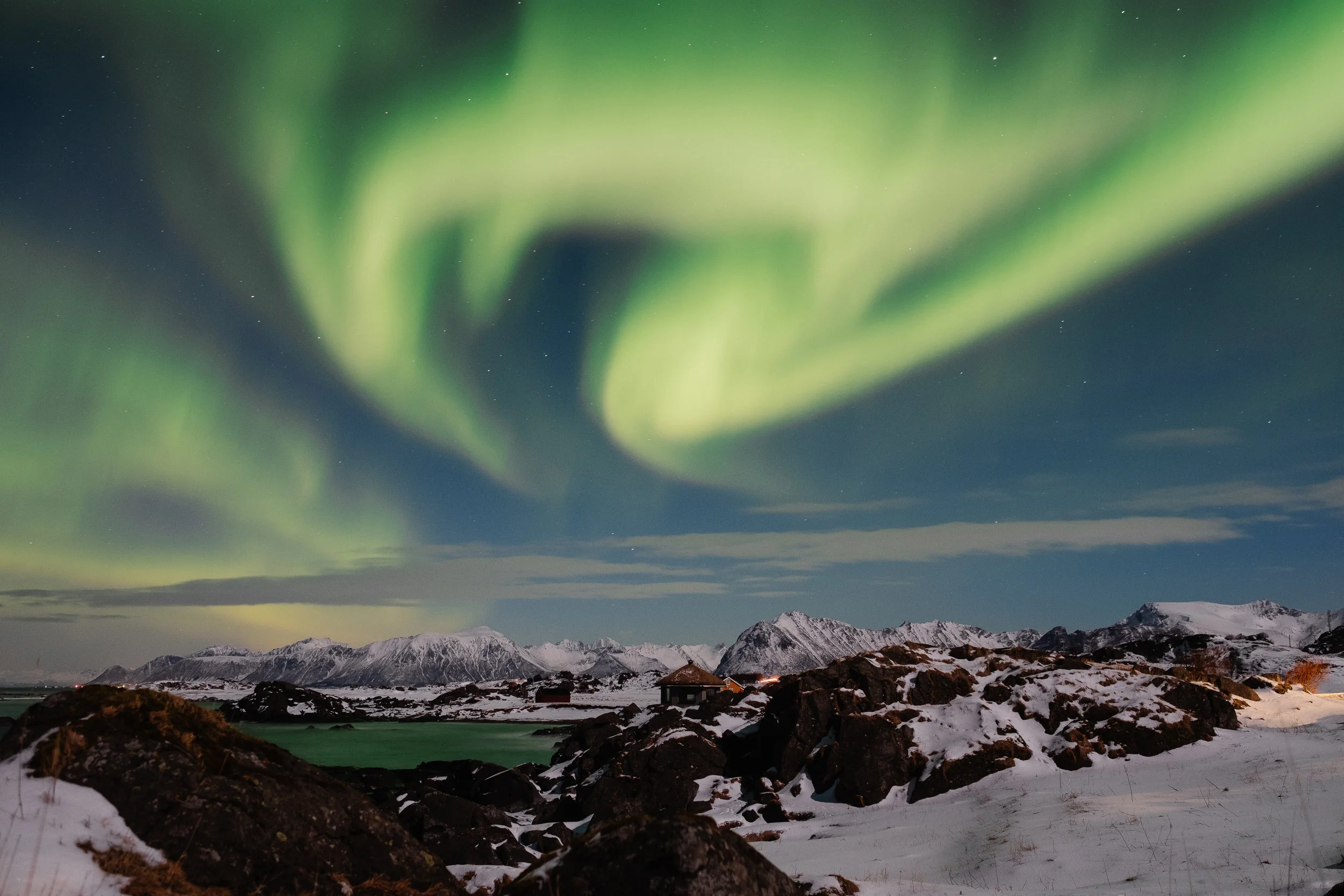
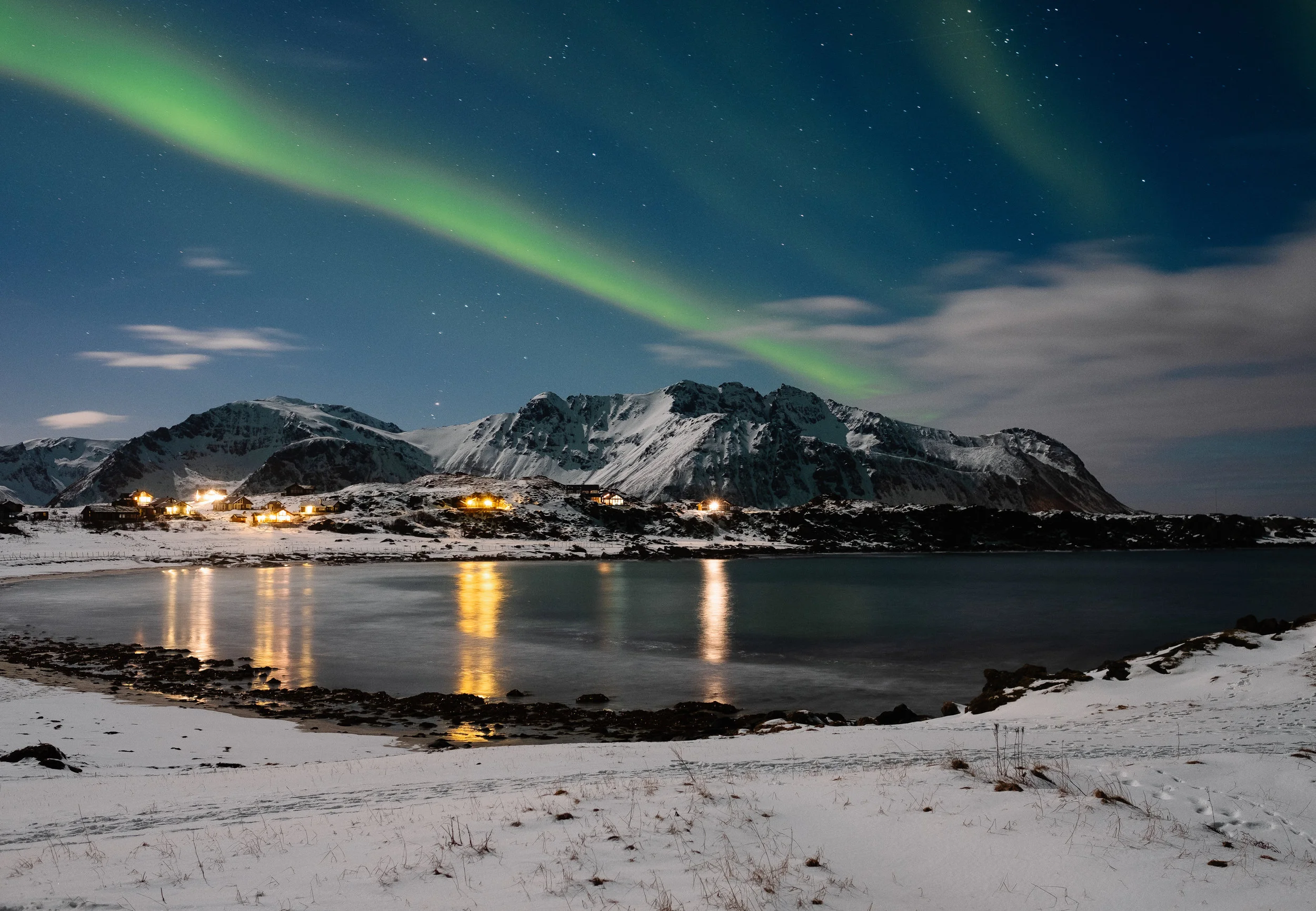
But the wind changes direction. Suddenly patches of sky become visible and the patches soon become swathes until, like some unseen hand removing a blanket, the sky abruptly reveals its hidden treasures. Stars sparkle brightly against a inky dark sky. And then it begins, the world’s oldest, most dazzling lightshow.
The first, faint glimmers of green flicker across the sky. A figment of our overeager imagination or Aurora’s whispers? Growing bolder, the lights dance and tease above us, shimmering across the sky’s carefully laid stage. On cue, a crescendo, the unheard music peaking, light bursting and racing breathlessly through the sky. Brilliant green flashes through the night sky in perfect waves of light that ripple across the darkness. Reflected nakedly in the water below, the light is graceful and ethereal, breathtaking in its reckless beauty.
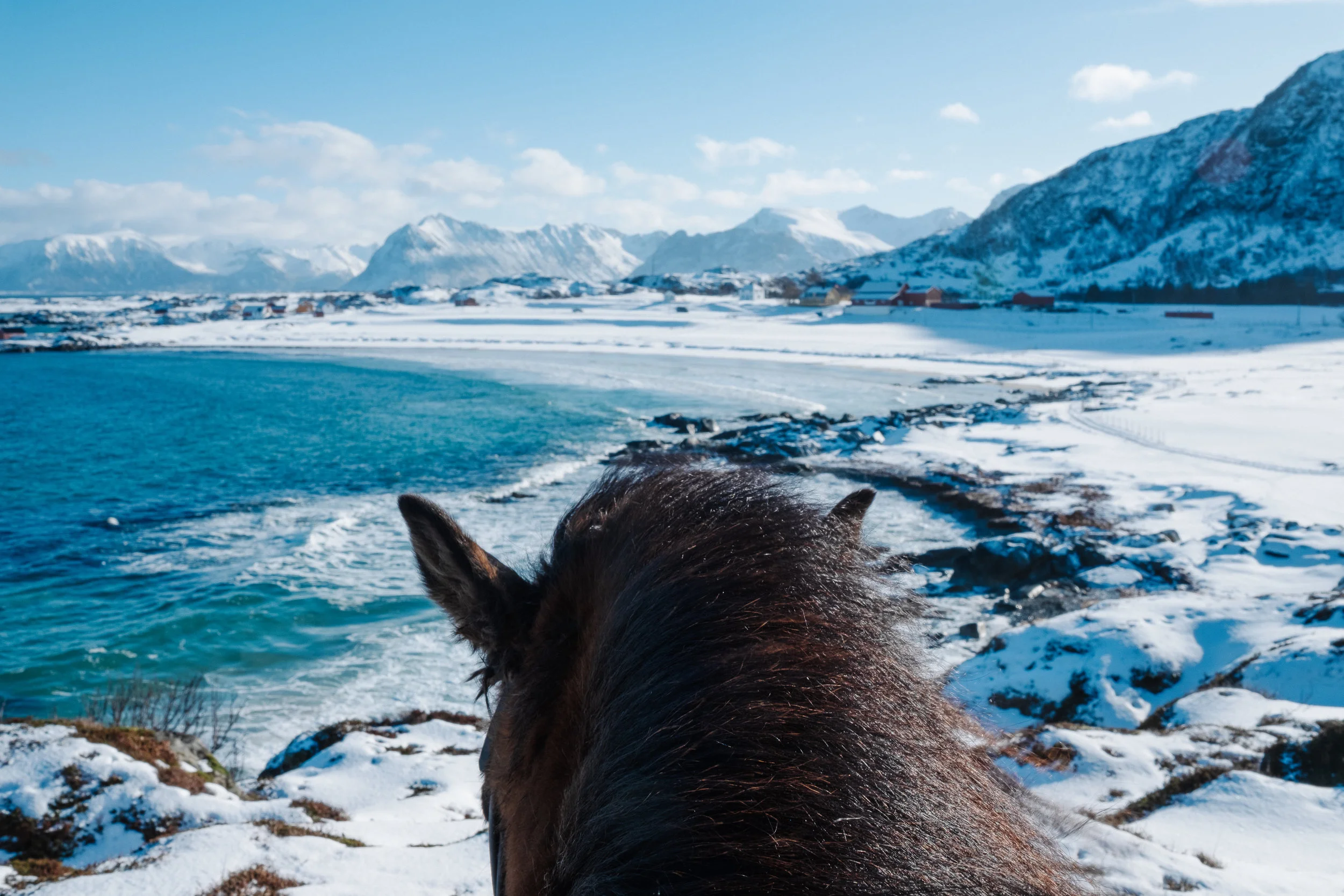
The next morning sees an early start as we embark on horseback from Hov, climbing the steep, slippery mountain paths. Our Nordic horses expertly navigate their way over the icy rocks, slick with melting snow. The occasional snort the only signs of mild annoyance at having to listen to the awkward commands of such an inexpert rider. Some wannabe Arctic cowboy. On horseback the countryside seems wilder, as though you’re connected with a past long gone but which still echoes across its untamed landscapes.
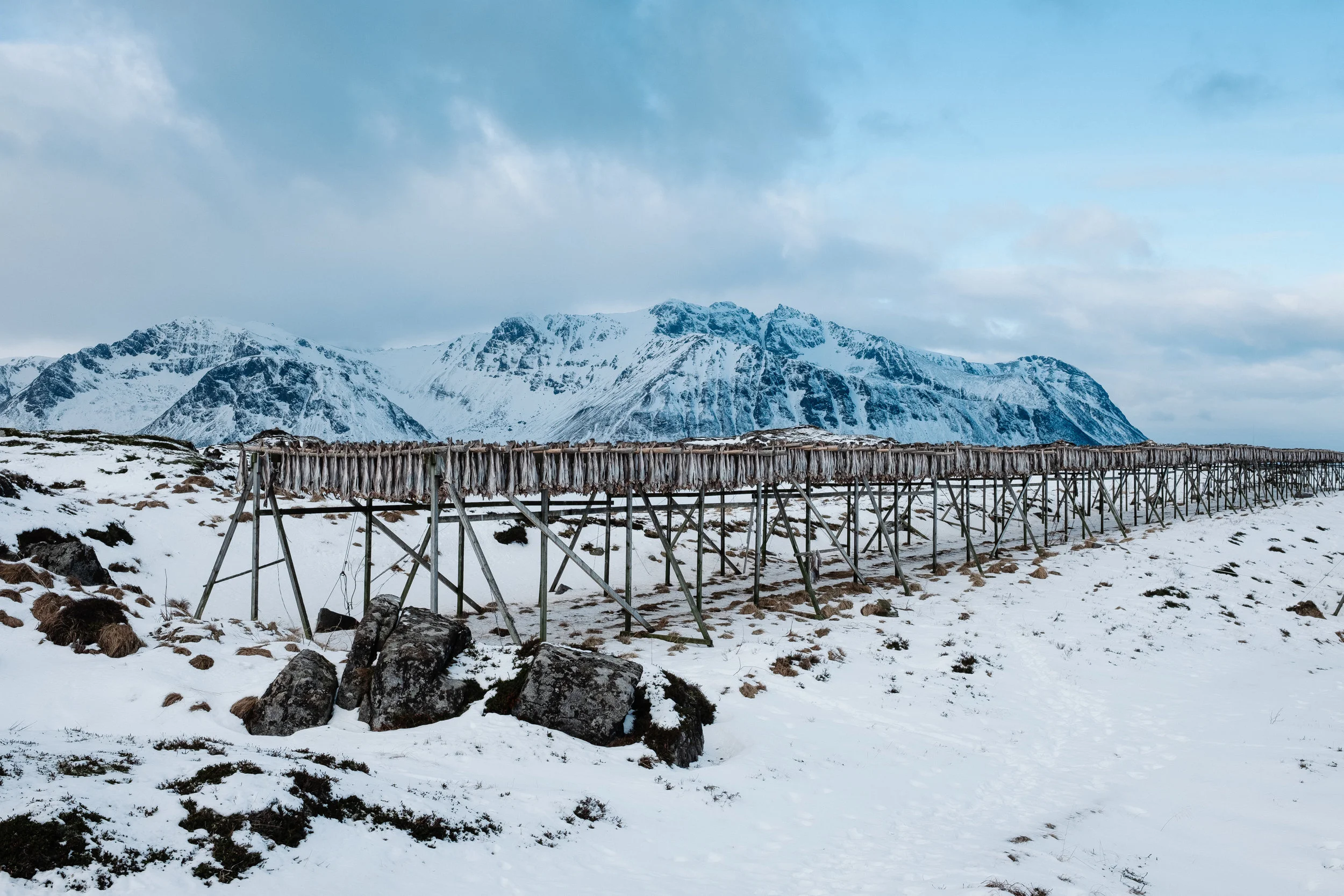
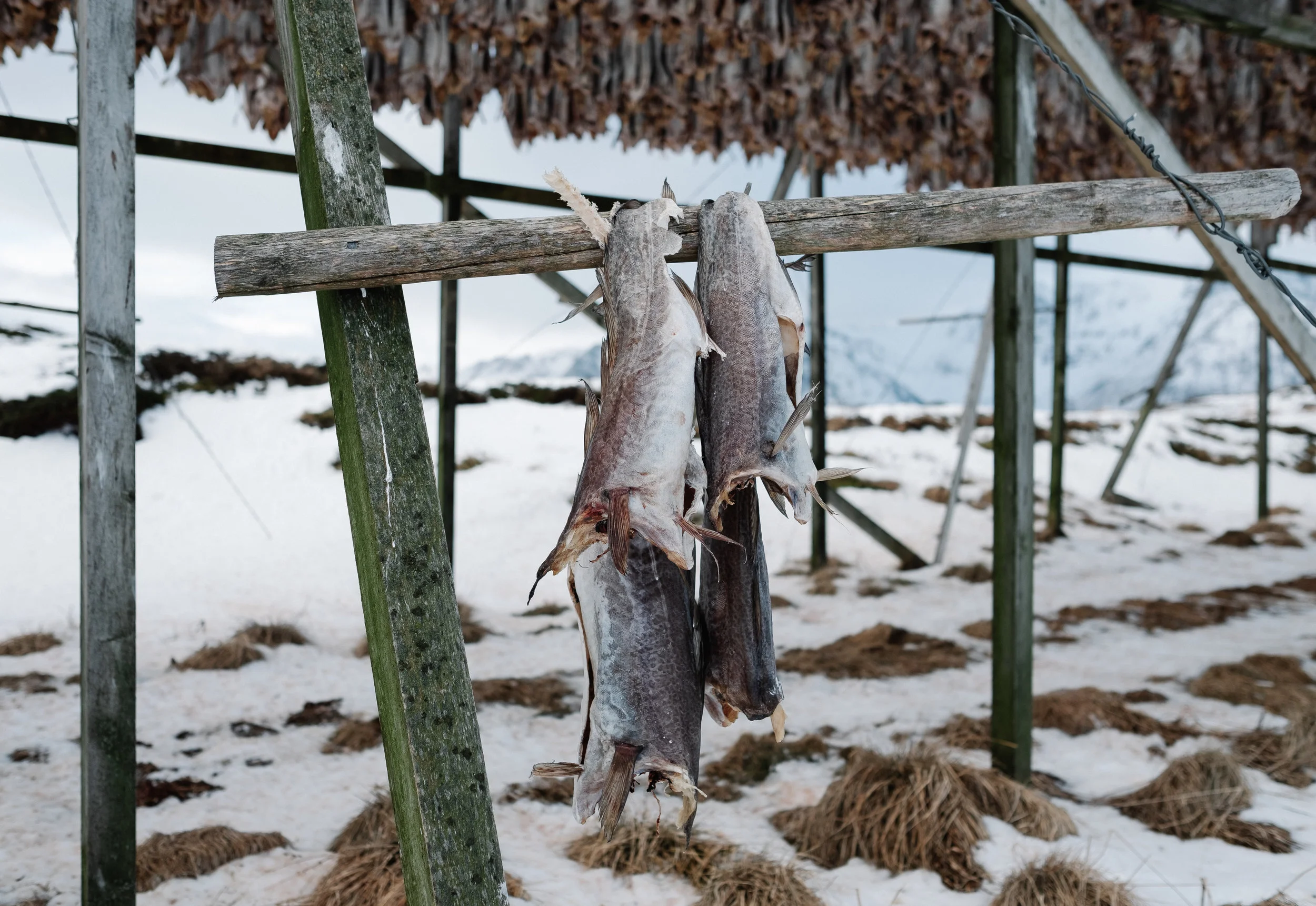
Everywhere there are signs of the past, from fishing towns that grasp limpet-like to the jagged shoreline to the racks called ‘Hjell’ that dot the hills. Their precious white gold haul still the lifeblood of these towns and for so long the engine room of the country’s economy. So many still depend on the powerful cod that spawn in the waters here each year. As we ride, tiny fishing boats bob up and down on the dark blue waves as they head out to open sea, retracing a journey taken thousands of times before.
We leave Hov on icy roads and in bright sunshine as we head towards Unstad, a remote town that has become renowned for its surfing beaches. The chance to surf in the Arctic is not one I’m going to miss and I’m thrilled when Oscar, the surf guide, says that the weather is perfect for a session. He is all enthusiasm as we strap boards to the top of the van and head out in search of waves.
Ice and snow cover the beach and as I step out of the van to collect my board, I’m immediately aware that my wetsuit is probably not much of a match for temperatures well below zero. No matter, excitement and anticipation will have to make up for it. I start the slippery walk across clear ice, my surf boots offering no grip on the frozen path. Oscar is already far ahead of me, bounding excitedly down the beach, seemingly oblivious to the biting wind and snow-capped peaks that surround us.
A moment of surreal clarity; I’m about to surf in the Arctic. I cross a small inlet, my feet cracking ice underfoot, and finally I’m on the beach. After a brief introduction on what to expect, we’re off into the water.
I try to get it over with quickly, plunging determinedly ahead, expecting a bracing, roaring cold to wash over my body. Instead the water feels refreshing, crisp and exquisitely clean. The feeling is a visceral jolt, like an electric current pulsing through my body. I am alive. Vividly alive. The waves roll in endlessly, and I rise and fall, waiting. Biding my time and watching the half dozen other surfers drift and work.
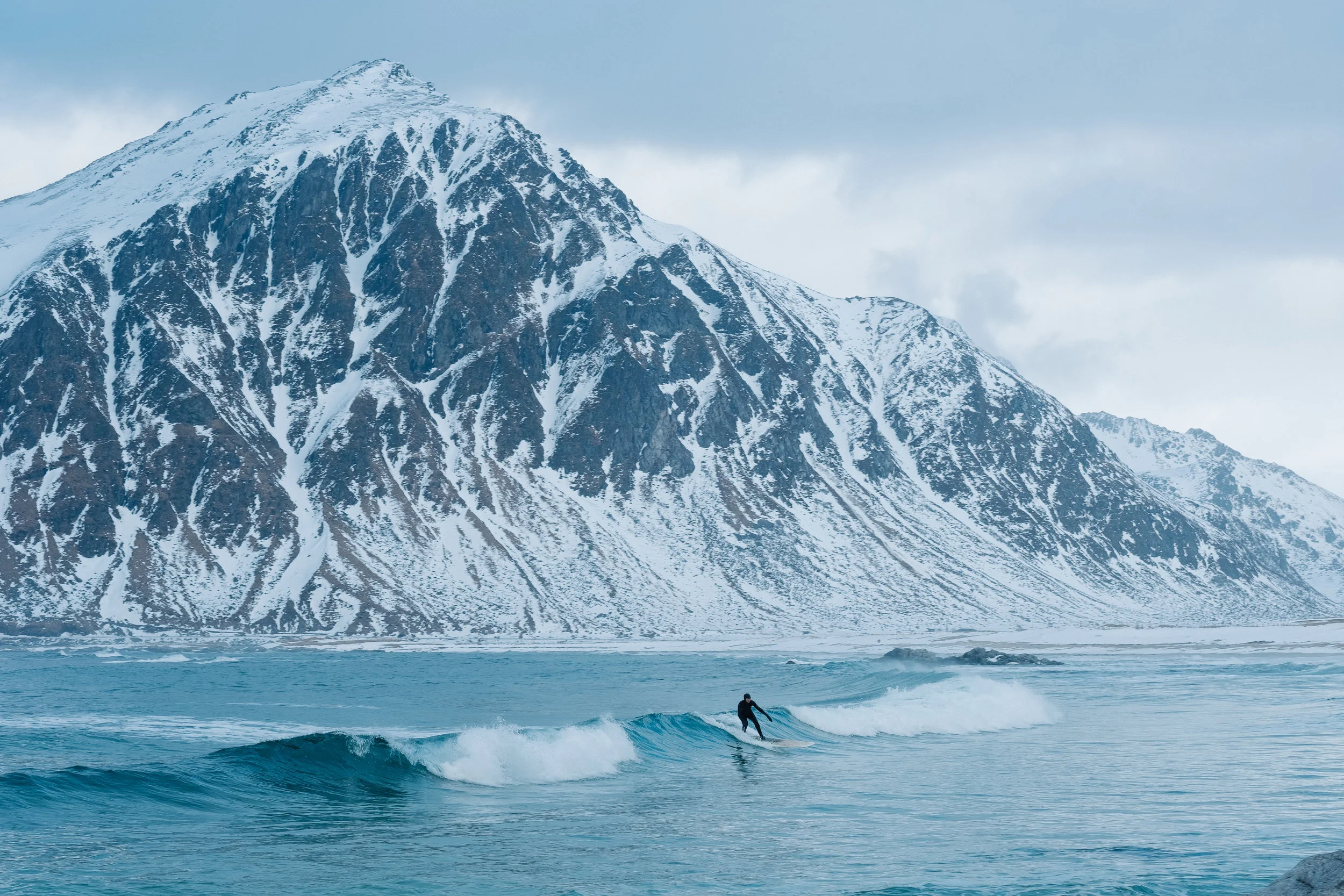
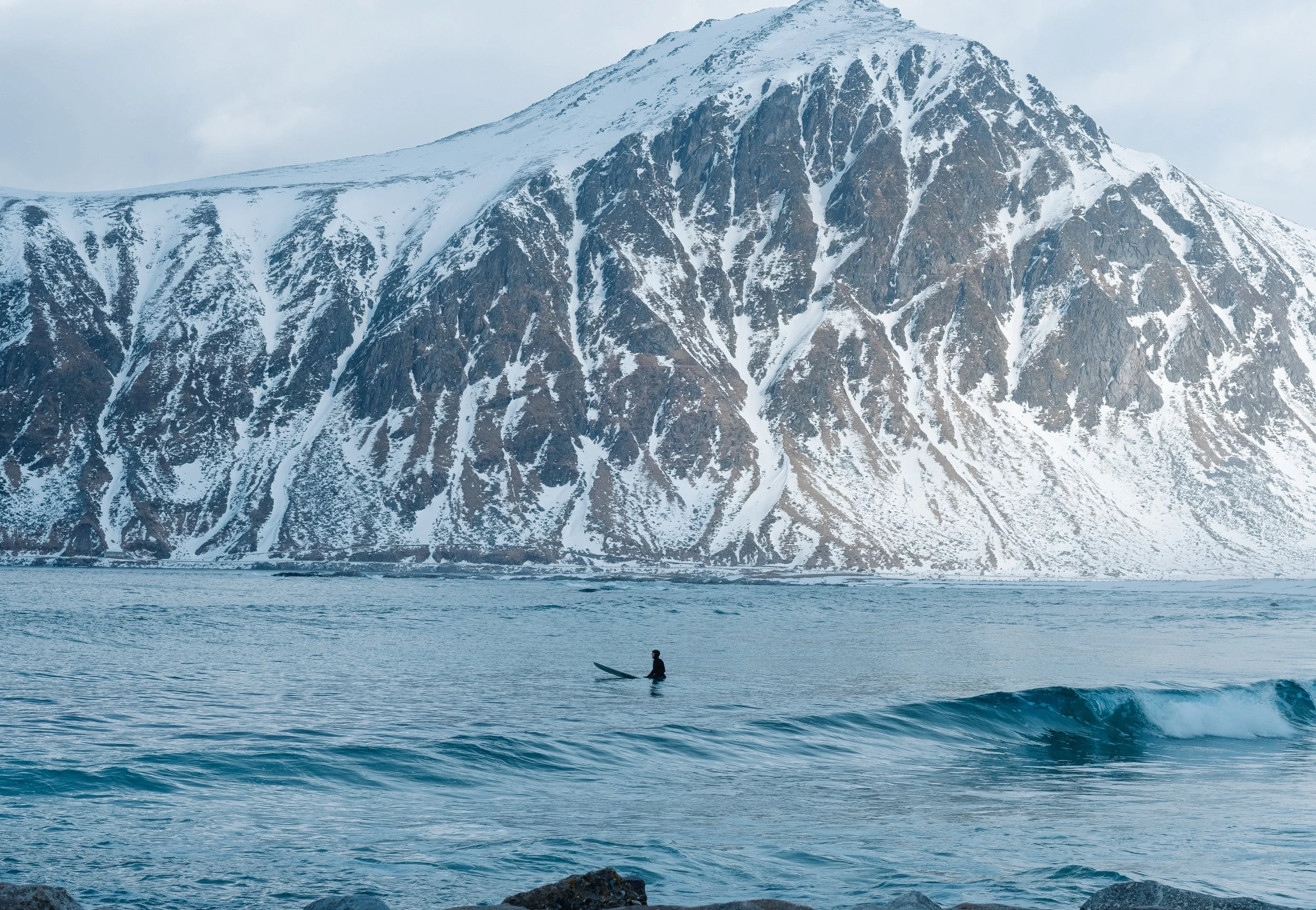
I turn my board, a half glance behind me confirming my hunch that the next wave offers everything I’m looking for. Furious paddling. I fight the water for momentum, the swell rising underneath me. I feel the board lift, the Arctic waters carrying me like a piece of aimless driftwood. I pop up off the board, pivoting my feet and turning to take control of my momentum. For a second, complete freedom. I’m suspended in time, the world on a string as my board crests the wave. And then it is over as I plunge back to Earth into the pristine winter water below, wiping into rumbling white chaos as control deserts me. Thrilled, excited and stunned, I paddle immediately back out to deeper waters seeking the high of adrenaline fuelled thrill.
Having driven back to Tromsø we drop the van off and spend our last night in a hotel overlooking the harbour. The feeling of a solid bed and room service are a million miles from where we’ve come. As we pack and I look back over the time we’ve spent in Lofoten I’m struck by how untouched and exciting the world has seemed. I desperately hope that the islands will remain as they are, protected, wild and untameable. They will stay with me always.
La vie en Rose
A night at The Rose, in seaside Kent.
Words by Sarah Jappy & Photography by Isabelle Hopewell
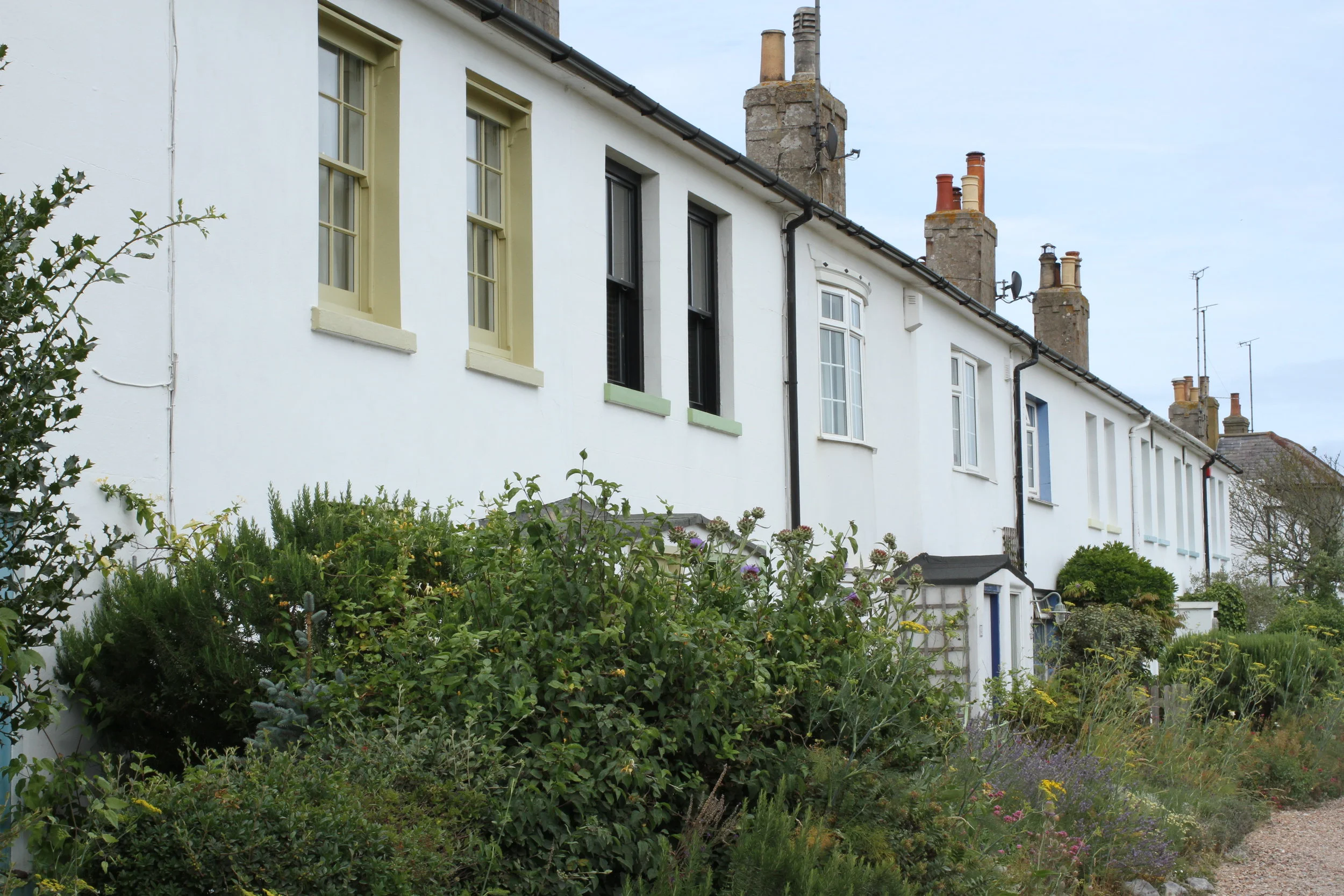
Having conducted a thorough investigation of The Rose, we can confirm it has no thorns. This eight-bedroom hideaway in the heart of dinky Deal – a town as suited to city-fleeing weekenders as it is to long-term seaside residencies – is styled with tongue-in-cheek vintage flair, covetable mid-century furniture and enough candy colours to fill a sweetshop.
Refreshingly, The Rose doesn’t take life too seriously: indeed, there are multiple proofs of the hotel’s witty side, from the burlesque-worthy, red-velvet curtain screening the staircase (and what’s up it) to the cheery blue-and-white striped mugs used for builder-worthy cups of tea at breakfast.
Guests are given multiple reasons to stay in. When you first enter the hotel, you land in the snug little restaurant via a teal-tiled reception area. The restaurant and bar’s liquorice-dark walls are hung with robbed-from-granny artworks, including textured tapestries of horses and bearded, pipe-toting nautical types, plus a giant, lustrous-blue whale engraving swimming high above the tables. Toffee-coloured wood furniture and lashings of chartreuse velvet inject warmth into the inky palette; a giant, flung-open central window lets in a generous stream of sunlight, keeping things easy-breezy.


Throw in a pretty, kitsch-cushioned rose garden with mismatched chairs (perfect for sunny evening libations and lazy dinners), vintage record players in acid pastels, a hipster-pleasing art collection, cool coffee-table tomes adorning bookshelves, rattan galore and glittering crystal whisky decanters in the corridors, and you could feasibly think you’ve swapped Deal for Dalston. No surprise, then, that the hotel’s talented stylist-turned-interior designer Michelle Kelly hails from Hackney. (And very lovely she is, too; we had the pleasure of bumping into her over breakfast.)
Speaking of breakfast, the Rose’s food is a memorable highlight, starring snacky, on-trend, small-plate-style fare that betrays head chef Rachel O’Sullivan’s stint at Soho’s smash-hit holy trinity: Polpo, Polpetto and Spuntino. It’s relaxed, playful food that seems suited to sunny days (O'Sullivan is from Australia, which probably helps) and complements the hotel’s laid-back feel.


During our trip, on an alternately rainy-sunny June weekend, we feasted on giant-gobstopper-sized chicken kiev balls swimming in a golden pool of tarragon butter, green beans topped with a red flurry of romesco, moreish white-bean mash with breadcrumbs, heritage tomatoes, samphire and crème fraîche, delicate cured sea trout with sweet mustard and dill, and a commendably chewy-cheesed mac ‘n’ fromage. Given that the above list comprises one meal and one meal only, it’s perhaps unsurprising that we failed to tackle peanut parfait with raspberries, or sweet pickled strawberries with buttermilk ice-cream and shortbread. (We’ll be back.)
The cocktails were rather a little too easy to drink (fittingly, for a former pub), so the irreproachably good Climpson & Sons coffee was much appreciated the following morning – as was a buttery brioche bacon roll with zingy rhubarb ketchup, and roast mushrooms on toast with a generous dollop of goat’s curd.


Follow our example and spend some time relaxing in the colour-pop lounge and its boiled-sweet-hue sofas and chairs before heading out for a day’s worth of Deal adventures. While plotting our day, we rubbed shoulders with friendly fellow guests, including a magnificent, liquid-copper-coloured hound by the name of Baxter, who seemed to thoroughly approve of his setting. No wonder.
As Baxter knows, dogs are welcome at The Rose, and can stay overnight for a small additional charge. Our own canine companion (alas, languishing back home in London) would have gone potty with pleasure while pootling along Deal Pier, enjoying snaffled fish and chips from Middle Street Fish Bar and rambling along the beachfront, where colourful beach huts bloom like wildflowers. Less dog-friendly lures come in the form of Hoxton Store (where we purchased matching silk kimonos; an age-old British seaside essential), a pleasingly old-fashioned ice-cream parlour and a Barbie-pink beauty salon that seemed to have been transplanted straight from 1950s America and plonked in coastal Kent.
Time things right and Deal could feasibly deliver sun, sea and sand (correction: make that pebbles), but whenever you come to The Rose, you’re guaranteed: biscuits, bed and bacon. Aka bliss.
Should you wish to read more about our English escapades, you can nab a copy of the England magazine here.
And of course, you can book with The Rose by clicking here.


Ochre & Rose
Colours of the Kimberley.
Words & Photographs by Angela Terrell
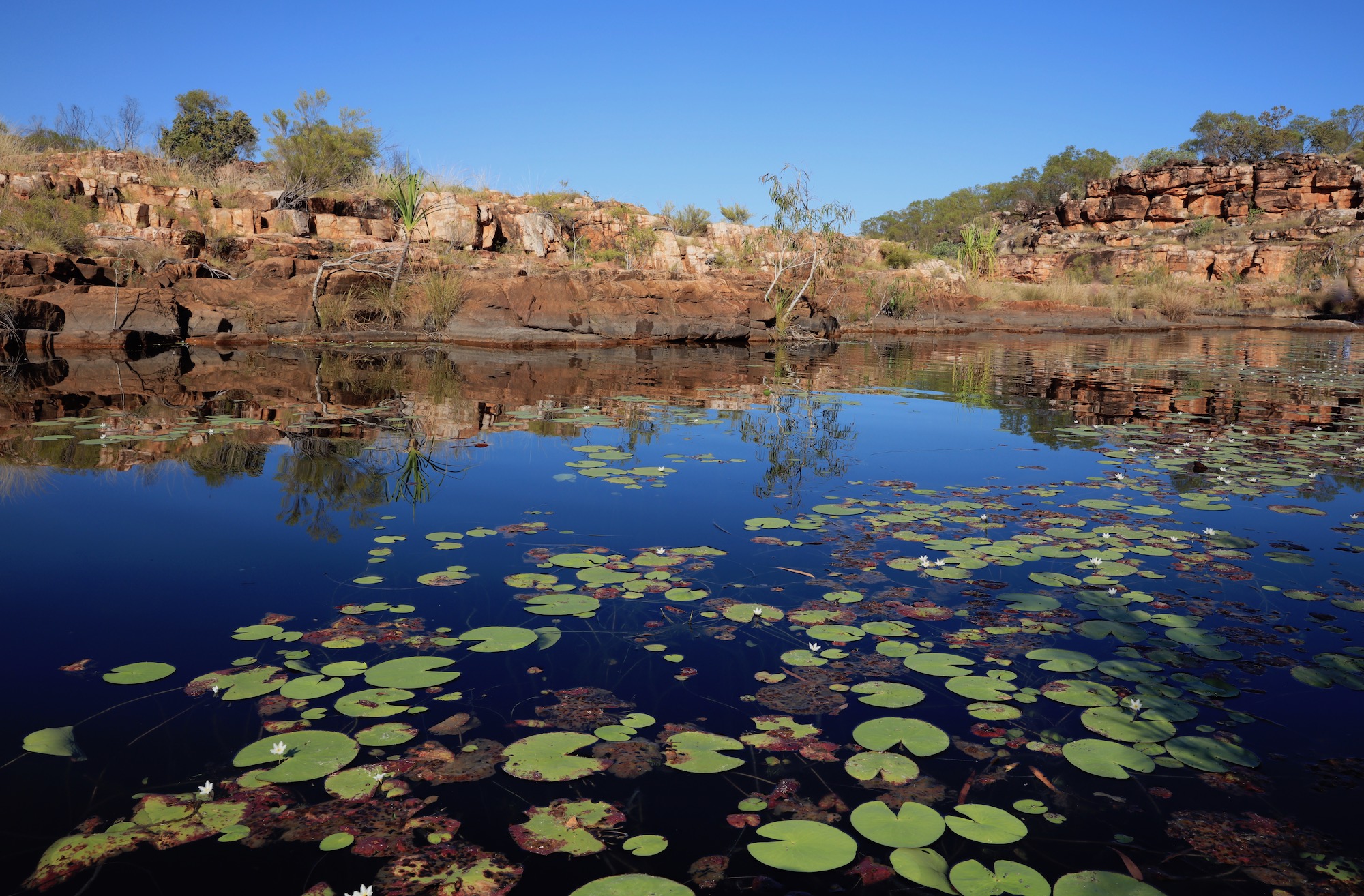
I struggled working out the exact point land and water met, and as I focussed my camera on the hulking columns of ochre and rose hued sandstone that simultaneously rose into the cloudless sky and plunged into the watery abyss, I held my breath, hoping the fragile image wouldn’t shatter before its amazing symmetry was captured. Through the viewfinder I spied the roots of Kimberley roses and buttercup-yellow Kapok bushes anchored to the sentinel-like monoliths, and a kite soaring above their resilient foliage - but as time and movement were fast becoming my photographic foes, I continued scouring the glassy surface for a horizon line, increasingly breathless, until I finally took the shot.

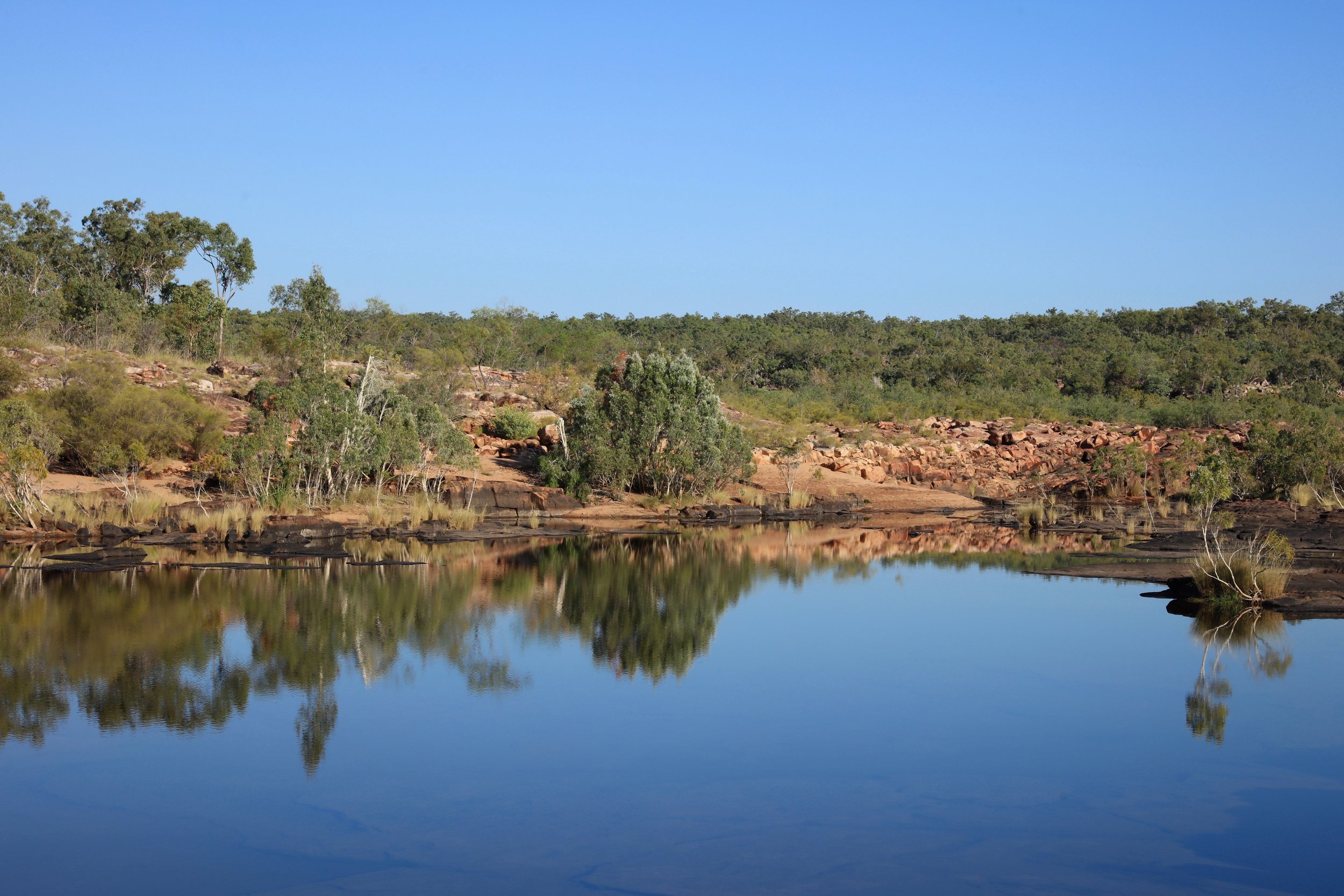
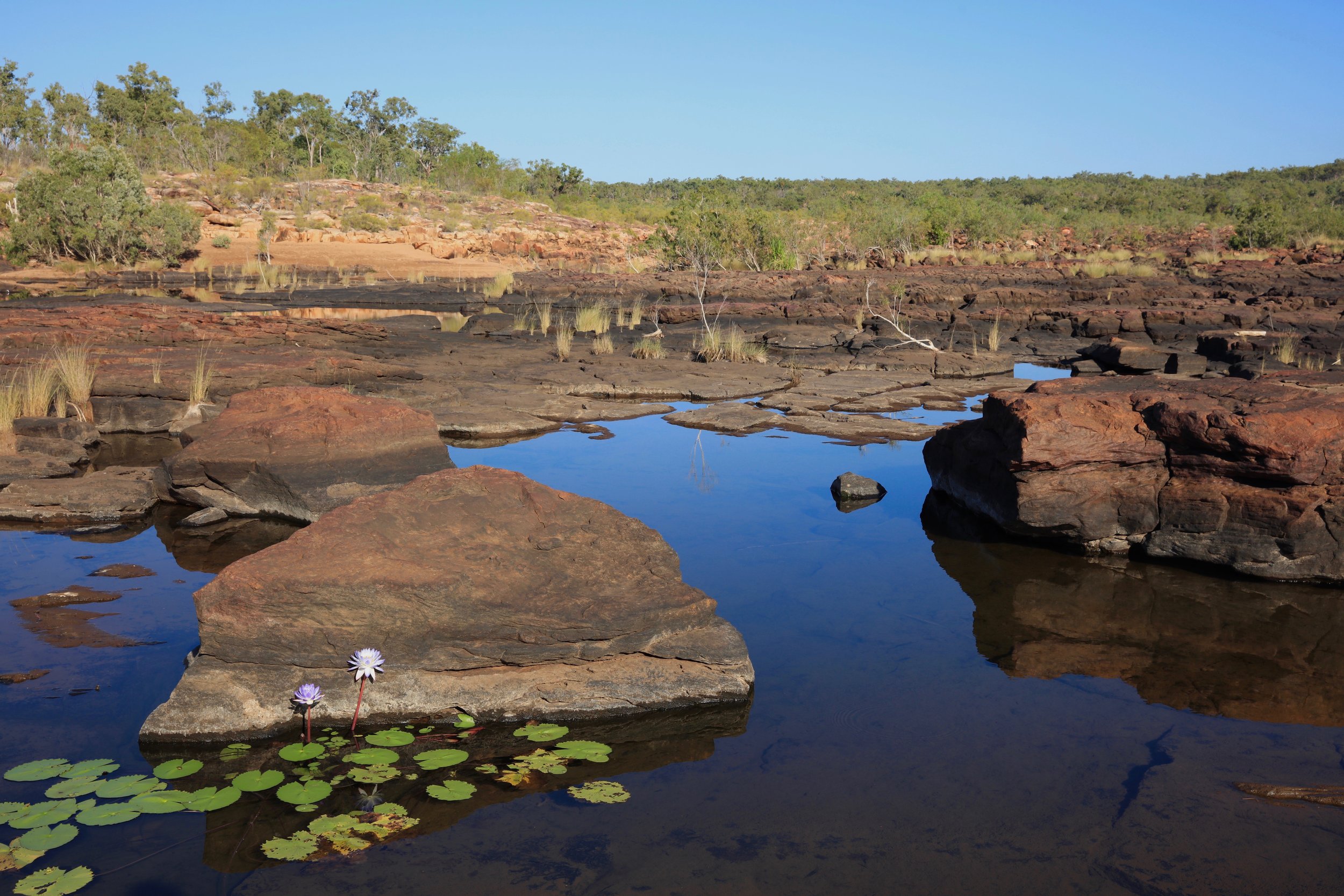
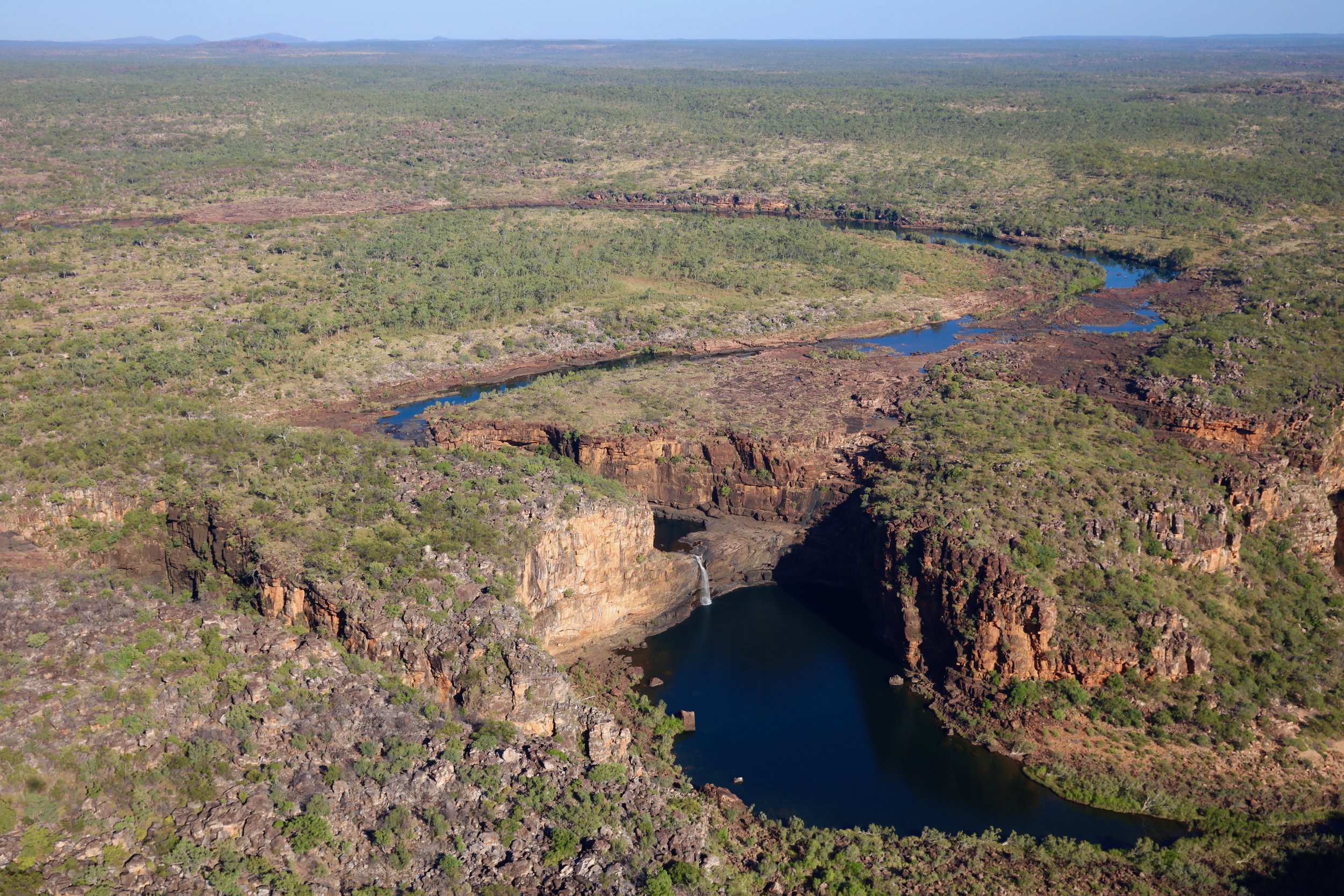
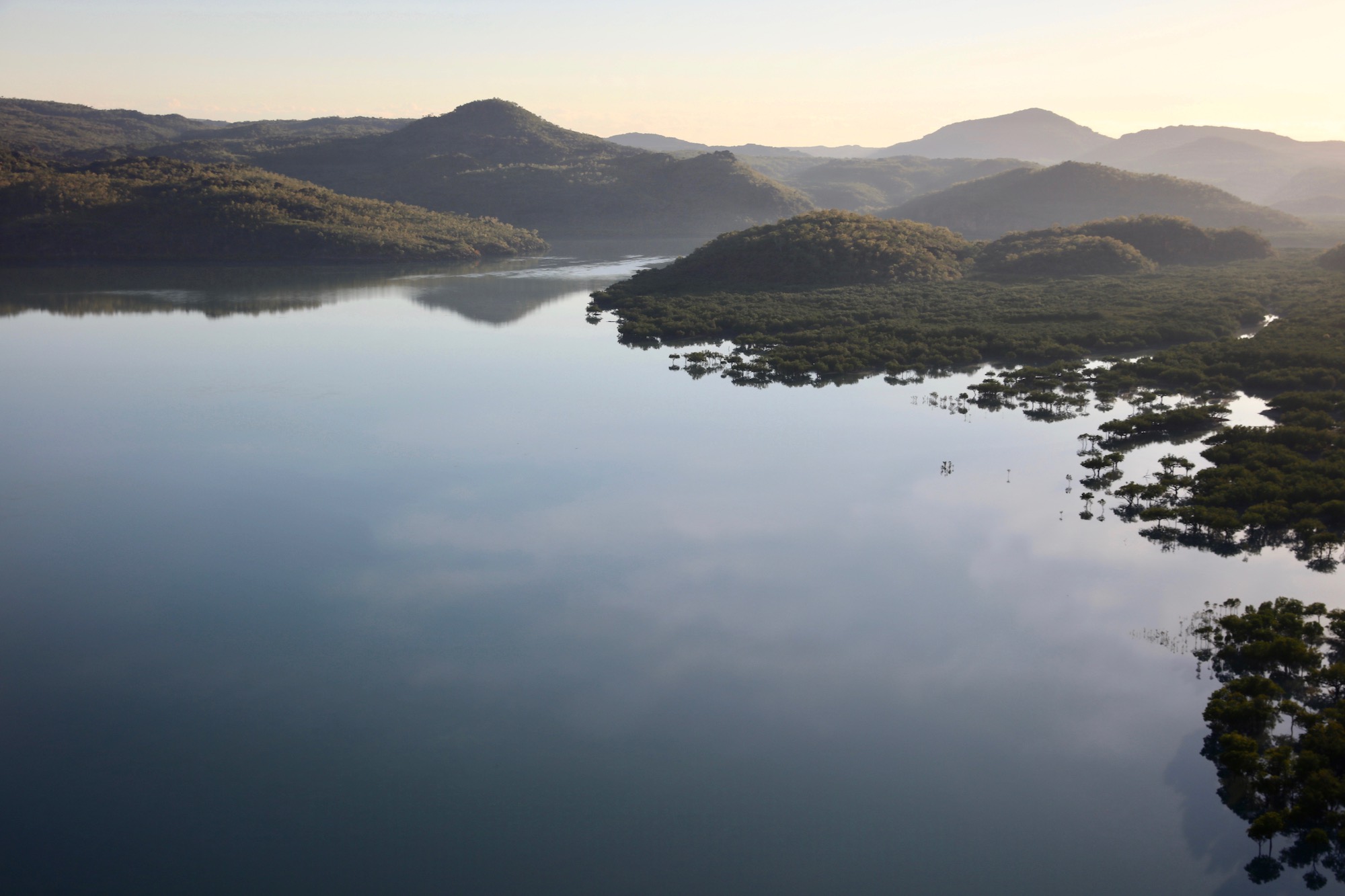
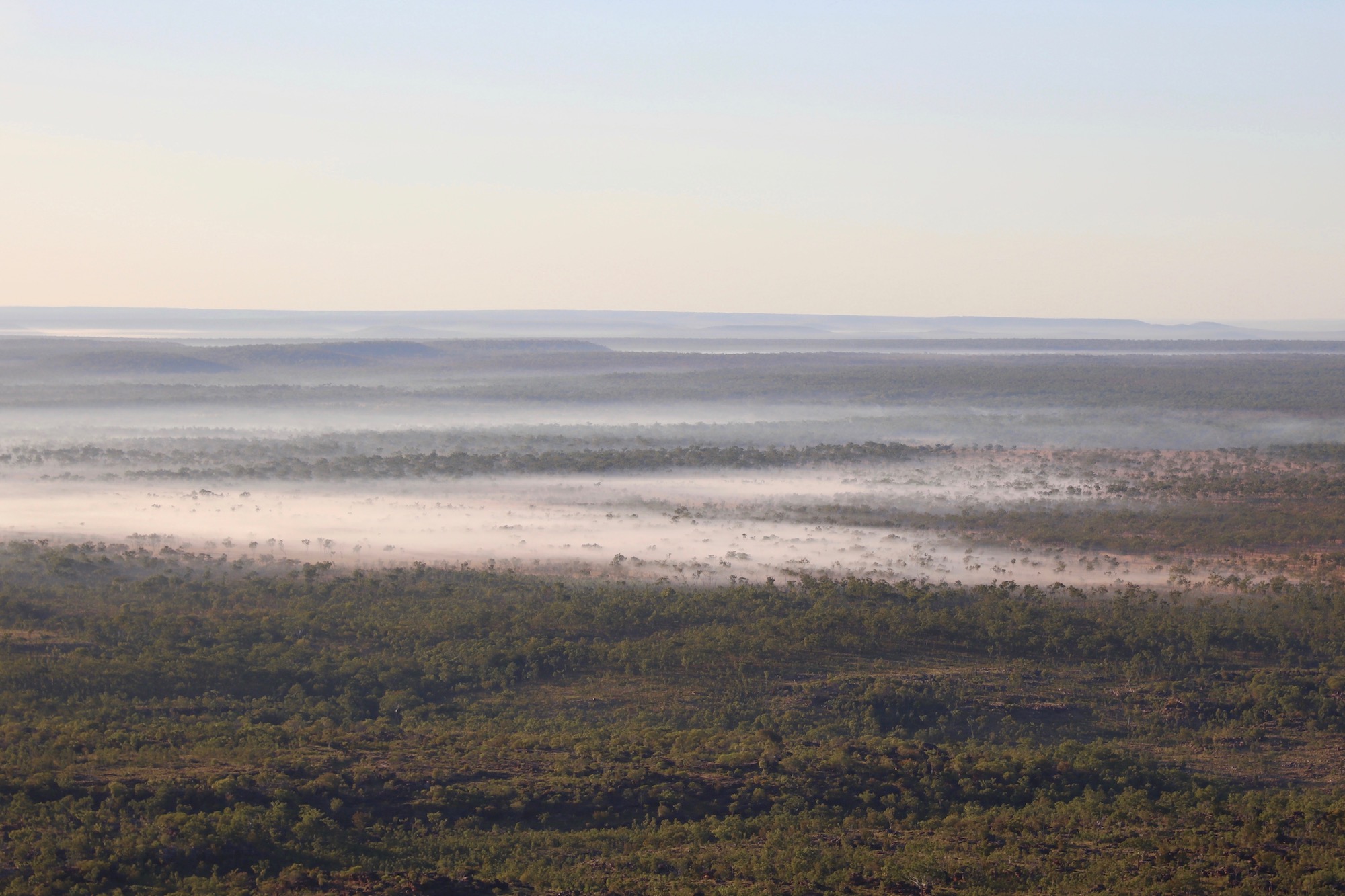
Not surprisingly, there were a multitude of wonderful photo opportunities while we explored Australia’s largely uninhabited Kimberley coast with Aurora Expeditions, a cruise company that dolls out comfort and adventure in equal measure and specialises in travelling to pristine wilderness areas; and the Kimberley is as breathtakingly untouched as it gets. Described by Attenborough as one of the world’s wonders, this vast and isolated landscape was slowly revealed as the nautical miles passed, filling all of us on board with an overwhelming sense of its importance and our own fleeting insignificance.
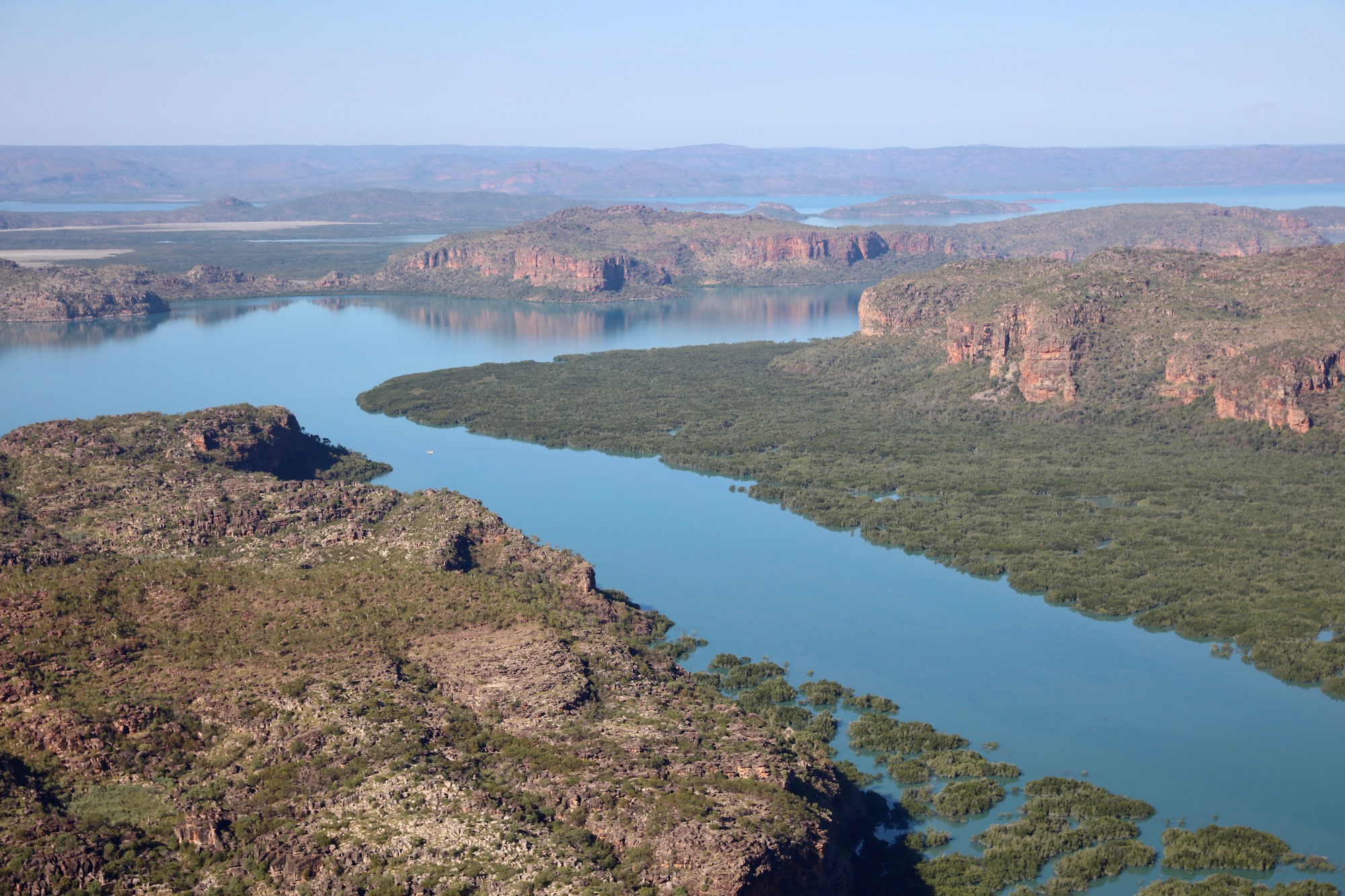
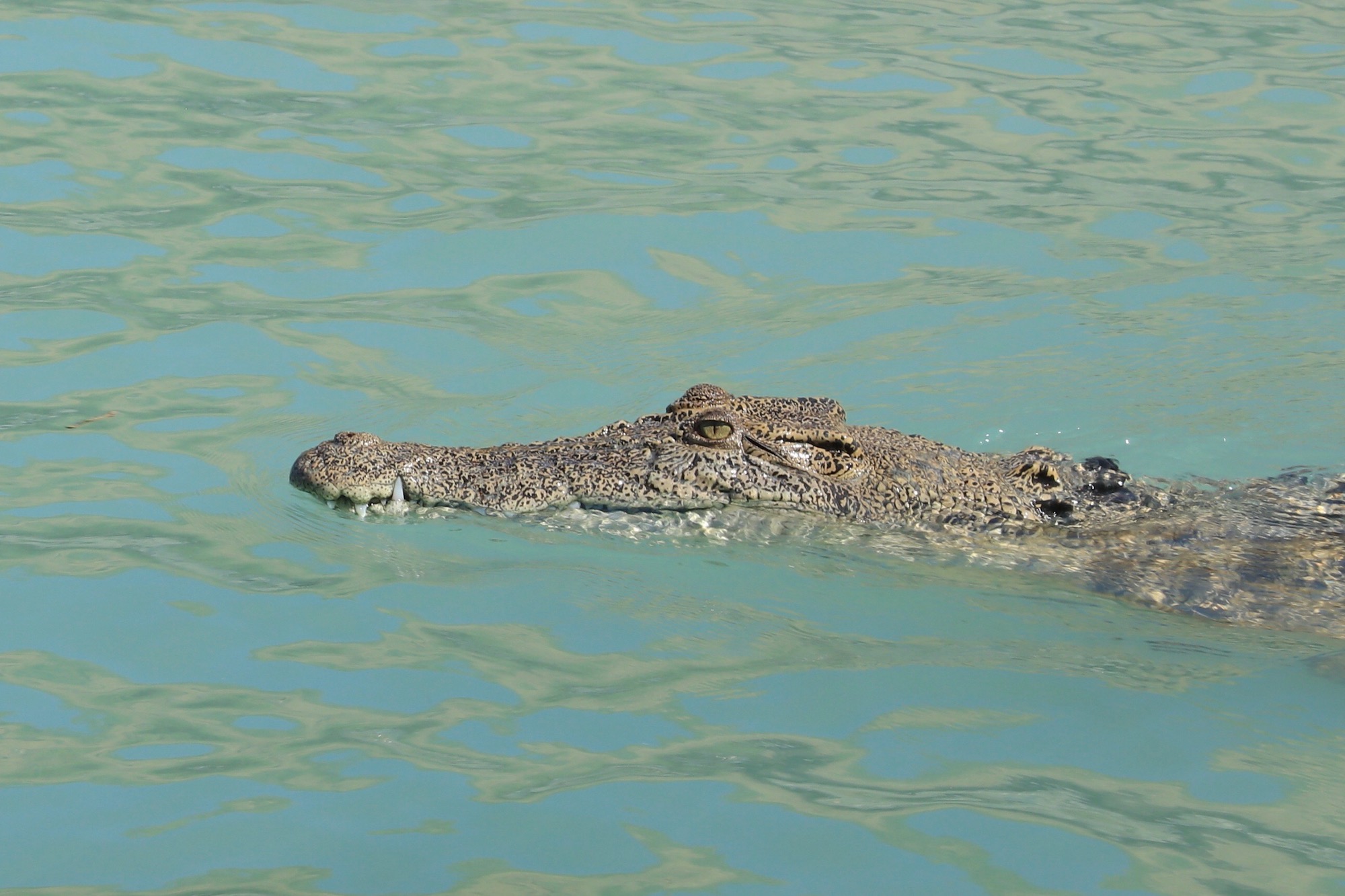
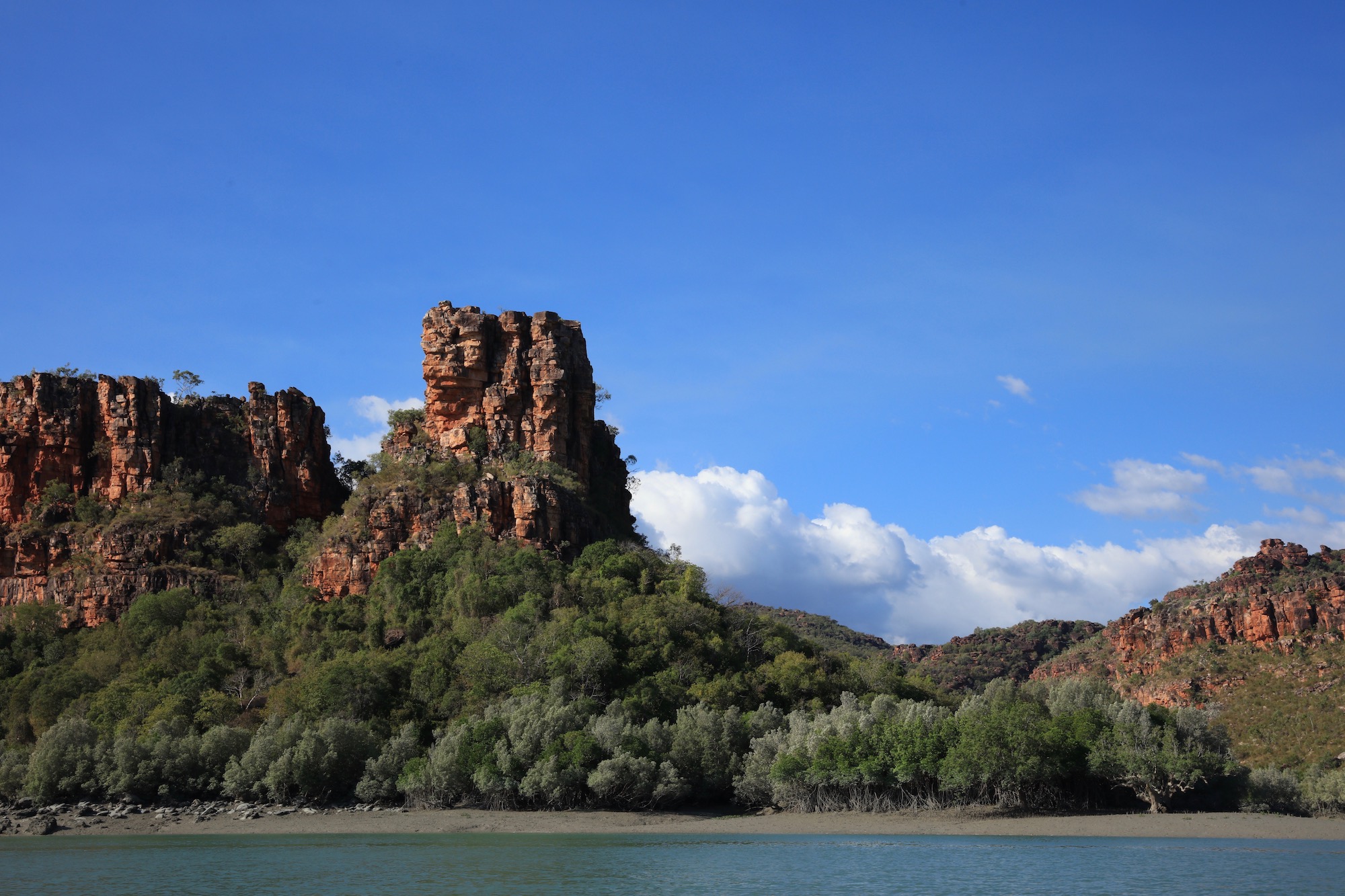
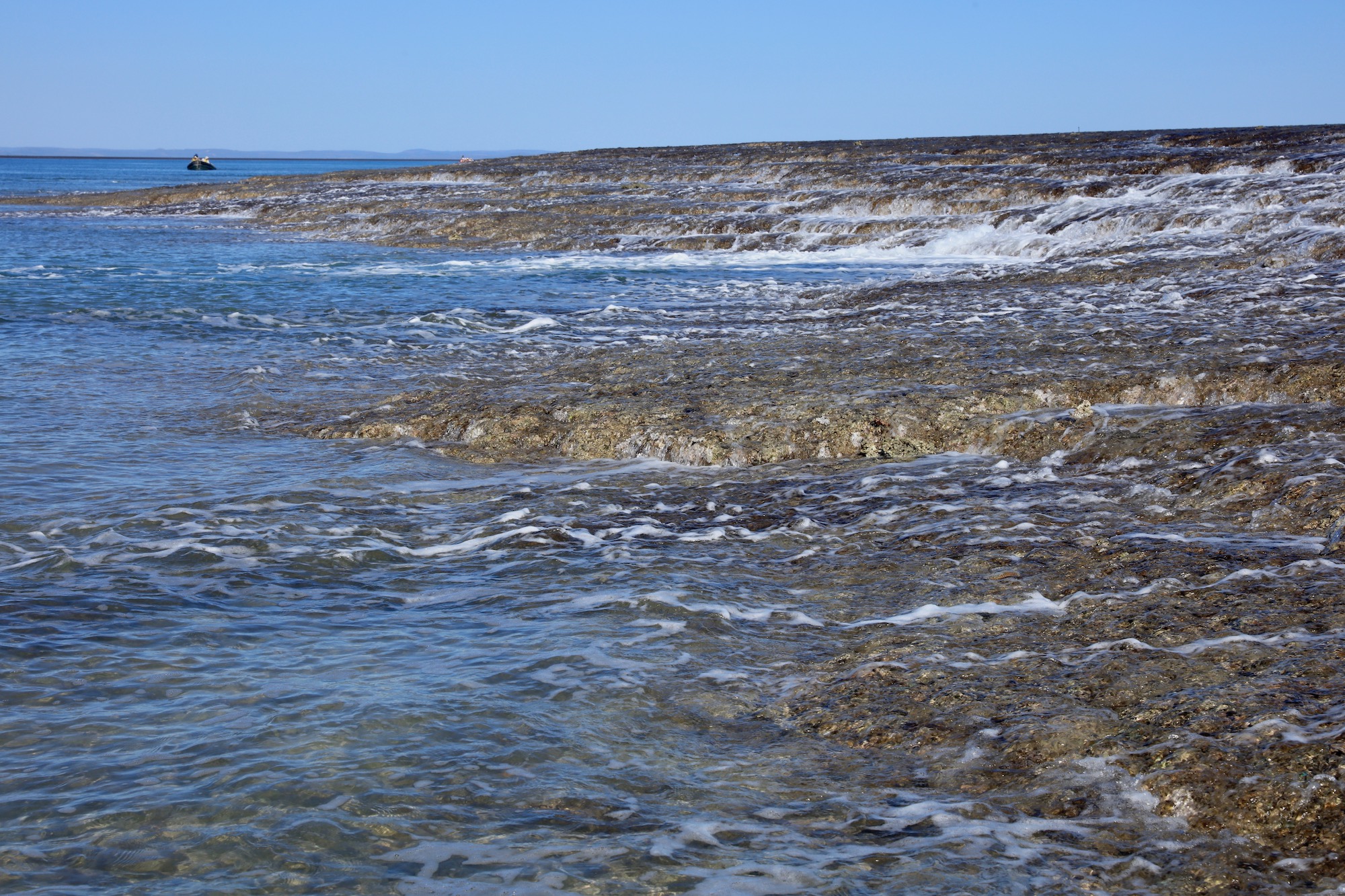
It’s difficult reproducing the contradictions and nuances of the landscape though. The profound beauty hides an unforgiving wildness, and despite containing some of the world’s most ancient geology, the area can be extreme in its transience. Sandstone, some of it over 1.8 billion years old, has been contorted by pressures over the millennia that are hard to imagine, or smoothed by the Wet’s torrential waters which are again impossible to fathom in the Dry. Tidal fluctuations are massive and sometimes ferocious, resulting in waterfalls that run horizontally, rivers that run backwards and even an island that emerges from the ocean to become the ideal alfresco drinks bar. Low tide unveils a forest of mangrove roots growing from mudflats where mudskippers and red-headed honeyeaters flit, until rising water turns their tubular roots into lairs for crocodiles and barramundi. At Montgomery Reef, the tide retreats so rapidly it appears that an underwater world of sponges, clams and corals rises Atlantis-like from the sea, with the resulting marine-rich cascades perfect fodder for loitering birds, turtles and sharks.
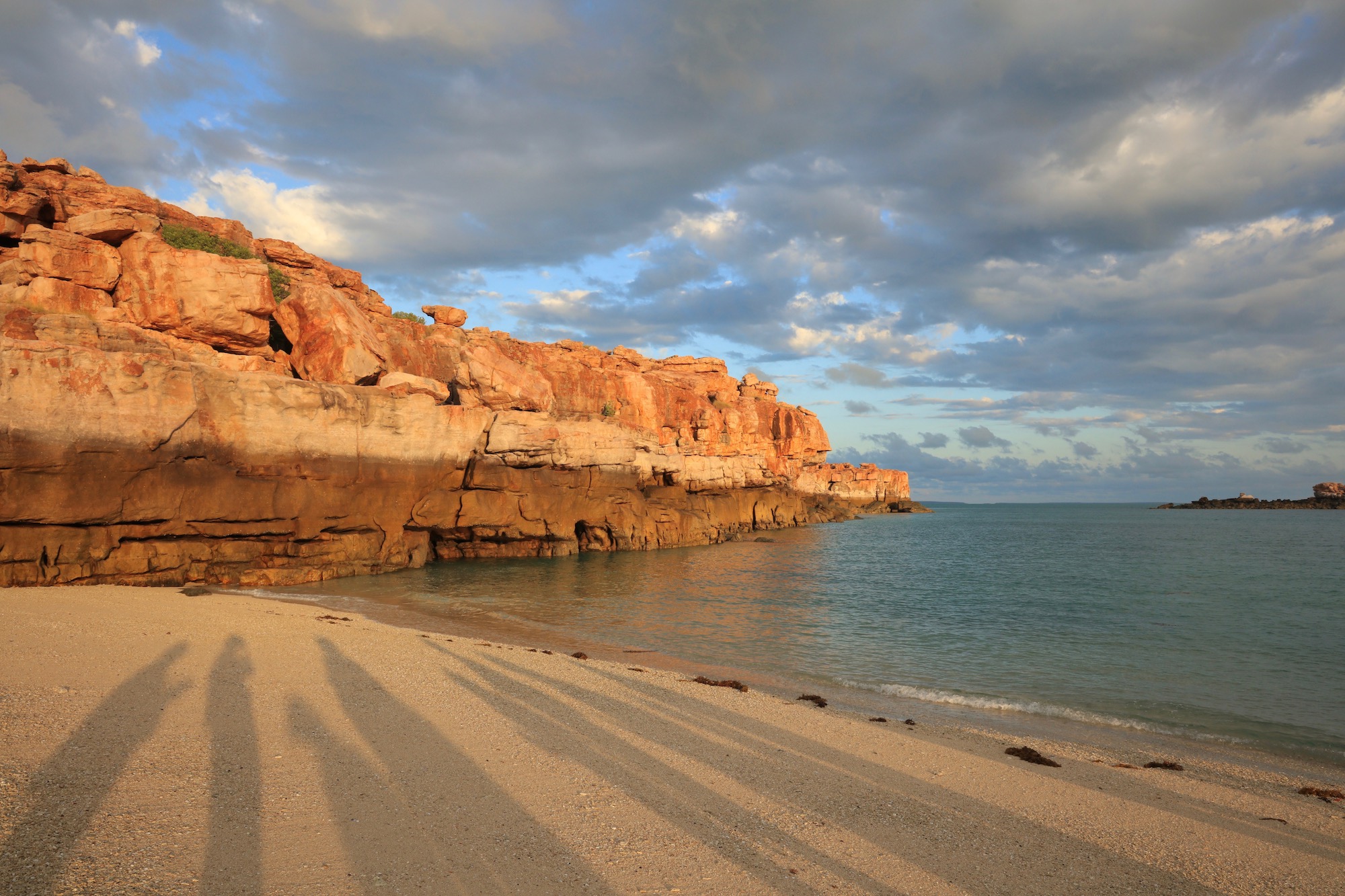
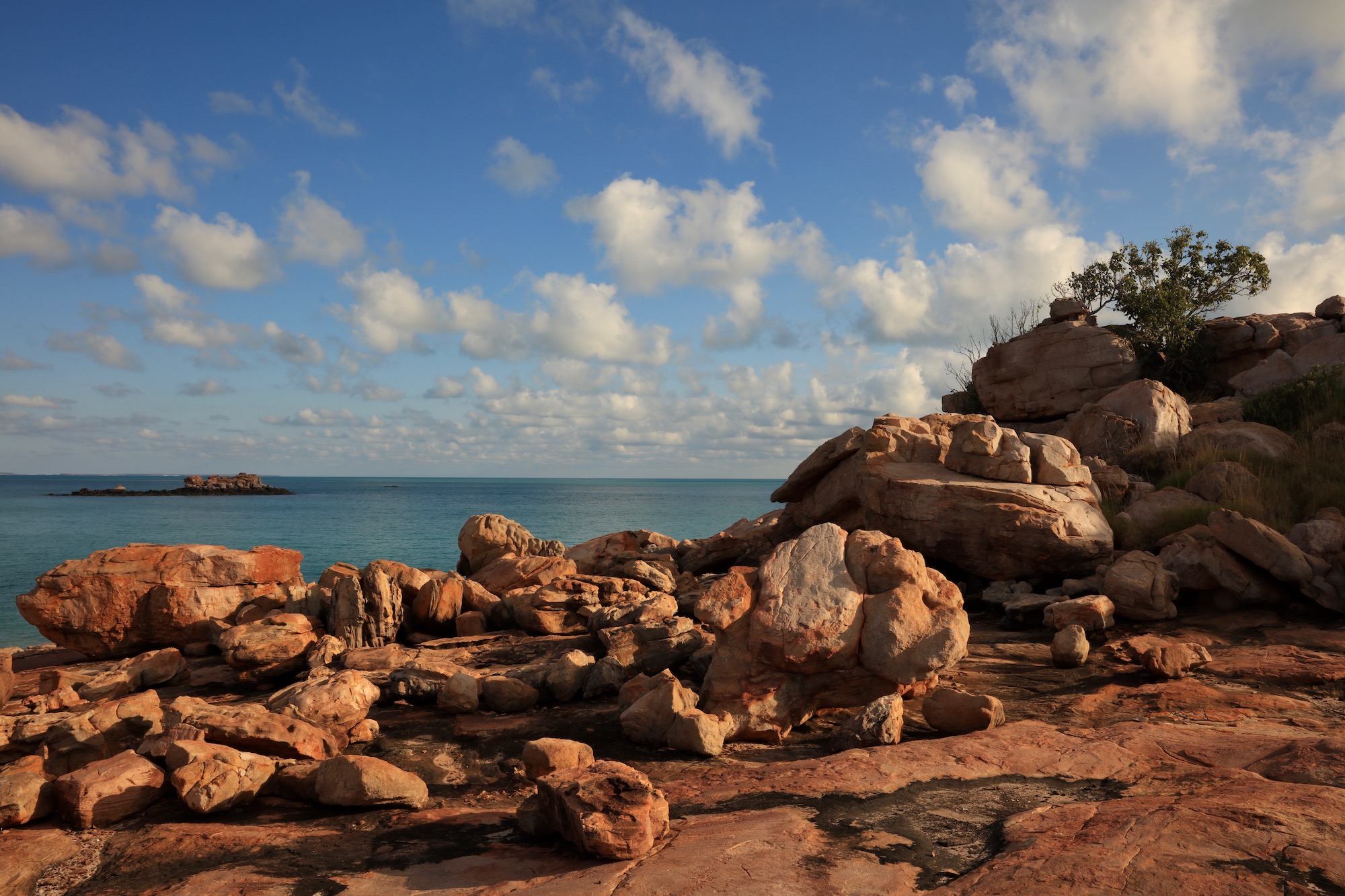

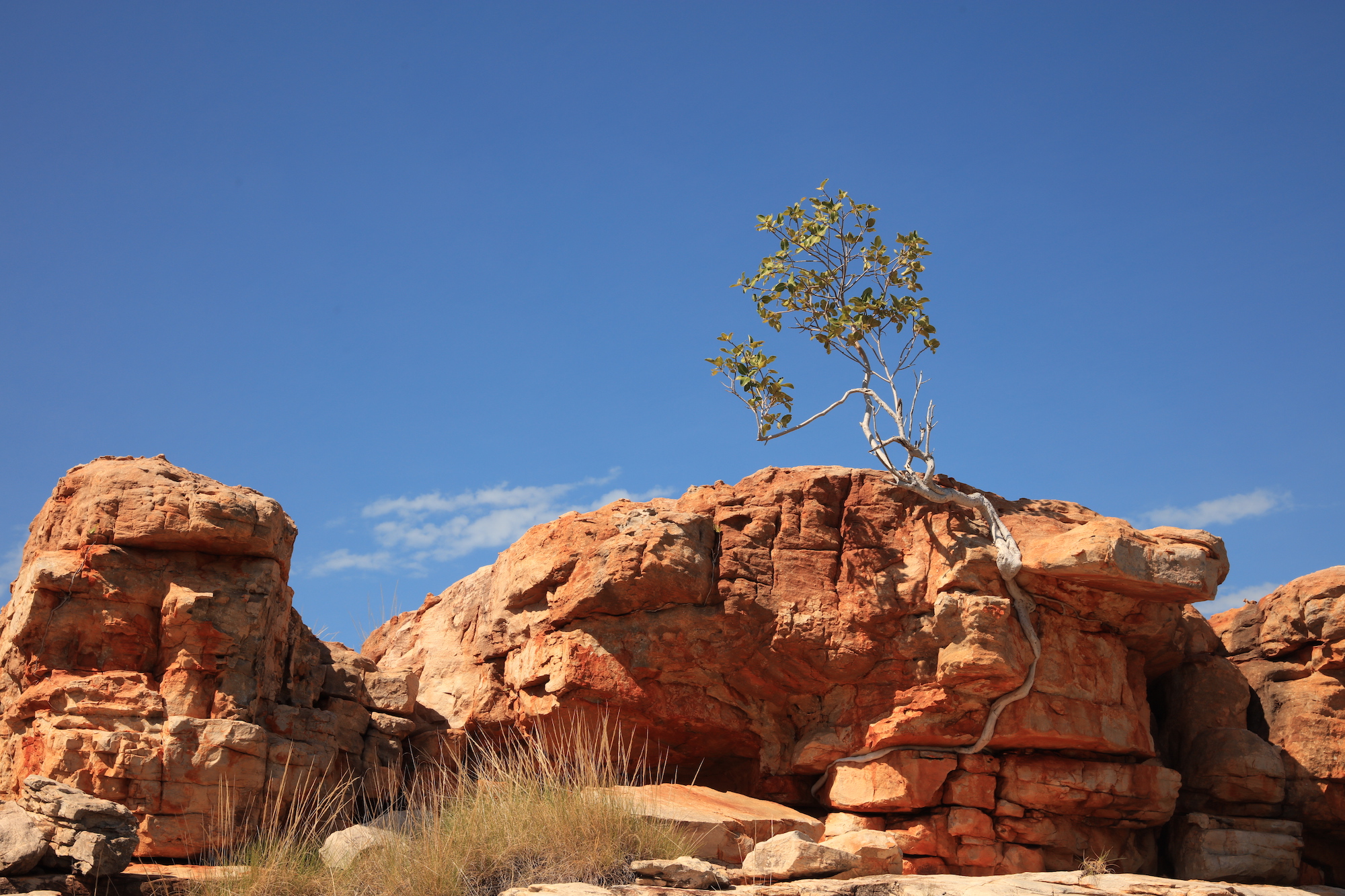
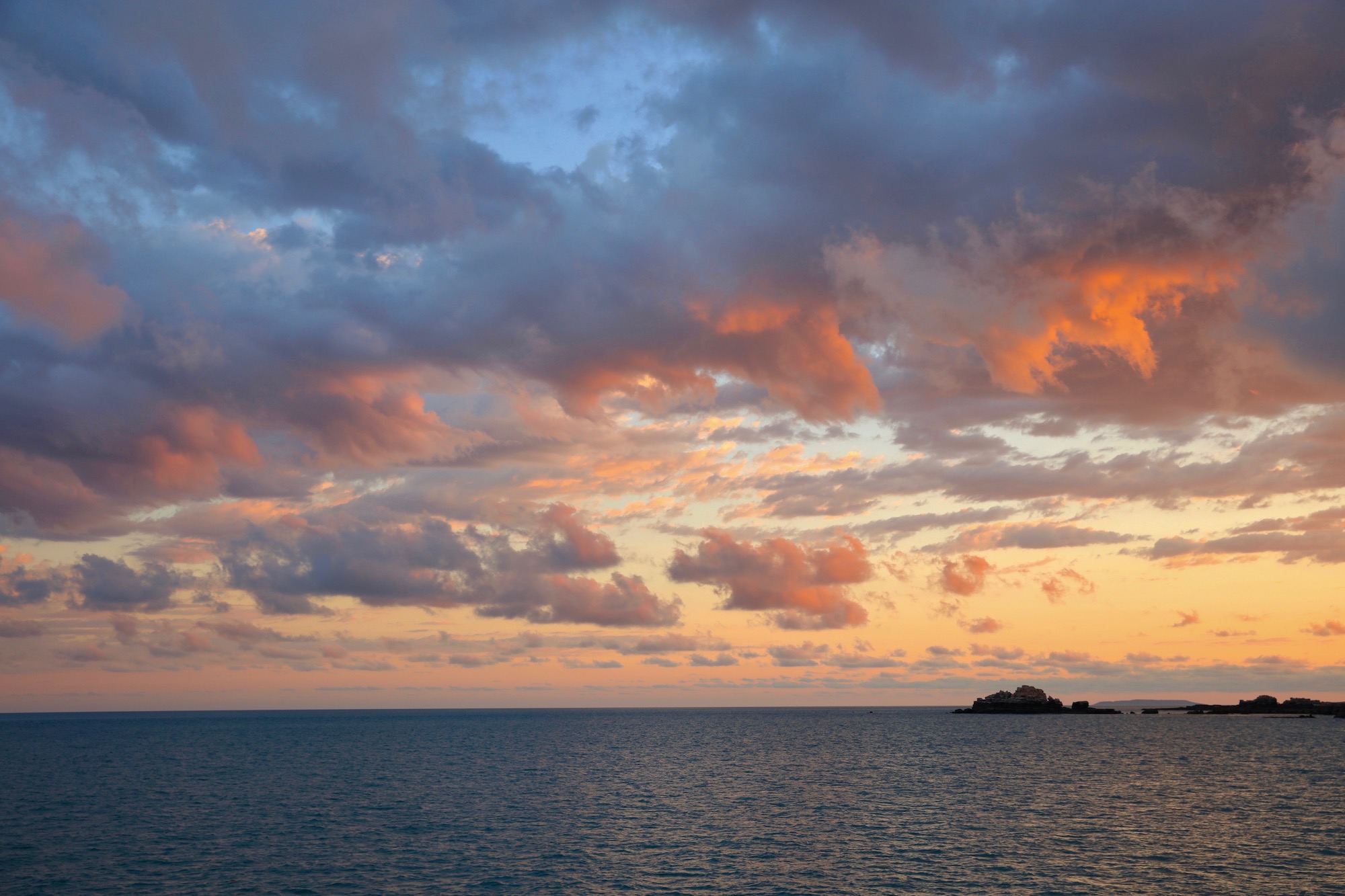
Fauna is abundant, and we revelled in spotting manta rays, dolphins, crocodiles and turtles whose nests we later spotted alongside Aboriginal Wandjina rock art, thousands of years old and depicting creator beings who I’m certain protect hatchlings as they stoically make their way to the water. Remarkable sunrises and sunsets, where the sky was streaked with every shade or red, orange, crimson and pink imaginable were backdrops for flocks of terns, frigate birds and brown boobies, and we were mesmerised by the fantastically-shaped eroded pillars on Edeline Island where ospreys had built nests using copious amounts of Kimberley flotsam and jetsam.
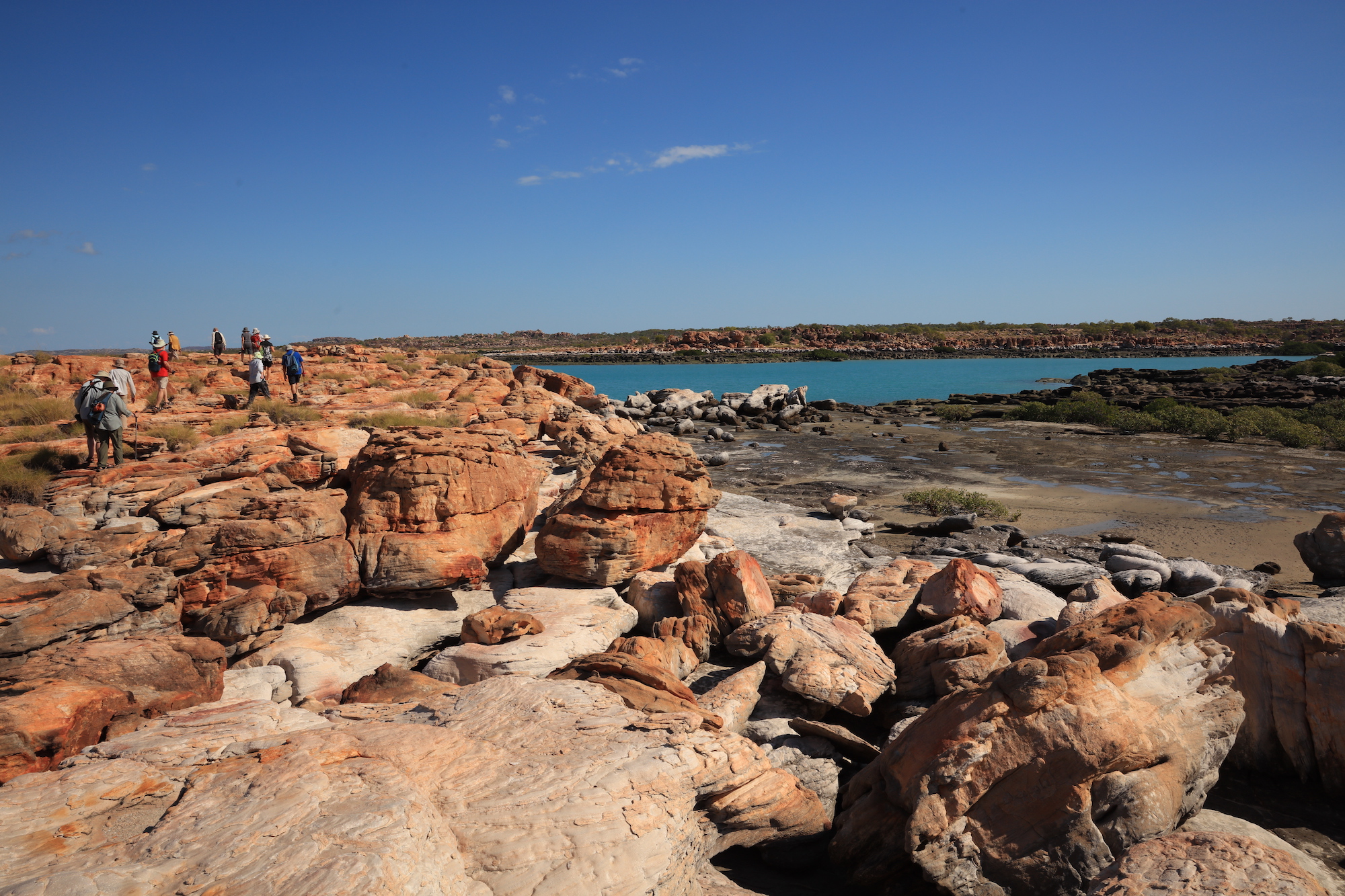
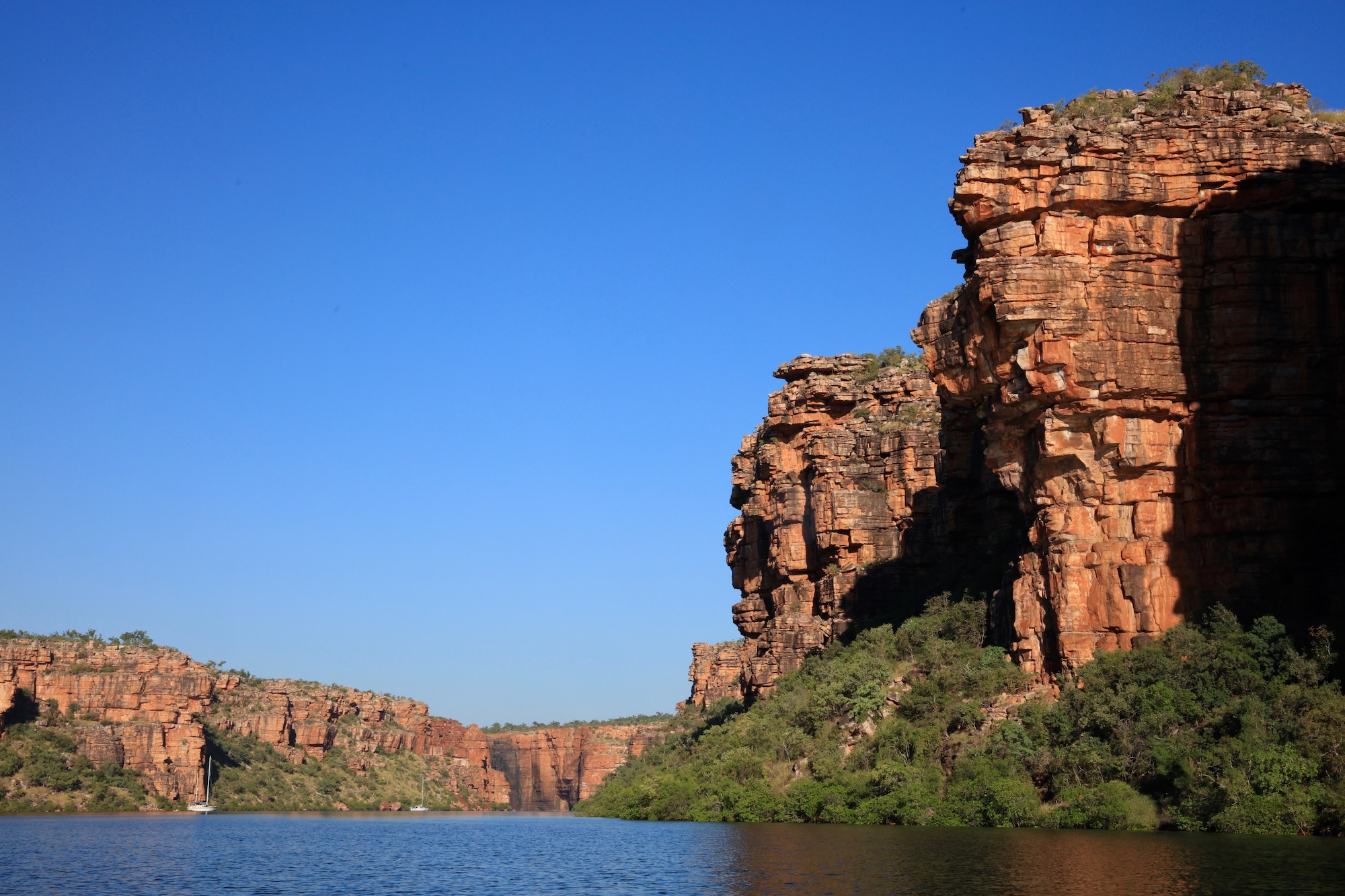
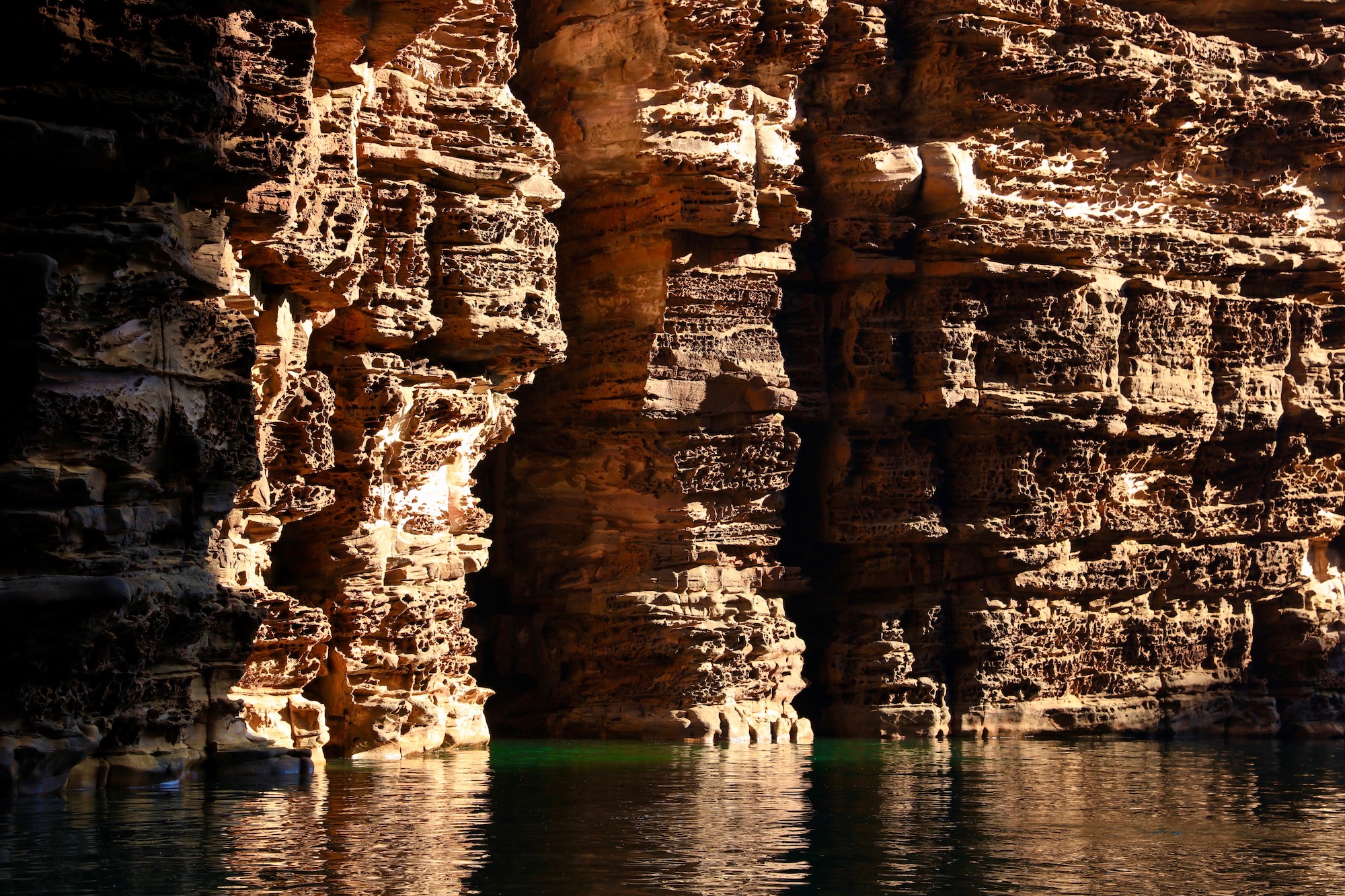
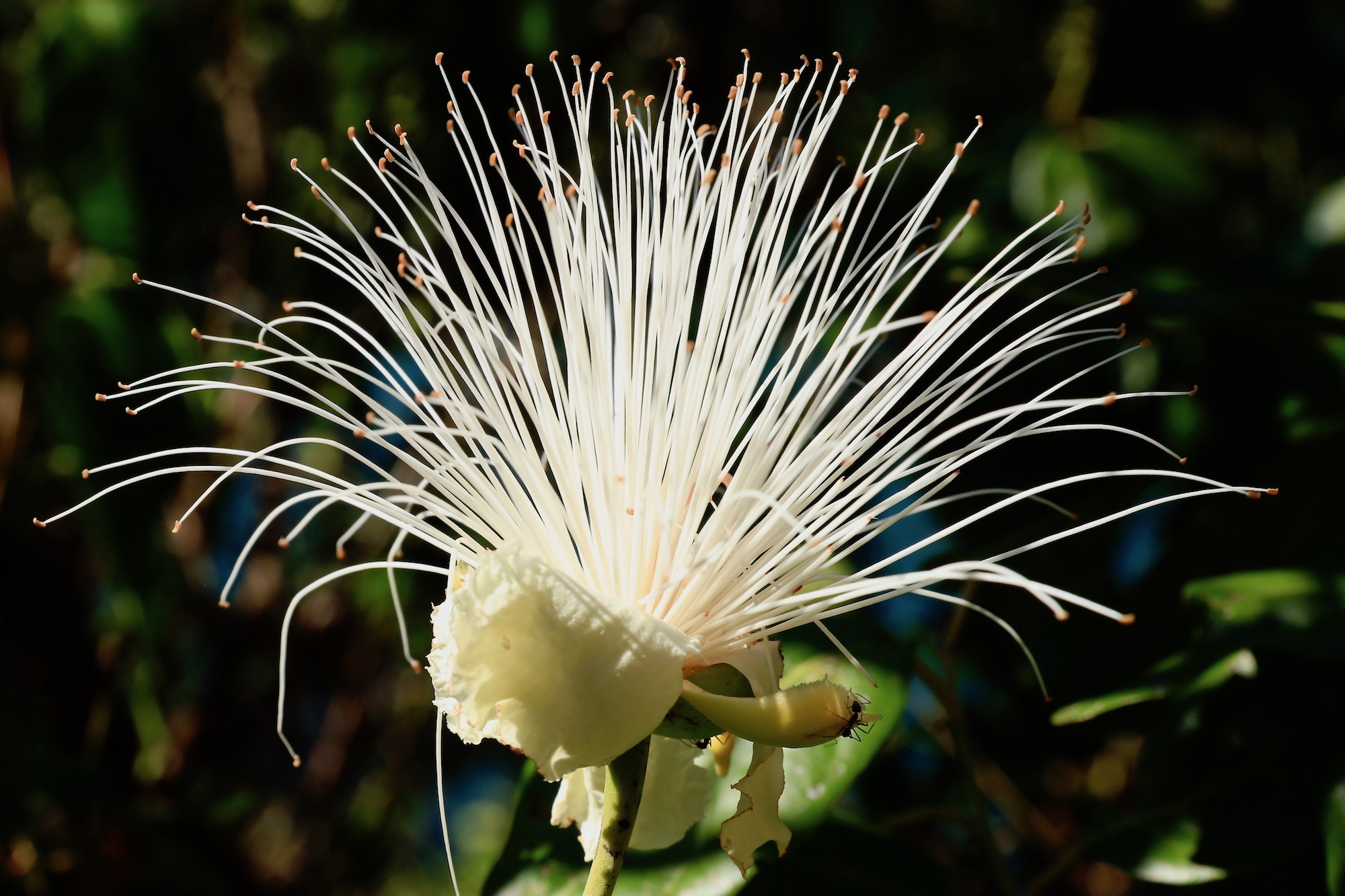
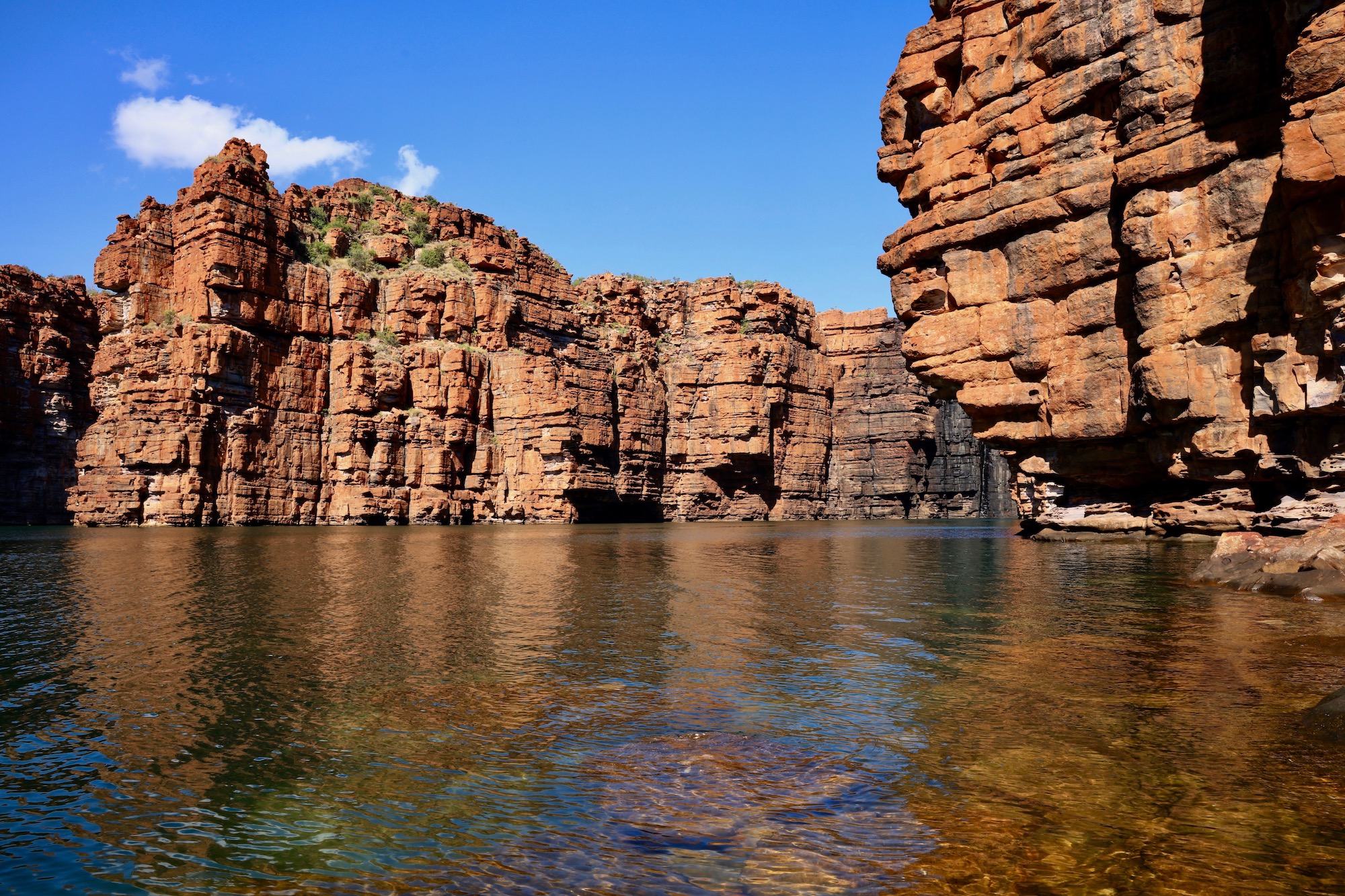
Wilderness is remarkably restorative, and Aurora took us to an exhilarating world that despite today’s technology, was mysterious, remarkably unexplored and incredibly uplifting. We can never have enough of nature, and it’s increasingly important we protect it, especially areas where rock-forms, waterfalls, islands, reefs and billabongs hold such otherworldly beauty and deep indigenous spirituality. And as for the photos, well, they only reveal a fraction of the Kimberley’s true magnificence.






A Quiet Moment, With A View
The lesser-known wonders of La Forclaz and getting lost in translation.
Words by Blake Shorter & Photographs by Lindsey Harris Shorter
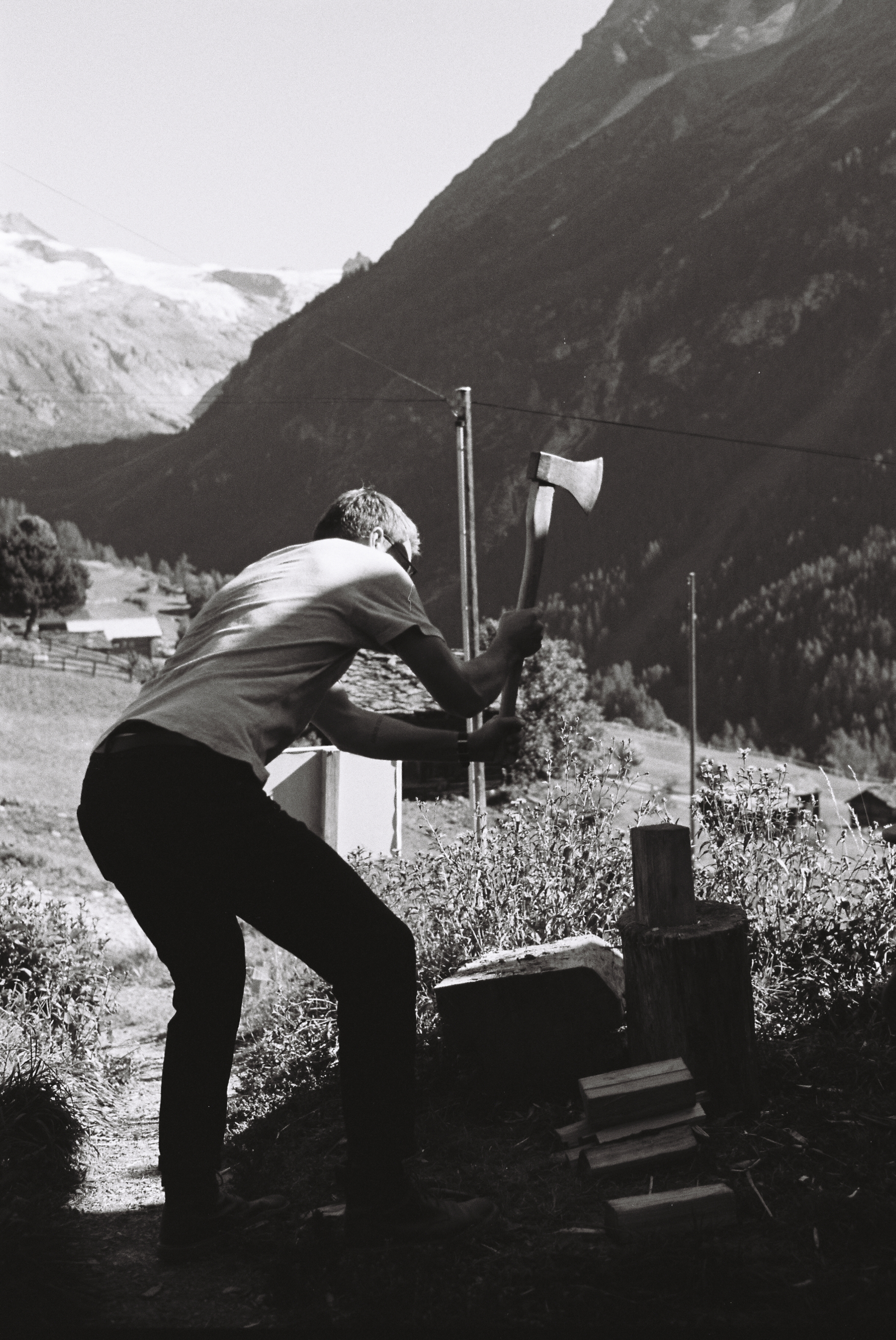
In the Alps of southern Switzerland - just east of the French border and a couple of hours driving north from the ski resorts of the Aosta Valley in northern Italy - there’s a small village perched on a steep, grassy mountainside, on the side of the mountain that faces the sun. It’s a village in the sense that it’s a group of mostly-residential, sturdy wooden chalets, but there’s also a restaurant and a store with very limited hours that carries dry goods and toiletries . The small sign on the paved road that winds up the mountain and through the village reads ‘La Forclaz’. In the warmer months, the locals tend to their sunny gardens overflowing with alpine wildflowers and alive with chirping, bouncing crickets and the busy hum of bees. Well-marked trails at the edge of town lead up the mountain towards cooler, thinner air (and an elevated heart rate), curving and twisting through forests of giant evergreens that open to steeply rolling grass-covered plains and even more remote cabins and barns inhabited by alpine cattle and the farmers who live alongside them. When the heavy snows of winter blanket the gravel footpaths and narrow roads leading in and out of the village below, I imagine the townspeople collectively nestling in front of their fireplaces with hot chocolate and a book, bedding down and hoping the firewood lasts until the sun comes out again.

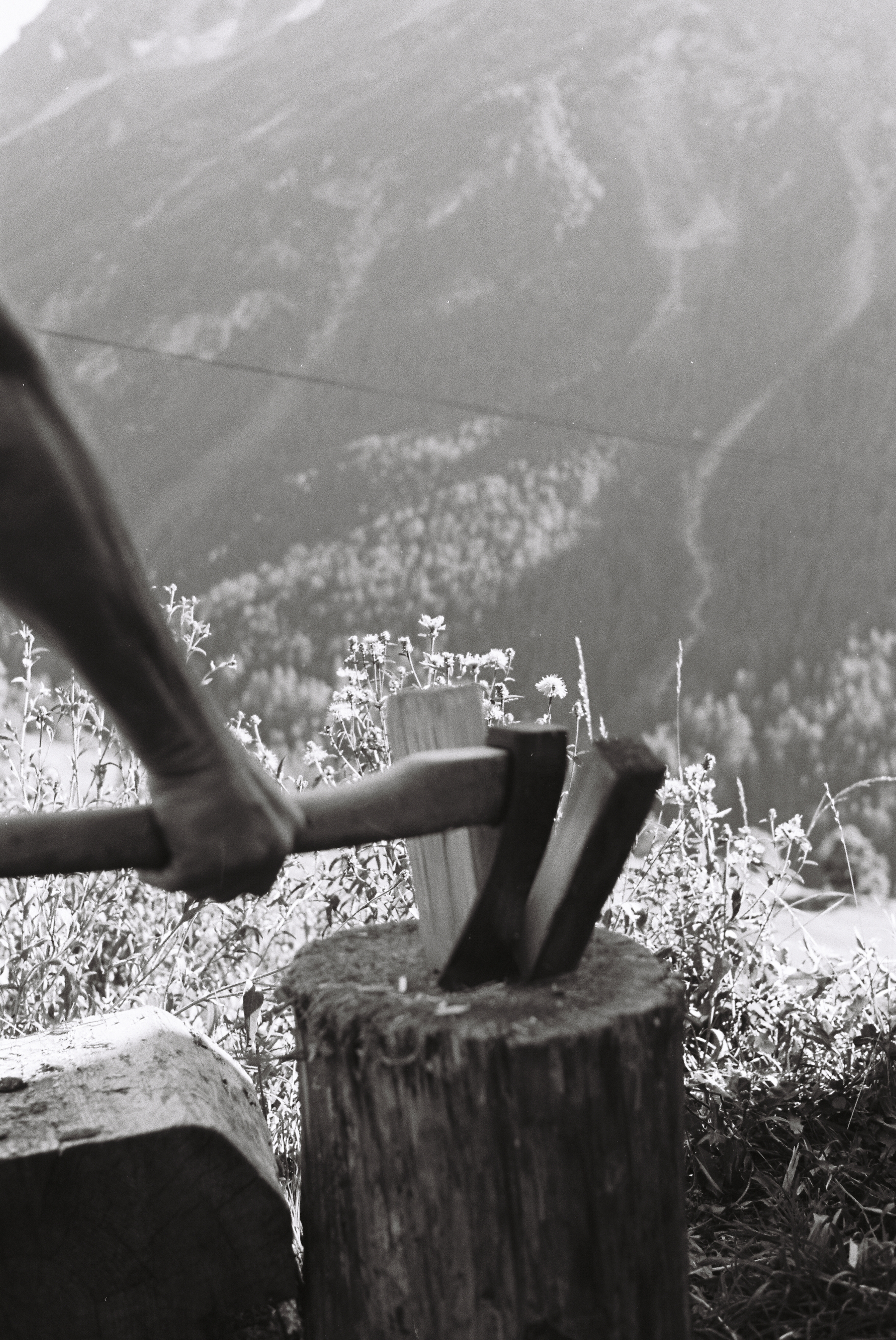
In La Forclaz there is a cluster of structures that, glancing up from the long hillside path, look exceptionally rustic - but walking closer reveals precisely-centred glass windows, set seamlessly into the rough wood of the exterior walls and reflecting the view of the mountains they mirror. The path diverges near a chest-high pile of cut wooden logs, and a stump for cutting down the larger logs into kindling. Individual footpaths zig-zag up the steep slope and lead to the buildings’ entrances. They are mayens: former agricultural structures not much more sophisticated than a barn, and used for sheltering both animals and farming families alike during the summer months when they would migrate higher up the hillside to graze and escape the heat and humidity of the valley below.
‘Anakolodge’ is the name for a group of these mayens in the village of La Forclaz that were saved from demolition when they were purchased by a Swiss architect - the renovation of which became a life’s work. The exteriors were preserved, the ancient conifer logs of the frame and the layered slate roofs kept intact or restored. The interiors were treated differently and completely redesigned - the smooth concrete floors are warmed by the heat generated from the wood-fired oven, as is the water in the Italian-style concrete shower. The walls transition gently from concrete to solid blonde wood, and the interior design is a melding of retro and mid-century styles and minimalist simplicity. Sounds really nice, and it is. There’s a table and chairs outside, sitting on the dark green carpet of ankle-high grass and tucked in next to the huge swinging window/door that works as an additional entrance. Another path leads from the outdoor table to a wooden hot tub, that’s also wood-fired. The king sized bed downstairs sits opposite a glass wall that looks out to a concrete (of course) patio that’s covered by the roof of the mayen and half-underground, built into the mountainside.

The elevated cabin hovers out over a deep valley far below, and I have to crane my neck to see the top of the mountain directly across the valley. Looking down, I see the patchwork stone roofs of other cabins, and beyond that are green, red, and grey mountains.
There were other visitors staying in the cabin nearest ours. My wife Lindsey and I had seen them the first day wearing cycling kits and shoes, click-clacking down the path towards the parking area, then hopping on mountain bikes and setting off for the biking trails that weave through the alpine terrain. On this day, later in the afternoon as I began to kindle a fire to warm up the hot tub, one of these neighbours swung his hinged glass window wide and stepped out to greet me in the space between our cabin and theirs. He was a middle-aged man with dark hair and a youthful face. He said ‘bonjour’ and waved and I said ‘bonjour’ and waved back. He asked (reasonably) if I was American and I told him yes and that we were on a holiday. It was clear that he was French so I added that we had been in France for the previous two weeks and had been falling in love with his country. His English was exponentially better than my French, but still broken, though it was clear he was attempting to make conversation.

He made a circle in the air with his index finger and asked where we’d been traveling, and I held up my index finger and drew a crude circle too, while explaining we’d landed in Amsterdam, took a train down to Paris and stayed a week, then took a longer train to the Languedoc region of southern France, and spent time in Provence and the Luberon before making our way to the Swiss Alps. I said the names of these places with my very best French accent, and he nodded along. Then I told him we were traveling to Burgundy next, and we were excited to visit the legendary winemaking region. A confused look came over him, and he said ‘I don’t know this place’. I said it louder and enunciated more: “Bur-gun-dy”, but this did nothing in the way of helping. I shrugged, but then his eyebrows rose and he looked up - “Ah! Borghundie!”. I excitedly confirmed the understanding and tried to explain with more detail that yes, I was an American, but more specifically I’m from the Deep South, and this probably didn’t help my attempts at equivocating the nuances of the French language.
Our communication was successful enough for me to understand and accept his invitation to dinner that night at their cabin, where he said that he and his companions had brought some of their own wines and had picked up the ingredients to make fondue (my only experience with fondue had been from hearing about others’ experiences at the Melting Pot, a kitschy American chain restaurant). We had planned to find a wine shop before leaving France to stock up for our stay in the Alps, but had neglected it in the rush to hit the road as early as possible to cover the 500-plus kilometres between where we were in Provence, and where we’d ended up. The local co-op had a great selection of ciders and beers and we’d been having our fair share each night, so we were excited for a break from the malt and hops and the prospect of trying some French mystery wines with our neighbours.
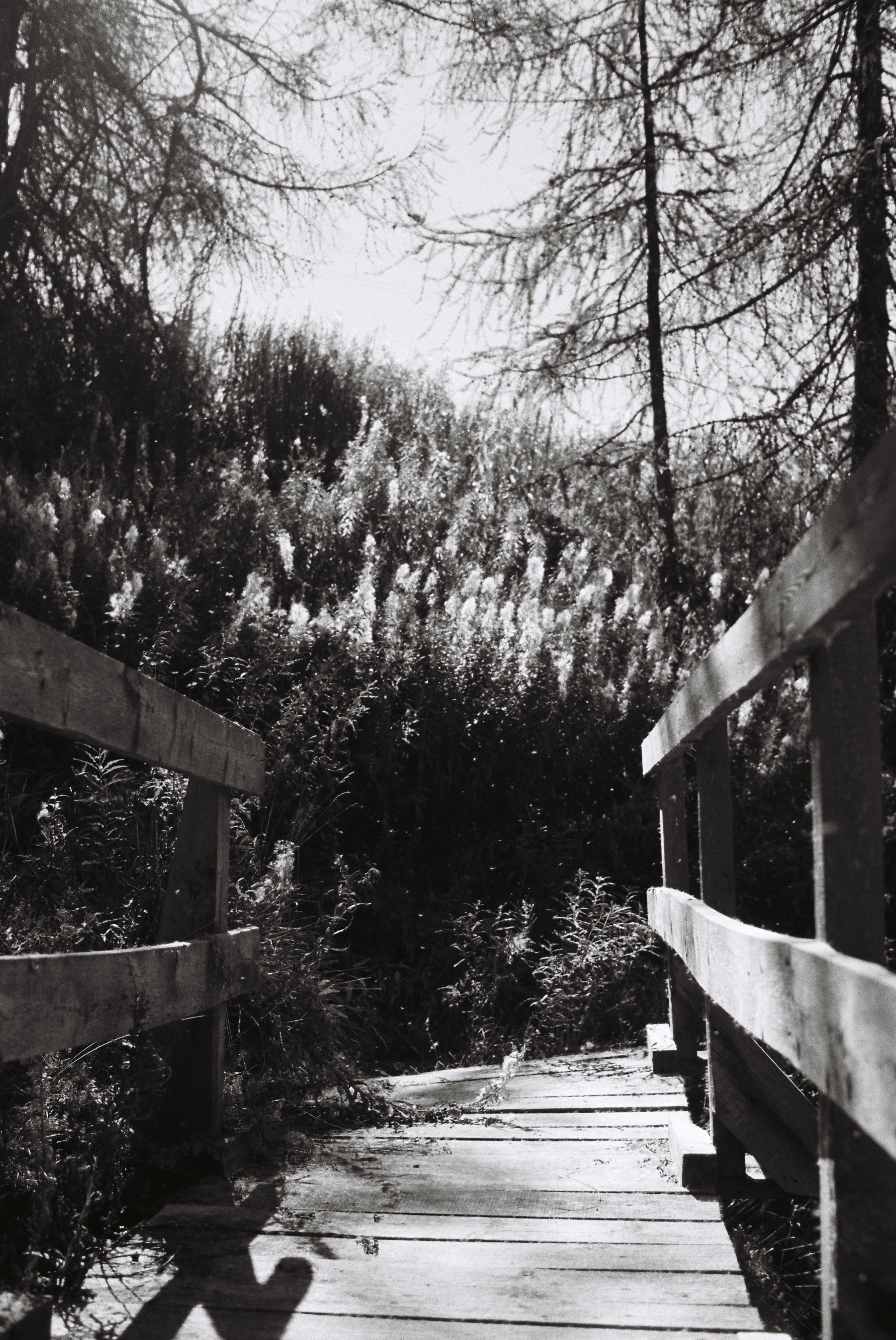
That evening after dusk had fallen, we could see the yellow light glowing and the silhouettes of our neighbours moving in the kitchen through the open curtains of their cabin. We were strangely on edge, excited to meet, eat and drink with foreign strangers, but also terrified about how we’d communicate - with an added mostly-comical fear of being the characters in a based-on-real-life-events horror movie in which naive American tourists are invited over for fondue in a cabin in the Swiss Alps and never…seen…again.
Luckily, our fears weren’t realised and we were welcomed convivially with a spread of meats, bread and cheese - appetizers before the main course of more bread and cheese - and a bottle of white Burgundy that tasted like wet rocks and popcorn. Meanwhile, the two women of the group were generously pouring a liberal amount of Burgundy Chardonnay into the pots of melting cheese.

There were two fondues, a Swiss rendition made with Gruyere, a sweet and earthy cheese from the agriculturally famous region just north of where we were staying, and a French fondue made with smoky, funky Tomme. We all agreed that the French fondue was the best, although it may have been made with a little more love. We ate and drank and talked, laughing when we couldn’t find the words to express ourselves. The other man in the group was named Franck, and he became the translator for his companions when our French vocabulary would invariably fall short. We told our hosts that the meal had been deliceau, and one of the women laughed and tried to help us perfect our pronunciation - “no, delicEAU” she said. We repeated deliCEAU to which she responded “no, delicEAU”. This went on for a while, but ended in laughter and a somewhat approving nod in concession to our efforts.
We made the short walk back to our mayen at the end of the night, drunk on wine and conversation and an overarching feeling of togetherness - with each other, with our new friends, with the dark watchful mountains like inky and jagged rogue waves frozen in time and silhouetted on the horizon. Above us were more stars than we’d ever known could light the night sky. The outdoor hot tub was still steaming and warm when we lifted off the wooden top, and we climbed in and sat silently, looking up as sparks from the waning embers crackled and climbed over our heads, above the dark line of the mountains and towards the moon, flickering and disappearing into the infinite.
To see more of Blake and Lindsey’s work together, click here.


Swanning around Suffolk
Oh we do like to be beside the seaside.
Words by Sarah Jappy & Photographs by Liz Schaffer
When we arrived in Southwold, it was raining cats and dogs. A while later, it was just raining dogs: a veritable hailstorm of bottom-wiggling, tail-shimmying, four-legged Fidos appeared before our eyes over the following two days. If Southwold were renamed Dogwold, nobody could protest.
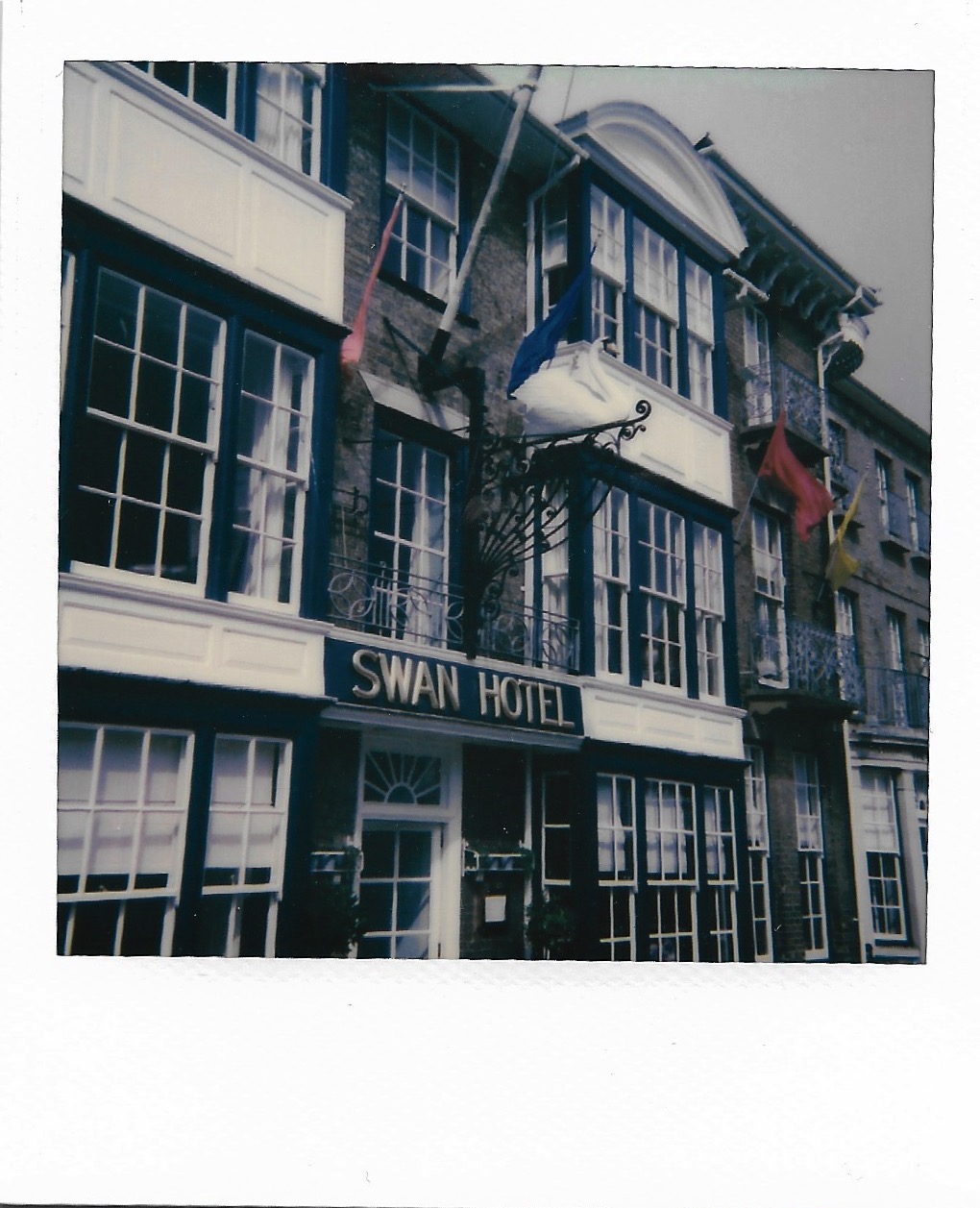
Mind you, we were here for birds, not pooches – and one bird, to be precise: The Swan. This handsome historic hotel is perched just a scone’s throw from the sea on arterial Market Place, within grabbing reach of the self-professed ‘Oldest Shop in Town’ (Mills & Sons: the family butchers) and boujee boutique Collen & Clare, stocked with Mulberry bags, WAG-worthy bikinis and other wallet-wrecking sartorial plunder.
But back to The Swan (and its swish new plumage). After racking up more than 100 birthdays, the Adnams-owned grande dame was, understandably, looking somewhat faded. Step in London-based design studio Project Orange, who sprinkled Shoreditch-style fairy dust all over this Southwold stalwart in 2017.
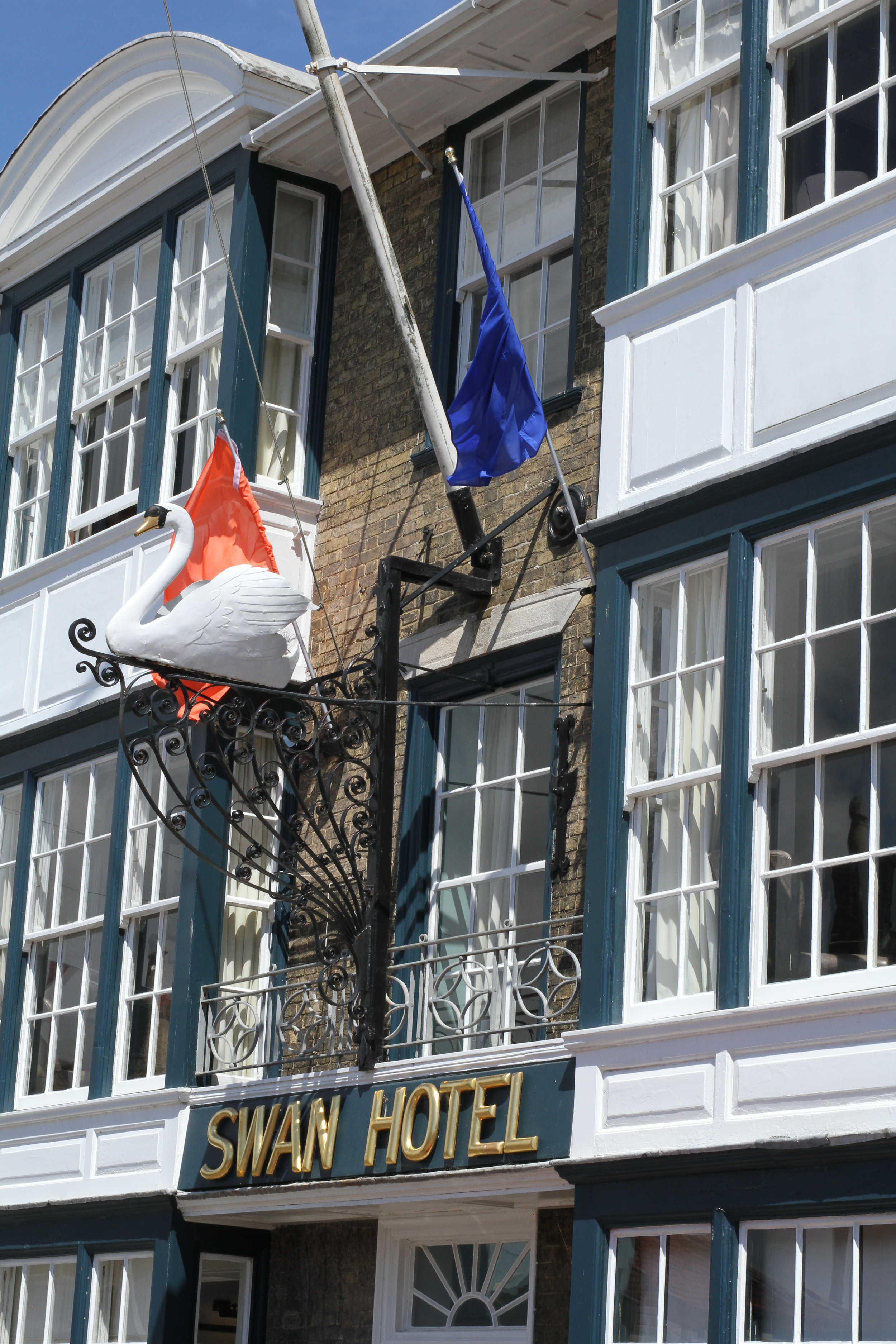
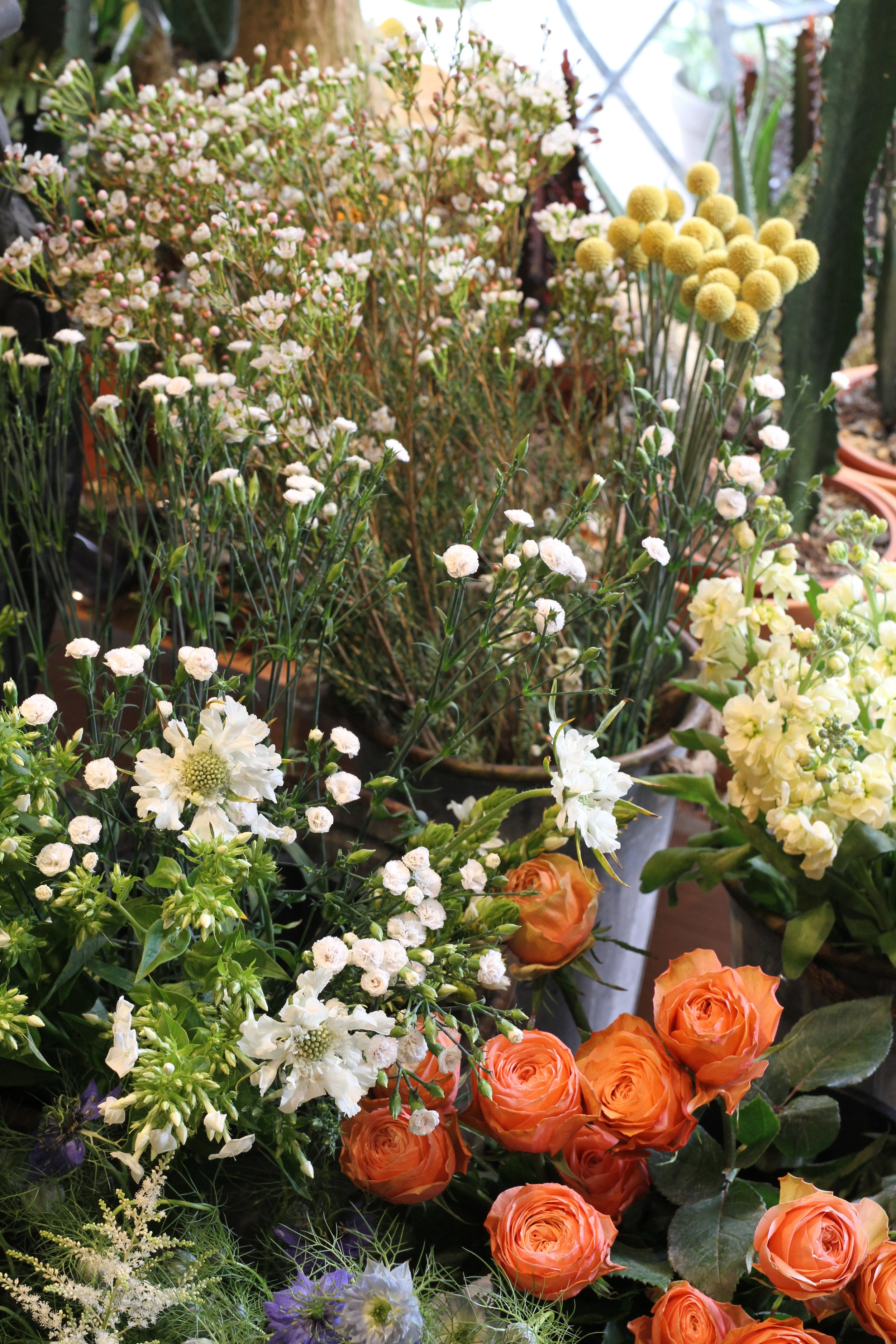
We were bowled over by our bird upon arrival. (It didn’t hurt that bunting was being strung up outside as we hopped out of our taxi; indicating, we assumed, that the locals had been alerted to our arrival.)
A handsome grandfather clock stands guard in The Swan’s welcoming lobby, where two acid-pink throne chairs reign supreme in an orchid-adorned corner. A carpeted staircase drops hints about what awaits above; a sociable salon was abrim with gossiping silver-haired locals, snuggly ensconced on lime-green velvet sofas.
The Swan has irreproachably friendly staff and a team of brilliant butlers. Ours, a genial Brummie called Andrew, swiftly whisked our luggage away while we used our best investigative journalism skills on the front desk team, determinedly deducing the most-adored local cake shop and the quickest way to the beach.
Five minutes later, we were sitting outside Two Magpies Bakery in the company of giant sourdough sandwiches (one stuffed with smoked cheese and sun-dried tomato; one packed with an ocean’s worth of mayo-drenched crayfish), plus ice-cold cans of elderflower fizzy pop and a wodge of stout cake with the appropriate ratio of sponge to buttercream (50:50).
Sufficiently fortified, we waddled across the road to another local treasure: Southwold Books, which is backed by Waterstones but operates as an indie. Time slowed down in the bookshop’s characterful Grade II-listed building, the Olde Bank House; despite our best intentions, we left a while later, weighed down with our very own mini library.
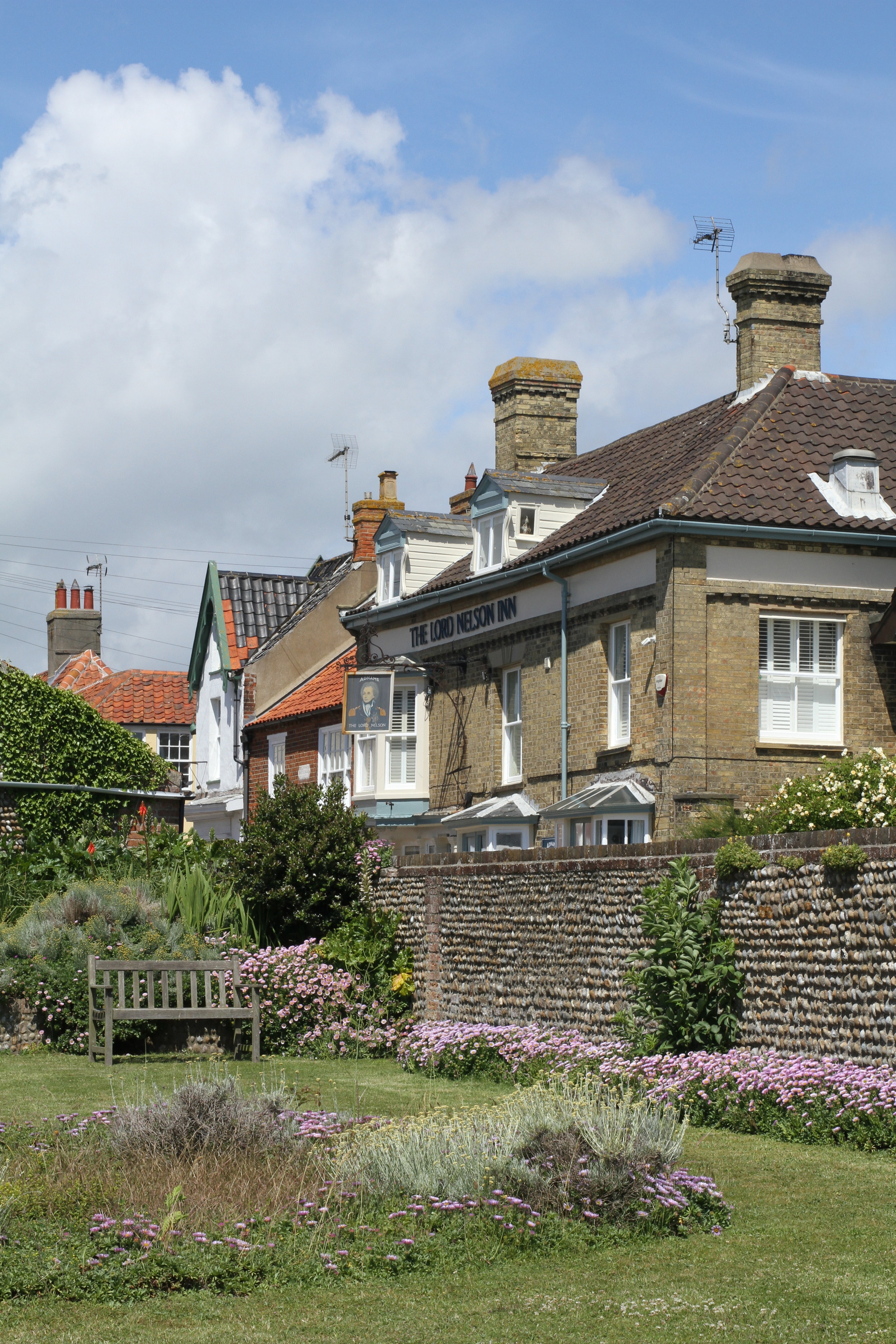
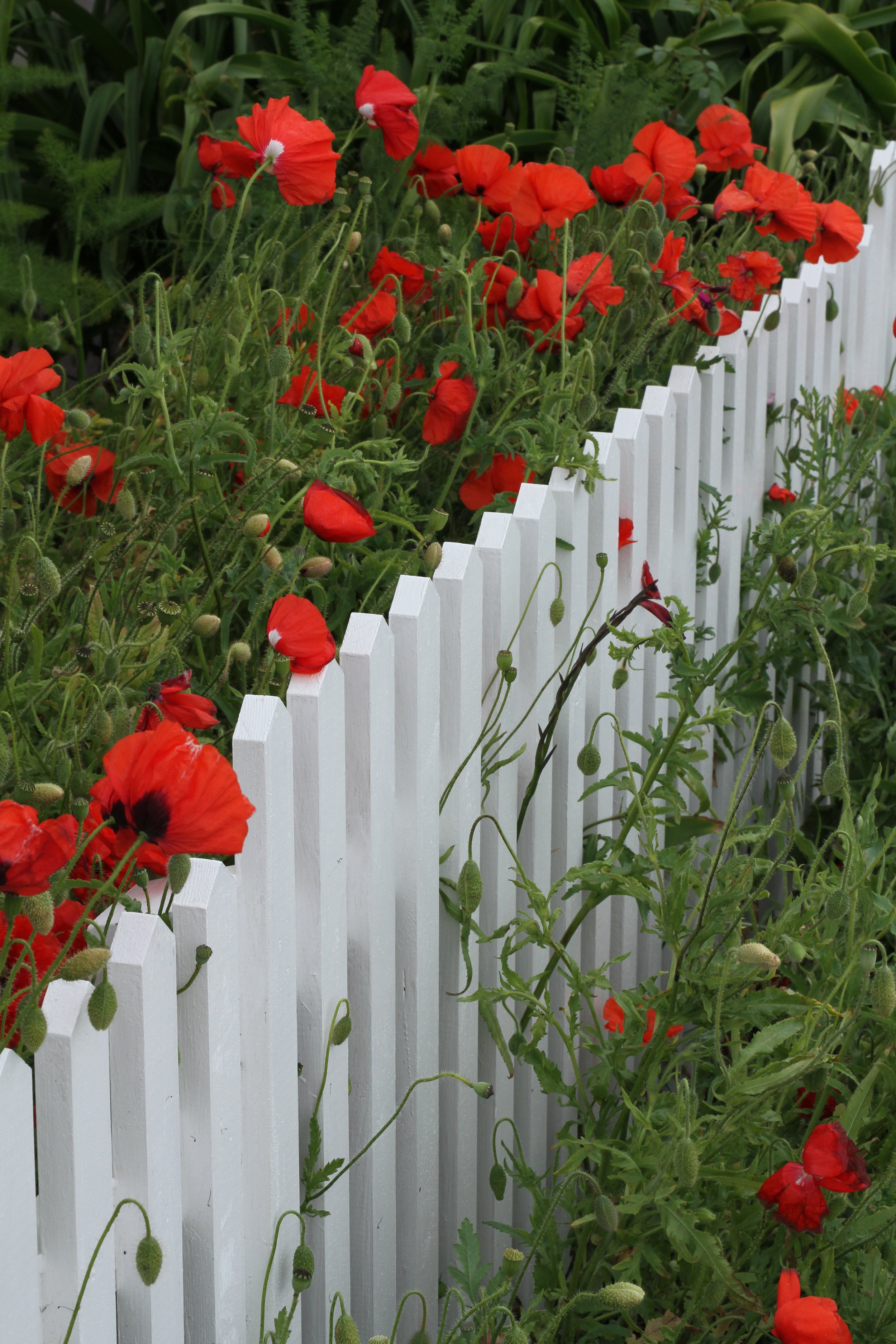
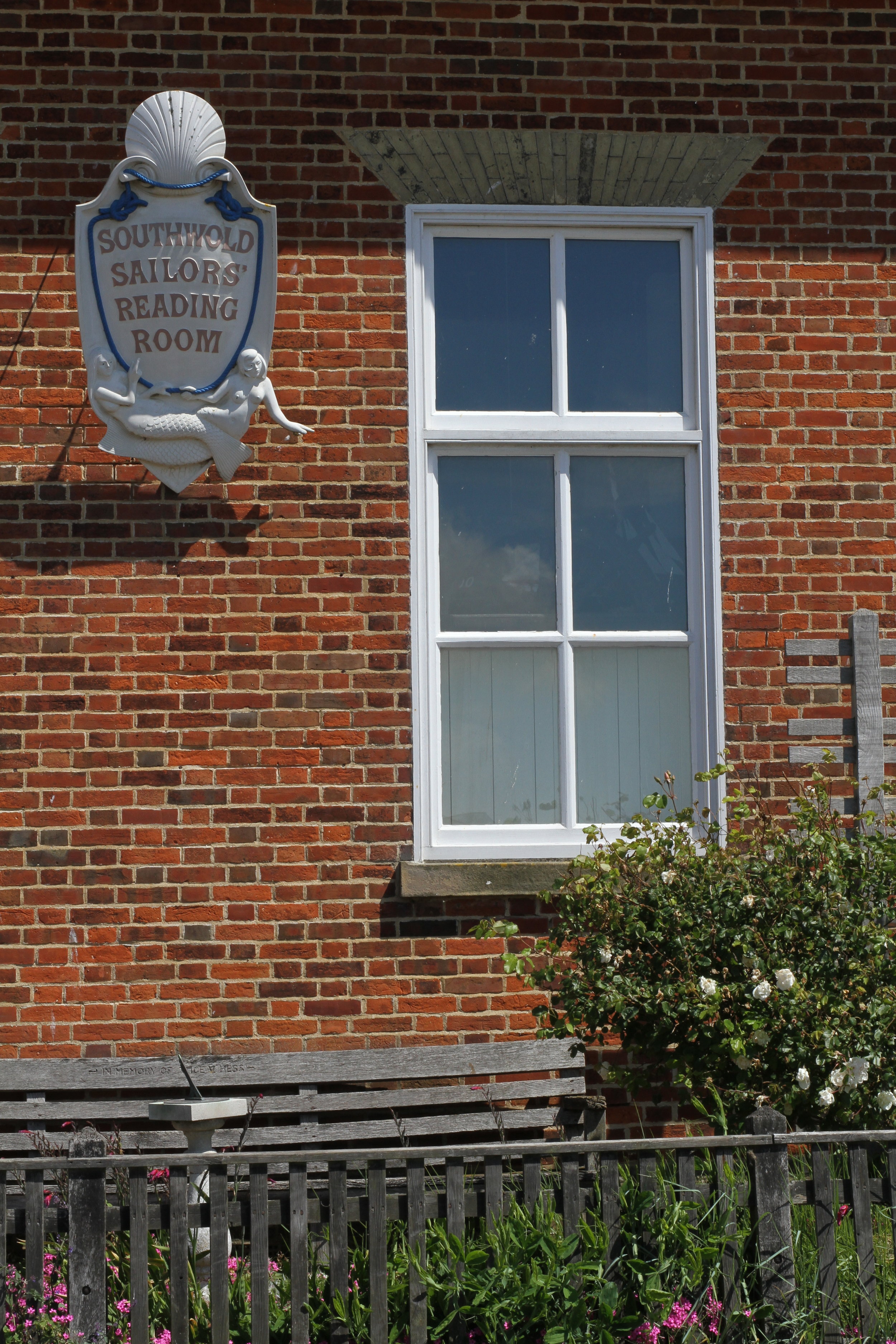
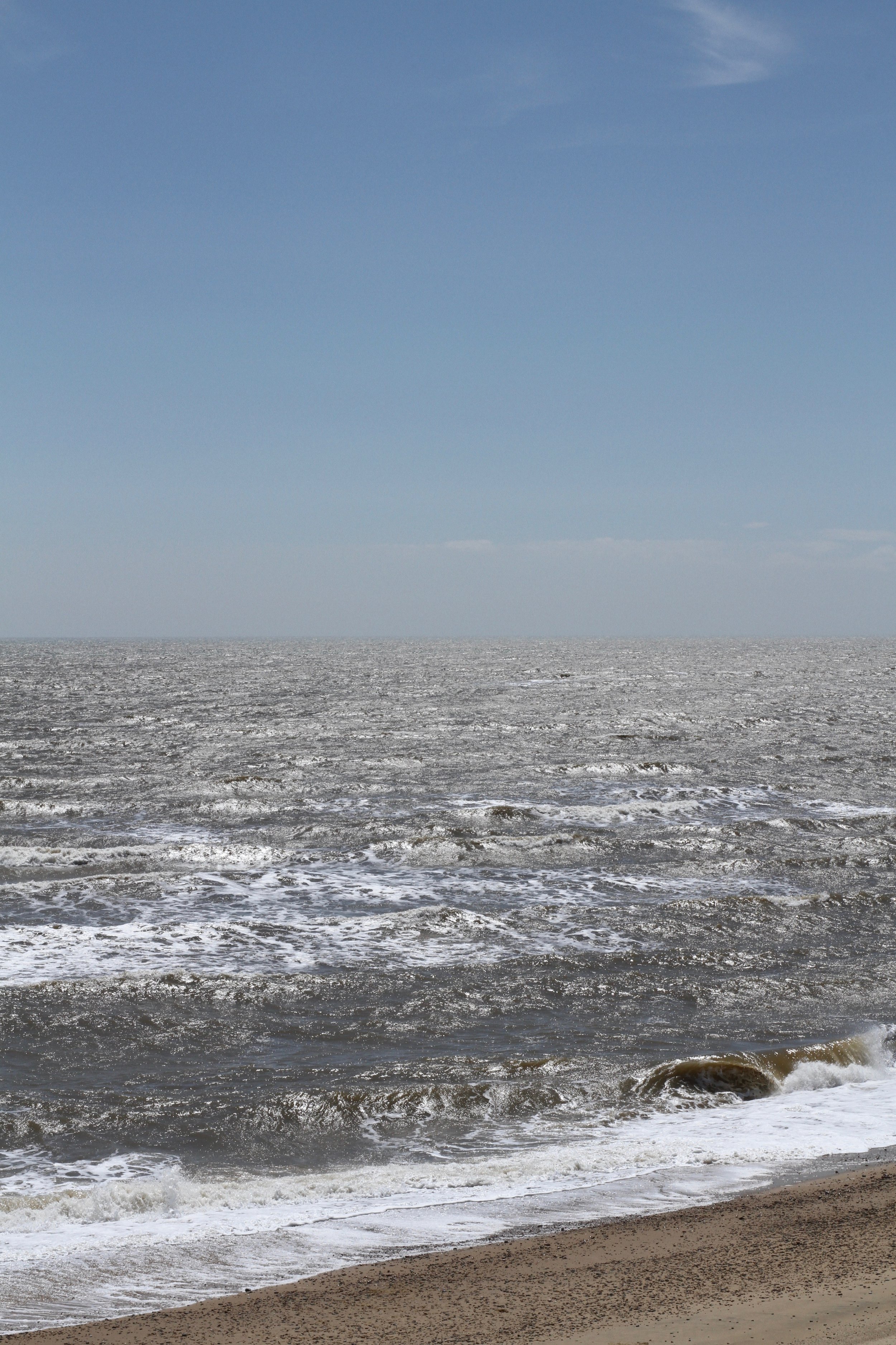
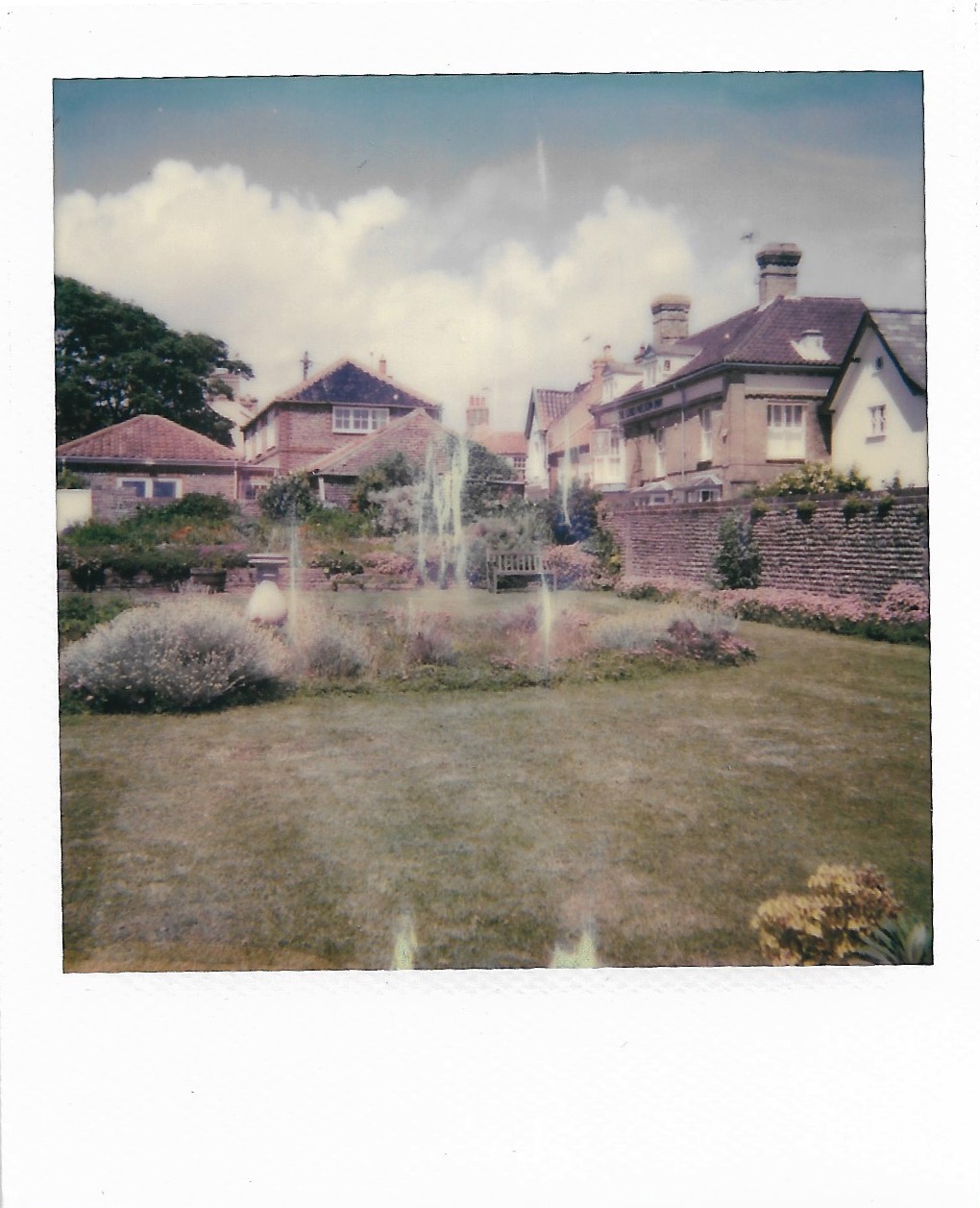
Being smog-ridden city types, our eyeballs were hungry for the wide blue sea. Only one thing could delay us: Wow Vintage. Here, we had no choice but to invest in gem-encrusted cocktail rings and a conker-coloured fur jacket (ideal accessories for a damp British weekend). Dripping in fur and jewels, we perambulated onwards to the beach, admiring Southwold’s pleasingly wonky architecture, cobbled laneways, little lawns, abundant poppies and pastel-coloured cottages en route.
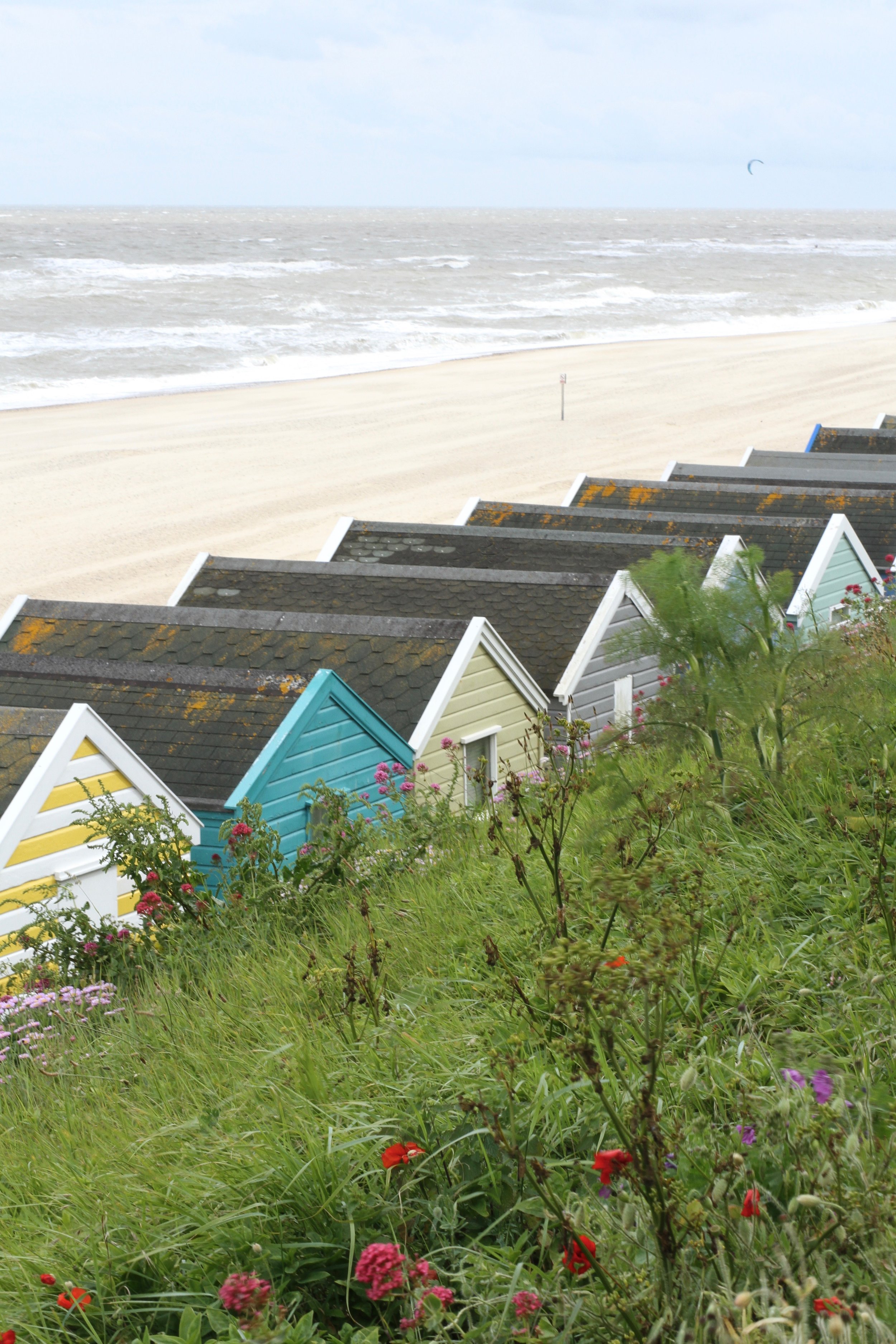
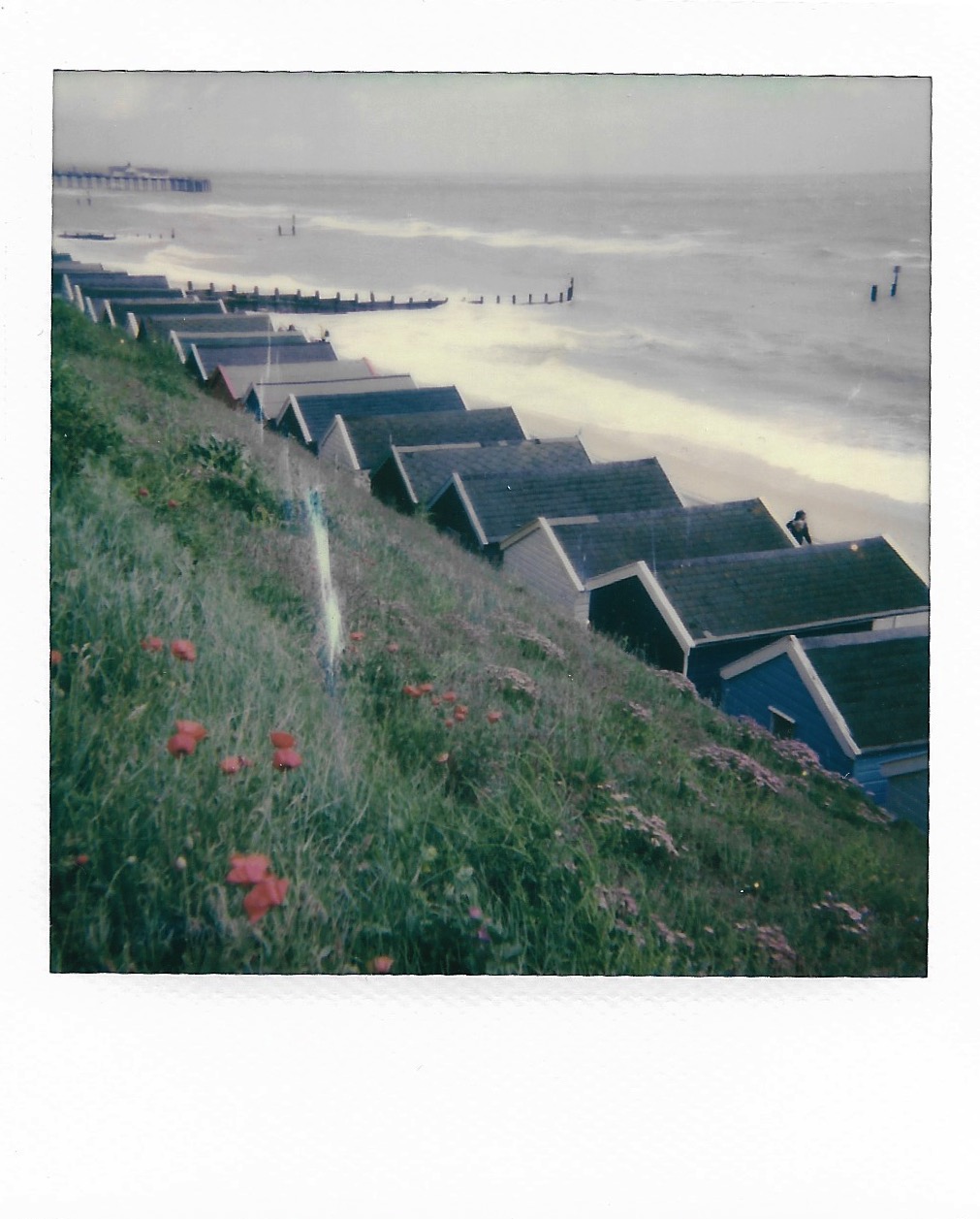
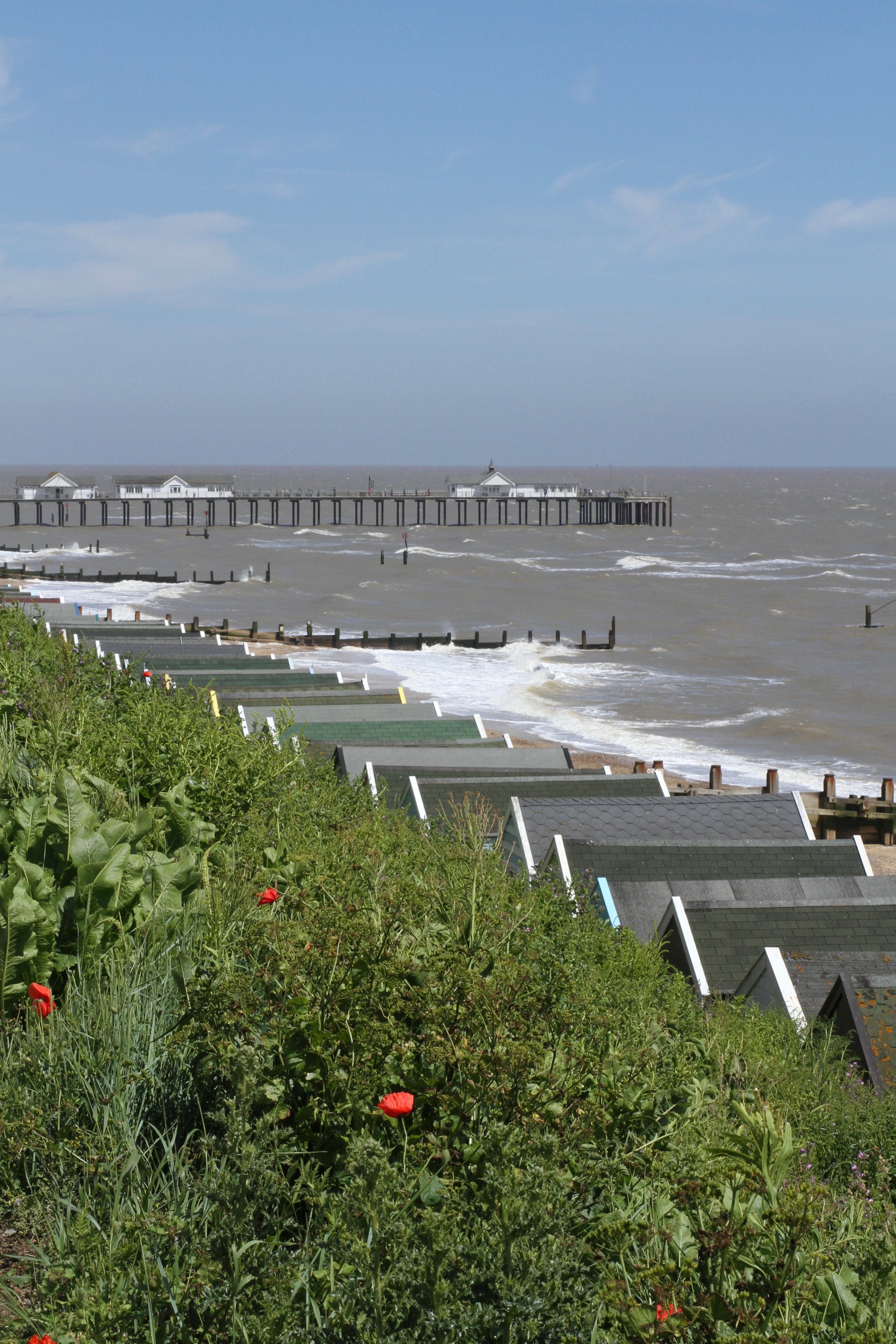
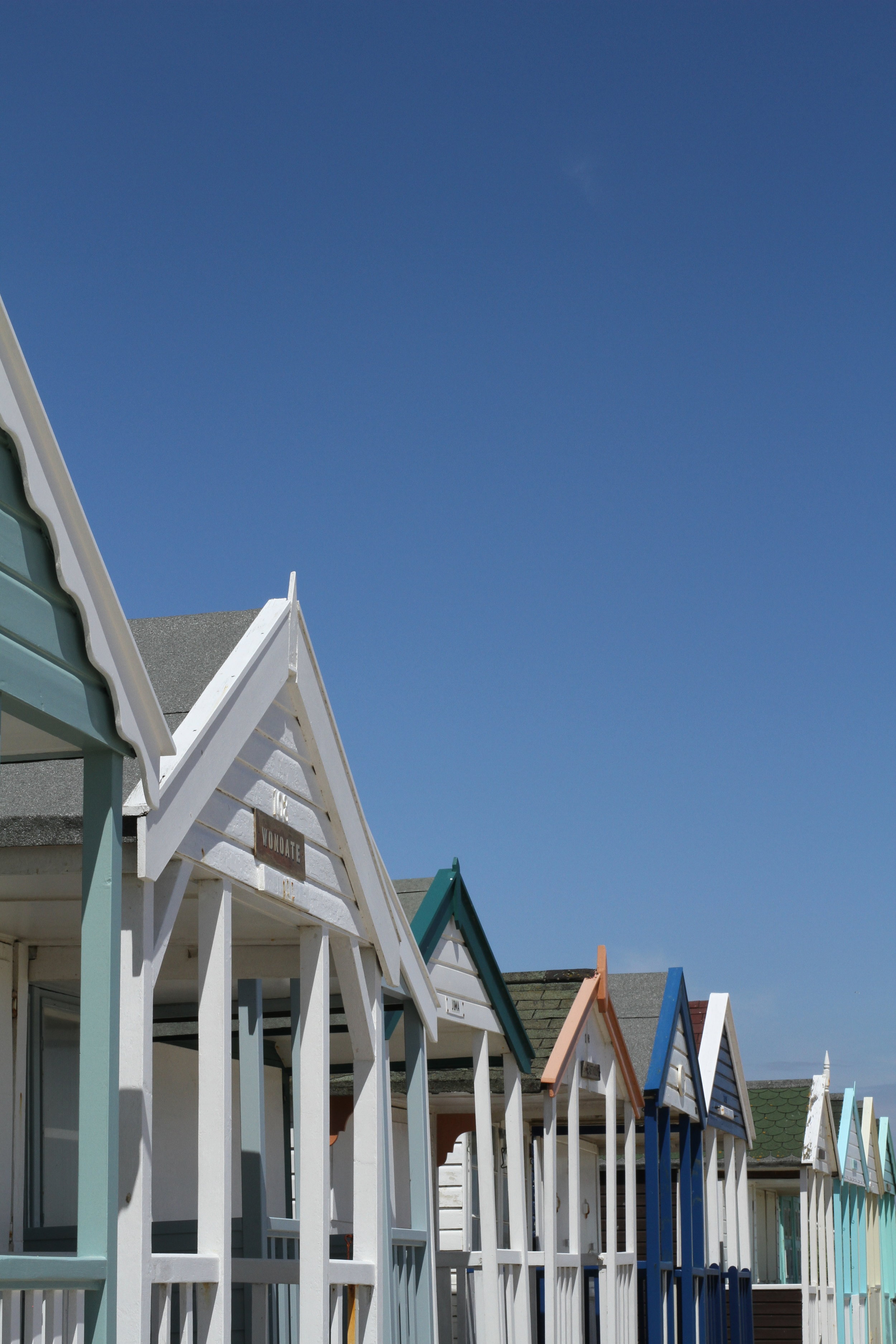
When it comes to coast, Southwold can hold its head high: it’s home to a beautiful stretch of pristine, ice-cream-cone-coloured sand, where elephant-grey waves frothed, churned and crashed with vigour. Bookmarking the pier and the postcard-pretty beach huts for tomorrow, we returned to our boutique basecamp – fur coat somewhat bedraggled – for a well-deserved tea-and-biscuit break.
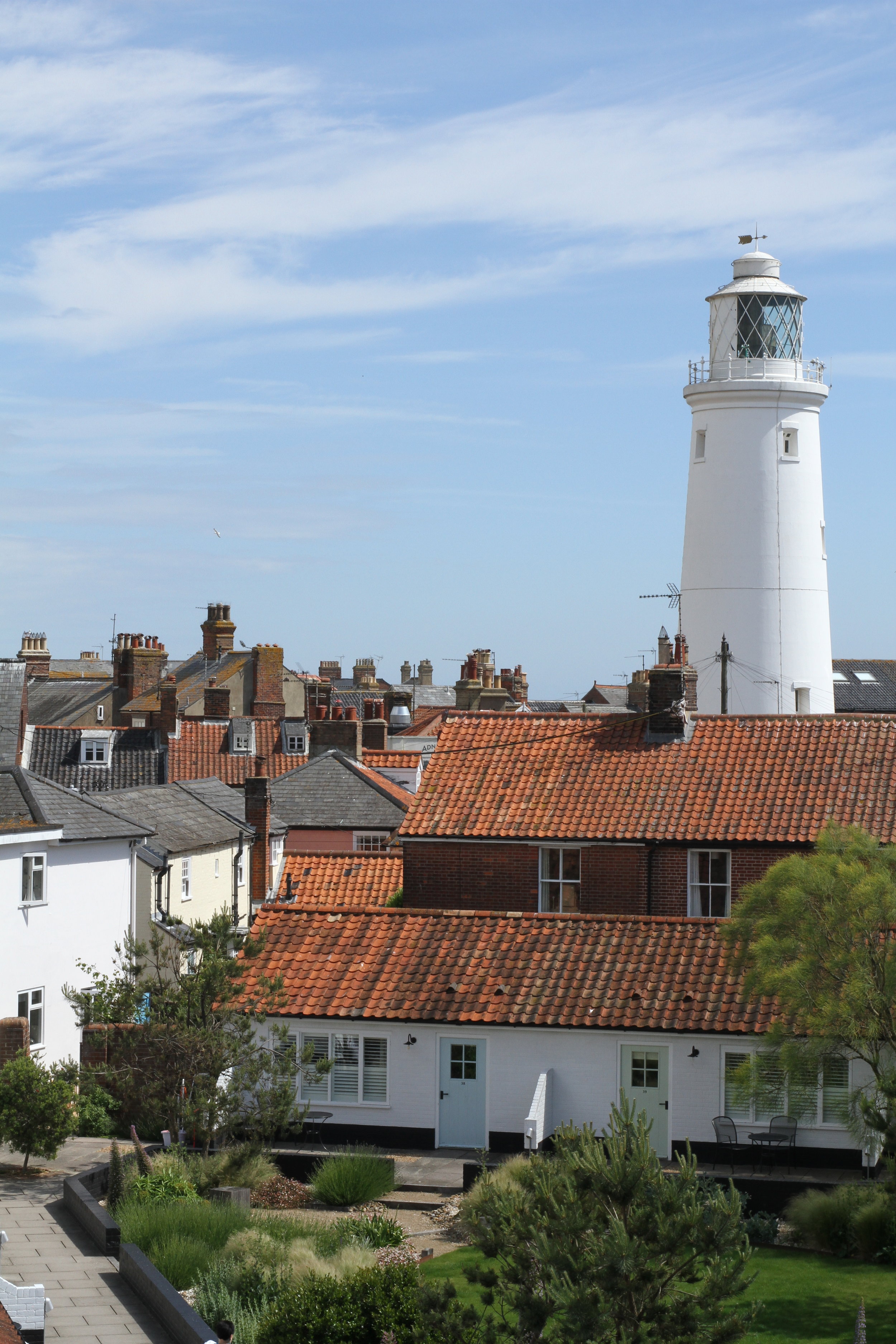
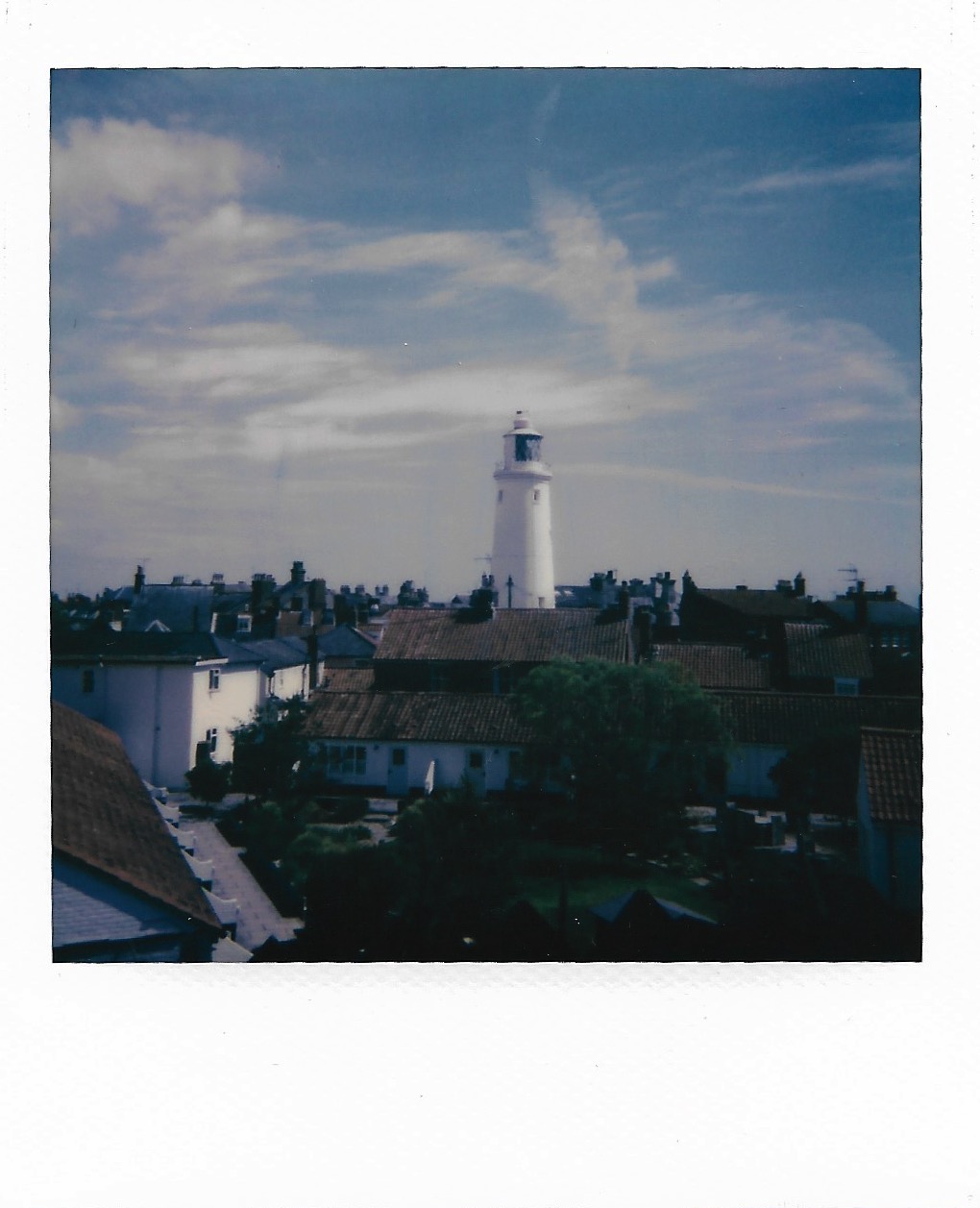
British-seaside hotels can veer on the stuffy side, but not a single nook or cranny of The Swan could be accused of this crime. Flinging open the door to our room revealed a cosy, colour-pop cocoon with two supremely comfy beds, a patterned rug, a marshmallow-soft throw, filament-bulb lights, a bandbox-neat, white-tiled bathroom and views of Southwold’s terracotta-tiled roofs, the lighthouse and the shimmering sea beyond. A giant TV and a minibar stuffed with chocolates, crisps and Adnams beers hinted at snug nights in.

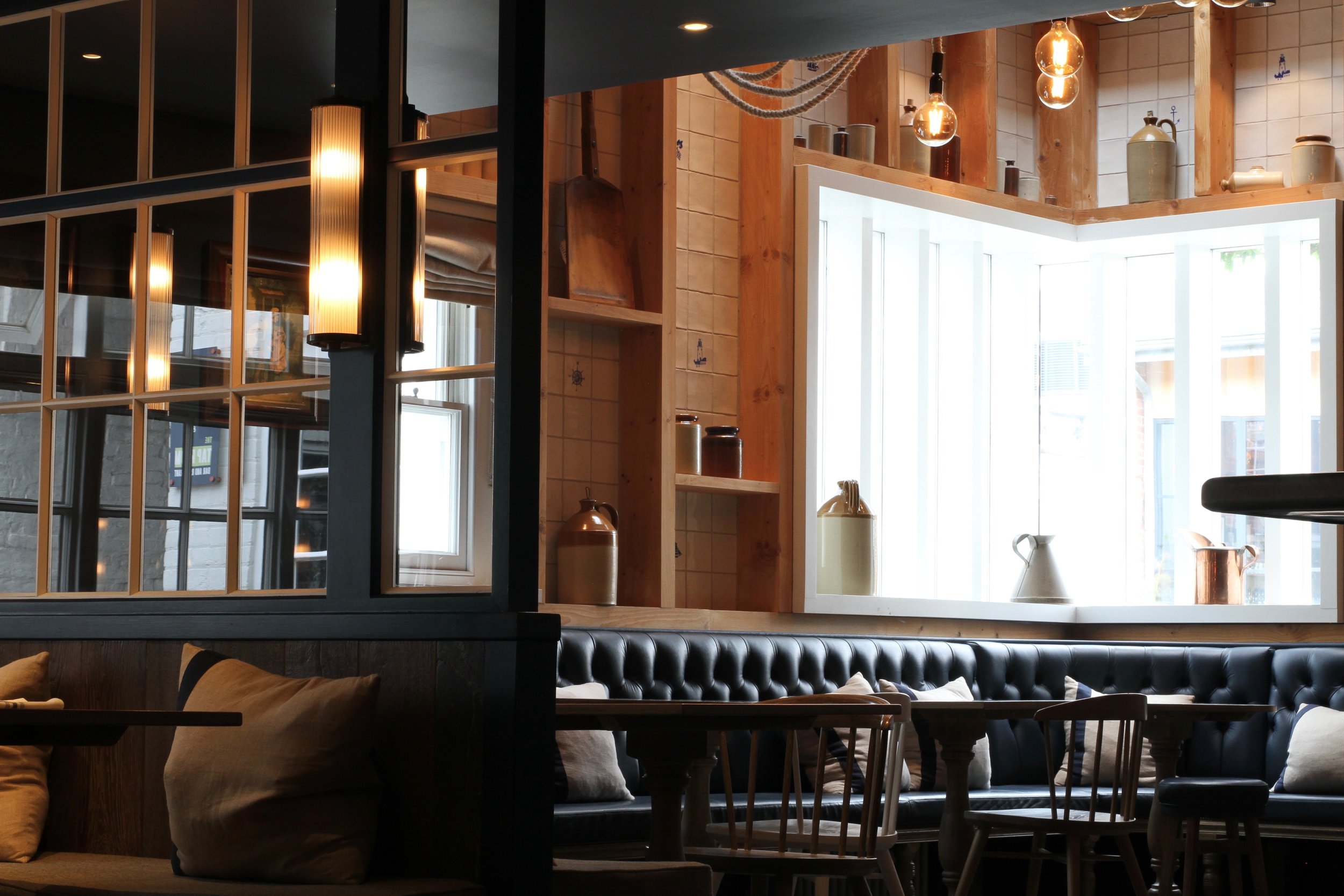
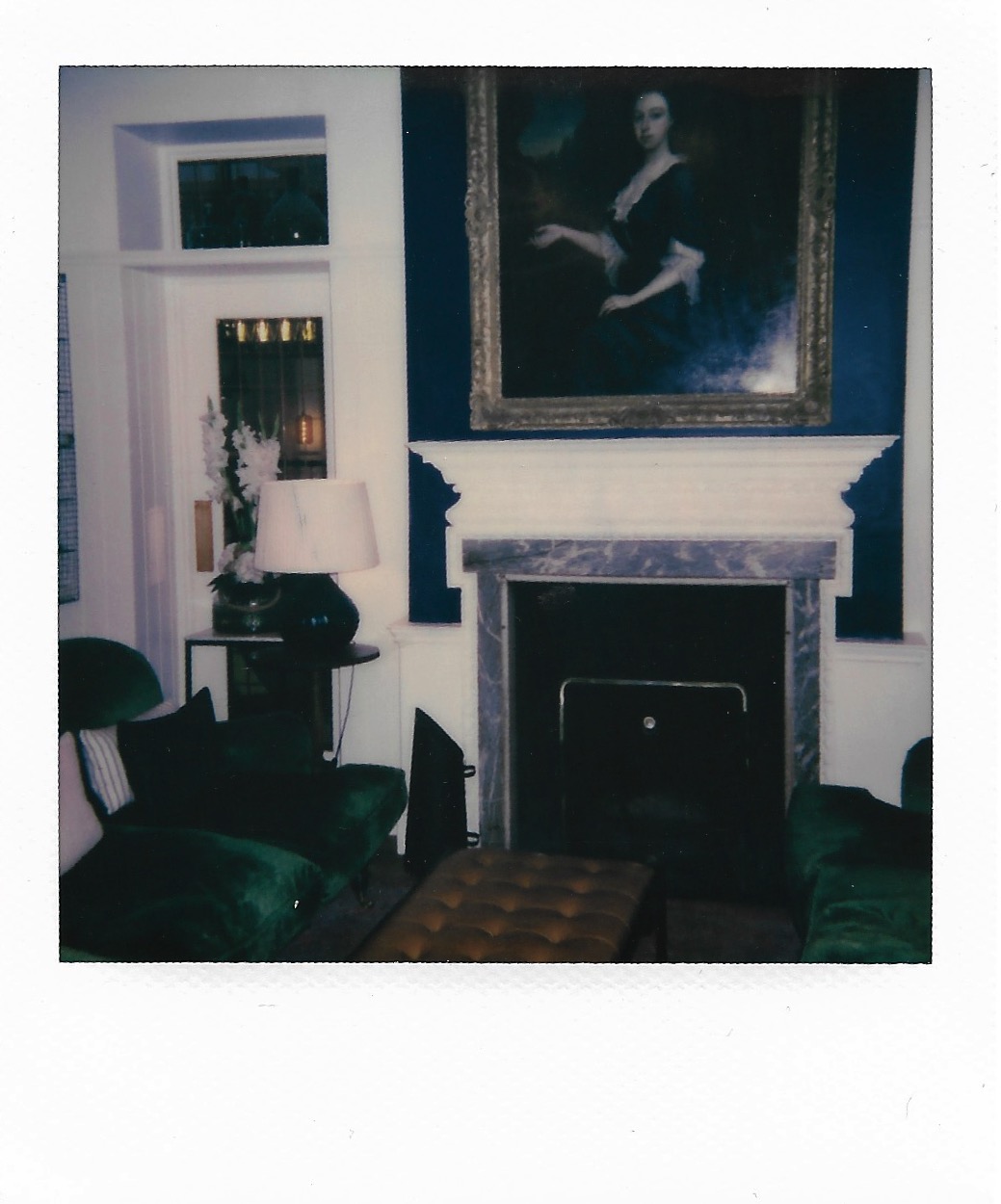
Additional cues to stay put at The Swan include a double-act of dining propositions. In the handsome Still Room, gilt-framed oil portraits of ye olde lords and ladies (and their dogs, of course) hang on the walls, watching without comment as guests indulge in one too many breakfast pastries or gin-sloshed post-prandials.
On our first night, we rounded off a day’s worth of baked goods and wine with a feast here. Appropriately, for a brewery-owned hotel, the restaurant’s design scheme riffs ravishingly on the small-batch Adnams distillery a few metres away. The jewel in the crown is the gleaming copper-topped bar and its rainbow-bright fleet of spirits and bitters, all emitting a halo-like glow. Striking bottle lighting continues the boozy sartorial seduction.
Honouring our setting, we kicked things off with a lemon-sherbert French 75 and a ruby-red negroni, followed by fish ceviche with mango sorbet, succulent rib-eye with melted onions and bone marrow, charred carrots, triple-cooked chips, peach macaron with passion fruit, and a mini army of East Anglian cheeses.
Thankfully, we didn’t have to roll ourselves far to bed after all this (just up a few stairs). Proximity is one of the feathers in The Swan’s cap: everything you could conceivably wish to do in Southwold is within staggering distance, meaning you can comfortably indulge in multiple pints at The Lord Nelson (former den of smugglers, hurrah) or multiple chocolate-and-raspberry slices at Two Magpies. The Adnams brewery is a few steps from reception – and well worth touring for the chance of encountering rebellious yeast, as we delightedly did.
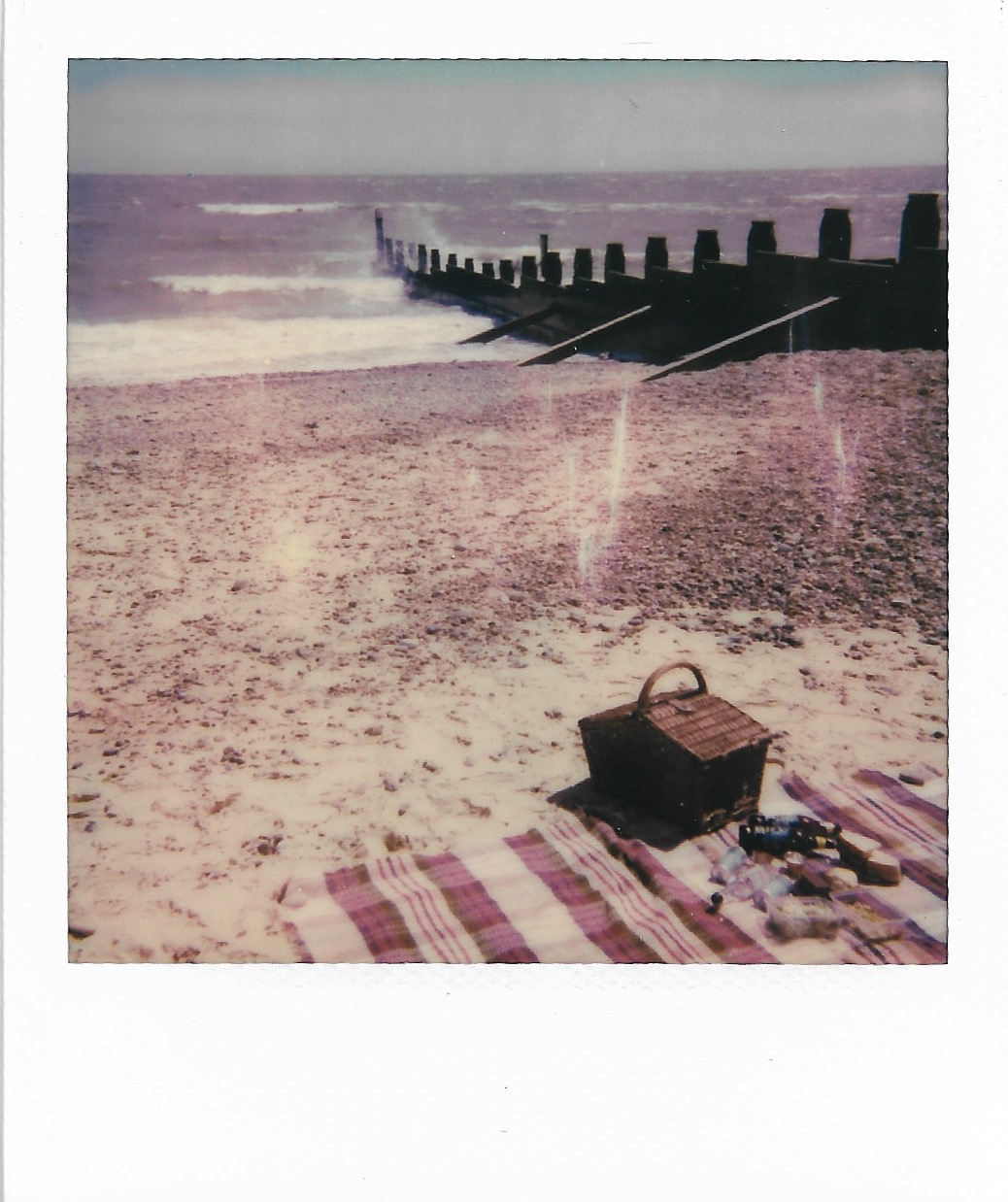
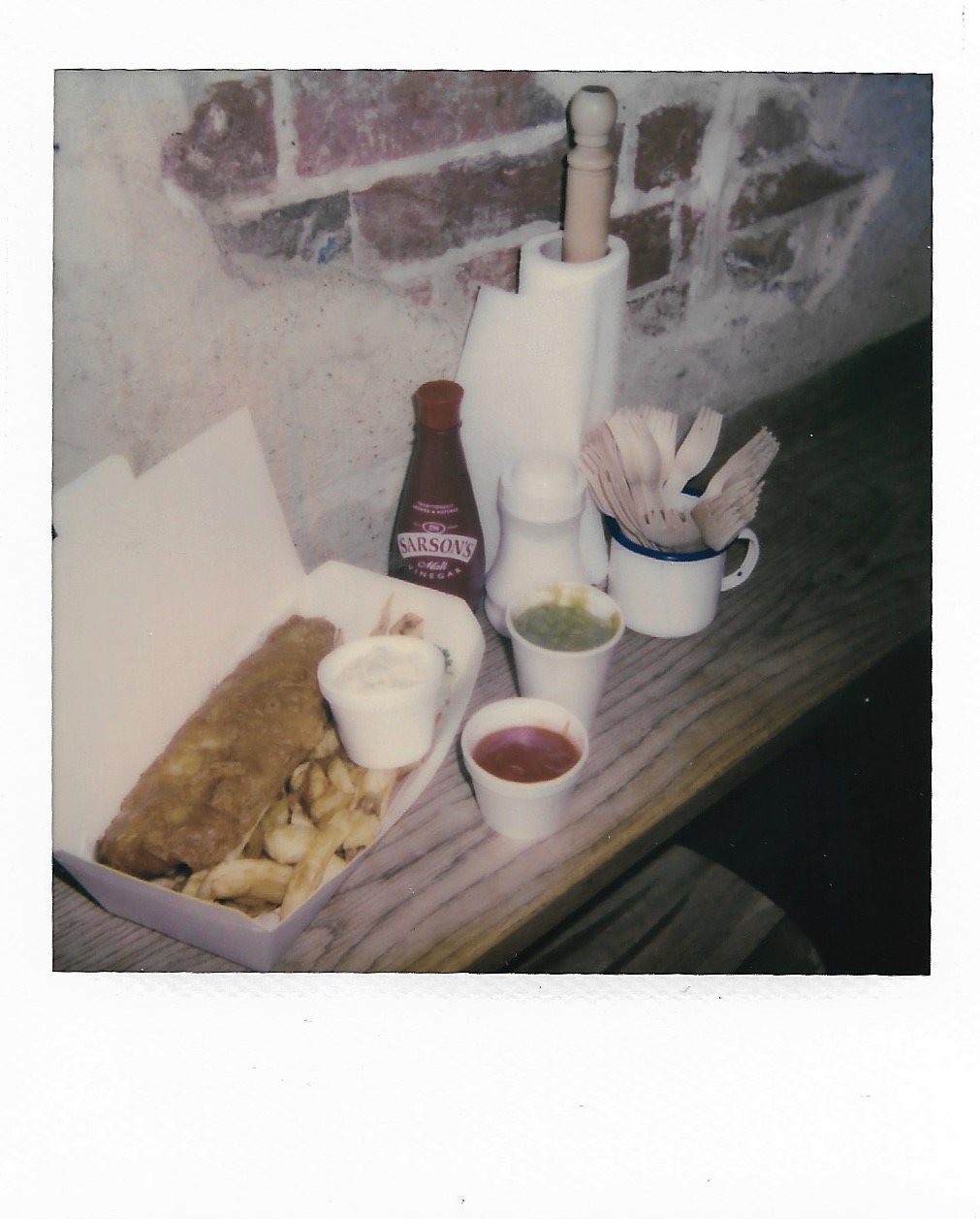
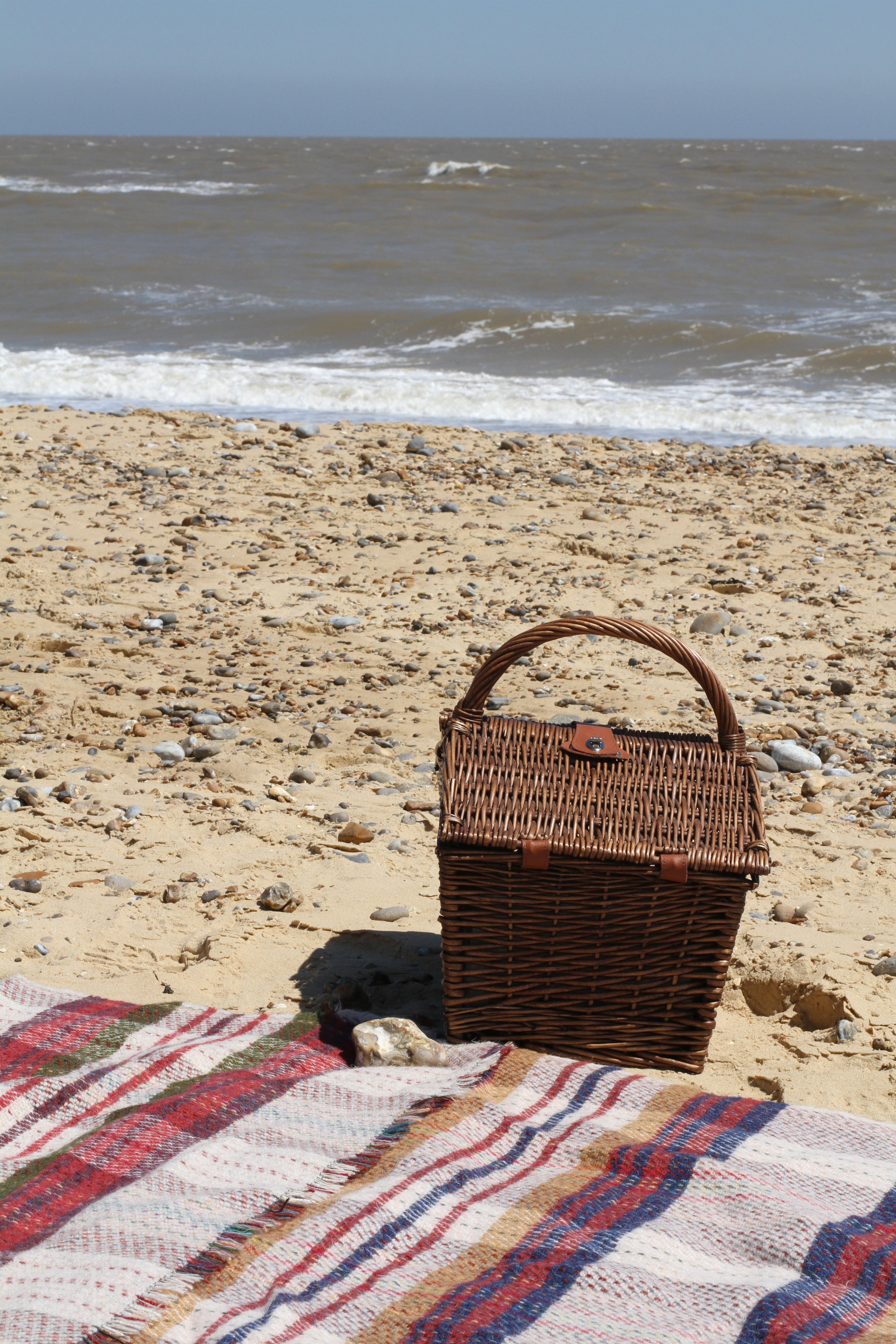
During our stay, we also ticked off windswept Southwold Pier and its brilliantly bonkers arcade games (courtesy of mad-cap artist-engineer Tim Hunkin), fried golden deliciousness at the Little Fish and Chip Shop and a butler-and-beach picnic courtesy of The Swan, starring a chocolate cake so decadent, my companion suffered a near-fatal cacao coma before being revived by the sea air.
Alas, we failed to make it to the topaz museum, but it’s always good to have reasons to return. The Swan’s ink-dark bar and restaurant, the Tap Room, counts among the latter. We spent our last night here enjoying a bizarre but delicious array of shared plates, from melted Camembert to cockles and other crustaceans. Over-indulgence aside, The Swan is as serene and flawless as its avian namesake. Forget seagulls – every seaside needs a Swan.
To learn more about the hotel - or simply book a room - click here.



A Sea of Green
Words and Photographs by Carlota Caldeira.
The road ahead was terrifying, so narrow that, certainly, no sane person would dare drive along it. And yet it was in this direction that Tiem turned our motorbike.
"Hang on now!"
I grabbed hold of my seat and turned to see my sister on the back of Thao’s bike, following right behind us. I could sense she was smiling, even under her black helmet. The road kept withering down until all that remained was a thin thread of cracked concrete, dancing along the cliff. To our right a rocky wall disappeared into swirling clouds. To our left the road dropped away completely.
I’ve always had the tendency to imagine the worst case scenario. So as I glanced down, heart in my mouth, I immediately started conjuring images of our motorbike tumbling into the green abyss. But the thought was fleeting, for the beauty of that alien landscape was all I could contemplate. It left me speechless, filled with awe. I opened my helmet’s visor, allowing the wind to wash across my face as I took it all in - the pure mountainous air, the stream of clouds moving above us and the endless intoxicating green of it all.


Tiem - born and raised amongst those dramatic roads - drove confidently, intimately aware of the intertwining paths. “Almost there," I heard him say, his soft young voice blending with the wind.
We finally came up to a high cluster of black boulders. A couple were slowly making their way down with a guide, awkwardly grabbing hold of the rocks as they attempted to descend.
“There is the Lion King rock,” said Tiem with a shy smile, as we parked the bikes.
Amongst the cluster was a slightly triangular rock, reaching out, a suspended arm above the void. I looked at my sister, wide-eyed. “Are we supposed to climb this thing?”
Tiem noticed my nervousness. “You don’t have to go, of course. Many guys do but, actually, only one girl I know has been up there so far.”
Just like that, my competitive mind switched on. "Well, that does it then, this girl can’t be the only one!”
We were looking up, observing the couple still making their way to safe-ground, when I heard steps on the gravel. With flowery striped neon clothes, the Hmong girl was like a dot of red and yellow painted on to that melange of greens. She was carrying a collection of leaves that could have almost swallowed her whole. She was perhaps 10 years old, though her face was strained, a harshness stealing her childlike features. As she sat down by the cliff, next to a young boy with the same rigid look, her brother perhaps, I noticed a bandage on her finger, touched with blood red. She didn’t seem to pay attention to it though, nor did she appear to acknowledge the scene before her as she chatted away - this etherial setting a simple backdrop, part of her everyday.


Watching her, it dawned on me. I was here as a passenger, an outsider, someone who would never truly understand what it is like to live in their world. What would it have been like if I had been born amongst these green mountains? I would grow up by the abyss of those massive cliffs, undaunted by heights, trusting the natural structures of my universe. Maybe I would pass hours waiting out by the roads, reaching out my hand to passing riders in hope of a high-five, wearing the most genuine of smiles. Work would no doubt dominate my days, walking along those winding roads built by the sweat of my ancestors. Maybe I too would not always notice those vast mountains or the bruises around my hands.
I looked at my sister. There we were, at the last frontier of Vietnam, with China creeping up before us. The clouds kept rolling on, the wind softly howling, dancing its way around the rocks. The mountains were alive, vivid and entrancing. I took a breath of cold air, now somehow heavier, and gazed up ahead.
“Alright, let’s do this then”.


An Ode to the Coast
A love letter to Australia’s beaches.
Words by Jess Kate Glass & Photographs by Matt Ben Stone.
With around 35,876 kilometres of coast, Australia is the land of Speedos and Vegemite, mates and mozzies, sandy toes and sticky fingers. A country whose winters put English summers to shame, where balmy evenings play host to a choir of cicadas, spontaneous late night barbecues and that romantic ‘just because’ fling. There’s the smell of sea-salt mixed with sunscreen, falling asleep in a sun-drunk daze and discovering grains of sand days, or even weeks after you’ve left the sunny shores, which linger in the furthermost corners of your home. Traces of sun-kissed days that were.
This is what growing up on the Australian coast is all about. Yet with only so many sunny days in a week, and with so much sand to cover, choosing a swimming spot can be like trying to divide your time between your loved ones and eclectic social circles. Thus I feel duty bound to harness my years of coastal living and guide you through our blissful selection of sandy shores. So pack a beach bag, ‘slip, slop, slap’ and prepare to swim between the flags.


Sydney Waves
Let us begin with a personal favourite, the glorious stretch of beaches where I have spent countless sunny days and nursed numerous sunburns as a result.
From the postcard-perfect Bondi Beach and her magnificent neighbours Bronte, Tamarama and Clovelly, to the bustling shores of Coogee, Manly and Balmoral, Sydney is spoilt for choice when it comes to coastal dwellings. Whether you’re a born and bred local intimately acquainted with the beach, its baristas and fellow sun-dwellers, or a wide-eyed tourist stumbling upon one of these striking beauties, their magic is never lost. At once energetic and slow, chaotic and serene, these Sydney beaches are recognisable the world over. And rightly so.
A word to the wise, sport luxe is ‘so hot right now’ so be sure to dress a la I’ve just been to pilates/yoga/cross fit, even if you have absolutely no intention of doing so, and say on-trend things like almond milk, pressed juices, organic and hipster. If this sounds a touch daunting, know that beyond Sydney’s CBD lie a mix of semi-hidden gems and waterfront towns, sun-catching hideaways like Hyams Beach, Jervis Bay and Crescent Head where milkshakes rather than cold-pressed juice are the treat of choice. Extended beach holiday meets road trip anyone? Yes please!


Peninsula Bound
While NSW may be a tough act to follow, the serene Mornington Peninsula in Victoria is turning up the heat. Home to a delightful range of posh and fabulous seaside towns like Flinders, Sorrento, Portsea and Mount Martha, ‘The Peninsula’, as it is endearingly referred to by locals, is top notch and well worth visiting.
Located southeast of Melbourne, it is surrounded by Port Phillip (west), Western Port (east) and Bass Strait (south) and certainly fits our theme of townships girt by sea. Whether you consider yourself an adventurer and sports lover, wine connoisseur and foodie, culture vulture or history enthusiast, The Peninsula is sure to delight. There are more than 30 coastal and hinterland villages to explore and it only takes half an hour to drive from top to bottom. Yet traveller take heed, this area takes wind swept and ocean breeze to the extreme, so be sure to hold onto your hats while taking in the stunning scenery.


A Beautiful Adventure
Moving further south, nestled into the rugged Tasmanian coastline is the secluded Wineglass Bay. With water that is 50 shades of blue and miles of white sand it’s not difficult to see why it is said to be one of the world’s top beaches. Found in Freycinet, a national park 125 kilometres northeast of Hobart, you can sample world class oysters while sipping on cider, sea kayak or quad bike amongst the eucalyptus trees, get lost in wineries or camp out and watch the sunset.


Sunshine and Gold
It would be remiss to overlook the Sunshine Coast, where some of Australia’s best-known beaches reside. From Noosa and Coolum to Maroochydore and Mooloolaba, the never-ending shorelines and luscious green parks of the Sunshine Coast read like a beach-goers’ fairytale - a lush summery paradise. I still remember being piggybacked along a beach here as a child while hundreds of crabs scurried and scrambled, dodging the pounding footsteps of ‘oohing and aahing’ families like mine. To this day I don’t know who was more fascinated - those tiny little crabs or six year old me!
I have always found living by the coast sublime; a geological lottery I was fortunate to win. A site of such contrast, beaches can be vibrant and bustling hubs filled with snippets of conversation and squeals of delight or a place of silent refuge, an oasis used for peaceful contemplation. The sprawling blue of the ocean, pulsing rhythm of the waves and infinite grains of sand lining the shores are nothing short of remarkable. These are humbling reminders that we are a small part of an ever-changing landscape beyond our control yet eternally beguiling.
The beach is my childhood, my social habitat, my mental escape, my alone time. This is my ode to the coast.
Text taken from our sold out Australia magazine - more of Matt’s wanderlust-inducing work can be found by clicking here.


Jewel of the South
Discovering Italy.
Words by Nardia Plumridge & Photographs by Renae Smith
One of the joys of travelling through Italy is its diversity. From snow-capped northern Alps to turquoise southern beaches, it couldn’t be more poles apart. But what makes this country so fascinating is that it’s not just the landscape that changes, it’s the culture too.
Puglia is the region occupying the heel of the Italian boot. Reaching the Ionian Sea to the south and running along the Adriatic Sea to the east, it borders Molise, Campania and Basilicata. A long, thin land with six provinces, what it lacks in powerhouse cities like Rome or Milan it makes up for with medieval villages, remote beaches, quaint fishing towns, farmland and run-down fortresses. Welcome to the jewel of the south.


To understand Puglia, you have to delve into its history, shaped by Mycenaean Greeks, Ancient Romans, Byzantines, Normans and the powerful Kingdom of Naples. And to truly feel Puglia, you must travel around its coast, exploring its rugged beaches, barren central landscape and whitewashed towns.
Leaving the port town of Brindisi - its industrial feel isn’t a reflection of the rest of the region - you encounter Puglia’s flat landscape, lined with pine trees and kilometres of white sandy beaches that stretch south along the Adriatic Sea towards Lecce.

With its elegant laneways and Baroque architecture, Lecce is one of Puglia’s most popular destinations. A walled town dating back, so legend has it, to the time of the Trojan Wars, it was ruled by Emperor Hadrian and today is a 17th century spectacle rebuilt in Baroque fashion. Largely constructed from local limestone, for which this area is famed, it is a glittering gem of a town where, at every turn, there is another building to behold. Such architectural beauty has led some people to refer to Lecce as the ‘Florence of the South’, yet to compare isn’t accurate or fair, for Lecce has a magnificence all its own.

Driving through Galatina towards Gallipoli you pass countryside filled with olive groves that make up much of the farmland. Olive oil is one of the region’s biggest exports and in the 18th century this part of Puglia became the largest olive oil market in the Mediterranean. The fortress town of Gallipoli along the west coast of the Salentina Peninsula is built on a limestone island and linked to the mainland by a 16th century bridge. Having held great economic power due to its geographical position, today Gallipoli is a magical seaside haven with quiet laneways that nip and dive around residential buildings.
Heading off the main roads, the sound of the locals’ Italian chatter lingers as you walk by their open windows and in the distance the gentle roar of a Vespa fills the air - then you turn a corner to see the breathtaking Ionian Sea. Surrounded by 14th century walls (renewed by the Spaniards in the 16th century), the Baroque architecture of Gallipoli is its main attraction - the façade of its grand 17th century Cattedrale di Sant’Agata was created by Giuseppe Zimbalo, who was also responsible for Lecce’s Basilica di Santa Croce. Fishing is also big business with a seafood market open daily from six until nine in the morning at the walls by the old castle where you can buy the local specialty gamberi rossi (sweet red shrimp) that is so fresh it is eaten raw.
The coastline in this area of Italy remains untouched in many parts with roads running alongside the white powdery sand and azure sea. Driving along the south west coast on the smaller SP roads it’s easy to reach the very tip of Puglia - and therefore Italy - at the village of Santa Maria di Leuca. Founded in the early 1st century and taking its name from the Greek Leucasia, meaning white beautiful mermaid, it is where the Ionian and Adriatic Seas meet, the De Finibus Terrae (End of the Land). Up a 284 step staircase from the town is Santurario di Leuca, a Christian church built on the site of a former Roman temple dedicated to Minerva, the goddess of wisdom, offering stunning views away from Italy towards Africa.


If Lazio has the history of Rome, Tuscany the art of Florence and Veneto the canals of Venice, Puglia has the trulli of Alberobello; stone huts with conical roofs. This central part of the region, the Itria Valley, is full of quaint hilltop towns glowing white from using the local limestone, the most mesmerising being Martina Franca and Ostuni. Here the landscape changes, becoming more rugged, and then the trulli appear. These temporary shelters acted as storehouses or permanent homes for labourers and their families; simple drystone structures popular in the 19th century, the circular buildings look as if they are drawn from a Tolkien novel. The design was created to avoid taxes - the roof can be easily dismantled to avoid hefty fees charged if they were used as homes; when inspectors came to the area, down came the roof. The largest collection of trulli is in the town of Alberobello (meaning beautiful tree) which has over one thousand unique huts. Today it is a UNESCO World Heritage Site, with many trulli available to stay in overnight, hired out to adventurous travellers.

When meeting locals, there is a real sense of Puglian pride. Ask what makes Puglia a paradise and everyone has a different answer. Some say the energetic sounds of La Tarantella folk music, others swear by the sights of whitewashed towns like Martina Franca, or the touch of Lucchese limestone in Lecce, the smell of sea salt along the Salentina Peninsula or the taste of fresh gamberi rossi and Negroamaro (literally ‘black bitter’), the robust local red wine. Though part of the joy of Puglia is discovering its five senses all for yourself - it may be the ‘end of the earth’ but it’s a unique side to Italy that many don’t see, and its rustic charm and diversity make it even more special.
This article first appeared in our Italy magazine all those years ago. While that mag is now sold out, you can nab other back issues here.
Meanwhile Nardia Plumridge has created a glorious new book all about the wonders of Florence. Order your copy - and you really, really should - by clicking here. You can learn more about her other ventures here too.
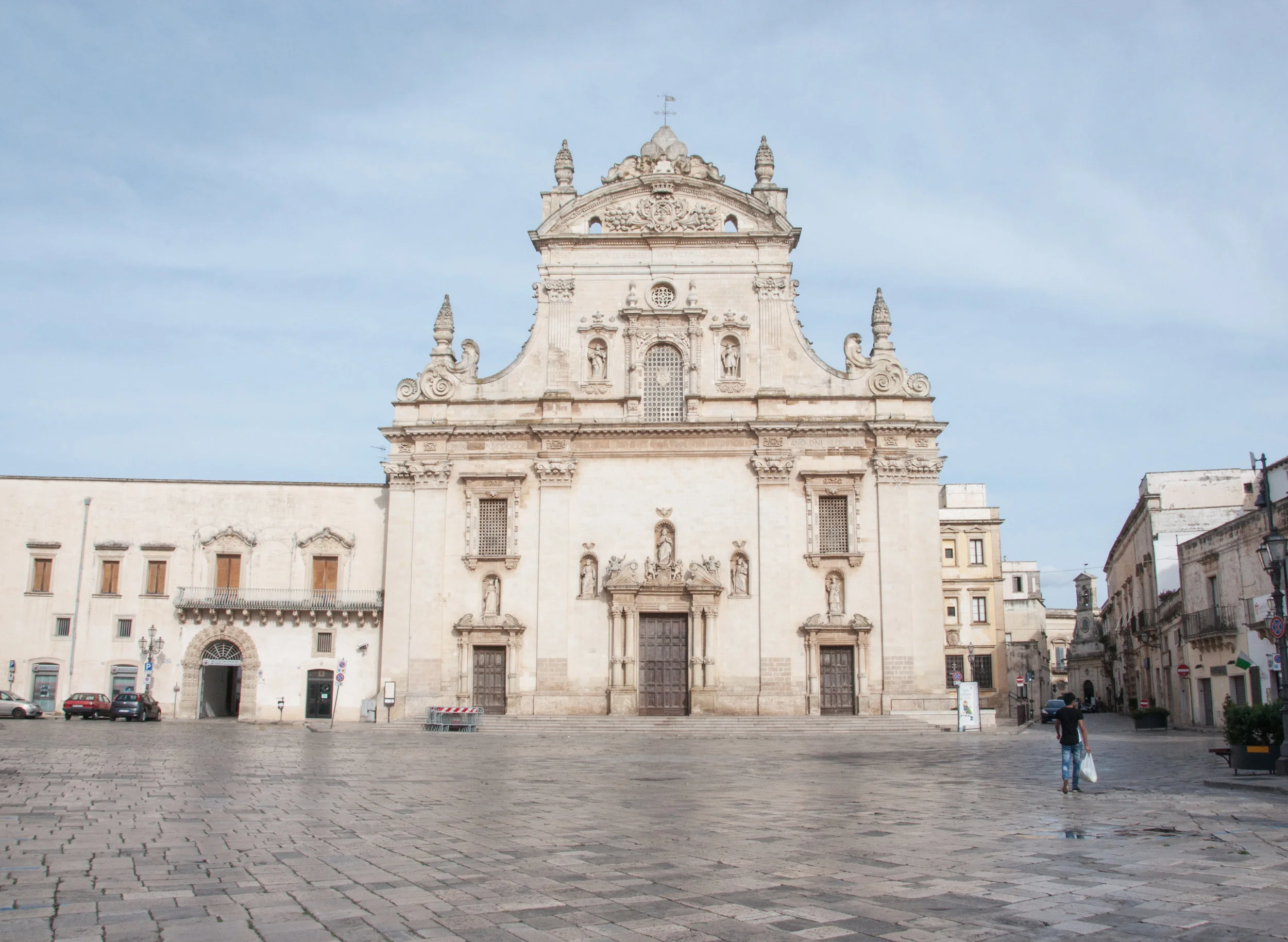


Wanaka Wandering
In search of solace and adventure on New Zealand's South Island.
Words & Photography by Angela Terrell
It’s immensely satisfying whiling away a week in Wanaka. Only an hour from Queenstown on New Zealand’s South Island and sitting on the shores of tranquil Lake Wanaka, this town merges arresting topography with holiday charm; its dramatic backdrop, the mountains of Mt Aspiring National Park, the perfect playground for an array of activities that would keep even the most demanding outdoor enthusiast content. During winter, nearby Cardrona and Treble Cone are ideal skiing destinations, but in summer, whether tramping, cycling, paragliding, kayaking, jet-boating or clinging precariously to a via ferrata, it’s a paradise for adventurers, photographers or those who find simply sitting and enjoying the serenity gratification enough.
Any opportunity to leave the city behind and explore nature is welcome in my books, but it’s the mountains that elicit the most visceral response. I’m never sure if it’s their immensity or their harsh and unforgiving beauty that appeals to me most, but going heli-hiking with Eco Tours was a marvellous opportunity to lose myself in a mountain wonderland.


Soaring along the braided river and over serrated ridge-lines we swung down sentinel-like outcrops to three lakes hidden within the folds of the alpine terrain and impossible to see until we were literally above them. This is real hiking with no marked trail, the tussock grass providing stability and necessary hand-holds as we traversed the steep mountainside. The views were magnificent though; razor sharp mountains as far as the eye could see, glaciers glistening under the scorching sun and lakes illuminated in rainbow hues; the emerald, aquamarine and turquoise rivalling any tropical oasis.
If helicopters aren’t your thing, the walk to Rob Roy Glacier is equally breath-taking. Starting from the carpark in the flats of the river valley you ascend (sharply at times) through cool verdant forest to the Upper Lookout sitting in a glacier-carved basin, the enveloping schist mountains softened by carpets of dandelions, terraces of cascading waterfalls and glaciers clinging to the mountain like buttery icing. Sitting by the torrenting stream it was hard not to feel a mild sense of unease; the wind rushing down its course ferociously loud and obviously reflecting the amount of water coming off its melting core, and I wondered what would happen if a wall of ice clinging precipitously to the mountain above carved off. In landscape this erratic and magnificent a sense of powerlessness is inevitable, although once reassured that the glacier was still a kilometre away (perspective is definitely a challenge in this environment) and any falling ice would remain in the arms of craggy gorges above, it was possible to enjoy the all-encompassing vista with a little more ease!


Closer to home the Glendhu Track around Lake Wanaka is perfect for walking or cycling. Starting in town (after first organising a wonderful picnic from Big Fig - slow food served fast is their motto) what started as a relaxed ride became rock-hopping over knobby hillsides, the hairpin turns a reminder that any loss of concentration could result in falling into the water glistening like Christmas tinsel below. But around every corner was a panorama well worth assiduous pedalling.
As weather is ever-changing in New Zealand, options for days where hiking wouldn’t be enjoyable is always advisable, driving to Blue Pools on the Haast road a great choice. Setting off on an inclement morning the scenery played a constant game of cat and mouse with the weather, moody clouds sheathing the mountains so they appeared as ghostly suggestions then breaking to allow bursts of sunlight that saturated hues and added to the dramatic landscape. Passing bucolic sheep-filled paddocks encased by craggy hills then Lake Hawea, the road hugging the shoreline like a velvet ribbon, we reached the Pools where walking through ferny undergrowth laced with skeletal tree-trunks we stood under moss-laden limbs of rainforest trees (the perfect umbrella) and admired water so clear it was possible to see trout languishing in its aquamarine depths.


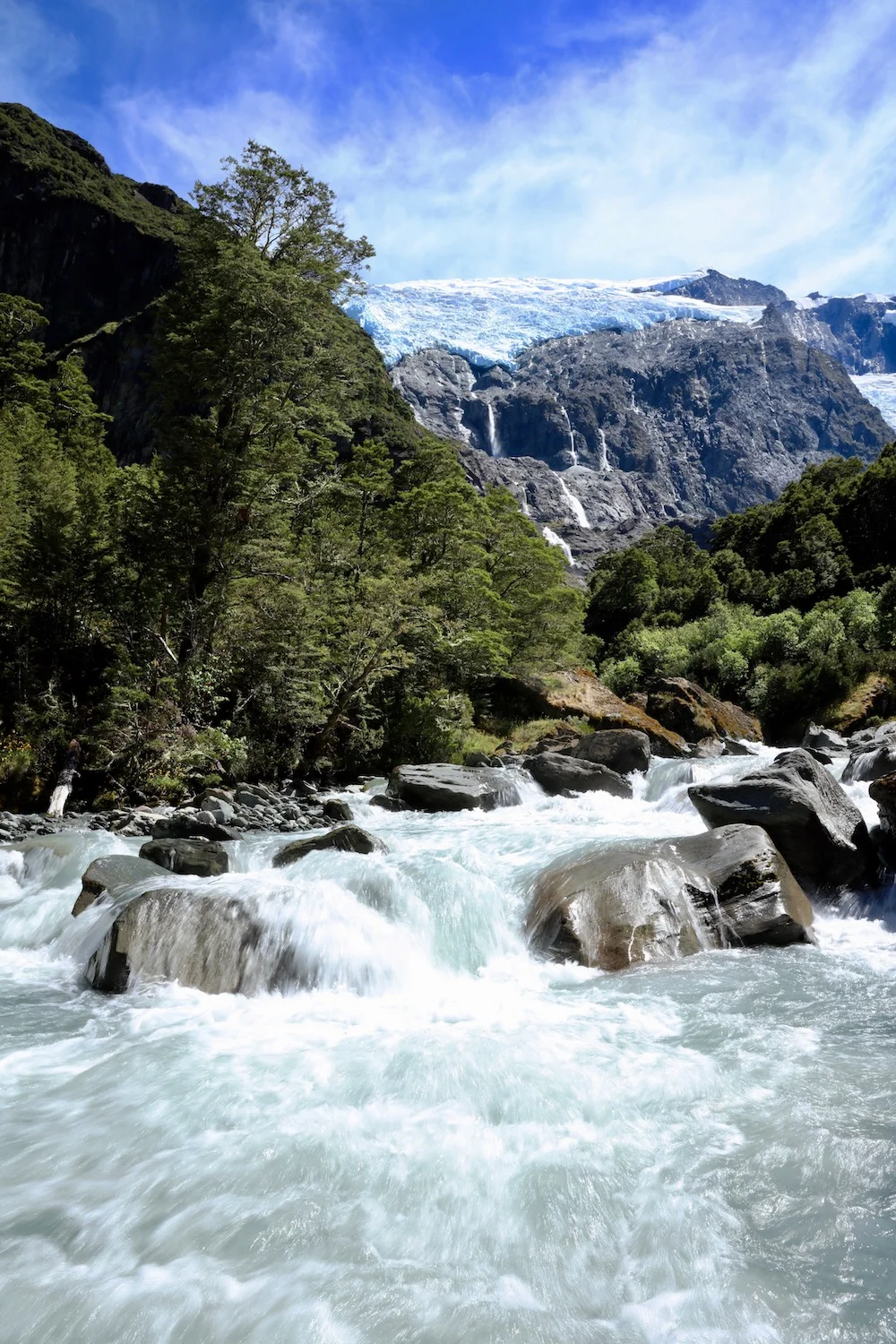
Of course there’s one activity that tops the lot and costs nothing, and that’s sitting by Wanaka’s lakeside as the sun slips below the mountain tops and the water changes chameleon-like from orange to pink then purple to eventually black as the day’s heat softens. Ducks share the shoreline with people frolicking in the shallows and picnickers chat as they enjoy delights such as fish and chips from Eric’s or pizza from Francesca’s food trucks. Not a mobile phone in sight, laughter floats across the ripples and the spectacle is better than any screensaver, its simple beauty ensuring an overwhelming sense of contentment. Whether whiling away a week or moseying a month, Wanaka is a delight for all.


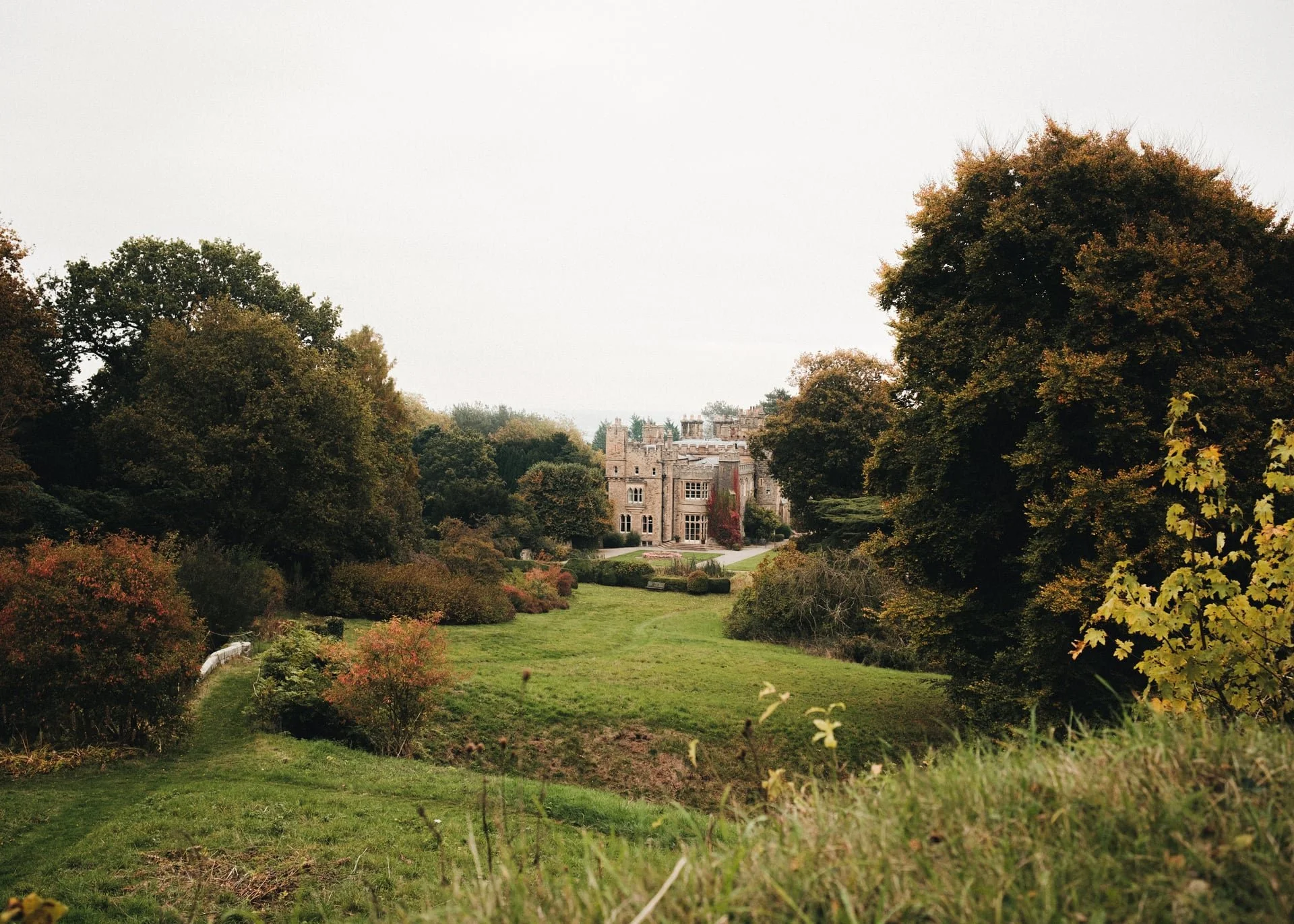
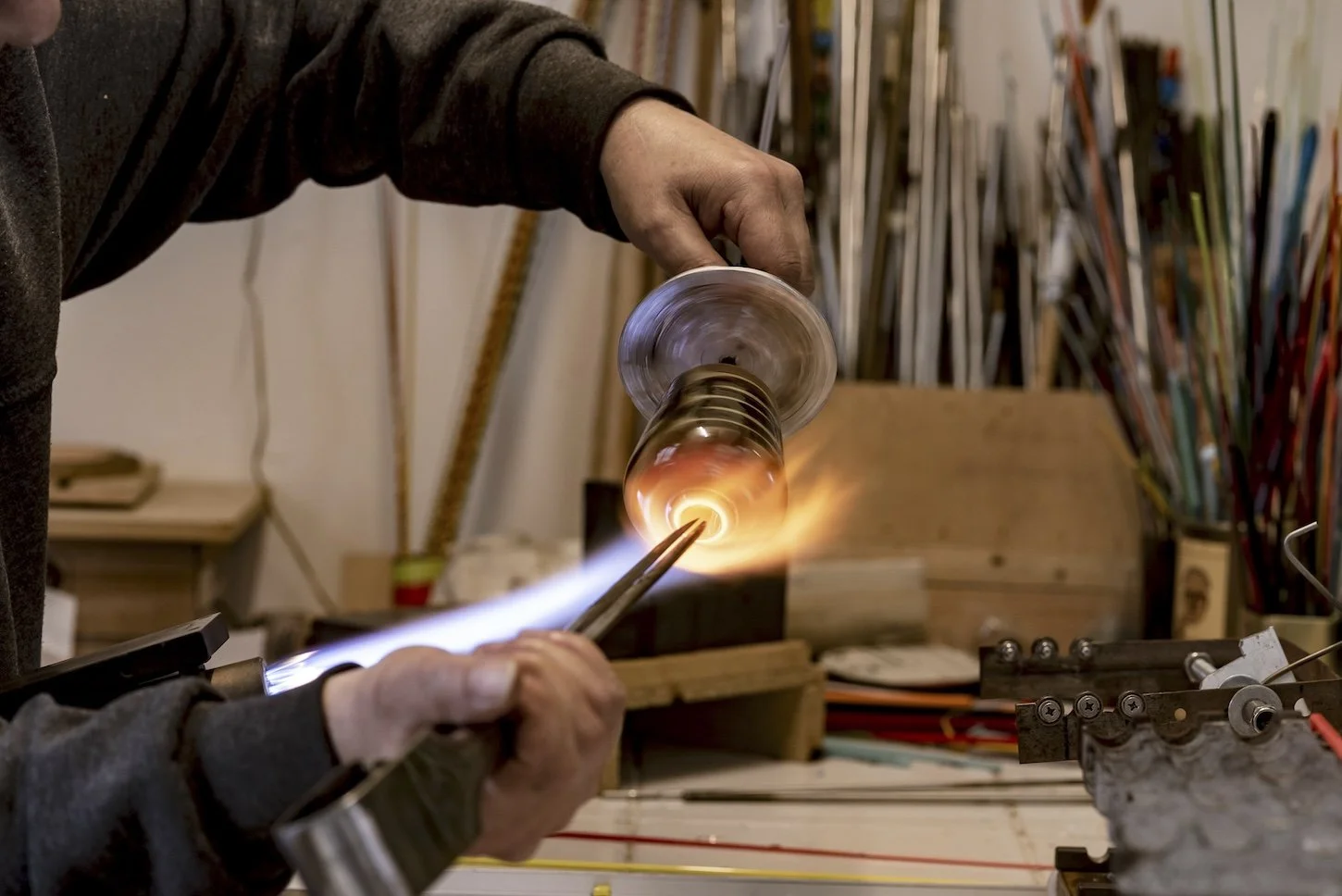
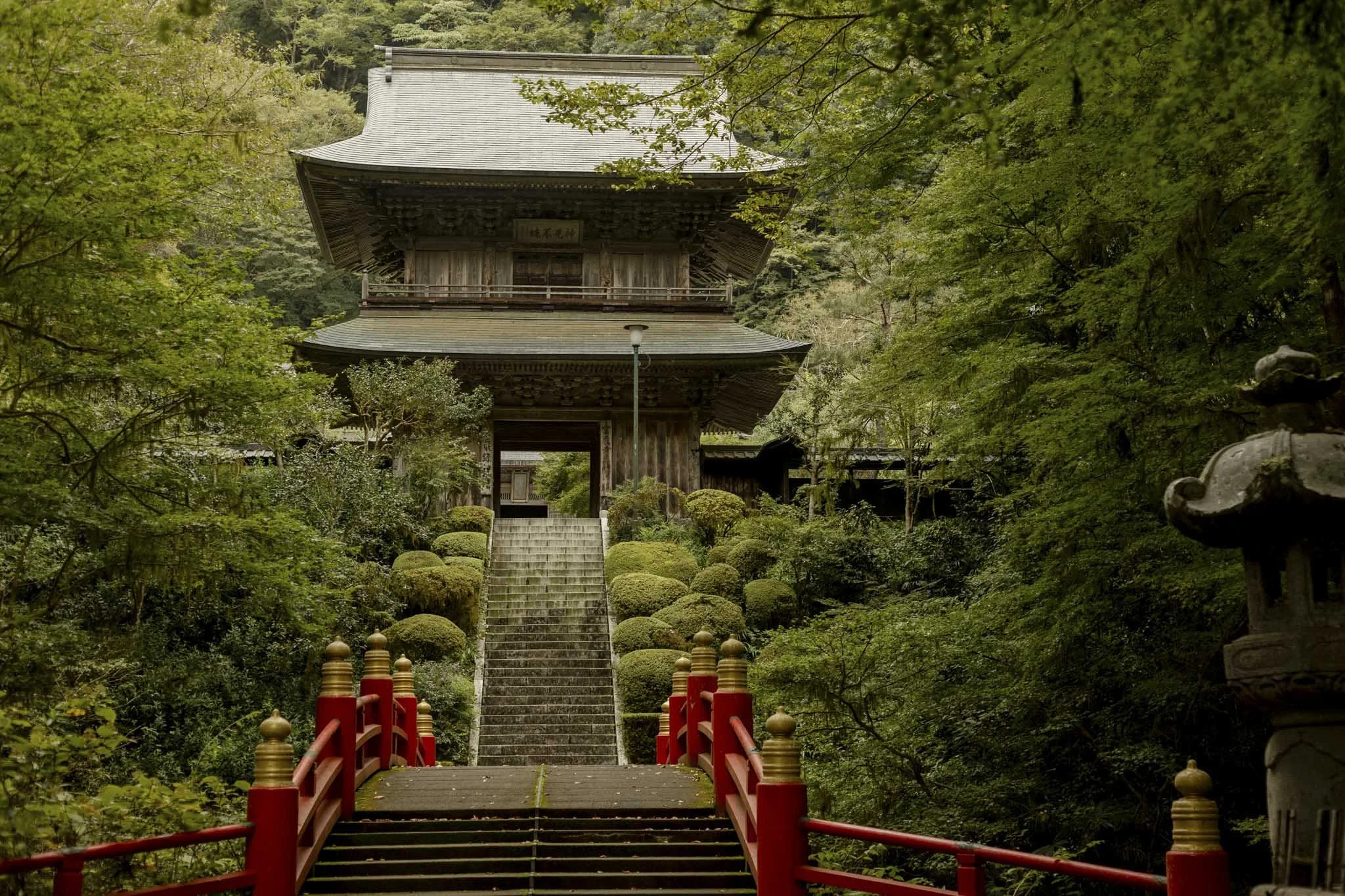


A walking holiday along the Catalan Coast.