

Colleen Southwell
An extract from the book Pearls - conversations with 41 brilliant Australian women.
An extract from Angela Schaffer’s new book - Pearls - Wisdom and inspiration from women who are quietly changing the world.
A short drive from Orange, along eucalyptus-lined roads, Colleen Southwell’s magnificent garden sits in harmony with the rolling hills of the Central Tablelands. It is beautiful, calm and has stories to tell - much like Colleen herself - and as we wandered through her creation drinking in the heady aromas and flashes of colour, I noticed my mood changing as she pointed out details that even an avid garden-lover like me had missed. Besotted and absorbed, I started seeing nature as she does and the wider world vanished.
Colleen practises ‘slow gardening’ - mindful engagement with all she cultivates. And the rewards are plentiful. Countless creatures have made this floral oasis their home, there’s time to pause and think, and you’re reminded to appreciate the wonders right in front of you. It’s no surprise this garden provides boundless inspiration for Colleen’s art.
Replicating the beauty found in a garden, Colleen meticulously hand-crafts a myriad of delicate paper shapes, which together form an almost ethereal, monochromatic representation of the treasures that can be found in the natural world - as long as we take the time to look for them. Her art is joyful and mesmerising, and as we sat in the kitchen a little later, happily chatting over her just-baked rhubarb tart, I was drawn to a piece awaiting shipment to New York. Mounted with entomology pins, thousands of finely drawn, painted, cut and embossed pieces of paper had become leaves, roots, spiderwebs, nests and blooms; a whole world in a frame. The more I looked, the more I saw - and that’s a maxim for life if ever there was one.

Do you have an early garden memory?
I remember my grandmother’s garden at Dee Why which was so incredibly overgrown, almost like a jungle. The soil was sandy and there was no lawn, but it felt like there were dozens of trees and lots of canopy with nooks and crannies everywhere. I remember playing there with my cousins, and even though it was by no means a pristine garden, it was a magical one. One of those gardens where you imagined creatures living in the undergrowth.
I’ve also always adored Markdale at Crookwell, an Edna Walling garden. She was one of Australia’s most influential garden designers, and I love her garden designs because there’s such a sense of story in them - they evolve over time, almost as if she could see into the future. I connect with so many gardens of rural women though. It’s so inspiring the way they build homes and create gardens often against all odds - whether it’s drought, a general lack of water or difficult environmental circumstances.
A creative thread runs through both sides of your family. Can you tell me about that?
My grandparents on all sides were artists, so creativity was always seen as something valid, not just a pastime. On one side, my grandmother was a milliner and my grandfather made violins, and my other grandfather made steam engines and my grandmother was a painter. Mum is one of four girls who are all incredibly talented craftspeople, whether it was cake-decorating, painting or embroidery. Growing up, Mum made everything from the cushions on the chairs to our clothes ,and we spent hours bottling fruit - which I hated at the time but look back on now as a great experience.
What drew you to horticulture and eventually to your art?
I was working in agribusiness community development but really missing the creative side of things. I think if you’re a creative person at heart but don’t acknowledge it at some point, it always feels like something is missing, so I was drawn to horticulture because it blends nature and those creative elements together.
I started making my art about three-and-a-half years ago. I’d been feeling disconnected from landscape design because I sensed that for a lot of people the garden was more about being a showpiece than the process. But to me a garden isn’t a product - it’s a constantly evolving thing - and if you see it that way, you gain the most pleasure doing it. So I pulled back from garden design. It’s amazing how stepping away from something means other doors open, because that’s when I committed to that first exhibition at The Corner Store Gallery. I didn’t have anything completed - just a tiny, scrappy thing I showed Made [Young - the gallery’s founder and director] who said, “Yeah, there could be something in this.” The panic set in when I realised I needed pieces good enough to show.
Your first exhibition sold out before it even opened. How did that feel?
Oh, I had crazy imposter syndrome. I still have this person sitting on my shoulder saying, It’s all going to fall apart at some point and I hate that. It’s awful. But it’s been anamazing path, and it may sound airy-fairy, but I think it was meant to happen. I was approaching 50 but knew there was something else I should be doing, so was always searching and hoping for that bolt of lightning saying, This is what you’re supposed to do.
Everything came about by doing nothing really. I think life had been crowded with ‘stuff’ - things that you should be doing and should be achieving; this elusive idea of seeking perfection. But that lightbulb moment when I realised that the quest for perfection isn’t what brings you contentment came from being quiet and engaging on a personal level with things happening in the garden. It probably sounds clichéd, but seeing little things like a blue wren nest and buds emerge after along, cold winter is where contentment lies. It’s finding perfection in the everyday.
I want my art to encourage people to pause and look closely. With so many artworks you’re meant to step back to admire them, but to move in and notice those details is what I want. I’ve had people in exhibitions comment about the detail in something and then say, “I really must pay attention to that when I see it in the garden.” And that’s great, because it brings people back to seeing the perfection that’s right under their nose.

Is your technique changing?
It evolves with the seasons. I’m getting more and more detailed as time goes on and I’m discovering different materials, although it’s still paper-based because I love the way paper reflects the fragility of the subject. And there’s no colour in my work, which was always my intention - I think because I want people to see the structures and patterns first.
What makes gardening in Australia unique?
For a long time we were stuck in our British roots. I have elements of it, because my extended family history is British and that’s part of who I am, but I think we’re becoming wiser about plant choices and creating gardens that sit more gently in the landscape. Because we have a fragile landscape. We’re hilltop here and parts of the yard have good topsoil but otherwise it’s fairly shallow, so rather than levelling it all, we’ve built the garden on top of the hillside and planted in a way that complements the landscape.
I can lose an entire day when I garden - and can’t tell you what I’ve achieved - but come in feeling fantastic. Do you think gardening has benefits for us all?
The psychological and emotional benefits of gardening are enormous because I think there’s something about hands in soil, feet on ground. I’ve always battled with periods which weren’t really depressive, but a bit like that, which I think goes hand-in-hand with creativity. But gardening has been so emotionally grounding. It puts you in the present and teaches you that we’re not the be-all-and-end-all but part of a far bigger picture. That connection to something other than us is so important.
A lot of people don’t have that opportunity for connection though. I think that’s probably the root of many issues at the moment because so many gardens are disappearing with urban growth, even here in Orange. There’s no space for trees to climb or veggie patches, and I think we need to address that in some way.
I remember my other grandparents’ back garden, which was that classic Australian garden of a clothesline, choko vines on the fence and a lemon tree - it wasn’t glossy, but it was practical. Backyards fed us, and there was that definite link between that little plot of land and the person. Maybe we don’t need the rotary clothesline right outside the back door, but I feel we’ve shunned a lot of that practical connection at great expense.
Has making art changed the way you interact with the landscape?
Definitely. Because I take such slow, meticulous care making the artworks, so I’m more in tune to all the tiny details than I ever was before. I find it really interesting that to make the art, I’m doing what I want people to do: appreciate interesting shapes, unique patterns and even the margins of the leaves. I don’t ever try to replicate something, and many of the plants in my works are imaginary. It’s simply everything I see put together.
How important are regional galleries like The Corner Store Gallery?
Absolutely crucial, and we’re so lucky having a gallery like that here. There’s such a community around it and Madi initiates so many events that bring artists and makers together to sell their work. It’s really confronting putting your work out there - a bit like being a performing artist and standing in front of an audience and having no idea how they’ll react. So exhibiting in an environment like The Corner Store Gallery, which is safe, local and supportive, is fantastic.

AND ON A SIDE NOTE
What qualities do you look for in a friend?
I think people who care and are able to see things outside of themselves. I connect with people when there’s a warmth there, although I worry that people don’t see that in me because I’m quite shy and shyness can be seen as coldness - but it’s not. I also look for generosity and tend to lean towards people with a gentle character because sometimes I get overwhelmed by people who bowl through life. They’re fun, and I admire the way they operate, but I suppose I don’t understand them because it’s not the way I operate.
What would you tell your younger self?
So many things - I feel quite emotional thinking about this because I had a very loving childhood but like everyone has, there were challenges at times. But I’d say, “You are enough.” I’d tell her to have some faith in herself, because that’s always been the battle, and jump in and have a go - not be so afraid of what the outcome might be. And to try and see herself through the eyes of people who know and care about her, which is the conversation I’ve been having with my boys recently. They’re considerate and compassionate and I tell them: “You need to trust my judgement that you’re all you need to be, because I know you better than anyone.”
I think we all believe that it would be lovely to change some of the things we’ve done in the past. But it’s important to realise that everyone makes mistakes, so maybe we should embrace the decisions we’ve made because ultimately, they’re what sculpt you. And we also need to let go of the things that we have no control over - like knowing that you’re never going to please everybody - because we’re all different.
What would your younger self think of what you’re doing now?
I think she’d be pleased and would say, “Of course!” because when you’re younger you don’t tend to question what you’ll do - like be an astronaut - because you just accept that’s the way it will be. So she’d be happy I’m doing something I should be doing, although she might say, “It’s about time.” I wish I’d started ten years earlier, but then again, the time wasn’t right and doors tend to open when it is. You have to appreciate what’s happening in the here and now.
Who would you love to spend some time gardening with?
Definitely Edna Walling. But for me it’s really not about famous people - it’s more those everyday people who are quietly doing things in the background and making something out of their lot.
Colleen’s interview - along with conversations with 40 other brilliant Australian women - appears in Pearls, a book you can pre-order (in Australia only for now) here.
Photographs by Angela Schaffer and Em Wollen.


Weekends Away - East Sussex
An English weekend away - an extract from the London Guide.
An extract from the London Guide - words by Liz Schaffer & photographs by Daisy Wingate-Saul
Synonymous with chalky cliffs, sparkling wine and Glyndebourne opera festival, East Sussex is where I head when keen to get back to nature in style. And my base of choice is The Star in dinky Alfriston, a boutique bolthole found within a 15th-century, Grade II listed building that’s been lovingly revamped by Olga and Alex Polizzi. If you fancy meeting this iconic mother-daughter duo, book in for one of The Star’s regular Ramblers Retreats; weekend getaways where you hike over hills with Alex and toast your efforts with wine, cocktails and canapés.

The hotel itself is a stunning mix of old (oak beams, stone floors and antiques) and new (Italian hues, English wallpapers and cloud-like beds), and celebrates Sussex with every detail. There’s an extensive book collection in the library, curated by the team at Alfriston cult bookstore Much Ado Books, and original works from Vanessa Bell and Duncan Grant, founding members of the Bloomsbury Group. Add contemporary artworks, a walled garden and courtyard, a restaurant thatfuses Sussex and Mediterranean flavours, and a traditional pub dating back to 1435, and you’ve got a singular setting – a hotel that is part retreat, part village meeting place.

This entire region is a walker’s paradise, and numerous routes start and end at The Star – like the one to the 600-acre Rathfinny Estate, a winery adored for its deliciously dry sparkling (the chalky soil here is near-identical to Champagne’s), award-winning restaurant, and alfresco wine bar with views over the South Downs. Set off in the opposite direction and you’ll reach Berwick Church, a serene space decorated by Grant, Bell and her son Quentin: think evocative frescoes depicting those lost to the Great War, a tapestry- draped altar and odes to the Sussex seasons.
Berwick Church sits along the 12-mile-long Cuckmere Pilgrim Path, which takes in the area’s seven ancient churches. But if you’re making an artistic pilgrimage, walk on instead to Charleston, Grant and Bell’s home and studio. The couple rented this property in 1916 when they came to Sussex to work as farmers (one of the few professions open to conscientious objectors), and Charleston quickly became a gathering place for the writers, artists and thinkers of the Bloomsbury Group. And it continues to inspire. Every single surface has been painted, objets d’art abound and you’ll likely spot fellow visitors reading and sketching in the thriving garden.


Farleys House and Gallery is another space that will make you want to live a more creative, collaborative life. This traditional farmhouse was home to war photographer Lee Miller and her husband, surrealist artist Roland Penrose, and its interiors remain largely untouched. Stepping into Lee’s kitchen you’re greeted by her original jars of herbs and spices, and a painting gifted from Picasso, who was just one of the many 20th- century visionaries the couple counted as friends. I was particularly taken with the dining room’s fireplace, which is adorned with an abstract depiction of The Long Man of Wilmington – a 72-metre high Pagan chalk figure etched into a neighbouring hill.
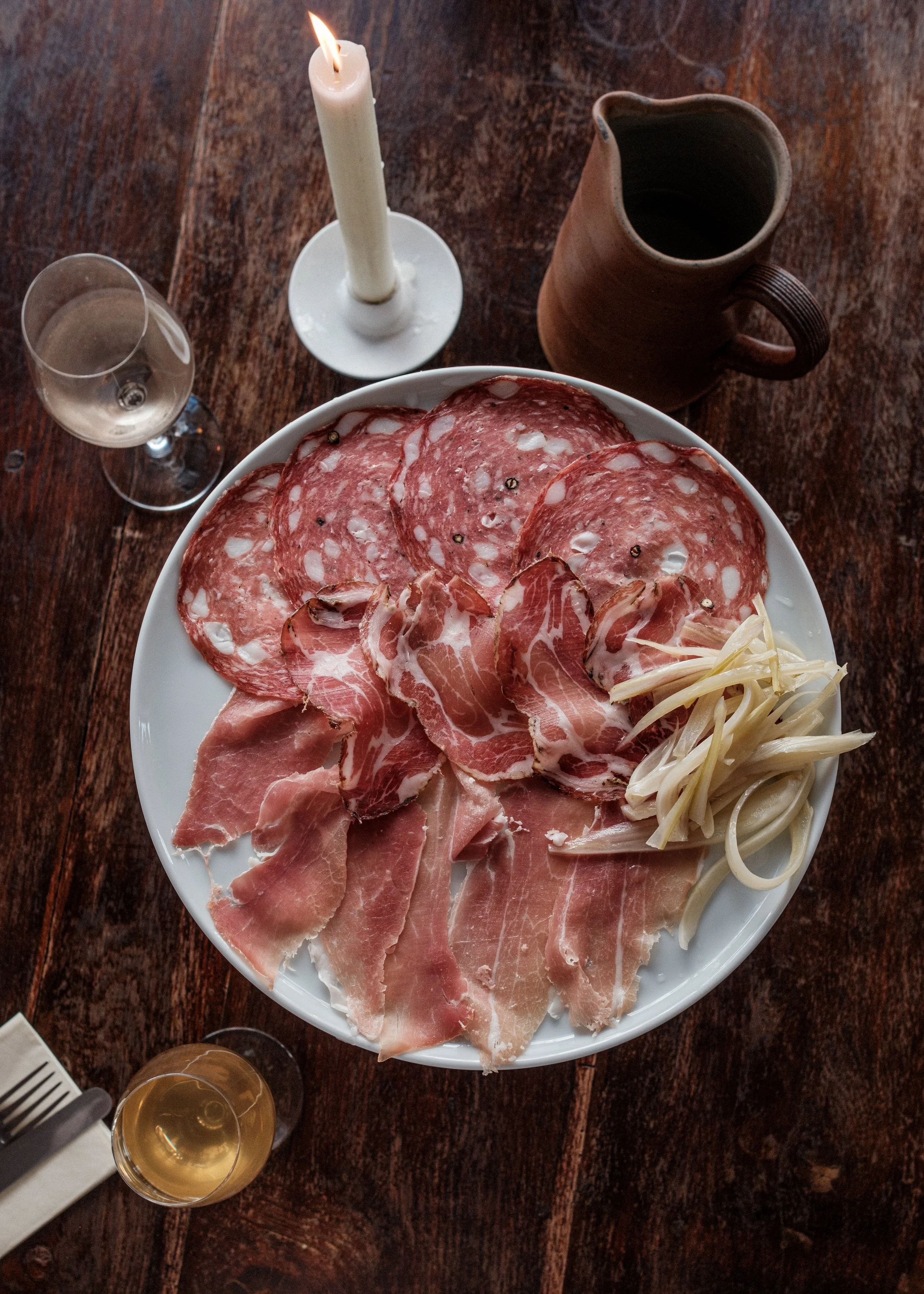

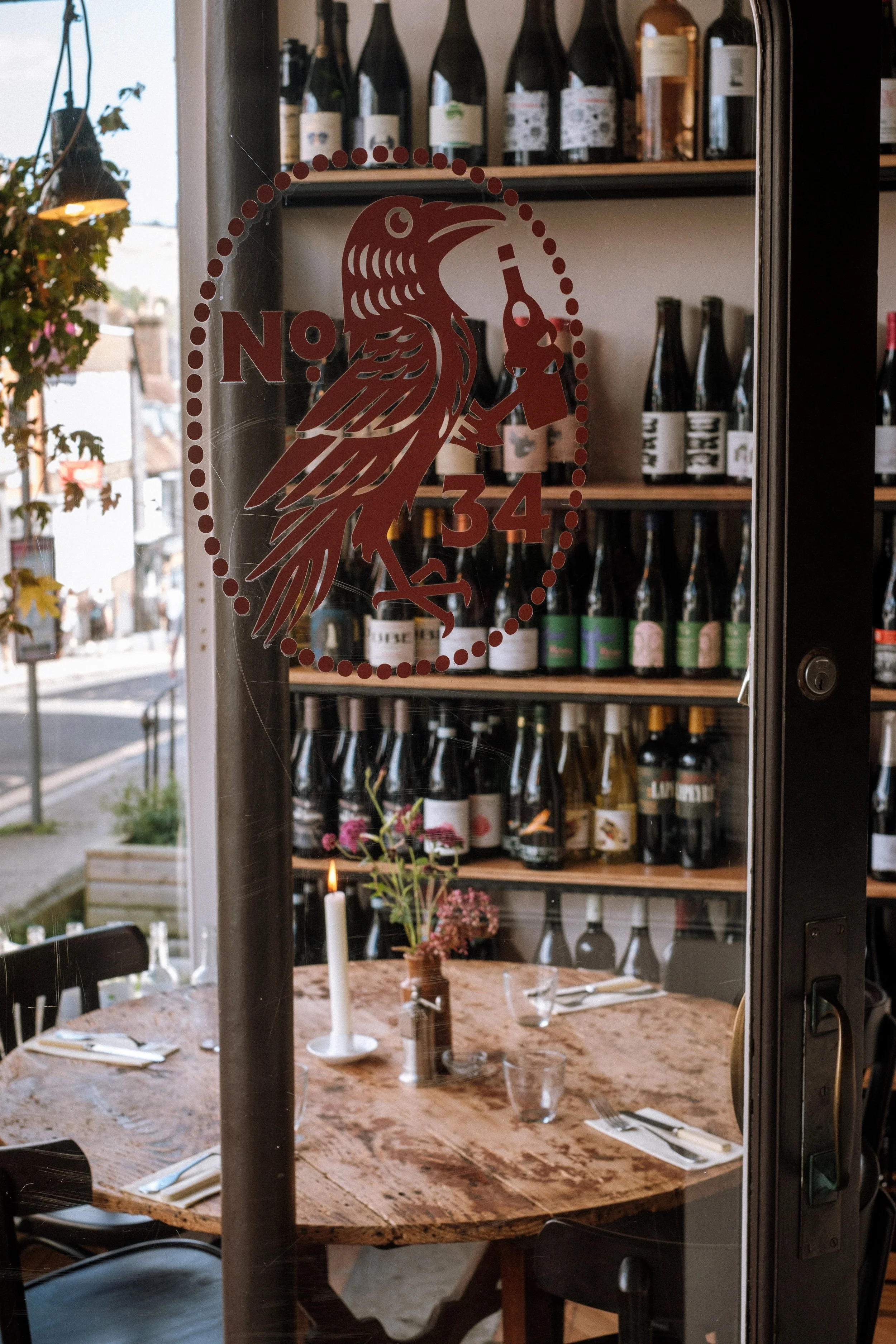
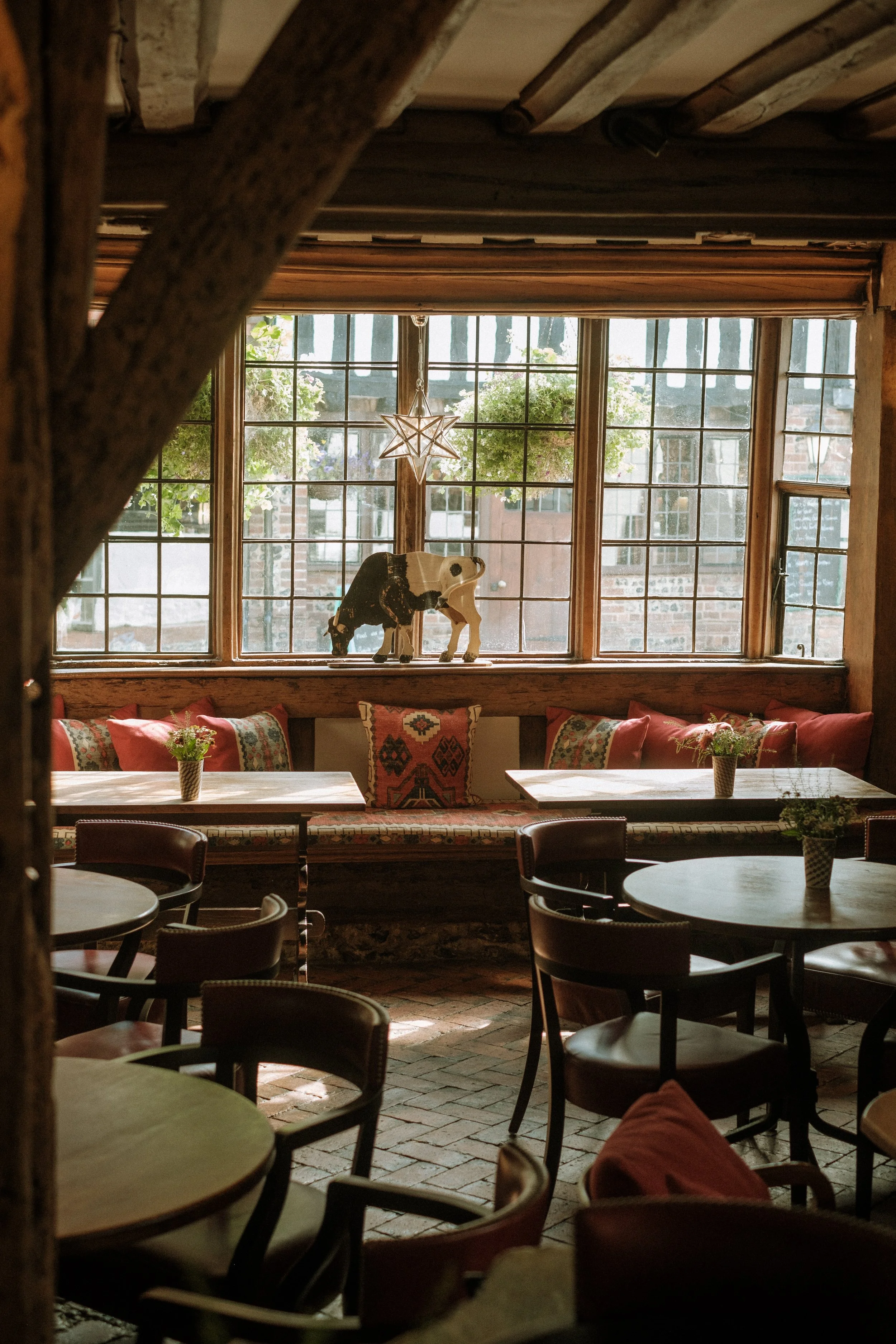
Farewelling destinations as divine as East Sussex can be hard, so I recommend departing with a bang from Lewes, a gallery-packed market town famed for its annual bonfire night. Here you’ll find No. 34, a restaurant and wine bar that more than justifies a day trip from London. The interiors call to mind a French bistro (the open kitchen takes centre stage and ceramic jugs line the walls), dishes are made to be shared, and the wine is so delicious that you’ll inevitably leave with a bottle – something scrumptious to tide you over until the next weekend away.
For other brilliant ‘weekend away’ ideas (and for some fab things to do in the English capital) check out our London Guide.



Wild Kefalonia
For those in need of a Greek island.
Words by Diana Pappas Photographs by Diana Pappas & Tom Bland
An extract from the Greece magazine
Eyes closed, my senses are already happily overwhelmed. The air smells like honey, perfumed by wild fennel, Greek mountain sage and the yellow flowers of Spanish broom. The chattering of barn swallows is an almost constant refrain and, every so often, you hear the gentle chime of bells worn by a herd of goats in the distance. Eyes open, and the beauty of Kefalonia is almost too much to bear. The whole place invites exploration - overgrown paths to secret beaches, dirt roads over the mountains, past ancient olive groves and Venetian ruins. We are here for an adventure and, fittingly, this is Odysseus territory.

In 1922, my grandmother and her mother came to Kefalonia on a very different kind of adventure, as Greek refugees from Turkey. How long they were here, or where on the island they were housed, and many other details are lost to history. Although she was caught up in post-WWI geo-political upheaval and forced migration, my grandmother remembered Kefalonia as a beautiful place with delicious fruit, and it is this handed-down memory that has brought us to the island nearly a century later.
To see what my grandmother might have seen in present day Kefalonia, we seek out the wild places, those glorious spaces where things mightn’t have changed with the passage of so much time. We have to look beyond the resorts, full-service beaches and sunburnt tourists, and well beyond the luxurious yachting destination of Fiskardo. The mountainous topography and dramatic coastline, the thousands of wildflowers and the blinding sunlight, those would be as they once were. With a rental car and a map, we seek out wild Kefalonia.

Immediately we are in awe of the Ionian Sea, with its astonishing gradations of blue, from navy to cobalt to turquoise to cerulean - no beach looks the same. Some beaches are sandy, others rocky, some you can drive down to, but the most peaceful coves are the most remote, only accessible on foot or by boat. We swim into a coastal cave and shelter in its cooling shade, and when we get too cold we swim out into the brilliant sunshine. The crystal-clear water seems especially salty and we float in surrender to this Greek paradise.
At higher elevations, we discover ruined villages, abandoned and left to nature and goats after a catastrophic earthquake in 1953. We wander amidst the overgrown mulberry and fig trees and see the remnants of the colourful stucco and ornate iron balustrades of the Venetian architecture that was once ubiquitous on the island, now gradually returning to wilderness.
At even higher elevations we wind our way up through switchback after switchback, watching the composition of wildflowers and vegetation transform as we climb. Mount Ainos towers over the island and we park as near as we can to its mile-high summit. We spot rare Kefalonian violets and hike through a forest of equally rare Kefalonian fir trees. The intermittent cloud cover occasionally gives way to staggering views of the island and sea below, an almost vertiginous sight.

At a certain point, our reason for coming here, my grandmother’s memory from 1922, fades into the background. Yes, Kefalonia is a beautiful place - and the fruit is indeed delicious - but I found Kefalonia to also be full of kind, generous people, eager to offer a handful of apricots from their tree or a bag of fresh-picked lemons or a slice of walnut cake. If you’re lucky, a local will tell you where to get the best grilled fish (that’s Lithero Fish Taverna, in case you are curious). Here you can spend your days driving all over the island, letting curiosity lead the way. Visit a beach when you need to cool down, try a strong Greek coffee or freddo cappuccino for a boost in the afternoon, wander down a lush path towards a lake and count the demoiselle damselflies flitting about by the stream, their vibrant wings as blue as the Ionian Sea. I can imagine that one day soon I will be longing for these moments, but for now I catch my calm reflection in the side mirror of the car. Just another traveller falling in love with wild Kefalonia.


Walk: Bondi to Manly
Dispatches from one of Sydney’s great (and glorious) walks.
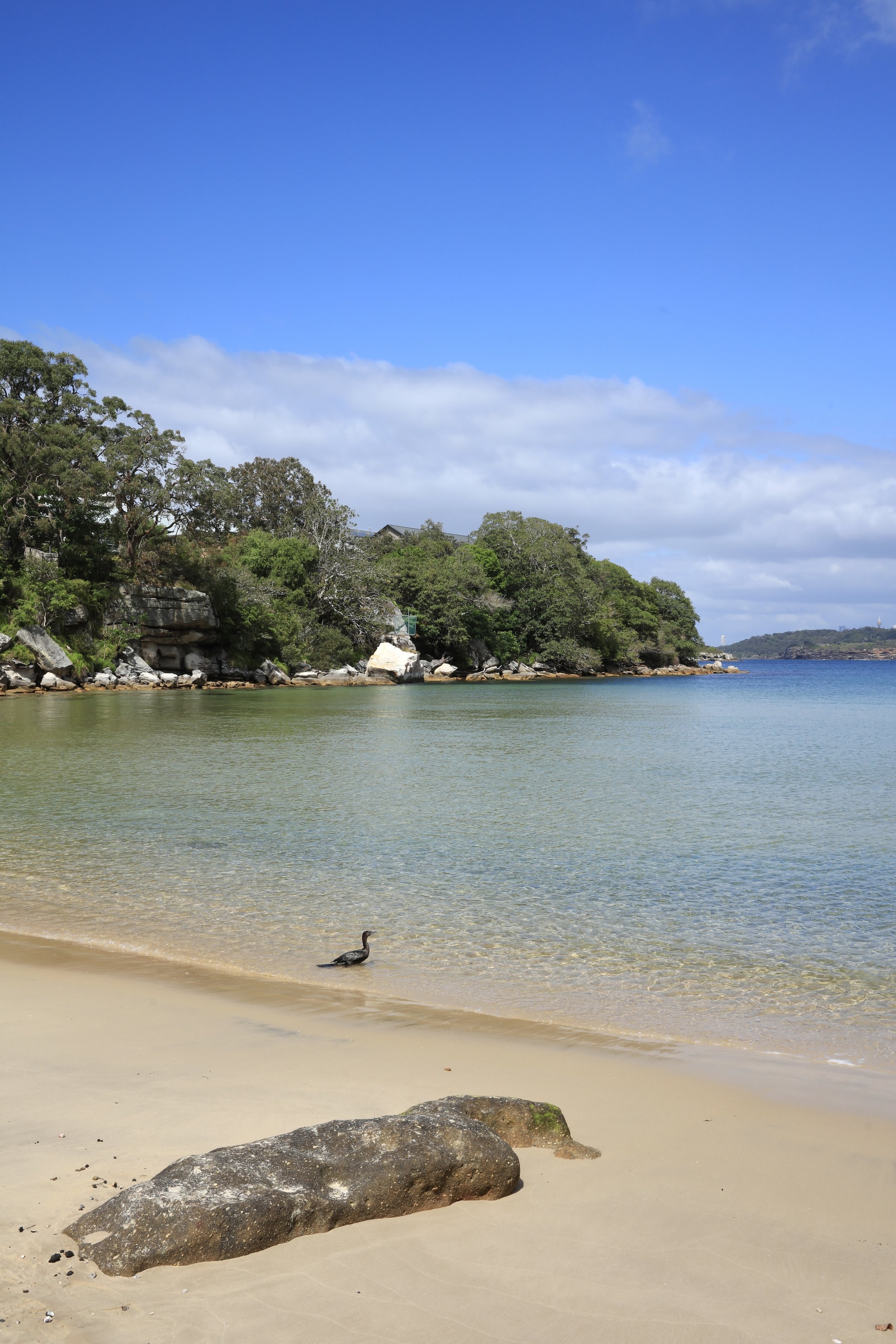
Connecting two of Sydney’s legendary beaches, the 80-odd kilometre Bondi to Manly trail is a unique way to traverse the Harbour City. Brave the entire route (over at least three days – it’s not a walk you’ll want to rush), or dip in and out, tackling shorter scenic stretches as the mood takes you.
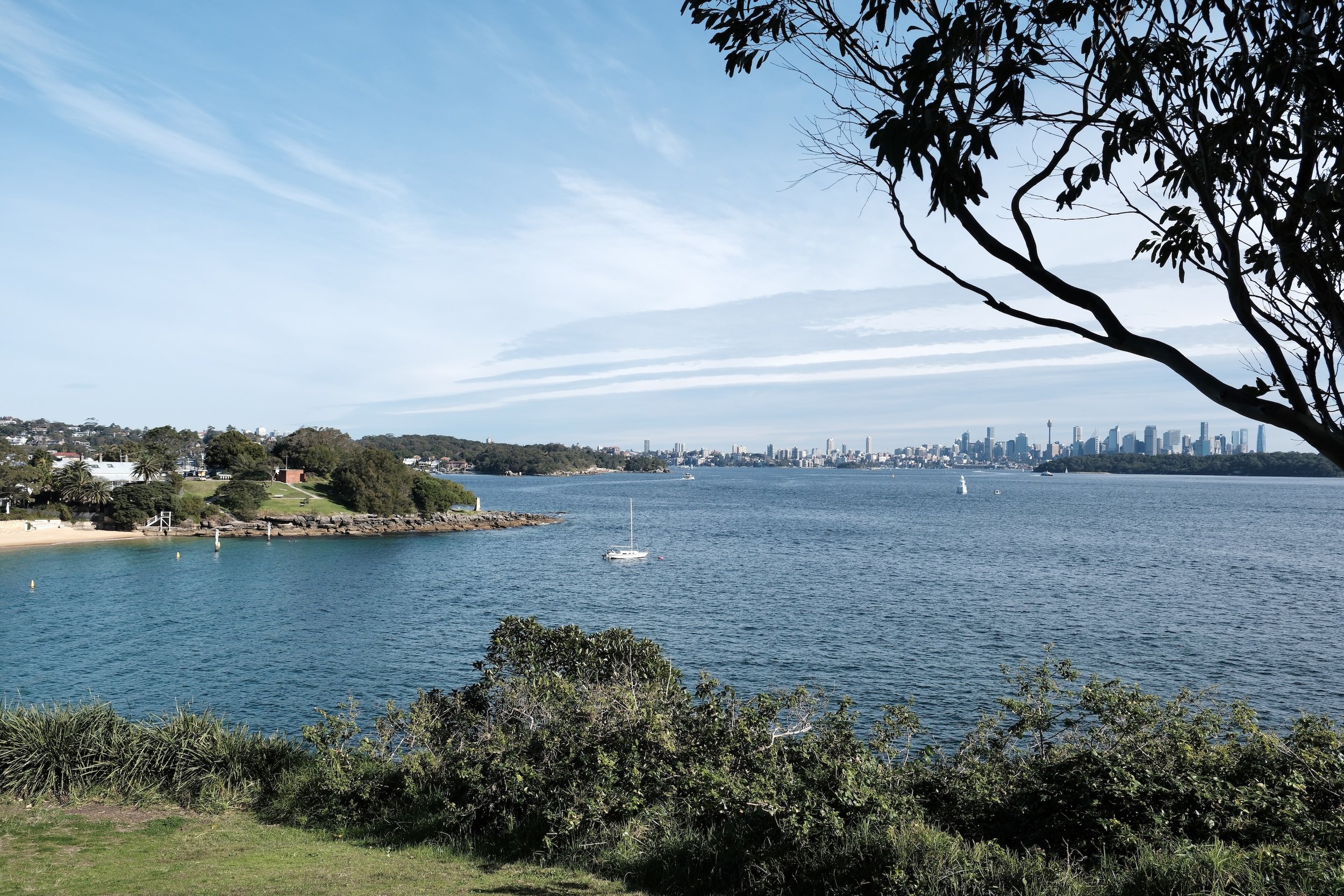
You’ll experience a host of star attractions - things like the Opera House and Royal Botanic Garden - as well as the places locals have cleverly kept to themselves. There’s Castle Rock Beach (a haven you can only reach by boat or foot); the saltwater-filled Maccallum Pool that crowns Cremorne Point (Robertson Point Light is equally picturesque); Parsley Bay and its century-old suspension bridge; Murray Rose Pool, which is at its most sublime when the jacarandas bloom; and Nutcote, the home of author and illustrator May Gibbs who created Snugglepot and Cuddlepie, a book series almost every Australian child has devoured.

For a shorter hike, set off south from Taronga Zoo, through patches of rainforest and eucalyptus, continue past the twinkling coves of Bradleys Head and Chowder Bay, pause for a well-deserved dip at Balmoral Beach (or a Greek feast at Kazzi) and end the adventure at Chinamans Beach, the subject of countless Ken Done canvases. Back towards South Head, the two-kilometre-long path from Nielsen Park to Rose Bay, known as the Hermitage Foreshore Walk, serves up remarkable harbour views (at their zenith at Milk Beach). And then there’s the cliff-hugging North Head Sanctuary, a space that feels world’s away from the madding crowd, despite only being a relaxed ramble from Manly. You can get a little creative here (there are numerous walking trails to choose from), but time your hike right and you’ll stroll through carpets of native flannel flowers and catch migrating humpback whales. If you’re feeling ambitious though, few experiences compare to the full journey – a unique way to feel wild and free in the heart of the city.



Hotel Review: Parkhotel Mondschein
The perfect Bolzano bolthole.
Words & Photographs by Chiara Dalla Rosa
Nestled among the majestic peaks of the Dolomites, Bolzano is a tranquil yet bustling city. The capital of Italy’s South Tyrol province has a charming allure, with its historic buildings and streets reflecting a rich tapestry of cultural influences. The city appears to embody many different souls: the noble flair of the old town, the orderly district around Piazza Vittoria, the ‘skyscrapers’ in the new town, and the rural surroundings enveloping the urban areas. Each facet contributes to Bolzano’s unique character and captivating spirit.


In the heart of the dreamy Alpine capital, the historic Parkhotel Mondschein invites guests to slow down and unwind. From the moment I stepped inside, I felt transported to the timeless elegance of the 1960s. The cinematic atmosphere made me feel as if I had been unknowingly cast in a film reminiscent of La Dolce Vita, with the tunes spun by a local DJ floating further deepening that belief. Guided by the mid-century clean lines and the muted, natural tones, I began exploring this design gem, captivated by every small detail: the original herringbone parquet and plush upholstered beds, the walnut furnishing and terrazzo floors, along with the subtle art pieces, crafted specifically for the hotel by its resident artists.

Initially established as Bolzano’s first Gasthaus in 1320, Parkhotel Mondscheinn (translating to ‘Moonlight) was reopened in 2022 by brothers Klaus and Moritz Dissertori. Thanks to their collaboration with Merano-based interior architects at Studio Biquadra, the establishment was infused with a fresh and modern vision while honouring its storied past. The hotel was sensitively reimagined, preserving many of its original features, while seamlessly integrating contemporary accessories. This distinctive property not only attracts design enthusiasts but also offers an array of wellness amenities, including an in-house yoga studio, a fully equipped gym, a serene pool, and a wooden sauna, providing abundant opportunities for relaxation and mindfulness. “We wanted to create a place where people could come to rest and take time out,” explains hotelier Moritz Dissertori.


As I peek out from beneath my blankets after a night sipping Negronis at Luna Bar and indulging in Bolzano's vibrant foodie scene, I can't help but admire the breathtaking mountainous landscape through the window. I savour breakfast in the leafy park that shields the hotel, delighting in scrambled eggs and granola topped with fresh fruits, the required fuel for a day of outdoor adventures. I pack my camera and some snacks before heading to the mountains for a leisurely yet invigorating hike. Despite being just a couple of hours from my Italian hometown, I realise that these peaks are still unclaimed territory for me, waiting to be explored and embraced. I promise myself I will return soon to walk these trails and uncover hidden corners.

Located in the centre of the city and at the gateway to stunning mountain summits, Parkhotel Mondschein offered me a few days of relaxation in its urban oasis, making it hard to imagine ever wanting to leave. You can spend your time enjoying the idyllic surroundings, exploring the nearby attractions, or simply unwinding in the hotel’s comfortable facilities. Whether that means lounging by the pool, savouring delicious meals at their on-site restaurant, or embarking on scenic hikes, every moment here felt like a blissful escape.
To discover more about the hotel, or book a room, click here. Parkhotel Mondschein is a member of The Aficionados, a collection of designed-centric, boutique hotels that come with lashings of character and creativity.


Floral Magic
The chic and delicate world of jasmine - a hidden harvest in the south of France.
Words by Maggie Nugent & Photographs by Greta Rybus - an extract from our sold out France magazine.
Grasse is a quaint, provincial town straight out of Beauty and the Beast, all terracotta roofs and faded wooden shutters that swing open every morning as locals greet their neighbours. At first glance, you wouldn’t know this was the unofficial perfume capital of the world, but take a deep breath and, ah, there it is: the entire town is steeped in a beautiful, nostalgic scent that wraps you up and whisks you away.

A few miles from the city centre is Le Domaine de Manon, a jasmine and rose farm run by Carole Biancalana, a fourth generation aromatics producer whose jasmine harvest is exclusively reserved for Dior. Situated on a steep hill, it’s accessible only by winding, narrow roads that the French navigate with ease, while we tourists white-knuckle the hairpin turns at a glacial pace. With mountains on one side and the ocean on the other, Biancalana mentions the idea of terroir often when describing her jasmine. Translating literally as ‘earth’, terroir describes the unique environs needed to produce goods that can’t be found anywhere else. Some aspects are practical - soil, air, altitude - but terroir also describes the certain je ne sais quoi of a region that allows it to grow, for example, aromatic flowers so magical that perfume giants like Chanel, Dior and Hermès flock to stake their claim. It’s not just the soil. It’s the culture, the people and the way the land is worked that allow Grasse to grow jasmine so multidimensional that it produces seven tones of scent: animal, mango, almond, banana, milk, strawberry and grass. Jasmine flowers blossom every night from August to October, and which of these tones they emit depends entirely on the day.

If you pay a visit to Le Domaine de Manon on any given morning of the jasmine season you’ll find a group of women hunched over the freshly bloomed bushes, plucking the soft, delicate blossoms and placing them in small wicker baskets. The scene is resplendent - the sun low in the sky, mountains looming in the distance, a calm hush over the farm, save for the women’s gentle chatter. And the smell. Fresh, crisp, fruity and floral, the scent of the jasmine hangs in the air, in a way that makes you want to keep taking slow, deep breaths to savour the aroma. At noon, with the day’s flowers picked, the women combine their blossoms, which are whisked off to a parfumerie down the road. It is there that the scent will be extracted to make pure jasmine oil, with 2,000 baskets of blooms needed to produce one kilogram of pure oil.


Like most farmers, Carole keeps a sharp eye on the climate. In an industry so dependent on its environs, Biancalana is wary of the changes she’s seen since she was a child watching her grandmother grow jasmine. The seasons are starting earlier, leaving the crops vulnerable to frosts and ice, and extreme weather events like drought and hail are more frequent. While the farm can irrigate during droughts, it’s not the same. Their seven-tone jasmine is a result of that unique terroir, like a precise recipe dreamed up by Mother Nature herself. Without rain, the recipe is off.


Carole talks with the authority of someone who works the land. While her flowers only bloom for a few months, she’s outside tending the land year round, and she remains optimistic. Her farm has survived for generations and she hopes one day her daughter might take over the family business. In an industry dominated by men, Carole is the perfect figurehead for a prominent flower farm - beautiful, strong, intelligent and sharp - and she and those who pick for her are an integral part of that mystical terroir. Sitting beneath the rising sun, watching these women pluck pure white blossoms, their hushed laughter drifting down the rows, it’s easy to imagine that this place really does have some magical quality; one so tangible that an entire industry was created to try and capture it in a bottle.


To Lisbon and Beyond
Escape to Portugal for fab hotels, not-to-be-missed restaurants and a sense of space.
Words by Liz Schaffer & Photographs by Daisy Wingate-Saul
There are countless reasons to visit Lisbon. The pastel de nata, booming art scene, wedding-cake architecture, glimmering beaches, killer book and magazine stores (hello Under The Cover) and game-changing food scene. And if you’re ready to run away (or back) to this jewel of a city, read on for some destination hotels, not-to-be-missed restaurants and places to venture when you want to get away from it all.
First up - a luxe Lisbon base. You’ll find the history-packed Palácio Ludovice Wine Experience Hotel perched atop one of Lisbon’s seven hills between Bairro Alto and Príncipe Real. One of the few buildings to survive the Lisbon Earthquake of 1755, this bolthole began life as a private residence, and while the sunshine yellow facade and original details like stone archways, stucco ceilings and 18th-century tiles will have you thinking of a different era, the decor feels fresh and contemporary. Jewel tones and bold wallpapers are balanced by mid-century inspired furnishings, and the space proves that playfulness and elegance make for dreamy bedfellows.
Kick off an evening of refined revelry with one of the hotel’s daily wine tastings; this is a country with around 300 native grape varieties, and diverse production methods, so wine introductions are always welcome. Once you’re thoroughly acquainted with Vinho Verde (a variety that grows in the north and comes with hints of green apple and lime), float through to dinner at Federico Restaurant. Filling the hotel’s greenery-draped, enclosed courtyard, the fare fuses Portuguese and French flavours, and is expertly paired with classic tipples and custom wine cocktails. This is a venue that celebrates the importance of storytelling. Dishes are accompanied by tales about the ingredients and techniques involved, and are served by a team devoted to food and wine, elevating an already phenomenal meal.


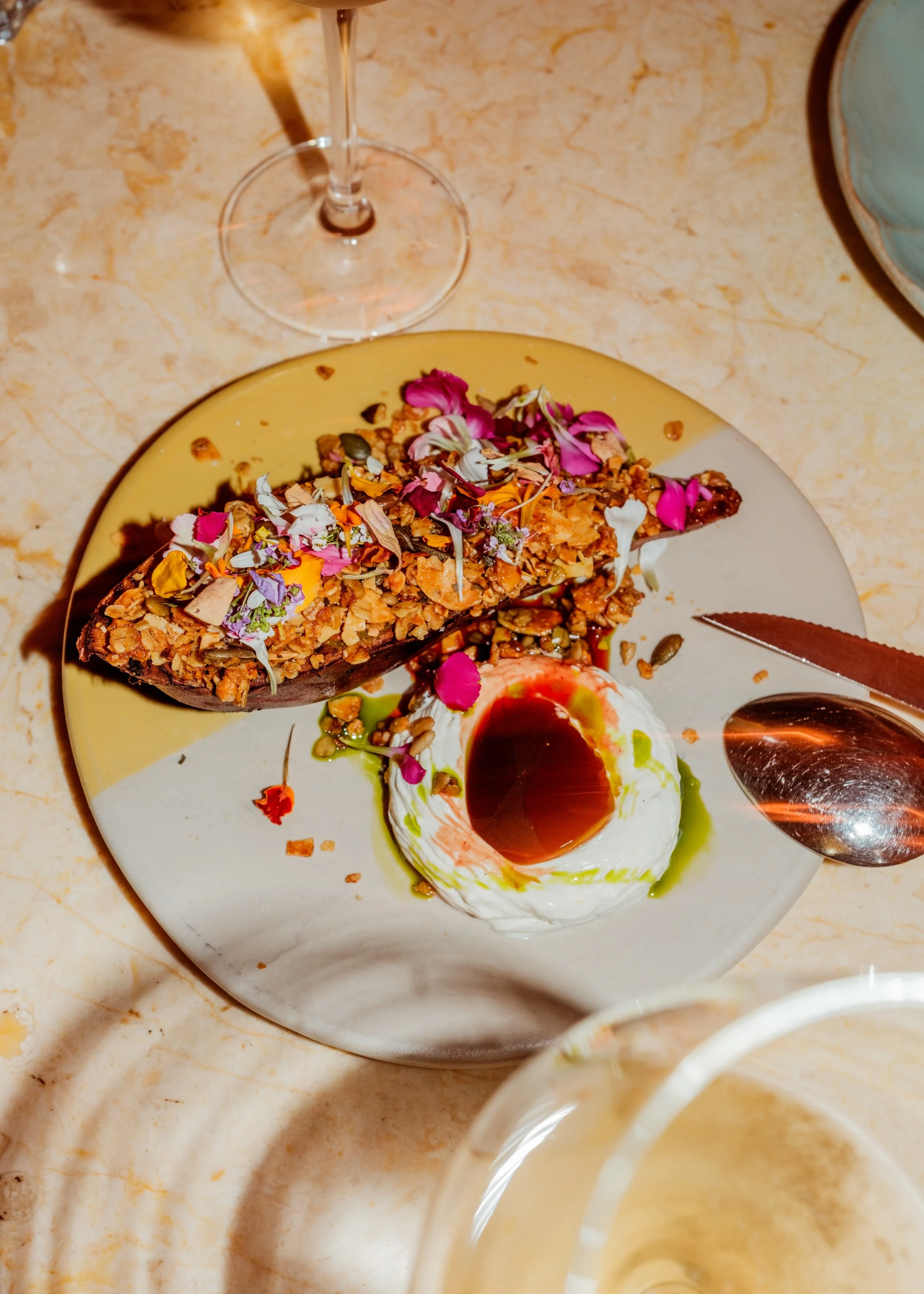
Draw out the culinary adventure by strolling to Praça das Flores, a leafy square encircled by bars and restaurants, to toast the night at Magnolia or Black Sheep. For something heartier, look to The Decadente. This restaurant - which is part of Independente Príncipe Real Hotel - is found in the former Swiss Embassy, and the original architecture provides a charming backdrop for a meal that combines superb Portuguese produce and organic, low-intervention wines with Asian flavours and flair. Equal parts unexpected and comforting, dinner here will transport you, conjuring memories not just of past meals, but of other far-flung places and experiences. The labneh, granola and rose had me thinking of Tokyo, the fried chicken with coriander and piri piri sauce comes with just the right amount of heat, while the cucumber, lime and vanilla granita (which has been on the menu since the restaurant opened) is one of the freshest confections around.


A Home For Creativity
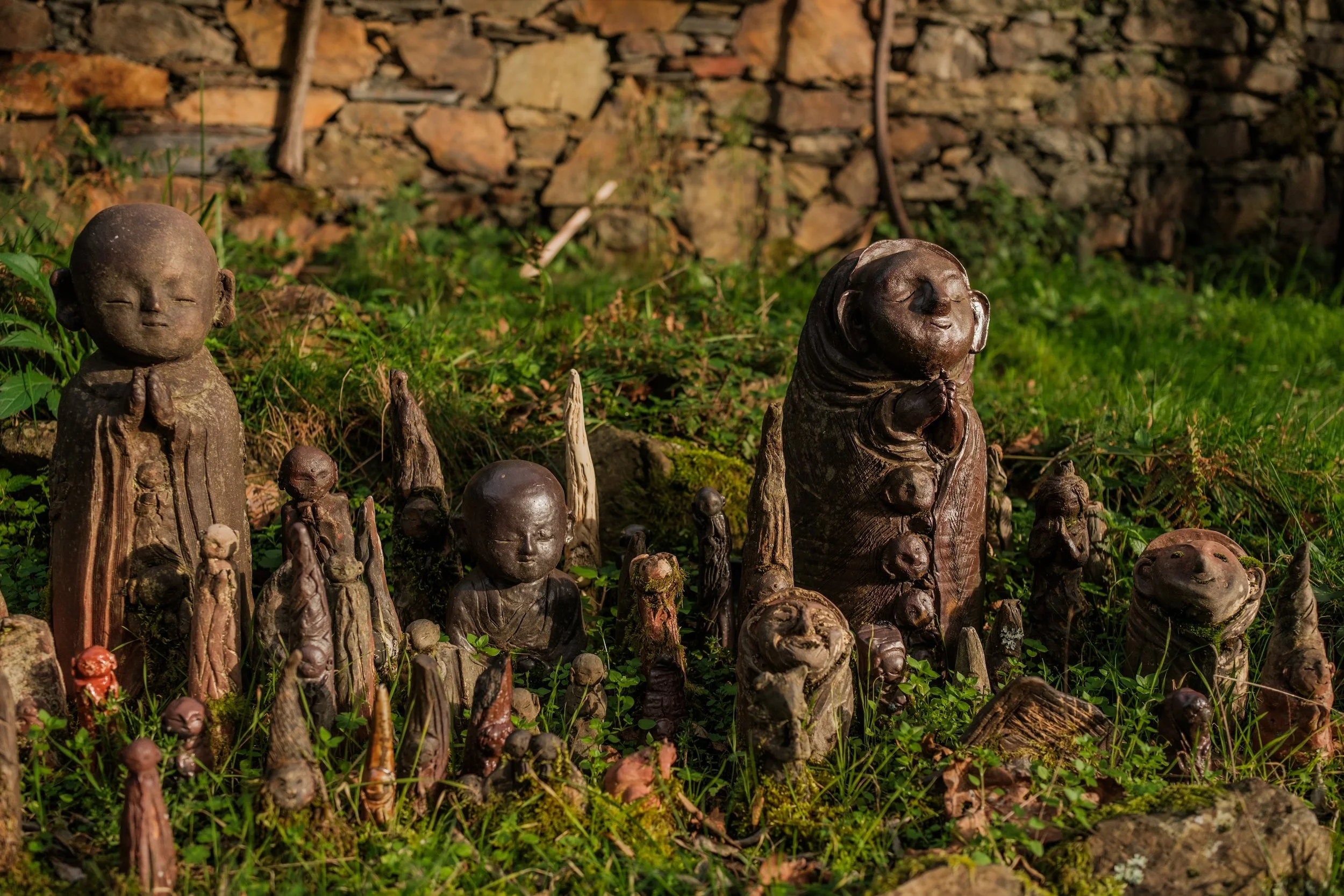
Portuguese getaways should always include a road trip - this country may be relatively small, but its landscape changes fast. If the mountains call, then drive north to Cerdeira. Abandoned for decades and restored over a ten-year period, this historic village contains ten schist houses arranged around a staggeringly steep central path and built from stone, clay and wood - the same materials used when they were first constructed centuries ago. This preservation project is helmed by artist Kerstin Thomas, who rediscovered Cerdeira by chance while hiking in 1988 and was immediately enamoured. She set up her studio (then without electricity, water or access roads), began exhibiting work from friends and fellow artists, and opened the village to the world in 2012. Day trippers are drawn to the cafe and gallery, while creatives come for the Arts and Crafts School’s workshops, retreats and residencies.
With room for just ten students, one teacher and two apprentices, these are intimate experiences, and while you can try your hand at woodworking and basketry, ceramics remains a huge part of the culture. Cerdeira is home to the Iberian Peninsula’s only Japanese-style, smokeless kiln (there are just ten in the world), which was built by master potter Masakazu Kusakabe in 2015. The aim of any class - whether it’s a single day lesson or a 10-day smokeless kiln workshop - is to gain knowledge and learn the techniques needed to carry your art forward.
Even if you’re not visiting to improve your craft, a stay in one of Cerdeira’s houses (which have all been decorated by different artists) will have you wondering if you’ve travelled to another world, one that encourages a far slower pace. Nestled in the Serra da Lousã, a network of walking trails begin at your door, and following one to Candal (another of the 12 schist villages scattered across these mountains), I passed moss-cloaked ruins, wild boar footprints and babbling rivers, and found my mind drifting to all those who had wandered these paths before me. This is a creative, restorative haven if ever there was one.


Wine, Water & Tradition
You’ll have a very different holiday at the tile-filled Hotel Casa Palmela. Built in 1640 and in the same family since 1826, this historic home turned luxury country escape comes with pathways through its vineyards and cork forest (best explored on horse or by foot), two outdoor pools, veggie patches, picnic spots aplenty, and a restaurant that specialises in elevated, hyper-seasonal, home-cooked food. And the location is sublime. Encircled by verdant peaks, the hotel sits within Parque Natural da Arrábida, a nature reserve that feels wild and remote, despite only being a 45-minute drive from Lisbon. Renowned for its Mediterranean vegetation, 36-kilometre-long mountain range and limestone formations, it was the reserve’s protected coastline that bewitched me; the water here is so pristine that a family of 28 (normally-nomadic) bottlenose dolphins have moved in full-time.


If you want to do nothing but sip wine by the pool, Casa Palmela has you covered. But if you’re keen to do everything - coasteering, hiking, e-biking over the mountains, roaming through the 16th-century, pearl-white Convent of Arrábida, indulging in a tasting and tour at José Maria da Fonseca, a winery that dates back to 1834 - they can make that happen too. Casa Palmela has partnered with Once Upon A Day, a tour company offering a range of tailor-made experiences that allow guests to dive into Arrábida.
My own guided excursion began with a tour of Setúbal's Mercado do Livramento, a historic market where fishermen once traded their catch for vegetables rather than Euros. It brims with everything from fruit stalls run by locals with small plots, to bare-bones bars where fishermen still gather at the end of their day, and stands serving freshly-shucked oysters and paper cups full of dry, sparkling wine.
And then I took to the water, sailing to a shifting sand island off Tróia for a private picnic. While the spread and space was good for the soul, the boat ride itself did wonders for my sense of history. Shaped by Moorish and Roman inhabitants over the centuries, Arrábida is dotted with reclaimed monasteries, limestone caves, communal fishing cottages, castles and villas. Human history is written onto this natural canvas, and having a guide explain its architectural subtleties changes the way you see this paradise.
I ended the day by getting creative at São Simão Arte, an azulejos (tile) workshop where the manufacturing method is almost identical to the one used in the 15th-century. After familiarising myself with the art form, I tried my hand at painting my own tile - and although my creation was nowhere near as polished as those produced by São Simão’s artisans, the process felt wonderfully meditative and I was left with a very personal keepsake.


The Farewell
My sojourn ended back in Lisbon with a stay at Mateus Hotel, where the 13 chic, contemporary and compact rooms (and the two-bedroom penthouse) are inspired by Japanese interior design and Mateus rose, a wine that tastes like summer. Breakfast and drinks are served in the ground floor bar, all light wood and terrazzo-style flooring, while events take place in the penthouse. The Stage is Always Set, for example, is a monthly gathering where live music, canapés and wine flows.


The best way to explore Lisbon is to simply wend your way along its serpentine, cobbled streets at whim. Pick a lunch spot like Miss Can, a restaurant that works wonders with Portuguese canned fish, and let yourself get lost en route, marvelling as much at everyday life as big hitters like Castelo de São Jorge and Jerónimos Monastery. This is exactly what I did on my final day: I wandered by the water in Cacilhas (famed for its gorgeous Lisbon views), found a table on the stone pier at Ponto Final to watch the light fade, and then caught a ferry back across the Tagus River for dinner at Isco Casa de Petisco, a culinary gem a two-minute walk from Mateus Hotel. Serving classic Portuguese dishes done incredibly well, this is an intimate restaurant (think stone walls and mismatched wooden chairs) that will have you feeling right at home. It was a perfect ending - flavour-packed, warm and somehow both polished and relaxed. Few restaurants, and even fewer cities, seem so effortlessly cool.


A Taste of Sri Lanka
A photographic introduction to Trebartha East Roundhouse, your dream jungle escape.
Words & Photographs by Daisy Wingate-Saul
Arriving in Colombo on New Year's Day, a monsoon’s final punch hits hard as rain pours down in sheets. My partner and I duck into a bar on Galle Face Green, the air thick with shisha smoke and house beats. The city’s chaotic energy is palpable. We order a sizzling prawn curry; ferocious Sri Lankan spices, tamarind and prawns bathed in coconut milk, cutting through the jetlag like a blade. My first real taste of Sri Lanka is fiery and beautiful.

Captivating as the capital is, I’ve travelled to this island nation for a jungle escape, so, after a few days acclimatising in Colombo, I board the train to Ahangama. As it rolls down the coast, vendors peddle fried snacks and sweet chai, and the frenetic pulse of the city fades as the vegetation thickens.


In Ahangama, the surf’s up and the party’s on, with digital nomads toned and tanned surfers lounging in beachside bars. Just a stone’s throw away, Trebartha East Roundhouse sits atop a cinnamon plantation, surrounded by jungle - its own world, yet still close to the buzz of Ahangama.
Once abandoned and overtaken by jungle, owners Patrick and Benny have restored the cinnamon plantation, creating local jobs and embracing sustainable practices. Architect Narein Perera has designed a stunning tribute to Tropical Modernism, and today the house serves as a boutique hotel and a utopia for nature lovers.

The architecture of Trebartha East blends seamlessly with nature. The property has just four rooms, each named after a native wood and encircled by mature trees. Locally sourced timber and folding glass walls invite the outdoors in, while overhead fans stir the breeze. Panoramic views surround the retreat; peacocks glide from their jungle perch at sunrise and golden light bathes the property at sunset, which is best enjoyed with a cocktail by the pool.

Mornings are slow and soothing, with traditional Sri Lankan breakfasts: warm string hoppers, fragrant curries, and chilled herbal soup to ease the remnants of a night spent sipping passionfruit cocktails in Ahangama. Whether you're surfing or lounging by the pool, it’s easy to fall into the rhythm of this peaceful retreat, where time slows and nature feels closer.
You can read more about Daisy’s Sri Lanka adventure in our upcoming ‘Islands’ issue - and learn about Trebartha East here.


Sydney: Gourmet Safaris
A foodie extract from the Sydney Guide.
An extract from our Sydney Guide (be warned, this will make you hungry)
We should all adore food (and the people who produce it) as much as Maeve O’Meara, the Sydney-based writer and broadcaster who has been running Gourmet Safaris culinary tours for 26 years and counting. As a fan of SBS’s Food Safari, a television show that explored Australia’s immigrant food culture, I was a little star-stuck meeting Maeve for her Marrickville Producers tour – an excursion that takes you, on foot, to meet some of the suburb’s foodie powerhouses. But any nerves faded over our pre-walk coffee, with her warmth and passion setting the convivial mood.

While feasting is a big part of a Gourmet Safaris experience, it’s the stories you pick up along the way that make them special. At Double Roasters (renowned as much for their brews as they are for dealing directly with coffee growers), owner Scott Robertson mused on what sets Australia’s cafe culture apart. While there’s romance in the Italian approach, standing at a counter with your espresso, Scott sees Sydney’s cafes as meeting places where you’re allowed to take things slow. “We open at 5am and there’s a real mix of people coming in. We’ve got sparkies, barristers, kids coming home from a night out. Coffee is one of those great levellers, you don’t need to be rich to enjoy it.”
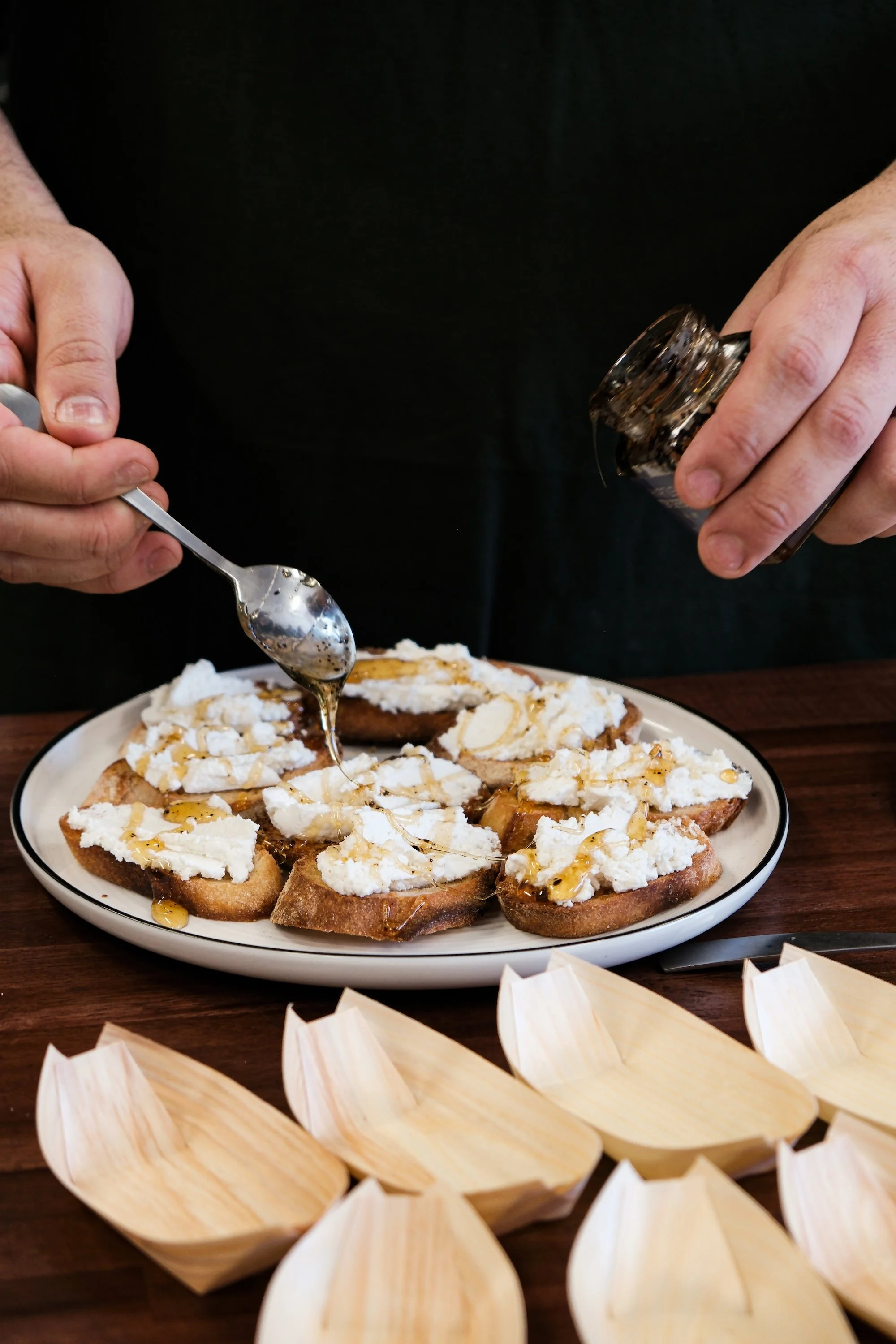
Just up the road is This Is Us, a bakery renowned for their sourdough crumpets and English muffins – they prefer to leave bread to those who’ve already perfected it. “I’m not a baker,” jokes owner Sam Moussa, who proves that it’s never too late for a career pivot. “I’m a food nerd who worked in sales in the construction industry but hit 40 and wanted to do something different.” Sam’s crumpets are delicious when slathered in honey and buffalo ricotta, which is conveniently made at nearby Vannella Cheese.

Vannella’s founder, Vito Minoia, began making cheese at the ago of 16 in Puglia and has been running the Sydney company, named after his wife, for more than 50 years. Vito was the first person to produce burrata in Australia and still pasteurises milk early in the mornings, working alongside his son Giuseppe and granddaughter Martina. Their wares can be picked up at Carriageworks Farmers Markets (a must for gourmands), and Maeve recommends investing in their marinated buffalo feta: “a jar in the fridge means happiness,” she laughs.

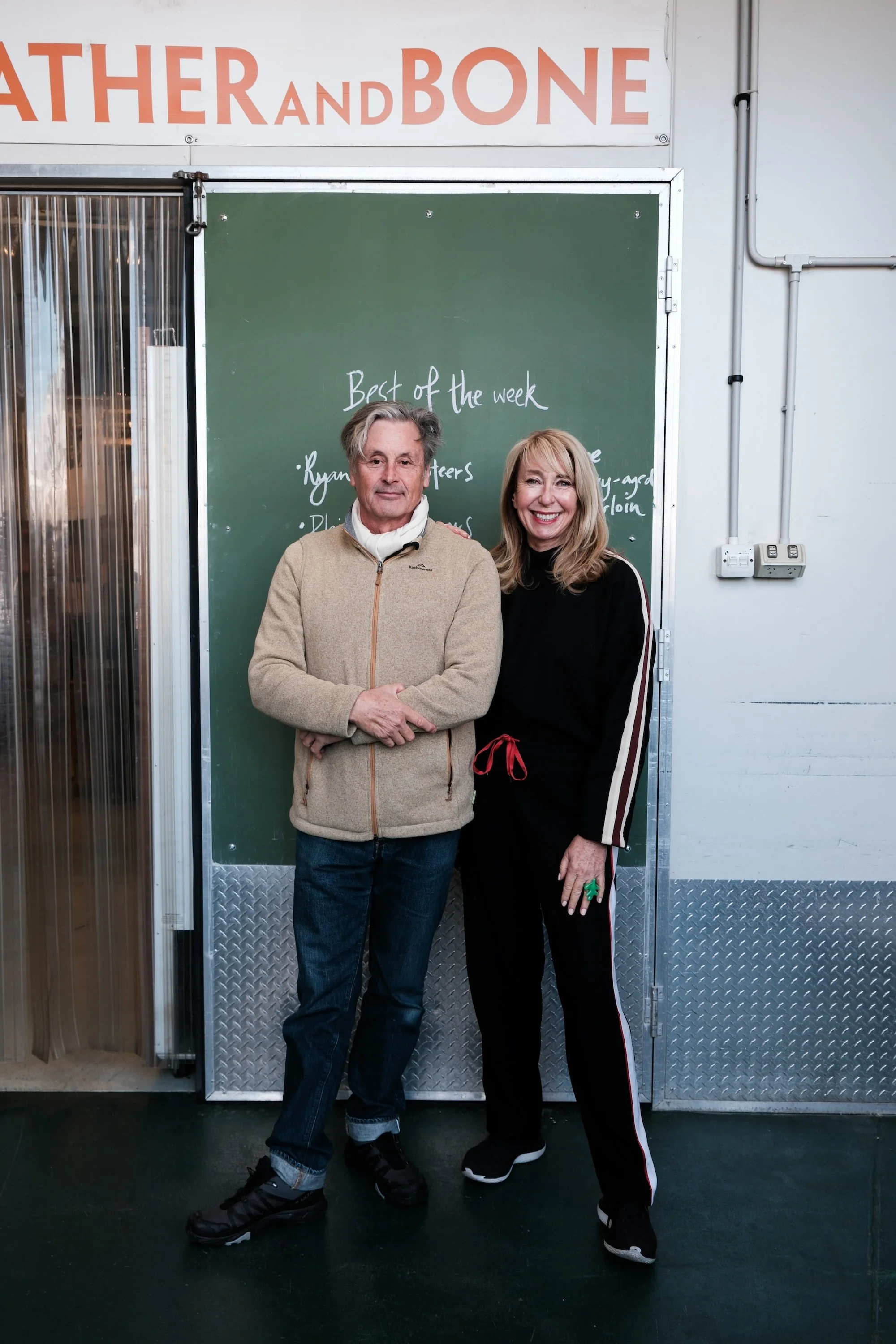
Other stops along the tour included Feather and Bone, a sustainable butcher, and 20 Chapel, a new restaurant with a custom negroni on tap from neighbouring gin distillery Poor Toms (of strawberry gin fame). Glasses were also raised at Bob Hawke Beer and Leisure Centre, an 80s-style brewery that’s home to Lucky Prawn, a Chinese restaurant where Nick Wong serves up a flavourful hit of 80s Australian nostalgia (think prawn toast and deep fried viennetta ice-cream). And we ended the day at Messina HQ, ideal if you’re hankering after inventive gelato or a six-course degustation meal where every dish contains a frozen element.

Being able to chat to producers, guided by someone with so much knowledge and curiosity, changes the way you see food; it makes you appreciate what it means to buy fair trade and small, and understand the time and devotion needed to craft something scrumptious. I’ll be back for seconds.
For more brilliant Sydney ideas (think restaurants, activities, walks, swims and places to stay), check out our Sydney Guide here.



A Day in Manchester
The joys of magazine making … and how to spend a day in Manchester.
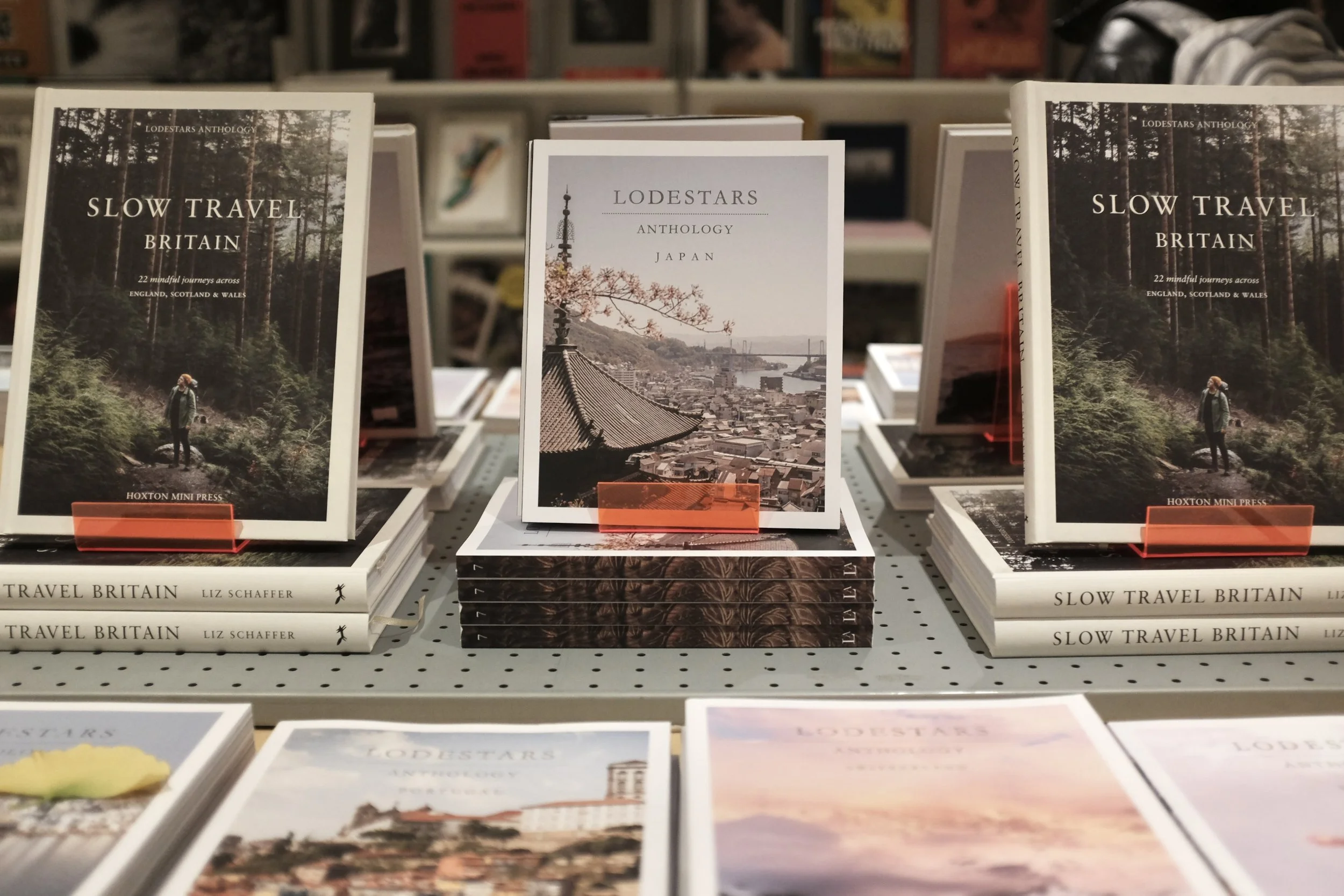
Last November we travelled to UNITOM (a gorgeous magazine, book and stationery store in Manchester) to talk about our new Japan issue, Slow Travel Britain and the general joy of magazine making. The conversation was between me (creative director Liz Schaffer), designer Thomas Harrison (who has helped create every issue over the past decade), and contributing photographer Chiara Dalla Rosa.
As UNITOM wrote: ‘The discussion was a reminder that you don’t have to physically visit a place to feel its essence [and] touched on everything from slow travel and the Japanese concept of wabi-sabi, to the joys of creating as a side hustle. Liz’s advice for travellers - “be kind, take everything step by step” - resonated deeply, reminding us of the value of approaching life and creativity with an open heart and mind.’
You can hear the full talk by clicking here.


While in town, designer Thomas and the team and UNTOM waxed lyrical about the brilliant things you can do in their home city, and I wanted to share a few of their suggestions (along with some of my own finds) below:
Shop
Form Lifestyle Store - Hidden away down a Northern Quarter side street, this gorgeously curated shop showcases wares from designers across the UK, alongside a few sustainability-focused artisans from further afield.
Nordic Muse - She may be petite, but this store packs a serious punch on the Scandi-inspired design front.
UNITOM and Rare Mags - If you also live and breathe indie print, these two outposts will have you swooning.
Fred Aldous - This is a haven for anyone who loves getting crafty. In business since 1886, the haberdashers and art supply store is rightly adored by the city’s thriving creative community.
Work
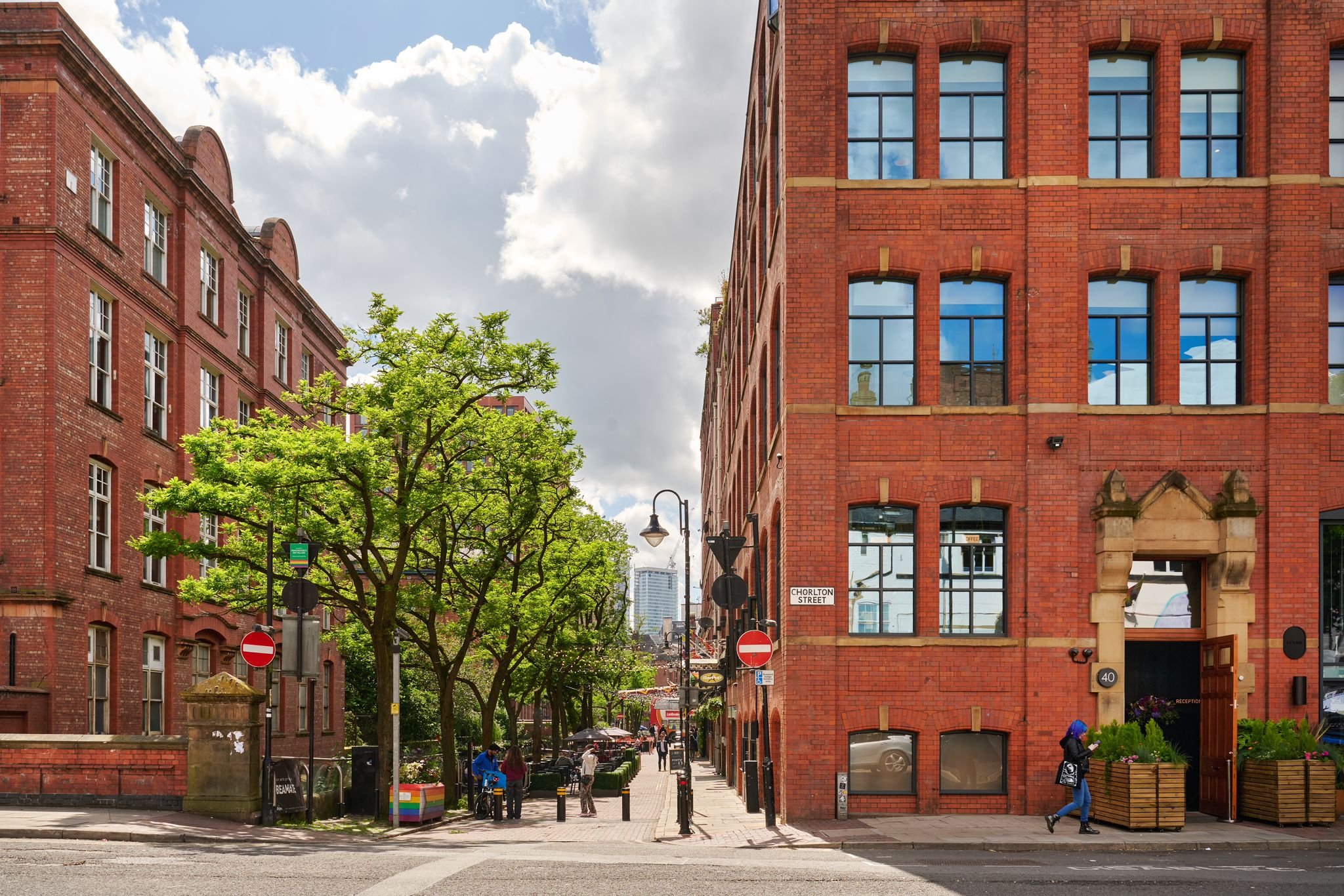
LEVEN Manchester - I often have to get a little work done on the road, and if you find yourself in the same boat (or in need a chic change of scene) I recommend settling in at LEVEN Manchester, a hotel and co-working space found in a revamped former cotton warehouse in the heart of the pedestrianised Gay Village (which is at its liveliest during the annual Manchester Pride Festival). If you need help unlocking your creativity, order a custom cocktail at The Lobby Bar, which mixes up some of the city’s best tipples.
Eat
Pollen - It’s hard to find a spot in Manchester more beloved than Pollen . The bakery’s sourdough is particularly revered (slow fermented for 28 hours) and there’s a full brunch menu if you’re craving something heartier.
Long Boi’s Bakehouse - Run by an all woman team, locals come here for the sense community as much as the exceptional seasonal bakes.
Ezra & Gil - With three venues across Manchester, Ezra & Gil (which translates as ‘helper and happiness’) has made a name for itself on the coffee and brunch front.
Nell’s Pizza - While you come to the family-run Nell’s for the New York-inspired pizza (made using dough that’s been slow-fermented for more than 36 hours), you’ll stay for good vibes. Few restaurants leave patrons feeling quite so happy (or have such good sustainability credentials).
MAYA - Step in from Canal Street and you’ll be greeted by a light-bathed brasserie (made for sunny long lunches), but follow the stairs down and you’ll find another world entirely. MAYA’s Art Deco-esque interiors are dark, decadent and feature splashes of gold, and while the inventive seasonal menu is phenomenal, it’s the cocktails that steal the show. The coffee coconut martini is their take on an espresso martini that arrives at your table perfectly clear (four days of alchemy are involved in its preparation - one step includes washing coffee beans in vodka). This is the perfect spot to raise a glass to Manchester and all it contains.


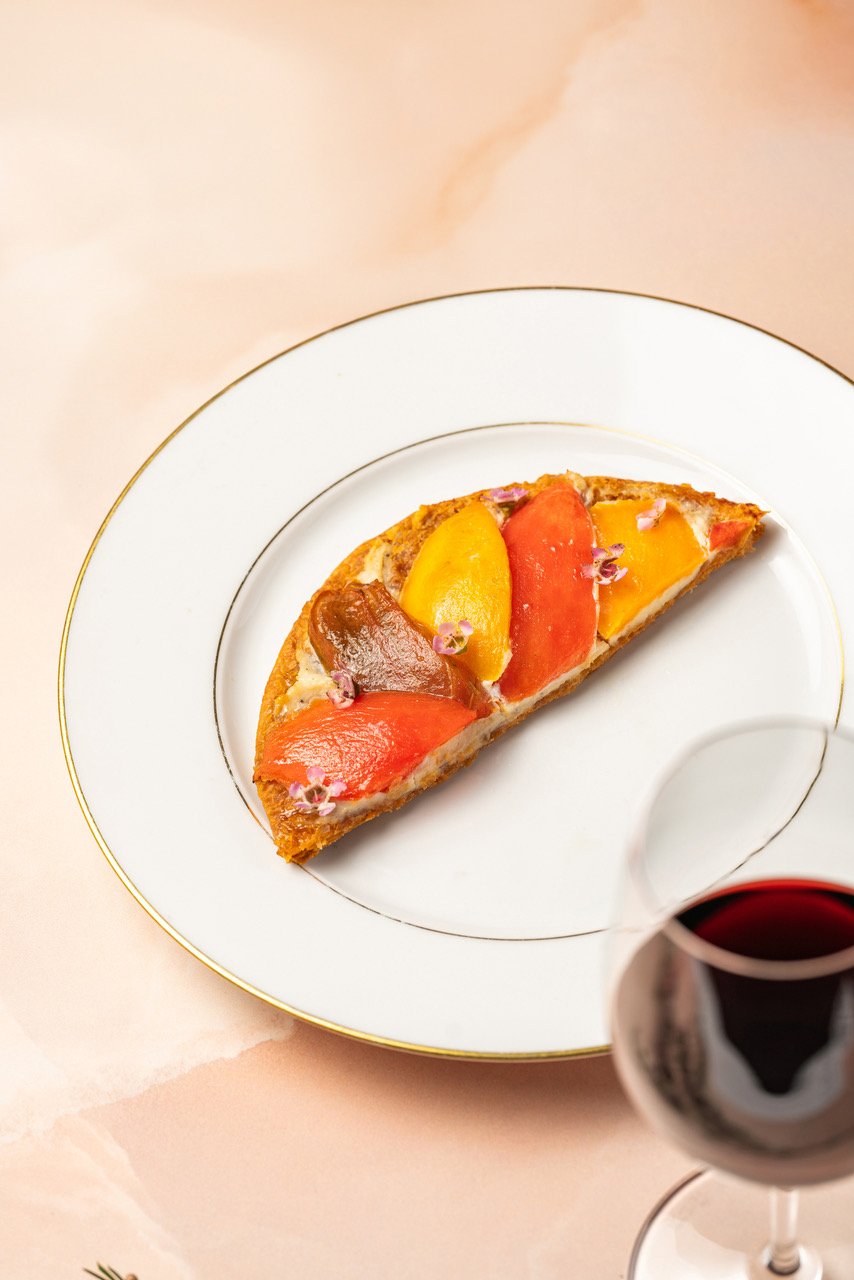

Food photography: Maya Manchester

Interview: Marina's Sydney Guide
Meet Marina Pliatsikas - the photographer and writer behind the Sydney City Guide.
Lodestars has just released a magazine all about Sydney - the first issue of our brand new City Guides series. It contains a carefully selected collection of restaurants, activities, walks, swims, hotels and weekend escapes - and photographic travel inspiration aplenty - and is designed to help you fall in love with everything the Harbour City has to offer. The Guide was made and curated by editor Liz, and photographer and writer extraordinaire Marina Pliatsikas, who penned the publication’s glorious foreword.
To celebrate the guide’s release, we sat down with Marina to talk about life, photography and the best way to capture (and experience) Sydney, her glittering hometown.

When did you first fall in love with photography?
My dad was a huge photography fan and always had a dusty collection of film cameras floating around the house. But it wasn’t until the early days of Tumblr (though I never actually had a Tumblr account) that I decided to properly pick up a camera myself. I quickly became the oddball carrying one around with me everywhere, whether the situation called for it or not – I was basically the awkward uncle with the crappy entry-level DSLR at every family gathering and social event, but at 17.
I like to think my skills have somewhat improved since then, and things recently came full circle when my dad officially handed down his entire collection of film cameras to me. One of his old camera bags still contained ticket stubs and city maps from a trip he took to Canada in the 80s.

How did it feel to be able to capture your hometown for the guide?
Sydney has been the backdrop to so many big life moments and adventures that it’s easy to forget them all – unless you sit down and, well, create a book about it. The timing of this project was also significant. I shot the first story when my son was four months old, and we captured the rest of the content in the months following. So it’s felt like a brilliant opportunity to not only rediscover the city, but also myself – my own interests, skills and personality, outside those foggy early days of being a new parent.
Was there a particularly memorable shooting experience while making the city guide?
A bottomless disco brunch where drag queens serenade you and top up your cocktail glass all afternoon is always going to appeal to this not-entirely-reformed party girl. There were the hilarious looks of amusement (and maybe mild judgement) I got from fellow diners while I stood on chairs in restaurants trying to shoot tablescapes. But in seriousness, every single story was a blast to experience, shoot and write about, which I hope comes through when you flick through the pages.


What type of stories do you love telling – and is there a dream commission?
I think almost all stories we tell are human stories, when it comes down to it. You can write about nature, science, the economy, outer space, but inevitably you have to talk about the people who discovered, researched, changed or unearthed ‘the thing’. That being said, I love telling stories about what happens when humans come into contact with the natural world. One day I’d love to cover a big, longterm story in the mountains of mainland Greece and explore what’s been happening there over the last few years. They’re home to some of the world’s most pristine ecosystems, and the people living and working there are doing really cool things that are currently flying a bit under the radar.
Is there a piece of advice you've been given over the years that has really stuck with you?
Fairly recently I listened to a great interview with the author Michael Lewis. He said that when you start out writing, pretend you’re writing a letter to someone you love, like your mum. That way you won’t feel judged. As soon as you fear judgement, you clam up and can’t express yourself properly, or you start trying too hard to impress people. I really liked that take, and I feel I’ve been lucky to have had that non-judgemental eye from very early on with most colleagues, mentors and friends.


What would your younger self think about what you’re doing now?
I think she’d think we did fairly well and landed on our feet, despite occasionally meandering on and off the path over the years.
Can you describe a dream Sydney day?
There are so many wonderful ways to spend a day in Sydney. One my favourites, though, has to be waking up early and heading to the Royal National Park for a hike, swim and breakfast picnic, and then basking in that slightly smug feeling that comes with heading off just as the crowds start arriving. I love coming home to marinate in that hazy, post-sun-exposure daze, before heading back out to meet up with friends for drinks and dinner at an outdoor restaurant overlooking a body of water, and maybe catching a show or seeing an exhibition somewhere.
What does the word 'home' mean to you?
I think I’ve always been the kind of person who feels at home wherever I go. So rather than being a physical place, for me ‘home’ is those moments of overwhelming contentment that wash over you when you least expect it. Hanging out with your favourite people, or enjoying a really good meal with an amazing view. That fuzzy ‘all is right with the world’ feeling that you can’t just will into being – it needs to come to you. All you can do is get out there and experience stuff and create the opportunities in which it might grace you with its presence.


A Nova Scotia Road Trip
History, culture and fabulous views at the edge of Canada.
Words & Photographs by Chiara Dalla Rosa
The sun is shining as I touch down in Halifax. Fresh off a direct flight from London, I already know I’m going to adore this vibrant coastal city. I’ve come to Nova Scotia for a road trip, keen to delve into the province’s layered history, and I’m kicking things off with a few days in the capital. My adventure begins with a roam around the Queen’s Marque District, a newly developed waterfront neighbourhood. This downtown area blends sleek modern architecture and public art installations with the city’s maritime heritage, offering a perfect introduction to Halifax's eclectic charm.

For a unique perspective, I board the Harbour Hopper, a thrilling amphibious tour. As the vehicle splashes into the harbour (one of the world’s largest and deepest), I marvel at the view of the skyline from the water. It’s a fun, splash-filled way to drink in the city’s coastal beauty - and it’s staggering to think that, stunning as this is, I’m only glimpsing a tiny portion of the province’s 13,000 kilometres of seacoast.
As the day draws to a close, jet lag begins to hit me, so I settle in for dinner, grateful for the opportunity to unwind. At Drift, I savour a delightful array of local dishes (elevated interpretations of classic Atlantic Canadian offerings) paired with aromatic Nova Scotian wines. This is my first time tasting Canadian wine, and I’m already planning to bring a few bottles home with me - if you’re curious about local tipples, the Nova Scotia Good Cheer Trail is another road trip route worth tackling as it takes in more than 80 wine, beer and spirit producers. As I ride the lift up to my room at the MUIR Hotel, my cosy retreat for the night, I feel a surge of anticipation for the culture, history and lobster-packed road trip ahead.


The following morning, I make my way up the hill overlooking the city to the Citadel, which marks the site where the British military established Halifax in 1749. Today, it serves as a museum, hosting a variety of permanent and rotating exhibitions. While visiting, I found myself on the verge of tears as I delved into the intricate history of Nova Scotia, which has been shaped by the land’s Indigenous peoples, and those who arrived later. This experience was profoundly eye-opening, revealing the diverse lives, struggles and cultures that have woven together to form the rich tapestry of Nova Scotia's past.


It may have only been a short drive away, but Peggy’s Cove feels like another world. Wondrously picturesque, it’s famed for its lighthouse and vibrant fishing sheds, stoic buildings that can withstand the wrath of the Atlantic and have inspired generations of artists. Continuing on through South Shore, I take in the rugged, rocky coastline and towns like Mahone Bay, with its churches and galleries, and the charming fishing village of Blue Rocks, both of which seem to belong to another era entirely.


While the road trip route I follow is sublime - wending its way to Lunenburg (famed for its UNESCO-listed Old Town - best explored as part of a Taste of Lunenburg Walking Tour), White Point Beach, the historic Loyalist Town of Shelburne, and the Southwest Nova Biosphere Reserve - it’s the chance to connect with the region’s rich cultural heritage that I find most powerful.
I began to understand more of the peninsula’s layered history at the Millbrook Cultural and Heritage Centre, which is dedicated to telling the story of the Mi'kmaq people, who have inhabited this land for more than 13,000 years, and whose peaceful existence was harshly disrupted by colonisation. The Centre, home to a wide collection of Mi'kmaw artefacts and exhibits, serves as an important place for the Mi'kmaq community throughout Nova Scotia. It's not only a bridge to their past, but a beacon for preserving and celebrating their enduring culture, which is deeply spiritual and grounded in respect for nature.

And then there are the Acadians, settlers from France who reached Nova Scotia in the 17th century, arriving at what is now Port-Royal and the Fortress of Louisbourg. They lived harmoniously alongside the Indigenous people, fostering a spirit of peaceful coexistence. Today, this legacy is celebrated at Le Village Historique Acadien de la Nouvelle Écosse, an immersive historical village that invites you to step back in time and experience the daily life and customs of the Acadian people.

Another integral chapter of the province’s early years was the development of African Nova Scotian culture. In Birchtown, the Black Loyalist Heritage Centre offers a powerful overview of the journey undertaken by early Black settlers, tracing their resilience and contributions amidst the challenges they faced. And then there’s Nova Scotia’s ties to Scotland, evident in its name, which is Latin for New Scotland. This province was named by Sir William Alexander in 1621, after receiving the land grant from King James IV of Scotland, with Scottish settlers sent to Nova Scotia to help secure the country’s presence in the New World. Migration again grew in the 18th century, and you can learn about this at Pictou’s Hector Heritage Quay. The centre is meticulously restoring Ship Hector, which transported Scottish settlers across the Atlantic in 1773, and is set to sail again in 2026.


My road trip ends back in Halifax, and as I reflect on the journey over a final lunch at The Bicycle Thief, I can’t quite believe what I’ve been able to see and do. I have gazed across lush swathes of green, and a sea-kissed coastline stretching out along the horizon, its rugged beauty framed by the vast, ever-changing ocean. Winding through rolling hills and coastal communities, I absorbed not just the breathtaking landscapes but echoes of the region’s rich history. The stories of its people – resilient, enduring and ever evolving – now feel more tangible, and I’m leaving with a deeper appreciation for the roots that have shaped this extraordinary place.


If you want to embark on your own Nova Scotia road trip, here are a few restaurants and boltholes to add to your itinerary:
Eat
Some classic dishes to look out for include creamed lobster (the crustacean is sautéed in a cream sauce and served atop buttery toast); oatcakes (which arrived with Scottish migrants); Digby scallops (caught off the Bay of Fundy, which is also where dulse, a delicious red seaweed, flourishes); and donair (spiced beef wrapped in pita and slathered in a sweet garlic sauce that’s laude as the official food of Halifax).


Stay
From cabins made from spruce to surf-side escapes, there is something for whatever you fancy. No matter where you stay, be sure to take your time. Book in for a few nights, strike up conversations, and feel like part of the community.


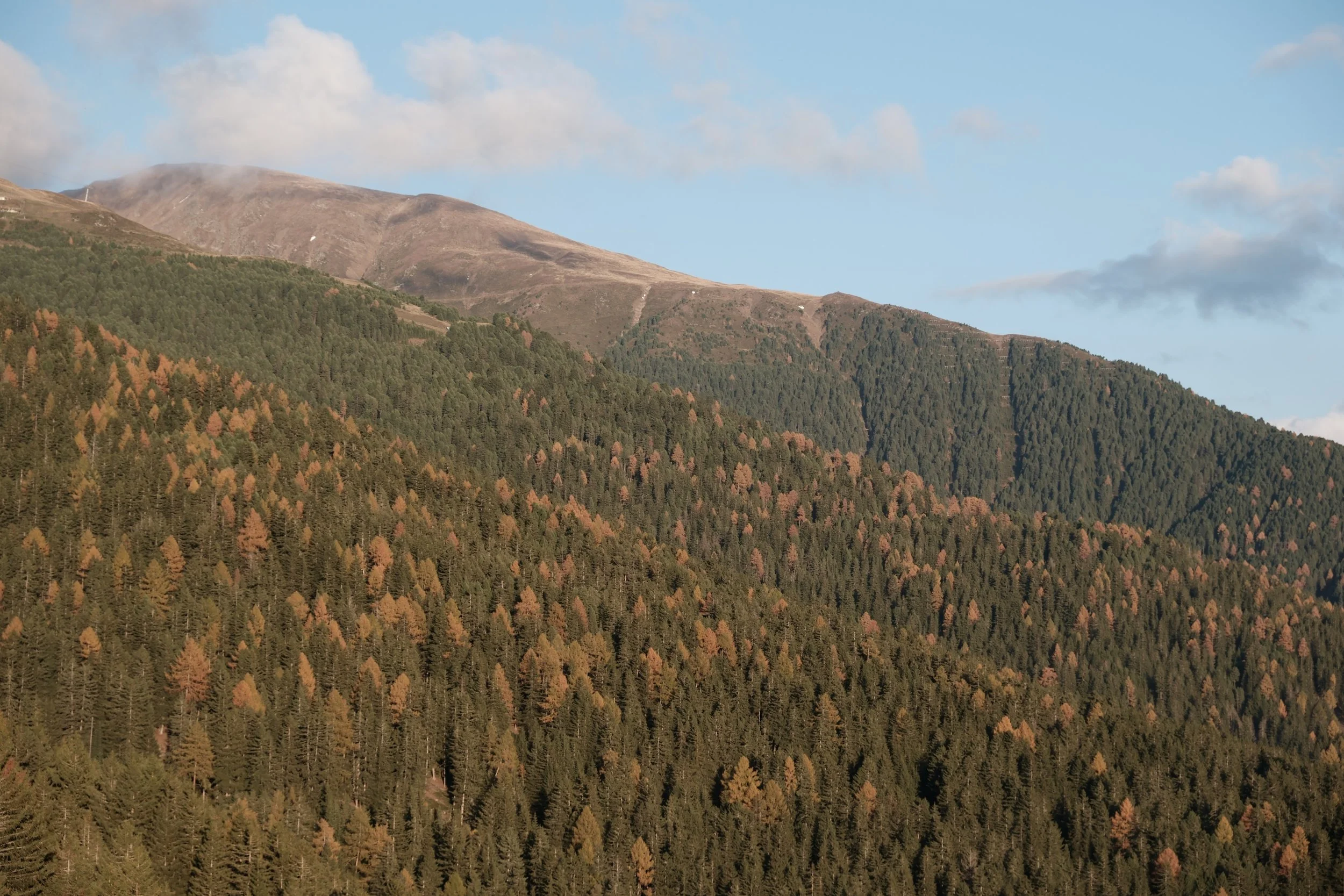
Hotel Review: Forestis Dolomites
Luxury, Italian mountains and the art of slowing down.
I first visited to Dolomites nearly two decades ago, and have been besotted ever since, returning to tramp over these mountains whenever the opportunity arises. As Sarah Kelleher put it in our Italy magazine: “It’s a region that defies easy categorisation. Neither Italian in the way many of us typically think of Italy (all pearlescent statues, jewel-hued Spritzes and sun-washed cities), nor officially part of Germanic northern Europe, this UNESCO-listed mountain range at the top of Italy is one of those in-between places, a small kingdom guarded by soaring peaks and crags.” There’s so much to explore here, from legendary ski slopes to pristine alpine pastures like Alpe di Siusi, which is home to 790 different plant species and an extensive network of walking trails. There are charming towns, such as Ortisei in Val Gardena, famous both for its postcard-perfect location and profusion of traditional woodcarving studios. You have Alta Badia and its via ferrata (climbing routes that aren’t for the faint-hearted), phenomenal local wines (what else would you expect from a region that gets more than 300 days of sun a year), and a unique cuisine that’s a little bit Italian, a little bit Austrian, and always delicious when devoured in an alpine hut with the world spread out below you.
This is a natural playground in every sense of the word, but I also look to the Dolomites when I fancy doing very little indeed - i.e. feasting, swimming and unwinding somewhere sublime. And on my most recent autumnal sojourn I found just the place to do this. Perched at 1,800 metres above sea level, and reached via a serpentine uphill drive from Brixen, Forestis Dolomites is the mountain escape of dreams.

This luxury bolthole may have direct access to the Plose ski runs, but I discovered (almost as soon as I checked in) that ‘being here’ is all the activity you need. I’m far from the only guest who has arrived with visions of hiking through forests in search of far-flung huts, and then promptly decided to cancel everything. Instead, I spent my long-weekend slipping in and out of saunas, doing leisurely laps in the indoor-outdoor pool, indulging in a heavenly massage (or two), and discovering just how good it feels to simply by among these mountains, rather than tramping over them. The fact that the iconic Geislergruppe massif (a Dolomites icon) is always view certainly adds to the magic.

Everything at Forestis is designed to help you slow down. Walk almost anywhere and you’ll hear trickling water; the hotel sits beside a mineral-rich artesian spring, which feeds the babbling stone basins by the restaurant, in the lobby and at the entrance to the spa. Spruce wood is used throughout (alongside glass, stone and fabric), immense windows in the airy rooms mean that you feel as if you’re sleeping atop the peaks, and come evening the fires crackle, the sound of the outdoor fire-pit (name a cosier spot to sip a cocktail beside) mixing with the distant ring of cowbells. But worry not, if you’re in the mood for adventure, Forestis has a host of walking (and skiing) maps and recommendations, and even offer guided hikes, mediation and yoga (or wyda) classes.

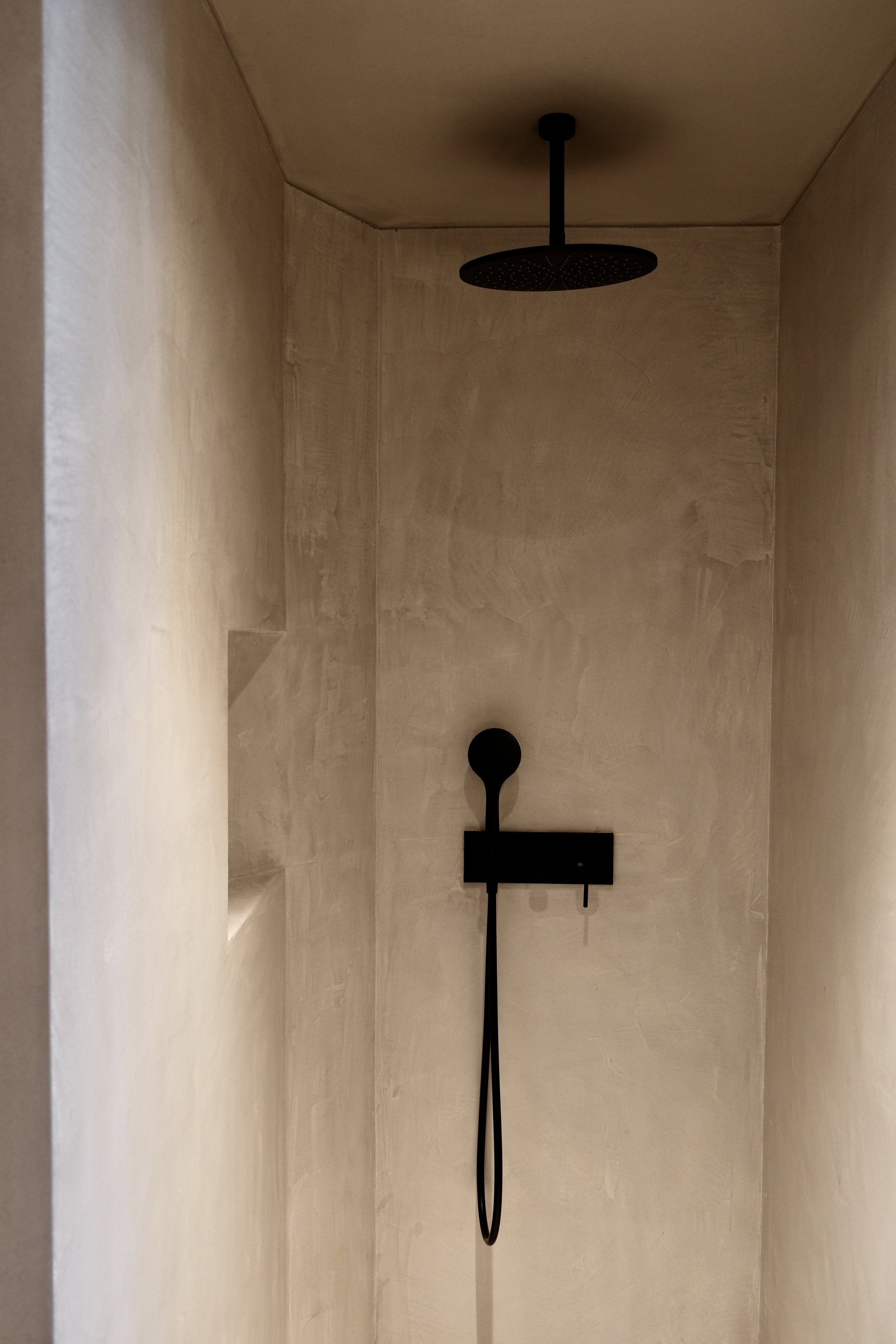
The original part of Forestis was built as a wellness retreat for the Austrian Royal family (before a stint as a Vatican summer escape), and today the modern extension (in the form of three towers sure to make architecture enthusiasts swoon) and newly-opened private villa keep the mountains front and centre. Design-wise, my heart belongs to the hotel’s restaurant, a tiered collection of intimate booths that mean your superlative, multi-course dinner comes with stellar views out through the floor to ceiling windows, and the feeling that you’re the only ones in the room.


Much of the hotel’s wellness ethos is shaped by the region’s Celtic traditions, for Celtic tribes called these mountains home for centuries, until the Roman Empire’s penchant for expansion saw it stretch north. But their knowledge (rooted in a Druidic awareness of nature’s power and rhythms) survived Roman rule, passed in practice and lore from from generation to generation. This Celtic connection is most obvious in the hotel’s holistic ethos, which shifts throughout the year, depending on what guest’s bodies need. In winter, it’s about recharging - relaxing in the spa, slow strolls, breathing in the air - but in summer our energy returns and the mountains call. My Forestis escape was a wonderful reminder to listen to my body - and to never feel guilty about seeking the reprise I sometimes crave. Rather than sticking to a schedule, here it’s about waking when you’re ready and feeling perfectly okay with the idea that relaxing (in style) might be all that you do.
To learn more - or book an escape - click here.


Home in the Kimberley
Capturing Australia.
Words by Liz Schaffer & Photographs by Tania Malkin - an extract from the Australia magazine.
Growing up in Australia, I was often regaled with tales of the Kimberley. Far away at the top of the continent, its colour and beauty was the stuff of legend - as were its beaches, sandstone formations, and sheer size and splendour. In my mind, if you wanted to venture into the pristine wild, into a land that appears older than time, this is where you travelled.

The otherworldly grandeur of this outback dreamscape is captured in the work of Tania Malkin, a Perth-born photographer who has spent two decades documenting the Kimberley and Northern Territory, where the reds speak to her and sunsets are her muse. Tania and I first crossed paths at Home Valley Station (HV8) - she was their resident photographer and I was sating my desire to see a different side of Australia. Found just beyond the croc-filled Pentecost River, along the Gibb River Road (a stock route turned dirt highway linking Kununurra and Wyndham to the beaches of Broome), HV8 is overlooked by the Cockburn Ranges, covers around 249,000 acres and is managed by the Balanggarra people - the land’s Traditional Custodians. More than 85 percent of those who work here are Indigenous and through guided tours and experiences HV8 introduces guests to the riches of Balanggarra culture and Country.

Roughly three times as large as England, the Kimberley is a staggeringly ancient region - and if you want to comprehend its age and diversity, it helps to take to the sky. During a dawn helicopter ride from HV8, the land below me was transformed into a marbled melange of patterns and patinas. And despite the dazzling shades of ochre and jade on display, the earth seemed strangely softened, as if it had been caressed for centuries by tides long-since evaporated. I understood why Tania flies whenever, and however, she can.
Tania is renowned for her aerial photography; dreamy, painting-like creations that celebrate fleeting moments. Waterways feature prominently, and while these shift in any setting, their changes are particularly heightened in Australia’s north, where the year is divided into the Wet and the Dry. “Each Wet season brings different colours depending on what sediments have been washed down the rivers,” explains Tania. “People say, ‘can you take me to where you photographed Ribbon Dancer?’ [her award-winning balletic shot of the Timor Sea], but it’s not going to be there because Ribbon Dancer was a split moment in time. The reflection of the sky to make the water blue, the time of the tide, and where it is in the tide cycle, the angle of the plane - it’s never going to be the same.”

“The Wet build-up is the most amazing time of the year. It’s a release to your body because there’s actually clouds in the sky that are the right shade. The heat is relentless, so your body breathes this sigh of relief. And then you get these incredible cloud formations, sunsets, rains and single supercells that come out of nowhere. And you can see everything right in front of you. You can stand there and watch a small bushfire create a thunderstorm that has ten lightening strikes every couple of minutes. It’s an adrenaline rush; going out and watching this monster of a storm come towards you, and then trying to concentrate because you want to capture it. Or ask yourself: do I want to capture it, or do I want to stand here and just get blown away by the power of this thing in the sky in front of me.”
Tania spent 2021 as Artist in Residence at El Questro Wilderness Park - a luxury Kimberley hideaway bejewelled with rainforests, sandstone gorges, secluded waterfalls and thermal springs. The biggest draw for Tania, though, was the chance to return home. “Coming back out on the Gibb, it was very emotional. It was so good to be back in an area I love and feel so comfortable in.” As part of her role, Tania takes guests to locations they might otherwise not be able to reach - or even know existed. She understands the region's light and weather, shares her knowledge freely and believes that everyone can be a photographer, as long as they’re confident enough to see something beautiful.

I was bewitched by the Kimberley the moment I set off along the Gibb, my affection only growing as I watched the sun descend over the Cockburn Ranges, rode horses around boabs and toasted the stars in HV8’s memorabilia-strewn Dusty Bar. At the time, I’d longed to travel further and bask beneath a pastel sky on Cable Beach, swim in Emma Gorge or feel wondrously small in Purnululu National Park. But years later, seeing this corner of the Kimberley through Tania’s eyes - and being reminded of its unique and intoxicating allure - I feel that my fleeting visit may have been enough. Dreaming of future travel can be a wonderful escape, but there’s a lot to be said for treasuring the moments we’ve had. “I always take the time to appreciate what’s in front of me because I need to find an angle or a foreground - is it going to be about the sky, the lightning, or the rain. But it’s nice sometimes to just sit there and appreciate the beauty around me. I think you have to.”
This story first appeared in our Australia magazine, which you can order here.


Hotel Review: Hôtel Belles Rives
A Riviera time-slip.
Words by Sarah Kelleher
Those seeking a slice of the French Riviera’s 1930s heyday, when a heady mix of royalty, nobility, couturiers, artists and writers descended on this glamourous, glittering stretch of coastline, will find a warm welcome at Hôtel Belles Rives. An Art Deco jewel in the crown of the Cap D’Antibes, the hotel’s historic credentials are impeccable – originally known as Villa Saint-Louis, the property was home to F. Scott and Zelda Fitzgerald from the sun-drenched summer of 1925, a period that served as inspiration for Fitzgerald’s Tender is the Night.

With flashes of azure sea shimmering just beyond the terrace, strolling through the doors of Hôtel Belles Rives feels like stepping back in time. The hotel has retained every inch of its latter-day charm, with a genuine Art Deco elevator cage adorned with a golden ship, sails flying, waiting to carry guests to their rooms in style. Sporting high ceilings and geometrically patterned fabrics, our room’s balcony doors were flung wide open to reveal a Juliet balcony and views across the bay towards Cannes’ Pointe Croisette peninsula. We took the afternoon light pouring into our room as a hint to don our robes and potter down to the hotel’s jetty for a spot of sunbathing.

For an even better view across the bay, grab a sunbed on the private beach. Featuring a parasol-festooned pontoon stretching out into the sea, and a curve of the coastline all its own, it’s a delightful place to bask in the sun or enjoy a refreshing dip in the clear bay waters. Staff are on hand to provide snacks and cocktails, and beachside Restaurant Plages Belles Rives serves up a delicious lunch and dinner menu that’s suitably heavy on nautical delicacies, such as lobster bisque pasta and the catch of the day.
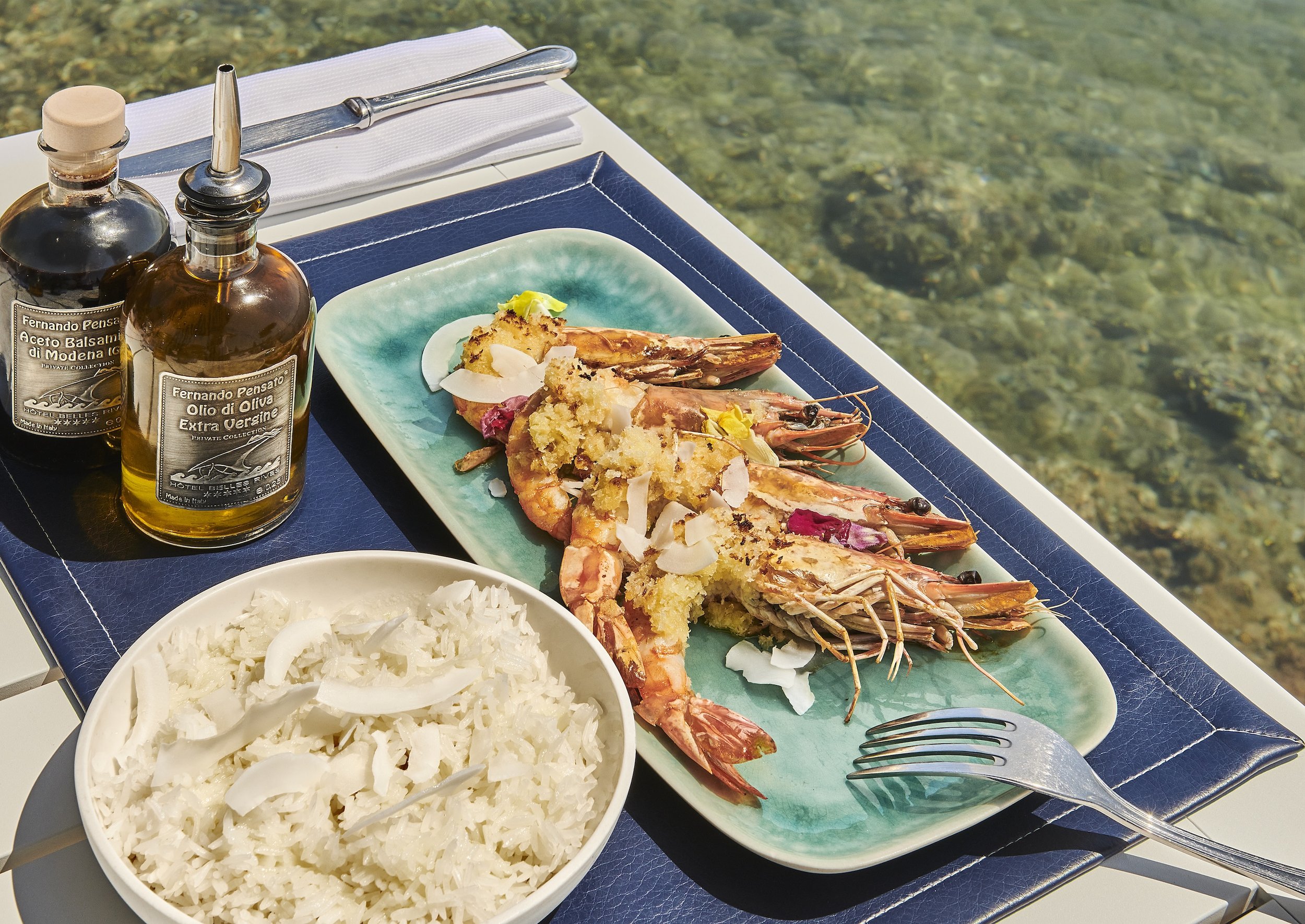
Evenings here are an event worth dressing up for. Make like a flapper, opt for your best glad rags and head to the hotel’s south-facing terrace, where blue-and-white patterned wicker chairs shaded by palm trees and greenery sit, waiting for you to enjoy the sunset sinking below the sea. Best experienced with a cocktail from the Bar Fitzgerald’s extensive menu, I sipped on the delightfully tart Hemingway, full of tangy sea fennel, yuzu and grapefruit flavours, while my companion enjoyed their Safran Smash concoction of Mezcal, pineapple juice and lime. Plates of Provence’s famous courgette flowers, stuffed with ricotta and fried in a golden batter, and thinly-sliced tuna tartare were the perfect accompaniment, as the gentle sounds of piano jazz music drifted out into the warm air.

Guests hungering for more fine dining can also book into Michelin-starred hotel restaurant La Passagère, for a seafood feast prepared by chef Aurélian Véquaud, followed by an array of desserts masterminded by pastry maestro Steve Moracchini, the creator of the fabulous Rose Belles Rives dessert, a beautifully constructed red rose, crafted out of delicate sugar work, and bursting with lychee and raspberry flavours. If you’ve any space left the next morning, then the hotel’s breakfast buffet of creamy scrambled eggs, salmon and pastries will see to that, although you can of course make space for the next delicious meal with a walk round the Cap D’Antibes coastal route. As a lover of Art Deco interiors, I couldn’t help but be charmed by the coffee poured from the breakfast coffee pot, evocative of the sort of crockery used on 1930s ocean liners, and embossed with the hotel’s sailboat crest. It’s just one of the little details that add up to an experience as dazzlingly luxurious as the jazz-age luminaries that used to frequent this part of Provence.
To learn more, or book a room, click here.


Girl Powder Retreats
Getting back to nature with Girl Powder Retreats
I’m always amazed by nature’s ability to blow away the cobwebs. It doesn’t take much - a dip in the sea, a countryside ramble, a pub with a particularly leafy view. These snippets of ‘the wild’ are often all I need for my thoughts to slow, my shoulders to drop and my mind to focus on nothing but the glorious present.
Stepping away from the everyday and into wilderness is good for the soul, yet sometimes we need something a little more dramatic to fully reset. Indeed, when things get really busy, and we’ve started to feel a little disconnected from ourselves and those around us, a serious, prolonged injection of nature is often the only antidote. And if you can add excellent food and even better company into the mix, then it’s astounding how quickly all can seem right with the world.

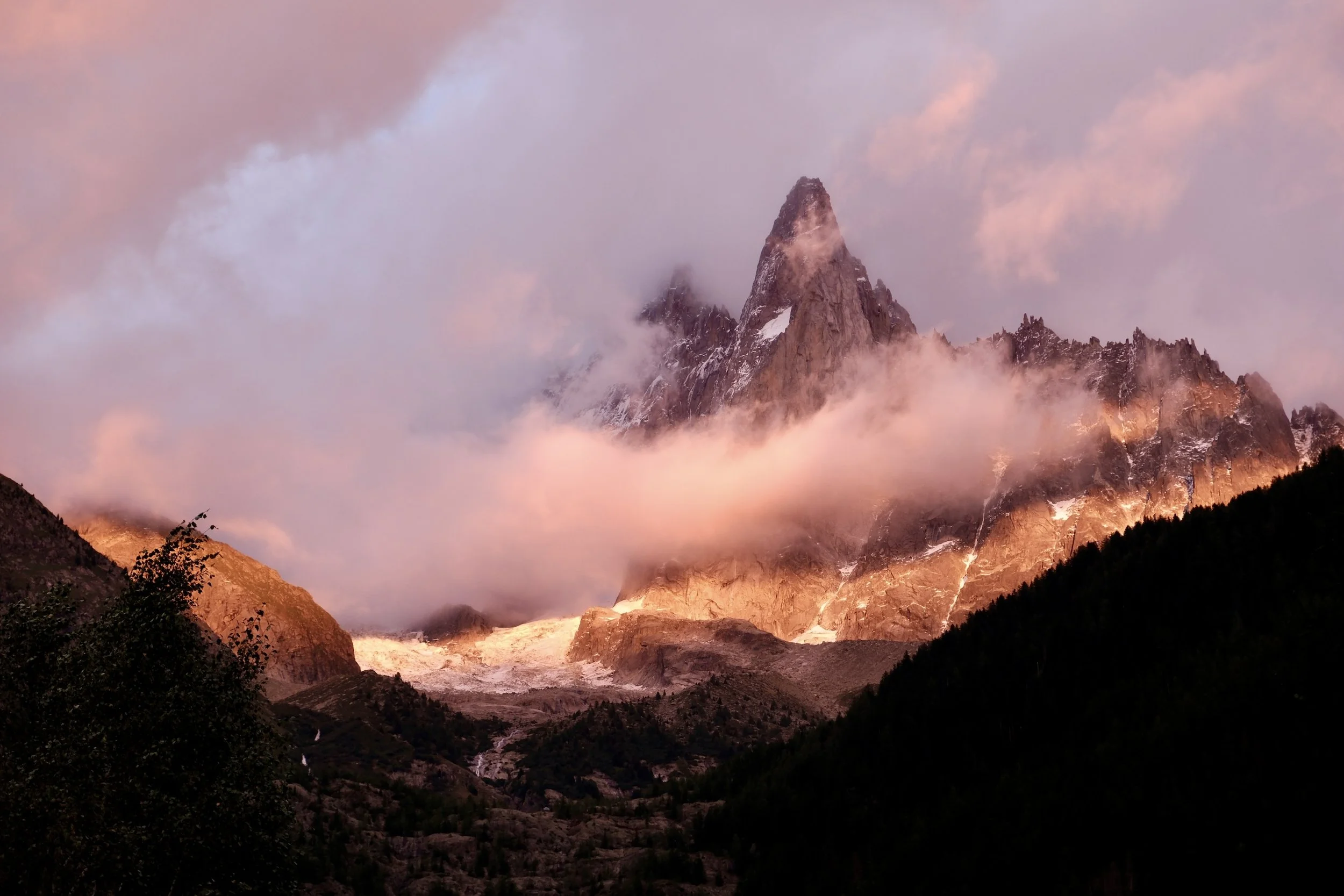
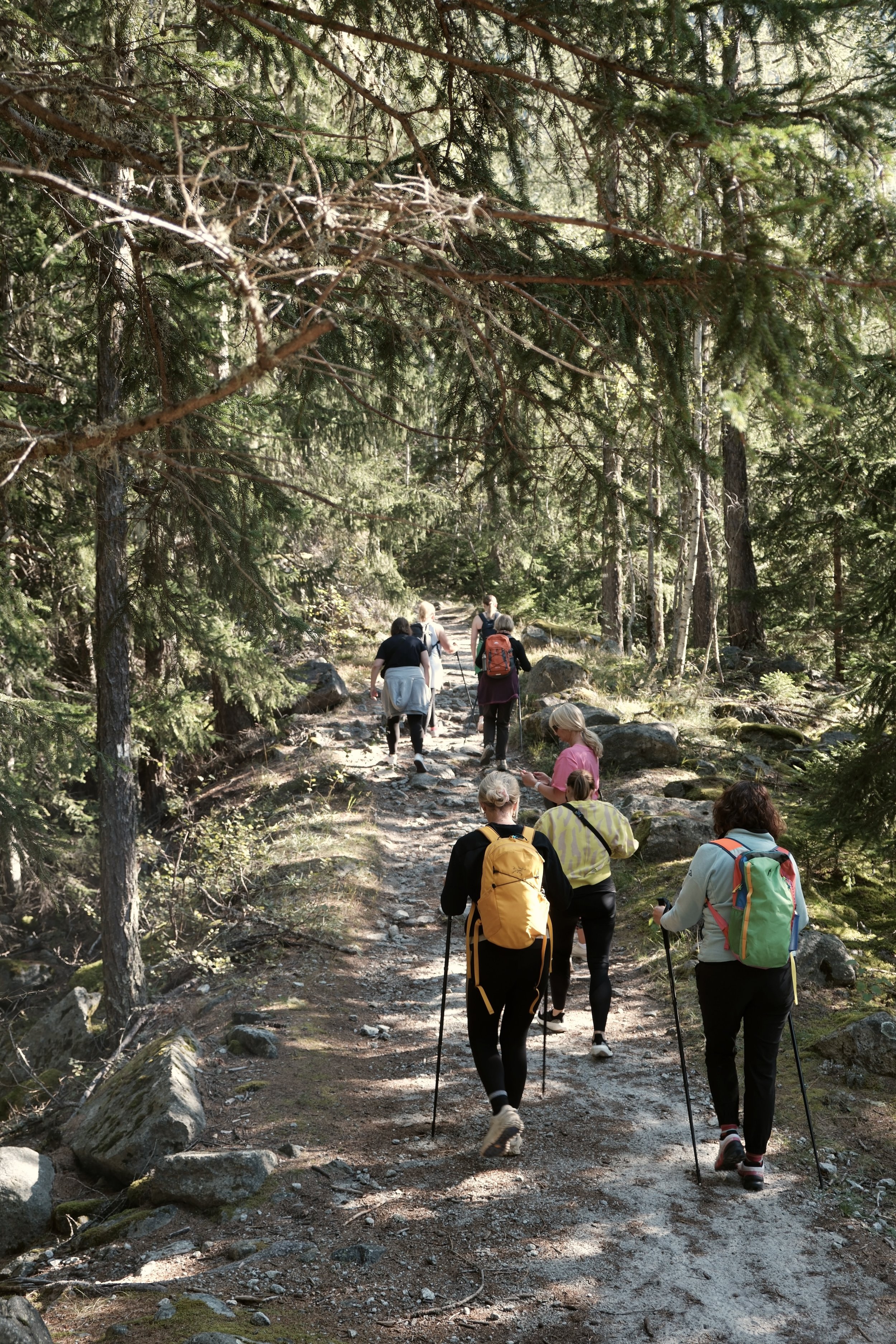
So, a few days after sending the Japan mag to print (with my mind still mulling over commas and tenses), I set off for Chamonix to spend four days getting back to myself by hiking and e-biking up mountains with Girl Powder Retreats.
Many find their Zen by taking to the slopes in winter, but I’ve always loved exploring the mountains in late summer when the trails are dappled, the air is improbably clear, and I know that raclette awaits me at view-boasting refuges. And while my Girl Powder Retreat offered all of this, what made the experience truly special was the people I got to hike with. Because these retreats, as the name might imply, are designed for women, and that breeds a unique type of camaraderie. For while some participants join with friends, and others (like me) come solo, everyone is there to connect.
I’ve always had an obsession with words that don’t have a direct English counterpart, and one of my favourites is sonder - the realisation that everyone around you has an inner life that’s as complex and nuanced as your own. When we feel sonder, it’s often because someone has shared part of their story - which you can only really do when given the space and time to open up.
And sonder was certainly something I felt on this retreat. As we hiked, savoured sundowners and cycled along crystalline waterways, we chatted about our lives and aspirations - and the things that had brought us to the French mountains. It was a refreshing reminder that everything feels so much richer when you have the chance to connect.

Our Girl Powder base was the stunning Chalet Mélèzes - which may look like a traditional chalet (in keeping with the Chamonix aesthetic), but is a feat of contemporary design once you step inside. It comes with a swim-SPA, sauna, central fireplace (the ideal spot to gather for a pre-dinner Spritz), balconies aplenty, panoramic views of Mont Blanc and Aiguille du Midi, and a rather swish gym. The latter, along with an outdoor terrace, were used for our early-evening yoga sessions with Sema from Anicha Yoga - whose dreamy massages are also not to be missed.
And these relaxed yoga classes were necessary - a calming way to stretch and reset after uphill climbs, a spot of parapending, or a morning in the hydrotherapy pools of QC Terme Chamonix.


Chalet Mélèzes also boasts a palatial kitchen; but that’s not something you need to worry about, because dinners, breakfasts and afternoon cakes are prepared by a team of private chefs. Lunches, meanwhile, are enjoyed in a range of restaurants - some are found in the heart of town, while others can only be reached on foot. I was enamoured with Buvette du Chapeau’s tarte Tatin and the magical things Crèmerie du Glacier do with cheese, and am keen to return to Rose du Pont, a Belle Epoque-style, riverside bar.


I spent half an hour on my final afternoon wending my way back from Chamonix alone, following the Arve River (which changes colour throughout the year - the summer glacier melt making it almost white). It was an easy stroll along a flat, forested path - worlds away from the exhilarating e-biking route we’d tackled earlier that day. But I’d set off on my walk to take stock of all that had unfolded during my stay; the trails we’d braved and the conversations that flowed. Girl Powder was the reminder I needed to get back into nature, and to seek out exceptional company whenever I can.


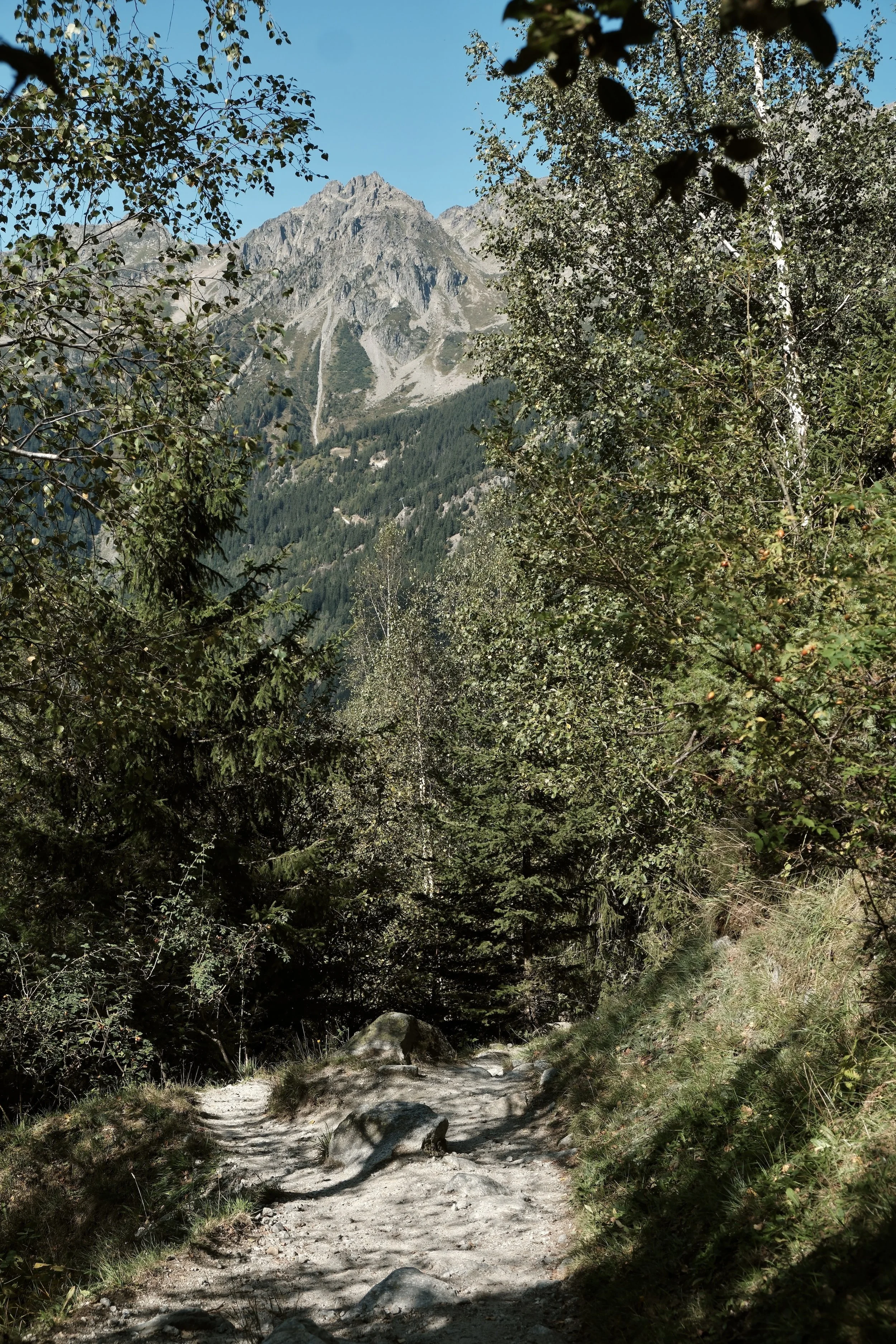


Irish Abodes
Escape to the Emerald Isle.
If you’re considering escaping to the Emerald Isle, we’ve rounded up a collection of fab hotels from our Island of Ireland magazine to help you plan your holiday.
Watching the passing parade by a hotel’s entrance is one of life’s little pleasures - and The Shelbourne’s luminous lobby is certainly a spectator’s dream. There are well-heeled families arriving for afternoon tea at the ornate Lord Mayor’s Lounge, old friends gathering for tipples in the cosy Horseshoe Bar, and the excited flurry of bridal parties preparing for the celebrations ahead.
For nearly two centuries this Dublin institution has been a destination for locals, out-of-towners and the glitterati - Princess Grace of Monaco and Elizabeth Taylor are just two of the Hollywood greats who have revelled/slumbered here. Overlooking St Stephen’s Green, The Shelbourne’s Victorian facade commands architectural attention, and its interiors are just as graceful. Once inside you'll spy marble floors, gilt cornices and vases of flowers in riotous hues, all prepared by the four in-house florists. And while the hotel may exude style and elegance, history also plays a role - the central staircase is backdropped by stained glass windows representing Ireland’s 32 counties, a fitting detail given that the constitution was drafted here in 1922.

Make for Waterford to wile away a few nights by the sea at Cliff House Hotel, a boutique abode that seems to hover above the water. Built to blend in to the coastal landscape, its roof is cloaked in salt-loving moss, and rooms are spacious, bright and topped with balconies that open to unbroken views of the lobster-pot-dotted Ardmore Bay. Inside, contemporary art nods to the sea, hand-loomed wall pieces are crafted by Wicklow-based artist Muriel Beckett, Celtic motif appear in the custom carpets and The Well by the Sea spa features outdoor tubs perfect for restful seaweed baths among the blooms. And then there’s the House Restaurant, which champions Irish produce and is more than worthy of its Michelin star. With abodes like this as your base, you’ll never want the holiday to end.
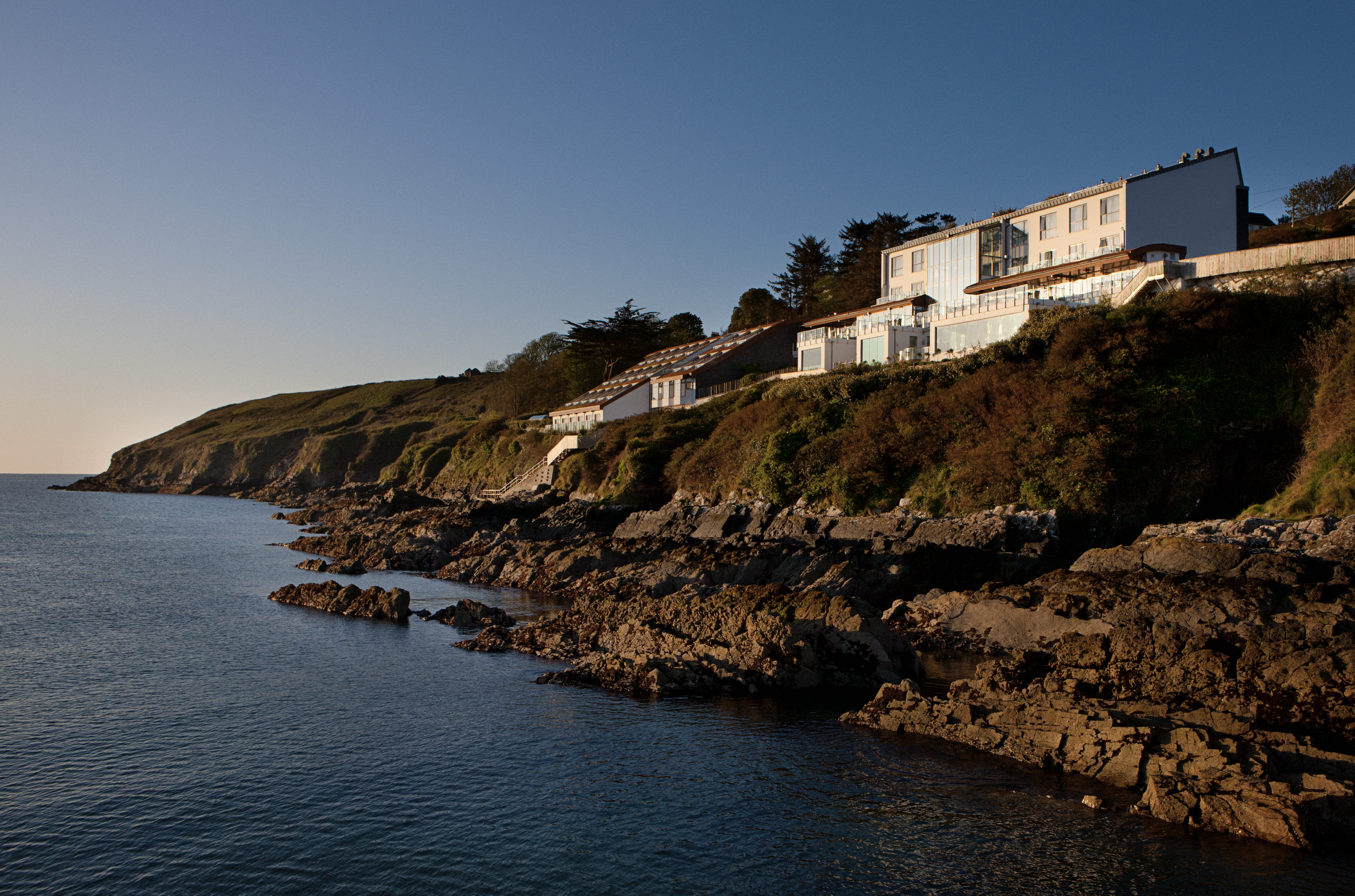
The Black Castle, a once-derelict, 16th-century Gaelic tower, is found near Tipperary’s Lough Derg, and comes with a fascinatingly patchy history. What we know for sure is that it was built around 1550 by Kennedy chieftains, formed part of a network of defensive towers, was destroyed under Oliver Cromwell and is now being lovingly restored by Sonja and Kevin Bergin.
Having fallen for the restoration process while salvaging their 400-year-old thatched farmhouse, the couple traversed Ireland for five years in search of a castle, unearthing this woodland-framed gem in 2007. Work got underway in 2013, with Kevin repointing the exterior, stone by stone, over six months - his efforts leaving The Black Castle weather-tight for the first time in more than three centuries. Restoration is ongoing, but the great hall (where guests can stay for the night) is a thing of wonder, with a stone-vaulted ceiling, immense fireplace, mullioned windows, carved oak furniture and stained glass. Without electricity or plumbing, all you’re left with come nightfall are candles and moonlight.
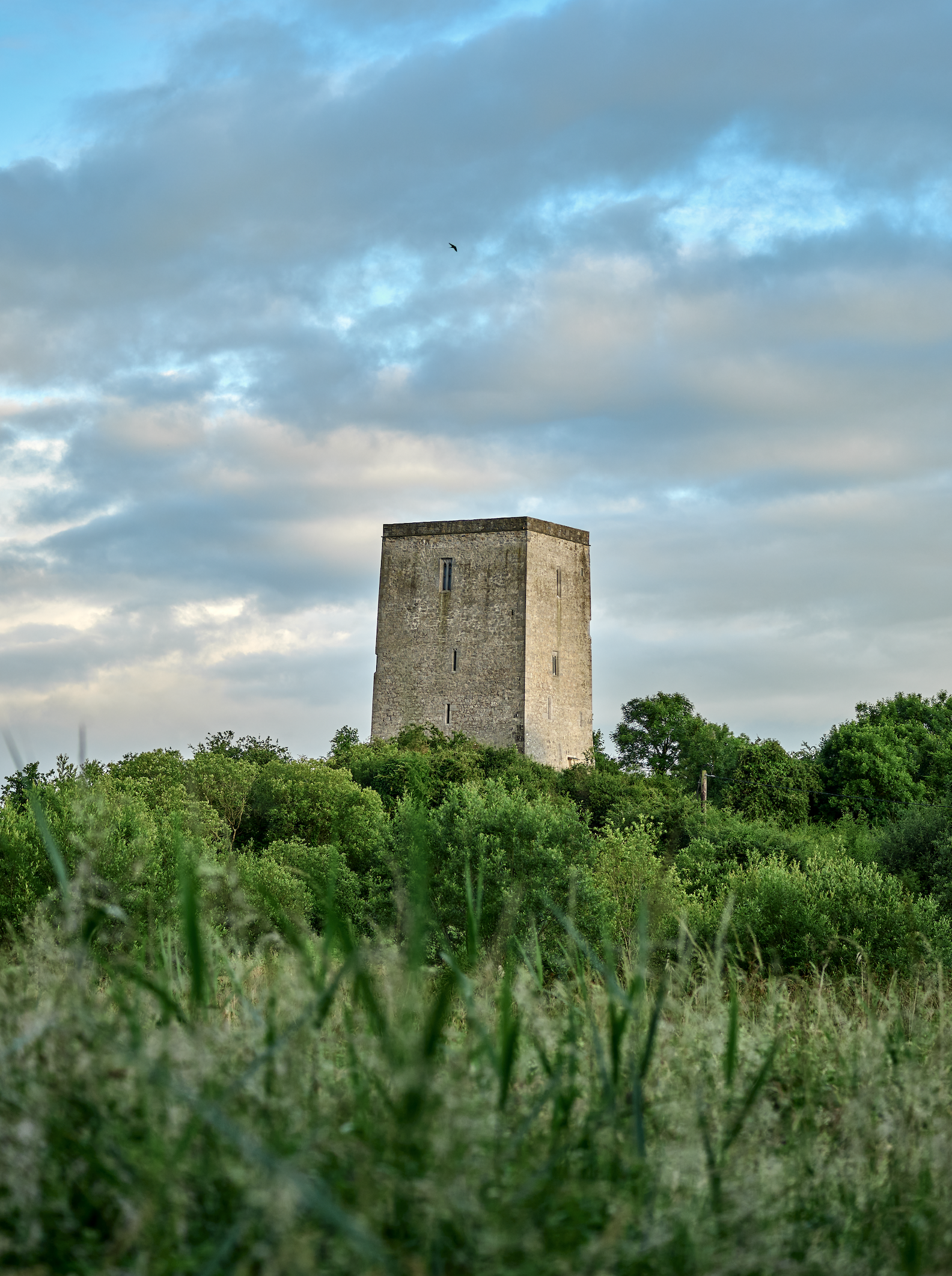
Photograph by Orlando Gili
Powerscourt Hotel Resort and Spa
A mere 30-minutes from Dublin, and found within the lush grounds of Powerscourt Estate (noted for its 68-room mansion and 47 acres of gardens), Powerscourt Hotel Resort and Spa has interiors reminiscent of old-world country homes, yet come with playful touches. Take for example the hot air balloon sculptures adorning the lobby, a nod to The Count of Monte Christo, parts of which were filmed here in 2002. The rooms are sumptuous, with plush beds and Irish linen, but the verandahs overlooking Great Sugarloaf are a highlight - the perfect spot to watch the sunrise over the Wicklow farmland.
Fittingly, the landscape is ever-present, a backdrop to afternoon teas, fireside lounging and spa treatments (which you can complete with a dip in the Swarovski-lit swimming pool). If you truly want to be amongst it, though, there’s hiking aplenty, clay-pigeon shooting, cycling, golf and even falconry. Whatever activity you choose, days should end at Sika, a restaurant renowned for its contemporary Irish cuisine, and swish, friendly service. In fact, that’s what sets this hotel apart - the staff’s attention to detail and their genuine sense of care.

The Harrison Chambers of Distinction
If you want to fall in love with Belfast quickly, check in to the riot of genteel eccentricity that is The Harrison Chambers of Distinction, a 16-room boutique hotel with a vibrant bohemian heart. Found in a converted Victorian merchant’s residence, across the road from the Botanic Garden, each room boasts a unique design inspired by a beloved personality from Northern Ireland - think C.S. Lewis, Jonathan Swift and Hans Sloane. My suite, named for the latter, was bedecked with a bay window, clawfoot tub, chandelier and vintage furnishings. The interiors are the work of owner Melanie Harrison, who was quick to direct me to Books Paper Scissors (if you’re after something penned by a Belfast native, this is where you shop) and the brilliantly-titled Crown Liquor Saloon for the first of many libations.

Photograph by Orlando Gili
I arrived at West Cork’s Dunmore House under cover of darkness. But there’s a lot to be said for allowing this family-run boutique hotel to reveal itself with the rising sun, when the panoramic view over Clonakilty Bay is at its most spectacular. An early morning wander revealed a wildflower paddock, hammocks, and a kitchen garden dotted with contented chickens. Standing among the courgettes and flowering sweet peas, I felt myself getting a little lost in the seascape, and watched as bursts of sunlight transformed the waves from a moody greys to dazzling teals. For Antonia, one of Dunmore’s three kitchen gardeners, the water is magnificent. “If you turn up in a bad mood, it will absolutely ground you. Some days it’s like glass, other times it roars, but it is always hypnotising.” It’s little wonder fare from the hotel’s Adrift Restaurant is so delicious - or that its palette and decoration are odes to the sea.

Photograph by Orlando Gili
I’ve always loved long weekends in Dublin: there’s the joy that comes with walking in the footsteps of literary greats, tipping a scholarly hat to the Book of Kells, gushing over the deer in Phoenix Park, lazing away a sunny afternoon in the National Botanic Gardens, watching the sunset at Poolbeg Lighthouse, and embracing the weird and wonderful at the Dead Zoo (aka The Museum of Natural History).
But as fun as these meanderings can be, having somewhere lavish and calm to rest your head at the end of the day is vital. For this, may I suggest the super-swish Westbury Hotel, tucked behind Grafton Street and part of the family-owned Doyle Collection (one of their charming sister hotels is The River Lee in the heart of Cork).
The moment you enter The Westbury you’re smitten. You are welcomed by sparkling chandeliers reminiscent of an inverted Manhattan skyline, immense floral displays guaranteed to make you swoon, and an extensive art collection. And while the interiors are perfectly luxurious, The Westbury is designed to make you feel at home - presuming your home comes with light-filled rooms, pastel tones and palatial beds.
If you want to experience Dublin’s verve, book a table at WILDE, a restaurant adorned with cascading floral arrangements inspired by festivals and the seasons. The overall design reflects 1930s Dublin - even their glassware is Art Deco-inspired - and while the decor is a chic melange of tiles, mirrors and marble, the menu remains decidedly contemporary. The vanilla creme brûlée isn’t a dessert I’ll soon forget, and the flamboyant cocktails are equally wondrous. Oh, the odes one could pen while revelling (and unwinding) within these dashing walls.

Synonymous with lakes and waterways, County Fermanagh is a treasure trove. There’s the Marble Arch Caves (a staggering subterranean network of passages, chambers and waterfalls), Castle Coole, the Cliffs Of Magho, Devenish Island (a monastic site founded in the 6th century) and - for those craving calm - the brilliant, back-to-nature Finn Lough.
Surrounded by the lush expanse that is Muckross Wood, Finn Lough is a hideaway designed help to you recharge. It’s the creation of siblings Gillian and Michal Beare, who have breathed new life into their childhood home, which their parents Bobby and Rosie first set about transforming in 1983.
Finn Lough now offers family-friendly lakeside villas overlooking Lough Erne, and bubble domes, which come with all the glamping luxuries you could desire - think freestanding baths and four-poster beds topped with heated mattresses. Designed in partnership with local craftspeople, the domes are both luxe and soothing, but your attention is firmly rooted in the verdant world beyond the PVC walls. Here, you’re encouraged to simply sit and look, and discover that there are few places more dreamy for stargazing.
When it comes to food, breakfast hampers are delivered to your door, while dinners are savoured in The Barn, where ingredients are either grown and foraged on-site, or gathered from nearby suppliers. Afternoons can be whiled away in the spa (the Elements Trail involves a series of pools, saunas and outdoor treatments), vintage cinema, or by devouring s’mores by the communal fire. Alternatively, you can dabble in waterside yoga, wander through the forest, or simply dive in - Lough Erne may be chilly, but it’ll do wonders for your soul.

Photograph by Orlando Gili
For more Irish inspiration, check out the mag (by clicking here)
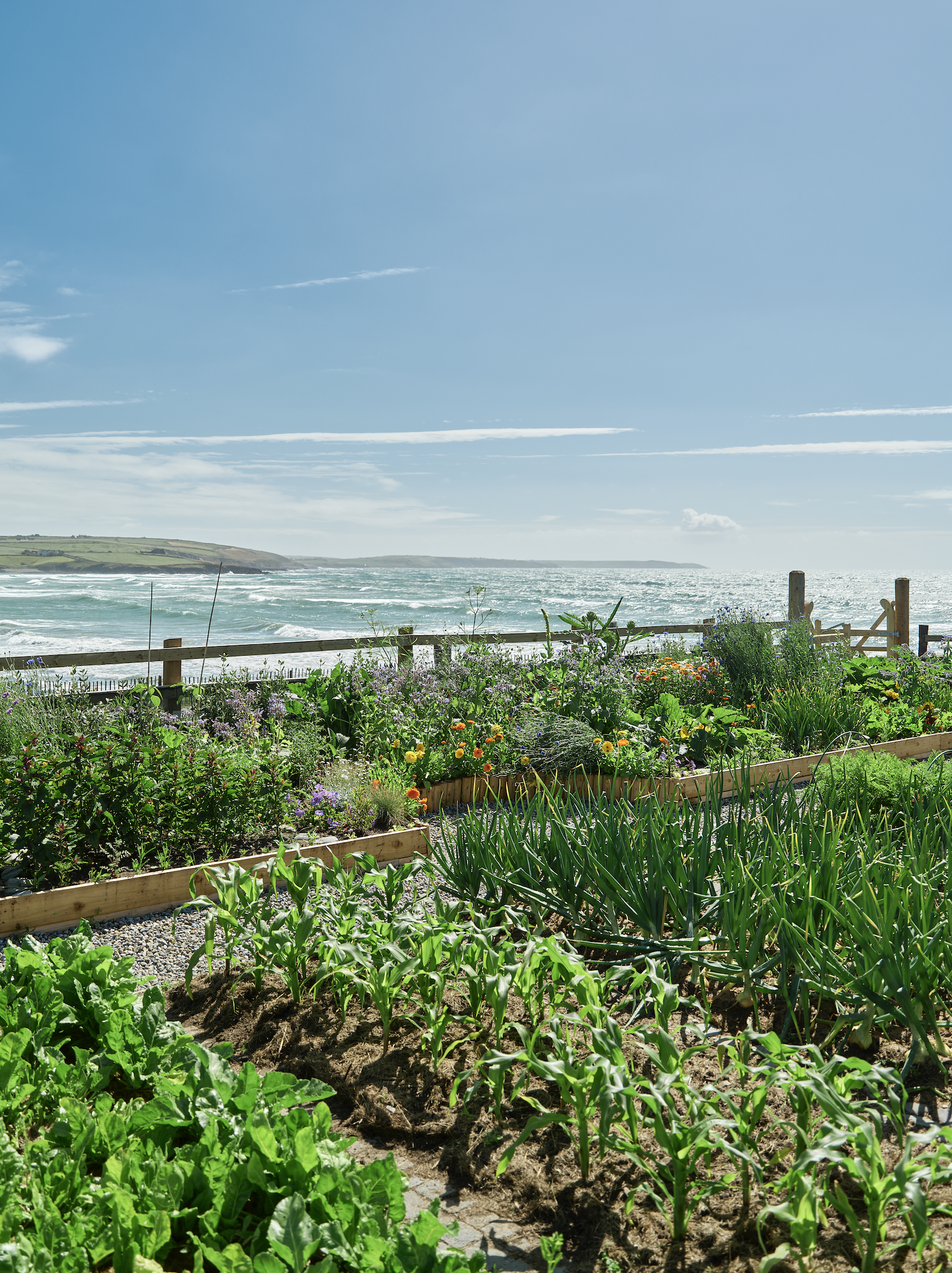


Photographs by Orlando Gili
Over the Alps by Balloon
In pursuit of adventure at the greatest of heights.
Words by Kristen Cosby & Illustrations by Piera Cirefice - and extract from the Switzerland magazine.
We launch the balloon pre-dawn from an obscure airfield in the petite Swiss city of Villeneuve, just beside Lake Geneva. I do not feel the moment we depart Earth. Our rise doesn’t coincide with the burst of flame overhead. Rather, it’s like call and response. The ground retreats... fast... then faster.
There are four of us in the basket. Laurent Sciboz and Yannick Serex, both members of the Swiss ballooning team that shattered the world record for the longest continuous hydrogen balloon flight during the 2017 America’s Challenge Race. The third pilot, Louisa, is Yannick’s former student, a 28 year old competitive balloonist (she’s so good, Yannick told me, that a notable balloon-maker had built a beautiful red gas balloon for her). And me, an American traveller who’d jumped aboard a vessel the size of a bathtub with three strangers because she loves chasing horizons.
Laurent shines his head lamp onto the treetops, cautioning about branches and power lines, but they quickly vanish into the splatter of human luminance. Still just this side of dawn, Earth remains indigo and black, interrupted only by miniature street lamps, the soft sheen atop the lake and the flame from our burner. We climb a little higher and the valley flattens, losing dimensions. Large details become fine and precious. The brightening twilight reveals a perfect oil painting of minute buildings and teeny-tiny cars.
We pause our ascent, hovering relatively low. Traffic begins to rustle the roadways. We’ve been aloft a half hour but the clocks have relinquished their relevance. We remain connected to civilisation by the whir of highway traffic and connected to Earth by the scent of loam and water.
Operating with headlamps switched red so our night vision remains pure, Louisa tends the burners while Yannick unclips his pack from the exterior of the basket and pulls out a red snowsuit into which I’m bundled. I am going to be glad for the down-filled layer when we get above the mountains, Yannick informs me. A beat: “Above the mountains?” When I’d swung my leg over the edge of the basket, I’d imagined this would be a short tourist trip.
Yannick studies the terrain below and sends a wad of spit over the rail. “Did you see someone you don’t like?” I ask. Laurent lifts his face from his camera; “No, he’s measuring the direction of the wind to see if we can kiss the lake.”
“Just a little kiss,” Yannick smooches the air. “Un bec from the bottom of the basket.” In winter, he’s been known to skate the bottom of the basket along the frozen surface. Sometimes, he brings the basket down hard and fast to see if he can crack the ice before lifting off again.
Spitting reveals that the wind will not take us over the water. Not if we want to travel today. The material of the balloon-envelope is so thin that the hot air is constantly escaping - it requires periodic burns of our six large bottles of liquid propane just to hover. To rise, Yannick increases the frequency of the burns. Our headway is entirely dependent upon the various winds at different elevations and Yannick’s knowledge of these invisible currents and eddies. He points to a saddle between the foothills. We will catch the river of wind that blows off the lake and crests the ridge by funnelling through the saddle. And then? “We go where the wind decides,” Laurent tells me. If the sky is willing, we might drift for six or seven hours.
The foothills approach and loom. Just when I start to smell the close and wet hillsides, the balloon finds the wave of air and we are lifted up and over the saddle.
Dawn arrives as we pop over the ridge, returning colour to the world. I suck in my breath. In the new light, mountains crowd like glittering sharks’ teeth, a sea of white-capped peaks. The real game revealed. We are at an elevation of 726 metres and climbing. “On montre,” Yannick booms. “Time is not a friend of the gas balloon.”

Once over the ridge, we descend into the Simmen Valley. A channel of cold air funnels between the mountains, carrying us northeast over the fields and forests at approximately five miles per hour. Later our navigational devices reveal that we’d topped out at a speed of 30mph, but I don’t notice the acceleration. Impervious to the currents that pull us along, we hang alongside peaks covered in Lilliputian trees, over a green patchworked valley sparsely threaded with pale roads and spotted with chalets and farmhouses and brown dots that are likely cows.
Even in a storm, the snow feathers against your skin, Yannick tells me, because the balloon travels as part of the weather. Only when you land do you feel the rip of the wind, the gouge of sleet. “The problems are there,” he points downwards, “you are here.” This high, you sense the concept of life but without individual actors or movement. Chaos and trouble flatten into a map that reveals all its secrets and ways. You cannot be lost, and that’s a great comfort.
Lower, the air warms. We pass over La Valsainte, close enough to the ground that the trees have become individual again, as have the tiles on the red-peaked roofs that make up the oldest monastery in Switzerland; built in 1295, almost 500 years before humankind’s first foray into the air via balloon. I imagine the monks of La Valsainte enacting their isolated routines. Perhaps in summer they found pleasure in hiking up the steep, lush hillsides to meditate on divine omnipotence or, simply, what it would be like to alight towards the heavens.
“On montre!” To the Alps! Towards the sun! Where the air is so bereft of oxygen that our brains would turn to mush, unable to cognate or form memory. Louisa takes over the gas while Yannick assembles the oxygen tubes, singing: “Pour la mémoire!” I echo, “For memory!” We’ve gotten a bit goofy with the excellence of the conditions. A flight like this doesn’t happen every day.
Laurent handles air traffic control, who demand to know our destination. “Towards Thun,” repeats Laurent, though for all we know we’ll end up in France. L’autobahn du vent, the highway of wind, sweeps unimpeded across the upper deck of the sky, beckoning us. And we rise to meet it.
When my oxygen tube slips from my nose, Louisa is quick to replace it, saying: “If it falls out, you will not notice when you stop thinking and remembering.” Yannick tells me to extend my middle finger so he can measure my blood-oxygen level to be sure I’m breathing correctly. 99.9 percent, normal. Later, I’ll see video footage of Yannick and Laurent’s first flight together, a three hour escapade over the Italian Alps. Once aloft their oxygen tubes proved defective. Laurent’s blood-oxygen level dropped to 65 percent. On the film Yannick asks Laurent, “what’s two plus two?” Pale and haggard, Laurent’s movements and speech slow and thicken. He cannot calculate the sum. Yannick writes notes in gibberish that he is unable to decipher once they’d managed to land.
Terra firma has fallen further away and once again we can see far afield: neighbouring cities and towns and lakes and the mountain range beyond the valley. “Oh, it’s raining over Freibourg, isn’t that funny,” says Louisa. I look up from my oxygen dial just in time to watch the world disappear. We’ve punctured the swath of stratonimbus that is bringing rain to the city across the lake. Being rendered invisible within the flight deck beckons my worst fears. We are borderline socked-in but, Yannick predicts, not for long. We will monitor the communication channel and wait.
There is nothing to be curious about except when we will exit the clouds. I curl and uncurl my toes for luck. My feet are cold, the temperature having dropped to -10°C. My red suit protects all of me but my extremities. My face is kept warm by the flame.
Between the exhale of dragon fire, the puff-hiss of my oxygen tube and the occasional beep that confirms that I breathe, no sound lingers but the slight creak of the basket swinging from the stays and the squeak of straw and plywood when someone moves and the basket floor shivers. A dense, eerie calm closes in. It should be touchable but when I reach my hand into the grey mass there’s nothing, just a hand against the void. The world, the sun, gone. “Now we go to paradise,” says Louisa.
All at once, the grey walls dissolve. We break through the clouds at 2,570 metres, above the peaks; the dazzle of Alpine snowcaps and the white, innocuous clouds below stab the eyes. But we can see forever, into tomorrow and yesterday. Yannick pulls the gas lever and we leave the clouds below.

At our apex, 4,480 metres, we become astronauts in orbit. Earth is so distant and still that it’s alien, a static concept. If magic is the ability to change one’s perspective, then this is sorcery. You have to reconsider your place in space and time, you have to give yourself over to the largeness of the sky, and you have to believe that something will continue to cradle you aloft - the laws of physics, the expertise of your pilot, the gods of wind and sky. Ballooning, above all other sports or modes of travel I’ve attempted, is a state of being. It’s been hours since I ate or drank or had proper rest, but I’m not thirsty or hungry. I want for nothing. It’s as if I’d paused the world and stepped away for a moment of quiet observation at creation and decided that it was blessedly enough.
We descend over a field near Kaufdorf. Not exactly where we’d reported landing but close. There are no safety belts. As we approach, our shadow looms and rushes swiftly to meet us. We bump hard and the basket begins to tip onto its side. Yannick pulls the red line that collapses the parachute atop the balloon, spilling the last of our air, and the basket thumps solidly upright. Children flock from the village on bicycles pointing and shouting. Le ballon sighs and puddles in the grass. And we become mortals again.

Love Crumbs
Recipes from Sydney's Flour & Stone.
There are many reasons to adore Sydney; we have the harbour of dreams, patches of pristine wilderness and an obsession with coffee. But what I really adore about my hometown is the sheer number of seriously good bakeries. After all, what’s the point of being blessed with sunshine if you can’t eat cake in it? A.P. Bakery (of buttermilk croissant fame) is perhaps the most experimental. Flour in Caringbah is a scrumptious community haunt, Brickfields might just make the best sourdough around, Lucien Baked Goods lets Middle Eastern flavours shine, while Banksia Bakehouse create pastries (all inspired by Australia’s flora) that look too beautiful to eat - although you absolutely should, they’ll make you very happy.


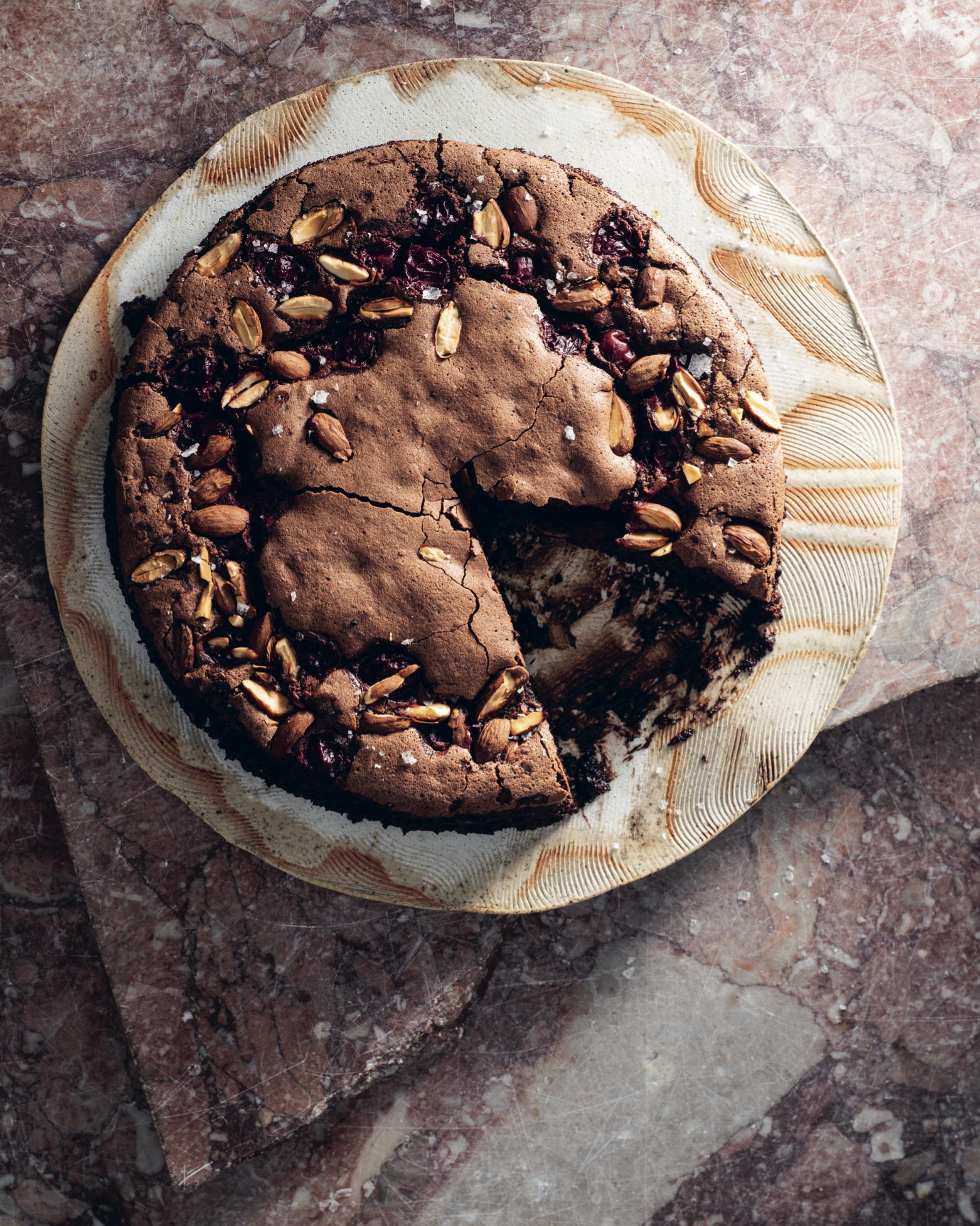

And then there’s Flour and Stone, a Woolloomooloo institution created by Nadine Ingram where it’s all about cake … and tarts … and biscuits … and meringue. Although the panna cotta lamington and seasonal custard tarts will ensure repeat visits, I love how warm and friendly things feel here. You’re never rushed, names are remembered (the team will even keep back the treats they know regulars adore) and the counter is a work of art, piled high with buttery treats you’re powerless to resist. Nadine has also just released a new cookbook, Love Crumbs, that celebrates Flour and Stone’s new and iconic creations, Sydney’s phenomenal flavours (and icons) and the sheer brilliance of cake.
You can order a copy of Love Crumbs here - but for now, here are two gorgeous recipes from the book in case you can’t wait to get baking.


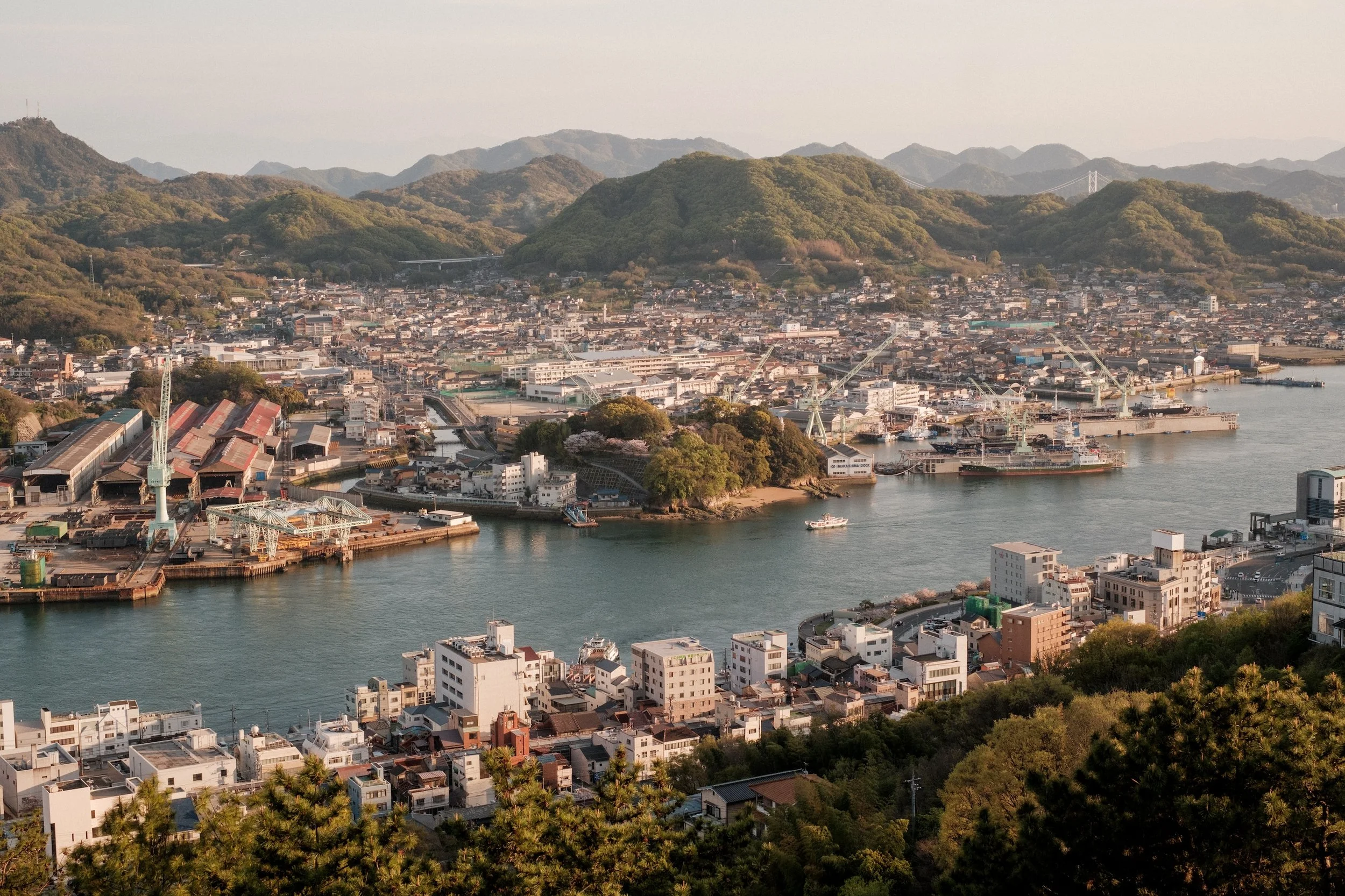
Another Japan
Island living in Hiroshima Prefecture - an extract from the Japan magazine.
Words by Liz Schaffer & Photographs by Daisy Wingate-Saul - an extract from the Japan magazine
I’d forgotten how thrilling it can be to look out from a plane window. Flights have become so commonplace - a necessary evil when it comes to getting from A to B - that we sometimes forget to glance down at the world as it passes below us. Almost as soon as we took off from Haneda, the bamboozling Tokyo sprawl, painted pastel by the morning light, was replaced by a snow-capped Fuji. And as we descended an hour later, I was captivated anew by the lush mountains of Hiroshima Prefecture, the villages nestled in valleys, the scattered islands of the Seto Inland Sea. I was about to touch down in another Japan entirely.

I’d come to Hiroshima Prefecture for art, nature and food - this was the land of oysters and okonomiyaki, after all - so decided to start my adventure in the hilly port city of Onomichi, a buzzing maze of coffee shops and creativity. The artistic mood was set at LOG, a six-room boutique hotel that combines Japanese and Indian design elements - think futons and washi-paper screens paired with hues that call to mind the palaces of Jaipur. LOG is reached via a cafe-lined staircase that wends up from the harbour, and settled in the hotel’s chic cafe, I sipped my matcha while looking out over the springtime cherry blossoms, before turning my attention to their art collection which is full of pieces created in partnership with visiting artists, poets and musicians.
Despite what my leisurely first afternoon might imply, Onomichi is a city made for walking, be that along the waterfront, through the covered market (which is home to fabulous restaurants like Takahara Seikichi Shokudou where the fried oysters are the stuff of foodie dreams) or up the hillside. The latter route may take your breath away in more ways than one, but the sculpture-like viewing platform suspended above the grounds of Senkoji Temple at the summit more than justifies the climb - there’s also a cable car should you fancy a more leisurely ascent. On the way back down, take a left at the pagoda and follow the aptly named Cat Trail, a warren of shrines and artworks honouring the feline residents who have claimed this partially-abandoned corner of Onomichi as their own.
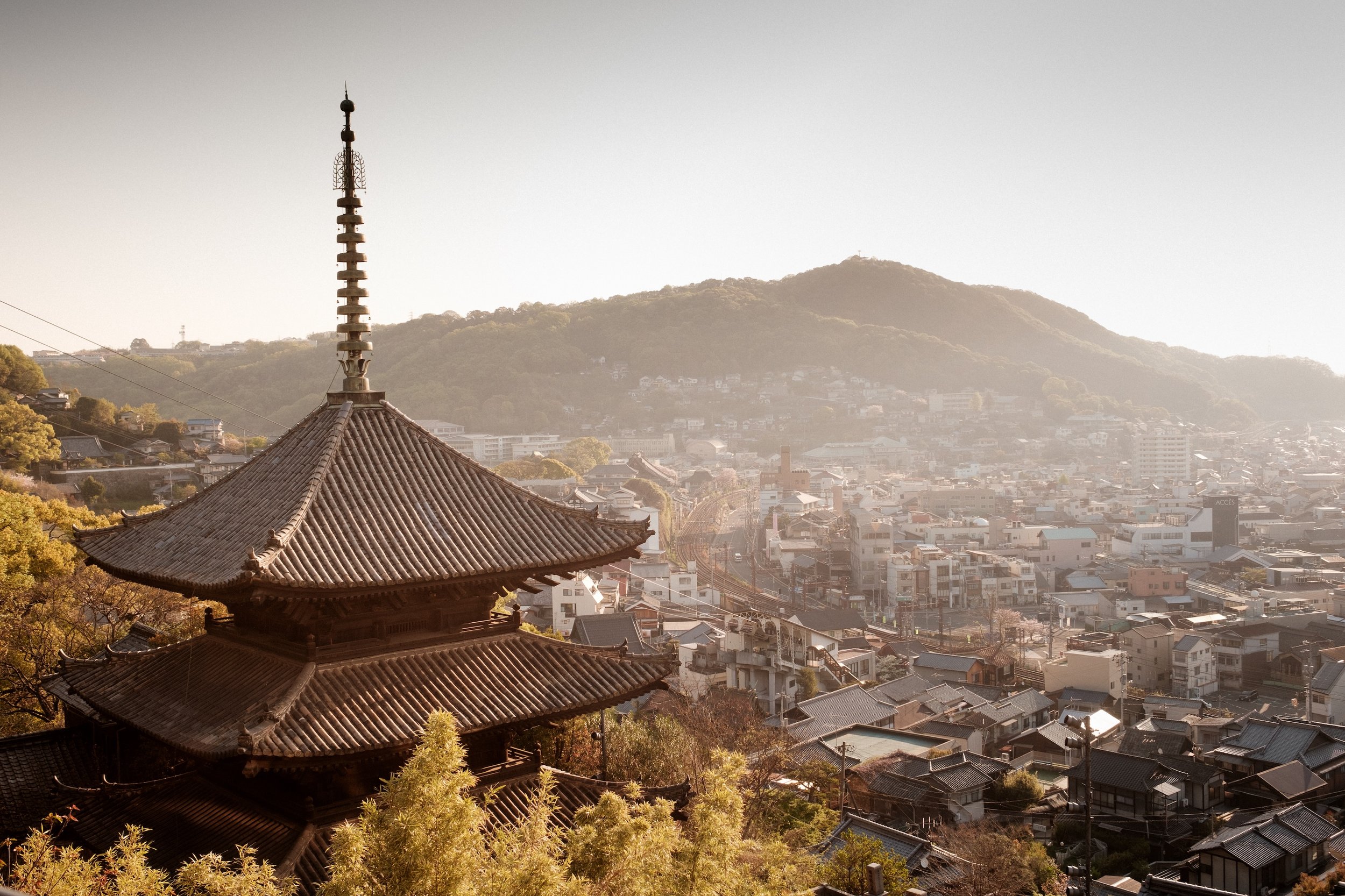

Island hopping is a vital part of any Hiroshima Prefecture getaway, so the following day I stopped in at Onomichi U2, a hotel found in a revamped, waterside warehouse and built with cyclists in mind - the city marks the start of the 70-kilometre-long, island-crossing Shimanami Kaido cycling route. Here I picked up picnic supplies at their onsite bakery, before setting sail for Art Base Momoshima. Located on Momoshima island, which is home to around 350 inhabitants, Art Base has turned a collection of abandoned properties into exhibition spaces. The old junior high school, for example, is now filled with Yukinori Yanagi’s conceptual works, including a race car caught in perpetual motion and a bathroom-turned-garden. Yukinori was one of the pioneers of the Setouchi Art Island Movement, which revitalised islands throughout the Seto Inland Sea and gave us the internationally recognisable Benesse Art Site on Naoshima, yet Momoshima still feels a little undiscovered. In fact, while being guided between artworks, I found myself alone inside an ivy-clad cinema that was built in the 1960s by a man who loved movie theatres but had no idea how to run one. It now houses one of Yukinori’s large-scale neon works, and as I stood watching illuminated flags from Japan’s past reflected in a pool of water, I was reminded of just how much art can move us when we only have our thoughts for company.

Azumi Setoda, on Ikuchijima island, is stunning in an entirely different way. Found in a building with more than 140-years of history, this luxury hotel began life as the home of a merchant family who made their fortune through the region’s once-booming salt industry. Many of the original architectural details remain; the facade (like others lining the Edo period street) looks like something from another time, and inside you’ll find a tea house and traditional gardens. The rooms themselves offer a more contemporary take on the classic ryokan style, cypress tubs and all, and although the design alone more than justifies a visit, it’s Azumi Setoda’s dedication to the community that makes a stay special. The team have helped neighbouring cafes, guesthouses and restaurants flourish, built a traditional bathhouse and curate unique experiences designed to immerse guests in Ikuchijima life. Staff will guide you through Kosanji Temple, a serene space which was built over a 30-year period and inspired by iconic temples across Japan, and the gallery dedicated to local artist Ikuo Hirayama. Made using natural pigments, Ikuo’s watercolour-esque paintings capture the beauty of the everyday and were designed to promote peace and culture through art, his style a response to the bombing of Hiroshima and Nagasaki.


And then there’s Yoshimasa, a beloved restaurant (reached via a hotel-arranged fishing boat) where walls are adorned with baseball paraphernalia and art prints made by using fish the owner has hauled in over the years as stamps. Rustic and delicious, you can sample pork and lemon gyoza unique to the region (around 70 varieties of citrus are grown here), phenomenal fried chicken cooked with salt and lemon, and a fish head that is infinitely more delicious than its dubious appearance would have you believe.
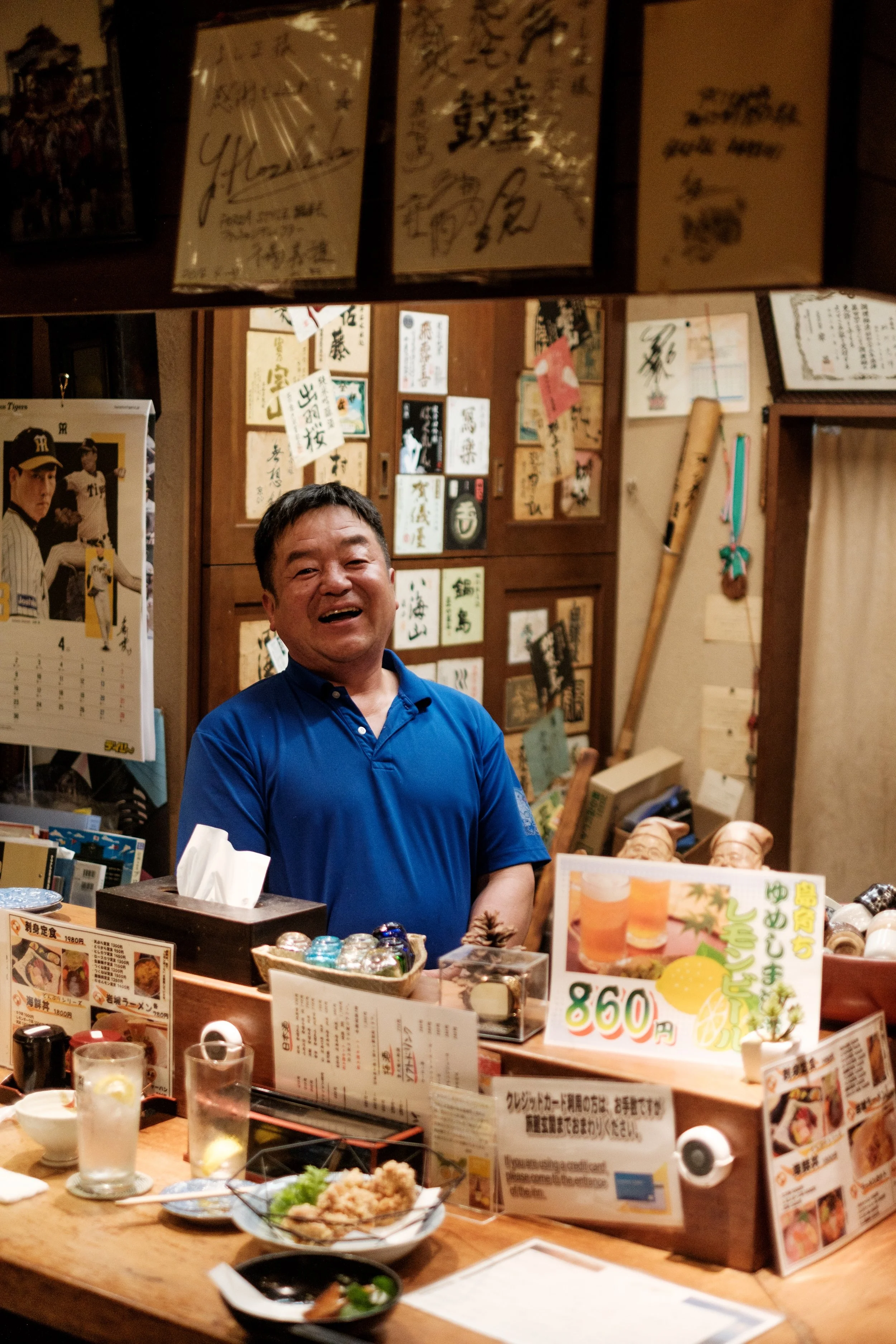
I spent my final evening on the island pondering where I should venture next. I could keep things simple and stay on at Azumi Setoda, starting my days with morning meditation at Kojoji Temple, found beneath a 600-year-old pagoda. I could make my way back to Hiroshima Airport via a stop at the woodland-framed Buttsuji Temple, a hushed and tranquil site maintained by just two monks. Or I could jump on a bike and go in search of tropical scenes and island-inspired sculptures, and maybe even cycle all the way across Kyushu. There are countless ways to explore this region, a wonderland where art makes you question your place in the world and nature is king - so I decided that the best course of action was to simply wake and let the day decide, because whatever I did next was sure to astound.
Liz and Daisy travelled with help from Hiroshima Airport, which can be reached domestically from Tokyo, Sendai, Sapporo and Okinawa, making it the gateway to Setouchi.
This story is part of Japan, Vol 3.


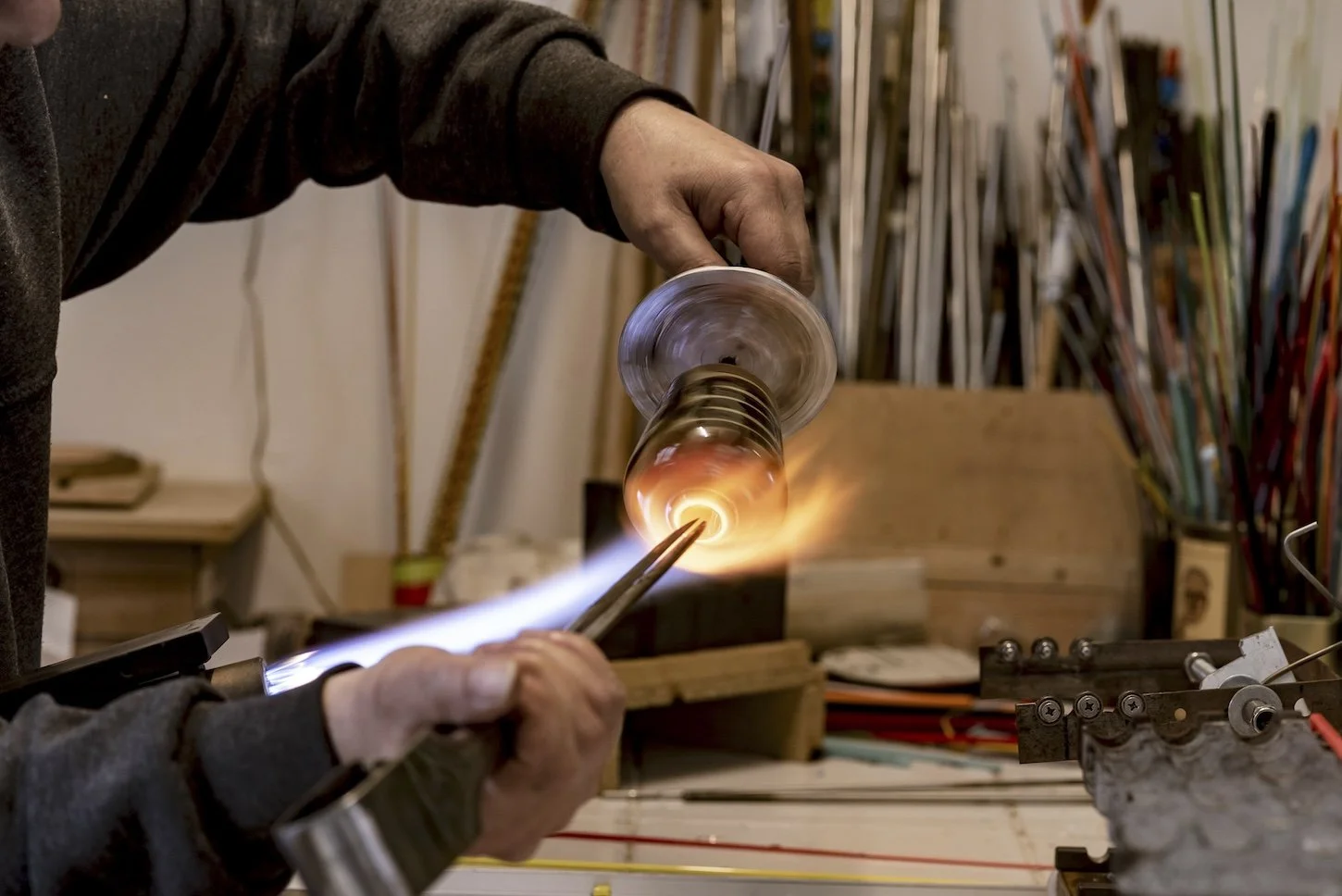
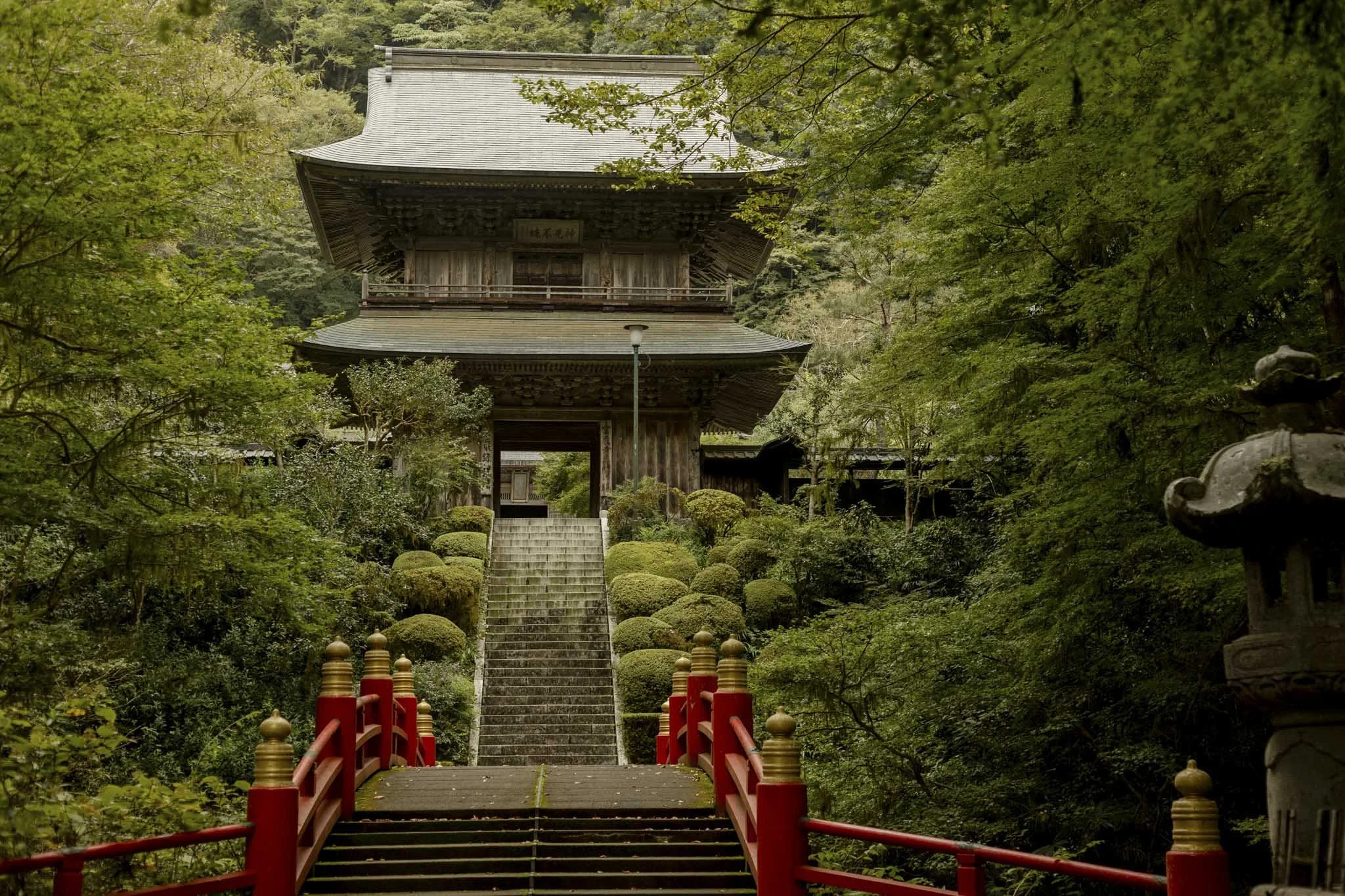


Celebrating Cecil Beaton at Wales’ Hawarden Estate.