

A Lisbon Love Affair
Portugal hits the sweet spot.
Words by Sarah Jappy
Photographs by Richard Kelleher & Visit Portugal , Illustration by Ana Gil
This could easily have been an article about egg yolks. A love letter to Portuguese desserts and the custardy paradises of Porto and Lisbon. A paean to sunshine-yellow, coconut-y quindim cakes, pudim flan, baba de camelo (moreish mousse), doce de leite and, of course, the country’s infamous pastéis de nata, rustled up by monks of old with sinfully seductive baking skills.
Yet there’s more to these historic cities than superlative sugary confections – including heritage hotels, British artists and fish-curing chefs, cultural lures and green spaces galore. Let me transport you. But first, imagine the smell of sugar coming to a buttery boil as you read on…
It’s my birthday and this means one thing: getting the heck away from home (south London) and making a beeline for sunny Europe and its promise of wine and edible wonders. To Portugal, to be precise. Our celebratory immersion begins with a bonus five-day stint in Porto. This unassuming hilltop city unfurls in a series of surprises, each one more lovely than the last, sound-tracked by the honk of boats in the port and the indignant squawks of seagulls.

Scented with caramel, just-baked bread and sun-warmed linen drying on lofty balconies above, the city’s rain-damp streets wind like silver ribbons from restaurants to cake shops to boutiques to bars, under skies that alternately glower shark-grey or blaze blue-denim; glorious days when the Douro shimmers with a diamond-dust sparkle and the sunshine puts added jaunt in January’s step.
In retrospect, we come perilously close to peaking too soon in Porto, overindulging in lunchtime tankards of apple-crisp vinho verde with its giddy frisson of fizz, unabashed fishy feasts and more bacalhau and custardy confections than can be considered sensible. Luckily, we have a restorative base camp in store for our second-leg sojourn: Hotel Britania, part of the Lisbon Heritage Hotels group, tucked away on a quiet side street off arterial Avenida da Liberdade.
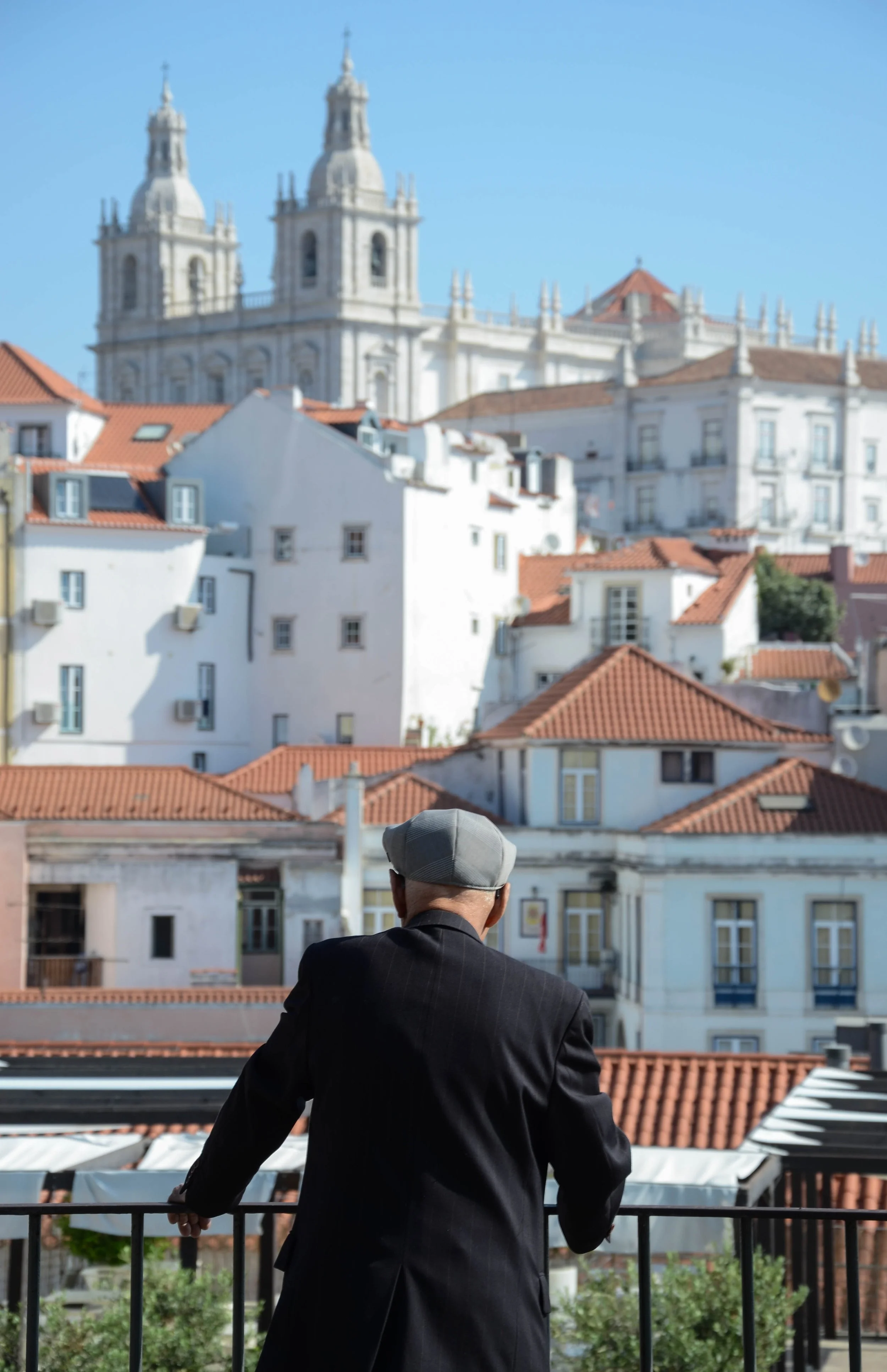
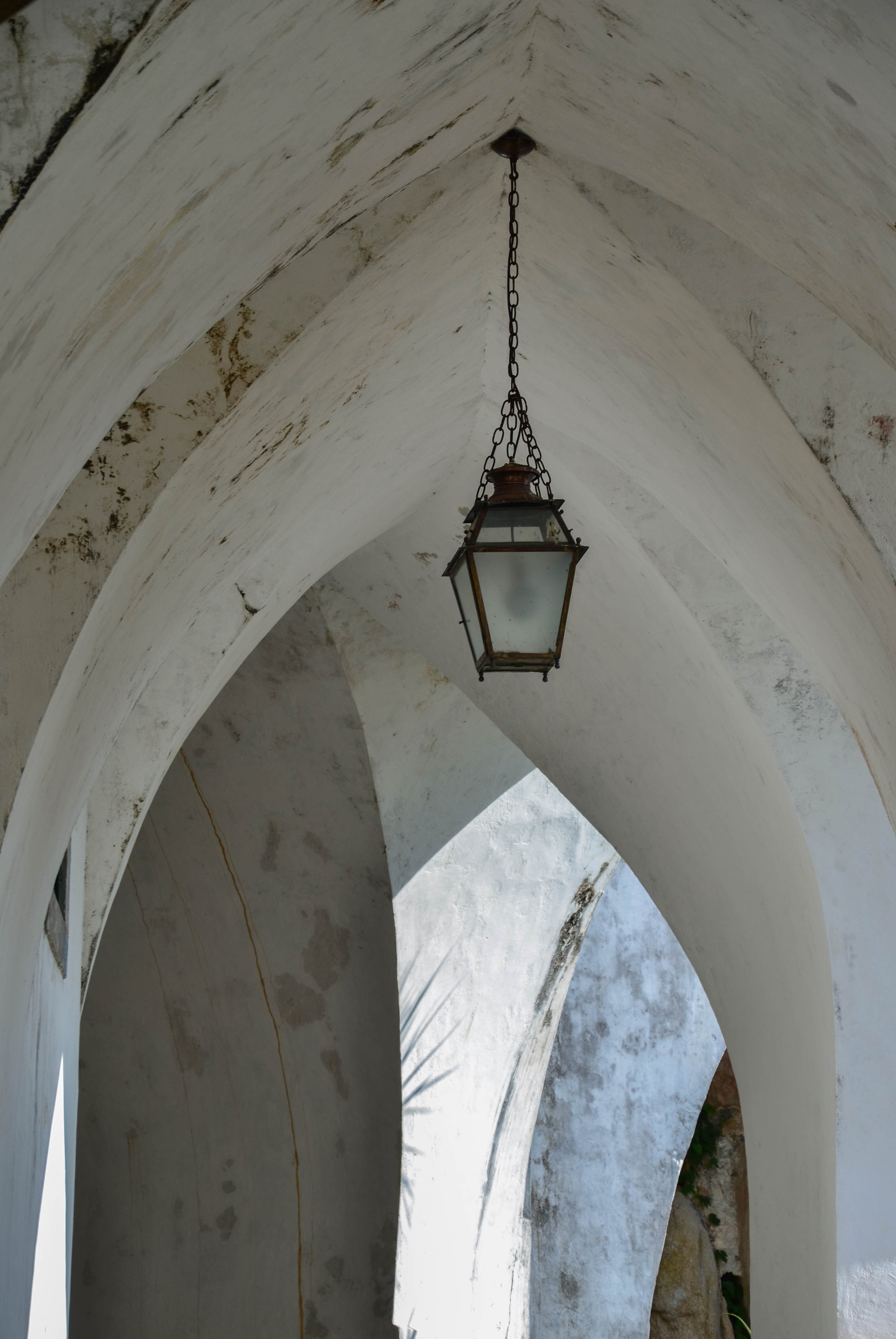
The illustrious Portuguese modernist architect Cassiano Branco (1897–1970) is responsible for the hotel’s Art Deco elegance, signalled by the façade’s round, porthole windows, creamy stone and licorice-black accents. Inside, much of the hotel’s classic 1940s charm endures, thanks to a sensitive and extensive restoration by the current owners. The lion’s share of this work involved peeling away and reversing regrettable ‘improvements’ made in the 70s, and triumphantly reinstating this grand dame’s former glory. Original wooden panelling, toffee-coloured cork floors, marble fittings and even the original barbershop, preserved exactly as it once was, allow guests to peer back into the city’s storied past.
Beautiful paintings and mini frescoes adorn the walls of the quiet bar and breakfast room, artfully referencing Portugal’s overseas empire of old. Black-and-white photographs recall the days when Spanish singer and actress Carmen Sevilla graced the bar with her butterfly-like presence, and dignitaries and visiting sporting heroes filled the hotel’s ballroom at decadent dinners. The lobby’s lift judders guests up to rooms styled with a warm, earthy 40s’ colour palette, all umber and amber, nut-brown wood and antique furniture, including charming coat stands and dark, heavy sideboards. For a more modern feel, the hotel’s newer rooms reinterpret the theme with a 21st century spin, throwing breezy balconies into the mix, too.
Days here begin in the peaceful, lemony-white library-breakfast room, whose substantial breakfast buffet ticks off all the usual suspects (cheeses, salads, cured meats, pastries, jams, eggs etc), along with some holiday-appropriate extras: an ever-present bottle of chilled champagne and an array of Portuguese petit-fours, for example. Naturally, nights end back at Hotel Britania’s bar, which does a fine line in giant G&Ts and classic cocktails. Felicidades!


What would feature in your Lisbon sojourn? Ours stars sunny strolls through leafy parks, characterful neighbourhoods such as Bonfim, Bairro Alto, Campo de Ourique and Príncipe Real, and trips to the Gulbenkian, where we gape at magnificent Persian rugs, ancient jewellery and the serpentine queue forming for the Tintin exhibition. Lunch afterwards at Linha d’Agua provides an opportunity to people-watch over hefty pieces of pie and cake; we admire locals enjoying languid dates, ensconced in stripy deck chairs by the shimmering fountains.
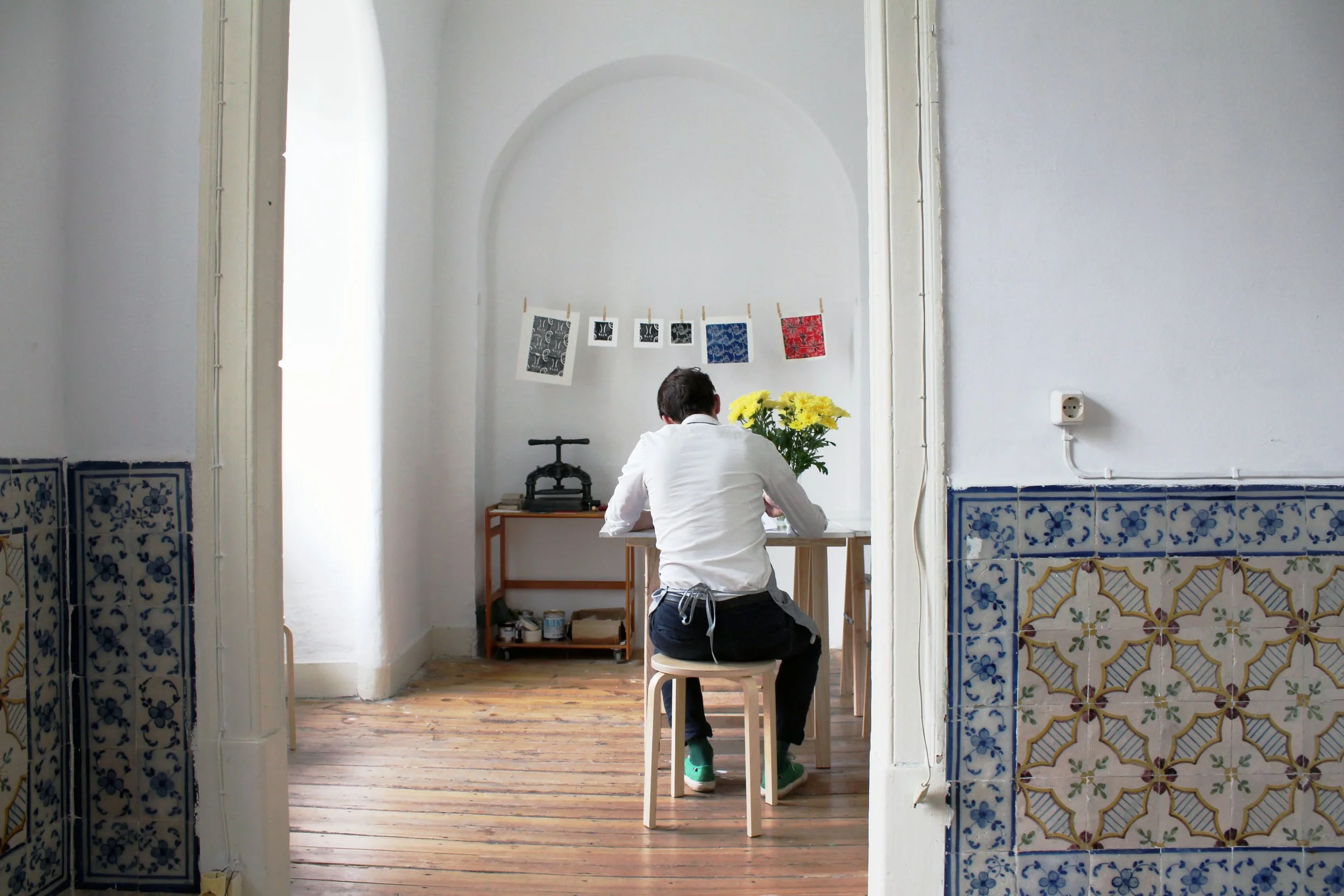
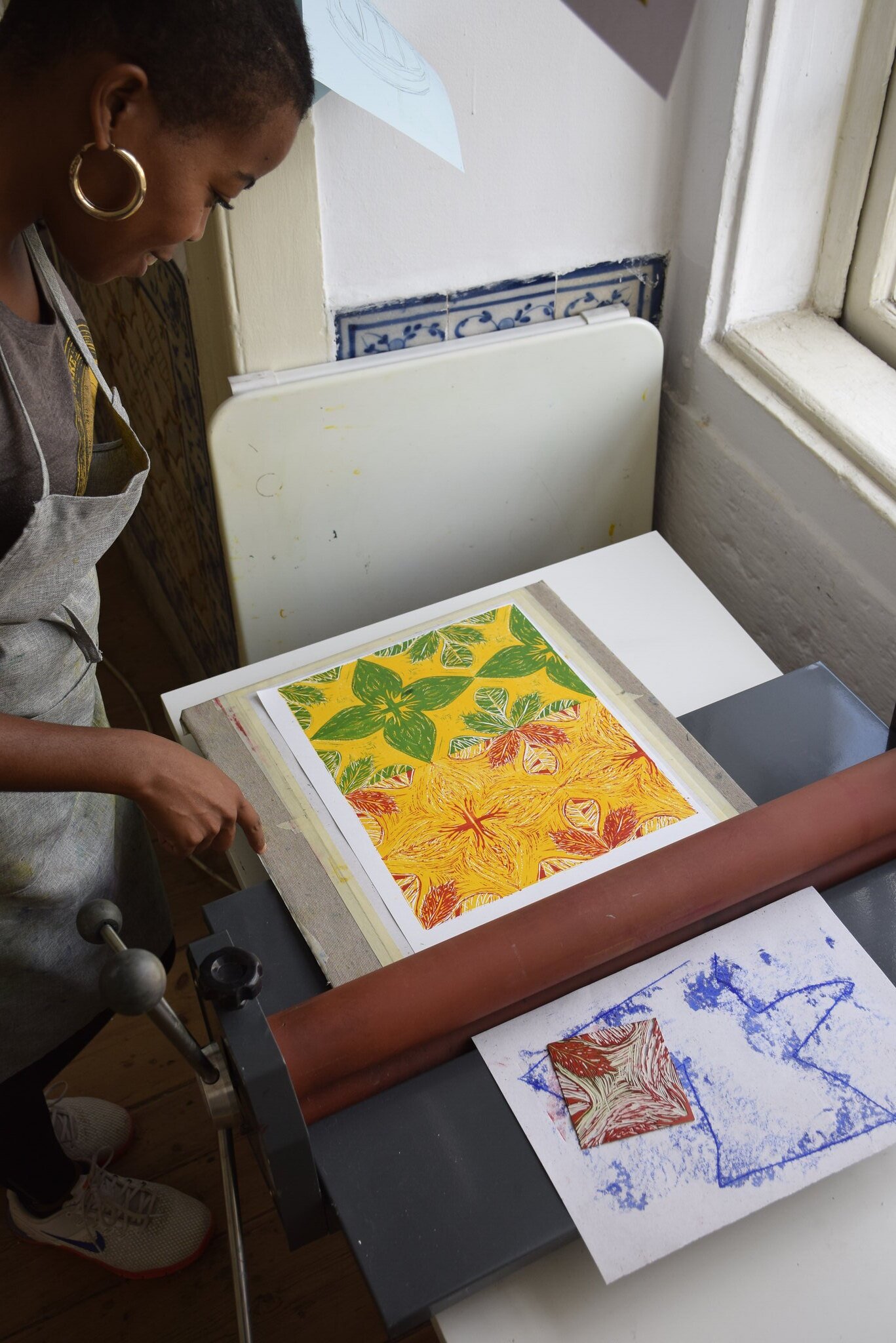
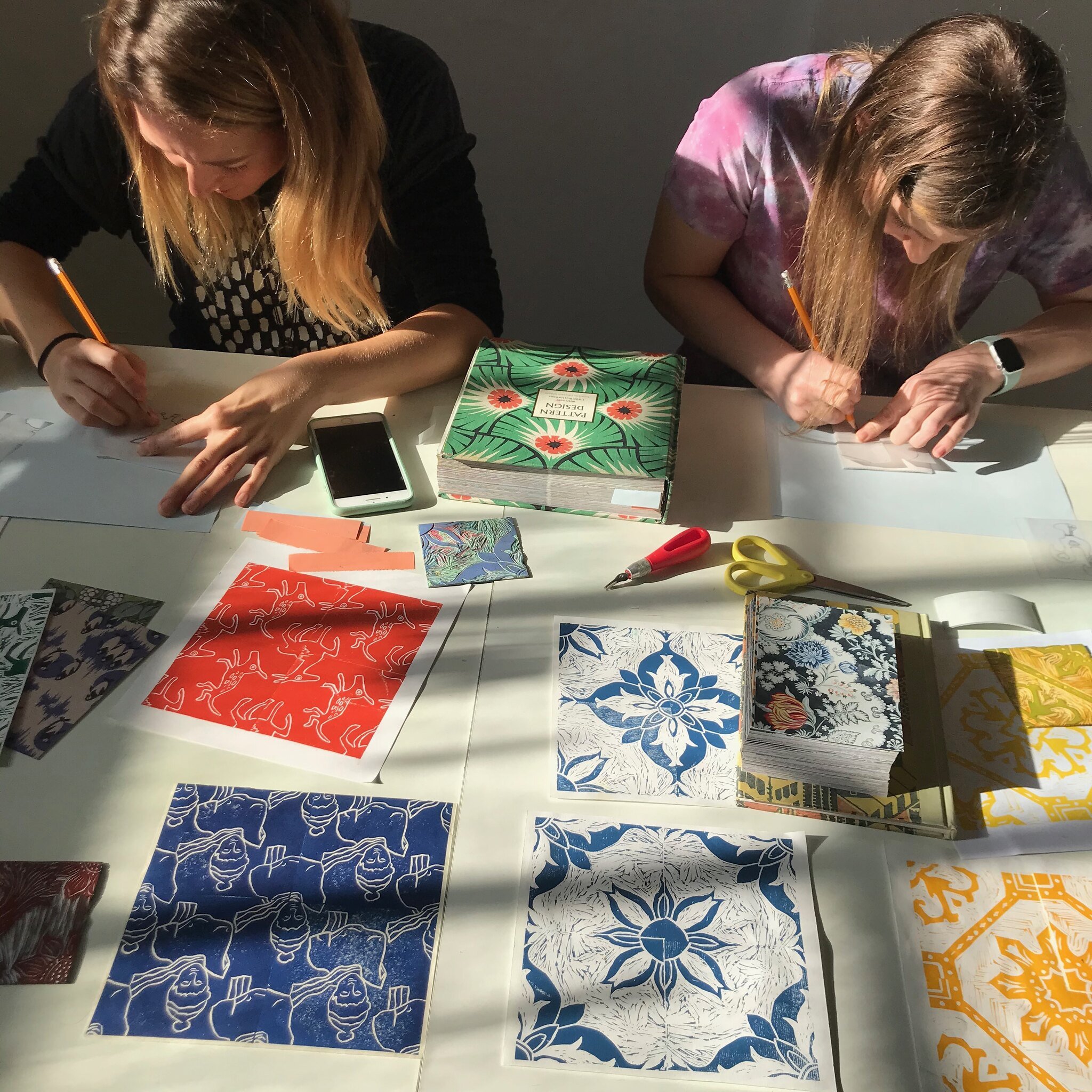
During our stay, we are lucky enough to be tutored in the art of lino-printing by charming British artist Tom Maryniak, of Lisboa Social Press. In his sugar-cube studio in downtown Lisbon, bright white with lashings of natural light, all lofty ceilings and art-adorned walls, Tom helps us to squidge fat noodles of paint into our chosen designs and shows us how to roll the press slowly over our creations. A therapeutic and lovely process, especially in Tom’s company – but do factor in time for your art to dry and be collected, as we are regrettably diverted by dinner…
But what a dinner! The chef behind Can the Can restaurant is the Willy Wonka of cured fish. If, like us, you’re new to swordfish-belly bacon, tuna pastrami or garum – an addictive fermented fish sauce that harks back to the ancient Greeks and Romans – then you’re in for a ride. Appropriately, empty fish cans bedeck the walls in a metallic, rainbow-coloured array, and the restaurant frequently collaborates with artists, as documented in Can the Can’s covetable book, Eat Art, which my bookworm partner browses with a barnacle-like grip (he eventually lets go). Cool cats will want to swing by Antù bar afterwards for cocktails and perhaps to browse vintage threads, lovingly curated by Peckham-based label (and trendy London fave) Wavey Garms.
If shopping floats your boat, this city spoils you. For vintage-lovers, there’s the Saturday flea market, Mercado de Santa Clara; stay for lunch in one of the charming restaurants or cafés in the market square. I leave with a(nother) enormous fur hat for my collection, because one is never too old or young to channel Julie Christie in Doctor Zhivago. If you like your wardrobe on the more modern side, visit the dangerously dapper Feeting Room concept store on Calçada do Sacramento, and while away a couple of hours in Embaixada, an elegant 19th-century palace that hosts a wallet-destroying wealth of designers across its regal two floors.
One morning, we roam around Lx Factory, the city’s answer to London’s Brick Lane. A highlight is Ler Devagar bookshop, a labyrinthine mini-kingdom set in a former printing space, with ladders stretching up the soaring, book-clad walls, a tempting café with chess-set-adorned tables and a bonkers top floor, home to a little jazz record store and a steampunk-style exhibition showcasing an eccentric array of dusty toys and treasures. Our pottering culminates in a burger lunch – a much-needed antidote to the previous night’s fishy overindulgence. (Similarly, when you need a bacalhau break, 3 Amigos serves amazing Mexican food and Koppu dishes up incredible ramen, pleasingly close to Hotel Britania.)
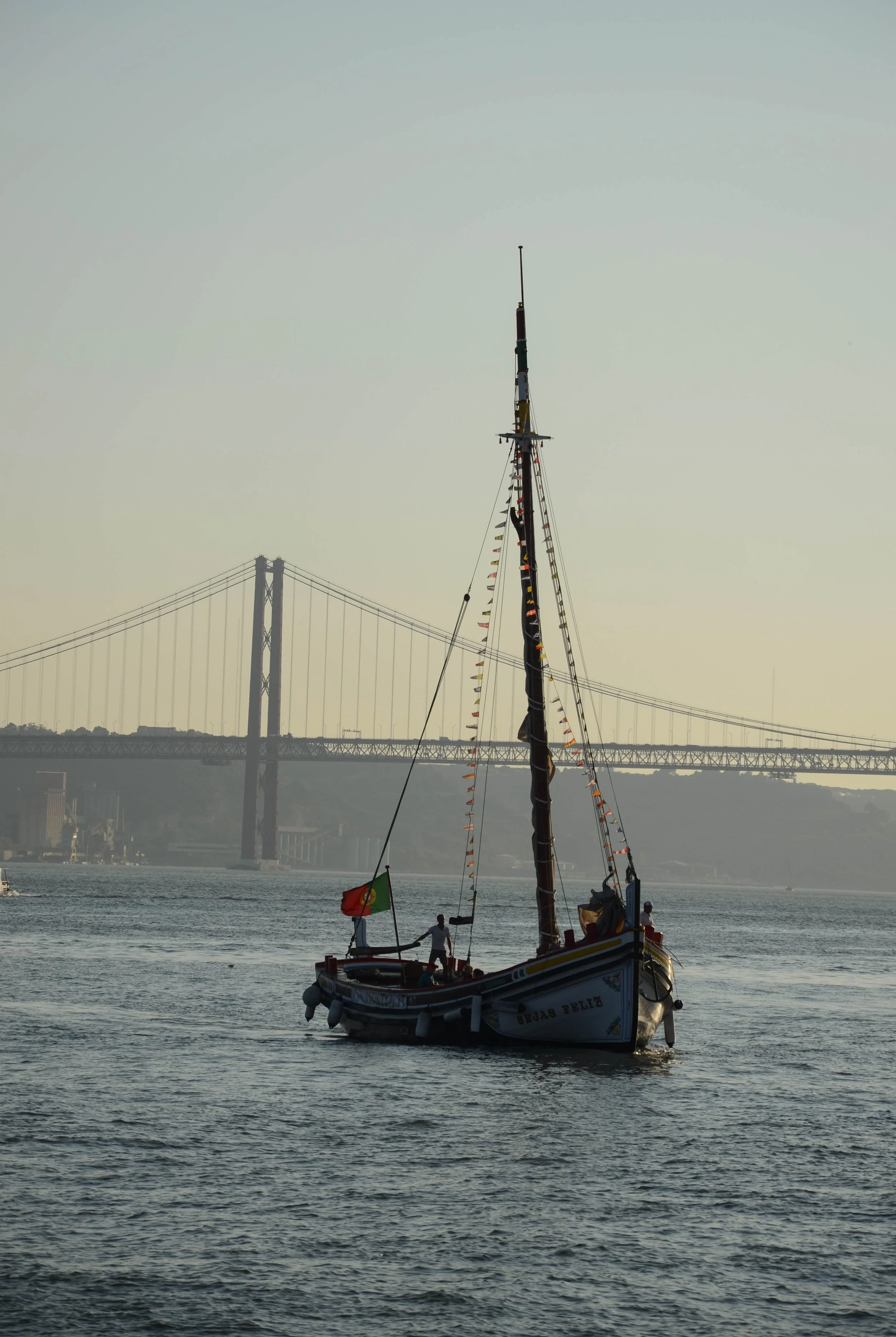
Last but not least, we make it to Belém. Admire the Unesco-listed Torre de Belém at sunset, when the sun seems to melt into the sea in a liquid-gold puddle. Note: it is basically illegal for tourists not to visit Pastéis de Belém for custard tarts. My Uber driver is so affronted when I confess to not going – ’Coming to Lisbon and not going to Pastéis de Belém is like going to Rome and not seeing the Vatican,’ – that we dutifully make a return trip the same night. (It’s worth it.)
Belém is also home to O Frade, a little restaurant with a big heart – and a Michelin Bib Gourmand. Our final-night feast features blow-torched lard, razor clams and meltingly soft ox-cheek, served with roasted vegetables and utterly-butterly mashed potato. With room for just one more caramelly dessert thrown in for good measure…
It’s a wonder we weren’t charged for excess baggage on the flight back home. In that event, my indisputable defence would have been: ‘But those Portuguese egg yolks…’
For more Portuguese adventures, check out the Lodestars Anthology Portugal magazine.



Escape to the Country
A long, long weekend in Orange.
Photographs by Angela Terrell & Words by Isabelle Hopewell
There’s something special about returning to a place you adored as a child. Memory and reality entwine, and while wandering streets that feel deliciously familiar you may recall a dusty antiques store where you unearthed treasure in the form a wooden duck, frolicking through paddocks in search of turtles or watching summer storms rage from your grandparent’s wrap-around verandah. Everything seems to come with a story - albeit one that’s a little faded around the edges.
As wondrous as nostalgia can be though, it’s also remarkable to see just how much a destination has changed over the decades - or when it comes to Orange, taken on an entirely new persona. While this buzzing regional hub still feels like a bit of secret, Orange has grown into a true grande dame, a bolthole you look to when in need of a weekend of feasting, drinking and art aplenty.
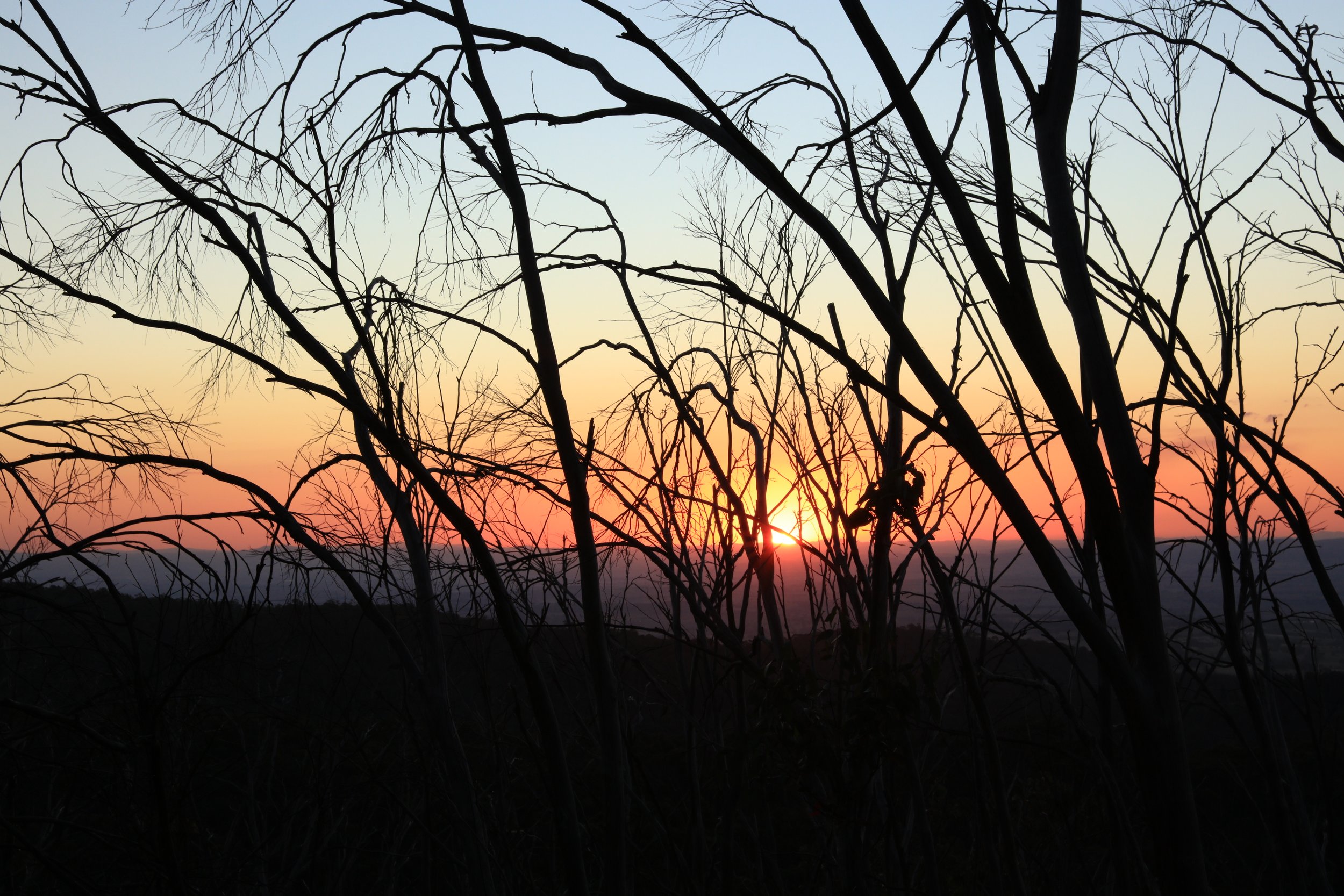
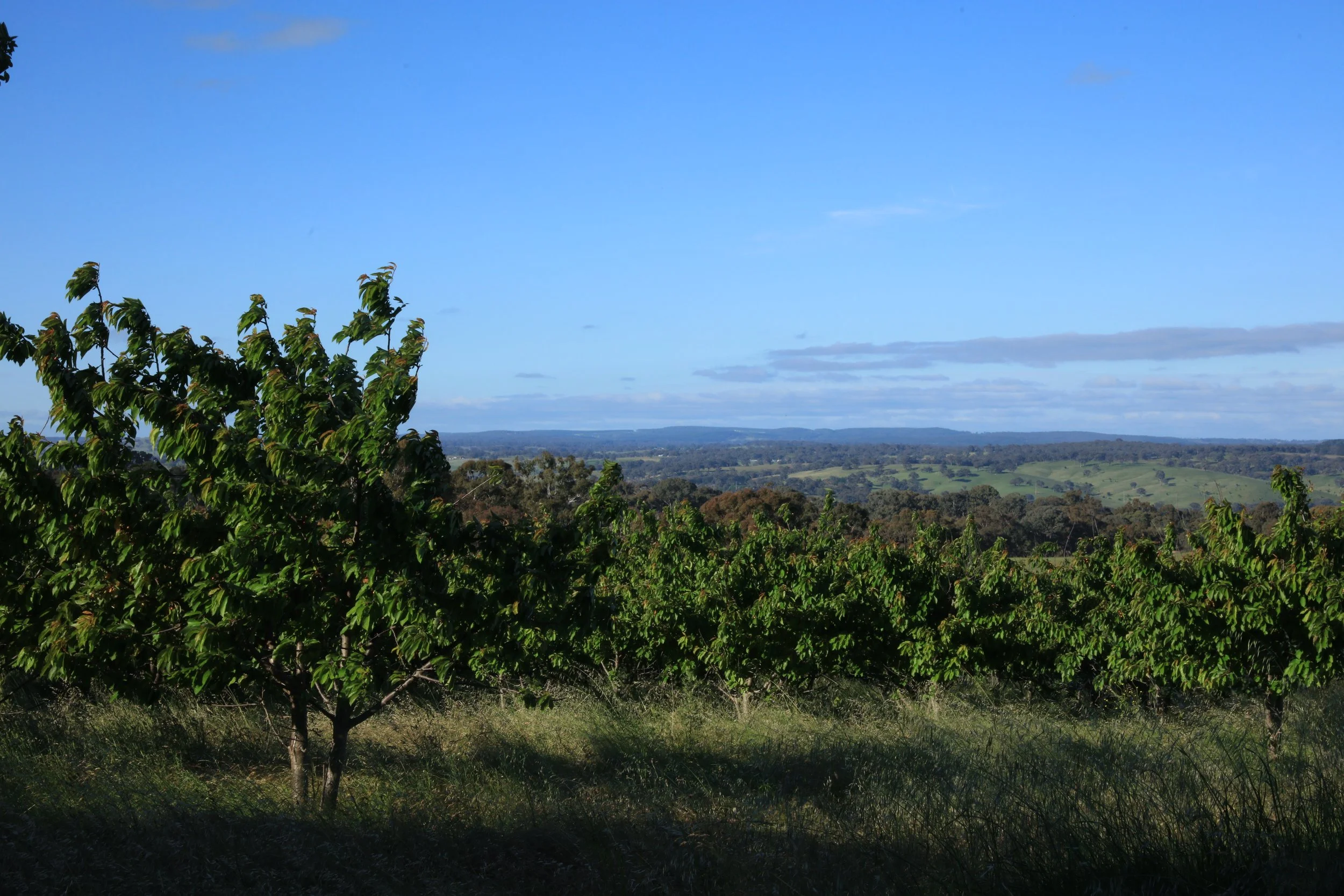
Surrounded by the vineyards and pastures of the Central Tablelands, and overlooked by Mount Canobolas (an extinct volcano that’s at its most spectacular come sunset), Orange if elegant and relaxed, home to the art-filled Byng Street Hotel, Jumbled, a design store that’s doing wonders for Australia’s regional art community, and wineries like Ross Hill and Phillip Shaw (just two of the regions 80 vineyards) where it’s easy to sip and daydream the day away. Add to that country roads, artists’ studios and a host of fabulous foodie institutions, and weekend in Orange may not be quite enough. Below is out guide to some of this town’s gems.


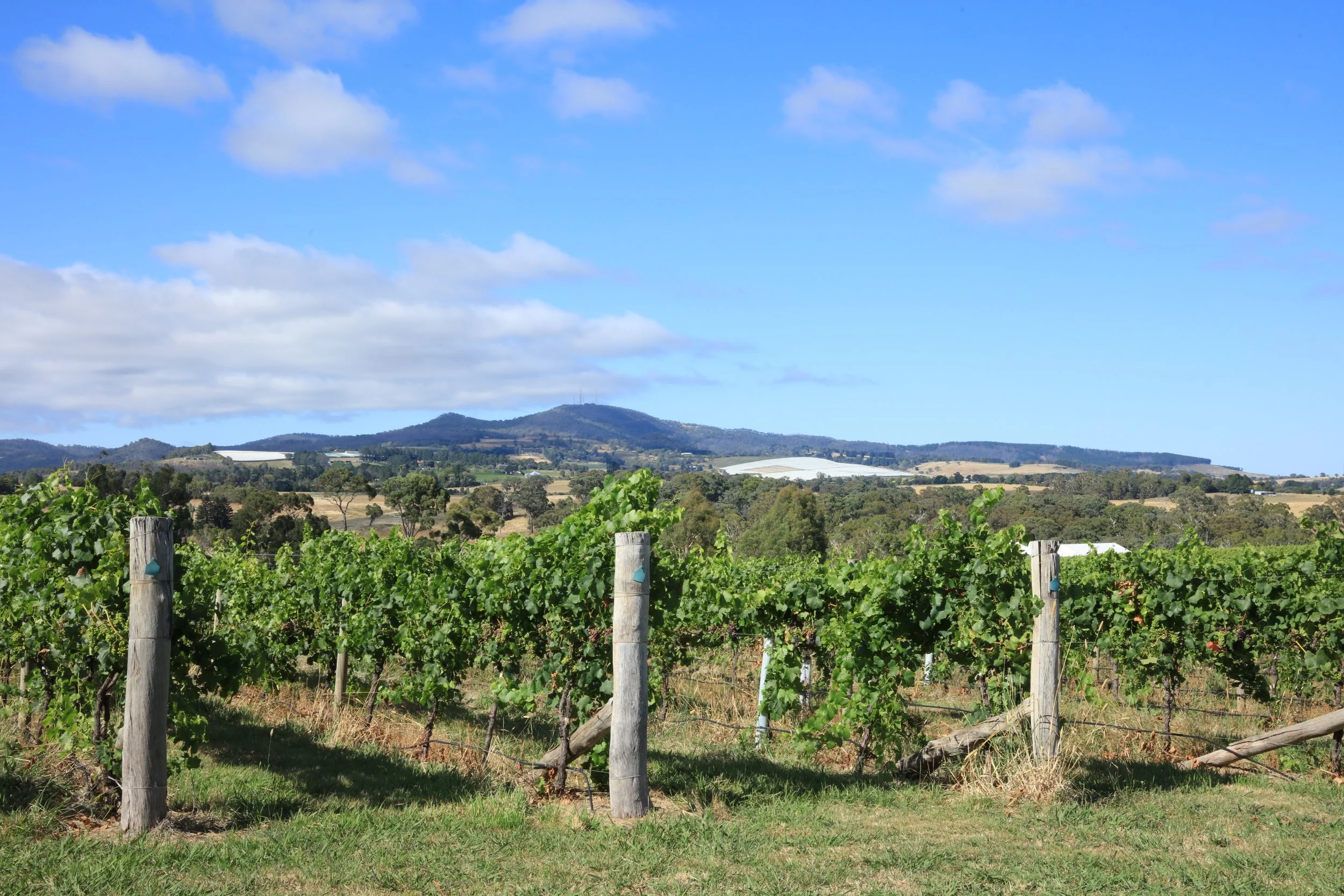
Drink: A revered cool-climate wine region, Orange’s wineries are adored for their elegant (and often experimental) flavours, as much as the stories that go with them. A visit to a winery will help you understand the dedication and time required to cultivate grapes, battle the elements, champion sustainability and produce magic in a bottle.
Swinging Bridge Wines - I adore Swinging Bridge not only for their chardonnay (buttery summer perfection) but because after stopping by their cellar door, artist Rishelle Kent - recognising the vines I’d shared on Instagram - reached out to say hello. The ensuing hour spent in her studio, waxing lyrical about landscapes and life, is something I think about every time I open a bottle.
Ross Hill Wines - Family run and entirely sustainable, Ross Hill is carbon neutral vineyard which proves that going green can lead to delicious results. Their offering’s unique flavours are influences by that basalt soil and high altitude (elements that also set their olive oil apart) and there are many tipples to adore: The Monocle riesling, with hints of orange blossom and frangipani, or the Monocle chardonay, all white peach and butterscotch. My favourite though was the Pinnacle shiraz, star anise giving it a fabulous, earthy edge.
Phiip Shaw Wines - Wonderfully unconventional - and with grounds that are a delight to ramble through - Philip Shaw boasts one of the country’s highest and coolest vineyards - meaning nighttime temperatures are low, autumns are long and wines feel particularly delicate. Their cellar door is found within and 130-year-old, art bedecked barn, which suits the character-packed wines perfectly. Give yourself time here and arrive peckish, because the paired tasting plate is a moreish joy.
Rowlee Wines - All I need to say about this fabulous find (one suggested to me by the team at Jumbled) is that the rose will make you smile.


Dine: There are few things more delightful than fabulous fare. There’s something about ingredients with a story, served in a venue with atmosphere, prepared by those who adore what they do that just makes you smile. If you fancy feasting in Orange (which, ahem, you absolutely should) can I recommend:
The Union Bank - This Orange institution, found within a heritage-listed schoolhouse building, is the domain of Rockpool trained Head Chef, Dom Aboud, who makes the most of the abundance of local ingredients (Orange is a food basket if ever there was one). Dishes are designed to be shared - which is a good thing, as it means your companion will understand the silent awe that befalls you with each new dish. When I mentored to artist Whitney Spicer that I was paying a visit, she wisely insisted I order the kingfish (with ponzu and chives), sirloin (with miso bagna cauda) and carrots (with créme fraiche, garlic butter and sage) - I also insist that you sample one of their charred jalapeño croquette. Utter atmospheric bliss.
Raku Izakaya - The first contemporary Japanese restaurant to open in town, Raku Izakaya works some serious culinary magic. It’s best to arrive hungry, as you’ll want to devour everyone on the menu … weeks later, I’m still thinking about their teriyaki tofu.
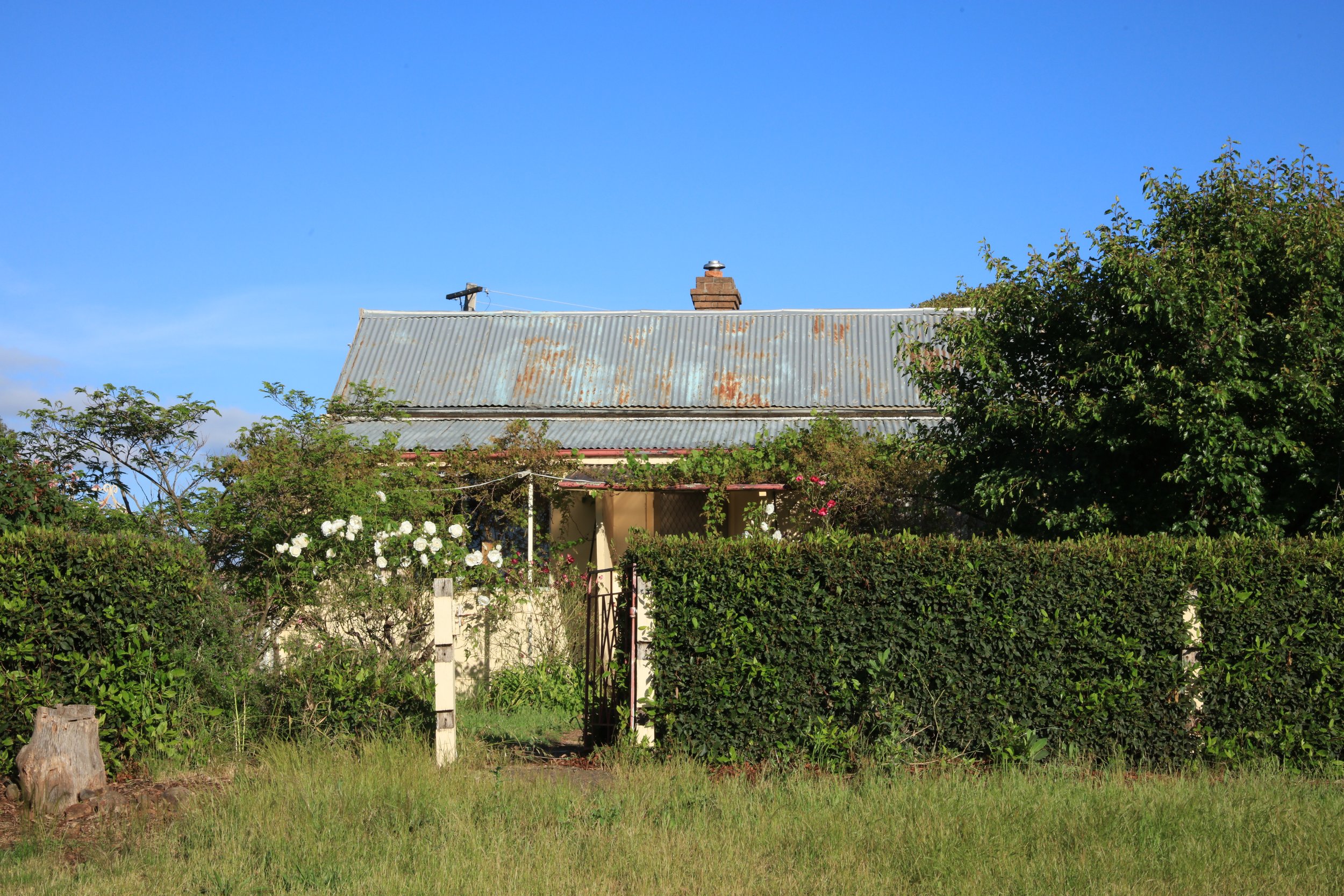
Byng St Boutique Hotel - Byng St Boutique Hotel is indeed a hotel, but the breakfast offerings - served beneath a fabulous piece from textile artist Natalie Miller - also earn it a spot on the culinary list. This hotel was once a grand family homestead known as ‘Yallungah’, and the historic facade remains today, restored (after 30 years of abandonment) to accentuate its heritage features. Historic elements like timber joinery, ornate brickwork and intricate stained glass windows blend seamlessly into the vibrant, modern addition.
Owners Thomas and Kristen Nock have more than 50 years of hospitality experience between them and had always loved the idea of running a small hotel, a place where the focus was on service and they would be on hand to interact with each and every guest. For them it was about celebrating Orange (a place they first visited when there were only a handful of wineries) and forging connections, making Byng St Boutique Hotel a vibrant, art-and-nook-dotted ‘home away from home’ you want to return to.

Art: Where exploring Orange’s artistic delights, you have to begin with Pip Brett and Jumbled - a concept store, art space and cafe hub. Although the white frontage of the old masonic hall hints at the exuberance found within, the art on display still takes you by surprise - the vibrancy and flair demanding your gaze as soon as you enter. Pip loves art and appreciates being part of a piece’s story. For her, the joy is in “seeing videos of the artist painting a piece in their studio, then unboxing it, then styling it, then packing it up again, and then seeing it in someone’s house.” It’s this attentiveness - paired with her positivity and passion - that’s seen her launch careers and encourage artistic independence for many rural creatives.
Madi Young is also an integral part of Orange’s artistic fraternity. She’s the powerhouse behind The Corner Store Gallery which, in a former life, was Thommo’s corner store, where she bought sweets as a kid in the 90s. Today it’s an airy space showcasing the work of emerging practitioners from across the country. What’s key, for Madi, is sharing her artists’ journeys. “When people come here they want to know about the person that made the thing. Their story resonates and becomes personal. One of the artists I found is a full-time nurse who started painting after her son died, and another picked up ceramics after having breast cancer. It’s therapy for many of them.” It’s this understanding that makes a visit to the gallery an intimate encounter - especially when you catch Madi painting in her attached studio. A passionate colourist, her canvases are overspread with curvilinear forms in bold hues that magically recreate the depth, serenity and light found in the bush. “I’m a pink, green, brown person normally,” says Madi. “I mix my own colours and like that there’s often something a bit ‘off’ about them. But I don’t think a painting looks finished unless there’s pink in it.”
Add to this the Orange Regional Gallery, Orange Art Trail (where a collection of local creatives invite visitors into their studios - ask Byng Street Hotel for details) and Orange Food Week and you have boundless artistic reasons to stay. All proud that Orange is a glorious, grown-up destination indeed.
To plan your own Orange escape, look to Orange360.






Undiscovered Italy
A journey through the towns and villages of Friuli-Venezia Giulia.
Words & Images by Abigail Prowse
You’ve seen the Dolomite mountains. Undeniable in their dramatic beauty, in this subset of the Italian Alps rugged, snow-capped peaks dominate the lush landscape below. Appealing to both the adventurous traveller and those seeking a luxury escape, Italy’s northernmost mountain range is striking in every season, its tall pines punctuated only by a sprinkling of picture-book villages and sleek, modern hotels. But beneath the fairytale scenes, further east than many may venture, there’s a region which is still largely unknown: Friuli-Venezia Giulia.
Don’t be fooled by the area’s modest appearance and relative lack of glitz. Friuli-Venezia Giulia is a region which allows its beauty to speak for itself, its culture even today so deeply rooted in its history and traditions – perhaps more so than the rest of Italy. Governed by the nature which surrounds it (nestled, as it is, between mountain and sea) Friuli-Venezia Giulia prides itself on its simple way of life. Its people are hard-working, family-oriented, and infinitely warm; its towns and villages are dripping in intricately-preserved history; its food is hearty yet delicate, inspired by the rich agricultural traditions which exist here. Slow living is sacred, Sundays even more so.
Yet somehow Friuli-Venezia Giulia always seems to go unnoticed by those visiting Italy. Is it due to its position, tucked away from the rest of the country between the borders of Austria and Slovenia? Is it down to the locals, who work to preserve its traditions? Maybe it’s a combination of these factors – and most of Friuli-Venezia Giulia’s charm lies precisely within this air of the unspoilt and undiscovered.
Despite being one of Italy’s smallest regions , Friuli-Venezia Giulia’s culture is incredibly diverse. Each community will not only speak a different friuliano to the other, but will offer different culinary specialities, architectural styles, and even personality traits. Below is a taste of what some of the region’s prettiest towns and villages promise curious travellers.
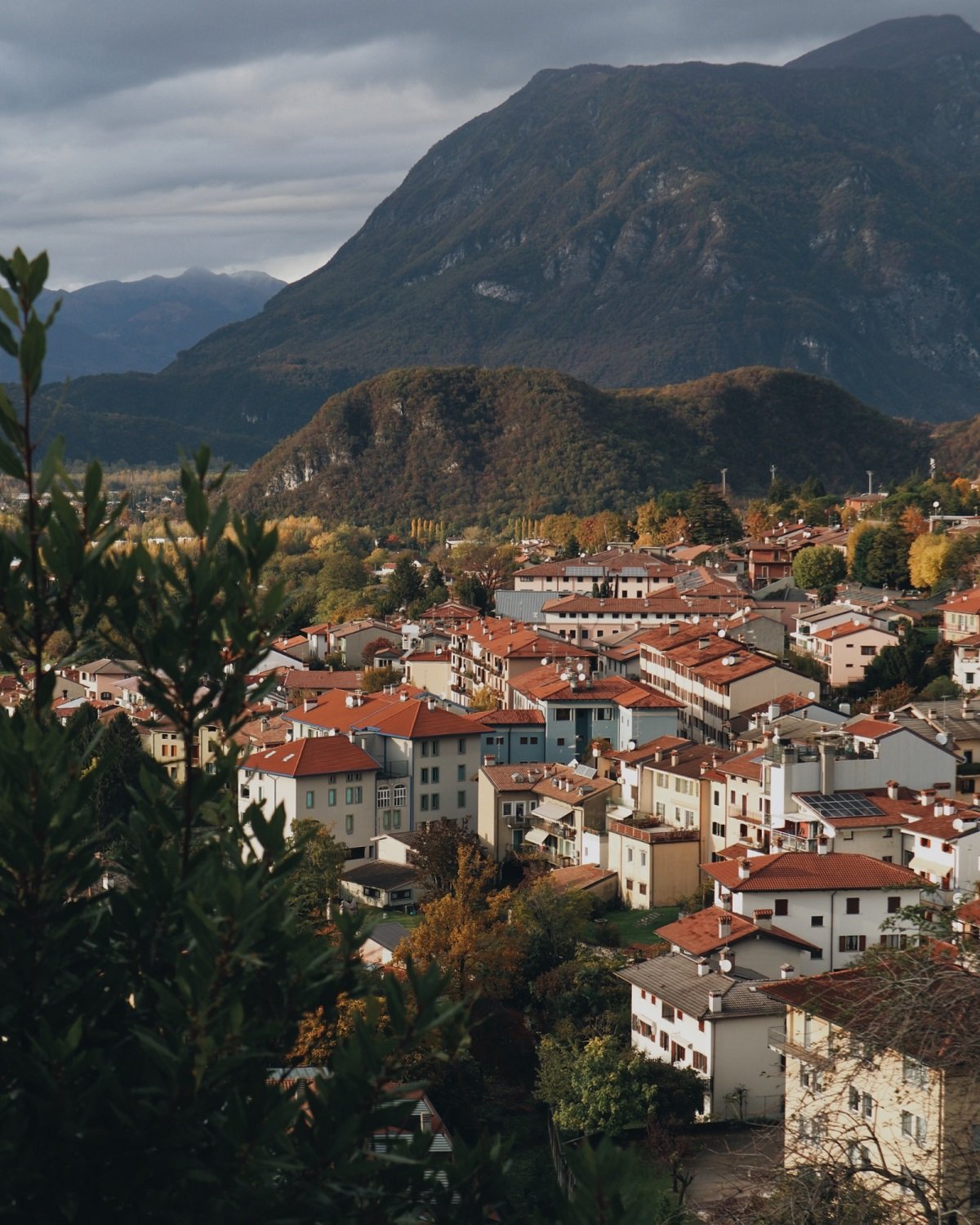

Polcenigo (PN)
Polcenigo’s reputation within Friuli-Venezia Giulia is (rightfully) centred around its indisputable beauty - and what Polcenigo lacks in size it easily makes up for in charm. It is a village defined by the nature that surrounds it, the ancient cobblestones interrupted by fast-flowing, midnight-blue water on its way to meet the nearby Livenza River. Palm trees are dotted throughout the village, perfectly framing the rustic houses which sit sleepily along its roads and alleyways.
Anyone who visits Polcenigo will be unsurprised to discover that it is listed among the most beautiful villages in Italy; there is a sense of total calm and tranquillity which assails you upon stepping into its centre. Piazza Plebiscito is home to the elegant Locanda Fullini-Zaia, whose ample terrace overhangs the river and looks out across to the medieval Madonna della Salute church. Enjoy a late morning coffee here and simply allow life to wash over you.
A short 15-minute walk from the centre of Polcenigo will lead you to the Sorgente del Gorgazzo: an underwater cave ensconced in dense, leafy forest. It would be easy to overlook this natural phenomenon - which still remains a well-kept secret even among locals - but to do so would be a mistake. Following the aptly-named Via Sorgente, which hugs the picturesque rapids of the river, will slowly plunge you into a cocoon of vegetation which, during the autumn months, dazzles in shades of gold, ochre and rust. At the end of this path, after crossing a series of short wooden bridges, is a clearing framed by steep, rugged stone; at the centre of this clearing is a natural pool of inconceivable blue. Here, by the Sorgente del Gorgazzo, the only sound is the nearby rushing of water, sunlight streaking through the canopy and dappling the surface of the spring. The incredible clarity of the water even allows you to see the underwater statue of Jesus Christ which sits nine metres below the spring’s surface.
Barcis (PN)
Nothing can quite prepare you for the sight which greets you as you arrive in Barcis from Montereale Valcellina. Passing through a series of long tunnels which slice through the mountains, it is easy to forget your surroundings; but as you are spat into blinding daylight, you find yourself suddenly encircled by snow-capped peaks. This is the backdrop against which the town of Barcis is set. Like many towns and villages in Friuli-Venezia Giulia, Barcis is governed by nature – in this case, by its eponymous lake.
Recognised as much for the brilliant yet unusual green of its waters as for its dramatic landscape, the Lago di Barcis evolves from season to season. During the spring and summer, Barcis is a hotspot for thrill-seekers and sportsmen, offering a range of activities from hiking and mountain biking to kayaking and scuba diving. As autumn and winter approach, Barcis quietens, becoming a coveted destination for those looking to immerse themselves undistractedly in nature.
The town itself is sleepy in the quieter seasons, composed of clusters of Alpine-style houses and cabins which sit in the shadow of the mountains. A series of cafés, bars and restaurants are speckled across its centre, seeming to crowd, as visitors do, towards the lungolago: a lakeside promenade with panoramic views across the water. Do not leave Barcis without sampling the area’s flavourful charcuterie, including petuccia and brusaula, which are both rich and hearty in flavour.
Maniago (PN)
The heart of pocket-sized Maniago can be found in its graceful Piazza Italia: a wide expanse of light stone decorated with an ornate multi-level fountain. Rows of pastel terraced houses neatly frame the square, handfuls of tables artfully scattered at its centre. It is this sense of organised simplicity and elegance that defines the town of Maniago, which is celebrated the world over for its artisan production of knives and steel blades. The history of the town’s blacksmiths dates back to the 1400s, and serves as a perfect example of the stubbornness and pride with which Friulians defend their traditions.
In 1960, the Consorzio Coltellinai di Maniago was born: a collective of local companies promoting the art of knife-crafting around the globe, each supported by the ‘Made in Italy’ quality stamp. If you’re hoping to pick up a new set of professional kitchen knives, then their slick, modern storefront in Piazza Italia is the place to visit. For delicious regional food, nearby Antica Trattoria Tre Torri is resplendent in exposed stone, local artwork, and bottles of wine in every corner. Dating back to 1950, the restaurant is ensconced by a quaint, shaded courtyard – once the town convent. A palimpsest of Maniago’s history, this trattoria is beloved for its homely Friulian specialities, such as frico and San Daniele cured ham.
Following the leafy, stone-clad pathway of Via Castello will lead you, unsurprisingly, to Maniago’s castle, which sits perched atop a hill rising from the town centre. Although the castle itself has been reduced to ruins by years of wear, tear, conflict and earthquakes, it remains no less fascinating; the real beauty, however, lies in the climb. Remember to cast a glance over your shoulder as you tread your way to the top: the panorama across the rooftops of Maniago and beyond is nothing short of breathtaking.
Fagagna (UD)
Journeying east from the Province of Pordenone, you’ll cross the Tagliamento River and venture into Friuli-Venezia Giulia’s largest province: Udine. Considered the beating heart of Friulian culture, this province blankets more than half the region, stretching from the Adriatic coast and seeping through the mountainous area of Carnia. It is huddled at the foot of these mountains that you’ll find the village of Fagagna.
The epicentre of this village is undeniably its castle. Like many medieval fortresses in the area, the castle today is composed primarily of ruins, the remaining church tower proudly reaching toward the sky. The region’s iconic vineyards wind their way around the castle hill, their palette changing with the seasons, altering the landscape around them. A rustic yet elegant restaurant now resides at the base of this tower, where local home cooking is served onto scarlet tablecloths. Climb to the Castello di Fagagna at sunset for unparalleled views across Friuli-Venezia Giulia and over to the hazy outline of the mountains.
Beneath the castle, the village centre is charming, traditional, and characteristically sleepy. Low stone farmhouses – a nod to the area’s rich agriculture – have now been restored into cosy family homes, where bright flowerboxes protrude into the streets. The main square, Piazza Unità d’Italia, is best visited in the early evening, as locals slowly make their way to historic Caffè Centrale for their aperitivo.
Gemona (UD)
Upon first glance at this majestic town, whose houses cling like ivy to the rugged face of the Dolomites, you would never imagine the hardship and sacrifice it has come to represent. Because beneath the ochre buildings and elegant stonework of Gemona lies both a troubled, pain-stricken past and a resilience characteristic of the Friulian people. When, in 1976, the region was struck by a devastating earthquake with a magnitude of 6.5, the town of Gemona was to bear the brunt of this disaster, which left more than 157,000 people in the area homeless.
Although the town now has been completely rebuilt – where possible, using the original stones from fallen buildings – the memory still lingers for many. It is in this way that Gemona has come to represent the heart, will and resilience for which Friulians are so well-loved, quickly becoming one of the region’s most widely-visited destinations. You can’t help but feel, as you wander the warren-like streets of the town centre, a sense of hope and lightheartedness which oozes from the stonework of Gemona’s houses.
And it is easy to feel inspired in such an awe-striking setting. Gaps between the buildings here drop away suddenly to reveal endless stretches of green, encased by the region’s distinctive mountain backdrop. Standing at the edge of the Piazza del Ferro, or even up in the grounds of the iconic castle, is akin to standing at the edge of the world; the entirety of Friuli-Venezia Giulia is laid out before you in a patchwork of brilliant greens, golds and oranges. Before leaving, grab a creamy gelato from Il Gelatiere in Piazza Garibaldi.
As you plan your next visit to the land of la dolce vita, consider breaking away from the well-trodden tourists trails of Florence, Rome and Venice. Cast aside your guidebooks instead in favour of a more authentically Italian experience along the foothills of the Dolomites of Friuli-Venezia Giulia; you’ll leave already yearning to come back for more.


Pretty Beach House
A luxe Central Coast getaway.
It’s amazing what 24 hours somewhere magical can do. Time stretches, thoughts wander and a lush hideaway in Bouddi National Park can start to feel very much like home.
Pretty Beach House is the bolthole of dreams. Surrounded by bushland and with views across to Broken Bay, you feel miles from anywhere (even though, in reality, you’re a mere 90 minutes from the buzz of Sydney). This is luxury with an Australian twist - a collection of pavilions that celebrate the region’s natural splendour, allow you to slow down and smell the eucalypts, and leave you feeling deliciously calm. You’ll savour the joys of drifting off in a cloud-like bed, waking to birdsong, swimming beneath the stars, feasting, hiking and sharing something divine with someone you love.
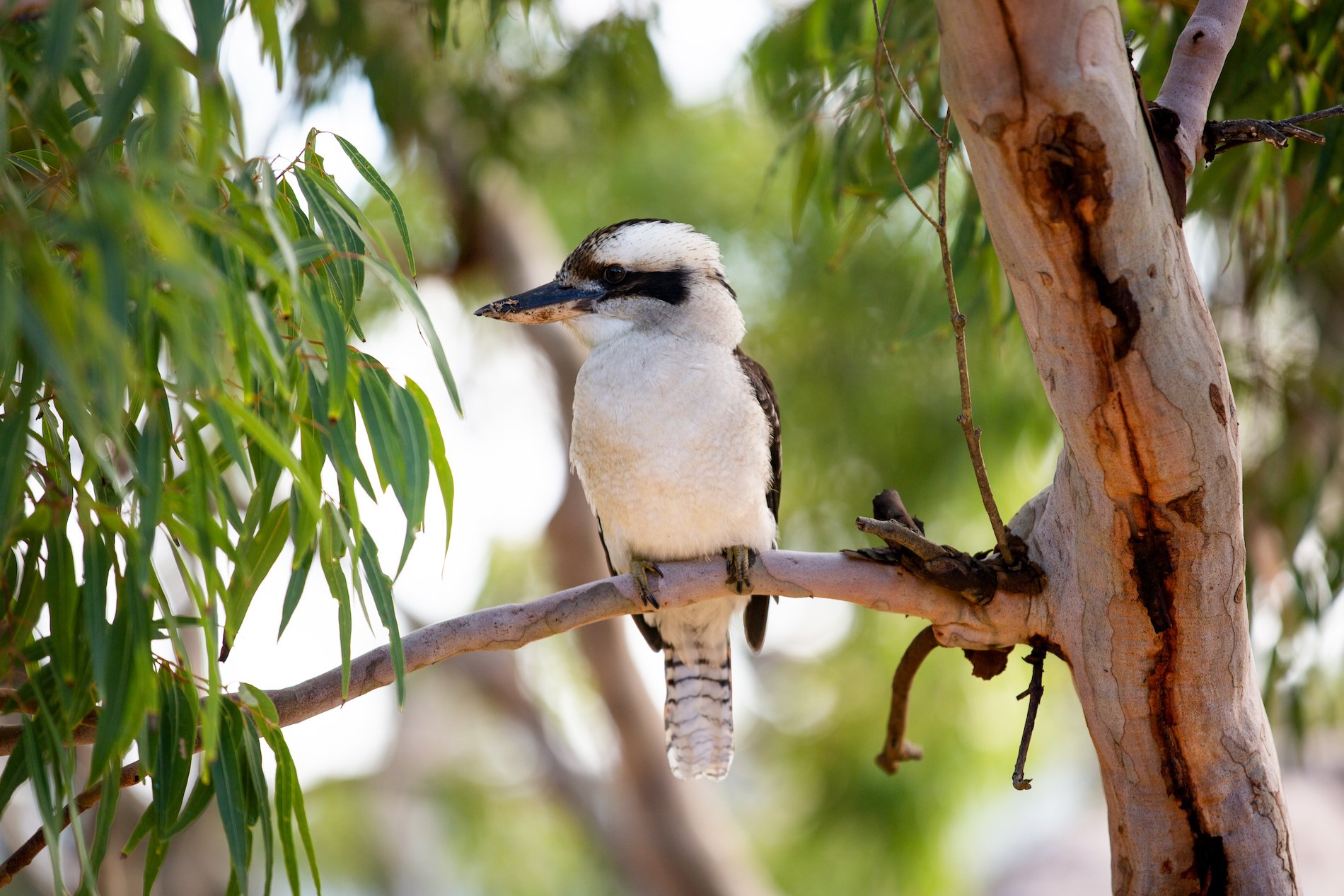

The main house is the property’s chic heart - a place where you can partake in tipples by the fire, indulge in scrumptious, multi course extravaganzas and take a dip in the view-boasting infinity pool. Designed to disappear into the surrounding national park, the main house decor is the work of interior designer Michelle Leslie. Tones are earthy, sculptural brass pendant lamps abound, furniture is handcrafted and huge windows invite the outside world in. Featuring mud bricks from the Southern Highlands and the immense timber beams of a decommissioned Queensland bridge, the space is a conversation-starter to say the least.
I was ensconced rather happily in one of Pretty Beach House’s four pavilions - each of which is named for the element that makes it remarkable - and The Hideaway, framed by angophoras (and with its own private pool), felt as lavish and inviting as it sounds.


While a meander along the Pretty Beach waterfront is lovely (and the chance of striking up a conversation on the jetty is high), and an escape to the spa at Bells at Kildare truly restorative, you can spend your time simply unwinding in your pavilion - or embarking on one of the many hiking trails that begin by the main house. The Flannel Flower walking track, which links Tallow and Lobster Beach, is particularly delightful when spring arrives and these delicate natives bloom.
For those with more time, there’s the eight kilometre Bouddi Coastal Walk, which begins near Kilcare Beach and takes in Little Beach and Maitland Bay (site of the wrecked and rusting SS Maitland). Wildflowers abound, as do weathered rock formations, sand dunes, sea eagles and ornate, twisting eucalypts. Time you visit right and humpback whales may just make an appearance.


I’m the sort of person who hikes to eat. And what it comes to fine dining (or perfectly prepared picnics/cheese boards and bubbles in your pavilion), Pretty Beach House knows how to put on a show. Menus for the degustation dinner change daily and showcase the very best of what’s in season, with offerings described as being ‘simple, fresh and flavoursome, drawing inspiration from native ingredients … [which are] sourced and cooked with skill, care and love.’ When devouring chef Duncan Kemmis’ grilled WA marron tail (paired with corn puree and candied guanciale) or seared Murray cod (with smoked aubergine, spinach and macadamia and finger lime salsa), this rang absolutely true, our chatter suddenly halting so we could focus on the culinary artistry before us. Such scrumptiousness is matched by setting - a spacious sandstone dining room adorned with art sure to make you swoon.
Meandering back to The Hideaway, already excited about what awaited me the next morning (is there anything better than a hotel breakfast?), I paused on the garden path and drank in the stillness around me, absurd in the moment, utterly content. I hadn’t even been at Pretty Beach House a day and it had already worked its magic.
To learn more or book a room, click here.



A Place Called Manly
Fall in love with Australia - story by story, again and again.
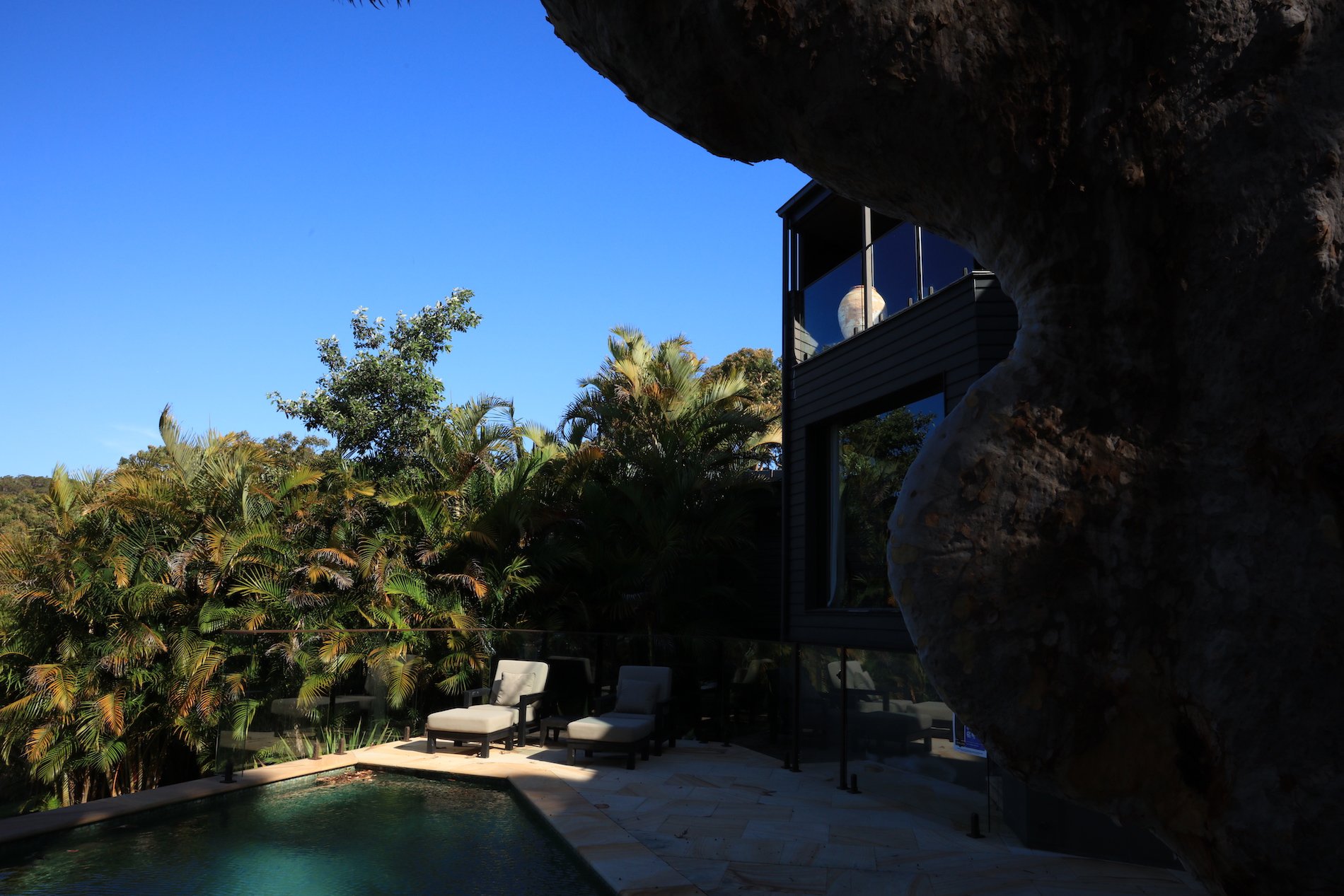
Every issue we feature an image from a fabulous photographer on our map page - something that whisks you away and ever so subtly helps to set the magazine’s mood. For the Australia issue (which you can order here), we used an image from Thomas James Parrish: blush-hued clouds snapped during a sunset over Manly Beach. The photo is part of a larger collection, ‘A Place Called Manly, A Place Called Home’, which Tom created during Sydney’s most recent lockdown.
We’ll be holding a launch party for our Australia magazine on December 12 at Journals in Paddington, Sydney and, as part of the festivities, Tom’s ‘A Place Called Manly, A Place Called Home’ images will be exhibited throughout the space. His full collection is featured below and are glorious reminders to embrace the beauty of the everyday.
Read on for a little Aussie wanderlust … and details about the launch event.

Artist Statement
After three years in London - a year of which was spent confined within my East London share house as the pandemic ran its relentless course - I decided it was time to come home. Not only had the previous year thwarted any momentum previously established in my photographic progression, but it resulted in a confounding paradox - I was encouraged to slow down as the world closed its borders, shops and windows of opportunity, yet remained eager to set in motion the wheels of hopeful and ambitious projects.
You don’t move to London to unwind. I moved there for the hustle, the buzz, the big city stories and the dazzling scenes - all of which were no longer on offer. So my mind wandered to a place called home.
Finding myself back in Sydney, the city I’d left for want of exciting stories and exotic photos, I decided to test out the previously unattainable art of ‘taking it easy’. When NSW entered a new lockdown a month after my arrival, the stage was set.
This series of photographs were captured during the recent lockdown period in Manly, my childhood home. For these images, many of which were taken from my bedroom balcony, I refined my subject matter and focused on the everyday beauty around me; the beauty I often forget to appreciate. Scenes of sea and sky, light and shadow took on new significance and I allowed them to fill my frame as well as my soul. I was confronted with the notion that, while part of me used to laugh at the idea that I was from the most beautiful place in the world, perhaps I’d finally started to believe it. I hope these images do justice to such a place.
For more information on any of these prints, click on the image and you’ll be taken to Tom’s website.




SURF’S UP
Capturing the Portuguese coast.
Introduction by Liz Schaffer & Photographs by Orlando Gili
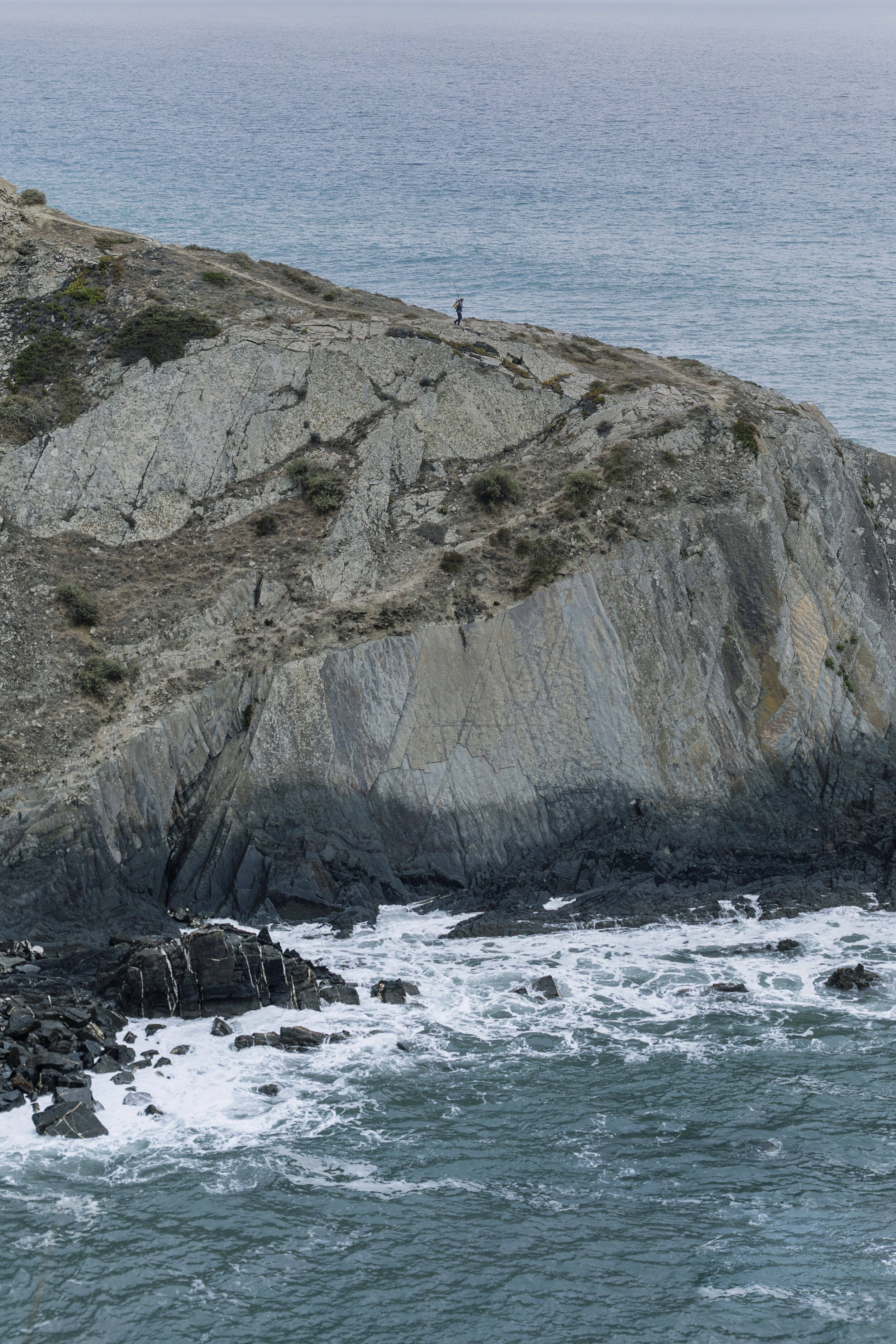
When the heart aches, mind wanders and body feels weary, few things are as restorative as the sea. Powerful and sibylline, it promises weightlessness and freedom, the chance to be at one with the waves and consumed by the moment. In Portugal, the wild waters of the Atlantic are made all the more seductive by the softest of lights and the sense that time holds little sway. It is an unspoilt playground; a place where water, salt and sand can soothe and exhilarate, revive and repair.

The waves and scenery of the Alentejo’s west coast are particularly extraordinary - this waterside wonderland boasts a rugged shoreline, mischievous winds, warmth and wonder. It is stunning, particularly in the quieter autumn months, the domain of devotees drawn to the siren song of the swell. Indeed, it seems that the barefoot travellers and locals who surf here know something many of us have forgotten - how to dive into nature and be entirely at one. And they’re willing to share their stories.
There is João, photographed as the sun rose above the remote and protected Praia do Malhão. A Portuguese native, he lives completely off grid in a camper-van. He neither owns or desires a phone and wore a jumper knitted by his mother that mirrors the colours and patterns of the ocean.

Marco moved to the Alentejo to live with his girlfriend, Raphaela. They run a bed and breakfast in the Algarve’s Praia do Monte Clérigo and sleep in their van when it’s full. He is joined in the water by Macarena, a Brazilian surfer here on holiday, and Jean Andre, visiting from Germany - both lured by the promise of rolling waves and a halcyon surfing community.
Arriving on a battered scooter, Paolo comes to the coast every day at dusk. He camps on slate grey rocks metres away from the pounding Atlantic, moving every so often to keep clear of the raging water below.

Some surfers prefer not to give their names, but explain that they have relocated to the Alentejo after years of longing to commit full time to the ocean. An instructor points out that he now teaches on the beach where he caught his first wave as a child - the sleepy Praia de Almograve - living by the sea to escape the malaise of big city life. He is calmer now, grounded, privileged to live and surf beside a group of like-minded, nature-seeking souls who understand the bewitchment and necessity of life’s simple pleasures.
This feature - along with quite a few or Orlando’s images - appeared in our Portugal magazine, which you can order by clicking here.




Calm Waters
An off-grid Swedish escape.
Words by Kieran Creevy & Photographs by Lisa Paarvio
Dense forest hems us on both sides, as gravel and twigs crunch under our tyres. Behind us, nestled in foam, lie two hulls of kevlar and carbon, our transport for the next four days.
Unloading the trailer and pickup, we lay out our dry-bags, duffles and food supplies. Our kayaks loaded, Johan proposes an interlinked set of lakes, creeks and rivers for our journey. We listen intently. He’s a local, and a wilderness expert with more than 40 years experience. His words are precise, chosen with the care that comes from a lifetime lived outdoors.
Packing the map away in a waterproof cover, we wriggle into the cockpits and finalise our meeting point four days hence.

Dark water flows over the bows of our kayaks as we glide down the bank. Slipping into the liquid medium, our pace alters. No longer rapid motions, but something languid, more akin to a yogic flow. Core, back and arm muscles work in concert. Catching, pulling and feathering, each dip of a blade propels us forward, skimming over unseen depths.
Wildlife abounds; a water-dance of loons dive in search of fish, dragonflies buzz around our kayaks, and somewhere below us flit shoals of perch, bream and pike.
We navigate our way through the myriad of inlets and sheltered coves, grateful for the opportunity to travel and explore again as a team.


A scream cuts through our daydreams. Instantly, we’re on high alert, eyes scanning the skies above for a sign of the eagle we’ve just heard. It’s close, no more than 200 metres away, wings cupping the air as it comes into land.
We paddle into a thicket of reeds on a nearby island, beaching our kayaks. In seconds Lisa is out of the cockpit, waterproof pack in hand with her cameras.
Perched high in the canopy of a sparse pine, the eagle’s nest is in the perfect spot. Camouflaged by their downy feathers, two chicks are almost completely hidden. The sole signs that they’re even there are tiny movements, visible only with a zoom lens.
Photos captured, it’s time to leave the eagles in peace. We take a looping course, careful not to intrude too close to their tiny island.

We’re on the water no more than a half day, but already the wilderness and rhythmic exercise has put paid to any minor cares. We’re immersed in the present, the only task for the next few hours is to find a wild camp.
Rounding a spit of land a few hours later, we see the perfect space. Gently shelving banks make it easy to land, and in the clearing is a tiny scrap of flat ground, just enough for our tent. Our lives get stripped back to the essentials; cooking, eating, sleeping, washing, exercising. Our phones are there for alarms and quick location updates only.


The next morning, our alarms become superfluous.
“What the hell! It’s only 5 am!”
The slanted light has hit Lisa squarely in the face. I’m on the other side of the tent so have a tiny element of shade. But she’s right. It’s too damn early!
More sleep is now impossible. With no flysheet overhead, we have an unobstructed view all around. 20 metres away, the lake is millpond calm, shades of gold and blue reflected in its surface. We’re itching to pack up and slide our kayaks into this liquid mirror.
Unfortunately, between us and our goal lie a hoard of thousands, hungry for our blood. They hover mere millimetres away, wings whining plaintively. Locked in a detente, separated by gossamer mesh, we wait for the first signs of wind.

Ripples start to appear on the lake, shattering the mirror calm. With the wind, it’s safe to leave the tent and get on with our day. First order, coffee, breakfast and a morning dip. With the summer’s warmth, the lake is a balmy 23 degrees.
Fast broken, in dry clothes and with kayaks packed, it’s time to move on. Snapping spraydecks tight onto cockpit rims, we slide quietly off our overnight camp, back exploring. Each curve in the lake, creek and island gifts us with new experiences and memories: Foraging for tiny wild bilberries metres from the shoreline. Building a small, safe, bushcraft fire from scratch. Talking late into the evening, the northern latitudes gifting us with light far into the night. Trying to learn how to fish with rod and reel, and making a total mess of this essential skill.

One moment that really stands out - mid portage between two of the lakes - was coming across an imposing stone-and-wood building; it’s massive corner posts gnarled and darkened with centuries of wear. We want to find out more about this place, but it’s shut tight.
Just as we’re about to give up, the local postal delivery arrives. Barn doors creak open, the scent of freshly ground rye, barley and spelt wafts out. It’s a water-powered mill.
Speaking with the owner, it’s obvious he views his job and livelihood as but one part in a long chain. He’s the fifth generation of millers, his great-great grandparents having bought the mill from the previous custodians and millers more than 150 years ago.


On the last afternoon, with thunderclouds fast approaching, we battle hard to make headway up the lake. Little ripples are starting to morph into waves, their flow pushing hard against our hulls, necessitating a full rudder lock to stay on course.
100 metres from shore the wind dies. We’re in the lee of the land, protected. Gliding onto a sandy beach, our water journey ends.
Driving back to Johan’s farm for a night in a handmade, wooden, off-grid cabin, we can’t help but be amazed and impressed with how lucky we were to have traveled across such a pristine environment. On our journey, we were lass than a 45-minutes drive from a big city, and only 10 or 20 kilometres from the nearest village, but there was no sign of plastic trash, cigarette butts or food scraps littering the banks of the lake.
This is how all our wild spaces should be!
Take only memories, leave no trace.


Coming from Spain, Lisa and I can see the positive impact that Allemansrätten (the right of public access) has on the landscape and the community. People have an emotional investment and obvious respect for the land, and treat it with the care it deserves. As a result, they are granted legal rights that don’t exist in many other countries.
That leads to an interesting chicken and egg question. Which comes first? Treat the land with care and respect and be granted rights to public access, or be granted rights, then act responsibly. I would argue that the former creates a deeper investment from us, and is harder, but offers a longer lasting solution.


Making a fire outdoors
For the full experience, try to cook these dishes over an open fire or on a barbecue. Obviously, if you're making an open fire in the outdoors, you need to follow a few very important rules.
1: You either need permission to have an open fire or have checked with local regulations.
2: You only really need a side-plate to dinner-plate-size fire to cook the dishes below, any larger and you're just using extra fuel for no immediate gain and you may exhaust usable wood in that area.
3: If you're cooking over an open fire make sure the wood you're using isn't going to give your food an unpleasant taste. For preference therefore I'd recommend apple, ash, beech, birch, crabapple, chestnut and oak.
If you're cooking over an open fire, moderate the heat imparted to the food by allowing the wood to cool to coals or by height/distance - the higher/further you are above/away from the fire the lower the heat. This might sound obvious, but you'd be amazed at how many people stick skewered sausages directly into a flame, blackening the skin yet undercooking the insides.
General advice for foraging
Permission:
* Make sure you are legally allowed to forage in that particular area, of if you’re on private land, get permission from the landowner.
Identification and Knowledge: Positive identification and knowledge of the plant is essential.
Knowledge of which plants/fruits/nuts are edible and how to correctly identify them.
Only harvest if you can correctly identify the plant and the surrounding area is not contaminated.
Many plants are highly poisonous and can cause death if consumed.
Many edible plants have poisonous look-a-likes.
It's important to know which part/s of each plant are edible.
Some plants are only edible after careful preparation e.g. cooking, washing, removal of sections.
Some plants are only edible at specific times of the year/growth cycle.
Sustainable harvesting: Where, when and how to forage.
Only pick when a plant is abundant.
Use sharp scissors for preference, or a sharp knife.
Only harvest in patches, as you need to leave plants for regeneration and its continued survival.
Try not to remove flower or seed heads unless sourcing these specifically.
Plants form a vital part of the eco-system, and many animals, insects and other organisms rely on them for survival.
The Law:
* Familiarise yourself with the law regarding wild plants as some species are protected.


Recipes
Smoked fennel, charred sweet peppers, baby potatoes with goats cheese crumble, sea salt and wild thyme
Ingredients:
10-12 baby potatoes
1 large bulb of fennel
6-8 baby sweet peppers
2 tbsp crumbly goats cheese
Pinch sea salt
Few spring wild thyme
Equipment:
Collapsible grill and fire pit
Fire proof gloves
Flint and steel
Dry wood
Sharp knife and chopping board
Plates, knives and forks
Method:
First, set up your fire, making sure it’s safe to do so.
Once it’s at the right temperature, start with the potatoes.
Tip: If you want to speed the process, parboil the potatoes in water in advance then finish them on the fire.
Once the potatoes are cooked, slice the fennel.
Place the fennel and peppers on the grill and allow the skin of the peppers to char.
This can be removed after, and gives the peppers a lovely smoky taste.
Chop the potatoes, fennel, and skin the peppers.
Place on plates, top with goats cheese, herbs and sea salt.
Serve.


Caramelised nectarines, rough oat cakes with dulce de leche, blueberry balsamic
Ingredients:
150g oat flour + extra for dusting
2 tbsp olive oil
1 tsp sea salt
1 tsp ground black pepper
Water
2 tbsp dulce de leche
2 large nectarines, halved and stoned.
2 tsp blueberry balsamic
Equipment:
Small bowl
Collapsible grill and fire pit
Fire proof gloves
Flint and steel
Dry wood
Sharp knife and chopping board
Plates, knives and forks
Method:
Mix the oat flour, salt, pepper and olive oil in a bowl.
Slowly add water until you have a thick dough, it should be stiff enough to form a ball.
Dust the chopping board with a little oat flour.
Break off a golf-ball-sized lump of dough, flatten with your hands to a 5mm thick disk and dust again.
Repeat until all the dough is used.
Cook the oat cakes on the fire, remembering to flip at least once.
While the oat cakes are cooking, place the 4 nectarine halves on the wire grill and cook over the embers until soft and lightly caramelised.
Finely slice the nectarines.
To serve.
Place an oat cake on a plate.
Spread a little dulce de leche on the cake.
Top with sliced nectarines.
Add a second layer of oat cake, dulce de leche and nectarine.
Drizzle some blueberry balsamic.
Serve with some espresso.


Hotel Review - The Mayfair Townhouse
A little London decadence.
Lockdown 2020: akin to being shoved in a deep freezer for a year and a half. Survivors are likely to be looking for somewhere to defrost in style this summer. Somewhere you can feel yourself gradually coming back to life again, somewhere you can feel a smile snake across your face again. Somewhere accessorised with fellow merrymaking humans. Somewhere that promises all of the finest things: big beds, small dogs, faultless food, potent cocktails, crystallised peacocks and covetable lighting...
Might I suggest the Mayfair Townhouse?
To begin your defrosting process with aplomb, I recommend you arrive by taxi. There’s nothing more warming for cockles and soul than the sight of summertime Londoners giddily picnicking in Hyde Park, unfurling like sleepy cats on striped deck chairs by Horse Guards Parade, and happily spilling out onto bijou café pavements in marvellous Mayfair.
Suitably sated on such happy sights, you’ll already be in fine mettle when you arrive at the Mayfair Townhouse’s elegant cream-and-black entrance on Half Moon Street. If you’re lucky, dapper doorman, Gary, will be ready and waiting to whisk your luggage to your awaiting bedroom.

Inside, there’s a Swarovski crystal peacock (well, naturally), Art Deco-style lights like giant lustrous pearls, snowy marble and a fleet of obliging staff to welcome you to your temporary new home. The kind of staff who tread with silent footsteps (how do they do that?), whose smiles are heartfelt, and whose effortless bonhomie comes on tap.
As you squish rhubarb-scented hand sanitiser on your paws and check in, you’ll already hear the siren call of the gold-glowing bar area: scene of cocktails, cakes and conversation by day, and spirited drinks and dinners by night.
If you’re very lucky, wonderful GM, Hubert, will charm you further as you absorb all the details: plush velvet chairs that invite your bottom to sink down low (with slim chance of arising for a while), low brass-and-glass tables, and a jovial buzz that hints at fun ahead.

First impressions ring true: the Dandy Bar is the beating heart of the Town House, which actually encompasses a whopping 16 townhouses in total. Let one of the waistcoat-clad barmen settle you in with a snifter or two, preferably enjoyed mid-afternoon.
We sipped a ruby-red Casanova topped with a vivid blue bay leaf and a Mr Bosie martini, in a glass bedecked with edible paint, adorned with a shiny little absinthe jelly cube. Upon consuming this, I was somewhat disappointed not to be transported immediately to a Parisian den of sin featuring languid naked models and louche, opium-befuddled artists, but it was enjoyable nonetheless.


Don’t just have a liquid supper. Do as we did: enjoy a decadent dinner. The Jerusalem artichoke croquettes with salsa verde and charred Padron peppers are non-negotiables, along with the crunchy-cased, melting-on-the-inside arancini. It would be wise to order lobster curry, served here with fragrant cardamom rice – because, frankly, who knows when you’ll next be offered lobster curry? Carpe diem and all that. Throw in Rosella’s tiramisu and a bottle of crisp white wine and you’ll be forgetting your Zombie-apocalypse year in the deep freeze in no time.

Wild types might choose to follow dinner with a jaunt to a nearby night spot. The kind that attracts glossy women with expensively highlighted hair, very white teeth and very small handbags. We, however, chose to retire to our beautiful Park Lane suite to starfish on our blissfully comfy bed and catch a random hotel movie: Days of the Bagnold Summer, in fact.

Further opportunities for indulgence come anew the next morning. Having showered in your shiny white marble bathroom, freshly fragrant from an application of British-made Noble Isle bath products, take yourself down to the airy, spacious breakfast room. Foxes receive their artistic dues in the post-box-red Den and, elsewhere, the decor riffs on an Alice & Wonderland theme: butterflies in framed boxes, artfully aged novels and soft, comfy seating in rich, boiled-sweet hues. Including corner booths, joy of joys.
The eggs Benedict comes highly recommended, and special mention must be given to the pleasingly creamy butter. The staff even kindly rustled up an off-menu iced latte on request. Spying resident pug, Mr Darcy, waddling imperiously through the building as we polished off our eggs and muffins, toast and jam, and juices and coffee, counted as one of many highlights. Breakfasts should always be like this: comfortable, civilised, unhurried and with potential pug-sightings on the horizon. John Gunther was correct in commenting: ‘All happiness depends on a leisurely breakfast.’
Don’t stop at breakfast. Gourmands may be interested to know that very good sushi can be enjoyed for lunch at nearby Restaurant Yoshino. Of course, there are also irresistible rose and violet chocolate creams to procure from Fortnum & Masons before home-time. There’s an artful book shop, Maison Assouline, to peep into (browse the giant tomes with a wondrous gaze and respectful fingers) and all of London’s headline acts at your disposal.
By the time you head back home, the only thing frosted on your person will be the violet and rose petals adorning your itsy-bitsy Fortnum’s chocolates.
To learn more or book a room, click here.


Return to Madeira
Musings from an island in the sun.
Words & Photogrpahs by James Loveday
After eight months of lockdown, barely leaving north London, my girlfriend and I were desperate to get away and enjoy some winter sun. We’d thought about visiting and photographing Madeira before - as I’m a huge fan of the wine it gives its name to - but it wasn’t until it became one of the few places accepting UK visitors that we decided to pack our things, take our Covid tests and get on the plane.

Madeira is an archipelago of four sub-tropical volcanic islands dropped in the Atlantic Ocean a few hundred miles off the Moroccan coast. The uninhabited islands were discovered by Portuguese sailors in 1419 and they are still part of Portugal today.
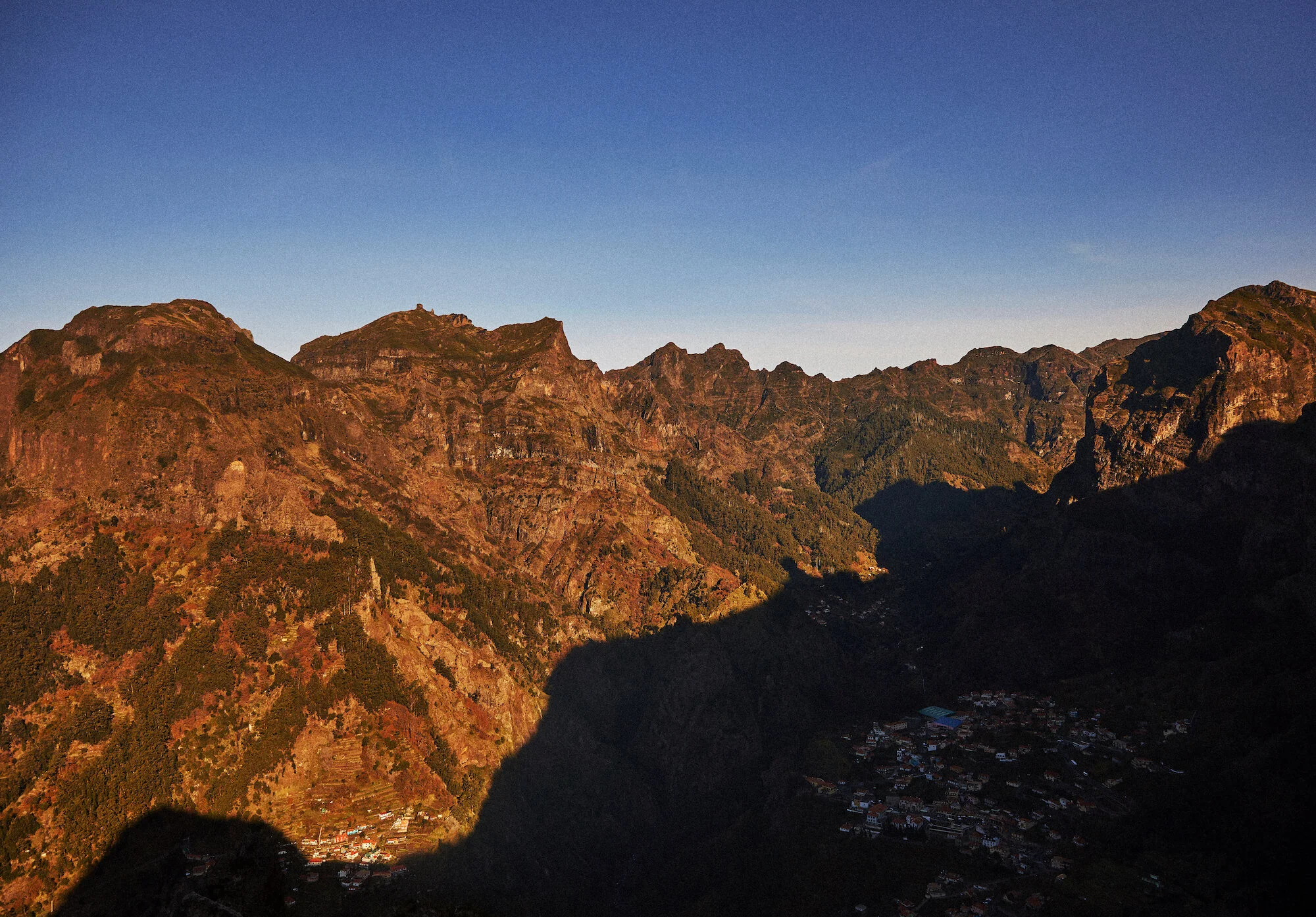
As you circle the island before landing you see in its centre - mighty peaks, draped in cloud, towering above the cliffs and shores. But these islands are not barren lumps of rock, they are fertile, verdant oases in the desert of the sea. The volcanic soils provide rich nutrients, which allow islanders to grow a staggering array of fruits, vegetables and flowers.


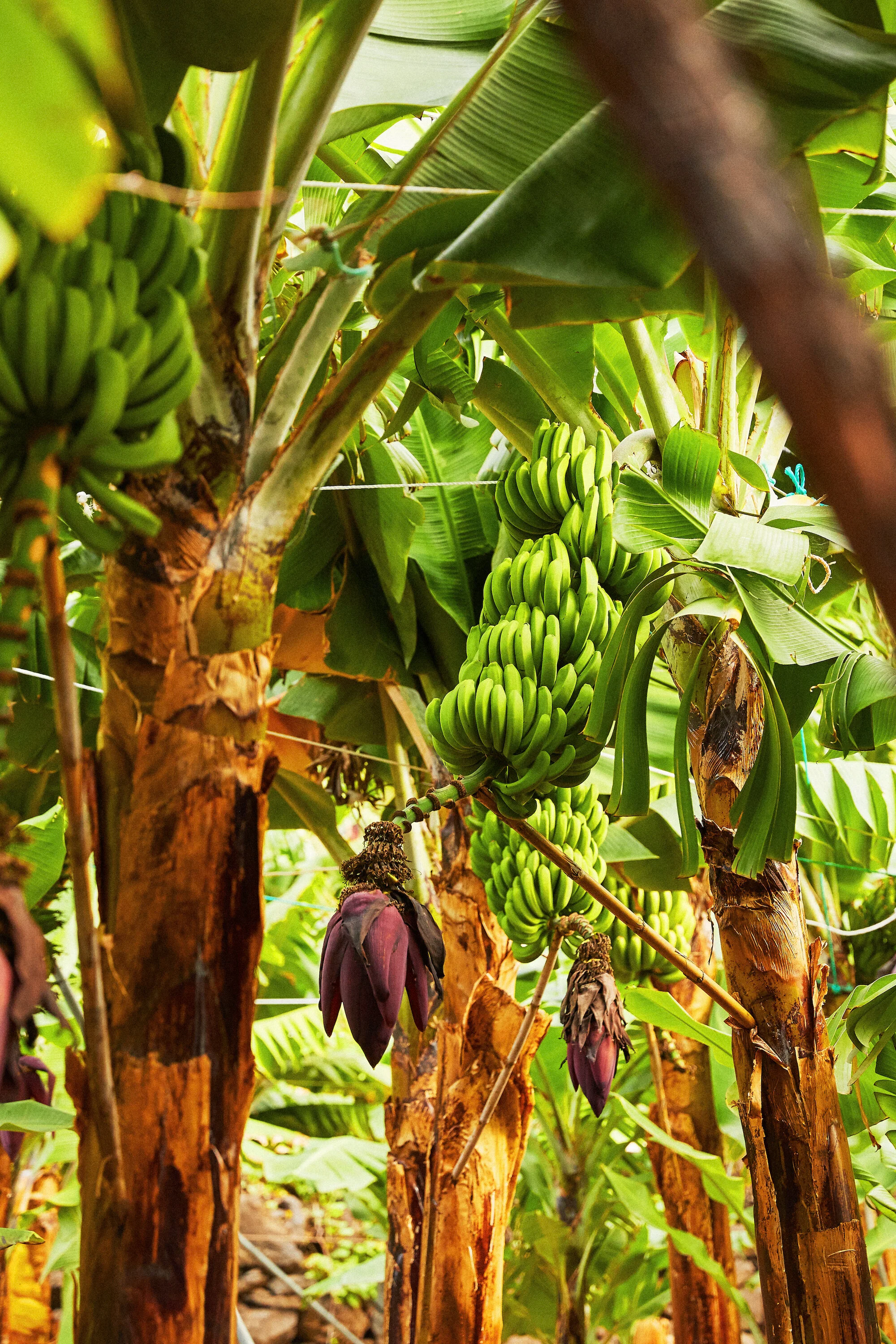
We visited Faja dos Padres, just west of the capital Funchal and accessible only via a cable car. This small farm, guest house and restaurant is found at the base of a huge cliff and boasts not only high quality ancient grape vines but bananas, mangoes, avocados, papayas, passion fruit and sugar cane.
As we watched the waves crash against the dark grey stones of the beach it wasn’t difficult to imagine the solitude of those early settlers who positioned themselves in such a lonely place to avoid attacks from both land and sea. If ever I was to be marooned myself, I could think of plenty of worse places to be.
Produce such as that from Faja dos Padres often ends up in Funchal’s Mercado dos Lavradores where the array of fruits and vegetables - all grown on the island - is astounding. There are five types of banana, probably ten different passion fruits, dozens of chillies , custard apples and (my particular favourite) the rare and decadent fruit of the Monstera Deliciosa - a long tubular fruit you can pick apart when ripe to get to the juicy cubes of flesh inside.

When it comes to the wine, Madeira’s offerings are no less impressive. I visited several producers, all with a storied history and decades, or centuries, of experience. Madeira is made from a selection of different grapes and comes in many styles - from a drier aperitif to a super sweet after dinner tipple - but all are united by their fortification. The addition of grape spirit stops the fermentation and brings the alcohol up to about 20 percent, which allows them to be seriously aged. The basic stuff has five years in barrel, but bottles with at least 10, 15 or 20 years behind them are pretty standard and brilliantly affordable. Whilst being shown the Barbeito winery my generous host gave me not only a glass of their 50 year old offering but a taste of something wonderful from his own collection, a heady and totally stunning glass of wine, bottled in 1856.


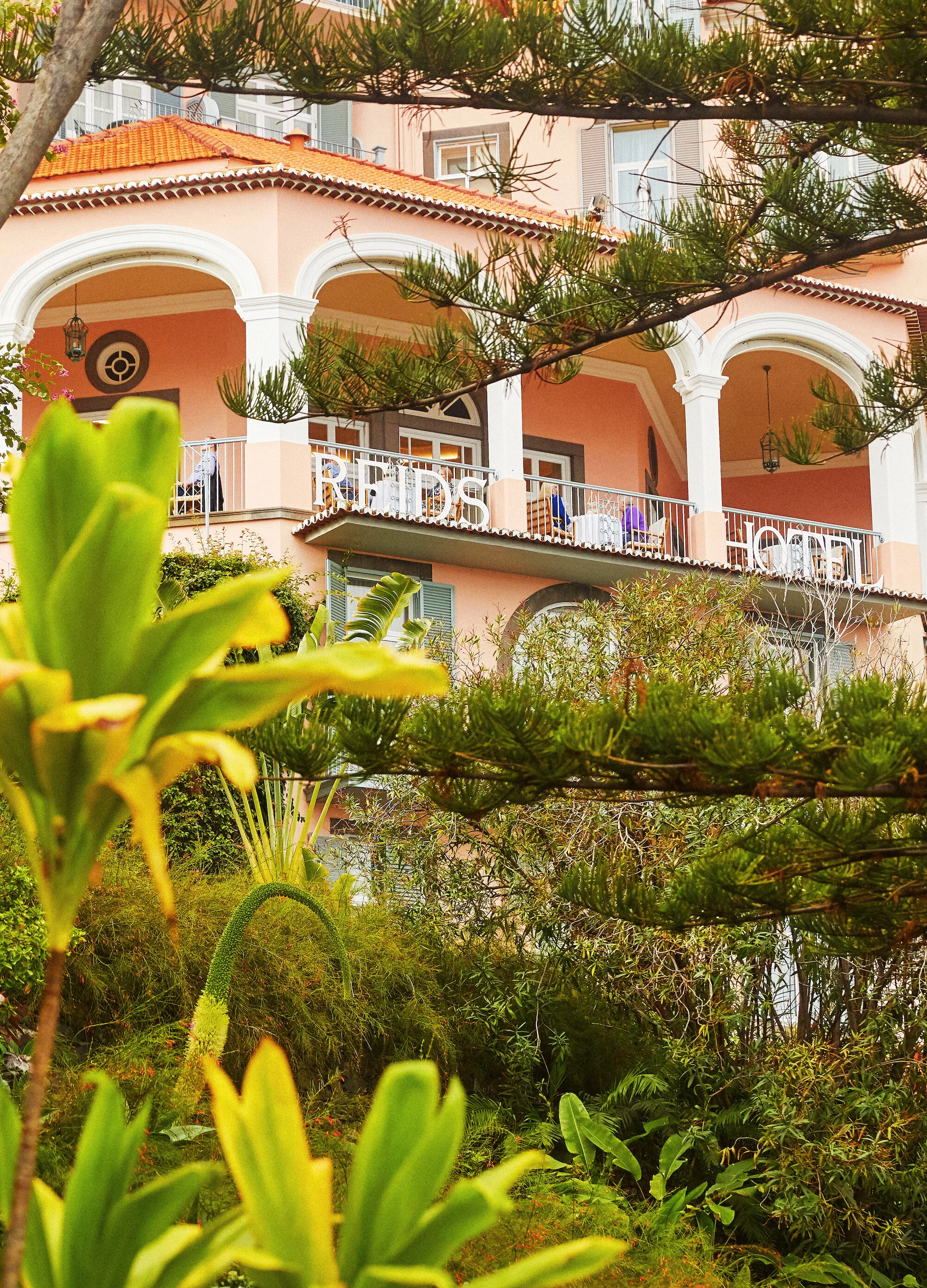
So much sugarcane is grown in Madeira that they make excellent rum by the barrel-load and still have plenty of molasses leftover for another delicacy, their ‘honey’ cake. It is a deep dark brown, sticky and adorned with spices and nuts. Another sweet treat we enjoyed was at the historic Reid’s Palace Hotel. Built in the days of the British Empire when wars and ‘interests’ led us to the island. It is an elegant sanctuary, surrounded by extensive gardens with flowers from across the globe. As a stop off on the way to both Africa and South America, the plants, flowers and fruits of the world came to Madeira and many of them stayed. We admired the blooms while enjoying afternoon tea on the Reid’s terrace. Views of palm trees and the azure sea, with the mountains rising behind them, were the perfect backdrop to the wonderful delicacies on offer. For an hour or two I might just have been a British diplomat at the turn of the century.
Funchal is a wonderful place to be based. There’s an abundance of grand old forts, convents and churches to lend gravitas, while the architectural detail on the older streets was exquisite too, with just the right amount of decay. Miradouros provide frequent waypoints when walking up the hills of the town and they remind one to stop, take a breath and enjoy the view, as the lizards skit about on the sunny rocks beside you.


Up and away from the sea and the people below, Madeira’s volcanic mountains reveal another side to the island; an older, more mysterious one. The Laurisilva forests are thought to have covered the whole island before humans chanced upon it, and this forest had previously covered all of Europe until the last ice age 10,000 years ago - it still retains a primeval quality even now. The forests of laurel trees and ancient bracken are fed by the rain and humidity, brought by the clouds they sit in for much of the time. Driving upwards we gradually immersed ourselves first in forest then in mist, before we burst out over the top and back into sunlight. All this water eventually seeks a path back down to the sea and you are never far from a river, canal or waterfall in Madeira.


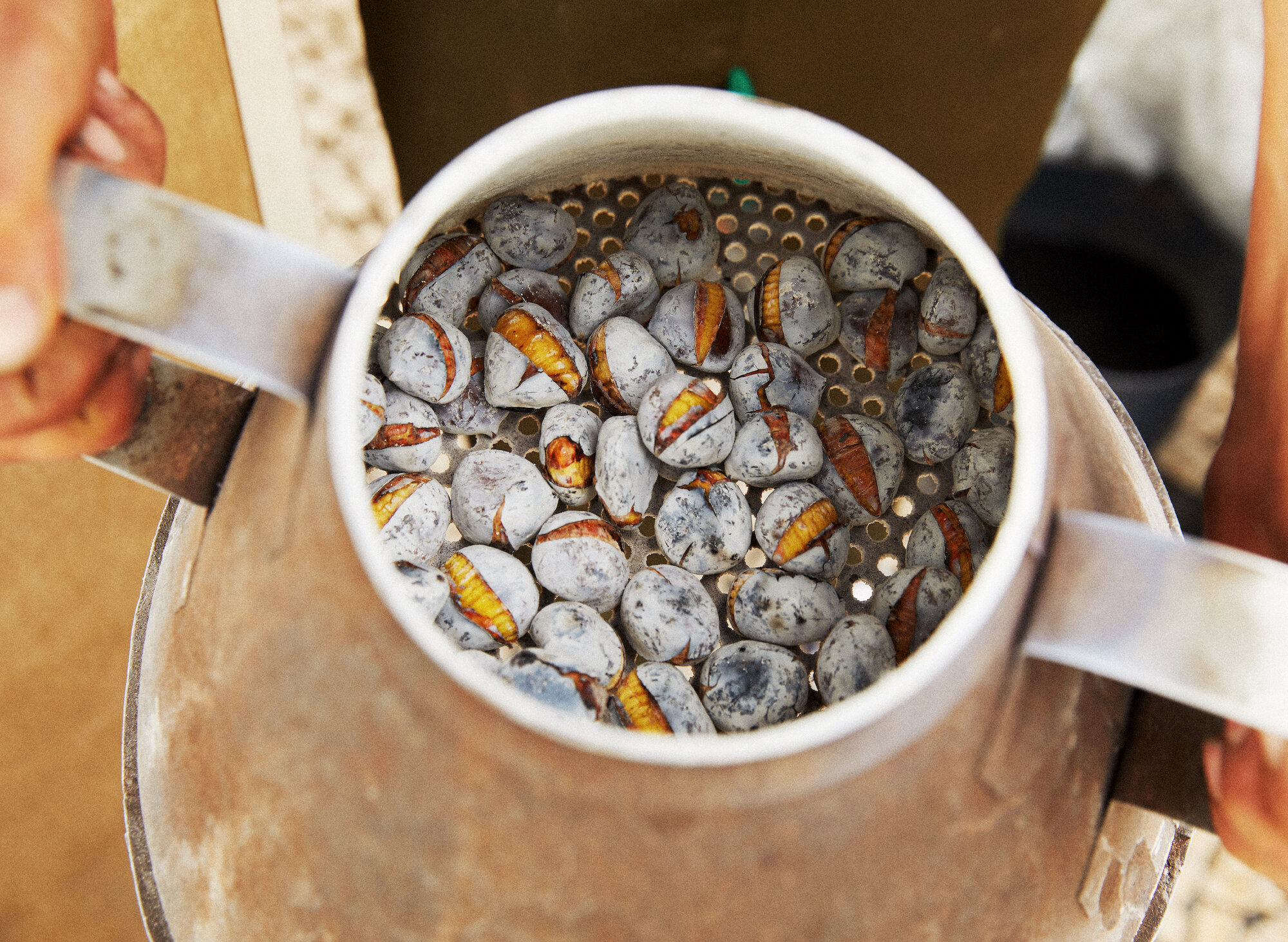
One particularly isolated parish high in the forests is Curral das Freiras or ‘Nun’s Valley’, where locals have built their lives around the chestnut tree and its harvest. We visited in late autumn and the chestnuts were in abundance. They will make you chestnut soup, chestnut salad, chestnut pies and chestnut cakes, all washed down with chestnut liquor, of course. As we sat on a roof deck enjoying this forest bounty we watched the clouds as they drifted through the surrounding peaks and listen to the sonorous chimes of the bell tower ring out and echo across the valley.

There’s a whole other world in Madeira above the clouds. We experienced the terrifying mountain passes with sheer drops below, astonishing views across the valleys and, when the sky cleared, back down to the distant ocean. Hiking across the steep valleys was hard work at times but to experience the natural world like that was something very special.
We first visited Madeira in our Portugal magazine, which you can order here.



Cover Photographer - Thomas Gravanis
An interview with Thomas Gravanis - our Greece magazine cover photographer.
The Greece magazine is out in the world and to celebrate we had a chat with Athens-based cover photographer Thomas Gravanis about life, photography, the wonders of Greece and that rather stunning Symi cover shot.
What do you love about photography?
The ability it gives you to portray beauty in everything you see. The sense that you can immortalise the fleeting moments of your life. The pride you have when you take a good photo. The pride that turns into self-doubt after you look at the same photo for some time. The ability it gives me to turn my emotions into something tangible. The fact that you can witness the history of everything - how photographers portrayed, for example, the war in Vietnam and at the same time how some amateurs portrayed their life, giving you a candid shot of their social gatherings, their customs, everything you can imagine.
Can you remember the first time you picked up a camera?
My dad owns a Canon AE-1 with a variety of lenses. He was storing all the equipment in a cabinet in my bedroom so I remember playing around with it since I was seven or eight years old on a regular basis. Though I never thought I could make this my profession, I always found this art form fascinating.

What is your favourite thing to photograph?
Travelling and documenting the people, the food, the scenery of a place must be my favourite. I really adore open spaces cause it gives a sense of freedom and I can use my camera in many different ways. Literally, I feel my pupils dilate whenever I find myself in a vast place.

You've taken photographs across Greece - what makes working here so special?
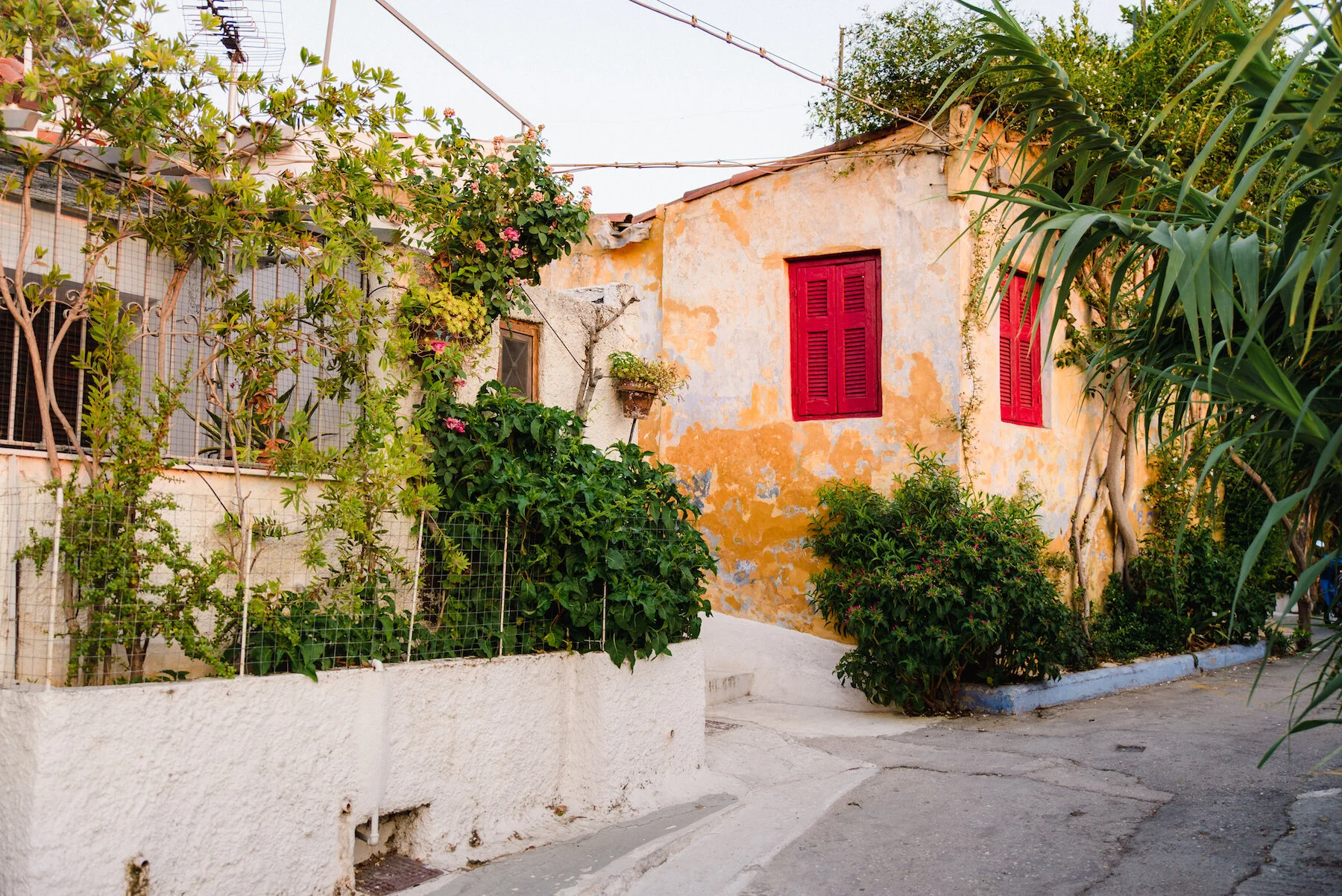
The thing I find very unique in Greece is the constant change of scenery from place to place. The architecture, the food, the people, the nature is extremely varied. Also, Greece is a top travel destination and almost everything has been photographed. So it creates a very big challenge to try and differentiate your work and make it somehow unique. Finally, it goes without saying that the light here is one of a kind. You can get very mellow light at sunrise and sunset and very, very harsh lighting during the day - but with a few tricks you can get amazing results.
Do you have a favourite place in Greece?
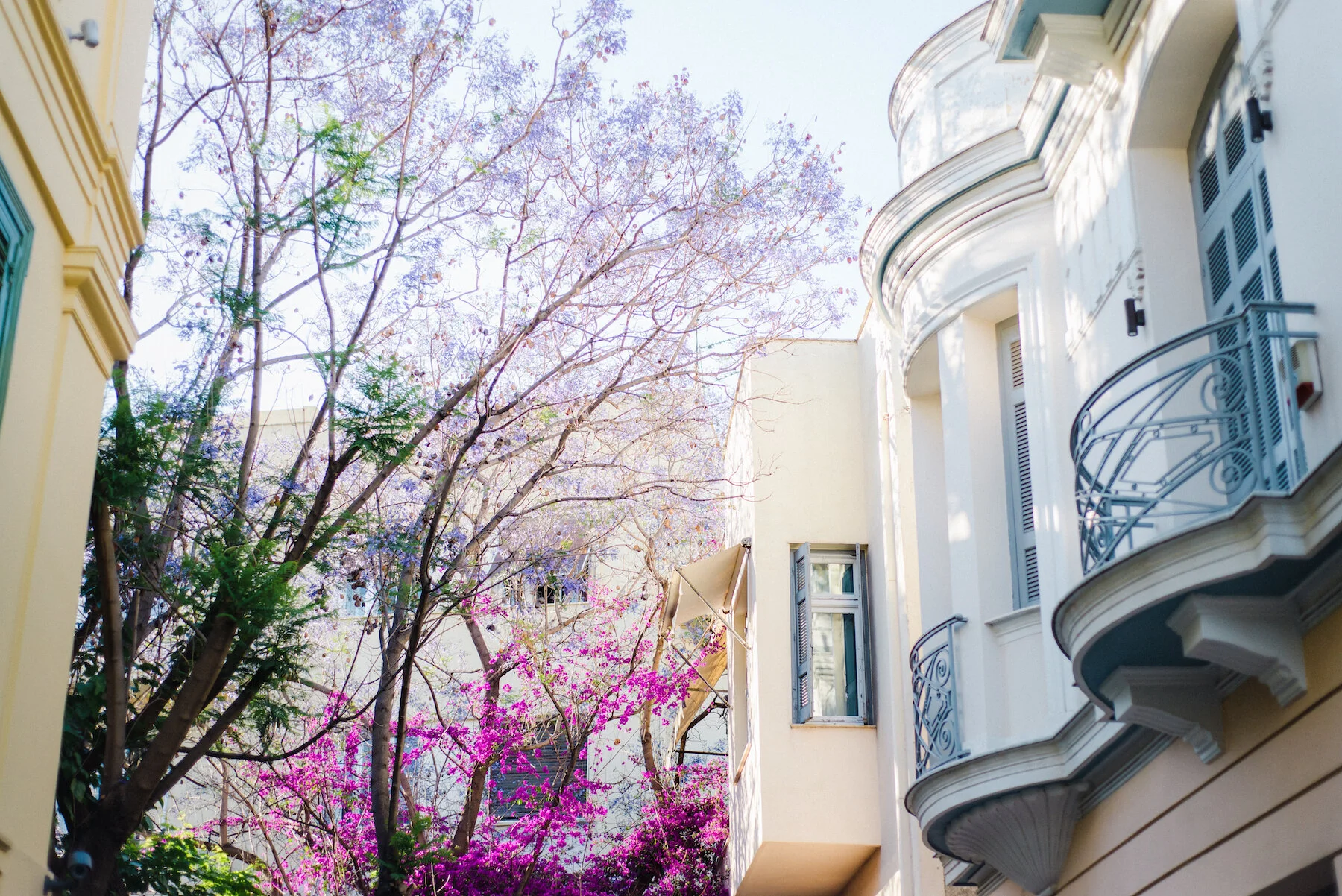
Andros in the Cyclades is a very dear place and one I hold very close to my heart. Also my hometown, Larissa, and its surrounding villages is a place that defined my aesthetics and the way I use light in my work.
Is there a creative community in Athens?
There is one. Actually a pretty big one. The economic crisis played a big role in people conveying their anger/disappointment/frustration/you name it into art in all its forms. There was also a big wave of international artists who decided to move to Athens, thus creating a very diverse ecosystem of artists.

Can you tell us a little about the photograph on the cover of Lodestars Anthology Greece? Where was it taken and what was the day like?
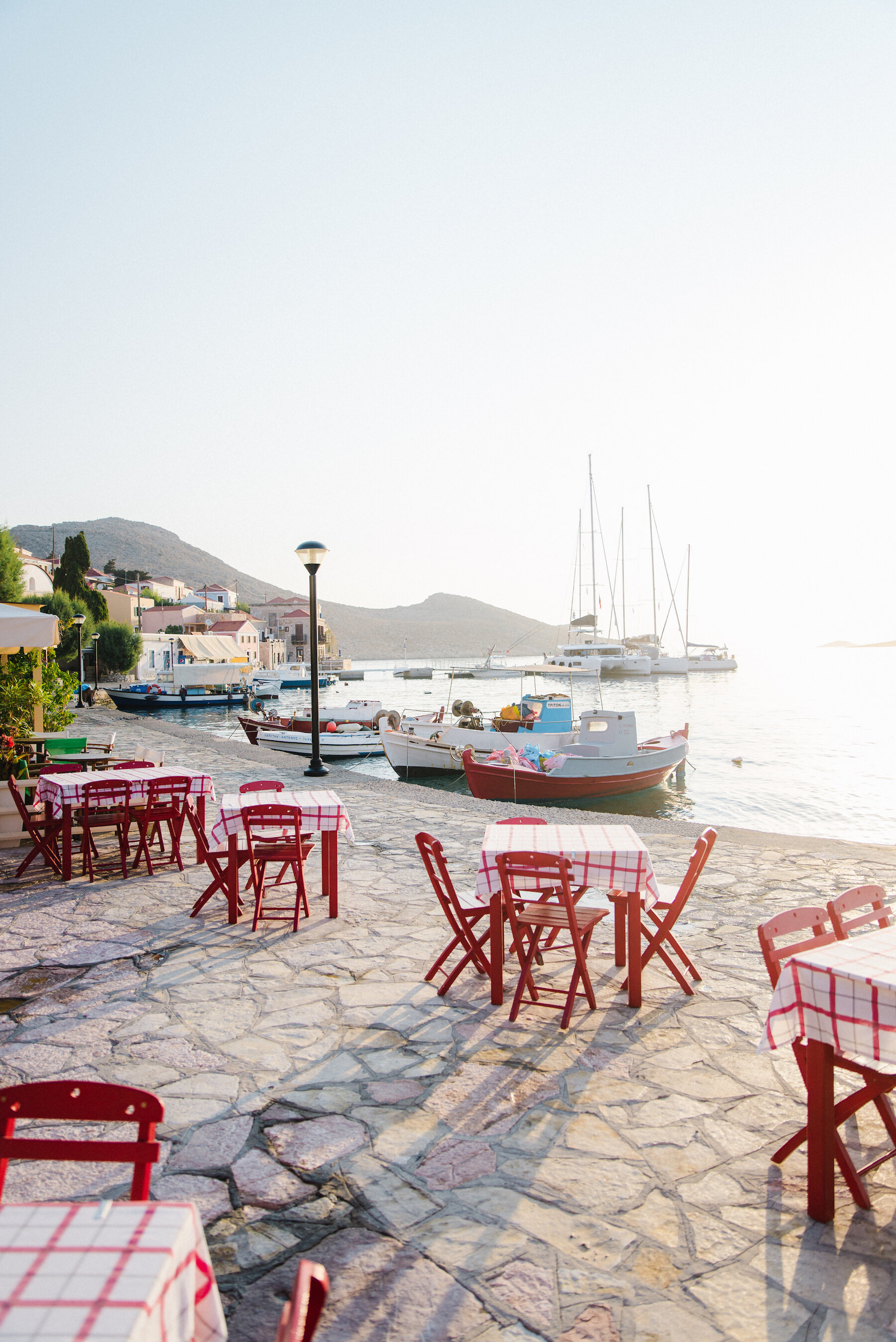
I was on a one week holiday to the island of Symi with friends. We spent the day at Marathounta Beach where goats casually stroll between the sun-beds. On our way back, I saw this light and asked for a quick stop. It was mesmerising. You could see both Kastro and Symi. Took some photos. Actually, I think besides some portraits of my friends, I only took one photo. The one selected for the cover.
What advice do you have for aspiring photographers?
Shoot and then shoot some more. After that, go out and shoot some more. In the breaks, study the photographers you admire, study the greats of this craft. After that, go out and shoot some more. Don’t be afraid to reach out to people you admire and ask them for feedback. Watch films, listen to music, try to find things that inspire you and convey these feelings into images. Then, go out and shoot some more.

And what is the best piece of advice you've ever been given - about work, life or anything really?
I try in my work and my attitude towards life to have a positive angle and see things in an optimistic way. I’d say that my work and ethics are heavily inspired by Terrence Malick’s Thin Red Line last quote: ‘Look out through my eyes. Look out at the things you made. All things shining.’ This is my mantra and I try to live my life based on this.
What does the word ‘home’ mean to you?
Home is all the fond memories that I run to whenever I’m in need of a haven. It’s my family in our dining table eating and laughing. A bicycle ride in Hue, Vietnam. A camping site by the Trishuli River in Nepal. A midnight hike in Hengifoss, Iceland. A car ride in Sigiriya, Sri Lanka. A beach house in Halki, Greece. The moment I laid my eyes on my girl. The morning we adopted our dog. All these fleeting moments that made me who I am.

What's at the top of your travel wish list?
Before the pandemic, I was starting to organise a trip to Kyrgyzstan. But life happened. Besides Kyrgyzstan, I really want to visit the Sapa district in Vietnam, the Li river in China & Bolivia. (A long term plan is also to visit the majority of Greece’s mainland).
You can view more of Thomas’ images here.
Pick up a copy of the Greece magazine here.




Hay Daze
In conversation with the creatives of Hay-on-Wye.
Words by Liz Schaffer & Photographs by Orlando Gili
There’s something magical about sitting in a hotel garden - glass of wine in hand, blooms bursting around you - and devouring a book as the sun descends. I don’t know if it was the setting, or the fact I was far from home, but ensconced here, I found myself imagining the stories of those around me, creating lives and intrigues from the snippets of conversation that wafted my way... I should drink in gardens more often.
I was in Hay-on-Wye, a prettier-than-a-picture border town transformed into the world’s first Book Town in 1962 by bookseller extraordinaire Richard Booth (who assumed the title of King of Hay after jokingly declaring it an Independent Kingdom), and adored by the literati as home of the Hay Festival, an annual celebration of books and ideas that was dreamt up around a kitchen table in 1987. Yet this enchanting destination offers so much more than paperbacks and festivities. For decades it has called to creatives of every ilk; from bakers and collectors to poets and environmentalists. It may be the ley lines, or perhaps there’s something in the water, but for whatever reason, a pioneering spirit thrives. If you ever need to be shocked out of the ordinary, to remember that vision and ardour exist in the world, then travel to Hay and strike up a conversation.

In the town of books, one must chat to Anne Brichto who created Addyman Books, a secondhand wonder, with her husband, Derek, in 1987. They began their bookshop in a windowless room off the Blue Boar pub, before taking over two rooms on Lion Street and slowly expanding - adding Murder and Mayhem (dedicated to detective fiction) and The Addyman Annexe to their repertoire. In the decade before they opened, Hay was the stomping ground of hippies and farmers, and things were still a little ramshackle in the late 80s when Anne and fellow booksellers (Booth launched his shop in 1963) would depart for boozy lunches, leaving customers accidentally locked in their stores.
Addyman Books feels like something from another era, a rare gem where cosy nooks are plentiful and curiosity runs amok. Which makes sense, because for Anne, running a bookshop is all about creating magic. “You’re making a space where the book chooses you; you don’t know what you will find. There’s happenstance, serendipity, the weight of nostalgia when you see books from your childhood. The whole point of a real life bookshop is that you can just wander round and be surrounded by books ... We have people who come in, people in the community, and just sit upstairs and read. That’s so nice, to have other people around.”
Anne and Derek do their own buying and have an eye for cult classics destined to become secondhand gold. Their approach is relaxed, everything is done with love, yet for Anne, it seems this profession was inevitable. “I was taught to read at two, at three I was reading chapter books, I was very precocious ... But then my mother died in a car crash when I was six and I was in hospital and because I loved reading so much, it sort of saved me. I was reading the Narnia stories and things like that, but I realised there were so many motherless children, or near motherless children, in fiction - because that’s the kind of person who ends up writing a book - that it was very therapeutic. Books saved my sanity. I was very lucky to have those stories, they’ve stayed with me. One of the last books I read with my mother was Alice in Wonderland and I’ve ended up collecting those. I’ve got a room full of Alice, so I suppose that sort of cemented it.”
As if summoned by this revelation, Father Richard enters Addyman Books, clutching two giant poodles and a pint of milk. He’s the parish priest at Hay’s St Mary’s, as well as at nearby Capel-y-ffin, a quaint, yew-framed chapel with a wonky belfry and graves adorned with Eric Gill’s calligraphy. Father Richard is renowned for his impassioned organ accompaniment to Nosferatu, which is screened in his church during the Hay Festival.


Leaving Anne and Father Richard to talk, I wander to Green Ink Booksellers. This is owned by Josh and Ellen Boyd Green who moved back to the area from Melbourne, Australia, where they’d run Alice’s Bookshop - a secondhand institution admired by Ellen’s granny. Green Ink Booksellers has slightly more academic offerings and although every surface is graced with pre-loved tomes, the aesthetic remains calm. Chatting to Josh and Ellen, you understand the allure of secondhand - how liberating it would be to ignore bestseller lists, infuse your store with personality and introduce people to the unexpected. As Ellen explains, “there’s something really nice about the fact these books don’t have a massive footprint. They already exist and you can help find them new homes or match people up to books without having to rely on current publishing trends. Witnessing somebody find a treasure they didn’t know existed is one of the joys of having a secondhand bookshop.”

A short amble away is Kate’s Bakery, which comes into its own every Thursday, Hay’s market day. As locals gather outside her bakery’s teal door, names are called and greetings exchanged - a reminder that the chance to connect, to be part of a community, may be a bigger draw than the market itself.
Kate Brotherton Ratcliffe began baking bread at home more than a decade ago and has allowed her business to grow organically since then. She now operates from her late-husband, Barty’s, workshop (as a furniture designer, he fitted out most of the stores in Hay). “It’s me making it and it’s me selling it. I’ve remained small, but that’s important, not to lose touch. I love it really, the contact. It’s like a social hub, a focal point in the town ... the product is very symbolic and representative - of nurturing, feeding, a connection - because the word companion comes from the Greek ‘with bread’, com and panis. The idea that someone you share bread with is a companion is deep reaching in most cultures. Bread symbolises a lot, it’s more than just the transaction of handing over a loaf.”
As we head off to explore Bartrums (a stationery store founded by Barty in 2013 to promote the joys of pen and ink), Kate notes that Hay is full of businesses run by enterprising women - from Tomatitos Tapas Bar to Shepherds Ice Cream Parlour. “It’s a great place to run a business, it’s full of interesting people.”


One of those is Layla Robinson, an artist inspired by the blooms of the Welsh borders. Layla crafts wreaths from dried flowers she grows in her garden - a haven where bees buzz and hedgehogs waddle. For years, she had her own garden design company and sold fresh-cut owers at Hay’s market, but with two young children and the demands of building an off-grid house with her husband, Rob, she never had quite enough time. So she turned to wreaths. “You can take your time, you can build up a collection of things, you can play around with colours, shapes, textures, it’s much more versatile. And I like the fact that it’s more sculptural. It’s all grown out of the garden, or in the hedgerows, so my house just fills up.”
It’s wonderful to spend time with Layla, who clearly adores what she does - constructing something beautiful from something completely natural. “It’s almost like the wreaths have a mind of their own. Sometimes the twigs go in a slightly different direction. Some of them are more messy. They’re still wild and they’ve got their own characters, it’s almost like a person. They start to build up their own personality and by the end they are their own thing, totally individual.”
Layla and Rob also manage The Majestic Bus, a revamped Panorama 68 that you can rent for a rustic escape. Although the bus’ chic interiors and tales of its transformation from rust bucket to boutique abode are fascinating, it’s the view that takes centre stage. Here, the landscape is never far from your mind. “The environment was always really important to us. With this place, we’ve tried to keep as many wild bits as we can and let nature go crazy, we’ve got wildlife coming out of our ears ... If you grow up in [this area], you realise how beautiful it is and how fragile it is and how much you can actually do to not damage it in any way.”

Many Hay stores display Layla’s wares, yet The Old Electric, founded by Hannah Burson, is uniquely charming - a treasure trove of retro and contemporary delights. “It started a bit more rough and ready, a bit more vintage, and I’ve added in a few new bits and refined it. There’s now also a cafe within the shop where we do a whole menu of travel inspired vegetarian lunches - and the best cakes in town.”
Hannah - once an underwater photographer - has always been a collector and seems keen to make her gallery-like store a platform for other makers. There are dungarees from Field & Found, vintage clothes sourced by Hay Does Vintage and the furnishings of Katie Tyler Upholstery (I was particularly enamoured with her tweed-jacket-turned-cushion). These appear beside books, prints, objets d’art and a rotating assortment of curious finds - like fairground slot machines. Fantastical and fun, it all feels very Hay.

Of course, you can’t visit Hay without talking to a writer - or three. First up for me was Oliver Bullough, a journalist and author whose works include Moneyland, which delves into the culture of money laundering, and The Last Man in Russia, inspired by his seven years in Moscow. Today, Oliver is interested in exploring the idea of corruption and I wonder, given the weight of this topic, if having Hay nearby is an antidote of sorts. It’s clear at least that he loves it here. “I think there’s a good combination of things that add together to create something very special. There’s obviously the landscape ... and the cultural side of things. And because we have a foot in Wales and a foot in England, there’s an interesting combination of cultures.”
Oliver has a long history with the Hay Festival. Not only has he been interviewed, presented and run an internship programme that connected Cardiff students with journalists, but it may have helped foster his relationship with writing. “The Hay Festival is an amazing thing. Growing up, it didn’t strike me as weird that world-class literary figures used to come to our doorstep and we could just go and see them talking. I have a very strong memory of seeing Ted Hughes speaking in a tent when the festival used to be held in the primary school. He was speaking in a storm. It was really hot and he was pouring sweat and the tent was battling this storm. It was like watching Moses coming down Mount Sinai.”

Owen Sheers is equally enamoured with the Hay Festival - which became apparent as we made our way to The Warren, a patch of river perfect for swimming and ‘in the wild’ interviews. “The Hay Festival was absolutely seminal in me becoming a writer ... To live that close to that kind of a festival, and to grow up alongside it ... it was sort of like going to university every year.”
I came to Owen’s work through A Poet’s Guide to Britain, an anthology of poetry inspired by the British landscape, andThe Gospel of Us, a fictional reimagining of his three-day play The Passion, which starred Michael Sheen and played out on the streets, beaches and hills of Port Talbot. His portfolio is immense, filled with hybrid film work, poetry, fiction, non-fiction and verse drama, yet over lockdown, it was the lyric poem that he returned to. “It felt like breathing out again, like seeking out the comfort of an old friend in troubling and uncertain times. What I love about it is that you have to try and make this equation of less being more ... Every phrase, every word, you want it to cast several shadows in several directions and have several associations ... One of the fundamentals of poetry is talking about the abstract world in terms of the concrete world. It’s what landscape gives you in spades, this physical metaphor all around you.”
The night before our meeting I’d read The Green Hollow - a film poem commissioned by BBC Wales to mark the 50th anniversary of the 1966 Aberfan disaster, which saw a coal mine waste tip collapse and bury the town’s school and surrounding homes. It is deeply moving, a work of beauty and compassion that honours those lost and those left behind. When I mention it, Owen comes out in goosebumps. Created after seven months of interviews with survivors, parents and rescuers, it’s clearly something he’s still processing. “I partly got through it because of the form, that dramatic poetry form. It’s a form in which the writer becomes a conduit for the voices of others and you become a vessel for lots of other stories, so there’s a very different duty of care.”
The Green Hollow is a brilliant example of poetry’s power - its ability to say so much with so little: “to question what it means to be alive.” It is a vital tool, an intimate form of communication long-synonymous with Wales, perhaps because, traditionally, it’s never been cast as anything ‘other’. Here, even poetry and sport are connected - seen in Owen’s appointment as Welsh Rugby Union’s first ever writer in residence. “You could not get more Welsh than writing poems for the match day programmes. Which I found out the team were reading before they went on the pitch, so I had the coaches coming in and saying, ‘just so you know, the boys do read them, so don’t make them too depressing - make it a bit uplifting will you’. I loved [the role] because it speaks to Wales, but it speaks to something outside of Wales ... Very recently, especially in the industrialised South Wales valleys, the cultures of art and sport were very close cousins. They were knitted together, male voice choirs and rugby clubs. And then since the sport became professional, Roger Lewis, who was the head of Welsh Rugby Union, felt that they were travelling apart. And so they said, ‘can we do something to bring art and sport together?’. And I was interested, on a broader canvas, in the fact that, completely unnecessarily, we sell the lie to kids, very early on, that you either follow the physical pursuits or the intellectual pursuits, and never the twain shall meet; which is just ridiculous, because as we’re now learning more and more, the intellectual and physical life are totally interwoven.”

This ethos - the idea that art, academia and activity can and should be linked - has helped shape Black Mountains College (BMC), a project dreamed up by Owen and fellow writer Ben Rawlence. It is now spearheaded by Ben, who I met as he emerged from his writer’s room, hidden beneath an apple tree in a paddock beside his home. BMC is an immense undertaking - a new form of education created in response to the current ecological crisis. But given Ben’s history, I doubt there’s anyone more qualified to make it a reality. He is known for his non-fiction book City of Thorns, which chronicles the lives of nine people in Northern Kenya’s Dadaab, the world’s largest refugee camp. It was written after he spent a decade working with Human Rights Watch, and his transition to art felt necessary - a chance to help change a situation in a way that policy making and lobbying could not. “Everything I’ve done has been motivated by a sense of social justice and social change - my politics, my journalism, my human rights work, the non-fiction writing. BMC comes from the same place. We’re all trying to answer the same question which is: what’s the best thing I can do at this point in my life where I am?”
BMC is inspired, in part, by Black Mountain College, a pioneering school established in North Carolina in the 1930s by refugees from Bauhaus. One of its teachers was Josef Albers who, along with other renegade American academics, wanted students to work on the land, grow their own food and do visual arts, believing that one had to learn to see before they could begin to appreciate anything. “Everyone had to do dance, history, politics and work with their hands - what people call a holistic education. So when I moved to the Black Mountains I thought, wouldn’t it be great if we had a new BMC actually in the Black Mountains that drew on that history and applied itself to the challenge of our time, which is climate change.”
The curriculum will focus on unlearning and understanding nature. “Undergraduates will come, they’ll learn about themselves, and then they need to situate themselves in relation to the natural world, and then in relation to human society, and they need to figure out their place within it.” Right now, everything feels a little fragile and precarious, and this college strikes me as a necessary and fascinating way forward - and something that could only exist in this glorious corner of Wales.

Visiting Hay and its surrounds, and talking to those who call this area home, you’re reminded of the talent and flair that flourishes when given an extraordinary, supportive setting; but also that as people, we are all connected - to one another, the past, our creative potential and the world around us. Few things will reveal the power of an art-book-and-nature-centric conversation more than a handful of laid-back days in Hay.
This article first appeared in our Wales magazine, which you can order here.


Grand Designs
Dunskey Estate - Escape to the Country
Introduction by Liz Schaffer - Photographs by Orlando Gili
In early January, when the light was fleeting and the weather fickle, I gathered a weather-weary crew of London companions and ventured north, in desperate need of merriment and magic. We made our way to Glasgow (one cannot travel to Scotland without paying homage to Charles Rennie Mackintosh), hired a car and followed the picturesque twists and turns of the Ayrshire coast, the road finally delivering us to Dunskey Estate - our singular, splendid and utterly divine long-weekend castle hideaway.


Part time slip, part playground, Dunskey Estate is a setting designed to awaken your inner child and will see your spirits soar. Once a towering, ivy-clad stately home, Dunskey Estate now specialises in parties, events, retreats and celebrations. Indeed, it is at its jubilant best when every room, all individually styled to combine modern comforts with chic, antique flourishes from the original home (the bathtubs alone took my breath away), is claimed by a gathering-loving group of revellers.
The castle is a playground, its communal spaces grand and inviting. Fires roar, the bar beckons, flower-graced tables call out for feasts (prepared by a private chef, the menu curated to suit individual whims and desires), and the furniture and decorations hail from decades past yet look anything but faded. Here, my group played dress ups, perused paintings, were lost in family albums, befriended loyal hound Beecher (the Dunskey mascot), invented games around the billiards table, discovered the tales behind objets d’art and were swept up in the moment.

Dunskey Estate is framed by woodland and gardens, and a network of walking paths twist their way through both, winding their way across fields, over creeks and ravines, and past lochs and petite doorways that no doubt lead to faraway kingdoms. The land changes its hues not only with the seasons - the fiery tones of autumn, the swathes of wildflowers - but throughout the day - the fading sun painting the landscape gold, frost clinging to the earth in the early morning.
Should the wind howl or snow fall, the castle calls, its cosy nooks perfect for book-and-whiskey-guzzling. But if the sun shines, head to the coast … immediately. Here you can picnic on the beach, wander by the sea, forage for seafood or simply work on that fabled Scottish tan. Time in Dunskey Estate is entirely your own. This is your wonderland, your escape, your home - a place of opulence and playfulness. The ideal antidote to the everyday.
To learn more, or make an enquiry, click here.

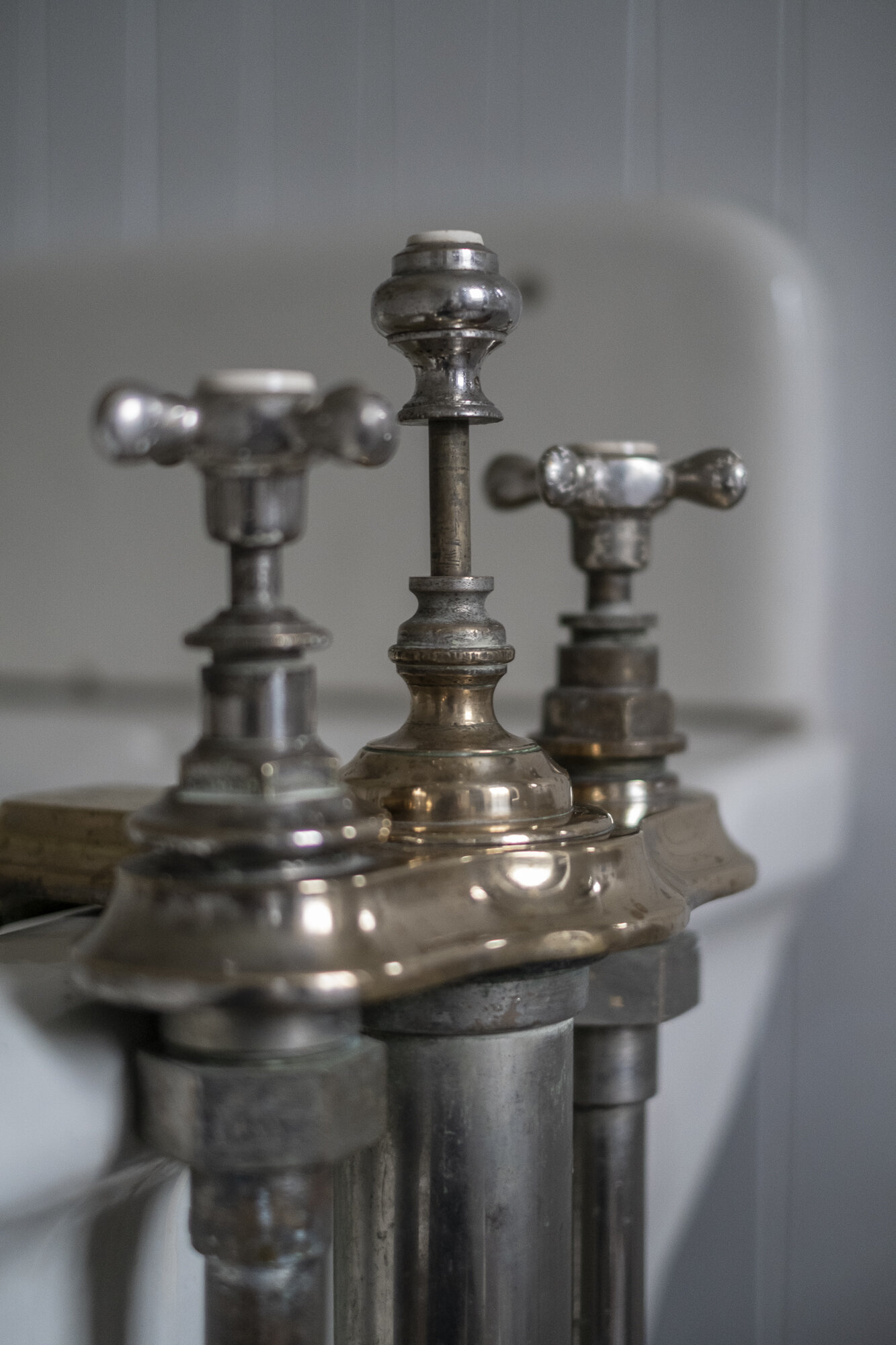

The Dunskey Story
Castles this wondrous inevitably come with a little history, Sarah Kelleher walks us through Dunskey’s past.
The story of antique-bedecked Dunskey Estate begins in 1900 when the estate was purchased by Charles Lindsey Orr Ewing and his second wife, Lady Augusta Boyle. (Orr Ewing’s first marriage to The Honourable Beatrice Hore-Ruthven ended in divorce when her inconvenient habit of leaving spouses and offspring at the drop of a hat came to light - fascinatingly, it appears she may have been the inspiration for the Bolter in Nancy Mitford’s novels).
Charles’s father, Sir Archibald Orr Ewing, had made his fortune via the production of fabric treated with the famous Turkey red dye, exporting his dyed and printed cotton cloth to India. It was this industrial heritage that enabled his son to purchase Dunskey Estate and have Dunskey House built to Scottish architect James Kennedy Hunter’s design; though tragically Charles passed away just before the house was completed in 1903.
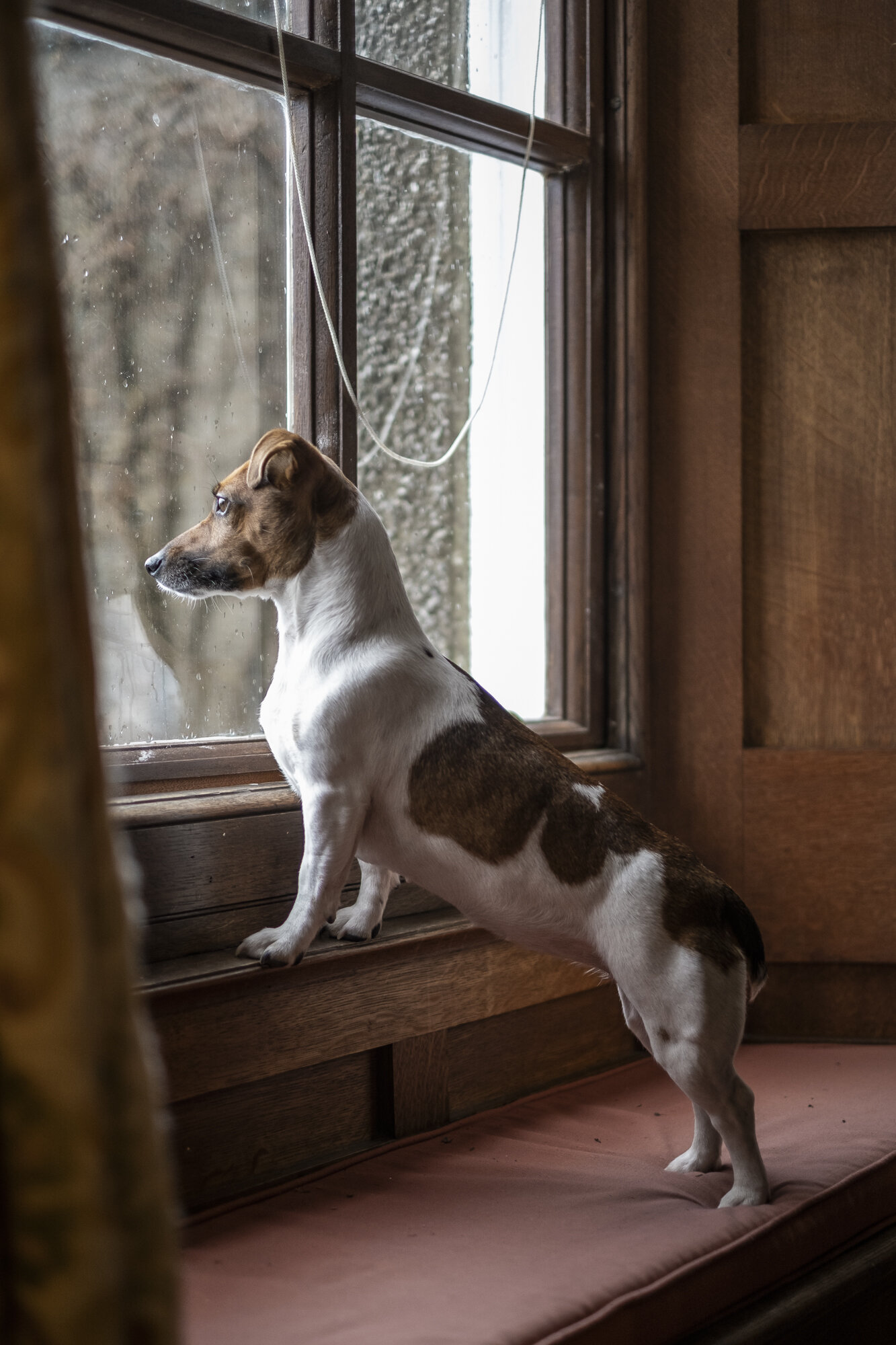


The estate came with a walled garden and glasshouses, and grew to include an electricity supply company for the local parish of Portpatrick. The village itself is a scenic ramble from Dunskey Estate and home to the Portpatrick Hotel, which hosted revellers who ventured here to enjoy the heyday of the Scottish Riviera. Although the ravages of the 20th century (two world wars, death duties and the closing of the train line) took their inevitable toll on the estate, the bones of what had been remained and - owing to the vision and passion of the current generation of Orr Ewings (our wonderful hosts Ali and Anne) in looking ahead to the estate’s future whilst preserving its past - Dunskey Estate is flourishing once more.
Delve further back in the estate's history and a tale of myth and wonder is revealed. Dunskey Castle was built in the early 1500s on a clifftop south-east of Portpatrick, overlooking the narrowest point of the storm-tossed Irish Sea, and on the foundations of an even older castle that had been burnt down in retaliation for the alleged murder of Dionysus of Hamilton by William Adair of Dunskey. Reputedly haunted by the ghost of a nursemaid who dropped her infant charge from one of the castle windows, it is thought to have been a ruin by the late 1600s. By then, Dunskey Estate was in the hands of the Reverend James Blair, the newly appointed minister for Portpatrick. The old castle was stripped of dressed stone and timber, which was incorporated into the first Dunskey House, located where Dunskey Estate now stands.
With a history of ghosts, tangled family fortunes and set in a gloriously elemental landscape, the current chapter is sure to continue the compelling story of this captivating, otherworldly estate.




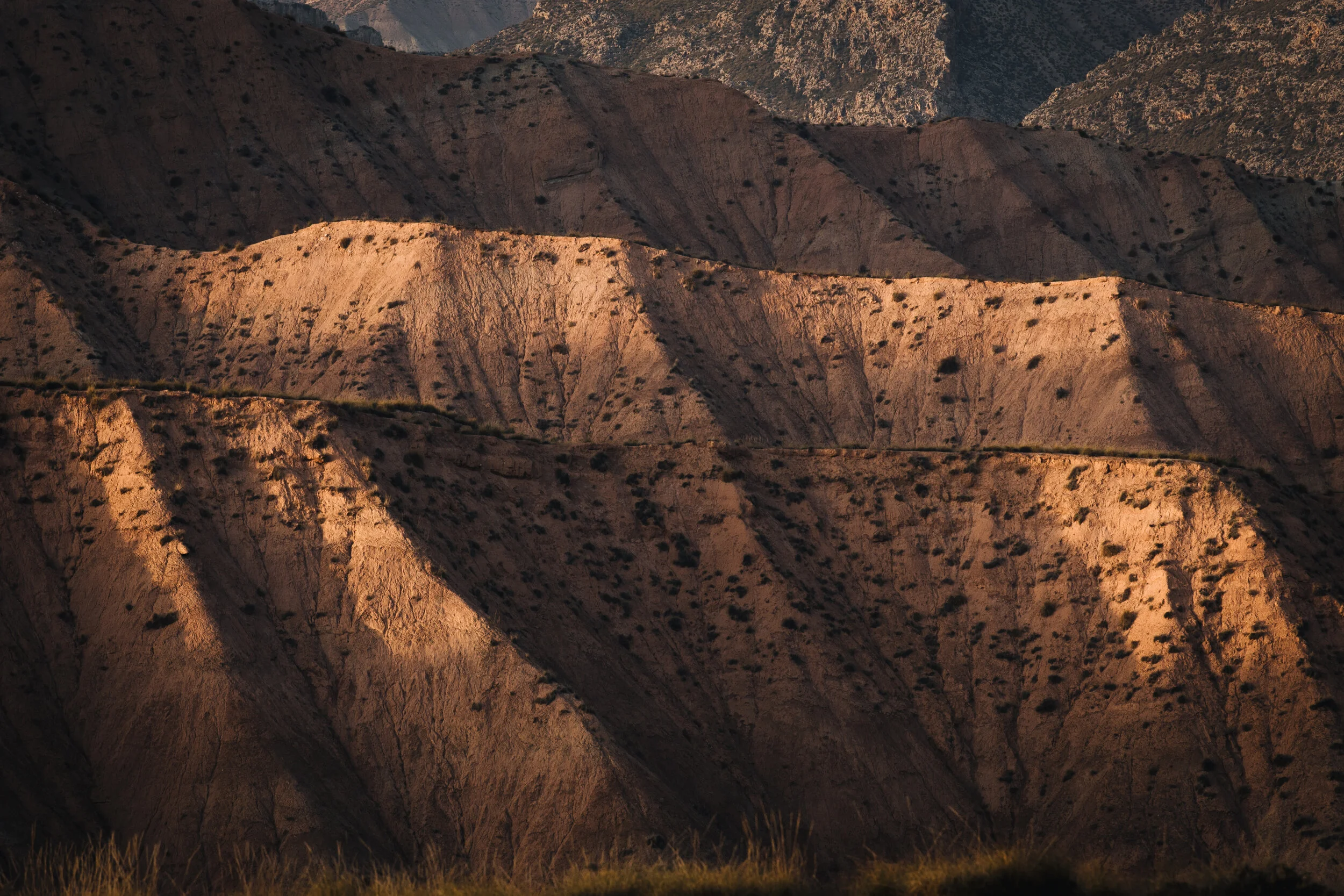
Desert Heat and Mountain Storms
Hiking (and feasting) in Andalusia.
Words & Recipes by Kieran Creevy & Photographs by Lisa Paarvio
Motes of ochre and gold cover our shoes. Grains of sand, millennia old, shaped by wind and water feel as insubstantial as dust. Yet, all around us we see towers and walls, hundreds of feet tall, sculpted into wondrous forms from these same grains.
A thousand kilometres to the North, the Pyrenees are locked deep into winter mode, tourers and mountaineers playing on frozen faces and in deep powder. Here, in Andalusia, we’re bathed in bright light, desert heat and cricket chirps.

The smells of a desert environment are totally different, judging by Whip’s intense sniffing and tail thumping. He’s static, nose in the air, nostrils flaring as he takes in the scent of wild animals, dust and a million other molecules that we can’t even begin to imagine.
While his exploration is scent driven, we’re standing, gobsmacked by the beauty laid out before us. Canyons and arroyos, riotous in colour, snake and twist in all directions.
We’re tempted to go off-trail and explore one of the myriad wadis, but this landscape is incredibly fragile, so it’s important to stick to the marked trails. But this is no hardship, as every corner reveals a new vista.
Dead end canyons and caves set high on sandy faces bring to mind images of the Anasazi cave dwellings, perched high on cliff faces.

By midday, the heat is starting to affect Whip, so we head down an offshoot track in search of a water source marked by a signpost. Though each of us started off with 2 litres of water, plus extra for Whip, the desert environment has dried us out more than expected.
Unfortunately, when we get to the spring we’re out of luck, as its dried into a tiny puddle of mud, inhabited by frogs.
Backtracking uphill, we scan our Komoot maps, looking for accessible water. With the nearest source over 20 kilometres away, Carlos offers to hike back to our car, refill our water jugs and rendezvous with us further down the trail.

Though the track is accessible by foot, mountain and gravel bike, motorbike and 4WD cars, it’s surprisingly empty. We have the trail to ourselves.
The geology of the terrain is constantly shifting, suddenly a reflection of light catches the attention of Amaia and Lisa. They’re off, eyes intently scanning the ground.
Scattered all around are tiny shards of fossilised minerals. Their countless forms, shapes and colours, and prehistoric origins humble us. We’re but brief specks on the ribbon of this planets history. Yet, though we’re here for a fleeting moment, the beauty that the natural world can show and teach us brings joy and a sense of humility.
Having the opportunity to travel and work in landscapes such as this is a treasure without price. We owe it to ourselves, each other, and to generations yet to come to respect and care for our environment, and in particular the wild places.
Keeping faith with that mandate, we leave the fossil where we found them, taking only photos and memories.

As the sun starts its downward trajectory, we begin to plan for a sunset dinner, and hopefully clear skies filled with a billion points of light.
Cresting a ridge, we keep our eyes peeled for flat open spaces on which to cook on our small camping stove. And, joy of joys, around the corner, as if summoned by telepathy, is our friend standing by an open car boot, inside jugs of water filled, and glistening with cold. Humans and dog alike, we suck down water, bellies full again. Then, revealing more treasures, Carlos shows his generosity and his Spanish heritage; fresh breads, cured meats, local cheese and olives, all from a nearby market. His wide grin shows he knows he’s scored major brownie points with everyone, Whip included.
Replete once more, we inflate pads for lounging, looking forward to a relaxed dinner.

The next morning we’re on the move later than expected, the early morning chill making movement slow. An hour later, we enter the ominous sounding Badlands, bringing to mind Spaghetti Westerns from the 70s.
Looking down into the deep gorges of The Badlands, it’s easy to imagine individuals hiding out for months on end. The steep terrain and switchback curves would make finding someone in this landscape an incredibly difficult task in centuries past.
Nearing the end of this trail, our thought turn, first to hot showers, then to our next destination. For hours of our trek in the Gorafe desert, the imposing bulk of Cerro Jabalcon was on the horizon. A solitary monolith, standing prod of the surrounding desert, its grandeur calls to us.


A day later, clean, restocked with food, and packs loaded, we’re on the move. This time, we’re splitting the group. The forecast looks a little uncertain, so I’m dropping the team at the start point, stashing the car on the other side of the mountain, close to another more accessible trailhead, and meeting them on the summit.
After the desert heat and light, the green hues, and thick forests feel like a balm. Hiking solo in dappled light, the scent of pine, rosemary and wild thyme rising with the morning warmth, I find the steep zig zag towards the summit plateau. I push hard upwards, as various weather apps and the darkening skies warn of an impending storm. Without warning, some loose rock underfoot gives way, wrenching my knee sideways. The pain in immediate, waves radiating outwards. I pause, hopefully it’s just a small strain.
I try to move upwards, but the first shift of loose gravel causes the pain to flare once more. I’m out of action. Messaging my friends above, I let them know what’s happened. In response, I get words of sympathy and a beautiful summit shot, with pads and sleeping bags laid out for the perfect mountain bivi.
I’m torn, wanting to join them, especially as I have the teams dinner in my pack, but knowing that this may damage my knee further. Descending slowly, I feel the approaching storm, as the wind rises.


Back at the car, I get another message from the team above. Darkness is falling and the storm has intensified. The far horizon is dark with thunderclouds and lit by sheets of lightning. They’re heading down. Fast.
Knowing they haven’t eaten in hours, and that we could be in the middle of a heavy storm by the time they reach me, I head into the local town to grab food for the team.
It’s fully dark by the time they reach the rendezvous, head torches lighting the sky before I can even see them. Packs, people and dog loaded, we need to quickly find shelter for the night.
We had spotted a complex of whitewashed cave houses for rent the previous day, so trusting in faith and karma, we give them a call. They’re incredibly accommodating, offering to rent us one of the cave houses at the last minute.
Half an hour later, we’re flat out on couches, wood fired pizzas and beers in hand, I’m not sure if we’ll make it the 20 metres to our respective beds. We drop into sleep as though poleaxed.

Morning comes, the skies swept clean. Outside, the whitewashed walls reflecting light, intensifying heat and helping dry our sleeping bags which had gotten damp. I get nudged by an elbow. The team wants yesterday’s planned mountain dinner served for breakfast. Time to get the stove fired up.
Follow our journey, using the links below.
https://www.komoot.com/collection/1143127

Goats cheese and smoked paprika grits with pan fried leek, jamon and roast hazelnut
Ingredients:
500ml water
200-300g fine polenta (depending on how thick you want the dish)
2 tsp salt
2 tsp fresh pepper, ground
2 tsp smoked paprika
1 large leek, chopped
1 jalapeño, finely chopped
1 cup shredded cheese or mix of cheeses
1 tbsp ghee
4 slices Spanish jamon
2 tbsp chopped toasted hazelnuts
Zest 1/2 orange, finely sliced.
Method:
Bring water to the boil, reduce to simmer.
Gently pour in the polenta, stirring well to remove lumps.
Add spices, jalapeño and cook until consistency of thin porridge - it will thicken up at the next step.
Add ghee, cheese and mix well.
In a pan, gently fry the leek, orange zest and jamon, mix together.
Spoon the polenta onto plates, top with the leek, orange and jamon mix, top with crushed hazelnuts.


Andalusian dried red pepper, tomato and onion stew with fresh flatbread.
Ingredients: serves 4
350g tin chopped tomatoes, or 4 ripe tomatoes, chopped.
2 tsp dried smoked red pepper paste, available in many Spanish supermarkets
1 red pepper, finely diced
1 white onion, finely diced
1 tbsp olive oil
1 tsp cumin powder
1 tsp chili powder
Sea salt
Fresh flatbread to serve.
Method:
In a skillet, heat the olive oil.
Add the onion, red pepper paste, spices and a little sea salt and cook until the onion is soft.
Add the diced peppers, cook until soft.
Add the chopped or ripe tomatoes, cook until the mixture starts to thicken.
Taste and season if necessary.
Serve with some fresh flatbread.


Coming Home
A local guide to Paddington.
Words by Liz Schaffer & Photographs by Jonathan Cami
At the end of 2020, I packed up my London flat, made an obligatory stopover in hotel quarantine, and moved back to Paddington. I’d been away from Sydney for ten years, and spent the last eight months of these living in lockdown, where I’d had time to think. I wondered what the future held for my adopted country, how I was going to brave the coming storm, and how the pandemic would change my idea of ‘home’.
I’d spent much of my time in London writing about travel, which is a great teacher; a reminder to slow down, ask questions and realise that everyone we encounter has a life as nuanced as our own. Travel highlights the romance of the everyday. On the road, a pastry eaten al fresco is an event. At home, while a similar feast may make us smile, it hardly seems worth talking about. Pondering prior roaming from my strangely-quiet corner of London, I considered how different things would be if, given the chance, I applied my wide-eyed, rose-tinted approach to travel, to ordinary life - if I took the time to celebrate the little things.
So, finding myself lucky enough to be back in Paddington, I did my best to act on these lockdown musings, treating every day like a day on the road while reacquainting myself with a suburb that, for the first 22 years of my life, had been home.

I immediately noticed that everything felt very familiar. Yes storefronts had evolved and new restaurants had emerged, but the essence of Paddington remained. There was still a sense of community, and it was clear that people took pride in the suburb’s style, quirks and artistic heritage. The next thing I noticed was how quickly memories came flooding back.
Returning to Roslyn Oxley9 Gallery, I was suddenly 18 again and seeing Bill Henson’s work for the first time, discovering that photography could be more ethereal than I’d ever thought possible. Stopping for breakfast at Bill’s, I remembered the birthdays and milestones I’d celebrated with his ricotta hotcakes. I recalled the day Bill Granger brought his restaurant to London and I shed a tear of joy in Notting Hill as the man himself placed my banana-y, butter-y brunch before me. I'd never been more starstruck.

Back in London, when I struggled with writing or things felt a little much, I turned to the Thames, walking along the river in the rain, hail and shine, and thinking about all this mighty waterway had seen. In Paddington, I look to bookstores and galleries. Many of these names were here before I left - Ampersand, Berkelouw, Oscar & Friends - but it’s fabulous to see how many others have discovered their magic. Stepping into Kitty Clark’s Saint Cloche or Kate Hopkinson-Pointer’s Project 90 galleries, I’m delighted. Not only because the works adorning these walls are divine, but because they capture such diverse visions of Australia … and glorify the minute.

I can still pop to Italy, thanks to restaurants like Barbetta and Vino e Cucina, to Mexico with Don Pedros, or Dear Old Blighty with pubs such as The Royal and The Village Inn. And then there’s The Unicorn, which strikes me as being perfectly ‘Sydney’. I spent years striving to bedeck my rented London bedrooms with Unicorn-worthy Australiana. Some of these gems thrived before my departure a decade ago, but I don’t think I took the time to drink in their charm - or, before 2020, look back and acknowledge how much they meant to me.

I’ve always adored words with no English translation; poetic reminders that our most complex thoughts and emotions can be easily defined, and that almost everything we feel is shared. There are terms that capture the way sunlight is filtered through leaves (komorebi) and how human kindness binds us together (ubuntu). My favourite though is the Welsh word hiraeth, which describes our longing for a home we can never again visit - a place lost to the past, or perhaps one that never really existed, yet is steeped in nostalgia nonetheless.
During lockdown in London, hiraeth took on new meaning. Bittersweet and beautiful, I couldn't utter the word without picturing Paddington. It was like a fever dream; a place of elegance, history and glamour - that felt impossibly far away. I’m so thankful I can return to a suburb that’s lived up to the memories. Places change when you move away - and you change too - but that doesn't mean you can’t fall in love with ‘home’ anew.
I adored my time in London - the buzz, the creative community, the sense that anything was possible. But in life, we can love more than one location. I can’t tell you how wonderful it is to feel that there are two places I can call my own. One that is waiting, and one that is here, now, cloaked in terraces and wisteria. A place where I can eat a pastry al fresco, and always take the time to talk about it.
This article first appeared in Local Paddo


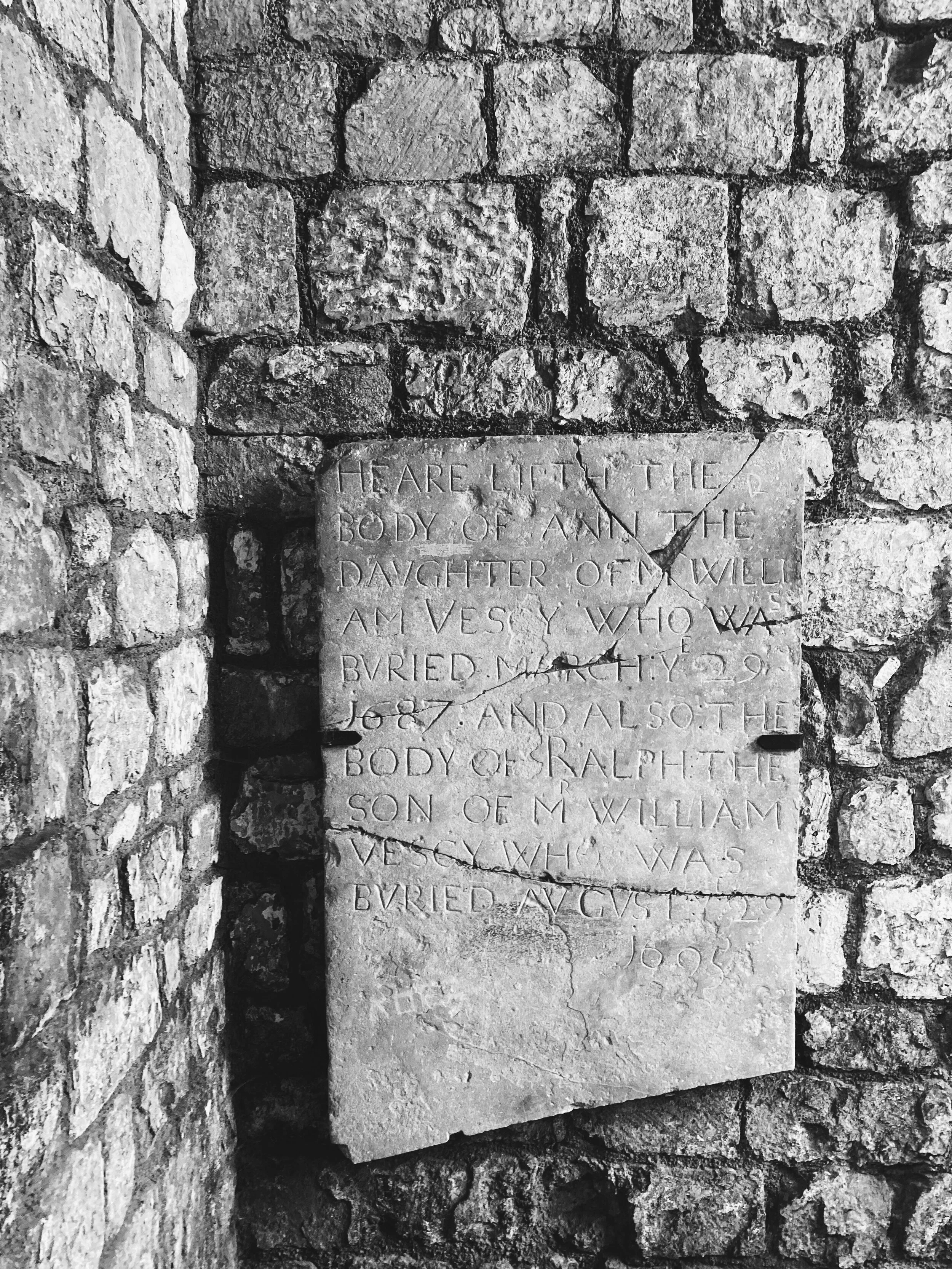
The Forgotten Village
A wander through Wharram Percy.
“Yet meet we shall, and part, and meet again, where dead men meet, on lips of living men.” – Samuel Butler
We head to North Yorkshire in search of seclusion, grateful to be leaving the lowlands of our own county after months of housebound ennui. Keen to avoid fellow tourists as much as possible, we make our first stop pulling into a layby signalling ‘Wharram Percy - Deserted Medieval Village’.
It is the first destination that we have circled in a thin line of red biro on the tattered road map pinched from my mother’s bookshelves. Legs cramped after hours on the A1, we hastily scoff our sandwiches in the car, hiding from the thick layer of mizzle that cloaks the Yorkshire Wolds – that deceptively heavy combination of mist and drizzle that soaks you to the skin in seconds.
We follow a downwards snaking footpath along an ancient track that has been trodden by visitors to the village since 50 BC. Our path is halted by a gateway and a field of half-interested cows, sat in their vast bulks as if cemented to the wet grass.
Our first sight of the ‘village’ is a desolate scene, faced with an 18th century farmhouse boarded up with black shutters that give the bleak building a wide-eyed look, as if staring out from empty sockets. Skirted by a wonky wooden fence, the overgrown grass tickles the lower panes of the front windows alongside abandoned animal troughs that have long stood empty. A sign fastened to the brick recalls the efforts of the ‘Wharram Percy Research Project – 1950-1990’s’, accompanied by a haunting line of poetry.
Hordes of volunteers and archaeologists gathered here over those years each summer – the first significant group of people to occupy the village since the site’s abandonment in 1500, as six centuries of continuous occupation came to a halt. Staying in the farmhouse, I imagine them bringing all manner of personal debris incongruous to their surroundings; faded deck chairs, cigarettes and ceramic ashtrays, brown mugs and steaming flasks of coffee. Pulling away at one of the planks of wood nailed to the window frames, inside the empty kitchen I glimpse a Perspex tap over the metal sink and fight the urge to climb inside.

On the grassy plateau high above us on the other side of the valley, ancient earthworks are discernible as faint ridges protruding from the ground – the remains of Middle Age longhouses, now coated in a silent sea of grass and cowpats. For such a quiet place, it rings loudly with the reverberations of the ages.
Behind the farmhouse, the jagged form of the collapsed bell tower juts into the sky. The walls of the church of St. Martin - which, in the days of William the Conqueror, were entirely made of wood - stand solid in lichen-coated limestone. The last intact medieval building in the village, the church, is slowly succumbing to the elements. Sat low in the valley, it is entirely roofless and almost shocking in its naked exposure.
Beautiful archways are rendered in the stone and we trace our fingers across elaborate engravings of crosses carved into its surface, patterned with splodges of lichen that look like chewing gum. Birds nest in the wooden rafters of the chancel and we both jump out of our skins as the heavy modern church door slams shut in a sudden gust of wind. The gravestone of two children from the 17th century hangs on the wall, the face of the stone splintered with large cracks.

During the Black Death, the population of the village plummeted and it is one of the many contributions to the depopulation and eventual desertion of Wharram. A shiver passes over us in the graveyard beyond, where the stones of many different eras jut out of the unkempt grass and we read of the excavations of medieval skeletons. The evidence gathered attests to the folk beliefs of mutilating and even dismembering the bodies of the dead so as to prevent them from returning to interfere with the living, a practice once carried out by the village’s inhabitants.
Crossing the low valley to the millpond, the crystal-clear water is sent into a shiver of ripples by a passing wind. We glimpse the darting movements of fish and imagine what must lie sunk in the silt below. We climb up to the hill overlooking the village, where the impressive Manor houses of yore once stood, belonging to the noble Percy family that gave the village its name. From here, we survey the wind-torn expanse of the Wolds that surrounds us, interrupted only by the leafy dale below.
The grass is soft and bouncy underfoot as we follow the outlines of the bygone longhouses, peasant houses and animal pens. Chalk markings are still visible from the original digs in the 1950’s and occasionally we pass a tourist sign with the black and white photographs of that time, trying to make sense of what lies in the ground in front of us. Now occupied only by livestock, ghostly snippets of sheep’s wool caught in the trees blow in the wind as they have done here for centuries since lowland farmers relied on this land for pasture.
I imagine the hardy folk that called this remote place their home, forging a life in this wild landscape. Making to leave, arm in arm, we are grateful to be met with the smiling face of a border terrier bounding over the hill, accompanied by its two neon-coated owners, part of the new wave of people that still visit this place. Abandoned, but not forgotten, the village still lingers in our minds.


Hotel Review - The Royston
Escape to the country (with this divine Welsh hotel).
For those craving a design-centric guesthouse in Wales’ undiscovered heartland, I’ve just the thing. Created and run by Clive Sweeting and Rob Perham, The Royston brims with mid-century modern features, vintage treasures, vibrant prints and bric-a-brac galore - and will leave you feeling utterly restored.
This cosy bolthole - named for Clive’s father - only opened in 2019, yet comes with plenty of history. The house was built in the 19th century by a dairy farmer who did rather well for himself, moved to London, then commissioned a Welsh replica of his Clapham abode. Original details remain - such as the stained glass entrance panels (which had me swooning on arrival), high ceilings and tiled fireplaces. These form the perfect canvas for the contemporary decor, all bold colours, statement furnishing and bountiful objets d’art. Although almost every surface flaunts a different adornment - be it a ceramic fox or geometric vase - nothing feels too busy. Perhaps because every detail is Clive and Rob’s own. If they lived here, this is exactly how their house would look.
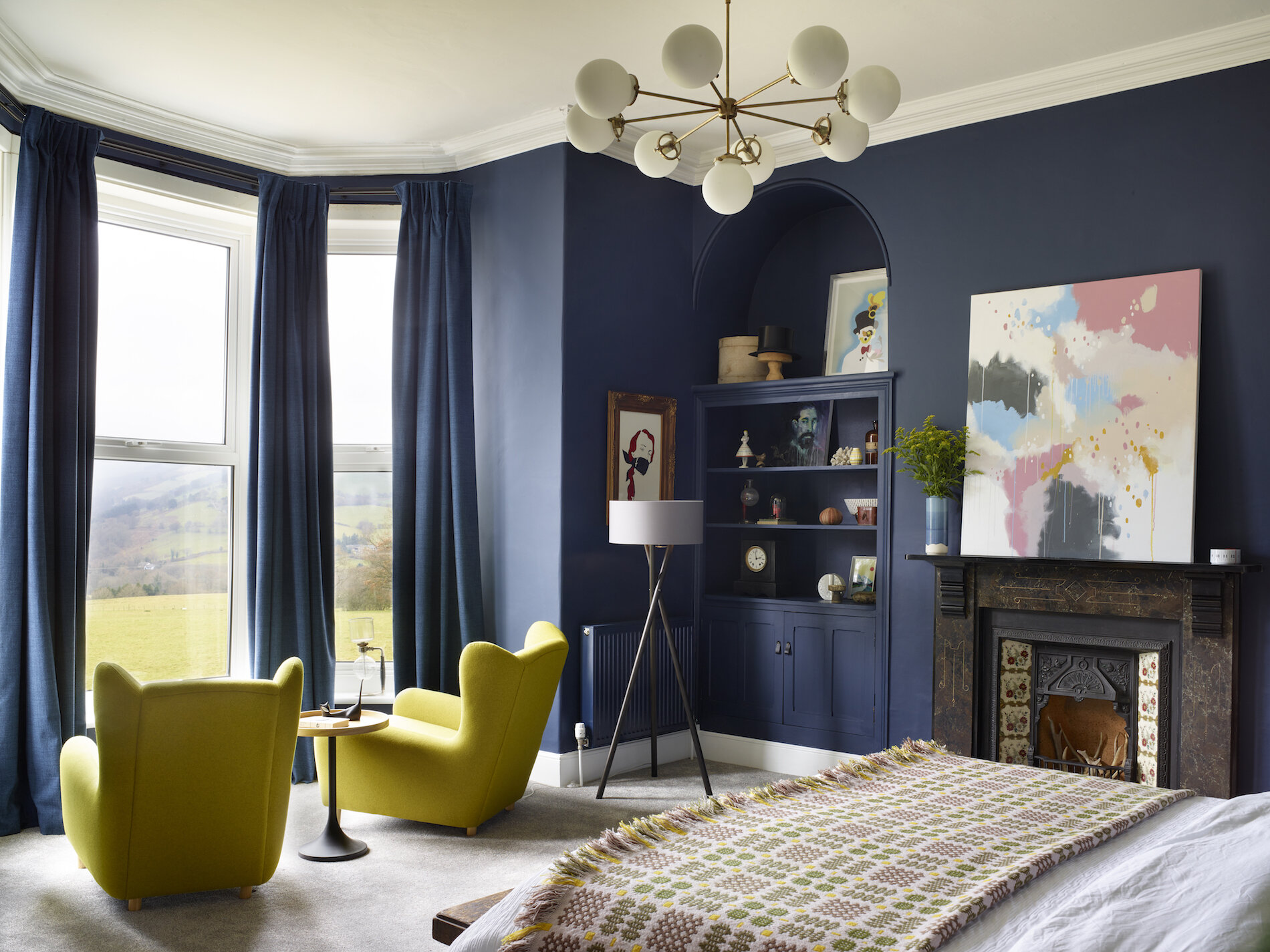
The home’s previous owner still lives in the largely Welsh-speaking village of Llanbrynmair and loves looking across the fields to see The Royston’s lights ablaze. This had been her husband’s family home and she was desperate for it to remain a ‘happy house’. As Rob explains: “She had lots of nieces and nephews and they all grew up here, coming for holidays, and they’ve kept coming back [since the renovation] and they love it. Four groups of her relations have stayed and they all say it’s a happy home. You can’t put that into a build.”
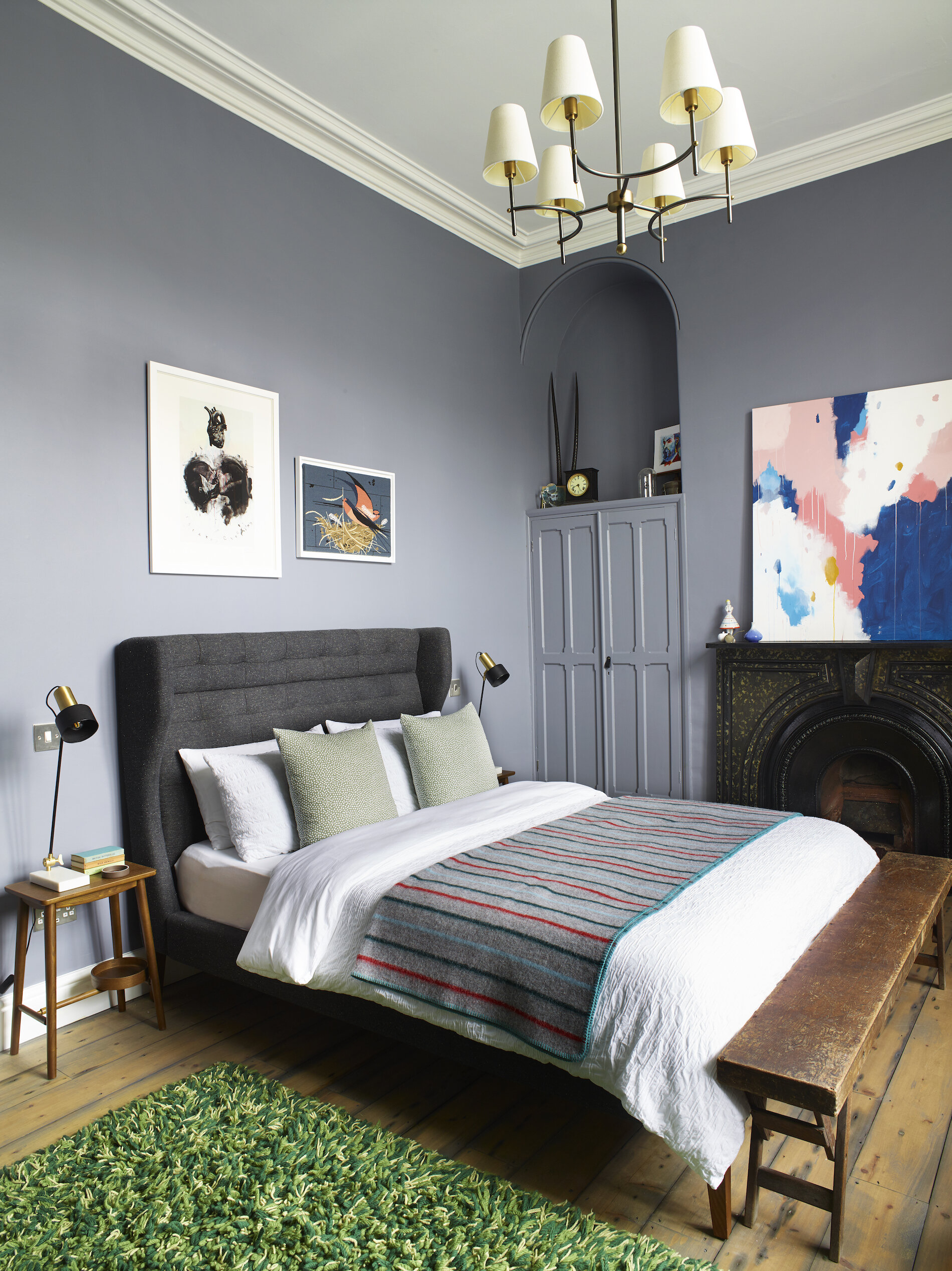
The Royston is run solely by Clive and Rob, and for them everything - the garden and kitchen especially - had been entirely new. Not that you’d know today. Fresh-cut flowers fill the house, veggie patches thrive and almost every ingredient is grown on the grounds or sourced locally. The results are fantastic - chicken salad flavoured with wild garlic pesto, halloumi burgers made exceptional by carrot chutney, and butter-slathered bara brith baked with care.

Although there’s much to explore nearby - from Rhaeadr Ddu to the Glyndwr’s Way walking trail - returning to The Royston is the real joy. This is a place you want to come home to; where you can sit by a fire, gaze towards the Cambrian Mountains and let the world go. For Clive, this has always been the goal. “I love the bay windows because I love to sit with a book and read. For years I’ve said that the place I want to end up in is somewhere where I can sit and have a view ... There’s so little opportunity to do nothing in life anymore.”
To learn more about the hotel or book a room, click here.
Words by Liz Schaffer, Photographs by Rachael Smith & Illustration by Rob Perham

The Te Araroa Trail
Walking across New Zealand - braving a hallowed hiking trail stretching from Cape Reinga to Bluff.
Words & Photographs by Louise Coghill
It took four acts of kindness to get from Kaitaia to Cape Reinga, the starting point of the Te Araroa - the 3,006 kilometre thru-hike I was embarking on. I wandered to the edge of town with trepidation. This was it. I stuck my thumb out half hoping nobody would stop and I could spend one more day in bed binging Fleabag. A man in his late 60s pulled up. I heaved my big red backpack onto the backseat, wondering how I’d manage to carry this beast of a thing later today.
Rob told me the country is changing, "you be careful which cars you get into Louise, New Zealand isn’t what it used to be", he said as I jumped out on the side of the road 40 kilometres closer to my goal. Remembering the man who had sat next to me on the bus from Auckland who twitched with an obvious drug habit and asked if he could borrow my bank card - add my unfortunate habit of listening to true crime podcast - I was very aware of how broken this world is. The first car that drove around the corner pulled up, but luckily it was only Sue, a social worker checking out a property. She drove me another 30 kilometres and dropped me beside a dairy, with the same warning … be careful. A beekeeper helped me strap my pack in beside boxes of bees in the back of his Ute, and finally a French couple picked me up in their van and I sat between them on the front seat as we chatted about travel and photography and NOT about how dangerous hitchhiking can be.

I pulled my heavy pack onto my shoulders, took out my brand new walking poles and waved goodbye to the French couple as I wandered down to the lighthouse that marked the start of the hike. I was glad to be getting away from that changing world Rob mentioned and return to the roots of humanity.
It only took 12 kilometres to get to my first campsite, but 12 kilometres was still enough to make my feet ache from the extra weight on my back. My hips itch where my pack rubs and the pain in my shoulders is starting. I know it’s going to get worse, but I tell myself this pain is bearable. It’s fleeting. I am human, I am made for this - to focus on the physical discomfort of living, rather than the mental anguish of existence.

Perhaps it’s something a little deeper within, a small reminder nestled into my DNA that says for 1.8 million years we’ve roamed and gathered. We’ve wandered and wondered, we saw the stars, we felt the wind and made up stories to explain it all. It doesn’t actually feel good tramping in a rain storm, wondering if there’s going to be somewhere dry at the end of the day. Or getting up at 5 a.m. to beat the high tide. Walking for 13 hours through forest, stumbling over tree roots in the growing darkness, trying to find somewhere flat to camp. Wearing the same dirty clothes for 10 days. It never feels exactly good, but it feels right.
Perhaps that’s why thru-hiking has become an increasingly popular pastime. We’re all here, tramping back to our roots, trying to throw off a millennia of social conditioning. We’re creating our own rites and rituals to make up for what we’ve lost over the centuries. Returning ourselves to the natural world. Becoming nomads with everything we need on our back.


The Pig and The Pony
Grazing through the New Forest.
Words & Photographs by Emma Latham Phillips
To come out of a lockdown is to emerge like a butterfly from a chrysalis; your movement is tentative. What was once normal feels entirely abnormal, so the best thing to do is to start the transition back to regular life slowly. For us, this means remaining as a family, staying warm beside the fire, cooking together, and enjoying walks in solitude; the only difference was that we were doing these activities in the New Forest.

The four of us were staying at Riverside Lodge – a bungalow that appeared to gently levitate above the large pond on which it stands. The illuminated windows cast ribbons of light into the black water, and in the field below the River Avon flows flat and fast.
Not many visitors appreciate the uniqueness of the New Forest, and many are surprised to find that it’s not really a forest at all. In 1079, William the Conqueror took ownership of the area, claiming it as his hunting ground. The rights of the common people were eventually restored in 1217 and these still exist.
Today the commoners have the right to turn ponies, cattle, pigs, donkeys and sheep out onto the unenclosed land of the New Forest to graze and browse. You might spot a pony on the road, a donkey on a village green or a pig blocking your hiking route.

The enclosure movement from 1750–1860 saw communal fields, pastures and arable land divided up like a jigsaw and handed over to larger farms. Once enclosed, the land became restricted and available only to the owner, not the community. The loss of common grazing elsewhere has led to the New Forest becoming an incredibly unusual place. These farmyard animals are able to browse woodland, heathland and wetland and not simply grass like we see everywhere else. The result is the preservation of a landscape of open heath, mire and natural woodland that would have once been widespread across Southern England.

The New Forest juxtaposes the wild and the tame, from the picturesque village greens to the ragged heathland, and in the sleet, rain and wind, the surroundings feel particularly unrestrained. With a homemade mince pie in my pocket and woollen gloves keeping my fingers from freezing, we begin the walk from Fritham to the Sloden Inclosure. These enclosures are fenced, set up in 1483 to protect young trees from grazing deer. Here the trees are mainly conifers. The dark green of the spruce needles appear dark against a low-lying blanket of rust-red bracken, and I can see hedgehog mushrooms sprouting up from the mud. We make our way onto Hampton Ridge and the rain picks up. The sun casts its rays through the dark clouds, straight and sharp onto the heather and gorse. The leaves of the oak trees we pass shine a brilliant amber orange, fiery spectres in front of a gloomy sky. As we head back into the more open mixed woodland, the downpour subsides and a double rainbow links the trees together.
Sodden and cold we return to Riverside Lodge for my mum’s homemade stew. I carefully pick out tender slices of sausage from the tomato sauce. We eat beside the wood-burning stove, moving from the dining table to the sofa, where we stretch out and play cards, our dog taking it in turns to lie on our feet.


The unique nature of the New Forest makes it a wonderful place for food, so we weren’t only going to eat in. It’s here that The Pig Hotel found its footing. We visit for dinner and breakfast, gathering around the table on characterfully mismatched chairs, beside sweet-smelling pots of mint and rosemary. The Pig breaths fresh air into the stuffy country-side-hotel-model, waving goodbye to the stiff-upper-lip and game of manners. In the bar, you’ll find London escapees craving long walks and vegetables just pulled from the earth.
Group Chef Director, James Golding, has been at the helm of The Pig since it opened. He grew up in Hampshire and his desire to showcase local producers resulted in the 25-mile-menu. 80 percent of fresh ingredients are sourced within 25-miles or from the market garden: “the market garden is what drives our menu”, he explains. “Our chefs go there every week and the head kitchen gardener tells them what’s ready to be harvested; this means our dishes change weekly depending on what’s ready”.

I was shown around the site by Jim; who grew up on a farm 20 minutes away. Brassicas fill the plot with a splash of winter colour. Kales, regal in their purple hue, billow in waves like scrunched up saffron silk. I pick and pluck, trying scorpion rocket, garlic chive, lemon-chive and filly mustard leaves. “Having a market garden teaches the chefs about seasonality. You see the plant grow and you respect the amount of work that’s gone into nurturing it”, explains James. “As a result, you find there’s much less food waste”.
For dinner, we start with a trio of ‘bits’ – saddleback crackling, oyster mushroom vol au vents and chalk stream trout pate on toast. I devour Abbotts Anne venison with crushed neeps and red wine sauce. For breakfast, I can’t resist James Golding’s very own smoked salmon, smoked using New Forest oak. “We set up a smokehouse on the grounds”, he explains. “And I found a local sawmill who were happy to barter. I swap my smoked salmon for their sawdust, curing it with sea salt, lemon zest, black pepper and honey.”


You can’t think about The Pig without talking about its namesake. The pig is at the heart of New Forest culture and every Autumn is pannage season. From September to late December, pigs forage through the leaf litter on the forest floor to devour the acorns, beech mast, chestnuts and other nuts that are poisonous to ponies and cattle. The New Forest is one of the only places left in the UK that still practices pannage and it’s a true example of how nature helps nature. The loss of ancient farming practices to industrial methods is a sad fact of modern life, and in our fields today we’ve pushed these practices and nature out.
“When you meet the locals and hear how their grandfathers and great-grandfathers did the same thing, you understand that it’s a way of life”, James tells me. “Something that’s produced on your doorstep with love is far better than something that has been sat in a plane flying across the world. If you support your local producers, you support your local community.”
With the buzz of a busy dining room still reverberating around my head and a fresh fruit and veg box on my lap, we return to Riverside Lodge. I sit on the slim decking outside the bedroom that overlooks the pond, enjoying a cup of tea and a book. The sun is finally shining on the wooden exterior and the shadows of branches lace an intricate pattern. The wood-smoke coming out from the chimney smells of winter.


Swiss Heights
Hiking in Vals - a Swiss alpine wonderland.
Words & Photography by Mercedes Catalan
Vals is a small, dreamy village in Switzerland’s Canton Graubunden. It sits in a deep valley surrounded by green mountains, forests and farms. It is a village known for its water (home to Valser, one of the most famous mineral waters in Switzerland) and thermal baths (like the stunning 7132 Therme, designed by Peter Zumthor), and despite boasting a two Michelin star restaurant (7132 Silver), Vals remains quiet and peaceful, even in summer, making it an ideal escape for city-dwellers craving the calm of nature. Somehow though, its still feels like a bit of a secret. Indeed, on many of my hikes, I found myself alone for hours, only crossing paths with the occasional farmer or village local.

I took these photos during three different hikes. The first day we walked around Zervreilasee, or Zervreila Lake, a reservoir found at 1,862 metres above the sea level and surrounded by impressive mountains of more than 3,000 metres. We walked around the lake, admiring the reflections of the Zervreilahorn, the very sharp peak that is nicknamed ‘the Matterhorn of Graubunden’. It was a beautiful day walking along the water. The alpine flowers were in full bloom, specially the alpenrose, and butterflies were fluttering around us while we trekked.


The second day I started walking also at Zervreilasee, but I went higher following the ‘Drei Seen Wanderung’ (The Trail of the Three Lakes). This day we walked higher and longer and encountered all kinds of weather - patches of snow, a hailstorm, fog, sun and heat. We met many marmots along the way and enjoyed watching them play in the sun in meadows full of flowers. There were also alpine farms, and curious cows aplenty, and we bought slices of alpine cheese directly from farmers. Towards the end of the hike, we meet around 200 goats while they were wandering - as they do every day - from the alpine pastures to their farm.
The third day was a very foggy one. We wanted to hike to the mountain pass of Patnaulpass and, from there, to Faltschonhorn if the weather allowed us (it didn't). This was a harder hike, and the entire day was spent mostly in fog, but the views when the clouds opened for fleeting moments were truly beautiful. For me, these images are a reminder of how wonderful it will be when we can once again return to the hills.
For more Swiss travel, check out our Switzerland magazine by clicking here.


Kaleidoscopic Kawaguchiko
A Japanese colour story.
Words & Photographs by Bronwyn Townsend
A week of bluebird skies and crisp autumn days had us hoping we’d spy a glimpse of Mt Fuji. I’d spent years crafting the perfect images in my mind. Her snow-dusted peak juxtaposed perfectly against the vibrant leaves of the turning maples. But as we departed Tokyo, weaving through the mountainous terrain beyond the frenetic capital, it became clear that Mother Nature had other plans.
Despite heavy fog that had descended over the lake, a patchwork of crimson and gold cut through the grey. A consistent pitter-patter echoed within the clear plastic umbrella I sheltered beneath - this would become the soundtrack to our days spent in Kawaguchiko.
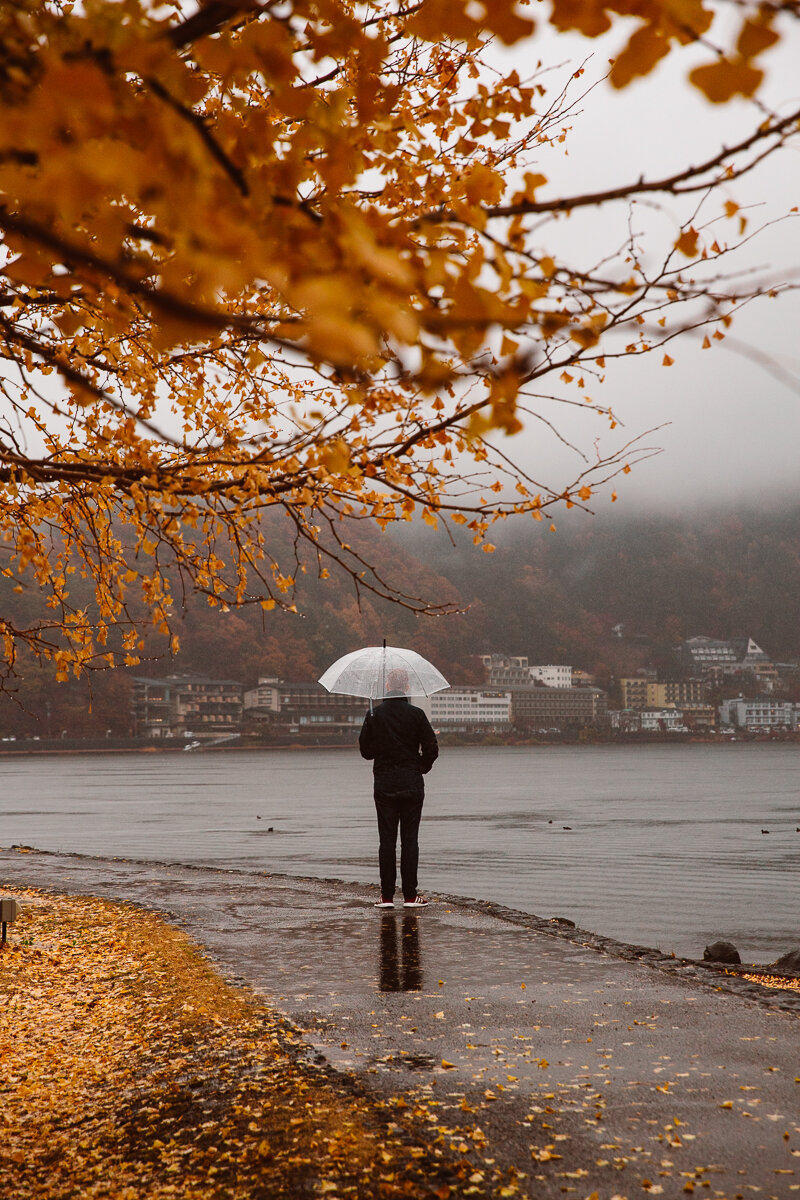
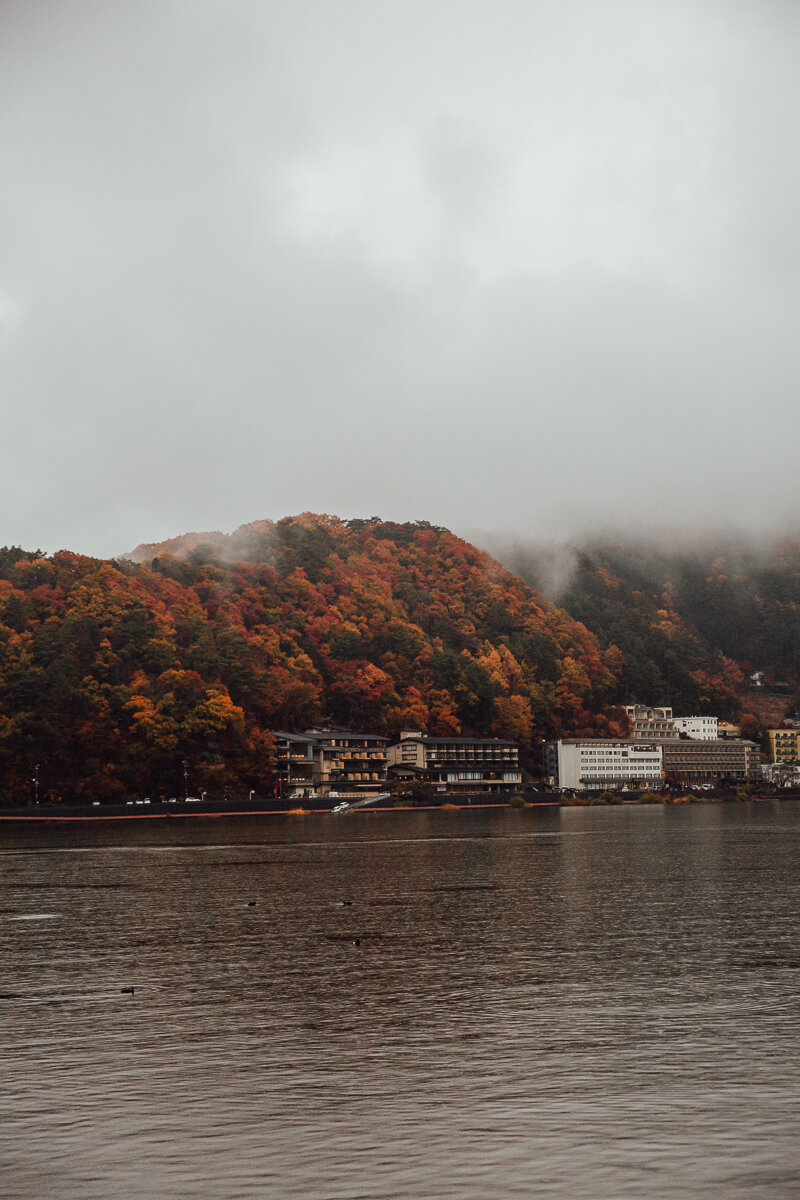
An hour and a half south-west of Tokyo sit the five lakes of Fuji, which offer some of the greatest vantage points for the iconic volcano. Among these, north of Fuji-San, rests the lakeside town of Kawaguchiko - a deceptively quiet place despite being home to the Fuji-Q theme park. Upon disembarking our coach beneath the low-hanging blanket of grey and drizzle, we were met with a riot of autumnal colour.
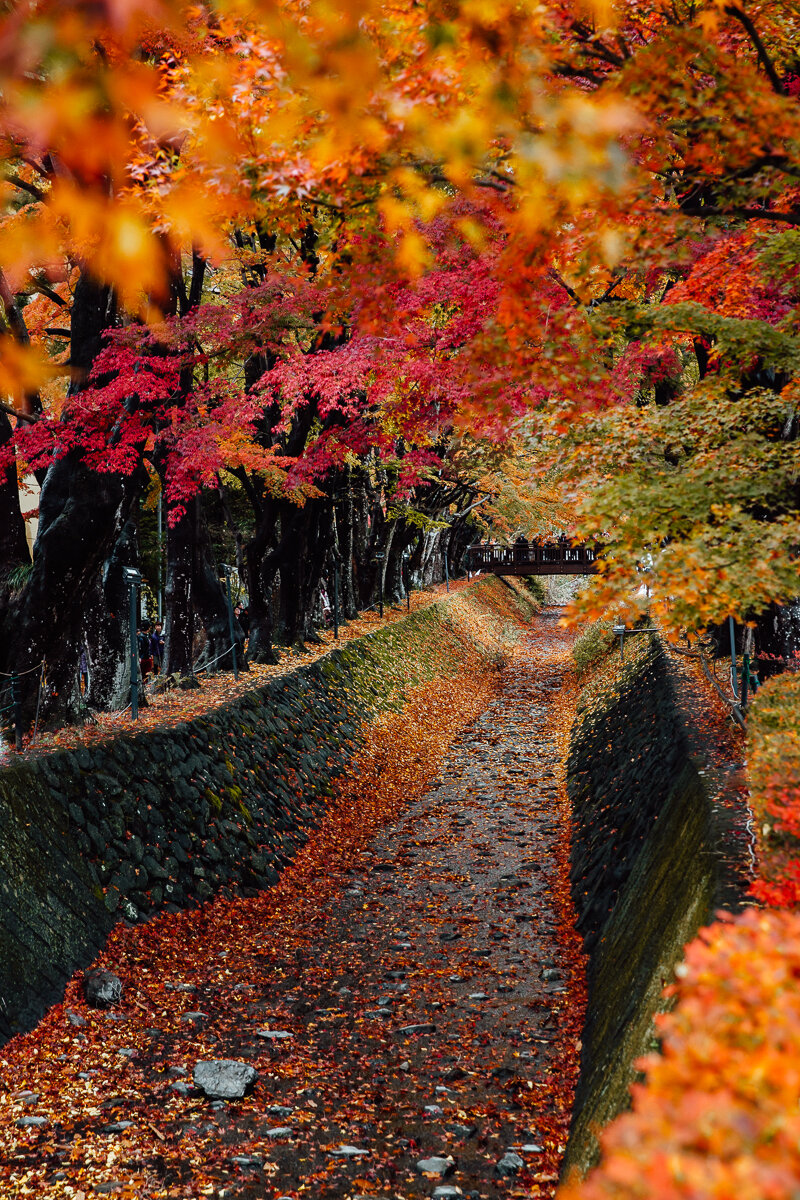
Ochre, crimson, tangerine and saffron set the foothills surrounding the lake alight, breathing new life into the region before the winter slumber settled.
Many flock to the shorefront of Lake Kawaguchi during sakura season; the pale pink and white blossoms creating a carpet in beneath wiry branches within just a few short weeks. However, autumn is the real star of the region’s seasonal shows. Japanese maples transform the famed ‘Maple Tunnel’ into a blazing inferno, from gold and amber to cherry reds.
It’s not just the hues of seasonal change that drew us to Kawakguchiko. The fertile volcanic landscape is also a place of solace for those looking to soak among mineral-rich waters. Eschewing bathing suits in favour of birthday suits, we slip into the steamy waters of our onsen - raindrops creating ripples before dissipating into the abyss.
While our quest to capture Fuji-san in all her glory was thwarted, our odyssey of colour was met with equal enthusiasm; days defined by dappled hillsides and slow living. A reminder serendipity is one of travels greatest pleasures.
For more Japanese adventures, check out our Japan magazine.
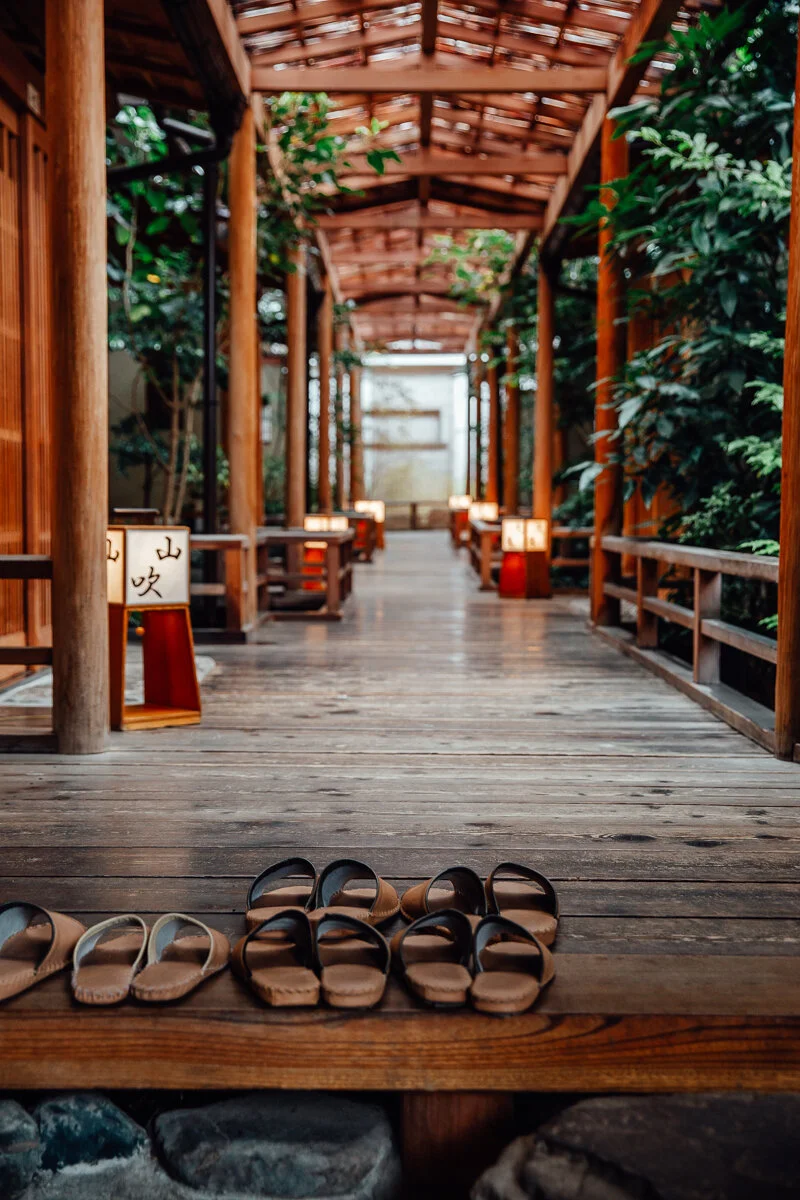
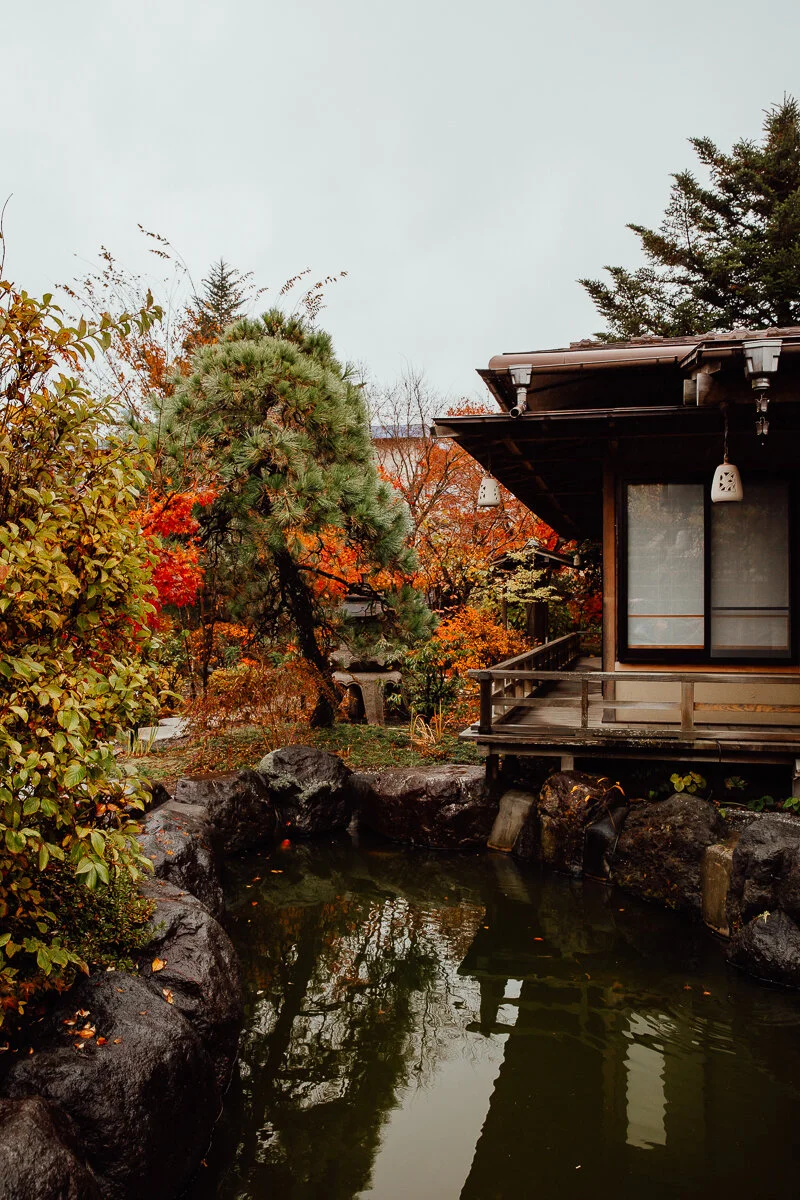
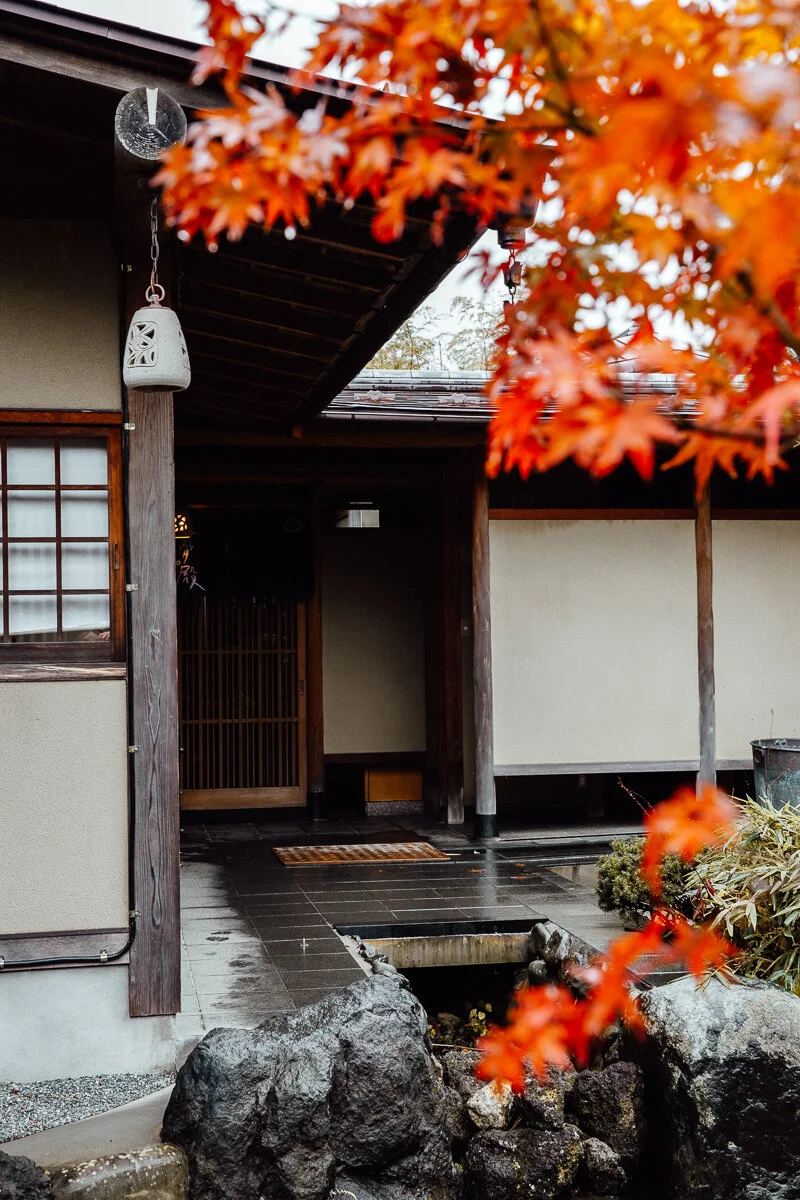
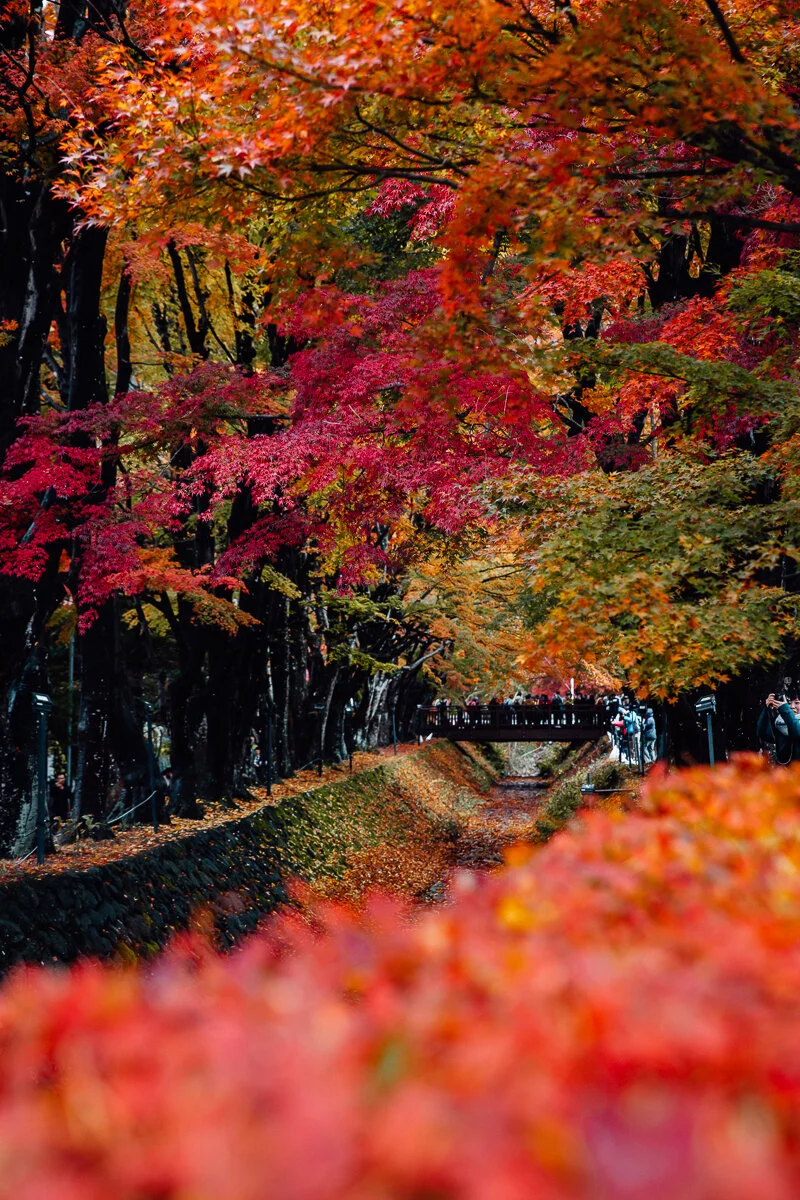
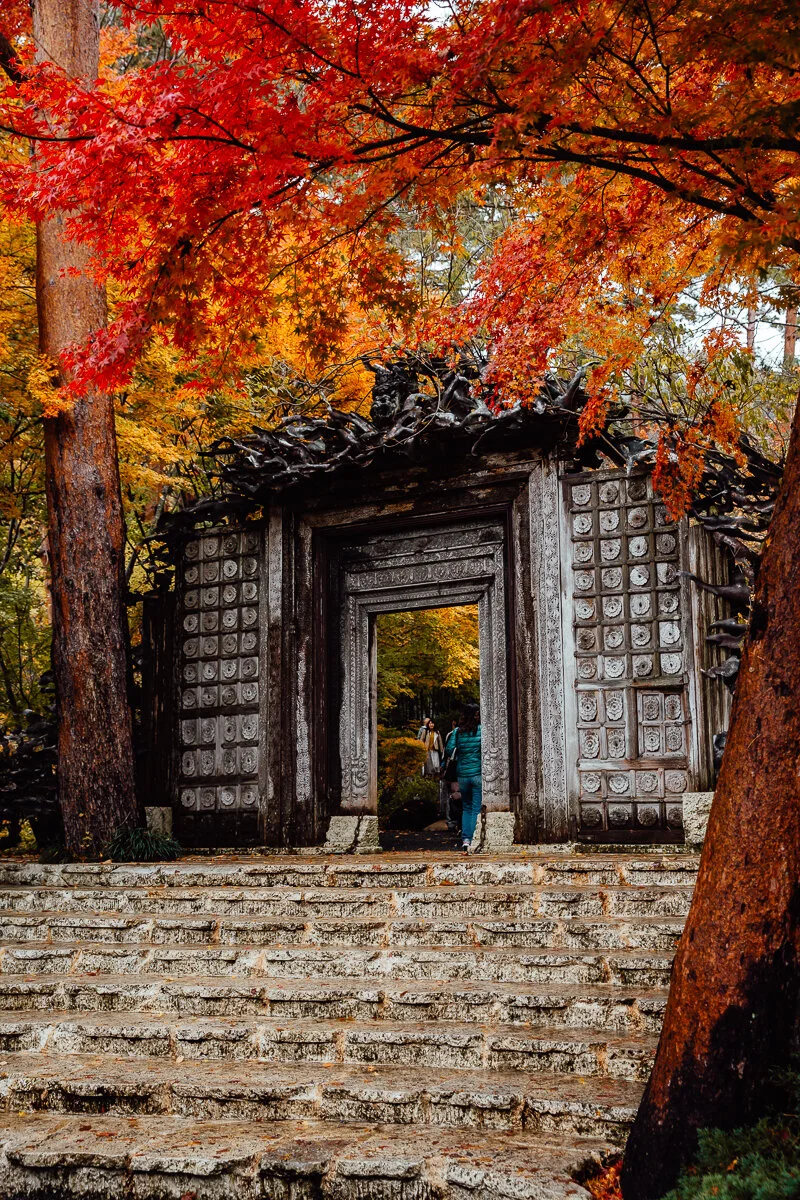
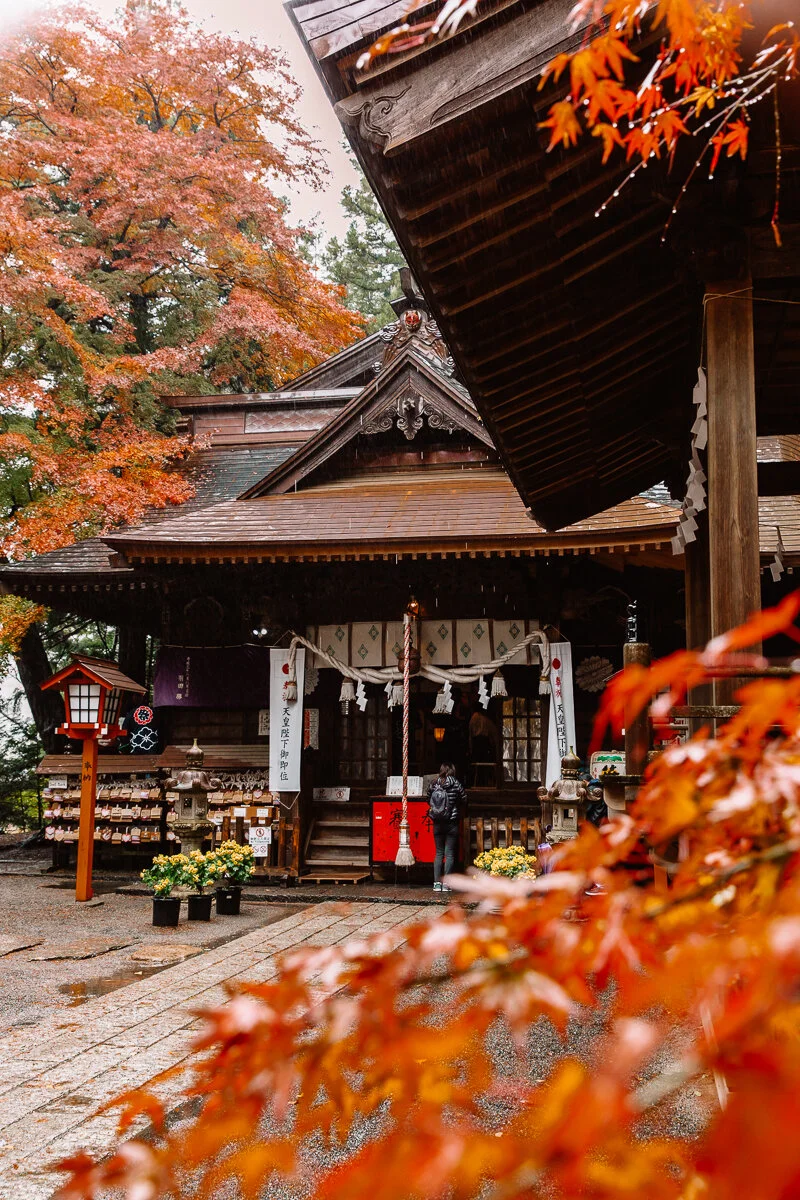

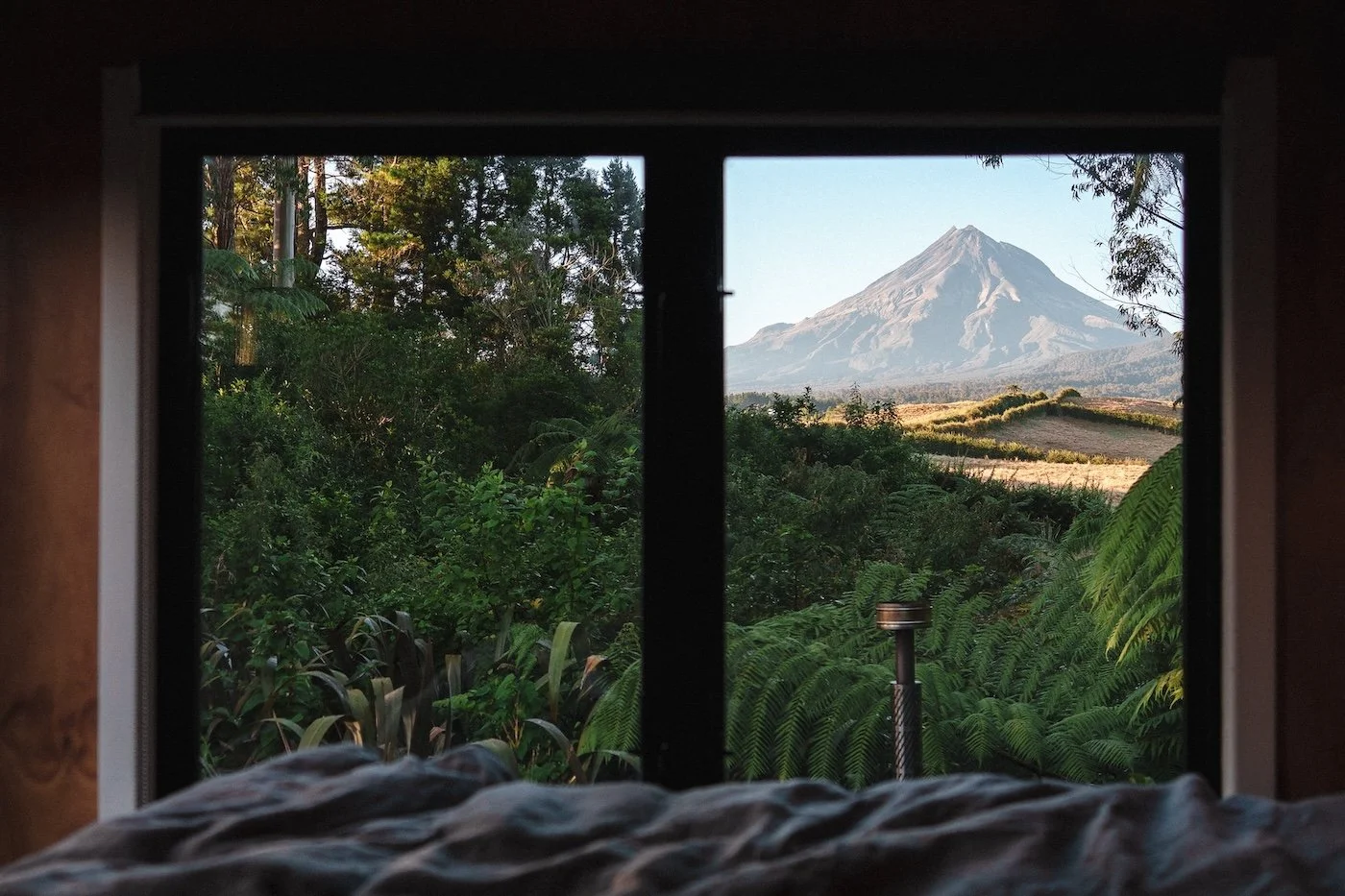
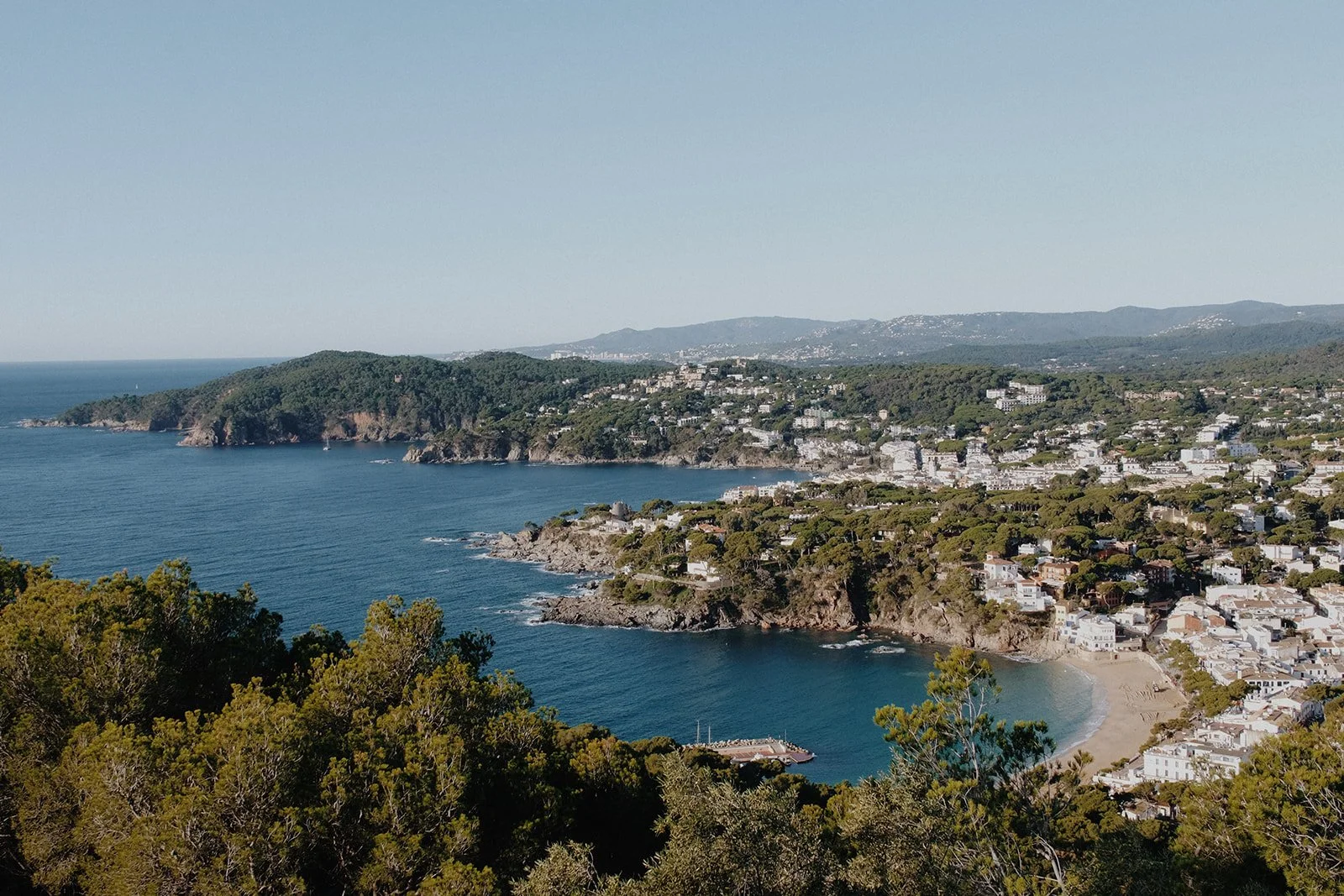
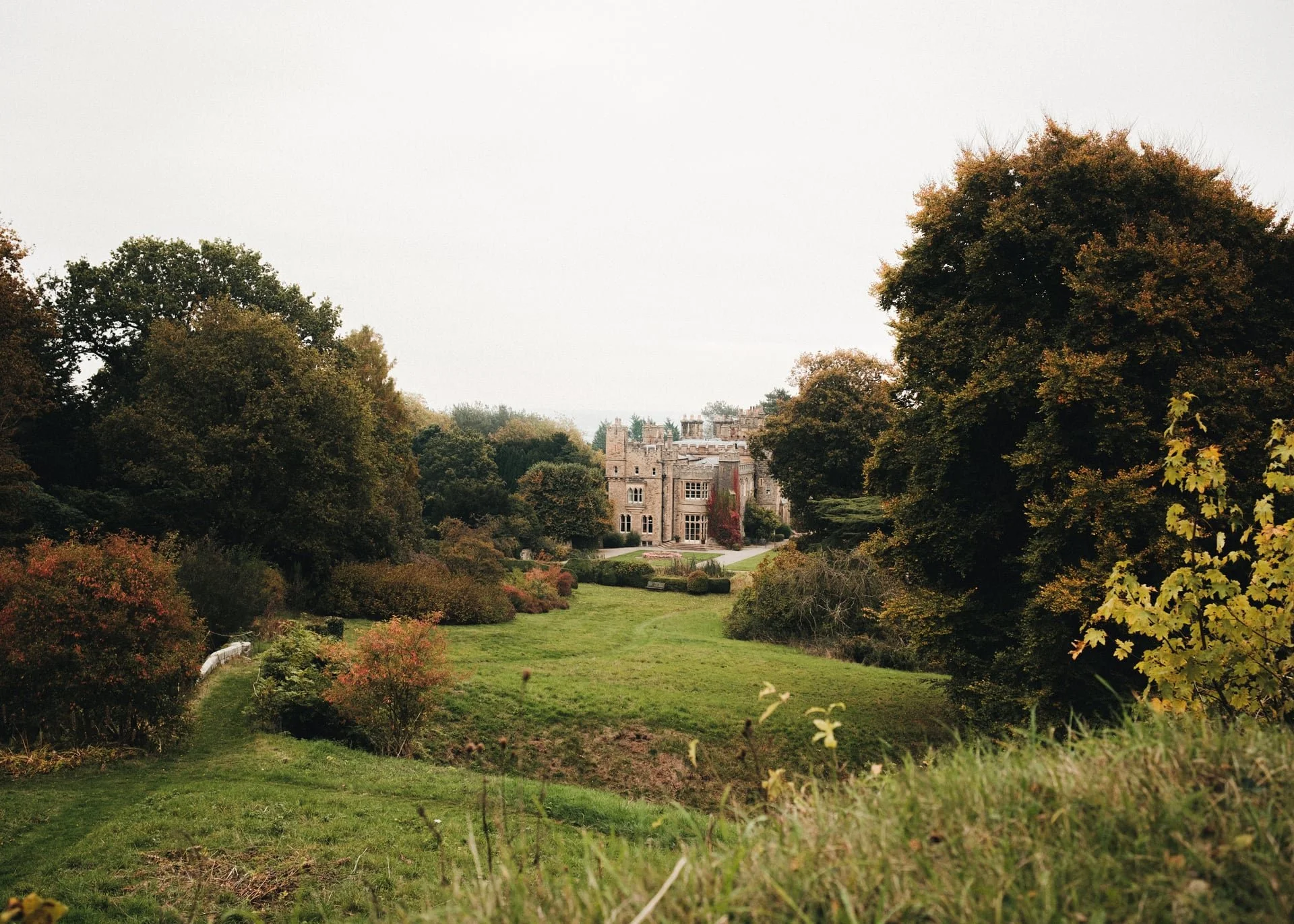
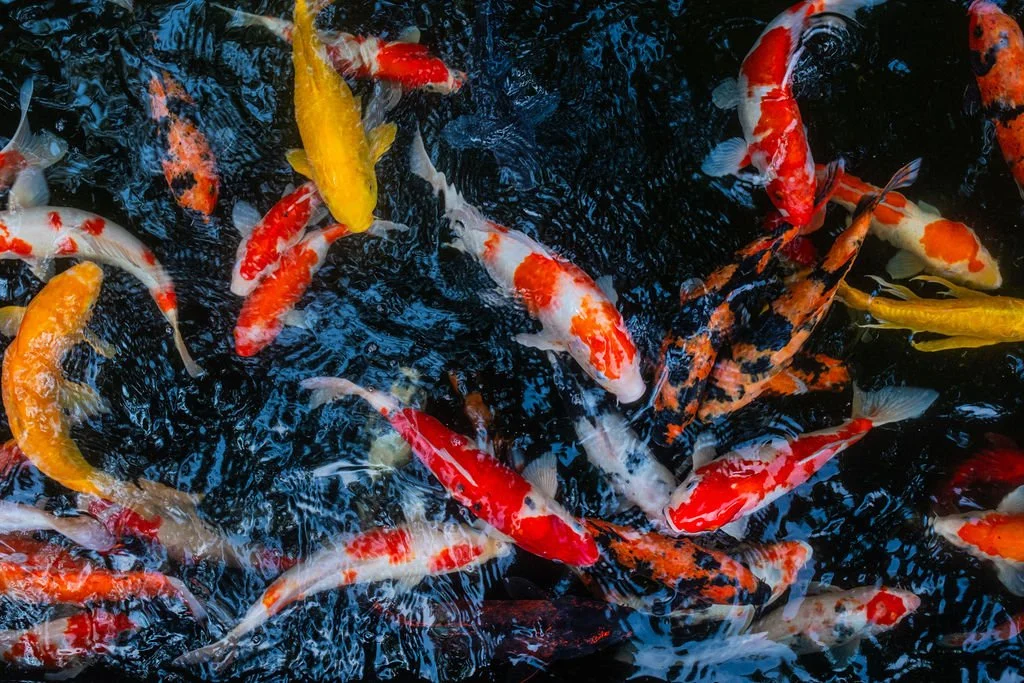
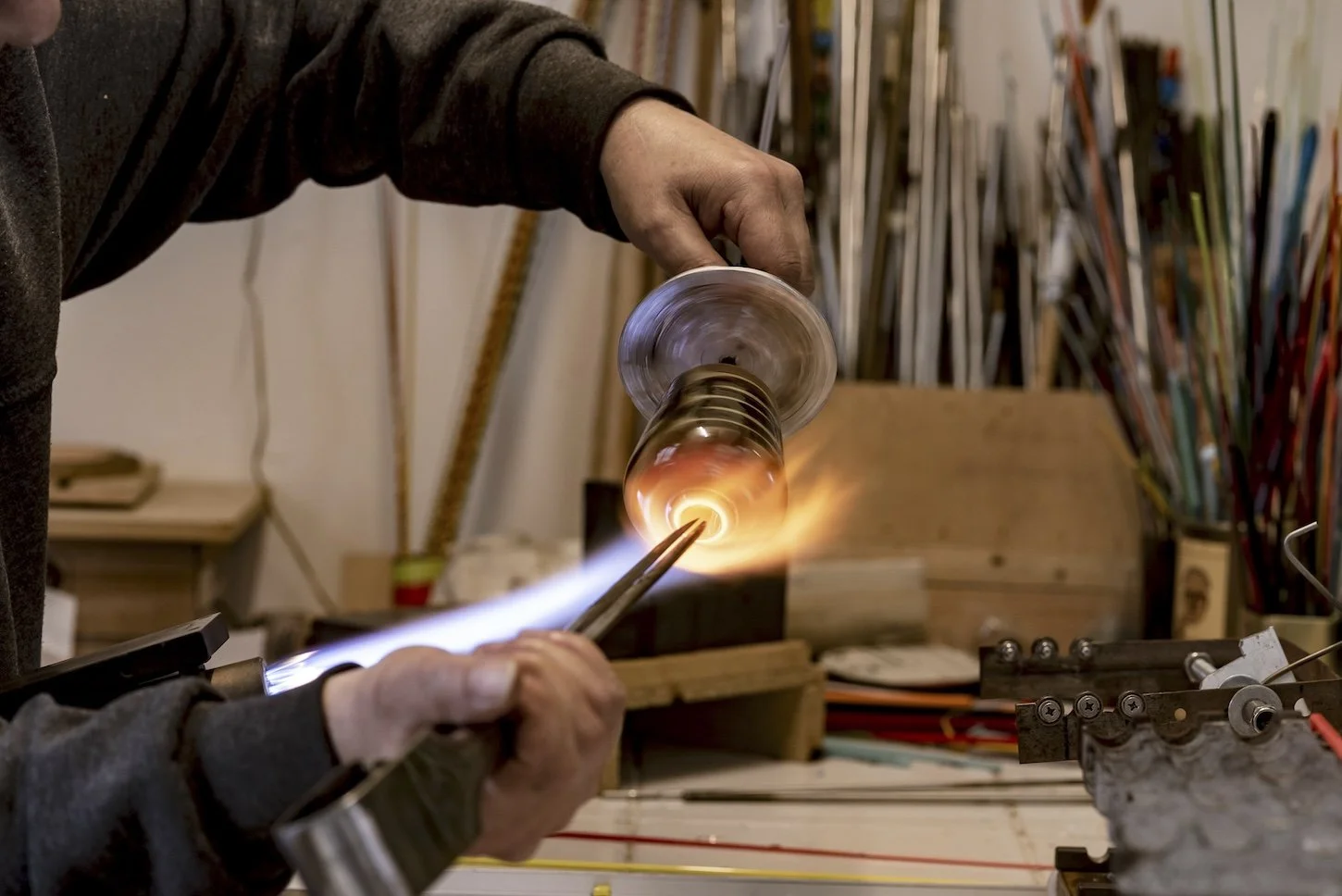
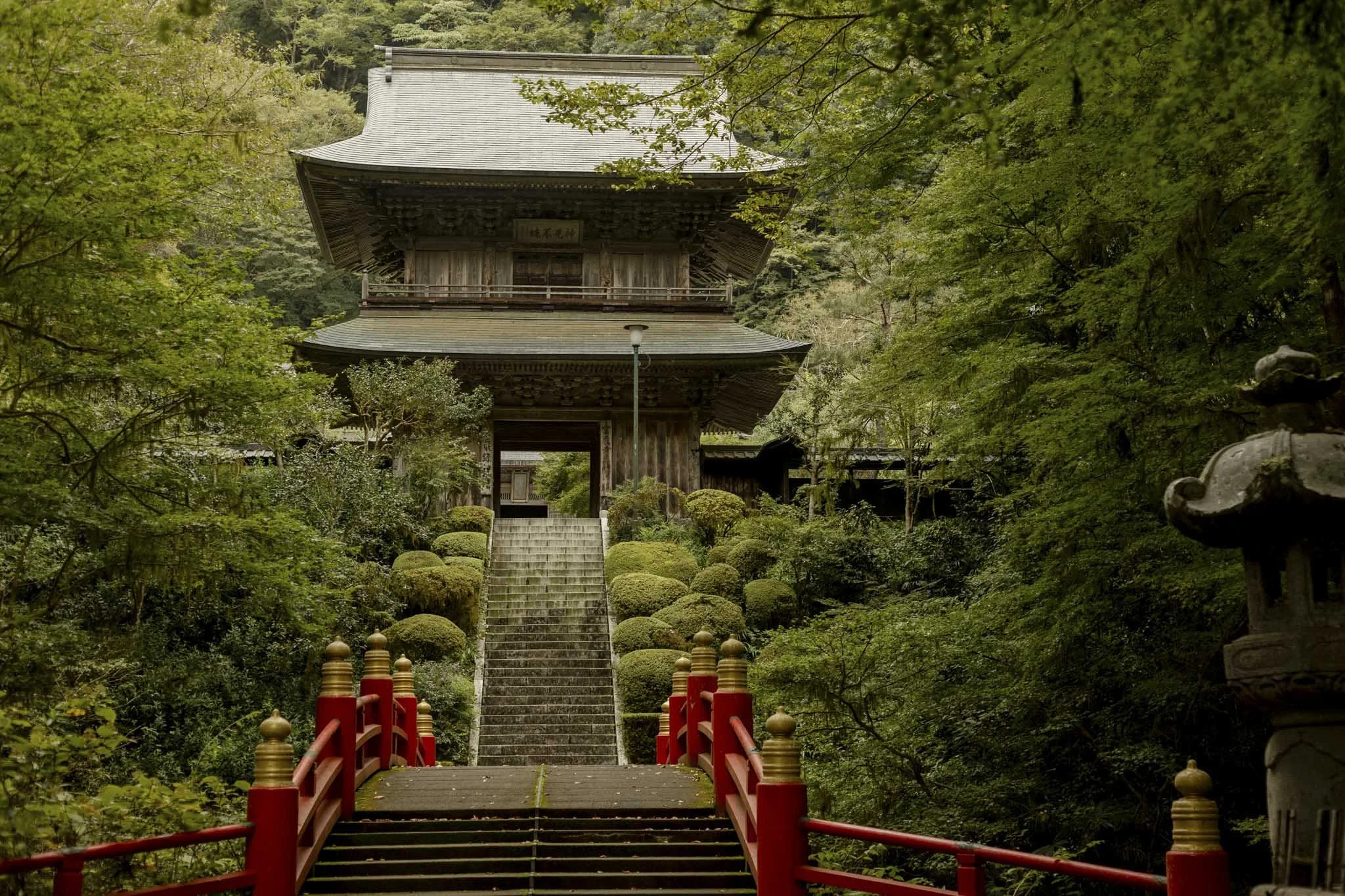


Slow seaside travel in Toyama Prefecture, Japan.